Abstract:
Vitamin C (ascorbic acid) is an essential water-soluble vitamin, which plays an important role in many important biological processes of the body. The human body cannot make vitamin C on its own, so it must be supplied through food or supplements when necessary. This vitamin helps the immune system function normally, contributes to the formation of collagen, helps increase iron absorption, and as a powerful antioxidant helps protect cells from damage caused by free radicals.
This article provides detailed information about what vitamin C is, its types, its role in the body, health benefits, causes of deficiency, scurvy, daily requirements (RDA), natural sources, supplements, possible side effects of overdose, interactions with drugs, scientific research, and common myths and facts in simple language. If you want to get complete and scientific information about Vitamin C, then this article will prove to be a useful guide for you.
What is vitamin C?
Vitamin C is discussed everywhere because it is considered very important for the body, skin, hair, and health. Vitamin C is also known as ascorbic acid in scientific language. This is also a water-soluble vitamin; research has found that it is one of the most important nutrients for the human body. Not only this, it plays an active role in many biological processes of the entire body. Vitamin C is very important not only for the immune system but also for the strength of skin, hair, bones, blood circulation, gums, teeth, and every part of the body.
It is said that the human body is not able to produce vitamin C on its own, whereas most animals can easily produce it in their bodies, but an enzyme called L-gulonolactone oxidase is not found in humans. Because of which the body cannot make this vitamin itself, so we have to fulfill it through food and supplements.
Most people would know that vitamin C is a very powerful antioxidant. Antioxidants are elements that protect cells from free radicals produced in the body. You will be surprised to know that these free radicals damage the cells and lead to premature aging, heart disease, cancer, and many other health problems.
History of Vitamin C:
The history of this vitamin is interesting as well as surprising. Many centuries ago, sailors going on sea voyages had to suffer from a serious disease called scurvy. In this disease, many symptoms were seen, like bleeding gums, increased weakness in the body, delayed healing of wounds, and falling of teeth.
In the year 1747, Scottish physician Dr. James Lind discovered that consumption of citrus fruits like oranges and lemons helps in fighting scurvy. After this, when this research was taken forward, it was revealed that in the year 1932, scientists identified Vitamin C, and it was proved that the disease called scurvy spreads rapidly due to the deficiency of Vitamin C, and to reduce it, consumption of Vitamin C is very important, and since then till today, continuous research is being done on Vitamin C, and every time information is received about new things.
Chemical structure of Vitamin C
The scientific name of vitamin C is L-ascorbic acid.
- Chemical Formula: C₆H₈O₆
- Molecular Weight: 176.12 g/mol
- Nature: Water Soluble
- Color: White or light yellow crystalline powder
- Taste: Light sour
You will probably be surprised to know that it starts getting destroyed after coming in contact with excess heat, light, and air, which is why cooking vegetables for a longer time reduces the amount of vitamin C present in them.
How does vitamin C work in the body?
In fact, whenever we consume any sour fruit like orange, amla, guava, kiwi, or other things containing vitamin C, it dissolves in our small intestine and reaches the entire body through blood.
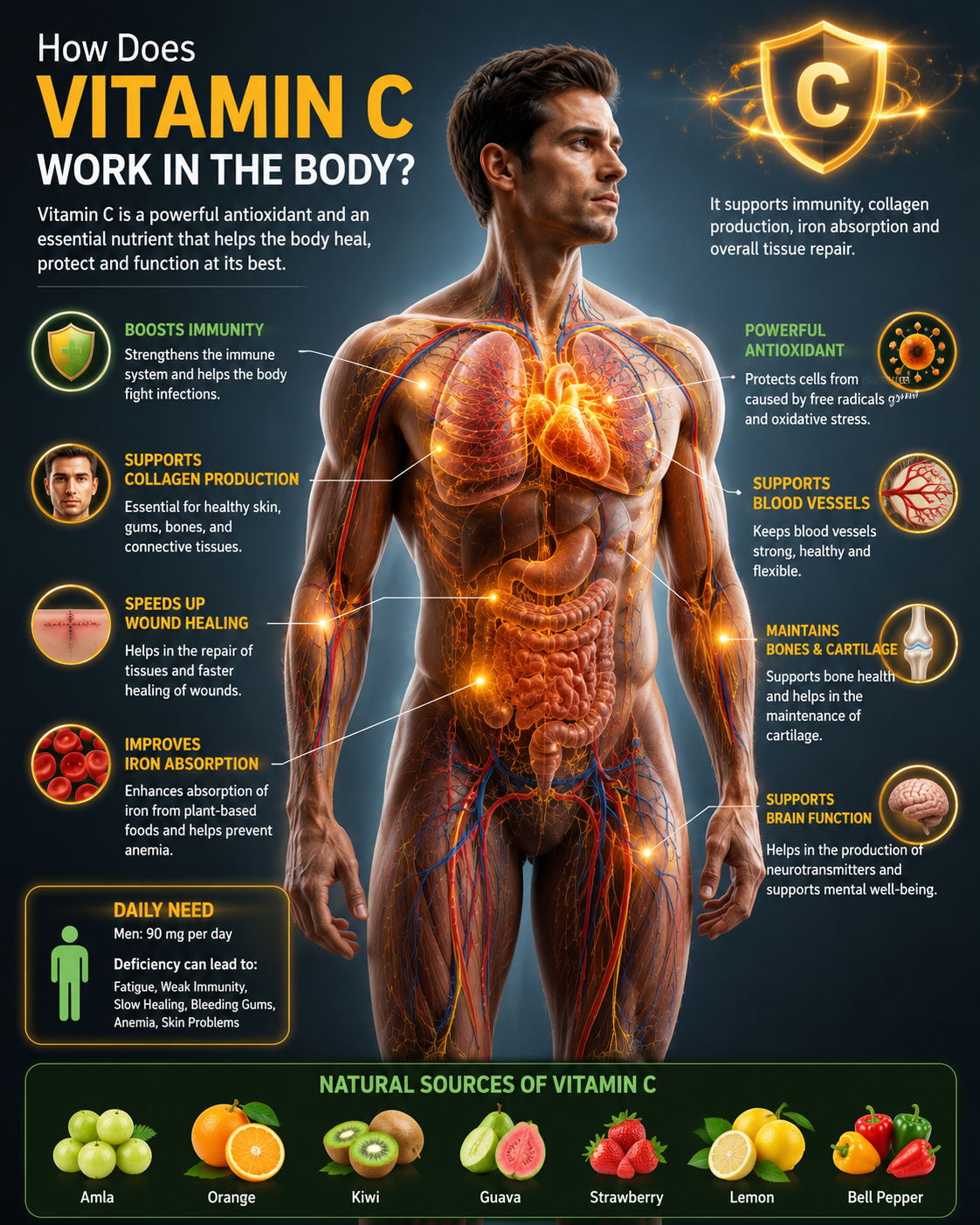
After this the body uses it in many important functions, such as
- Making Collagen
- increase immunity
- increase iron absorption
- protect cells from oxidative damage
- helps wounds heal faster
- skin repair
- keeping blood vessels strong
We all know this very well: it is a water-soluble vitamin; hence, the excess quantity does not get accumulated in the body. When needed, it comes out of the body through urine.
Role of Vitamin C in the body: Now let’s talk about how it plays its role in the body….
1. Collagen Formation:
Collagen is considered very important for our body because it contains a lot of protein. Because it helps in keeping the skin, bones, ligaments, tendons, blood vessels and gums strong, and the most surprising thing is that due to deficiency of Vitamin C, there is difficulty in the formation of collagen in the body.
2. Increasing immunity;
Research has found that vitamin C is also important for white blood cells because it helps in increasing their efficiency rapidly. Along with this, it works to protect the body from bacteria, viruses, and other pathogens in the cells and helps in increasing immunity.
3. Better absorption of iron:
Iron obtained from plants is not easily available to the body, due to which many times one may have to face vitamin C deficiency. If vitamin C is taken with iron-rich food, the absorption of iron can increase manifold, and that is why every doctor always recommends consuming sour foods like lemon and orange along with iron medicine.
4. Antioxidant Protection:
Very few of us would know that millions of free radicals are produced in our body every day, and the reason for this is—
- pollution
- smoking
- stress
- bad eating habits
- UV Rays
- infection
Vitamin C helps keep cells healthy by neutralizing these free radicals.
5. Aids in wound healing:
If our body is full of vitamin C, it helps in healing the wound as soon as possible after injury or any surgery because it helps in the formation of collagen faster.
6. Keeping blood vessels strong:
The walls of blood vessels also contain collagen, and vitamin C works to reduce the fear of bleeding by strengthening these walls, which means that vitamin C is considered very important for the human body, and its deficiency in the body can cause problems for anyone.
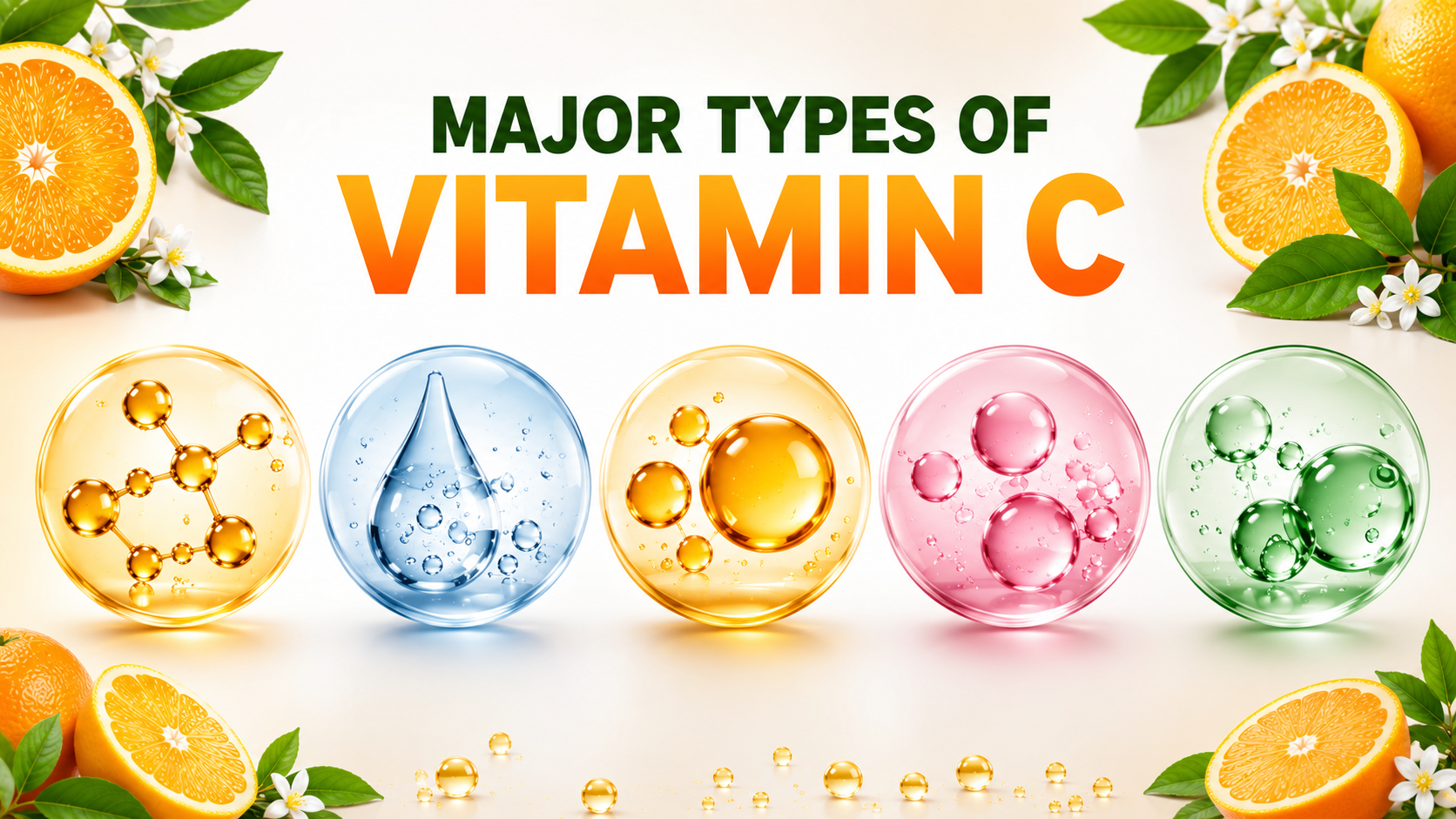
Major types of vitamin C:
Although there is only one type of vitamin C naturally, there are several forms of it available in supplements.
1. Ascorbic Acid:
Ascorbic Acid is actually the chemical name of Vitamin C. It is an essential water-soluble nutrient, which our body cannot produce on its own, so it has to be consumed through food and drink.
2. Sodium Ascorbate:
Sodium ascorbate is a part or sodium salt form of vitamin C (ascorbic acid), which is considered very good for the stomach; it has a high amount of antioxidants, and along with this, it proves to be very helpful in fighting problems like acidity.
3. Calcium Ascorbate:
Calcium Ascorbate is a special form of Vitamin C, which is also known as Buffered Vitamin C. It is formed by the combination of ascorbic acid (vitamin C) and calcium. It is less acidic than normal vitamin C (ascorbic acid); hence, it is also said to be more comfortable for the stomach.
Whenever a person has the problem of acidity, gas, or stomach burning after taking normal vitamin C, then in some cases the doctor prescribes medicine containing calcium ascorbate, but it all depends on the health condition of the person and the doctor’s advice.
4. Liposomal Vitamin C:
When more in-depth research was done on this matter, it was found that liposomal vitamin C is an advanced form of vitamin C, which is made with the help of special liposome technology, in which the molecules of vitamin C are sealed inside a microscopic layer of fat made of phospholipid. This layer is called liposome.
The structure of liposomes is very similar to the cell membrane of our body’s cells. For this reason, this technology has been developed with the aim of protecting vitamin C from damage in the digestive system to some extent and delivering it effectively to the cells of the body.
Vitamin C is found most in the following organs of the body:
- brain
- eyes
- adrenal glands
- Liver
- white blood cells
- skin
- pituitary gland
And all these organs need vitamin C to function normally.
Why does vitamin C deficiency occur?
There is no doubt that if a person does not consume green vegetables for a long time, smokes too much, drinks alcohol, or his eating habits change completely, then gradually his body will start getting vitamin C deficiency, and the serious form of this deficiency is called scurvy, which can be seen even today in people with extreme malnutrition or limited diets.
Scientific benefits of vitamin C:
You cannot understand Vitamin C as just an ordinary vitamin; it is said to be an essential element that participates in many important biological processes of the entire body, which works to strengthen the body’s immune system and is also better for the health of skin and hair. It also helps in faster healing of wounds from injury or surgery and plays an important role in increasing the absorption of iron and protecting the body from oxidative stress.
If we talk about scientific research, it has been said that Vitamin C works in some form or the other in almost every tissue. Because it is not produced by the body itself and cannot be stored for a long time, it becomes very important to get its regular supply through food or supplements when required, and this has been explained in detail in this article.
1. Role of Vitamin C in strengthening immunity:
By now we are all aware that the best function of vitamin C is to support the body’s immune system, because our immune system helps in fighting bacteria, viruses, fungi, and other harmful things. This entire system requires many nutrients to work effectively, among which vitamin C is the main one.
Help in keeping white blood cells active:
These white blood cells present in the body work to fight infections. Vitamin C helps in maintaining the normal functioning of the cells and protects them from oxidative damage. Whenever the body is fighting any kind of infection, the need for vitamin C in these cells starts increasing rapidly.
Body’s support during infection:
Many scientific research studies have revealed that taking vitamin C in sufficient quantity can reduce the duration of the common cold in many people, but it would not be completely correct to say that vitamin C can completely eliminate colds and coughs. Its main function is to support the body’s natural immune system.
Helpful in controlling swelling:
It is important to know here that inflammation is a very common process in the body during infection or injury, but vitamin C also helps in reducing the damage to cells by acting as an antioxidant and reducing the oxidative stress associated with inflammation.
Who may need more?
- people with frequent infections
- smoker
- elderly
- people having unbalanced diet
- patients recovering from long-term illness
However, taking large amounts of vitamin C “boosts” immunity by leaps and bounds—a claim that is not scientifically proven.
2. Benefits of Vitamin C for skin:
There is no doubt that skin is the most important part of our body, and vitamin C has a special role in keeping it good. Healthy skin always requires collagen, moisture, cell repair, and oxidative protection, all processes in which vitamin C also contributes.

Aids in collagen formation:
Collagen is a special protein that makes the skin strong and provides flexibility and elasticity. Without vitamin C, the body will not be able to produce adequate amounts of collagen. If the body is deficient in vitamin C for a long time, the skin may become damaged from within, and wounds may take longer than normal to heal.
Protection from free radicals:
The sun’s ultraviolet rays (UV rays), pollution, smoking, and stress can further increase the formation of free radicals in the skin. These free radicals damage the skin cells and cause premature aging and wrinkles on the skin. Not only this, but vitamin C as an antioxidant helps in reducing the effect of these free radicals.
Skin Repair:
Many times it happens that we unknowingly become victims of some injury or incident due to which scars remain on the skin, but vitamin C also plays a special role in skin repair. It helps in the formation of new cells and collagen. This helps the skin to become as before.
Skin glow:
When more in-depth research was done on this matter, it was found that consumption of vitamin C can help in maintaining the normal health of the skin. But calling it an instant skin-whitening nutrient is not scientifically correct.
3. Benefits of Vitamin C for hair:
Healthy hair is not only a result of external care but is also associated with balanced nutrition. Vitamin C is considered good for the health of hair roots and hair follicles.
collagen and hair
Collagen is necessary to keep the tissues around the hair roots strong. Since vitamin C helps in the formation of collagen, that is why it is considered very good for hair growth.
Aids in the absorption of iron:
Iron deficiency can be one of the reasons for hair fall. Vitamin C begins to increase the amount of non-heme iron obtained from food, thereby improving iron availability.
Protection from oxidative stress:
The most surprising thing in this is that free radicals are not at all good for the hair; they can make the hair dry and lifeless, but vitamin C helps in providing protection from them in the form of an antioxidant. It is important to note that if the cause of hair fall is hormonal imbalance, a genetic problem, or any disease, then taking vitamin C alone will not completely solve the problem.
4. Role of Vitamin C in Wound Healing:
When there is any kind of injury or surgery in the body, the formation of new skin and tissues starts, but collagen plays the most important role in this entire process. Whereas Vitamin C is very important in making collagen, and hence its adequate quantity supports the small process of wound healing.
Formation of new cells:
When the body’s wounds heal, it produces new cells so that the skin becomes better than before and no marks remain on it.
5. Role of Vitamin C as Antioxidant:
There is no doubt that vitamin C is known as the world’s most important natural antioxidant. Not only this, but it is also very beneficial for the body as well as our hair, skin, and brain.
What are free radicals?
We have mentioned free radicals many times in this article; from this it has been understood that by now you too would be curious to know what these free radicals are, so for your information, let us tell you that these are such unstable molecules that can cause a huge amount of damage to the cells of the body. They start growing even during normal metabolism, and there can be many reasons behind the increase in their quantity. Like-
- air pollution
- smoking
- excessive alcohol consumption
- stress
- unbalanced diet
- More sunlight (UV Radiation)
- infection
If the amount of free radicals becomes too high, it is also known as oxidative stress.
Protection of cells:
Now all of you must have gotten information about it: it helps in neutralizing free radicals, and due to this, the risk of damage to cells, proteins, DNA, and fats (lipids) can be reduced.
Vitamin C Deficiency:
Vitamin C is considered a very important element for our body, but it is a vitamin that the human body cannot produce on its own, nor can it remain in the body for a long time; hence, food or necessary supplements are required to fulfill it, whereas if the body does not get an adequate amount of vitamin C for a long time, then it can cause problems.
Initially the symptoms of its deficiency will be seen in very small amounts, but as its deficiency increases, it can lead to fatigue, weakness, or frequent infections, and even if this happens continuously, it can cause a serious condition like scurvy.
Causes of vitamin C deficiency:
This is a question that comes into everyone’s mind: How does vitamin C deficiency occur? And if it happens, is it only due to low intake of vegetables and fruits… No, it is not at all so; in fact, there can be many reasons for vitamin C deficiency.
1. Less intake of food containing Vitamin C:
This reason is one of the most common reasons: if a person does not consume fresh fruits, green vegetables, and vitamin C properly for a long time, then gradually its deficiency starts increasing in his body. Especially people who eat mostly processed food, fast food or highly cooked food, the chances of deficiency may increase in them.
2. Cooking food for a long time:
We all know that vitamin C gets destroyed aEspecially forit comes in contact with heat and air, and ffood,his reason, if any vegetable is cooked for a long time, the vitamin C present in it gets destroyed. For this reason, experts advise to eat fresh and lightly cooked vegetables.
3. Smoking:
Oxidative stress increases more in people who smoke, due to which the consumption of vitamin C starts getting lost from the body faster and itseatingiency increases.
4. Excessive alcohol consumption:
If you are consuming alcohol for a long time, then it can turn out to be bad news for you, because due to this, vitamin C deficiency starts occurring rapidly in the body.
5. Diseases related to digestive system:
In some diseases the body is not able to absorb nutrients properly. For example—
- Crohn’s Disease
- Ulcerative Colitis
- Celiac Disease
- Severe Malabsorption Syndrome
The risk of vitamin C deficiency may increase in these conditions.
6. Limited or unbalanced diet:
The possibility of vitamin C deficiency increases significantly in people who like to eat very little food or do a lot of dieting.
Symptoms of Vitamin C Deficiency
Vitamin C deficiency does not appear immediately but gradually. The initial symptoms often resemble general weakness, so many times people do not recognize them.
- early symptoms
- feeling constantly tired
- weakness
- lack of energy
- irritability
- loss of appetite
- decreased ability to work
- moderate symptoms
As the deficiency increases, the following symptoms may appear:
- bleeding gums
- weakening of teeth
- dryness of skin
- delayed healing of small wounds
- frequent infections
- Small red or purple spots on the skin (Petechiae)
- Getting bruises easily
- joint pain
- muscle pain
severe deficiency symptoms
If Vitamin C deficiency persists for several months, serious problems can arise—
- severe gingivitis
- teeth falling out
- extreme weakness
- anemia
- slow wound healing
- bleeding under the skin
- Scurvy
What is scurvy?
This is a serious disease caused by the deficiency of vitamin C, and it is mostly seen in sailors during sea voyages because they did not get to consume fresh fruits and vegetables for several months. But today this disease has become very rare, but it can still be seen in people with extreme malnutrition, limited diets, or long-term vitamin C deficiency.
Why does scurvy occur?
There is no doubt that due to prolonged deficiency of Vitamin C, collagen cannot be formed and then collagen becomes very important for skin, gums, blood vessels, bones and connective tissues, due to which many parts of the body start getting affected more rapidly.
- Main symptoms of scurvy
- persistent bleeding gums
- swollen gums
- loose teeth
- extreme weakness
- joint and muscle pain
- bleeding spots on skin
- delayed wound healing
- anemia
If the deficiency of vitamin C is not corrected on time, then this problem can increase even more, but now the treatment of this disease is possible and now becoming a victim of malnutrition is also very rare, but if it happens, then it is necessary to be treated under the supervision of doctors.
Which people are at higher risk of vitamin C deficiency?
There is only one correct answer to this question that it is common for some people to be deficient in it, it can also be seen in people who smoke. Vitamin C deficiency can also be seen in people who are older or who do not take a balanced diet on time, people who consume excess alcohol, people who always have digestive problems.
Natural sources of Vitamin C:
Natural foods are the safest and most effective way to get vitamin C. Along with Vitamin C, they also provide fiber, antioxidants and other essential nutrients.
Amla, Guava, Capsicum (red), Green capsicum, Kiwi, Strawberry, Broccoli, Orange, Lemon, Papaya, Pineapple, Tomato, Cabbage, Spinach,
Research has found that Vitamin C is an essential nutrient for the body, to fulfill which it is very important to take a balanced diet, but sometimes due to circumstances, its deficiency cannot be compensated through food alone. In such cases, doctors recommend taking supplements related to Vitamin C. Today, Vitamin C is available in many forms, such as tablets, capsules, chewable tablets, powder, effervescent tablets, syrup and liposomal vitamin C.
For this reason, Vitamin C is considered to be the safest, but if it is taken in excessive amounts, it can also become a problem; hence, it is very important to understand when the supplement should be taken, what is the right time, which people should be careful, and what scientific research says about it.
What are Vitamin C Supplements?
Now it is very important to know that Vitamin C supplements are such products in which Vitamin C is available in the form of medicine or dietary supplement and their purpose is to fulfill the deficiency of Vitamin C in those people who are not getting sufficient amount from food or whose requirement is more than normal.
Vitamin C is available in many forms in supplements, such as-
- Ascorbic Acid
- Sodium Ascorbate
- Calcium Ascorbate
- Liposomal Vitamin C
- Buffered Vitamin C
When should Vitamin C supplements be taken?
Not every person needs to take vitamin C supplements. If a person consumes adequate amount of fresh fruits and vegetables daily, his daily requirement is generally fulfilled by food.
In some circumstances, doctors may recommend supplements:
1. Due to Vitamin C deficiency
If vitamin C deficiency is confirmed based on tests or symptoms, doctors may prescribe supplements for a limited period of time.
2. Scurvy
Vitamin C is given under medical supervision to treat scurvy caused by severe vitamin C deficiency.
3. People who do not eat a balanced diet
Supplements may be helpful for people who are unable to consume fruits and vegetables for long periods of time.
4. People who smoke
Smoking increases oxidative stress in the body, which can also increase the need for vitamin C. In such cases, doctors may recommend additional vitamin C.
5. Absorptive diseases
May also be needed in patients with Crohn’s disease, celiac disease, or other malabsorption disorders.
Right time to take vitamin C.
Vitamin C can be taken at any time of the day, but keeping a few things in mind can make it more convenient to take. You can take it after meals, once a day, if your doctor has advised you to take it regularly; it helps to remember to take it at a fixed time every day. If you have a question in your mind that can Vitamin C be taken at night, then the answer is yes, it can be taken at night also.
Should Vitamin C be taken with food?
For most people, it is very good and easy to take vitamin C with or after meals, this may help some people to reduce stomach problems.
Disadvantages of taking excessive amounts of Vitamin C
Actually, Vitamin C is a water soluble vitamin, hence its excess amount gets eliminated through urine. However, if the supplement is being taken in too much quantity then it can cause problems.
1. Stomach related problems
In some people, if taken in large amounts –
- stomach ache
- gas
- Nausea
- diarrhea
- stomach cramps
Such problems may occur.
2. Risk of kidney stones
Some research done on this has found that taking excessive amounts of Vitamin C supplements can increase oxalate levels in people, which in certain circumstances can increase the risk of kidney stones. And this risk is especially high in those people who already have the problem of stones.
3. Excess of iron
Vitamin C works to increase the absorption of iron. In people who suffer from diseases like Hemochromatosis, taking excessive amounts of Vitamin C can lead to excessive accumulation of iron in the body.
4. Effect on Lab Tests
Too much Vitamin C can make the results of some laboratory tests surprising. If any kind of test is going to be done, then first of all inform the doctor about it and then get the test done.
Interactions with Vitamin C and medications
Vitamin C can have drug interactions with some medications. Therefore, if you take regular medicines, it is important to inform the doctor about it.
1. Blood thinners
There are some cases in which excessive amounts of vitamin C can affect the effectiveness of some blood-thinning medicines. However, it is not the same in all patients.
2. Chemotherapy
One thing you should always consult your oncologist about is taking Vitamin C supplements during cancer treatment. Dosage and timing may be important in some treatments.
3. Iron supplement
Vitamin C increases the absorption of iron. Therefore, many times doctors recommend taking Vitamin C along with iron medicine.
4. Antacid
Some antacid medications can affect the absorption of vitamin C. If you take antacids regularly, ask your doctor or pharmacist about the appropriate timing.
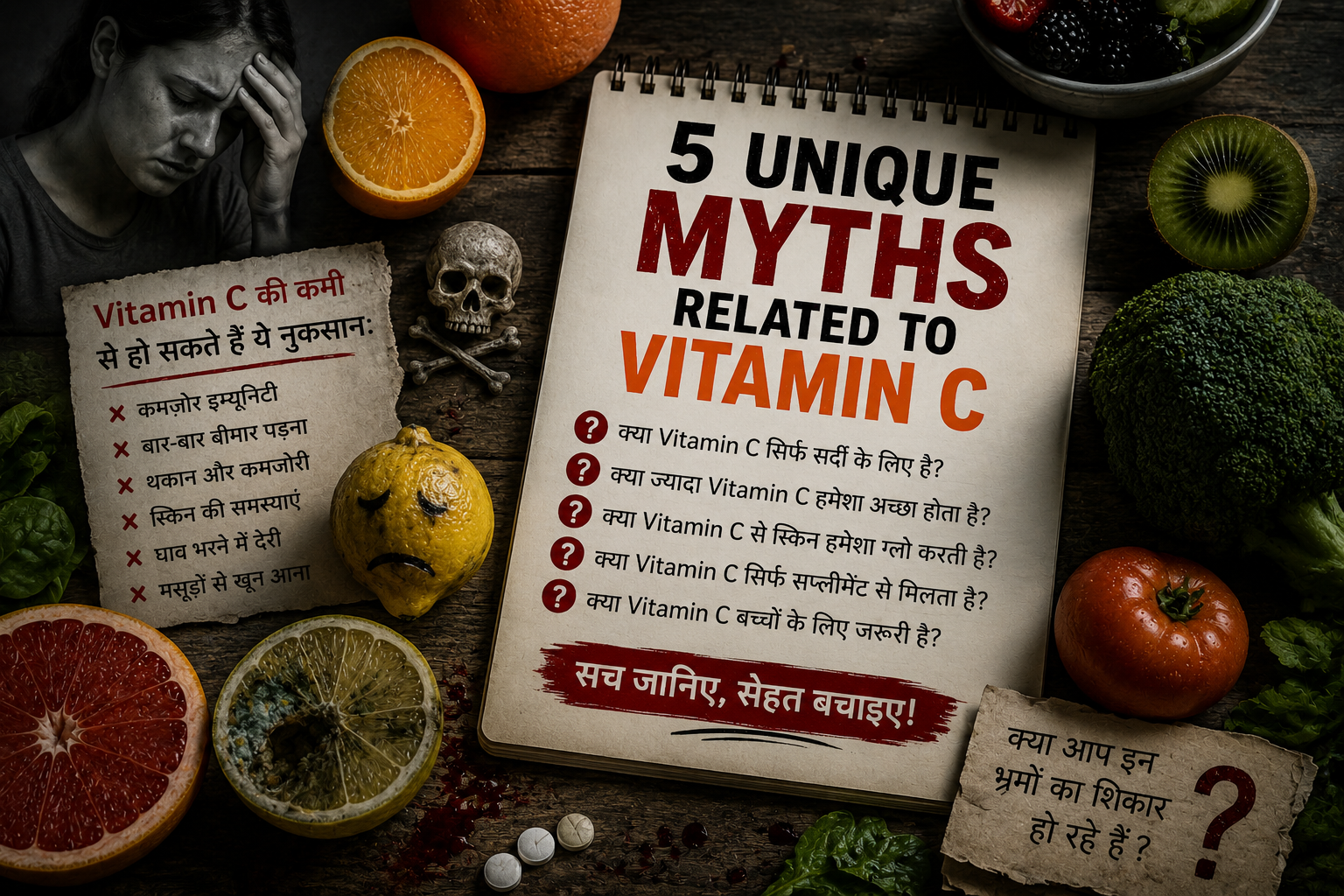
Common Myths and Facts About Vitamin C
Myth 1: Taking Vitamin C will never prevent colds.
Fact: Scientific research has shown that Vitamin C does not completely prevent the common cold. In some people, it may reduce the duration of the disease or the severity of symptoms, but this does not mean that there will be relief from it.
Myth 2: The more vitamin C you take, the more benefits you will get.
Fact: Special care has to be taken to use only the quantity required for the body. Taking excessive amounts of excess vitamin C can be excreted through urine and may cause side effects in some people.
Myth 3: Only oranges contain vitamin C.
Fact: Amla, guava, kiwi, red capsicum, broccoli, papaya and many other fruits and vegetables are also excellent sources of Vitamin C. In fact, amla and guava contain much more vitamin C than oranges.
Myth 4: Vitamin C makes skin instantly fairer.
Fact: Vitamin C helps in collagen production and antioxidant protection in the skin. It supports general skin health, but is not an “instant skin whitening” solution.
Myth 5: A healthy person should always take supplements.
Fact: Most healthy people do not need additional supplements if they are getting enough vitamin C from a balanced diet.
Scientific Research and Studies on Vitamin C
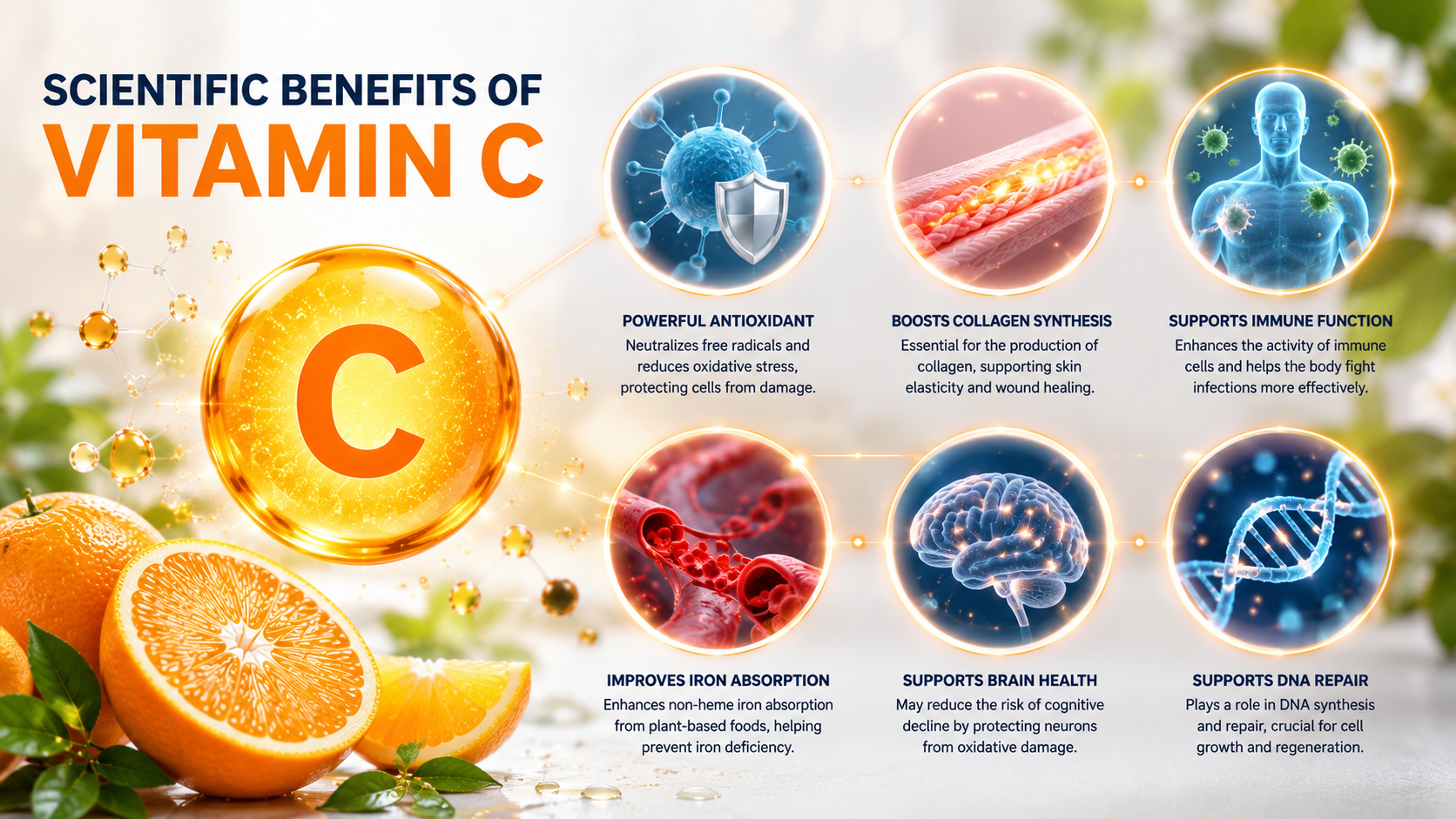
Thousands of scientific studies have been conducted on Vitamin C over the past several years. Some of these major findings are as follows –
1. Research on immunity
Research done on this shows that Vitamin C plays an important role in the normal functioning of the immune system. Its deficiency can increase the risk of infection even more.
2. Collagen formation
It is scientifically established that Vitamin C is essential for collagen synthesis. For this reason it helps in healing skin, bones, blood vessels and wounds.
3. Antioxidant effect
Many studies have confirmed that vitamin C is an effective antioxidant, which also helps reduce oxidative stress to cells.
4. Iron Absorption
Scientific evidence suggests that vitamin C improves the absorption of non-heme iron from plants. Therefore it is considered an important nutrient for people with iron deficiency.
5. Research on heart and cancer
Some observational studies have found an association between a diet high in vitamin C and a lower risk of some chronic diseases. However, current scientific evidence does not prove that taking vitamin C supplements alone can prevent or treat heart disease, cancer, or other serious diseases. There is still a need for more high quality research in this area.
Conclusion:
Vitamin C is said to be one of the most important elements for our body. It does not just stop at strengthening the immune system, but also plays a vital role in maintaining the normal health of skin, hair, bones, blood vessels, gums and other tissues of the body. Along with this, it also helps in the formation of collagen, better absorption of iron and oxidative stress to the cells.
Since the human body cannot make vitamin C on its own nor store it for long periods of time, it is important to get its regular supply through a balanced diet. Amla, guava, orange, lemon, kiwi, papaya, capsicum, broccoli and green leafy vegetables are excellent natural sources. For most healthy people, a balanced and nutritious diet is enough to meet the daily requirement of vitamin C.
However, if a person shows symptoms of Vitamin C deficiency or if the doctor confirms it, then supplements can be used as per medical advice. However, it is not advisable to take supplements in excessive amounts without need or expert advice, as this may worsen the side effects in some people.
Proper intake of Vitamin C along with a good lifestyle, balanced diet, regular exercise and adequate sleep plays an important role in maintaining good health in the long run. Therefore, instead of relying on any one nutrient, the best option is to adopt a completely balanced diet and healthy lifestyle.
Disclaimer:
The information given in this article is presented for general educational and awareness purposes only. It is in no way a substitute for medical advice, diagnosis, or treatment. Health status, age, nutritional requirements, and medical conditions may vary from person to person.
If you have vitamin C deficiency, scurvy, any serious illness, pregnancy, breastfeeding, kidney problems, or any other health concern, consult a qualified doctor or registered dietitian. Do not start or stop taking any vitamin or supplement without consulting your doctor.
The information given in the article is based on reliable scientific sources and available research, but medical science keeps updating from time to time according to new research. Therefore, always take health-related decisions only on the basis of expert advice.
FAQs
1. What is Vitamin C?
Vitamin C, also known as ascorbic acid, is a water-soluble essential vitamin that plays an important role in immunity, collagen formation, iron absorption, and cell protection.
2. What is the best natural source of Vitamin C?
Amla, guava, kiwi, red capsicum, orange, lemon, papaya and broccoli are among the best natural sources of vitamin C.
3. Why is there deficiency of Vitamin C in the body?
Low intake of fruits and vegetables over a long period of time, smoking, excessive alcohol consumption, digestive diseases and unbalanced diet can be the major causes of Vitamin C deficiency.
4. What are the main symptoms of vitamin C deficiency?
Fatigue, weakness, bleeding gums, delayed healing of wounds, easy formation of bruises on the skin, frequent infections and in severe cases, scurvy can be its main symptoms.
5. What is Scurvy?
Scurvy is a disease caused by severe deficiency of Vitamin C, which causes symptoms like bleeding gums, extreme weakness, joint pain and delayed healing of wounds.
6. Does vitamin C help in increasing immunity?
Yes. Vitamin C supports normal function of the immune system and plays an important role in the function of white blood cells.
7. Is vitamin C beneficial for the skin?
Yes. It aids in collagen formation, which helps maintain the normal structure and health of the skin. Besides, it also acts as an antioxidant.
8. Is vitamin C good for hair?
Vitamin C helps with collagen formation and iron absorption, which are important for general hair health. However, Vitamin C is not the only cure for all causes of hair loss.
9. How much Vitamin C should be taken in a day?
The recommended daily intake (RDA) is approximately 90 mg for adult men and 75 mg for adult women. Individual requirement may differ.
10. Is it necessary to take a vitamin C supplement daily?
If your diet is balanced and includes enough fruits and vegetables, most healthy people do not need regular supplements. Supplements should be taken only on the advice of a doctor.

Emanual Massey is a healthcare, lifestyle, and beauty content writer with over 7 years of professional experience. He specializes in writing SEO-optimized, research-based articles on health, wellness, nutrition, skincare, beauty, and Ayurveda. His mission is to simplify complex topics into practical, reader-friendly content that empowers people to make healthier lifestyle choices. Passionate about continuous learning and evidence-based writing, Emanual creates informative and engaging blogs that combine accuracy, readability, and search engine optimization.