
Abstract
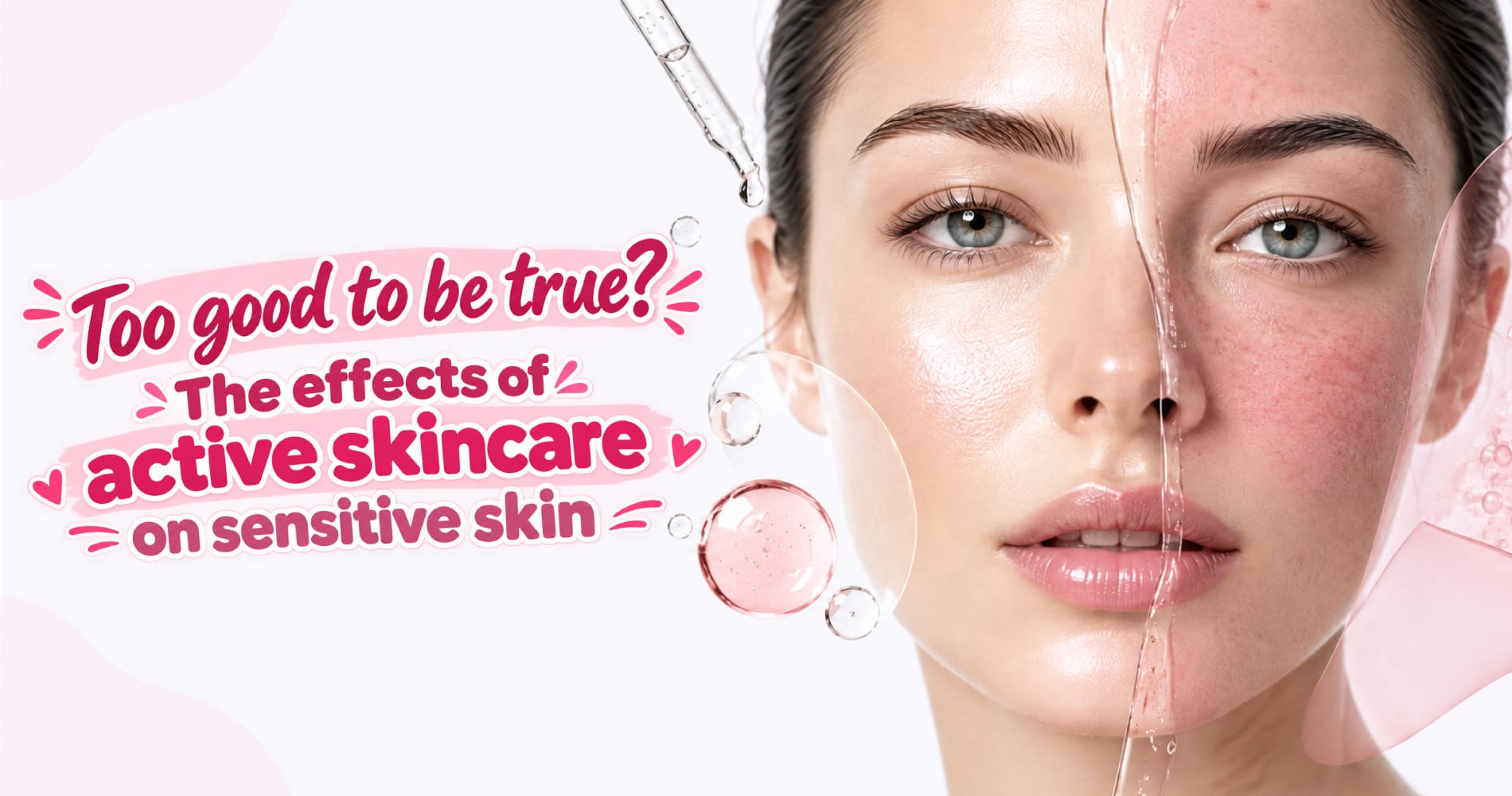
Today, skincare advertisements promise visible results almost like magic with clearer, brighter, smoother skin in just a few days. This promise of instant transformation has fueled the rise of active ingredients, but for sensitive skin, chasing faster results can come with irritation, reduced tolerance, and increasingly complicated routines. This article explores why the same active can benefit one person yet challenge another, how short-term reactions differ from meaningful long-term results, and whether skin tolerance can change over time. It also explores the gap between immediate reactions and long-term results, ultimately asking whether effective skincare is really about using more or about finding less that the skin can consistently tolerate.
Introduction: What is Sensitive Skin?
Sensitive skin is increasingly common in everyday skincare conversations, with many people reporting reactions such as stinging, redness, dryness, or irritation. At the same time, modern skincare has become more active and complex, with exfoliating acids, retinoids, and multiple treatment products becoming routine for many consumers. This raises an important question: are more people inherently developing sensitive skin, or are increasingly intensive skincare habits making skin more easily irritated?
Sensitive skin is skin that reacts more easily than usual to skincare products or environmental factors, often with burning, stinging, redness, itching, dryness, or discomfort. It is not necessarily a specific skin type or disease but rather, it describes how the skin responds to different factors.
Sensitivity can be influenced by factors such as
- A weakened or disrupted skin barrier
- Certain skincare ingredients or formulations
- Overuse of exfoliants or active ingredients
- Weather, heat, cold, or pollution
- Already existing skin conditions
Importantly, sensitive skin and sensitized skin are not always the same. Some people naturally have more reactive skin, while others may develop temporary sensitivity after irritation or overuse of products.
When “Healthy Skin” starts looking Unhealthy
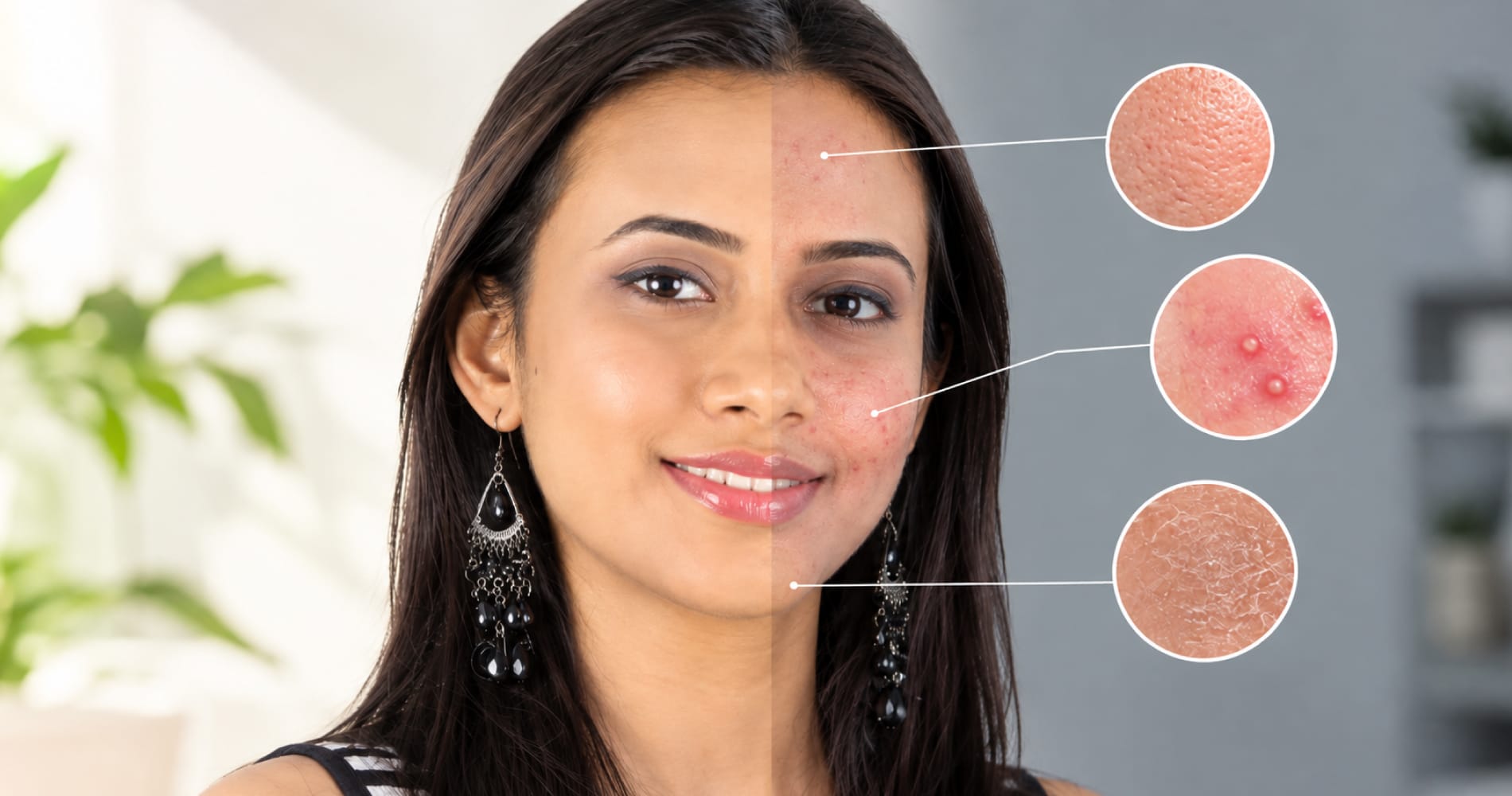
As skincare becomes increasingly focused on visible results, the signs of active treatment can sometimes become confused with the appearance of healthy skin. Peeling, tingling, dryness, and a heightened sensation on the skin are often viewed as evidence that a product is “working” but at the same time, visible irritation can be mistaken for progress simply because it signals that something is happening.
This has created a culture where discomfort is associated with efficiency. The stronger the sensation, the more powerful the product may seem. As a result, the pursuit of healthy-looking skin can paradoxically make irritation look like a desirable part of the process, blurring the ability to differentiate between skin responding to a treatment and skin simply reacting to it.
The race for stronger skincare
Skincare has now gone from simple, targeted treatments to more complex routines packed with multiple active ingredients like acids, retinoids, vitamin C, peptides, and other high-performance ingredients that are often combined to address several concerns at once that goes from acne and pigmentation to texture, dullness, and signs of aging.
When more becomes the goal
People have now started to create a culture of stacking ingredients where adding another active can seem like the logical next step. Instead of giving time for one treatment to work, consumers may layer several products in the hope of accelerating results. However, the more ingredients you introduce to your routine, the harder it becomes for your skin to identify what is actually benefiting them or contributing to unwanted reactions.
The pressure to go stronger
The skincare market is constantly introducing newer formulas, higher concentrations, and products positioned as more advanced or powerful than what was introduced before. This creates the impression that skincare is a process of continual upgrading where if a product works, a stronger version might work even better. Concentrations become a selling point, and words such as intensive, maximum strength, and professional-level can make milder products seem less effective by comparison.
This mindset can encourage people to increase the strength or frequency of their actives before understanding how their skin responds to them. A routine that once seemed sufficient may suddenly feel inadequate simply because a newer, more powerful option has entered the conversation. For sensitive skin in particular, this pursuit of stronger products can become counterproductive when the goal shifts from finding what works to constantly seeking something more potent. The result is a cycle in which effectiveness is increasingly measured by intensity rather than by sustainable, long-term improvement.
Treating Every Concern
Modern skincare has been increasingly encouraging us to view every visible feature as something that needs fixing. Pores, pigmentation, breakouts, uneven texture, fine lines, and dullness all of which can each lead to a different product or active ingredient. Instead of accepting that some aspects of skin are normal, routines can become centered on correcting every perceived imperfection. This creates a cycle of constant optimization, where another concern often means another product, making skincare more complicated than the skin may actually require.
Has Skincare become too focused on overdoing everything?
Active ingredients can play a very important role in addressing specific skin concerns, but more products does not have to necessarily mean better results. When every concern demands another active and every period of slow progress leads to encouraging a stronger product, routines can quickly become complicated and difficult to maintain. The focus shifts from understanding what the skin actually needs to constantly adding, changing, and upgrading. In the pursuit of better skin, simplicity and consistency may be just as important as the number of products being used.
The skin barrier as a feedback system
The skin barrier is mostly said to be simply as something that needs to be “repaired,” but its role is more dynamic than what it seems. It has an influence on the skin on how it tolerates, reacts and experiences the products that are applied to it. When the barrier is functioning well, a regular routine might start to feel comfortable and predictable but when the routine is repeatedly stressed due to random changes then the smooth experience might feel triggered.
When irritation changes the routine
Repeated irritation can start to reduce the tolerance of the skin on how much it can actually be comfortable with. Products that were once feeling easy to use might start to feel stingy, dry, or cause discomfort. Which can also lead to more frequent product changes, skipped applications, or periods of stopping and restarting treatments. In this way, irritation does not just affect one product, but it can change the behavior of the entire skincare routine.
The feedback loop
When multiple products and frequent treatments repeatedly stress the skin, tolerance can gradually decrease. Products that once felt comfortable may begin to cause dryness, stinging, or discomfort, making the routine harder to follow consistently. This can lead to stopping products, changing them frequently, or adding new ones in search of better results which makes it even harder to understand what is actually working. The skin barrier therefore acts as a feedback system, influencing not only how the skin responds to products, but also how sustainable and consistent the entire skincare routine can be over time.
Why can the same active be a hero for one person but a problem for another?

The skincare world often treats ingredients as though they each come with a label each one as “acne-fighting,” another “brightening,” and another “renewing.” But skincare is rarely that simple. No ingredient works in isolation, and its effects can vary dramatically from one person to another. The same active can produce impressive results for one person while causing discomfort or unwanted reactions in another. What matters is not just what the ingredient is, but the skin it meets and the context in which it is used.
The starting point matters
The condition of the skin barrier can greatly influence how an active ingredient is tolerated. Dry, irritated, or reactive skin may be more sensitive to certain actives, while skin accustomed to active ingredients may tolerate them more easily. Previous skincare exposure, along with the skin’s current condition, therefore plays an important role in how it responds to a new treatment. This is why introducing active ingredients gradually and considering the skin’s individual needs
is often more important than simply choosing a ‘powerful’ ingredient.
Frequency and formulation
How often an active is used can be just as important as the active itself. Its concentration, formulation, method of application, and frequency of use can all influence how the skin responds. The same ingredient might feel gentle when used occasionally but become irritating when applied too frequently or in a higher concentration. Therefore, in skincare, both the ingredient and the way it is delivered matter when determining how well the skin tolerates it.
The Environment plays a role
Skin does not exist in a controlled laboratory experiment. It constantly interacts with its surroundings, and factors such as heat, humidity, cold, dryness, pollution and sun exposure which can influence its condition and sensitivity. A skincare routine that feels comfortable and effective in one season or climate may cause dryness, irritation, or increased sensitivity in another. This is why skincare should not be viewed as completely static; environmental changes can affect how the skin responds, making it important to adapt products and routines to the conditions around you.
What Else Is in the Routine?
An active ingredient does not work in isolation as it becomes part of the entire skincare routine. Using multiple exfoliants, retinoids, or other treatment products together can create a very different experience from using a single active on its own. Even products that are individually well tolerated may contribute to irritation when combined or used too frequently.
This is why an ingredient’s reputation alone cannot predict how an individual’s skin will respond. Ultimately, the effectiveness and tolerability of an active depend on the person using it, the product formulation, the overall routine, and the conditions in which it is used. Skincare is therefore less about finding universally “good” or “bad” ingredients and more about understanding what works in the context of your own skin.
The 24 hour test vs the 24 week reality
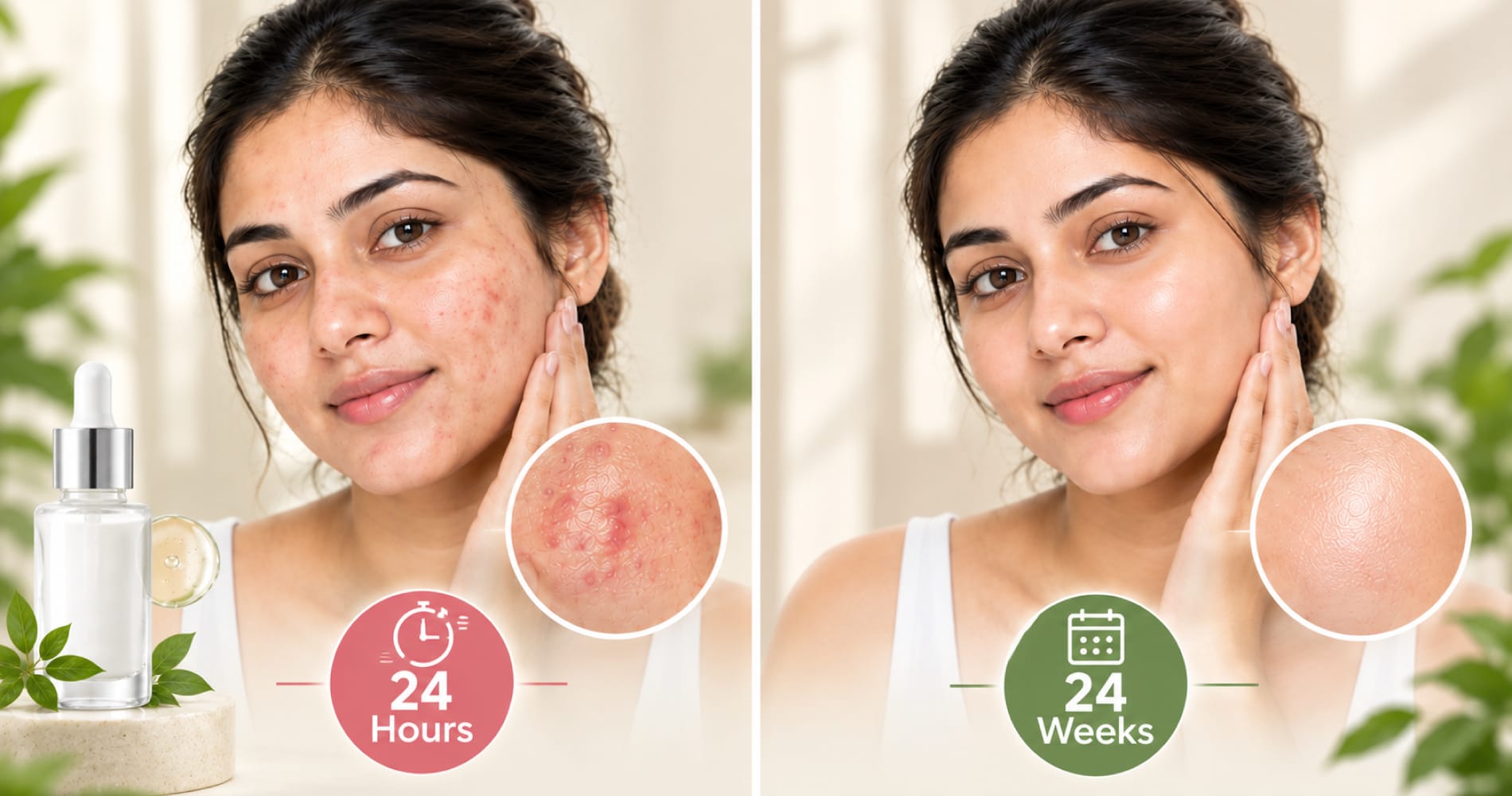
Skincare often creates this delusional expectation of quick results. A morning after glow, tingling sensation, or visible peeling can feel like proof that a product is working. But meaningful changes in the skin often take much longer to show its effects and immediate reactions do not always reflect long term outcomes.
When immediate results mislead
An instant glow doesn’t necessarily mean lasting improvement, just as dryness, peeling, or tingling does not automatically mean an active is working. These reactions have different causes and should not be treated as measures of effectiveness.
When nothing seems to happen
The absence of a dramatic sensation does not mean a product is ineffective. Many skincare benefits depend on consistent use over time rather than an immediate visible reaction.
Look beyond the first few days
Judging skincare too quickly can lead to abandoning useful products prematurely or even continuing irritating ones simply because they feel ‘active’. The more meaningful question is not what happens in the first 24 hours but how the skin responds over the weeks and months that follow.
When skincare becomes a skin management problem
Skincare can gradually shift from caring for the skin to constantly managing it. A new blemish may trigger another active, a small change in texture may lead to another product, and a lack of immediate results can encourage yet another routine change.
The cycle of constant adjustment
Constantly checking the skin, adding products when results don’t live up to your expectations, or changing routines before giving them enough time can make it difficult to understand what is actually helping. Instead of allowing the skin to get stable, every fluctuation becomes something to correct.
When more management creates more problems
The issue may not always be a particular ingredient but sometimes, it is the endless cycle of adding, removing, and replacing products. A constantly changing routine can make the skin harder to understand and potentially harder to tolerate. Sometimes the most useful change is not adding another active, but giving the skin enough consistency to show you what is actually working.
The invisible cost of chasing results
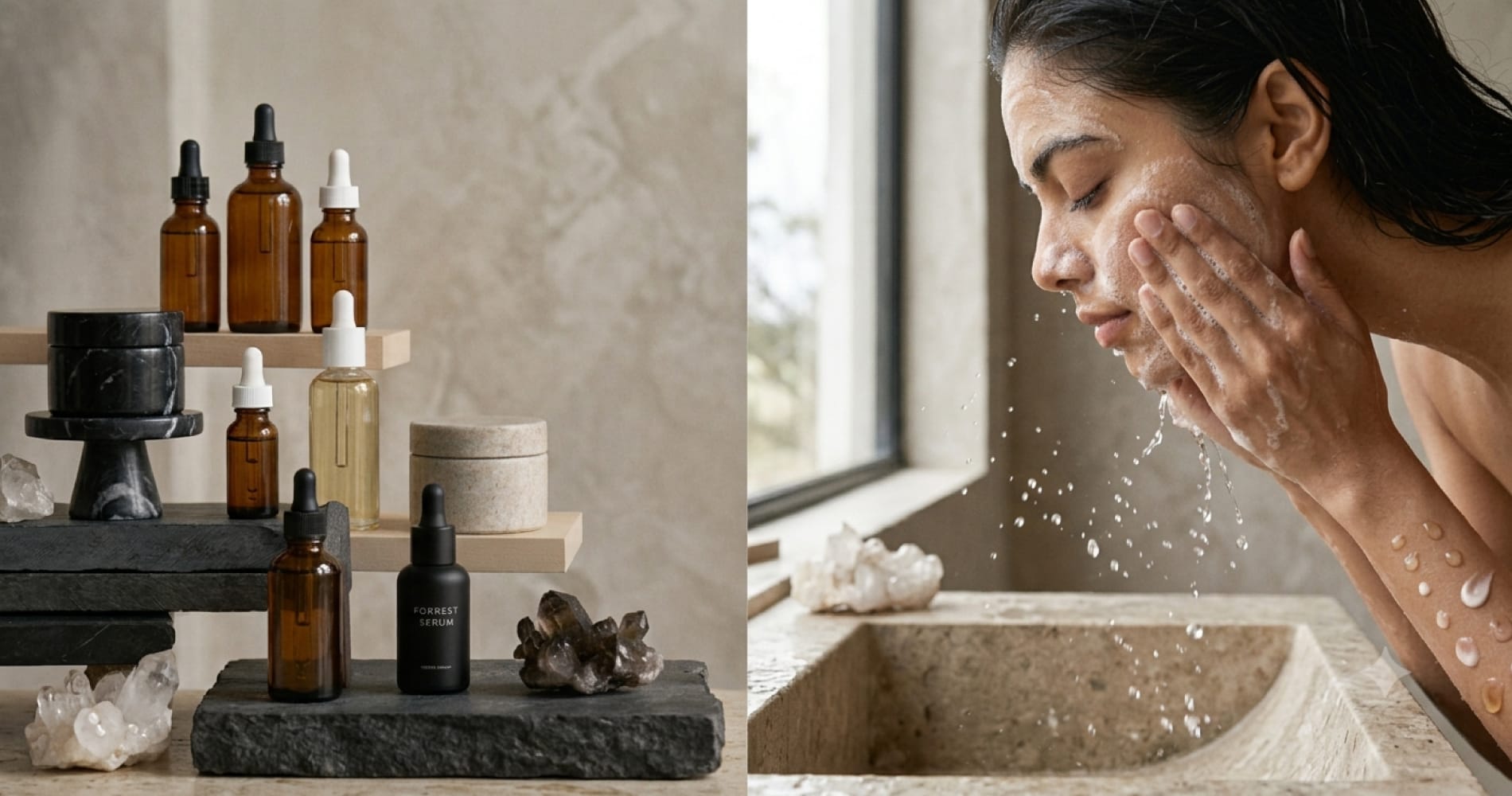
The pursuit of better skin can come with costs that are easy to overlook. Constantly experimenting with new products can make routines increasingly complicated, while overlapping products may add little beyond what is already being used.
When more becomes unnecessary
In the search for faster or more targeted results, simple routines can gradually be abandoned. Normal fluctuations in breakouts, texture, or sensitivity may also be mistaken for problems that require another product, leading to an ongoing cycle of adjustment and consumption.
The result is not always healthier skin, but a routine with more products, more variables, and less clarity about what is actually making a difference. Sometimes, stepping back can be just as valuable as adding something new.
Can Sensitive Skin Actually Become More Resilient?
Sensitive skin is often described as something that needs to be “fixed,” but the reality is more nuanced. Skin sensitivity can vary over time, and tolerance to certain products may change depending on the condition of the skin barrier, product use, environmental factors, and previous exposure to active ingredients.
Sensitivity vs. Sensitization
It is also important to distinguish naturally sensitive skin from skin that has become temporarily sensitized through irritation or overuse of products. While someone may have a long-term tendency toward sensitivity, temporary irritation does not necessarily mean the skin will always remain intolerant.
Can Tolerance Change?
For some people, gradually introducing products and maintaining a consistent, supportive routine may improve how comfortably the skin tolerates certain actives. The goal, however, is not to force the skin to tolerate increasingly stronger products. It is to understand its limits and recognize that resilience is influenced by both the individual and the way skincare is used. Sensitive skin may not need to be “toughened.” Sometimes, it simply needs the right conditions to function comfortably.
The “Less Is More” Experiment
What if improving your skincare routine meant taking something away rather than adding more? A short period of simplification can offer a useful perspective on how the skin responds when unnecessary variables are removed.
Strip the Routine Back
For 7–14 days, the idea is to return to the essentials and pause unnecessary actives or frequent product changes, while maintaining the basic care the skin needs and then look for:
- What changes when fewer variables are involved?
- Is it easier to identify what is actually helping?
- Does the skin feel more comfortable?
- Does consistency produce a clearer picture than constant optimization?
This is not a universal prescription but what an individual skin needs vary. The purpose is simply to challenge the assumption that better skincare always means more products. Sometimes, simplifying the routine can reveal more than adding another active ever could.
The Real Question: Is Your Skin Asking for More or Less?
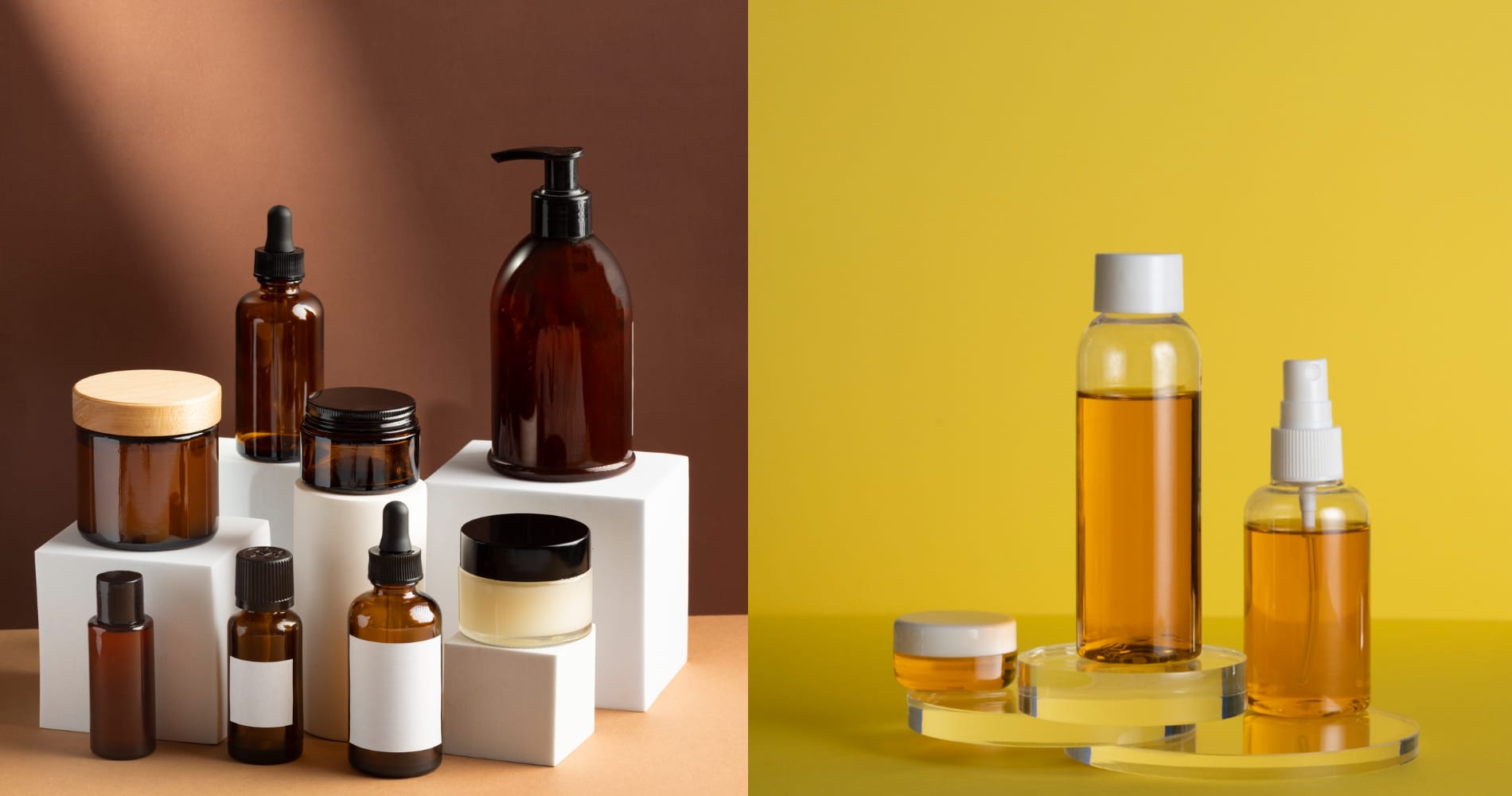
After all the discussion around active ingredients, stronger formulas, and increasingly complex routines, perhaps the more important question is not what else can you add but what does your skin actually need.
Skincare is not a competition to see how many actives a routine can contain or how quickly a product can produce a visible reaction. Results depend on the individual, the formulation, the routine, and the condition of the skin at the time. Sometimes, better skincare means introducing a thoughtful active and sometimes, it means reducing the number of products and giving the skin time to settle.
The most effective routine may not be the one with the most ingredients or the strongest formulas. It may simply be the one your skin can comfortably tolerate, consistently use, and benefit from over time. Perhaps the goal isn’t to make your skincare routine do more but to actually make it work better.
Conclusion
Active skincare has transformed how we approach our skin. Ingredients such as exfoliating acids, retinoids, antioxidants, and other targeted treatments can offer meaningful benefits, but their effects depend on the skin they meet, the formulation, and the routine surrounding them.
For sensitive skin, the pursuit of faster or more dramatic results can sometimes become counterproductive. More products, stronger concentrations, and frequent changes may create a routine that is difficult to tolerate and even harder to evaluate. Irritation, peeling, or tingling should not automatically be viewed as proof that a product is working, just as the absence of an immediate sensation does not mean a product is ineffective. The same active can also produce different results for different people. Skin condition, barrier health, previous product exposure, frequency of use, formulation, environment, and other products in the routine can all influence tolerance. This is why skincare cannot simply be divided into universally “good” or “bad” ingredients.
Perhaps the more useful question is not “What should I add next?” but “What can my skin consistently tolerate and benefit from?” Simplifying a routine does not mean abandoning active skincare. Instead, it can create the stability needed to understand what is helping, what is unnecessary, and what may be causing irritation. Ultimately, effective skincare is not necessarily about doing more. It is about finding an approach that works with your skin rather than constantly challenging it. The goal is not the strongest or most complicated routine, but one that can be used consistently, understood clearly, and tolerated comfortably over time.
Disclaimer
This article is intended for general educational and informational purposes and is not a substitute for professional medical or dermatological advice. Individual skin responses to active ingredients can vary considerably. Information discussed here should not be used to diagnose, treat, or manage a skin condition or to replace advice from a qualified healthcare professional.
If you experience persistent, severe, or worsening redness, burning, swelling, itching, peeling, or other concerning skin reactions, consider discontinuing the suspected irritant and consulting a dermatologist or other qualified healthcare professional. Before introducing a new active ingredient, particularly if you have an existing skin condition or highly reactive skin, professional guidance may be appropriate.
FAQs
1. Does sensitive skin mean I cannot use active ingredients?
Not necessarily. Sensitive skin does not automatically mean that all active ingredients must be avoided. Tolerance depends on factors such as the specific ingredient, concentration, formulation, frequency of use, and the current condition of the skin. Some people with sensitive skin may tolerate certain actives when they are introduced carefully, while others may need to avoid particular ingredients.
2. Does tingling or peeling mean an active is working?
No. Tingling, burning, dryness, or peeling are not reliable measures of effectiveness. They may indicate irritation or that the skin is reacting to a product. A skincare product does not need to produce a strong sensation to provide a benefit.
3. Why does the same skincare ingredient affect people differently?
Individual responses can vary because skin condition, barrier health, previous skincare exposure, product formulation, frequency of application, environmental conditions, and other products in the routine can all influence tolerance. An ingredient’s reputation alone cannot predict how it will behave on every person’s skin.
4. Can skin become more tolerant of active ingredients?
Tolerance can change over time for some people. Gradual introduction and consistent use may allow the skin to become more comfortable with certain products. However, tolerance should not be treated as something that must be forced or continually increased. Persistent irritation is a reason to reassess the routine rather than automatically increase exposure.
5. Can simplifying my skincare routine help sensitive skin?
Simplifying a routine can make it easier to identify which products are helping, irritating, or unnecessary. Reducing frequent product changes and unnecessary active ingredients may also make the routine easier to follow consistently. However, what constitutes an appropriate routine varies between individuals, particularly for people with diagnosed or persistent skin conditions.
Read more
Turcy 10% Vitamin C 5% Niacinamide Face Serum (Infused with 1% Sea Buckthorn):
Is the Niacinamide Hype really worth it? What does it actually do to your skin?

Content Writer with 3+ years of experience turning ideas into words people want to read, share, and remember. I create research-backed social media and lifestyle content that blends storytelling, creativity, and audience insights to make every piece feel fresh, relatable, and engaging.


One thought on “Too good to be true? The effects of active skincare on sensitive skin”