
Abstract:
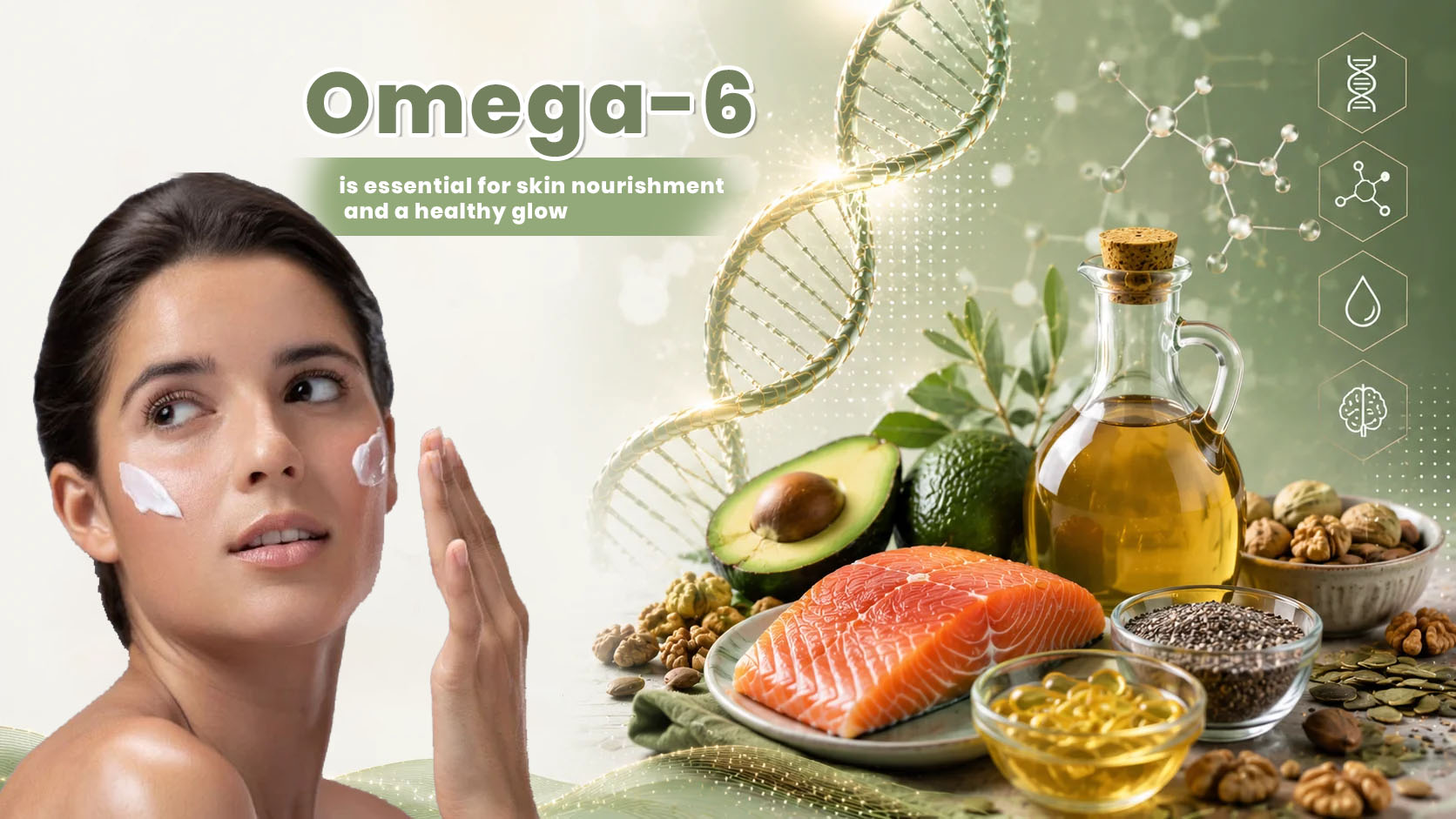
Omega-6 fatty acids are a group of polyunsaturated fatty acids essential for the body, the main ones being Linoleic Acid, Gamma-Linolenic Acid and Arachidonic Acid. Among these, Linoleic Acid in particular is considered to have an important relationship with skin barrier and epidermal lipid metabolism. This article explains the connection between Omega-6 and skin health in a simple and scientific way.
It discusses the structure of the skin barrier, moisture retention, Transepidermal Water Loss (TEWL), the role of fatty acids in the context of dry and sensitive skin, and common misconceptions related to Omega-6 and inflammation. Additionally, natural dietary sources of Omega-6 such as seeds, nuts and plant oils are also explained. The purpose of the article is not to describe Omega-6 as a treatment for any specific skin problem, but to explain the biological relationship that exists between nutrition, fatty acids and healthy skin.
Whenever you or I talk about healthy and glowing skin, our attention always goes towards one thing and that is towards various skin care products like creams, serums, moisturizers and sunscreens. But the story of skin health does not stop only with expensive products applied externally, rather our skin is called a living organ. Nutrition also has a special effect on its structure and functioning. Whereas the proteins, vitamins, minerals and healthy fats received by the body play a special role in the normal functioning of skin cells and maintaining the skin barrier.
And keeping this in mind, essential fatty acids have a special place, among them Omega-6 fatty acids are very important. Very few people would be aware that Omega-6 is also known as dietary fat.
But its work does not stop only at energy or fat present in food, but its main The fatty acid, Linoleic Acid, is associated with specific biological processes related to skin lipid metabolism and the skin barrier.
Not only this, we should also keep in mind that the skin barrier is the layer of our skin which not only reduces the unnecessary loss of water from our body but also works to eliminate it. At the same time, lipids and fatty acids have a special role in the composition of this barrier and this is why it is very important to understand the relationship between Omega-6 and skin health from the points of beauty and skincare.
What is Omega-6?
Omega-6 is a group of polyunsaturated fatty acids (PUFAs), which play a special role in many common biological processes of the body. Not only this, we cannot call them just fat, now you must be wondering why this is so because the fatty acids found in the body are part of cell membranes, signaling processes and many physiological functions.
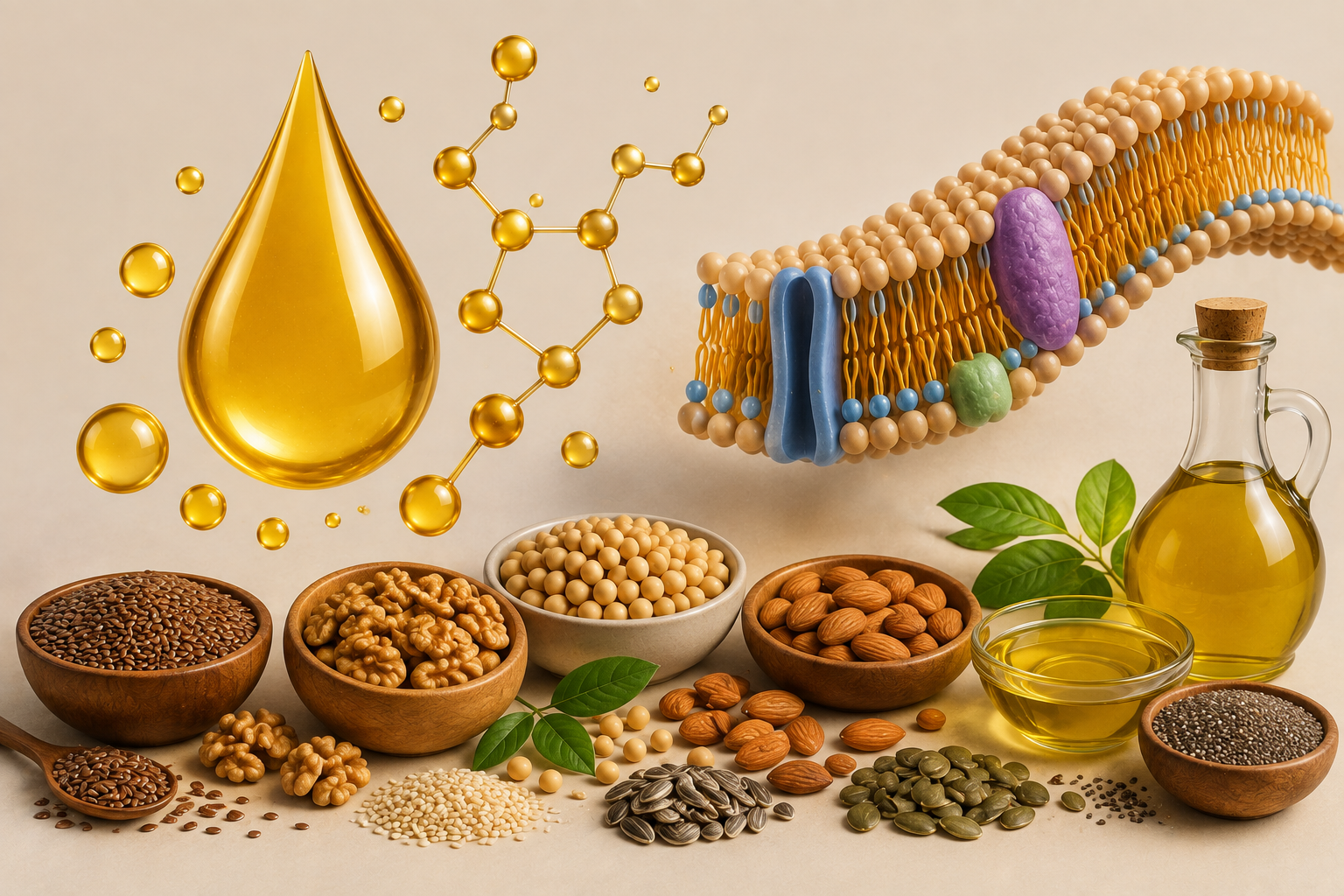
But it is very important for us to know that many important fatty acids in Omega-6 include Linoleic Acid (LA), Gamma-Linolenic Acid (GLA) and Arachidonic Acid (AA). But the role and way of working of these three are not the same and their metabolism in the body is also completely different.
What does Essential Fatty Acid mean?
Linoleic Acid (LA) is also known as essential fatty acid. Its meaning is very simple that our body cannot produce it on its own in sufficient quantity, that is why it is necessary to consume it through food. It is easily found in vegetable oils, seeds, nuts and some other foods.
At the same time, our body can make some other fatty acids beyond Linoleic Acid, and this metabolic pathway helps in the formation of fatty acids like Gamma-Linolenic Acid (GLA). But their conversion in the body still varies greatly from person to person and it also depends on many biological factors.
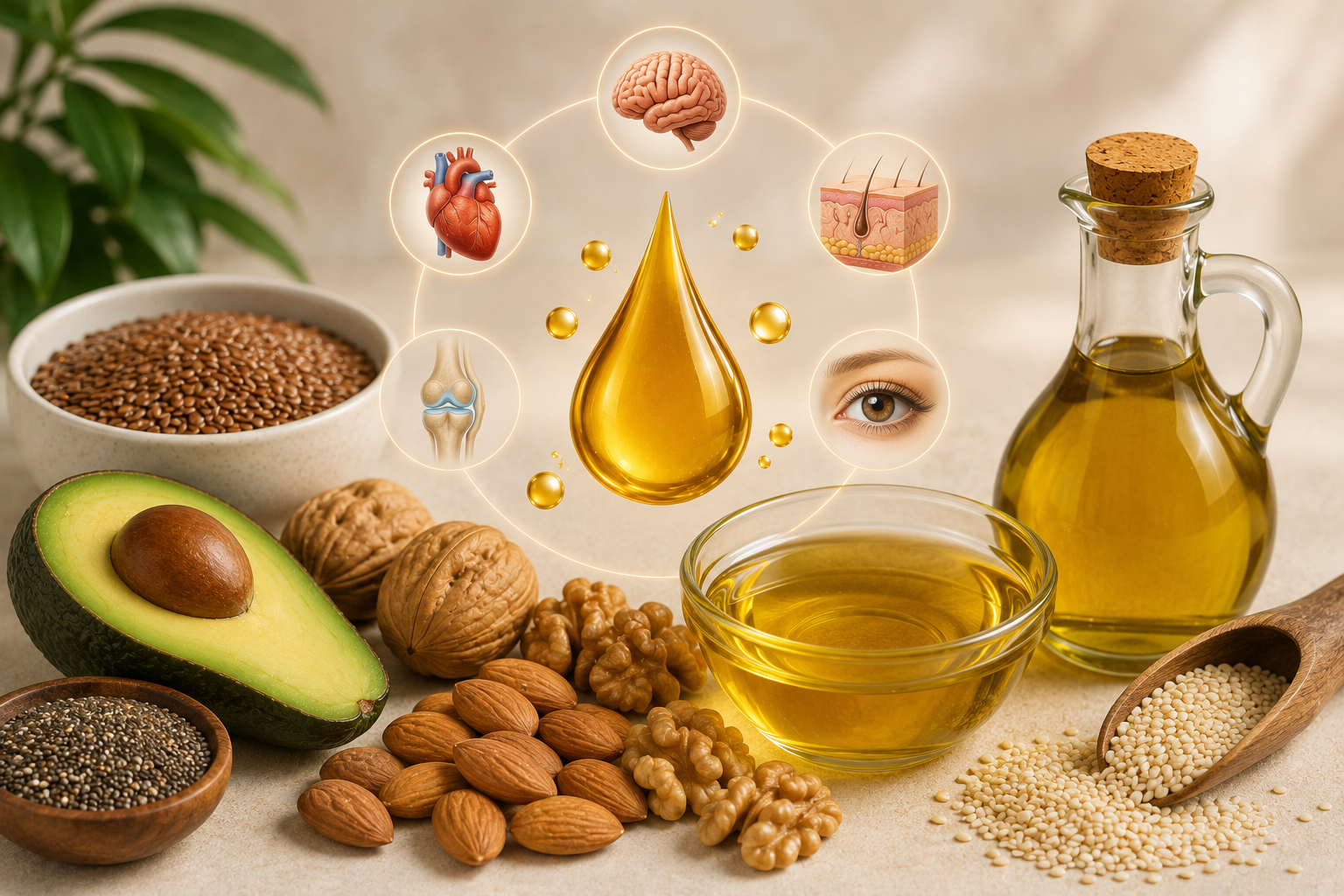
Arachidonic Acid (AA) is also the most important fatty acid of Omega-6 family, it is a very important part of the cell membranes of the body and it works to make various signaling molecules of the body. It is particularly important in biological processes associated with inflammation and immune responses.
Why do we need Omega-6 from diet?
It is important for us to know that essential fatty acids are very important for every person’s body. Along with this, we also have to keep in mind that we should consume food in sufficient quantity. Dietary sources of omega-6 include nuts, seeds and many plant oils.
Now, omega-6 is particularly interesting in this skin context because linoleic acid is associated with the metabolism of lipids present in the skin barrier. This connection will further help us understand what relationship Omega-6 has with skin health and beauty.
Connection of Omega-6 with Skin:
When talking about Omega-6 fatty acids, Linoleic Acid (LA) comes up most often and is very important, especially when the discussion is about skin health and skin barrier. Linoleic Acid is an essential polyunsaturated fatty acid, which simply means that the body can never make enough of it on its own and must get it from the diet. It is easily found in many plant-based foods, seeds, nuts and vegetable oils.
The most surprising thing in this is that the importance of Linoleic Acid does not stop only at nutrition. It is also related to the lipids found in the skin and epidermal barrier function. Not only this, the outermost layer of our skin, which we also know as epidermis, acts as a special protective barrier between the body as well as the external environment. Lipids play a special role in keeping this barrier stronger and functional.
Role of Linoleic Acid in Skin:
Ceramides, cholesterol and fatty acids are said to be the major components in the lipid structure of the skin barrier. Linoleic Acid is associated with these lipid processes and plays a special role in the metabolism of some complex lipids present in the skin.
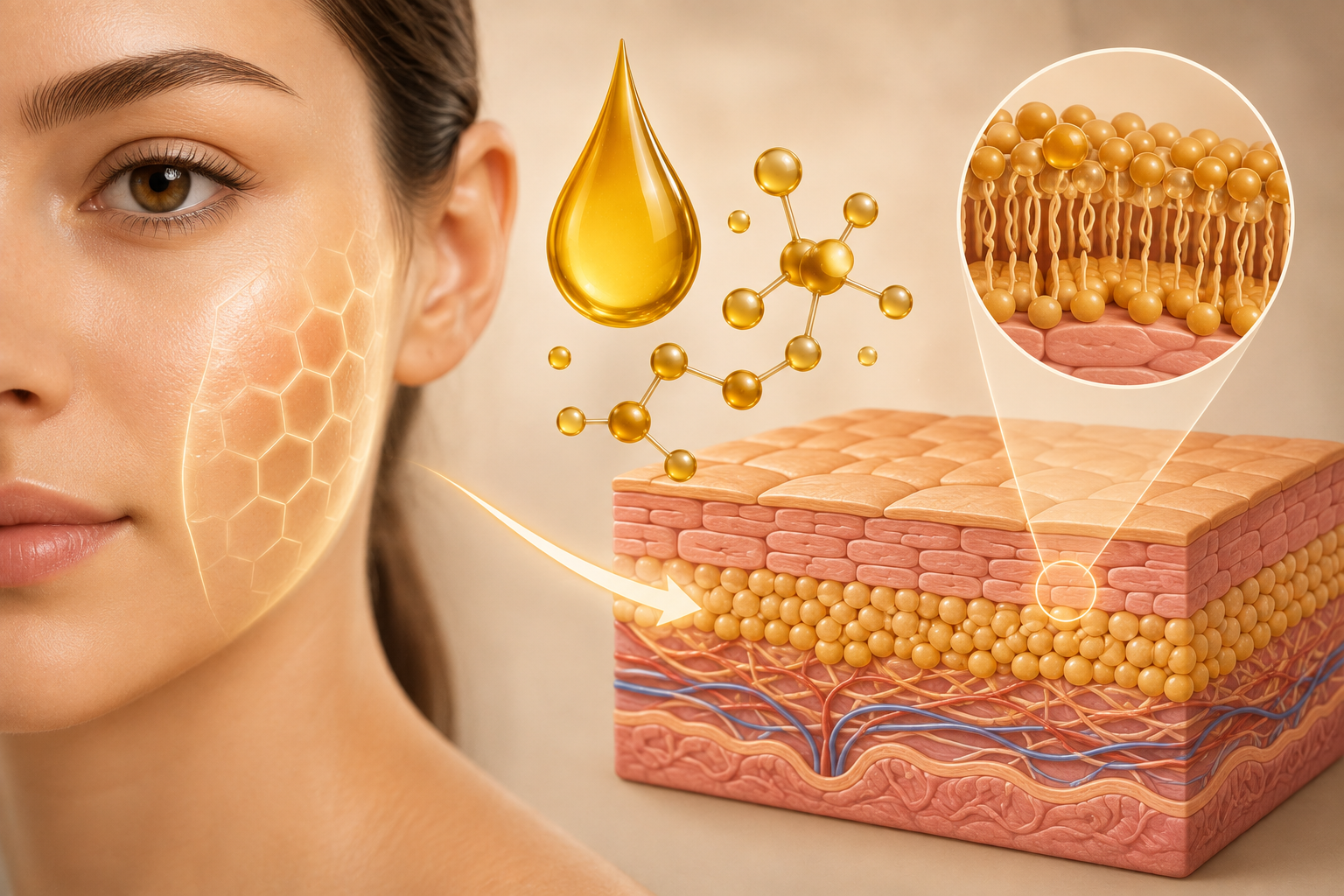
Especially ceramides are considered very good and important for the skin barrier. Ceramides are part of the lipid matrix present between skin cells and also contribute significantly to the skin’s protective function and moisture retention. Linoleic Acid is also associated with biological processes involving some epidermal lipids, particularly ceramide-related lipid metabolism.
If we want to understand it in simple language, then we can understand that the skin barrier is like a wall and lipids work like the protective material present in the middle of that wall. If the lipid organization of the barrier becomes affected, the skin may become less effective in maintaining itself.
Connection to Moisture Retention:
An important function of a healthy skin barrier is to control transepidermal water loss (TEWL). When the skin barrier starts functioning well, there is less unnecessary loss of water from the skin. On the contrary, when the barrier function becomes weak, problems like dryness, roughness and tightness start appearing.
This is why it is not a good idea to consider Linoleic Acid directly as a “moisturizer” in the context of skin hydration. Its role is more basic—it’s part of the skin’s lipid organization and barrier biology, which helps support the skin’s moisture-retaining capacity.
Essential Fatty Acid Deficiency and Skin Changes:
Severe deficiency of essential fatty acids is considered uncommon under normal circumstances, but when the body does not get enough essential fatty acids, many changes start appearing in the skin. Research and clinical observations have linked essential fatty acid deficiency with changes such as dry, scaly and rough skin.
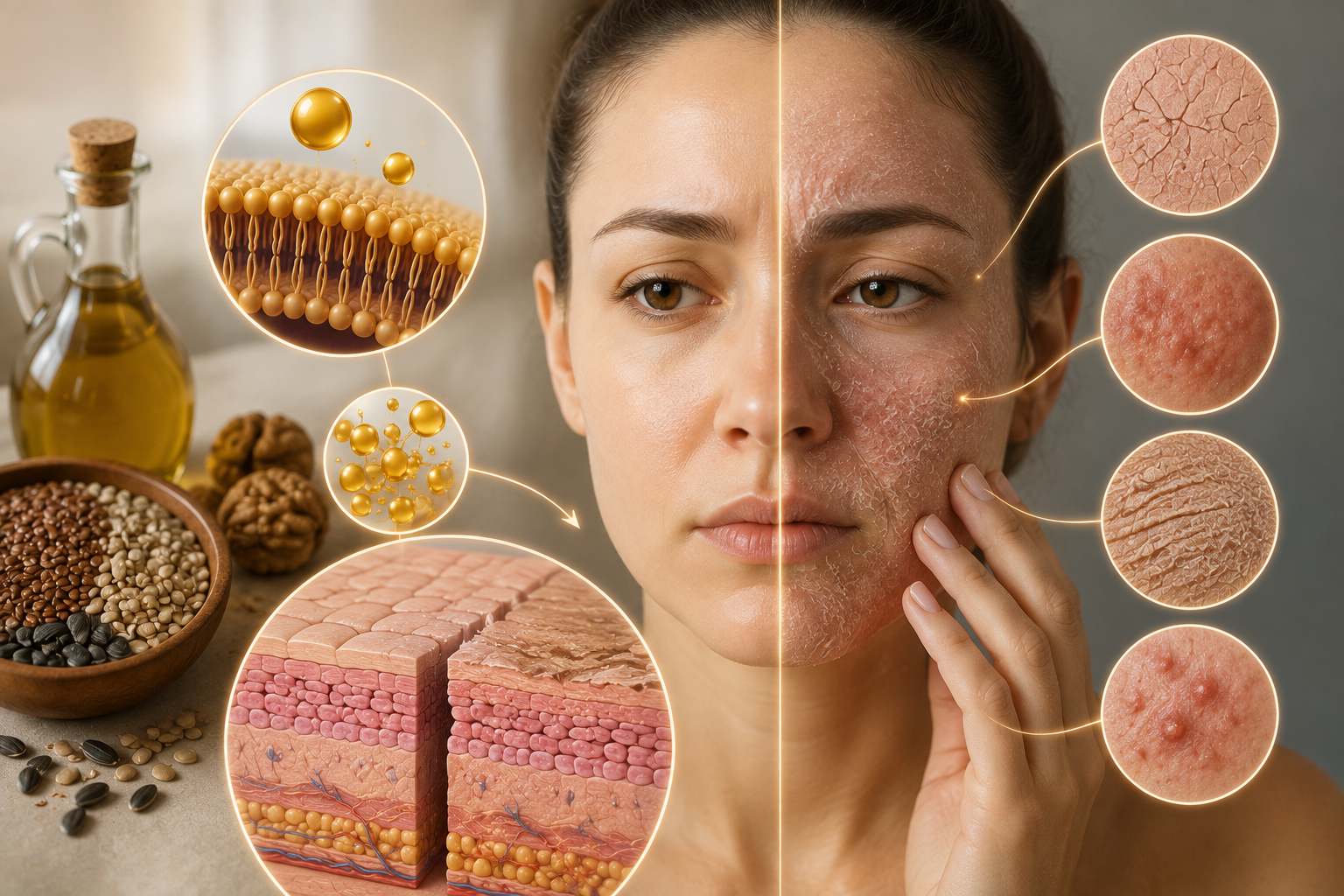
This makes it clear that there is a biological connection between dietary fatty acids and skin health. However, this does not mean at all that taking more Omega-6 will automatically improve the skin. Skin health is linked to many factors—including overall diet, hydration, genetics, environment, skincare habits, and the overall health of the body.
Therefore, the easiest way to understand Linoleic Acid is to view it as an essential fatty acid that plays a role in the skin barrier and lipid metabolism, rather than as a treatment for any one skin problem or an instant beauty solution.
What is the Skin Barrier and Why is it so Important?
We should keep in mind that our skin is not just a normal outer layer covering the body, it also acts as an important protective barrier between the body and the external environment. This barrier can also be called skin barrier in general. Along with protecting the skin from external irritants and environmental stressors, it also helps in preventing unnecessary loss of water inside the body.
Basic Structure of Skin Barrier
The outermost layer of the skin is called epidermis and its uppermost protective layer is also known as stratum corneum. A simple example is often given to understand this—the “bricks and mortar” model.
In this, skin cells can be considered like bricks and the lipids present between them like mortar. These lipids mainly include ceramides, cholesterol and fatty acids. Their correct organization is important for the normal functioning of the skin barrier
What is Moisture Loss?
The skin keeps losing water continuously. This natural loss of water through the skin is called Transepidermal Water Loss (TEWL). Healthy skin barrier helps control this water loss.
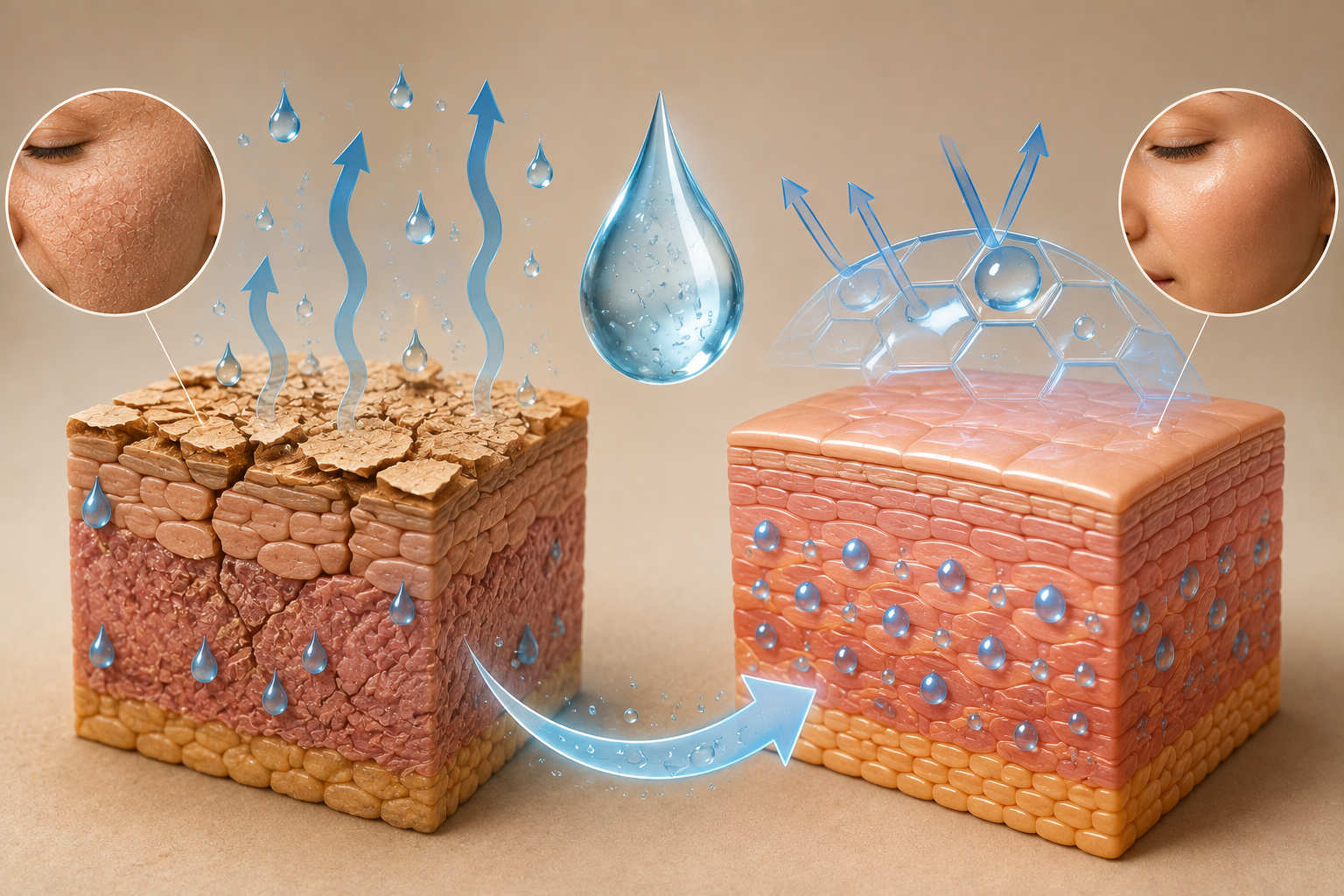
When the barrier works well, the skin is able to retain moisture better. But when barrier function is affected, water loss can increase. This can result in dryness, roughness, tightness and flaky appearance in the skin.
Why can a weak skin barrier increase sensitivity?
When the skin barrier is weak, the skin’s sensitivity to external environmental factors and certain irritants may increase. In such a situation, some people may feel more irritation, stretch, redness or discomfort in the skin.
However, it is not necessary that every dry or sensitive skin is caused by a weak barrier. Weather, excessive cleansing, certain skincare products, genetics and many other factors can also affect skin condition.
Role of Lipids and Fatty Acids
Lipids play an important role in the strength and organization of the skin barrier. Ceramides, cholesterol and fatty acids together contribute to the lipid structure of the stratum corneum.
This is where the connection of Omega-6 and especially Linoleic Acid comes into play. Linoleic acid is part of the biological processes associated with epidermal lipid metabolism and has been shown to be related to the formation and organization of some lipid components present in the skin barrier.
This does not mean that Omega-6 acts directly as a moisturizer. Rather, its role should be understood in the broader context of skin lipid biology and barrier function.
Therefore, it would be incomplete to look at healthy skin only from the perspective of providing moisture from outside. The correct lipid composition is also important for a healthy skin barrier, and the Linoleic Acid present in Omega-6 is an important part of that story. This connection further helps to understand why Omega-6 is viewed not just as a dietary fat, but as an essential nutrient linked to skin health and barrier biology.
Omega-6 and Dry Skin: What is its connection?
Dry skin i.e. xerosis is not just the name of lack of water in the skin. The outer barrier layer of the skin plays an important role in maintaining moisture. When this barrier does not function properly, there can be increased water loss from the skin, called Transepidermal Water Loss (TEWL). As a result, the skin may appear dry, stretched, rough or flaky.
This is where the importance of Omega-6 fatty acids, especially Linoleic Acid, comes into play. Linoleic Acid is part of the metabolism of lipids present in the skin and is linked to the lipid organization of the epidermal barrier.
Ceramides, cholesterol and fatty acids together contribute to forming a protective lipid structure in the skin barrier. Therefore, getting enough essential fatty acids is important for normal skin function.
But this does not mean that eating Omega-6 directly cures dry skin. It would not be correct to establish a direct link between dietary Omega-6 and the treatment of any specific skin condition. Dry skin can have many causes—weather, low humidity, bathing with very hot water, excessive cleansing, certain skincare products, age, genetics and some medical conditions can also be the cause.
Research helps us understand that a biological relationship exists between essential fatty acids and skin barrier function. Especially in severe essential fatty acid deficiency, changes like dry and scaly skin can be seen. But there is not enough evidence to consider taking extra Omega-6 as a treatment for dry skin in the average person.
Therefore, it is a more scientific approach to consider Omega-6 as one of the essential nutritional factors for a healthy skin barrier rather than as a medicine for dry skin. Balanced diet and proper skincare both together support skin health.
Omega-6 and Skin Hydration
When we talk about skin hydration, hydration and moisturization are often considered the same. But there is a difference between the two. Hydration refers to the water content in the skin, while moisturization aims to help retain moisture on the skin’s surface and reduce dryness.
Skin barrier plays an important role in this entire process. Ceramides, cholesterol and fatty acids present in the outer layer of the skin contribute to forming a lipid structure, which helps reduce unnecessary water loss. When this barrier works properly, the skin can retain its moisture better.
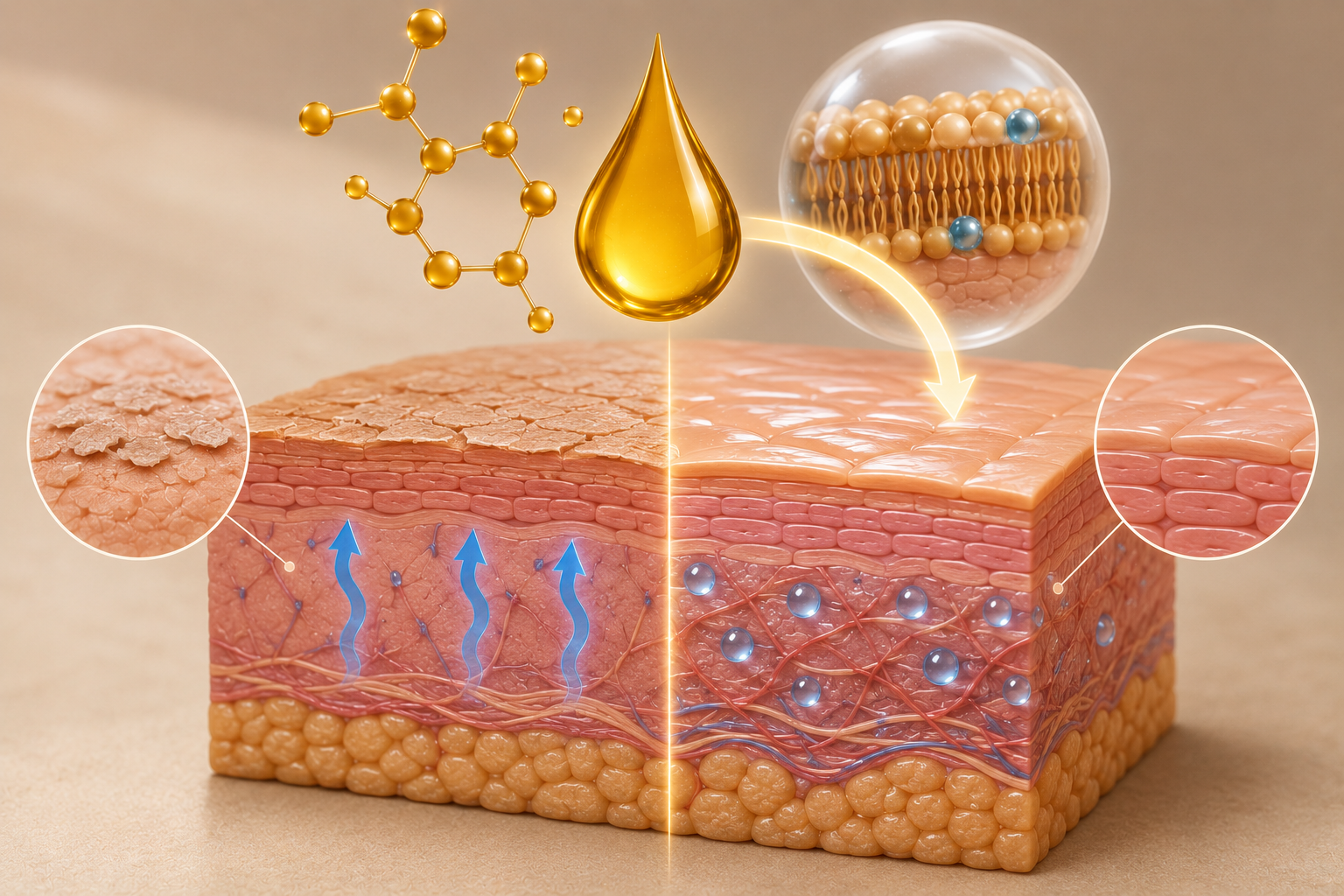
This is where Linoleic Acid, an essential fatty acid of the Omega-6 family, becomes important. It is part of the biological processes associated with epidermal lipid metabolism and contributes to the lipid organization of the skin barrier. Therefore, it would not be correct to consider Omega-6 as a direct “hydrating ingredient” in the context of skin hydration.
Instead it should be seen in the broader context of hydration-supporting nutrition. Getting enough essential fatty acids is important for normal skin function and barrier maintenance. Although simply increasing Omega-6 intake will definitely increase skin hydration, there is not enough evidence to make such a claim. Therefore, for healthy hydration, along with balanced nutrition, adequate water, gentle cleansing and use of appropriate moisturizer is also important.
Omega-6 and Sensitive Skin
Sensitive skin often focuses on the barrier function of the skin and its response to external factors. When the skin barrier is weak or disturbed, the skin may feel more reactive to certain environmental factors, cosmetics or irritants. However, sensitive skin is not a specific medical condition and its causes can vary from person to person.
Ceramides, cholesterol and fatty acids play important roles in the lipid composition of the skin barrier. Among these, fatty acids like Linoleic Acid are associated with skin lipid metabolism. Therefore the connection between Omega-6 and the skin barrier is also interesting in the nutritional context of sensitive skin.
But it is important to understand a common misunderstanding here. Linking omega-6 fatty acids solely to inflammation would be too simplistic a scientific conclusion. Omega-6 is not a single fatty acid, but a whole family group of fatty acids. The biological roles of Linoleic Acid and Arachidonic Acid are not the same.
Some Omega-6-derived compounds may be involved in inflammatory and immune signaling pathways, but this does not mean that dietary Omega-6 automatically increases inflammation or sensitive skin. The regulation of these pathways in the body is very complex and involves many nutrients and biological signals.
Therefore, rather than declaring Omega-6 as “good” or “bad” in the context of sensitive skin, it is more appropriate to understand it in the context of overall diet, skin barrier and individual skin needs.
Omega-6 and Inflammation—Myth vs. Science
Myth: “All Omega-6 increases inflammation.”
One of the most common misconceptions about omega-6 is that all omega-6 fatty acids increase inflammation. This conclusion is very simplistic. In fact, Omega-6 is not a single compound, but a family group of many different fatty acids and they have different biological roles.
Among these, Linoleic Acid (LA) is one of the most prominent dietary Omega-6 fatty acids. In the body it may be involved in the metabolic pathways of some other fatty acids. Arachidonic Acid (AA), on the other hand, is part of cell membranes and serves as a precursor to many signaling molecules.
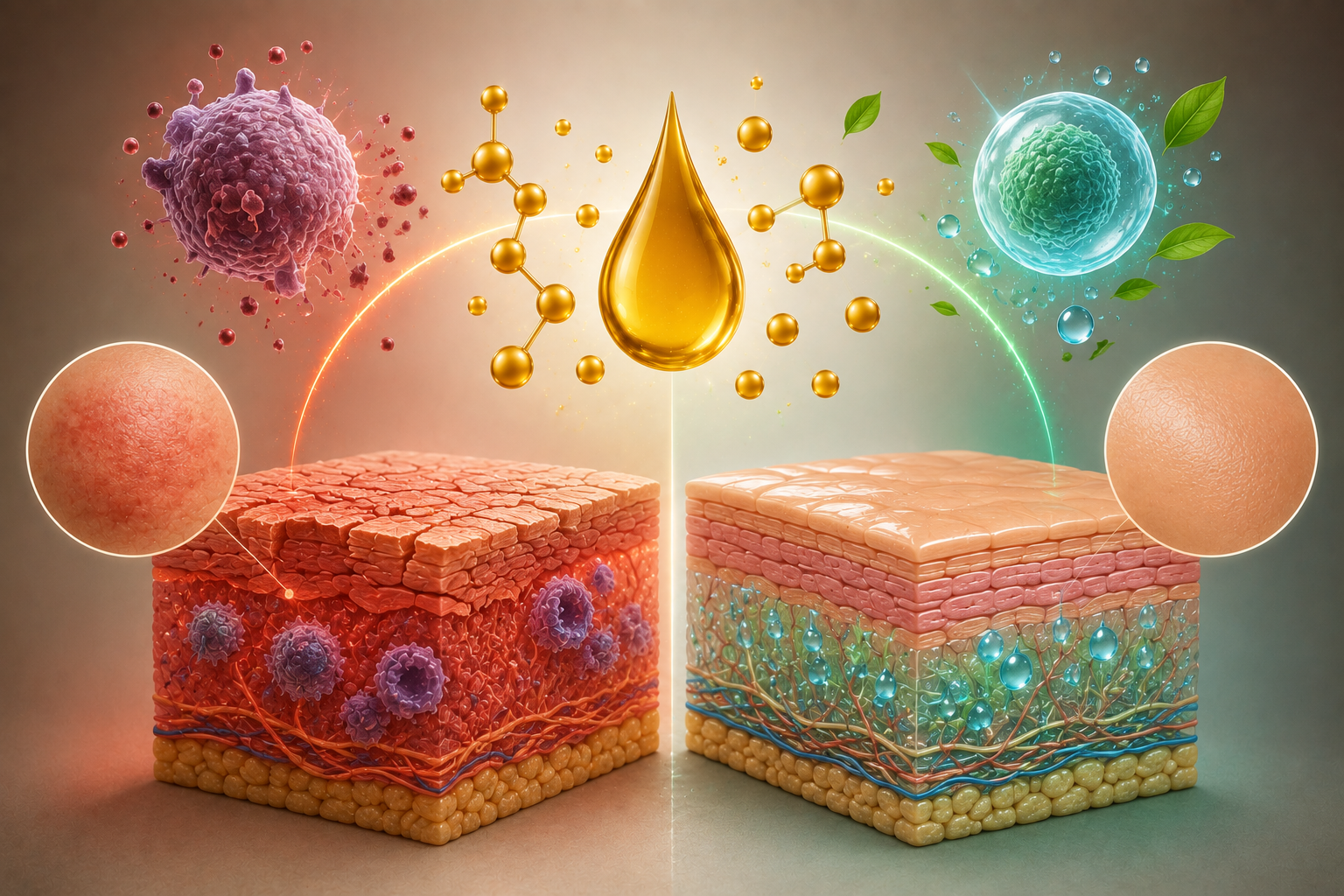
Some eicosanoids formed from arachidonic acid play important roles in immune and inflammatory signaling. But inflammation in itself is not always a harmful process. It may also be part of the body’s normal biological response and its requirement varies according to circumstances.
Similarly, it would not be correct to say that dietary intake of Linoleic Acid directly increases inflammation. In human nutrition research, the picture regarding Omega-6 is much more complex. The type of fatty acid, its quantity, overall diet, metabolism and its relationship with other nutrients can all be important factors.
Omega-3 and Omega-6 balance is also discussed here. Both fatty acid families are involved in many biological pathways in the body and metabolic interactions may occur between them. But it is not enough to see it only as a fixed ratio.
So the better question is not “Does Omega-6 increase inflammation or not?” Rather, it is about the complete dietary pattern of a person and which fatty acids he is getting in what quantity. There is no need to completely avoid Omega-6 in a balanced diet. Foods such as seeds, nuts and plant oils can be natural sources of essential fatty acids.
Therefore, avoiding Omega-6 altogether by calling it a “pro-inflammatory fat” oversimplifies the complex picture of the scientific evidence. It is important to look at the type, source, quantity and overall dietary context of fatty acids together.
Natural Sources of Omega-6
Omega-6 fatty acids can be found in our daily diet through many common foods. The most important dietary Omega-6 fatty acid is Linoleic Acid, which is found in many plant-based foods.
Seeds
Many seeds can be good dietary sources of Omega-6. For example, different amounts of polyunsaturated fatty acids are found in sunflower seeds, sesame seeds and pumpkin seeds.
nuts
Omega-6 fatty acids are also present in walnuts, peanuts and many other nuts. However, nuts provide not only fatty acids, but also protein, minerals and other nutrients.
Plant Oils
Many vegetable oils may contain substantial amounts of Linoleic Acid. Sunflower, soybean, corn and safflower oil are its major dietary sources.
Other Sources
Omega-6 can also be obtained from some grains, processed foods and animal-derived foods, but their amounts and fatty acid composition vary.
Therefore, it is not right to associate Omega-6 with any one food or oil. Overall dietary pattern and food quality are more important. In the next step, this question becomes more interesting – are there natural botanical sources that contain Omega-6 along with other beneficial fatty acids and bioactive compounds? This is where the connection between Sea Buckthorn and Omega-6 comes into play.
Conclusion
Viewing omega-6 simply as a common dietary fat is not sufficient to fully understand its biological role. It is a group of many important fatty acids, in which Linoleic Acid has special importance in terms of skin health. The connection between Omega-6 and healthy skin becomes more clear when we understand processes such as the lipid structure of the skin barrier, moisture retention and epidermal lipid metabolism.
However, this does not mean that taking more Omega-6 will directly cure dry, sensitive or other skin concerns. Skin health depends on many factors, including overall nutrition, genetics, environment, skincare routine and individual health.
Similarly, considering Omega-6 as just “inflammation-increasing fat” is also an oversimplification. Different omega-6 fatty acids have different biological roles and their effects depend on the overall dietary pattern and metabolic context.
So the best way to approach Omega-6 is to neither avoid it completely nor see it as an instant beauty solution. A more scientific approach is to understand its role in the broader context of balanced nutrition and healthy lifestyle.
And that leads us to the next important question—do some natural botanical sources provide Omega-6 as well as other fatty acids and bioactive compounds? It would be interesting to understand this connection further in the context of Sea Buckthorn.
Disclaimer
This article is for general educational and informational purposes only. The information provided herein is not a substitute for diagnosis, treatment or prevention of any disease, skin condition or nutritional deficiency. It is important to consider your individual dietary needs before increasing your intake of omega-6 or any other nutrient. For dry skin, persistent sensitivity, inflammation or any other persistent skin problem, seek appropriate advice from a qualified dermatologist or healthcare professional. Do not rely solely on the information in this article for treatment of a specific medical condition.
Frequently Asked Questions (FAQs)
1. What is Omega-6?
Omega-6 is a group of polyunsaturated fatty acids, which includes fatty acids such as Linoleic Acid, Gamma-Linolenic Acid and Arachidonic Acid.
2. Is Omega-6 important for skin?
Yes, essential fatty acids are essential for normal body functions. Linoleic Acid plays a role in biological processes related to the skin barrier and lipid metabolism.
3. What is the relation between Linoleic Acid and skin barrier?
Linoleic Acid is associated with epidermal lipid metabolism and contributes to the lipid organization of the skin barrier.
4. Can Omega-6 cure dry skin?
Omega-6 should not be considered a direct treatment for dry skin. It is one of the essential nutritional factors for a healthy skin barrier.
5. Does Omega-6 increase skin hydration?
Omega-6 is not considered a direct hydrating ingredient. It is related to the skin barrier and lipid metabolism, which can contribute to moisture retention.
6. Is Omega-6 good for sensitive skin?
There is a biological connection between Omega-6 and the skin barrier, but sensitive skin can be affected by many factors. Therefore it should not be considered as a direct treatment for sensitive skin.
7. Are all Omega-6 fatty acids the same?
No. Linoleic Acid, Gamma-Linolenic Acid and Arachidonic Acid have different biological roles and metabolic pathways.
8. Does Omega-6 increase inflammation?
To say that every Omega-6 increases inflammation is not correct. Different Omega-6 fatty acids have different roles and the inflammatory pathways are quite complex.
9. In which foods is Omega-6 found?
Omega-6 is found primarily in many seeds, nuts and plant oils. Sunflower seeds, sesame seeds, peanuts and some vegetable oils are its dietary sources.
10. Should Omega-6 be completely removed from the diet?
No. Essential fatty acids are essential for the body. Instead of avoiding any nutrient completely, it is more appropriate to focus on a balanced and varied diet.
महिलाओं में फंगल इंफेक्शन: 5 मुख्य कारण और 7 आसान तरीकों से पाएं शानदार राहत
White Discharge: Is It Normal or a Major Risk? Find Out Now!
What is Omega-3, how is it good for skin and hair?

Emanual Massey is a healthcare, lifestyle, and beauty content writer with over 7 years of professional experience. He specializes in writing SEO-optimized, research-based articles on health, wellness, nutrition, skincare, beauty, and Ayurveda. His mission is to simplify complex topics into practical, reader-friendly content that empowers people to make healthier lifestyle choices. Passionate about continuous learning and evidence-based writing, Emanual creates informative and engaging blogs that combine accuracy, readability, and search engine optimization.