
Abstract
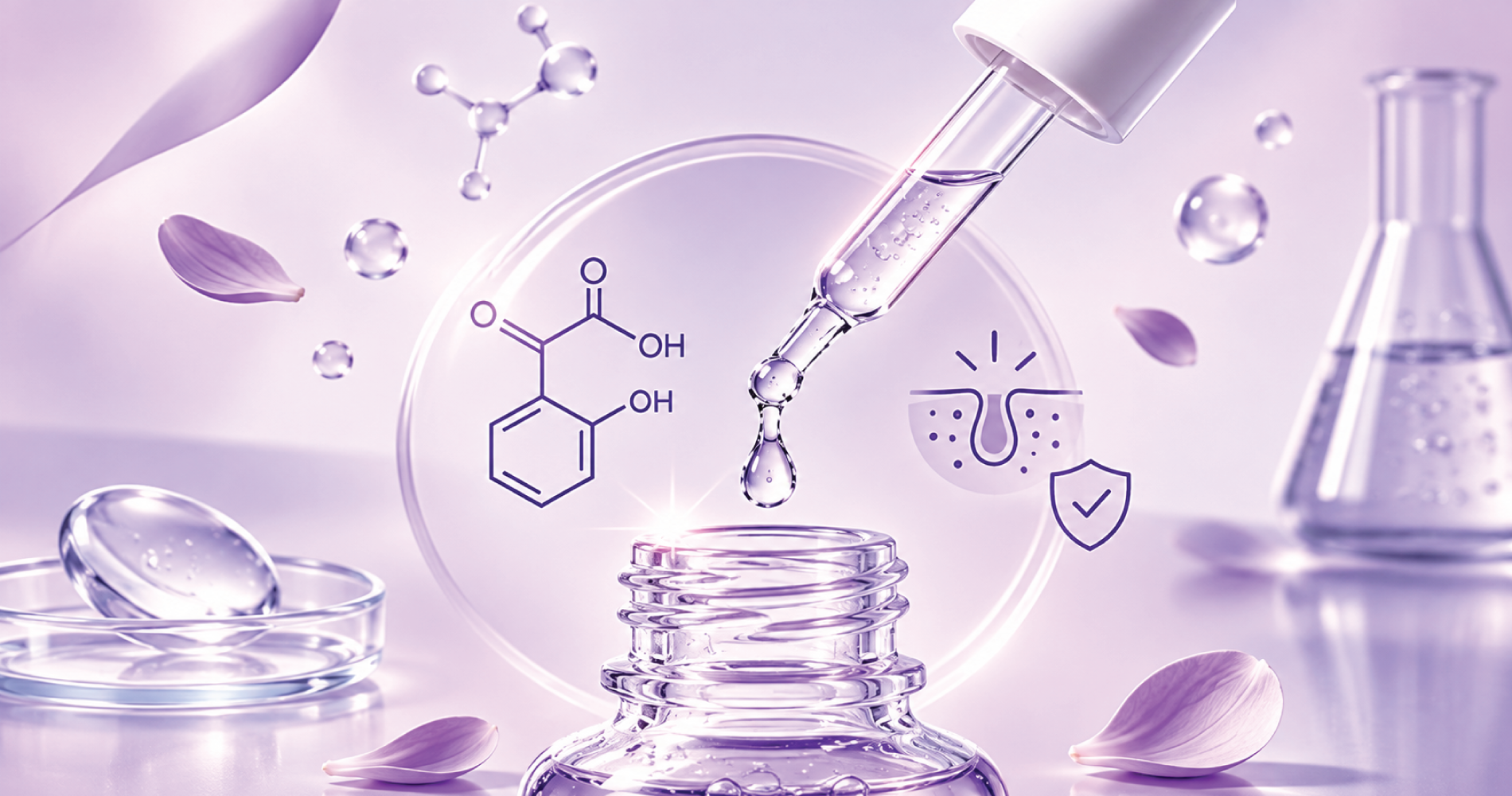
Salicylic acid has become one of the most talked-about ingredients in the world of skincare. From face washes that claim to reduce acne to exfoliating serums, it is present in countless products that promise to make the skin look smoother, reduce the dirt and oil trapped in pores, and control breakouts. But is it really the solution to every pore-related problem, or has the skincare internet given it a little too much main character energy?
Salicylic acid is a beta-hydroxy acid (BHA) ingredient known for its exfoliating and comedolytic properties. It can help loosen dead skin cells, reduce the problem of clogged pores, and manage certain types of acne. However, its benefits depend on its formulation, concentration, frequency of use, and an individual’s skin tolerance. This article explains what salicylic acid actually does, how it works, its potential benefits for the skin, the different product formulations available, how to use it safely, what side effects it may have, and which myths associated with it need to be dispelled. Because before adding another trending active ingredient to your skincare shelf, it is important to know what it is actually doing.
Introduction: Salicylic acid is everywhere, but does your skin know why?
Your skincare shelf probably has a few familiar characters: a cleanser that promises to refresh the skin, a moisturizer that claims to protect the skin barrier, and at least one serum that looks like it belongs in a science lab. And somewhere among all these products, salicylic acid has also made its place.
Blackheads? Salicylic acid. Clogged pores? Salicylic acid. Oily-looking skin? On the internet, someone will recommend salicylic acid before you have even finished reading your skincare question.
This ingredient has become quite popular in products made for acne and oily skin. But its popularity is not just a social media trend. Salicylic acid has certain special properties that make it useful in skincare, especially when the problem is related to the buildup of dead skin cells and clogged pores.
The most interesting thing about it is that salicylic acid does not work like every other exfoliating ingredient. Its oil-soluble nature helps it work within the oil-rich environment inside pores. That is why it is considered especially useful for comedonal acne, which includes blackheads and whiteheads.
But here is the twist: using it more does not mean the skin will clear up faster. If used incorrectly, this ingredient can also cause dryness, peeling, and irritation. So what exactly makes salicylic acid so popular? How does it work, and who can benefit from it? Let us understand the science behind this skincare favorite.
What is salicylic acid? Meet the BHA behind the hype
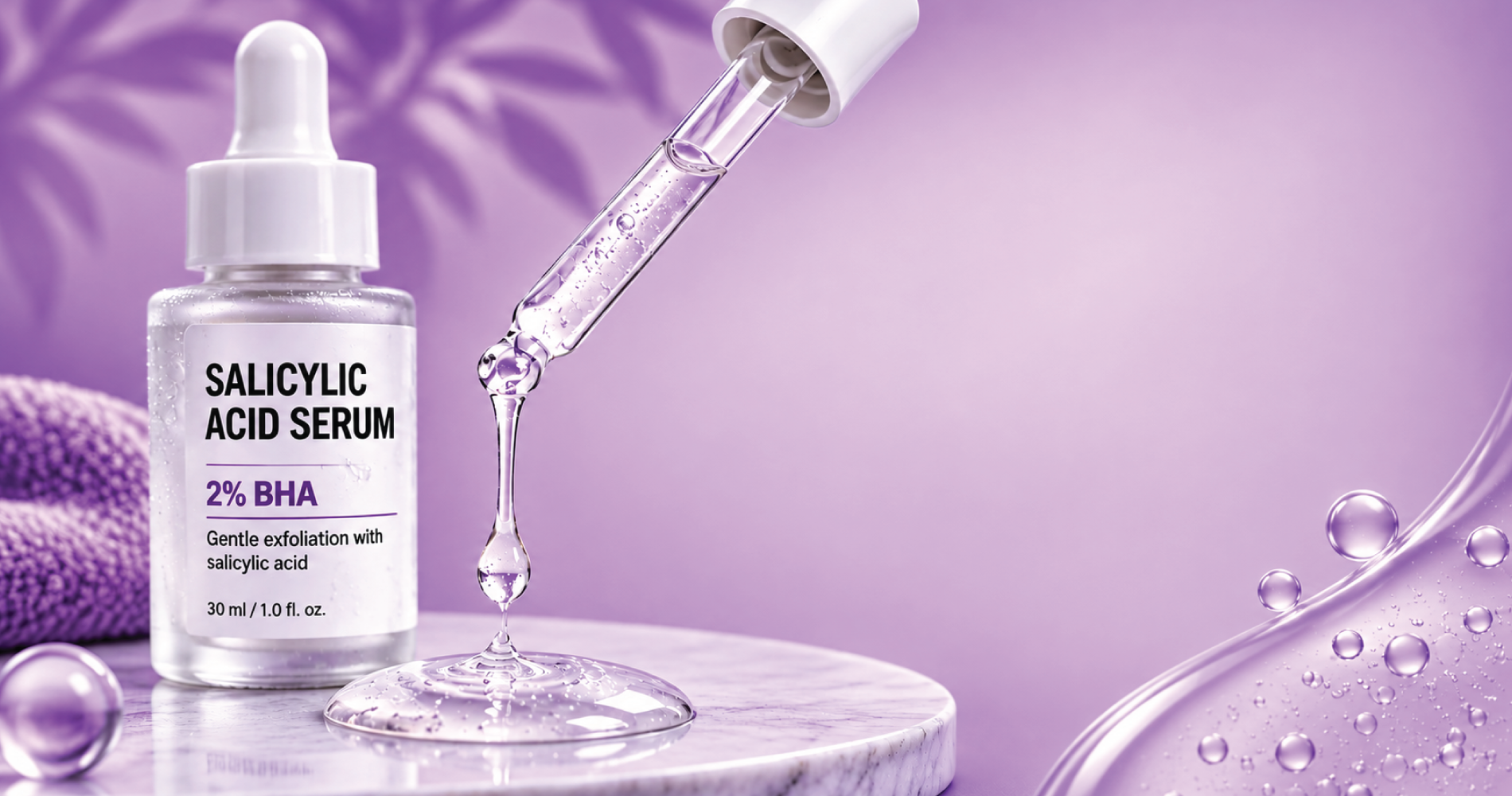
Salicylic acid is a beta-hydroxy acid (BHA) ingredient that is commonly used in skincare and dermatological products. It belongs to a group of substances known as keratolytics. These help loosen and remove dead skin cells that accumulate on the outer layer of the skin.
In simple terms, your skin is like a surface where old cells are regularly shed so that new cells can take their place. This is a completely natural process. However, when dead skin cells begin to build up around hair follicles and mix with sebum, pores can become clogged. Salicylic acid helps reduce this problem by helping to remove this buildup of cells.
One of its most interesting features is that it is oil-soluble. Unlike other water-soluble exfoliating acids, salicylic acid can work with the oil-rich environment around pores. This is why it is popular in products made for skin with blackheads, whiteheads, and acne. You may also find salicylic acid in products made for concerns such as dry, thick, or scaly skin. In some dermatological formulations, it is used for scaly skin conditions because it has keratolytic properties.
Is salicylic acid naturally derived?
Salicylic acid is historically associated with a compound called salicin, which is found in willow bark and certain other plants. However, this does not mean that the ingredient present in every salicylic acid product is directly extracted from willow bark. Manufactured salicylic acid can also be used in cosmetic and pharmaceutical formulations.
The most important point here is to understand the properties of the ingredient and the formulation in which it has been used. Simply being associated with a plant does not guarantee that a product will be gentler or more effective.
How does salicylic acid work on the skin? The pore clearing science
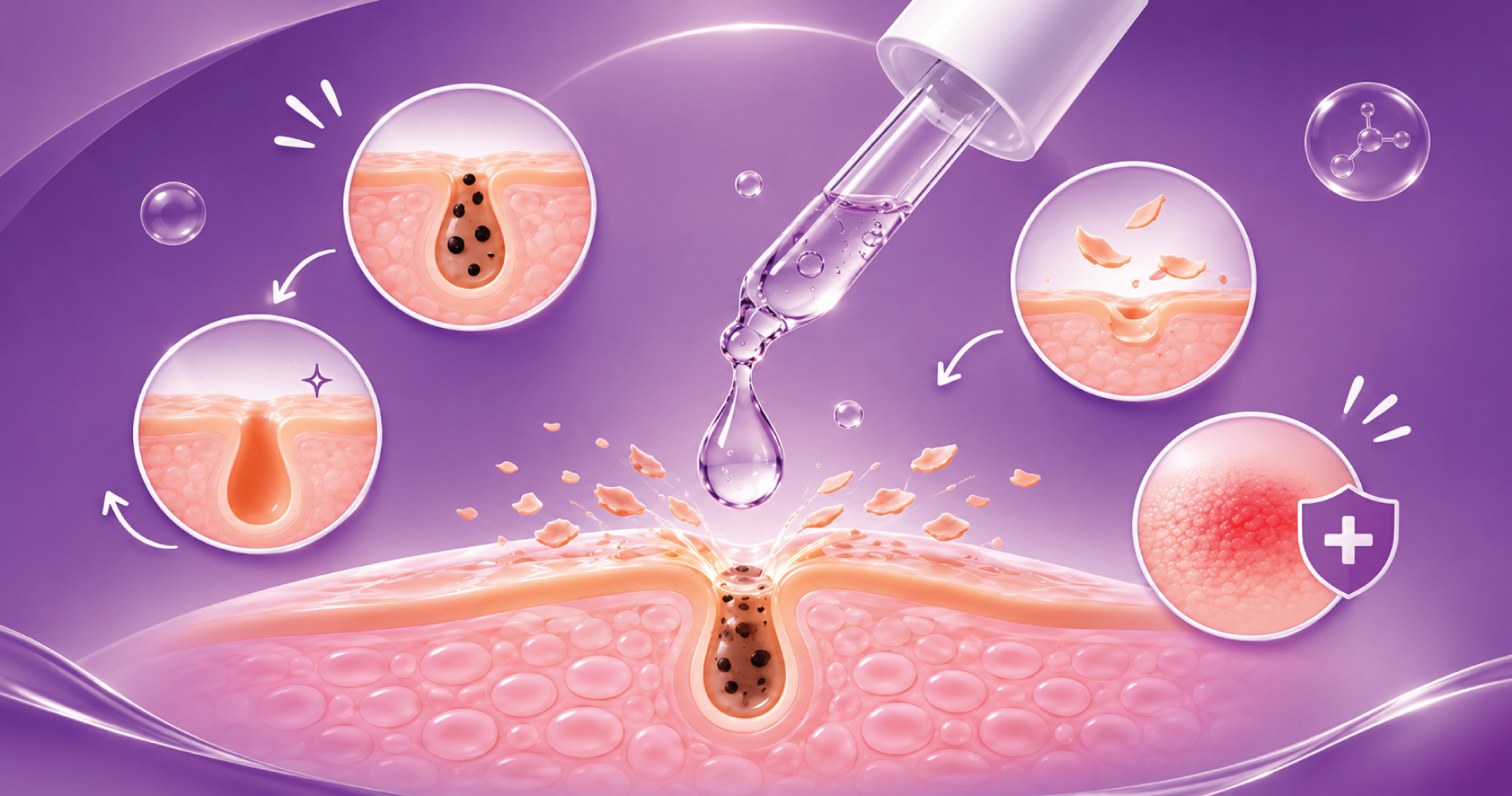
Let us understand what happens beneath the surface of the skin. Your pores are not small dustbins, but a mixture of sebum and dead skin cells can accumulate in them. When this material builds up inside hair follicles, comedones can form, which are commonly called blackheads and whiteheads. This is where salicylic acid comes in.
It helps loosen dead skin cell buildup
The cells present in the outermost layer of the skin remain connected to one another through certain structural proteins and intercellular connections. Salicylic acid helps loosen the buildup of these cells through its keratolytic properties.
Think of it this way: it helps the skin remove accumulated dead cells so that they do not remain stuck around the pores.
It has comedolytic properties
A comedone is a blocked hair follicle. Open comedones are commonly called blackheads, while closed comedones are called whiteheads.
Salicylic acid is considered comedolytic because it helps reduce the buildup associated with blocked follicles. This is one reason it is often included in skincare products related to acne.
It works in an oil-rich environment
Salicylic acid is oil-soluble, so it can work with the sebum-rich environment around pores. This property makes it useful for people whose skincare concerns are related to clogged pores and excess oil.
However, it is important to understand that salicylic acid does not dissolve all the oil on your face, nor does it permanently stop the skin from producing sebum.
It can help calm the appearance of inflammation
Salicylic acid also has anti-inflammatory properties. These can increase its usefulness in acne-related formulations, although its primary role in skincare is usually associated with exfoliation and comedolytic action.
Its overall effect depends on the product’s concentration, formulation, frequency of use, and your skin’s response. In short, salicylic acid is not some magical pore vacuum. It is an exfoliating ingredient that helps reduce the buildup behind certain types of clogged pores.
Salicylic acid benefits for skin: What can it actually do?
Now let us come to the part everyone wants to know about. What are the real benefits of salicylic acid for the skin, and why does this ingredient keep appearing again and again in acne-related skincare routines? Let us understand this in detail.
Helps unclog pores
When dead skin cells and sebum accumulate inside hair follicles, pores can become clogged. This buildup can contribute to blackheads, whiteheads, and other types of acne. Salicylic acid helps loosen accumulated dead skin cells and assists in removing the material that causes buildup in pores. Its oil-soluble nature makes it especially useful for oily and acne-prone areas.
However, it cannot prevent pores from becoming clogged forever. The skin naturally continues to produce sebum and shed dead cells, so even after pores are cleared, it is important to maintain the right skincare routine.
Supports the management of acne
Salicylic acid is commonly used in products formulated for mild acne, especially when the problem is related to clogged pores and comedones. By helping reduce the buildup of material inside the follicles, it can assist in managing blackheads and whiteheads. It can also be a useful part of a broader acne-care routine.
The American Academy of Dermatology’s acne guidelines conditionally recommend topical salicylic acid for the treatment of acne. An important distinction should be understood here: this recommendation is conditional, meaning that this ingredient may be suitable for some people, but it is not necessarily the best option for every acne-related concern.
Persistent, painful, deep, or scarring acne may require professional treatment rather than relying only on an over-the-counter exfoliant.
Helps improve the appearance of oily skin
If your face starts to look shiny shortly after cleansing, you will be familiar with this problem of oily skin. Salicylic acid is popular in skincare products made for oily skin because it can help reduce the buildup of dead skin cells associated with clogged pores. It is often included in cleansers and leave-on formulations designed for acne-prone skin.
However, managing buildup in the pores and controlling the amount of oil produced by the skin are two different things. Salicylic acid should not be described as an ingredient that permanently reduces the process of sebum production.
Helps reduce the appearance of blackheads and whiteheads
Blackheads and whiteheads are two different types of comedones. Blackheads are called open comedones. Their upper part remains open, allowing the material inside the pores to come into contact with air and appear darker. Whiteheads are called closed comedones, in which the open part of the follicle is covered by the skin.
Salicylic acid can help reduce the buildup associated with these closed follicles. With consistent and proper use, it can help improve the visible effects of comedonal buildup. One thing to remember: blackheads are not just dirt accumulated on the face. Scrubbing too hard is not the solution. Instead of aggressive cleansing, following the right exfoliating routine is usually the better approach.
Supports smoother-looking skin texture
The buildup of dead skin cells can make the skin feel rough or uneven. The exfoliating properties of salicylic acid help loosen this buildup, making the skin feel smoother to the touch. This can be especially useful for people whose skin texture feels rough due to buildup associated with clogged pores.
However, not every uneven skin texture is caused by a buildup of dead skin cells. Acne scars, visibly enlarged pores, irritation, and other skin concerns may require different remedies.
Helps make pores look less noticeable
Let us clear up a very popular skincare myth: no topical ingredient can permanently erase or shrink your pores. How visible your pores are depends on factors such as genetics, sebum production, skin structure, and age. When pores become clogged, they may appear more noticeable.
By helping reduce the buildup inside pores, salicylic acid can make them look less prominent. Its purpose is to improve the issue of pore congestion, not to make pores disappear entirely.
Different types of salicylic acid products: Which formulation does what?
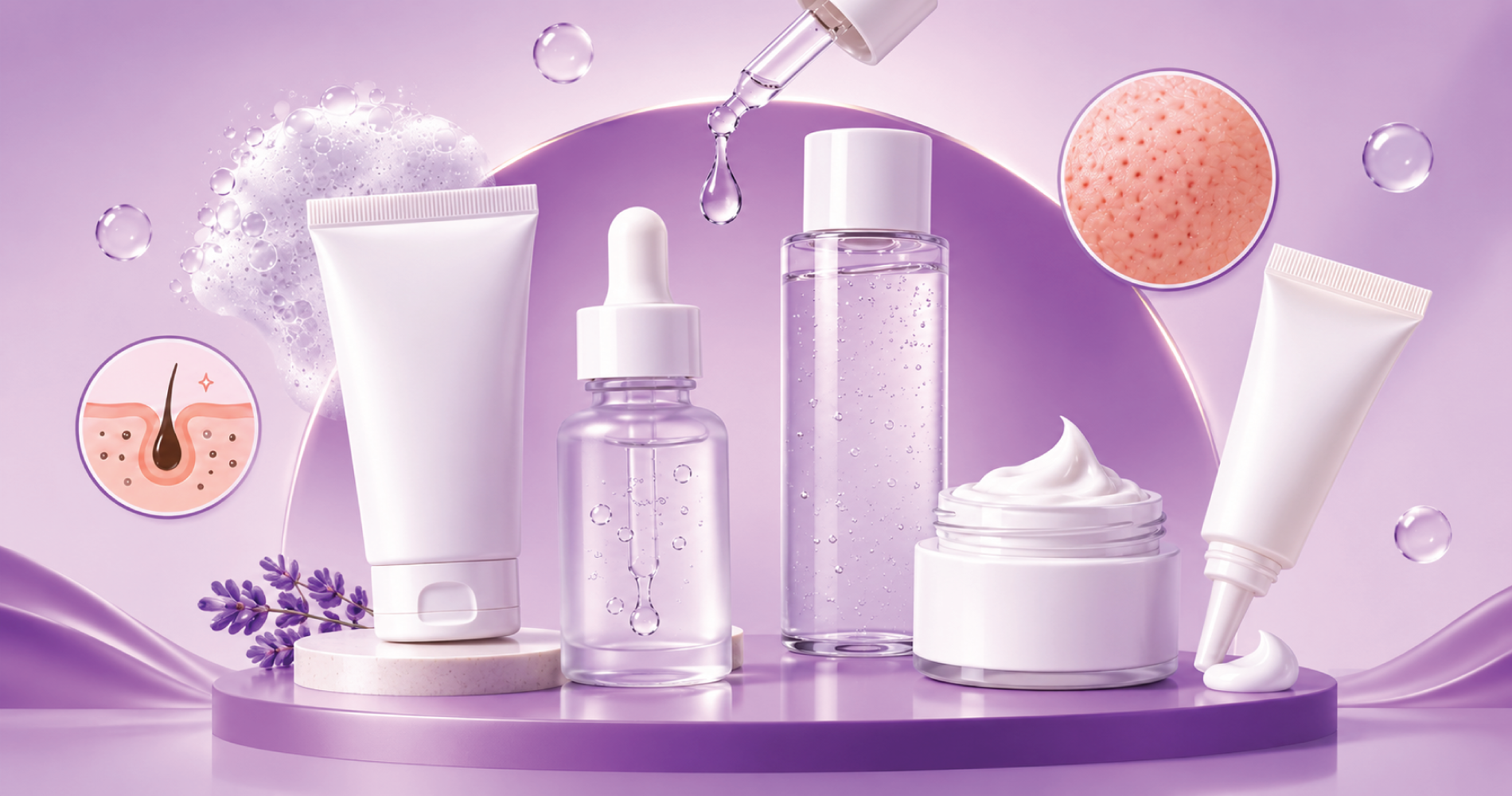
Salicylic acid is not limited to one type of skincare product. It appears in several formulations, and each one has a different way of interacting with the skin.
Salicylic acid face washes and cleansers
These are wash-off formulations designed to cleanse the skin and remove everyday impurities, excess surface oil, and product residue.
A salicylic acid cleanser may be useful for people who want to include the ingredient in a cleansing step. Since it is rinsed off, its contact time with the skin differs from that of a leave-on product.
Salicylic acid serums
Serums are generally leave-on formulations. They remain on the skin after application, allowing longer contact with the treated area.
They are commonly used in routines targeting clogged pores, blackheads, and acne-prone skin. However, a longer contact time does not automatically make every serum more effective than every cleanser. The formulation, concentration, and overall product design matter.
Salicylic acid toners and lotions
These products may be formulated to provide exfoliating benefits across selected areas of the face or body. Their strength and intended use can vary significantly.
Always check the product instructions instead of assuming every toner or lotion can be used daily.
Salicylic acid creams and spot treatments
Some formulations are designed for targeted application. Depending on their concentration and intended use, they may be used for specific areas or dermatological concerns.
Avoid applying stronger preparations across large areas of skin unless the product directions or a healthcare professional specifically recommend it.
Salicylic acid chemical peels
Professional salicylic acid peels use higher concentrations than many everyday skincare products. They are different from ordinary over-the-counter cleansers and serums.
These treatments should be performed under appropriate professional guidance. Trying to recreate a professional peel at home using concentrated products can cause irritation, burns, and skin injury.
Who should use salicylic acid? Is it really for everyone?
Salicylic acid is often associated with oily and acne-prone skin, but its suitability depends on more than just your skin type.
Oily skin
People with oily skin may find salicylic acid useful because it helps address the dead skin cell buildup associated with clogged pores. It is commonly included in products designed for oily and acne-prone skin.
Acne-prone skin
Salicylic acid may be useful for people dealing with blackheads, whiteheads, and certain mild acne concerns. However, persistent or severe acne may need a dermatologist’s assessment.
Combination skin
Combination skin can have both oily and relatively dry areas. Salicylic acid may be used selectively on areas prone to congestion, provided the skin tolerates it.
Dry skin
Dry skin is not automatically incompatible with salicylic acid, but it may be more vulnerable to dryness and irritation. A gentle formulation, lower frequency, and a suitable moisturiser can help support skin comfort.
Sensitive skin
Sensitive skin needs extra caution. Salicylic acid may cause stinging, redness, or peeling, particularly when introduced too frequently or combined with other irritating products.
If you have a skin condition such as eczema or a compromised skin barrier, seek professional advice before introducing an exfoliating active.
The takeaway? Salicylic acid is not an ingredient that everyone needs. The right skincare routine depends on your skin’s actual concerns, not just what is trending online.
How to use salicylic acid in your skincare routine without overdoing It
Finding an ingredient that suits your skin is one thing. Using it correctly is a completely different game.
Here is how to introduce salicylic acid without turning your skincare routine into an unnecessary chemistry experiment.
Step 1: Choose the Right Formulation
Start by identifying your primary concern. Are you dealing with clogged pores, blackheads, or acne-prone skin?
A cleanser, serum, toner, or targeted product may suit different routines. Look at the concentration, ingredient list, and product instructions before choosing.
Many over-the-counter acne products contain salicylic acid in concentrations ranging from 0.5% to 2%. Higher concentrations may be used in specific dermatological preparations and professional treatments, but they are not automatically better for everyday facial skincare.
Step 2: Introduce It Gradually
Do not start using multiple salicylic acid products at once.
Begin according to the product’s directions and observe how your skin responds. If you notice persistent dryness, burning, redness, or peeling, reduce use or stop the product and seek professional advice if needed.
Step 3: Follow With a Moisturiser
Exfoliating ingredients can contribute to dryness, especially when used too frequently.
A suitable moisturizer can help maintain hydration and support the skin barrier. Oily skin needs moisturizing too. Skipping this step simply because your face produces excess oil is not a skincare flex.
Step 4: Make Sunscreen Part of Your Daytime Routine
Use a broad-spectrum sunscreen with SPF 30 or higher during the day. Sunscreen is an important part of protecting skin from ultraviolet radiation, regardless of whether you use salicylic acid.
Step 5: Give Your Skin Time
Skincare is not a speedrun. Results vary depending on the concern, product, and individual response.
Avoid increasing the frequency or concentration simply because you want faster results. Consistent, appropriate use is more sensible than overloading your skin with active ingredients.
Salicylic acid side effects: When the skincare glow-up goes wrong
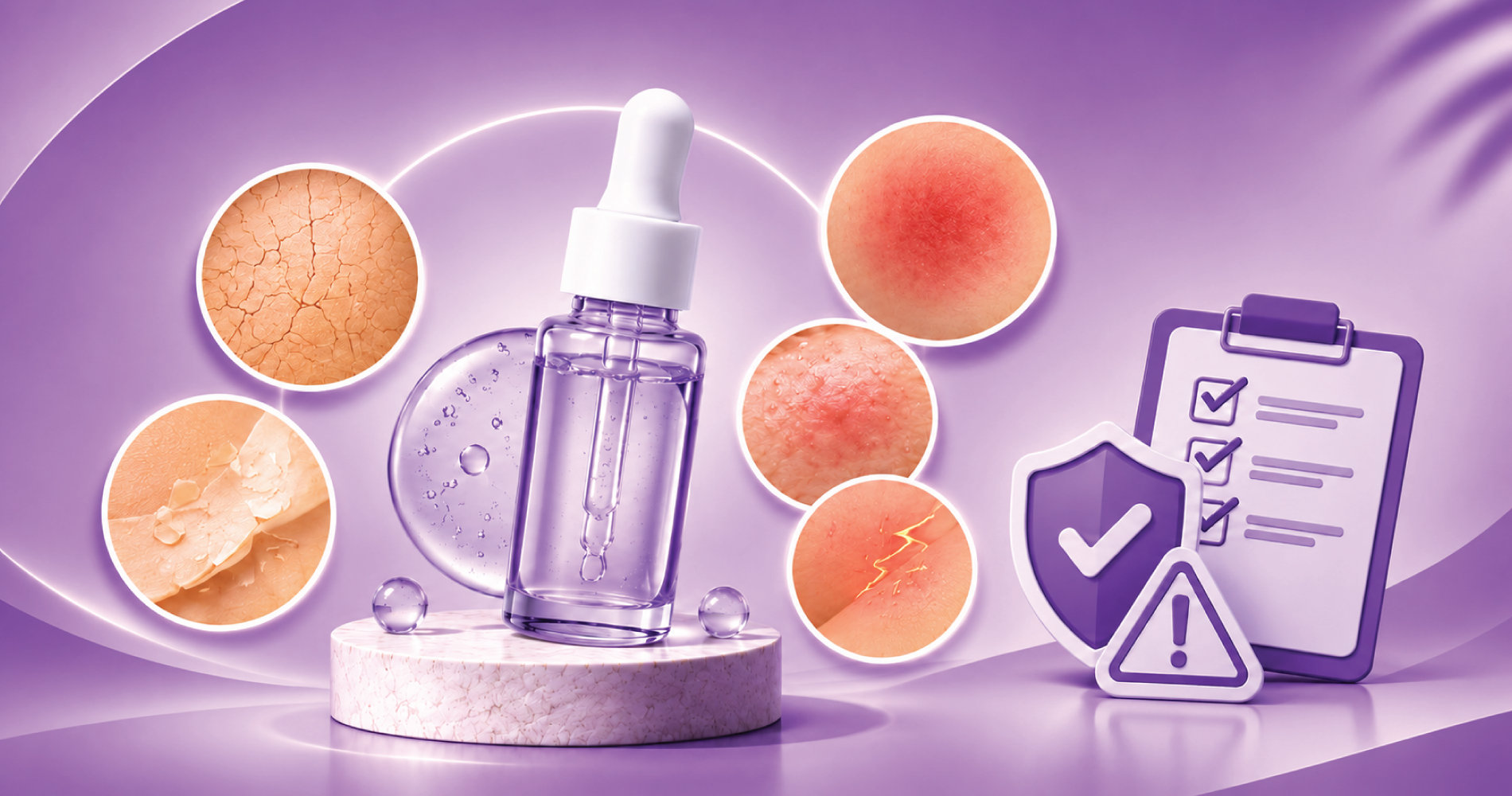
Useful skincare ingredients can also cause problems if used incorrectly. Salicylic acid is no exception. Some of its possible side effects include
- Dryness: Especially with frequent use, the skin may feel tight or uncomfortable.
- Peeling skin: Due to its exfoliating effect, flakes or peeling may appear on the skin.
- Redness: Some people may experience burning or redness after applying the product.
- Stinging or burning: This can happen especially on sensitive, broken, or already irritated skin.
- Itching: Some formulations can cause discomfort or irritation in the skin.
Using more product than directed, combining multiple exfoliating products, or applying salicylic acid to already irritated skin can increase the risk of side effects.
Important precautions before using salicylic acid
- Patch test any new product before incorporating it into your routine.
- Do not apply it to broken, irritated, or severely swollen skin unless advised by a healthcare professional.
- Keep it away from the eyes and other mucous membranes of the body.
- Follow the product instructions regarding concentration, frequency of use, and application area.
- Avoid using multiple strong exfoliating or acne treatments together without understanding the risk of irritation.
- If you experience severe or persistent irritation, seek medical advice.
People who are pregnant or breastfeeding should discuss the suitability of salicylic acid products with a healthcare professional. The amount used, concentration, area of application, and duration of use may matter. Using it on large areas of skin and applying the product under occlusion can increase its absorption, so this should not be done without medical advice.
If you experience severe burning, swelling, blisters, or any unusual reaction, stop using the product and seek appropriate medical advice.
Salicylic acid and other skincare ingredients: Can they be used together?
Your skincare routine may already contain niacinamide, hyaluronic acid, retinol, or benzoyl peroxide. So, can salicylic acid join the group chat? Sometimes, yes. But the combination and frequency matter.
Salicylic Acid and Niacinamide
These ingredients have different roles. Salicylic acid supports exfoliation and helps address clogged pores, while niacinamide is a form of vitamin B3 used in skincare for its skin-conditioning and barrier-supporting properties.
They can be included in the same routine if the formulations are suitable and your skin tolerates them. Introducing both gradually can help you identify which ingredient is causing irritation if a reaction occurs.
Salicylic Acid and Hyaluronic Acid
This combination can work well in a routine because the ingredients serve different purposes.
Salicylic acid is an exfoliating ingredient, while hyaluronic acid is a humectant that helps attract and retain water in the skin’s outer layers.
A hydrating product containing hyaluronic acid may help support skin comfort after using an exfoliating product. It does not cancel out irritation, though, so frequency still matters.
Salicylic Acid and Benzoyl Peroxide
Both ingredients are used in acne-focused skincare, but they work differently. Salicylic acid helps address clogged pores, while benzoyl peroxide has antimicrobial activity and is used to treat acne.
Using both may be appropriate in some acne routines, but combining them can increase dryness and irritation. It is sensible to introduce products carefully and seek professional guidance if you are using multiple acne treatments.
Salicylic Acid and Retinol
Retinol is a vitamin A derivative used in skincare for concerns such as acne and signs of photoaging. Salicylic acid and retinol have different mechanisms, but both can cause irritation, dryness, or peeling.
Using them together without considering your skin’s tolerance can be a recipe for an unhappy skin barrier. Some people may need to use them on separate days or under professional guidance.
The golden rule: more active ingredients do not automatically equal better skin. Your routine should be built around what your skin can comfortably tolerate.
Salicylic acid myths: Let’s cancel these skincare misconceptions
The internet has a lot to say about salicylic acid. Some of it is useful, and some of it needs a fact-check.
Myth 1: Salicylic Acid Is Only for Oily Skin
Fact: It is commonly used for oily and acne-prone skin, but people with other skin types may also use suitable formulations. Dryness, sensitivity, and individual tolerance should be considered.
Myth 2: Salicylic Acid Permanently Shrinks Pores
Fact: It may help reduce the appearance of congestion, making pores look less noticeable. It does not permanently change pore size.
Myth 3: The Higher the Concentration, the Better the Results
Fact: Higher concentrations can increase irritation and are not automatically more effective for every person or concern. The right concentration depends on the formulation and intended use.
Myth 4: Salicylic Acid Can Cure Every Type of Acne
Fact: It may help with clogged pores and certain mild acne concerns, but acne has different forms and levels of severity. Some cases require prescription treatment or a dermatologist’s guidance.
Myth 5: Oily Skin Does Not Need Moisturizer
Fact: Oily skin still needs hydration. A suitable moisturizer can help maintain skin comfort, particularly when using exfoliating ingredients.
Conclusion: Is salicylic acid worth the hype?
Salicylic acid has earned its place in skincare for a reason. Its oil-soluble nature, exfoliating action, and comedolytic properties make it a useful ingredient in routines targeting clogged pores, blackheads, whiteheads, and certain types of acne.
But it is not a universal fix, and using it more frequently does not guarantee better results. The formulation, concentration, skin type, and overall routine all matter.
If there is one takeaway, let it be this: skincare is not about collecting every trending active ingredient. It is about understanding what your skin needs and choosing products that support it without causing unnecessary irritation.
So, before giving salicylic acid the main-character treatment, get to know the ingredient. Your pores deserve facts, not just hype.
Disclaimer
This article is intended for general educational and informational purposes only. It does not replace professional medical advice, diagnosis, or treatment. The suitability of salicylic acid depends on individual skin conditions, product formulation, concentration, and frequency of use. Always follow product instructions, consider patch testing, and consult a qualified dermatologist or healthcare professional if you have persistent acne, sensitive or compromised skin, are pregnant or breastfeeding, or experience an adverse reaction.
FAQs
1. What are the most common side effects of salicylic acid on the skin?
The most common side effects include dryness, peeling, redness, itching, stinging, and a burning sensation. These reactions may occur when the ingredient is used too frequently, in high concentrations, or on sensitive or irritated skin.
2. Can salicylic acid damage the skin barrier?
Yes, excessive or improper use of salicylic acid can contribute to skin barrier irritation. Over-exfoliation may cause dryness, redness, tightness, and peeling. Using it as directed, introducing it gradually, and following with a suitable moisturizer can help reduce this risk.
3. Can I use salicylic acid every day?
It depends on the product formulation, concentration, and your skin’s tolerance. Some products may be designed for daily use, while others require less frequent application. Always follow the product instructions and reduce use if you experience persistent irritation.
4. Who should avoid using salicylic acid?
People with highly sensitive, irritated, broken, or compromised skin should be cautious. Those with skin conditions such as eczema should seek professional advice before using it. Pregnant or breastfeeding individuals should also discuss its suitability with a healthcare professional.
5. What should I do if salicylic acid causes redness, burning, or peeling?
Stop using the product if you experience persistent irritation. Avoid other strong exfoliating ingredients until your skin feels comfortable, use a gentle moisturizer, and protect your skin with broad-spectrum sunscreen. If you experience severe burning, swelling, blisters, or persistent symptoms, seek medical advice.

Content Writer with 3+ years of experience turning ideas into words people want to read, share, and remember. I create research-backed social media and lifestyle content that blends storytelling, creativity, and audience insights to make every piece feel fresh, relatable, and engaging.