Abstract:
In this article, we have brought before you the factual (fact check) analysis of Leebord Antifungal Cream. In this, information is given about what type of fungal infections this cream can be useful in, how it works, its possible benefits, the correct method of use, necessary precautions, and the conditions in which it should not be used.
People unknowingly consider skin-related problems like ringworm, eczema, and psoriasis as similar diseases, whereas the symptoms, treatment, and treatment of these diseases are completely different. Due to misdiagnosis, many people use the same type of cream or medicine, which can increase the problem.
Also, the problems of ringworm, eczema, and psoriasis and their important differences have been explained in simple language so that readers can understand their skin problems better. The purpose of this article is not to artificially promote any product but to provide evidence-based and balanced information to the readers so that they can make right decisions in skin-related problems and get proper consultation from a qualified doctor if needed.
After a change in weather or due to sweat and moisture on the skin, problems like fungal infections like ringworm and scabies can arise, and this is very common.
But we all consider the fungal infection caused by the change in weather to be the same infection, and we make the same mistake in fighting that problem, and that mistake is using the same medicine for every type of fungal infection.
But doing this also damages your skin, due to which the risk of infection spreading increases even more. The matter does not end here; in fact, there are many types of antifungal creams available in the market, and one of them is Leeboard Anti-Fungal Cream.
Today, through this article, we are going to talk about Leeboard Antifungal Cream, how Leeboard Cream works, what the ingredients in Leeboard Cream are, how to use Leeboard Antifungal Cream, and what things should be kept in mind while using the cream.
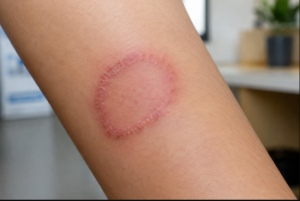
After a change in weather or due to sweat and moisture on the skin, problems like fungal infections like ringworm and scabies can arise, and this is very common.
But we all consider the fungal infection caused by the change in weather to be the same infection, and we make the same mistake in fighting that problem, and that mistake is using the same medicine for every type of fungal infection.
But doing this also damages your skin, due to which the risk of infection spreading increases even more. The matter does not end here; in fact, there are many types of antifungal creams available in the market, and one of them is Leeboard Anti-Fungal Cream.
Today, through this article, we are going to talk about Leeboard Antifungal Cream, how Leeboard Cream works, what the ingredients in Leeboard Cream are, how to use Leeboard Antifungal Cream, and what things should be kept in mind while using the cream.
But the question is –
- Is Leebord cream really effective?
- Is it just marketing, or does it really work?
In this article, we will do a complete fact check of Leebord Cream so that you can get correct and reliable information.
What is Leeboard Cream?:
Leeboard is an antifungal cream that is used to fight the problem of ringworm and scabies on the skin. Its use provides relief from itching caused by ringworm and helps in reducing the burning sensation. This cream has Ayurvedic properties, which provide relief from fungal infections of the skin like ringworm and scabies. With its regular use, the infected skin starts healing. Also, Ayurvedic formula has been used to make Leeboard Cream.
This cream is especially used in the following problems:
- Ringworm: This cream is very useful for those who have ringworm on their skin.
- Itching: Those who have itching due to ringworm or due to weather can also use this cream.
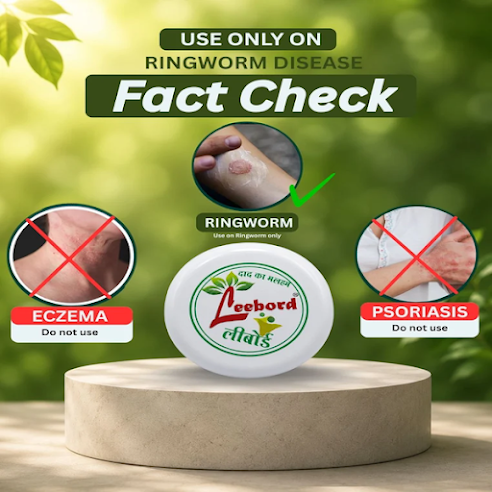
- Fungal Skin Infection: Leeboard Cream is for all types of fungal infections, but it is not for eczema and psoriasis, so keep in mind that you do not use it for infections like eczema and psoriasis.
Fact Check:
Leebord is promoted as an Ayurvedic (herb-based) cream, which makes it different from other chemical creams, which helps in providing relief from chronic ringworm and the itching caused by it.
How does Leebord cream work?
After applying Leebord cream on the skin, it helps in preventing fungal growth; it also controls the infection by reaching the upper layer of the skin. Its regular use reduces itching and burning caused by ringworm or fungal infection.
Its effect is not seen immediately but gradually with regular use:
People have to pay special attention to the fact that fungal infections are different on every skin, and any antifungal cream takes time to work on it. In the same way, Leebord cream also works; with its regular use, the difference gradually starts appearing in the infected area. This cream has to be used continuously for about 2 to 3 weeks, and care has to be taken that no other cream is used.
Fact Check Insight: Like all other antifungal creams, its effectiveness also depends on:
- how old is the infection
- how is the skin condition
- Whether the cream is being used correctly or not
Benefits of Leebord Cream:
1. Relief from itching:
There is no doubt that the problem of fungal infection arises due to weather or moisture in the skin, and due to this, itching also starts. If leebord cream is used properly, then it can help in reducing itching.
2. Useful in Ringworm:
Now the most important thing to note is that most of the people make a mistake in this place; this cream helps in preventing the red and round marks of ringworm and its spread, but still you should avoid using this cream in ringworm and other infections that look like fungal infections. If you are not able to identify the infection, then the best way is to consult a doctor and only then use Leebord cream.
3. Reduces irritation and redness:
Naturally, due to ringworm or scabies, there is irritation, redness, and slight swelling on the skin, due to which many times we have to face problems. But if you want to avoid irritation or redness caused by such infections, you can use Leebord cream.
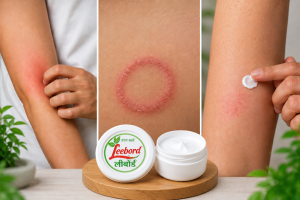
4. Herbal Base Skin Friendly:
Leebord Cream is not a cosmetic cream, so we all have to take special care that it should be used only on the skin with fungal infection and not on any other skin or cosmetics.
5. Less risk of re-infection:
If this cream is not used properly, the infection can increase, and people often make the mistake that in case of infection, they apply the cream for 2 days and stop using the cream as soon as relief is seen, whereas its correct effect is visible only when it is used properly by applying it as a thin layer once in 24 hours for 15 to 20 days.
What is the difference between ringworm, eczema, and psoriasis?
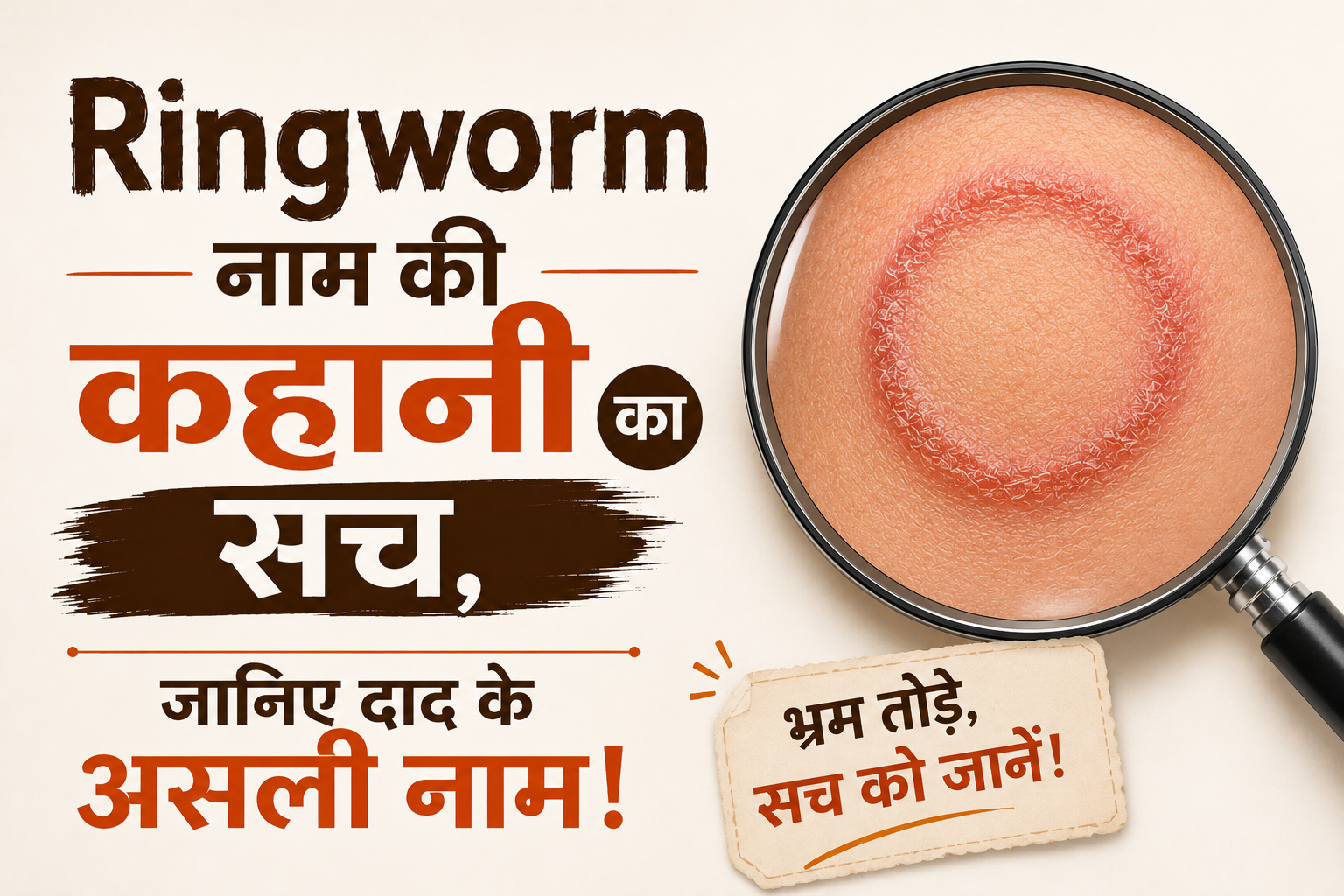
Many people consider ringworm, scabies, eczema, and psoriasis to be the same disease because they all cause itching, redness, and rashes on the skin. It is a fungal infection that spreads through touch and looks like a clear ring in the middle.
Eczema is an allergic and inflammatory condition of the skin that becomes very dry and red. Whereas psoriasis is an autoimmune disease in which thick red spots with silvery scales form on the skin. But in reality, their causes, symptoms, and treatment are different.
Important point: Correct identification of the disease is necessary for correct treatment. You should not use any cream for a long time without consulting a doctor. If you do not know whether the problem is actually ringworm or psoriasis or eczema, it is very important to identify it with a doctor.
Where can Leebord cream be used? Ringworm is a fungal infection that can occur on the skin, head, hands, feet, or other parts of the body, but use Leebord cream only where there is skin, such as hands, feet, face, or neck, and not on the head, scalp, or sensitive areas.
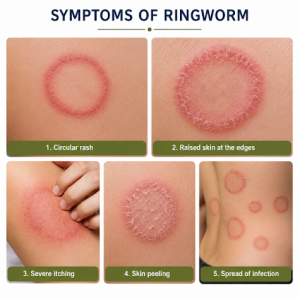
Types of ringworm:
Very few people would know that there is not only one type of ringworm but there are many types of ringworm and the difference between the two types of ringworm is equally visible.
1. Tinea Corporis:
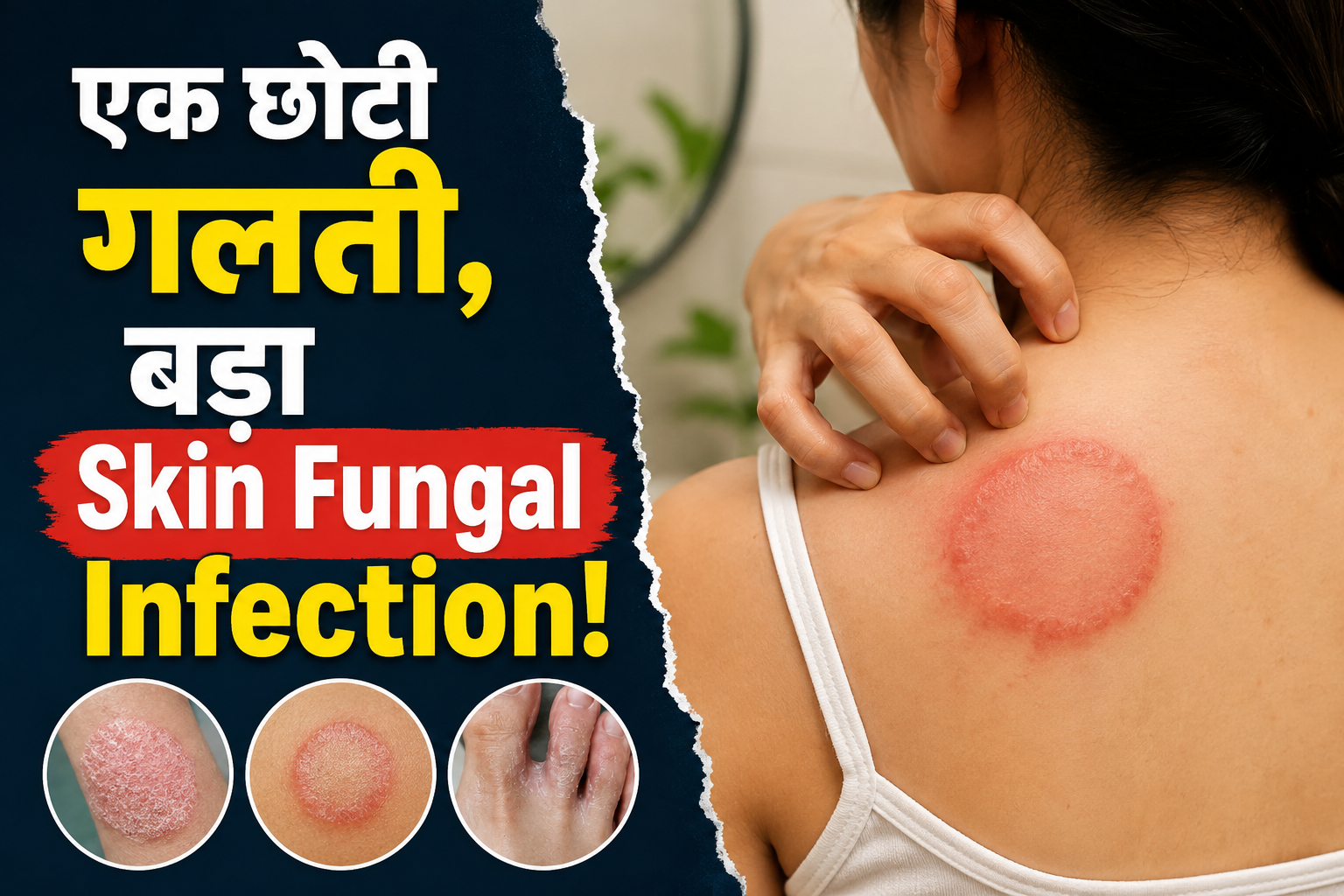
Actually, it is ringworm that occurs on the skin of the body. It is very normal in appearance, and it can occur on any part of the body except the face, hands, feet and scalp and due to this, red, raised and itchy ring-like marks are formed on the skin.
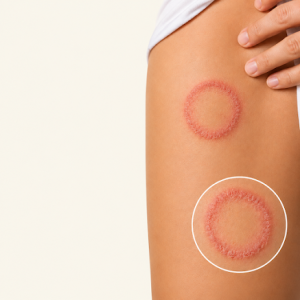
2. Tinea Cruris:
Tinea Cruris, also known as jock itch, is a common, contagious fungal infection (ringworm) of the skin, usually on the thighs, groin, and genital area. It is caused by a fungus called “dermatophyte,” and it grows rapidly in areas of moisture, sweat, and skin friction.
So you also have to keep in mind that Leebord does not work on problems like jock itch, so whenever you have the problem of joke itch that looks like ringworm, definitely consult doctors once.
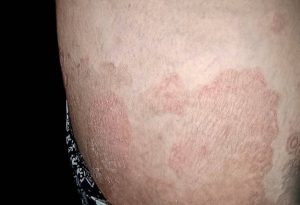
3. Tinea Pedis:
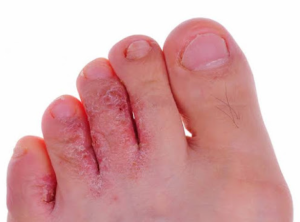
Actually, this is an Athlete’s Foot problem which occurs in the feet, it is a contagious fungal infection of the skin of the toes and fingers. It is caused by a fungus called “dermatophyte,” which grows rapidly in warm and moist environments.
4. Tinea Capitis:
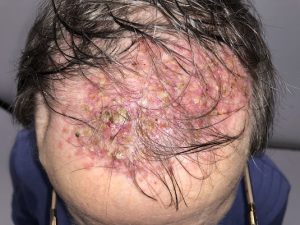
Commonly called scalp ringworm, it is a contagious fungal infection of the scalp and hair. It occurs mainly in children and causes scaly, itchy bald spots on the head and hair fall.
5. Tinea Manuum:
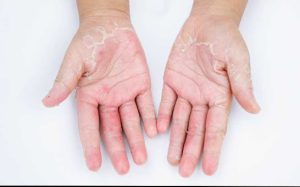
This is a type of seasonal fungal infection. It is caused by fungi called dermatophytes. Symptoms include redness, itching, scaly skin on the hands, and thickening of the palms. To cure it, use antifungal medicines as per doctor’s advice.
3. What is psoriasis?
Psoriasis is a long-term (chronic) autoimmune skin disease, in which skin cells start growing more rapidly. Normally, skin cells change every month, but in psoriasis this process starts happening again in just 3 to 4 days. This causes the dead cells to fall off and start forming thick, scaly and red layers on the skin.
Symptoms of Psoriasis
- red patches
- white or silvery layers
- itching
- skin eruption
- pain or burning
Types of Psoriasis:
There are five types of psoriasis, let’s know about them…
1. Plaque Psoriasis :
Actually, this is a common autoimmune disease in which the skin cells start growing very rapidly. Due to this, some raised red and purple rashes start forming on the skin, and a white or silver colored layer forms on them, but this is not any kind of infectious disease.
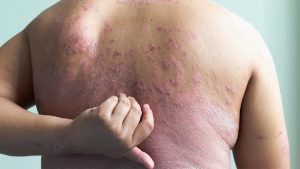
Now the thing to think about is why this happens, then the main reason for this is the immune system of the body, if for some reason the balance of the immune system starts getting disturbed then it starts damaging the healthy skin cells, and due to this new cells start accumulating rapidly on the surface of the skin. In a way, this may also be due to genetics and environmental factors.
2. Guttate Psoriasis:
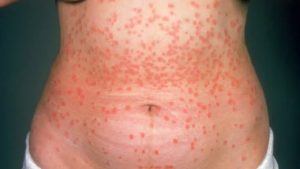
Guttate psoriasis is a type of skin allergy in which small, red, or pink rashes like droplets appear in different parts of the body; it mostly occurs on the hands, legs, and torso. Guttate psoriasis is seen only in children and people below 30 years of age.
3. Inverse Psoriasis:
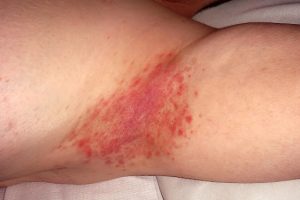
Inverse psoriasis is a kind of skin problem and occurs mostly in the skin folds, like armpits, between the thighs, under the breasts, and in the genitals. These are in the form of smooth, shiny, and red spots, but there is no crust or layer of any kind on them; due to sweat and rubbing, they can prove to be itchy and quite dangerous.
4. Pustular Psoriasis:
5. Erythrodermic Psoriasis:
This is a type of very serious and painful skin infection in which red, burning and flaky patches form on more than 75 percent of the skin. You will be surprised to know that these are also fatal as the body temperature and balance start deteriorating. But now the biggest question is whether the same type of treatment can be done for all three.
So the answer would be absolutely no, this cream is made for only one type of fungal infection, which we call ringworm or, in common language, ringworm. Since all three problems, or it can be said that all three diseases, are completely different, their treatment is also different, and in the case of the ringworm problem, antifungal medicines are required. Whereas in eczema, the main objective is to moisturize the skin and reduce inflammation. Most importantly, psoriasis may require special medicines, creams, phototherapy, or other treatments. It is not necessary that the same cream be equally effective on all diseases.
Is the use of Leebord antifungal cream correct?
It would not be wrong to say that in the case of fungal infections like ringworm, which has been discussed in the above article, Leebord is a kind of antifungal cream; it will be effective only on the problem of ringworm, i.e., ringworm, and not on the problem of ringworm that looks like it.
Antifungal creams alone are not usually the main treatment for eczema. If the problem is eczema, antifungal creams alone may not provide the desired benefits.
Is Leebord cream used in psoriasis? :
Treatment of psoriasis varies. Antifungal creams alone are not usually considered standard treatment for psoriasis.
- Precautions when using Leebord Cream
- Keep the affected area clean and dry.
- Apply the cream as directed.
- Keep away from eyes and mouth.
- If irritation, allergy, or problem increases, stop use and consult a doctor.
- Avoid prolonged self-treatment.
Outcome:
Ringworm, eczema, and psoriasis are three different skin diseases. Ringworm is a fungal infection, while eczema is a disease associated with inflammation and allergies and psoriasis is an autoimmune disease. Therefore, the treatment of all three cannot be the same. Because Leebord is an antifungal cream, its use may be more suitable mainly for fungal infections such as ringworm. In conditions like eczema or psoriasis, treatment based on proper diagnosis and medical advice can be safer and more effective.
Disclaimer:
This article has been written only for the purpose of providing general educational and information. The information given herein is in no way a substitute for medical advice, medical examination, diagnosis, or treatment.
Leebord Anti-Fungal Cream should only be used for its intended purpose and according to the instructions on the product. It is not advisable to self-treat any skin disease like ringworm, eczema, psoriasis, or other infections without proper diagnosis. If severe irritation, allergy, spread of infection, pain, pus, fever, or other serious symptoms appear on the skin, stop using the cream and immediately consult a qualified dermatologist.
The benefits mentioned in this article are based on general information and details available regarding the product. Results may vary depending on each person’s skin condition, severity of infection, and adherence to treatment. Therefore, no product can guarantee the same results. The information provided in the article is intended to raise awareness and not to provide definitive treatment for any disease or to take the place of medical advice.
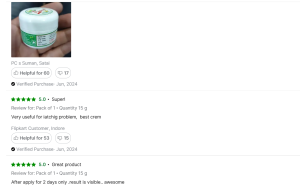
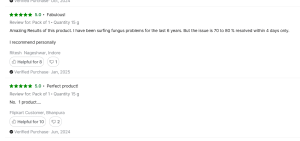
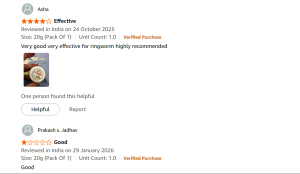
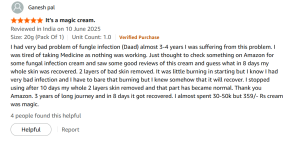
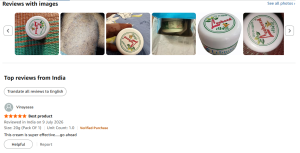
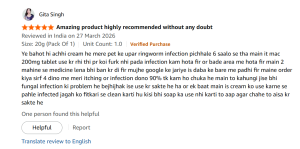
Customer review
FAQ
1. For which disease is Leebord Antifungal Cream used?
Answer: Leebord Anti-Fungal Cream is primarily used to provide relief from fungal skin infections, especially ringworm, and the itching and redness caused by it. It should be used only when a fungal infection is identified.
2. Is Leebord cream useful in eczema?
Answer: No. Eczema is not a fungal infection but a problem related to skin inflammation and allergy. Therefore, eczema cannot be treated properly with antifungal creams alone. It is necessary to consult a dermatologist for correct treatment.
3. Can Leebord Cream be used in psoriasis?
Answer: Psoriasis is an autoimmune skin disease that is not treated with antifungal creams. If you have a problem of psoriasis, then take treatment as per the doctor’s advice.
4. In how many days does the effect of Leebord cream appear?
Answer: It depends on the severity of the infection and the condition of the skin. Generally, with regular use, improvements may begin to be seen in 2 to 3 weeks. Stopping the cream midway may not yield the expected results.
5. How many times a day should Leebord Cream be applied?
Answer: Leebord Cream should be applied in a thin layer to clean and dry skin on the affected area once every 24 hours according to the directions.
6. Is Leebord cream safe for children?
Answer: Any antifungal cream for children should be used only after consulting a doctor. Avoid self-treatment.
7. Can there be any side effects from applying Leebord Cream?
Answer: Some people may experience mild burning, itching, redness or allergic reactions. If such a problem increases or becomes unbearable, stop using the cream and immediately contact a doctor.
8. Can Leebord cream be applied on the face?
Answer: Facial skin is more sensitive. Therefore, it is better to consult a doctor before applying cream on the face. It should not be used on eyes, mouths, and other sensitive parts.
9. Is Leebord Cream effective in all types of fungal infections?
Answer: The cause and location of every fungal infection can be different. Therefore, it is not necessary that the same cream is equally effective in all types of infections. Use any antifungal cream only after a correct diagnosis.
10. What is the biggest difference between ringworm, eczema, and psoriasis?
Answer: Ringworm is a fungal infection that can spread from one person to another. Eczema is a problem related to allergies and skin inflammation, while psoriasis is an autoimmune disease. The causes and treatment of all three are different.
11. What should be kept in mind while using Leebord Cream?
Answer: Keep the affected area clean and dry before applying the cream. Apply a thin layer only on the infected area, keep it away from eyes and mouth, and if infection increases or an allergy occurs, contact a doctor immediately.

Emanual Massey is a healthcare, lifestyle, and beauty content writer with over 7 years of professional experience. He specializes in writing SEO-optimized, research-based articles on health, wellness, nutrition, skincare, beauty, and Ayurveda. His mission is to simplify complex topics into practical, reader-friendly content that empowers people to make healthier lifestyle choices. Passionate about continuous learning and evidence-based writing, Emanual creates informative and engaging blogs that combine accuracy, readability, and search engine optimization.