
Abstract:
Vitamin K is an essential fat-soluble vitamin for the body, which is not limited only to blood clotting, but also plays an important role in bones, teeth, heart and proper utilization of calcium in the body. In this article, detailed information is given about the three types of Vitamin K—Vitamin K1 (Phylloquinone), Vitamin K2 (Menaquinone) and Vitamin K3 (Menadione). Also, their functions, health benefits, natural sources, deficiency symptoms, possible risks and scientific facts have been explained in simple language.
If you want to know how Vitamin K works in the body, what problems its deficiency can cause and which type is most important, then this detailed article will prove useful for you.
Although our body needs many types of vitamins to remain healthy, and one of these vitamins is Vitamin K. This is an essential nutrient which is rarely discussed, but it plays a special role in many important functions of the body. Most people consider Vitamin K to be only a blood clotting vitamin, but its reality is something else, in fact it is very broad.
The most important thing that we are going to talk about in this article today is that Vitamin K works to strengthen the bones, because using calcium in the right amount in the body plays a special role in improving the wound healing process and maintaining good heart health.
If there is not sufficient quantity of it in the body, even a small injury can cause bleeding for a long time. Apart from this, bones can become weak with time and the risk of fracture can also increase. The best thing about this is that most people’s Vitamin K requirement is fulfilled by a balanced diet. Now you might be wondering how this can happen, then let us tell you that leafy vegetables, some vegetable oils, dairy products and some fermented foods are good sources of this.
Today in this article we will know what Vitamin K is, how many types it is, how it works in the body and what are its main functions. Along with this, we will also understand why it is not limited only to blood clotting, but is necessary for the health of our bones, heart and entire body.
What is Vitamin K?
It is important to keep in mind that vitamin K is a fat-soluble vitamin. Which means that it dissolves along with the fat in the body and gets deposited in some quantity in the liver and tissues. Its most important function is to stop bleeding internally or externally so that no harm is caused to the body. But along with this, it also activates many proteins in the body, which help in keeping the blood vessels healthy.
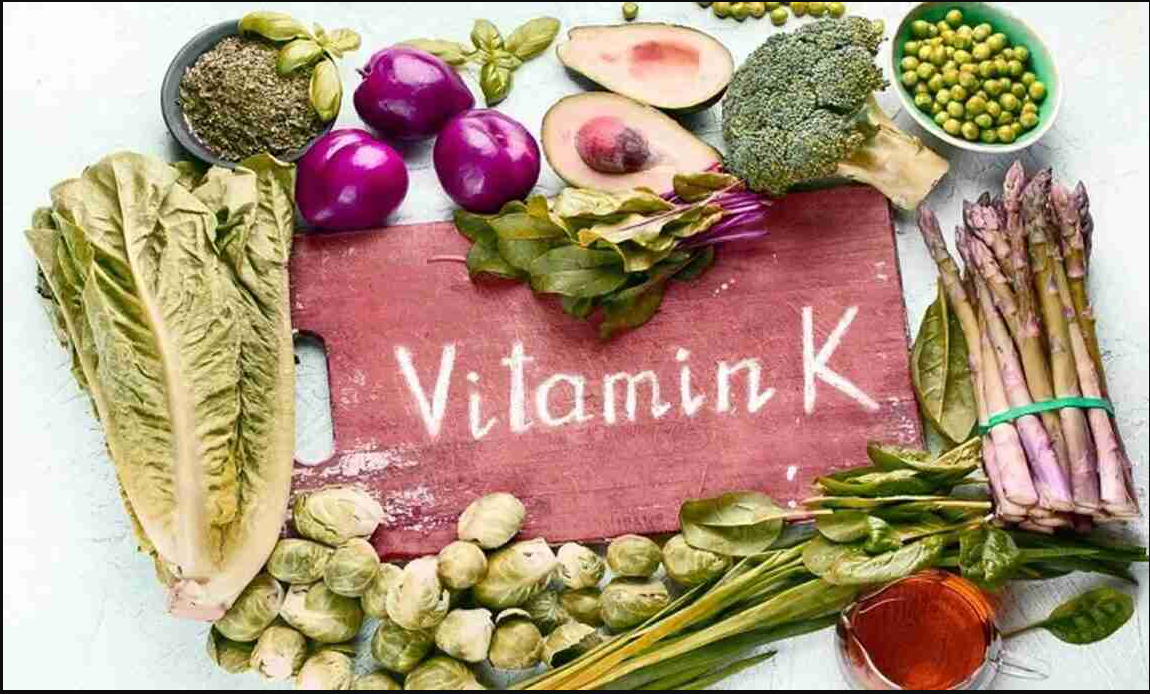
Research has found that if the body does not get the right amount of vitamin K, then you may have to face problems. But the required amount of vitamin K helps in taking calcium in the body to the right place i.e. bones and teeth. It is also considered helpful in controlling unnecessary accumulation of calcium in arteries and other soft tissues.
What is Fat-Soluble Vitamin?
By now it must have been guessed that there are mainly two types of vitamins: Water-Soluble (water soluble) and Fat-Soluble (fat soluble), and like Vitamin K, Vitamin A, Vitamin D and Vitamin E are called fat-soluble vitamins. One thing becomes clear from this: it requires a small amount of healthy fat in the food to be absorbed properly in the body.

However, if a person consumes very low fat diet for a long time, or has a serious disease in which fat is not absorbed properly, then the risk of Vitamin K deficiency increases even more rapidly.
History of discovery of Vitamin K:
As we all have read in the earlier article that vitamins are not of one type but of many types and the discovery of every vitamin is considered very interesting, and there is such a story about Vitamin K too. Actually, its discovery was done by the Danish scientist Henrik Dam in the year 1929. In fact, at the time of this research, it was found that due to deficiency of a particular type of nutrient in some chickens, the risk of bleeding increases even more rapidly. In further research, it became clear that this is a new vitamin, which is very important for the formation of blood clot (thickening).
It has been talked about how Vitamin K was discovered but now let’s talk about how it was named K. Actually the name of Vitamin “K” is taken from the German word Koagulation.
History of discovery of Vitamin K:
As we all have read in the earlier article, vitamins are not of one type but of many types and the discovery of every vitamin is considered very interesting, and there is such a story about Vitamin K too. Actually, its discovery was done by the Danish scientist Henrik Dam in the year 1929. In fact, at the time of this research, it was found that due to deficiency of a particular type of nutrient in some chickens, the risk of bleeding increases even more rapidly. In further research, it became clear that this is a new vitamin, which is very important for the formation of blood clot (thickening).
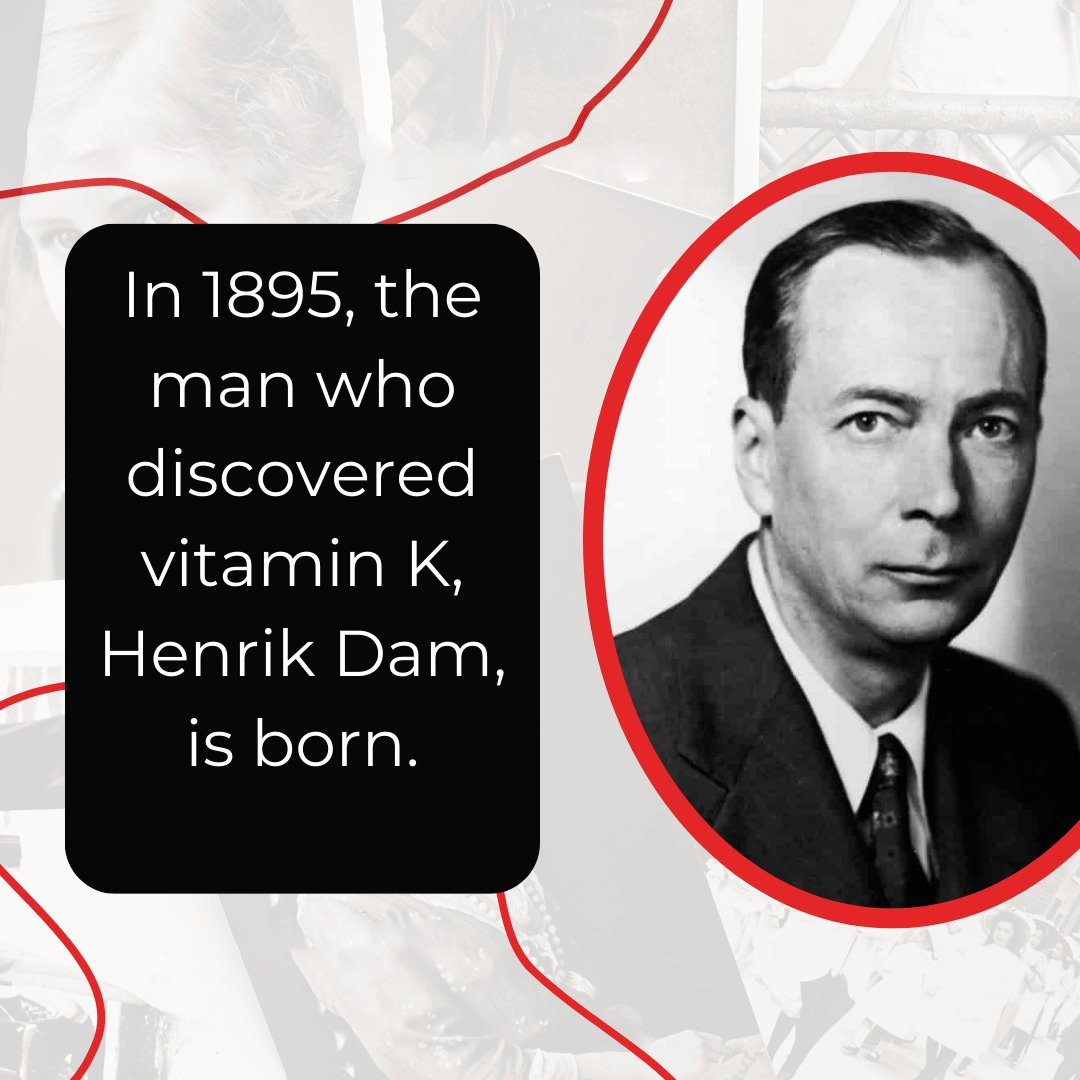
It has been talked about how Vitamin K was discovered but now let’s talk about how it was named K. Actually the name of Vitamin “K” is taken from the German word Koagulation.
Importance of Vitamin K in the body:
There is no doubt that Vitamin K is not just a vitamin but is an important part of the biological functions necessary for the entire body. Not only this, it works to activate special types of proteins in the body, if these are not there then it becomes very difficult to stop bleeding. Works to strengthen bones by accumulating calcium.
When scientists did deep research on this, they found that Vitamin K, especially Vitamin K2, plays an important role in reducing the accumulation of calcium by reaching the blood vessels, and the best thing is that even now research on it is being continued in many ways. So that it can be estimated what other specialties are found in Vitamin K.
Types of Vitamin K:
Till now we have talked about many things related to Vitamin K in this article, but now we are going to talk about its types. Actually, Vitamin K is not of one type but there are three types of it and today we are going to talk about this in this article… So let’s know.
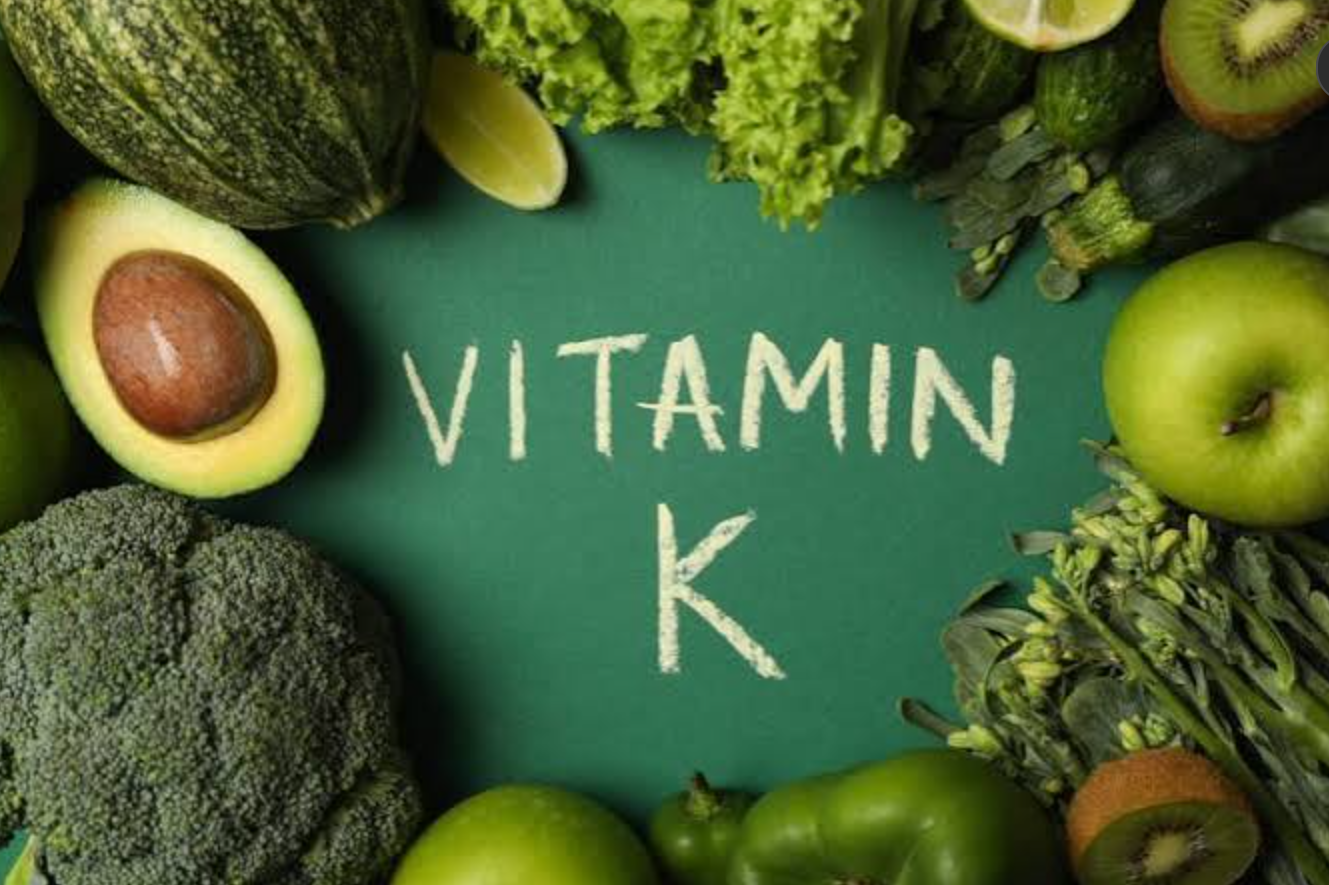
Vitamin K1, also known as Phylloquinone, is considered to be the most normal form of Vitamin K. It is found mostly in green vegetables and many types of plants. 80 to 90 percent of the Vitamin K we get from our daily food is Vitamin K1.
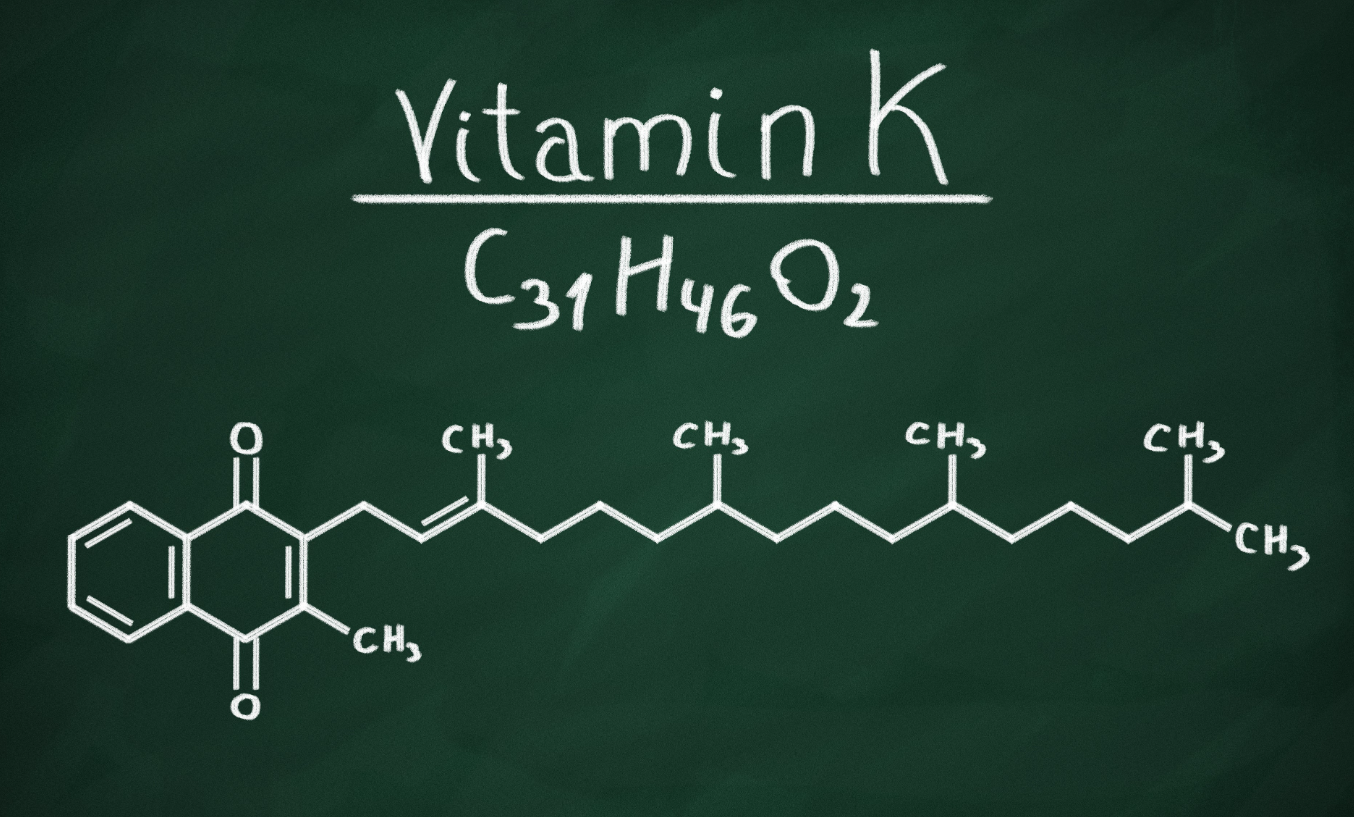
Now a question may be arising in your mind that what is the function of Vitamin K1, then in your answer let us tell you that it helps in blood clotting in the body i.e. in thickening the blood, but if there is not sufficient quantity of it in our body then even a small injury can cause bleeding for a long time. Along with this, it is also considered good for strengthening the bones.
Scientific name of Vitamin K1: It is worth considering that the scientific name of Vitamin K1 is Phylloquinone. But stopping at the name, this is not the answer, rather the answer is that Phyllo means plant and Quinone is its chemical group. For this reason it is also known as Plant Vitamin K.
Where is Vitamin K1 found?
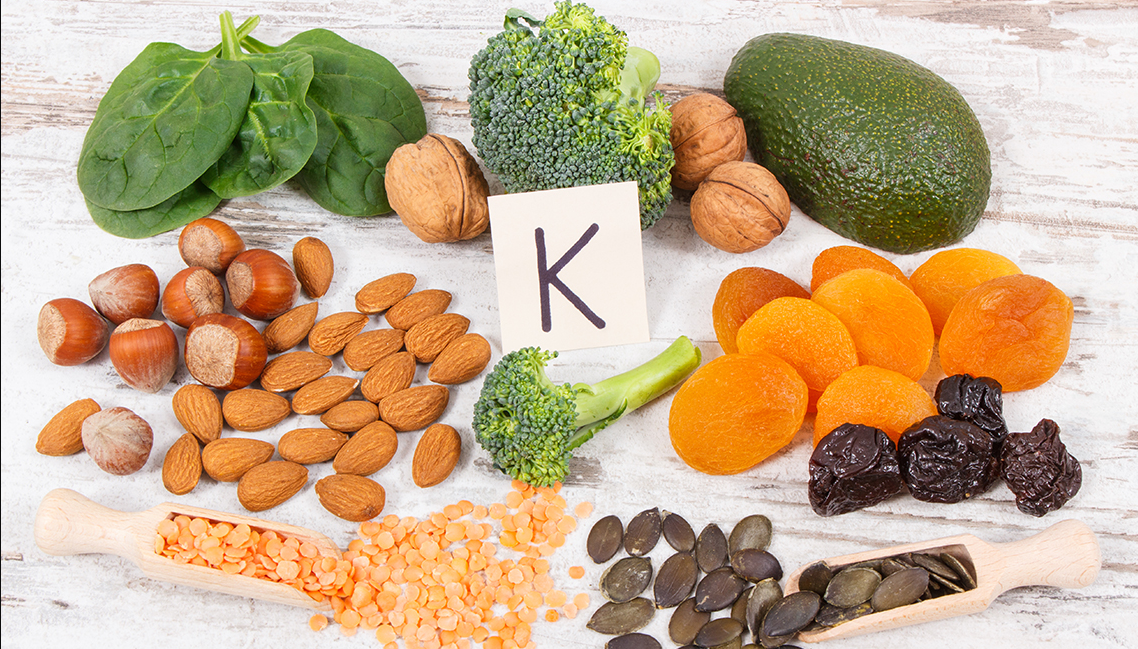
Vitamin K1 is found exclusively in plants that use photosynthesis, so its quantity is found highest in green vegetables.
Its main sources are:
- Spinach
- Fenugreek
- Mustard Greens
- Bathua
- Amaranth Leaves
- Cabbage
- Broccoli
- Lettuce
- Green Beans
- Coriander and Mint
- soybean oil
- canola oil
People who are deficient in Vitamin K1 should consume as much green vegetables as possible.
How does Vitamin K1 work in the body?
The answer to this is very simple. Whenever there is an injury in the body and bleeding occurs rapidly, the biological process of Vitamin K1 starts to stop the bleeding. Not only this, special proteins (Clotting Factors) are involved in this special process, but they become active only when sufficient Vitamin K1 is present in the body.
Vitamin K1 takes part in the chemical process (gamma-carboxylation) necessary to activate these proteins. After this a blood clot forms and the blood flow stops. However, if there is a deficiency of Vitamin K1 in the human body, then the clotting factors are not able to function properly, due to which the risk of bleeding increases.
Main functions of Vitamin K1:
1. Blood Clotting
The most important function of Vitamin K1 is to help in stopping bleeding at the right time, because it plays a special role in excessive bleeding at the time of injury or operation.
2. Aids wound healing
When blood clot starts forming quickly, the wound healing process also starts more effectively. Therefore Vitamin K1 indirectly also helps in wound healing.
3. Contributes to bone health
But the role of Vitamin K2 for bone health has been discussed many times, but Vitamin K1 also helps in activating a protein called Osteocalcin, so that calcium can be deposited better in the bones.
4. Help in proper use of calcium:
Vitamin K1 plays an important role in controlling the use of calcium in the body. This helps in maintaining the strength of bones.
Health Benefits of Vitamin K1
Taking adequate amounts of Vitamin K1 can provide many benefits, such as:
- Helps in stopping bleeding quickly in case of injury.
- Decreased risk of excessive bleeding.
- Aids in maintaining normal bone health.
- Support proper utilization of calcium in the body.
- Aids in the natural wound healing process.
- Prevention of problems caused by Vitamin K deficiency.
Can Vitamin K1 deficiency occur?
Vitamin K1 deficiency is relatively rare in healthy adults, but deficiency can occur in certain circumstances.
The risk is higher if:
- Antibiotics should be taken for a long time.
- There is problem in fat absorption.
- Have liver disease.
- Have intestinal disease like Crohn’s Disease or Celiac Disease.
- Malnutrition for a long time.
- There is a lack of green leafy vegetables in the diet.
Symptoms of Vitamin K1 Deficiency
Due to deficiency of Vitamin K1 the following symptoms may appear:

- Prolonged bleeding even from small injuries.
- Bleeding from gums.
- Frequent nose bleeding.
- Easy formation of blue marks (bruises) on the body.
- Heavy menstrual bleeding in women.
- In severe cases, blood in the stool or urine.
2. What is Vitamin K2 (Menaquinone)?
Vitamin K2, also known as Menaquinone, is an important member of the Vitamin K family. It plays a special role in keeping the bones, teeth, heart and blood vessels in the body better. In the past few years, scientists have done research on Vitamin K2 in many ways. One thing that has been clearly understood is that it is considered good for the proper use of calcium in the body.
While Vitamin K1 is mainly known for blood clotting, the main function of Vitamin K2 is to transport calcium in the body to the right place i.e. to bones and teeth and to help in preventing its unnecessary accumulation in the arteries.
Scientific name of Vitamin K2:
Its scientific name is Menaquinone, and it is available in many different forms, which are also known by the names MK-4, MK-7, MK-8, MK-9 etc. Not only this, most of them are of MK-4 and MK-7. MK-4 is found primarily in animal-based foods. MK-7 is found in high amounts in fermented foods such as natto and lasts longer in the body.
Where is Vitamin K2 found?
Vitamin K2 is normally made by bacteria. Therefore it is mainly found in fermented foods and some animal-based foods.
Its main sources are:
- Fermented Foods
- Natto (Fermented Soybeans)
- Fermented Cheese
- Yogurt
- Kefir
- Animal Food
- Egg Yolk
- chicken
- Mutton
- Liver
- Butter
- Cheese
Although sources of Vitamin K2 may be limited in the Indian diet, small amounts can be obtained from curd, cheese, eggs and some dairy products.
How does Vitamin K2 work in the body?
- The main function of Vitamin K2 is to control the use of calcium in the body.
- If sufficient Vitamin K2 is present in the body, it helps in taking calcium to the right place i.e. bones and teeth.
- Along with this, it helps in activating some special proteins of the body, which can reduce the chances of unnecessary accumulation of calcium in the arteries, heart valves and other soft tissues.
Osteocalcin Activation
- Osteocalcin is an important protein found in bones.
- Vitamin K2 activates this protein, which allows calcium to be stored better in the bones.
- If Osteocalcin is not active, bone strength may be affected despite having adequate calcium.
Matrix Gla Protein (MGP)
- Matrix Gla Protein (MGP) is an important protective protein of the body.
- Vitamin K2 activates this protein.
Active MGP plays an important role in controlling unnecessary accumulation of calcium in the arteries. But scientific research is still going on on this, but scientists are linking it with heart health.
Calcium Regulation
- Just taking calcium into the body is not enough.
- If calcium does not reach the right place, the benefits may be less and in some circumstances, problems may be more.
- Vitamin K2 helps in the proper distribution of calcium in the body (Calcium Regulation).
Bone Mineralization
Bone Mineralization is the process in which minerals like calcium and phosphorus get deposited in the bones and make them stronger.
Vitamin K2 contributes to improving this process.
Main functions of Vitamin K2
1. Strengthening bones
Vitamin K2 helps in depositing calcium in bones.
For this reason, it contributes to maintaining bone density.

2. Helps in reducing the risk of osteoporosis:
Some studies have also revealed that adequate Vitamin K2 helps in maintaining bone strength. However, one should not depend only on Vitamin K2 for the treatment of Osteoporosis and must consult a doctor for this.
3. Heart Health:
Vitamin K2 works to control calcium deposition in the arteries by activating Matrix Gla Protein. Along with this, sufficient and conclusive scientific evidence has not yet emerged in favor of taking Vitamin K2 supplements for the prevention of heart diseases.
4. Teeth Health:
Known to be good for fighting periodontal disease, Vitamin K2 indirectly supports dental health by aiding in the proper utilization of calcium.
5. Calcium Balance :
Vitamin K2 helps maintain the balance of calcium in the body, so that it can reach the right tissues.
Health Benefits of Vitamin K2
Taking adequate amounts of Vitamin K2 may provide the following benefits:
- Aids in maintaining normal bone health.
- Support to Bone Density.
- Help activate Osteocalcin.
- Aids in proper utilization of calcium.
- Support teeth strength.
- Role in the general health of blood vessels.
- Helps maintain bone health as we age.
Do Vitamin K2 and Vitamin D work together?
You might be surprised to know about this because Vitamin D and Vitamin K2 are said to be complementary to each other. Where Vitamin D works to increase the absorption of calcium in the body. Whereas Vitamin K2 helps in taking that calcium to the bones.
For this reason, Vitamin D3 and Vitamin K2 are included together in some supplements. However, taking these is not necessary for all people and supplements should be taken only on the advice of a doctor.
Can Vitamin K2 deficiency occur?
Vitamin K2 deficiency is not easy to identify because routine testing is not available.
The risk may be higher if:
- Bad diet should be taken for a long time.
- Fermented foods should not be eaten at all.
- Have Fat Absorption Disorder.
- Antibiotics should be used for a long time.
- Have liver disease.
- Digestive disorders are present.
- Possible effects of Vitamin K2 deficiency
If Vitamin K deficiency persists in the body for a long time, the risk of the following problems may increase in some people:
- Weakening of bones.
- Decrease in bone density.
- Frequent fractures.
- Decrease in calcium utilization.
However, many other reasons can also be responsible for this, hence Vitamin K2 deficiency alone cannot be considered the cause.
Should Vitamin K2 supplement be taken?
If a person eats a balanced diet and does not have any specific disease, there is usually no need for a separate Vitamin K2 supplement.
Doctors may recommend it in the following circumstances:
- In some patients with osteoporosis.
- Having Vitamin K Deficiency.
- In certain medical conditions.
- With Vitamin D Therapy (as needed).
If you take warfarin or other blood thinners, vitamin K2 supplements should not be taken without consulting your doctor, as it may alter the effects of the medications.
3. What is Vitamin K3 (Menadione)?
Vitamin K3, also known as Menadione, is a synthetic form of Vitamin K. It is not found naturally in any food item, rather it is prepared in laboratories. Earlier it was used to overcome the deficiency of Vitamin K and in animal feed, but when further research was done on it, it was found that its consumption in excess quantity can prove to be harmful for humans. For this reason, Vitamin K3 cannot be recommended as a general supplement for human use today.

While Vitamin K1 and Vitamin K2 occur naturally in food and are said to be good for the body, Vitamin K3 has limited use and is taken only in special circumstances and under medical supervision.
How is Vitamin K3 made?
Vitamin K3 is not found naturally, it is made in the lab through chemical processes, it is mainly produced for many purposes. Such as :-
Animal Nutrition
Scientific Research
some industrial uses
It cannot be normally added to the human diet.
How does Vitamin K3 work in the body?
Vitamin K3 itself is not the body’s natural Vitamin K. The body can convert it into its active form through certain biological processes. After which it can play a special role in activating some specific proteins like Vitamin K1 and Vitamin K2.
- Blood Clotting Proteins
- Osteocalcin
- Matrix Gla Protein (MGP)
However, due to safety concerns, it cannot be used routinely in medicine.
Possible functions of Vitamin K3
If used under controlled conditions, Vitamin K3 may be associated with the following functions in the body:
1. Blood Clotting
Vitamin K3 helps activate certain proteins that form blood clots.
2. Bone Health
Like other forms of the Vitamin K family, it also helps activate certain bone-related proteins, but Vitamin K1 and K2 are said to be safer and suitable for this purpose.
3.Calcium Regulation
Vitamin K3 may also affect proteins involved in the body’s use of calcium, although it cannot be used regularly for this purpose.
Why was Vitamin K3 first used?
Several decades ago, Vitamin K3 was used to treat Vitamin K deficiency because it was easy to make and relatively inexpensive. But when more in-depth research was done on it, it was found that its excessive quantity can cause some serious side effects. Subsequently, it was replaced in medicine by the safer natural forms Vitamin K1 and Vitamin K2.
Side effects of Vitamin K3
The following problems have been seen in some people due to Vitamin K3:
1. Damage to red blood cells (Hemolytic Anemia) : Excessive amount of Vitamin K3 can damage red blood cells, which can further increase the risk of Hemolytic Anemia.
2. Effect on liver: Taking Vitamin K3 in excess amounts can have adverse effects on the liver.
3. Oxidative Stress: Some research also says that Vitamin K3 in excess quantity can increase oxidative stress in the body, which can damage the cells.
4. Risks for newborns: Research shows that in earlier times this vitamin was also used on newborn babies, but after a few weeks its effects started appearing bad, that is why newborn babies are given injection of Vitamin K1 (Phytonadione) and not Vitamin K3.
What is the difference between the three?
Vitamin K1 is mainly found in plants and plays an important role in blood clotting.
Vitamin K2 is found primarily in animal-based and fermented foods and is thought to be more effective in bone and heart health.
Vitamin K3 is a synthetic form that is not used in regular diet or as a general supplement.
Which type is most important?
Reports from health experts have found that both Vitamin K1 and Vitamin K2 are essential for the body, but there is a slight difference in their functions. When it comes to stopping bleeding, Vitamin K1 is said to be more important. At the same time, continuous research is being done on the role of Vitamin K2 in the context of bone and heart health and positive results have also been seen regarding its benefits. Therefore, taking a balanced diet is considered the best way, so that both types can be obtained naturally.
Conclusion
Vitamin K is an essential nutrient whose role is not limited only to blood clotting. It also contributes to bone strength, proper utilization of calcium in the body and many important biological processes. Vitamin K1 is primarily important in controlling bleeding, while Vitamin K2 plays a role in processes related to bone and heart health. Vitamin K3, on the other hand, is a synthetic form, which is not recommended for general human use.
Most healthy people’s vitamin K needs can be met by green leafy vegetables, dairy products, eggs and a balanced diet. If a person has prolonged bleeding, frequent bleeding from injuries, bone weakness or any disease that affects the absorption of Vitamin K, it is better to consult a doctor rather than taking supplements on your own. Most people can get adequate amounts of Vitamin K by following a balanced diet and healthy lifestyle.
Disclaimer
This article is written for the purpose of providing educational and general health information only. Do not consider it a substitute for any type of medical advice, diagnosis or treatment. If you have frequent bleeding, bone problems, liver disease, digestive disease or are taking blood thinners like Warfarin, then consult a qualified doctor or health expert before taking Vitamin K supplement.
FAQs.
1. What is Vitamin K?
Vitamin K is a fat-soluble vitamin, which plays an important role in blood clotting, keeping bones strong and proper utilization of calcium in the body.
2. How many types of Vitamin K are there?
Vitamin K is mainly of three types:
Vitamin K1 (Phylloquinone)
Vitamin K2 (Menaquinone)
Vitamin K3 (Menadione)
Of these, K1 and K2 are found naturally, while K3 is synthetic.
3. What are the symptoms of Vitamin K deficiency?
Following symptoms may appear due to Vitamin K deficiency:
prolonged bleeding from injury
bleeding gums
frequent nose bleeding
easy formation of blue marks on the body
bone weakness
4. In which foods is Vitamin K found?
Good sources of Vitamin K are:
Spinach
Fenugreek
Broccoli
mustard greens
Cabbage
egg yolk
curd
cheese
Natto (Fermented Soybeans)
5. What is the difference between Vitamin K1 and Vitamin K2?
Vitamin K1 mainly helps in blood clotting and is found in green vegetables. Whereas Vitamin K2 is considered more important in the proper utilization of bones and calcium and it is found in fermented foods and animal-based foods.
6. Should Vitamin K supplement be taken daily?
If your vitamin K needs are met by a balanced diet, there is usually no need to take a separate supplement. Supplements should be taken only on the advice of a doctor.
7. Do Vitamin K and Vitamin D work together?
Yes. Vitamin D helps in the absorption of calcium in the body, while Vitamin K helps in transporting calcium to the bones. Therefore, a combination of the two may be useful in some circumstances.
8. Can excessive amounts of Vitamin K cause harm?
Vitamin K obtained from natural foods is generally considered safe. But it is not advisable to take large amounts of supplements without medical advice, especially if you are taking blood thinners.
9. Is Vitamin K3 Safe?
Vitamin K3 is a synthetic form and is not recommended for general human use. Instead, Vitamin K1 and Vitamin K2 are considered safer.
10. Which people are at higher risk of Vitamin K deficiency?
These people may be at higher risk of vitamin K deficiency:
- newborn baby
- elderly
- Liver disease patients
- People with Crohn’s Disease or Celiac Disease
- taking antibiotics for a long time
- A person suffering from a fat absorption disorder
- people with malnutrition

Emanual Massey is a healthcare, lifestyle, and beauty content writer with over 7 years of professional experience. He specializes in writing SEO-optimized, research-based articles on health, wellness, nutrition, skincare, beauty, and Ayurveda. His mission is to simplify complex topics into practical, reader-friendly content that empowers people to make healthier lifestyle choices. Passionate about continuous learning and evidence-based writing, Emanual creates informative and engaging blogs that combine accuracy, readability, and search engine optimization.