
Abstract
In today’s social media or digital era, skincare is no longer just a part of hygiene, but it has become a means of self-care, identity and lifestyle status for Gen Z and young adults. Trends like new skin routine, glass skin are going viral every day on Instagram reels, tik-tok, and youtube shorts, although there is a lack of awareness but the other or dark side is also visible, due to the use of such products and aggressive chemical ingredients, one has to face problems like “skin barrier damage”, pimples, redness, allergy etc.
Research shows that in the last few years, the cases of damaged skin barrier and dermatitis in the young generation have increased by more than 40%. In this guide, accurate identification of skin type, skin protection and correct combination are scientifically proven (cleansing, toning, moisturizing and sunscreen protocols) in detail.
Skin care routine:
Skin care routine is not just about applying different products on the face, skin care routine means understanding your skin barrier, skin type or specific skin concerns. To keep the skin clean, hydrated, healthy or safe, there are basically 3 main elements in a basic skincare routine (cleansing, moisturizing and protection).
Cleanser helps in removing dirt, sweat, excess oil and makeup from the skin. Moisturizer helps in maintaining hydration in the skin or supporting the skin barrier. Sunscreen plays an important role in protecting the skin from harmful UV rays. In the present times, there is an urge for Gen Z to include the trend or viral product seen on social media immediately in their routine. That’s why Gen Z is always confused by skincare doctors. Every day new products, ingredients or trends are emerging but the meaning of effective skincare is not to follow every viral trend.
Common Skin Concerns in Gen Z:
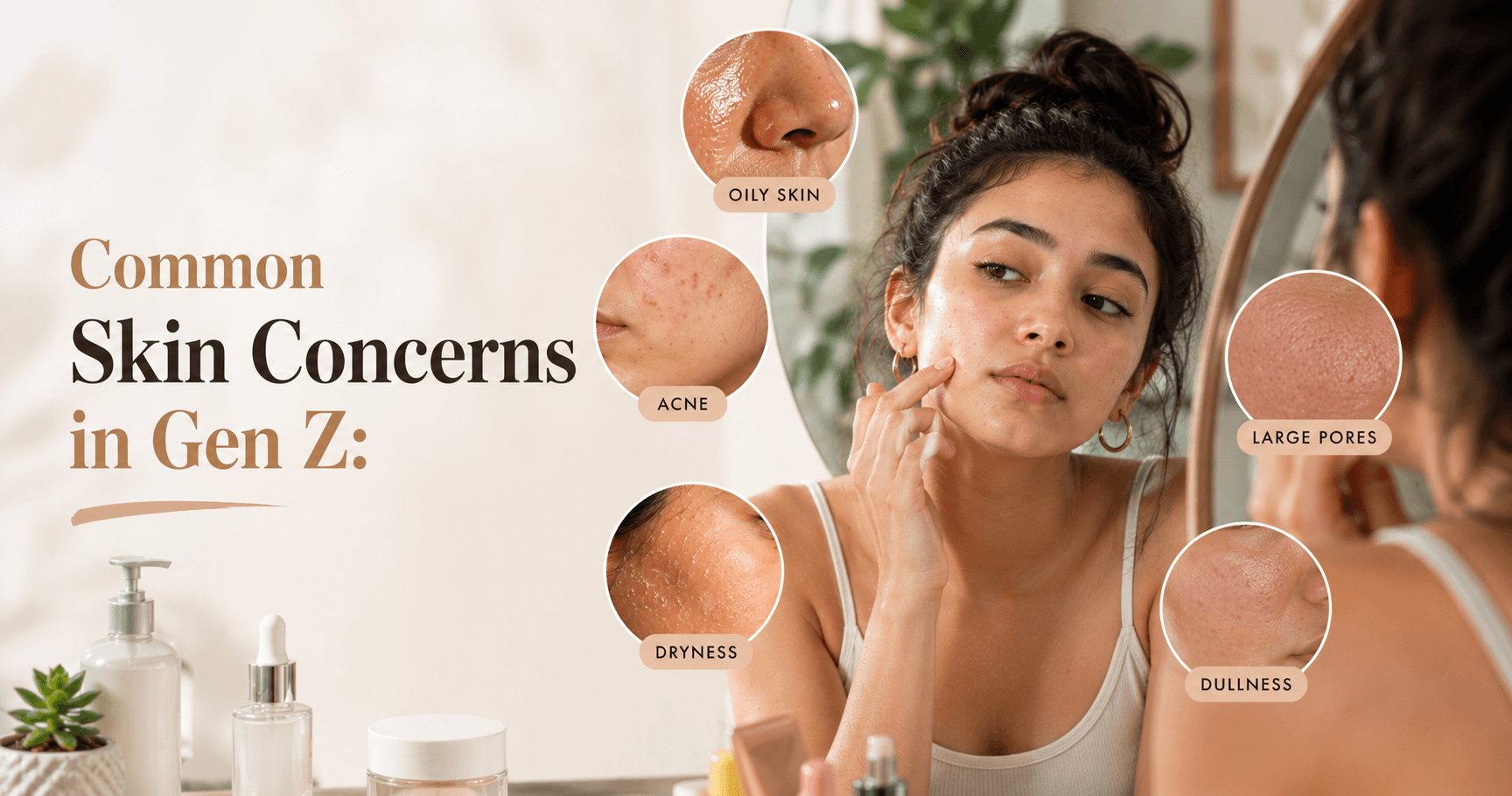
In the present time, Gen Z is always under stress in order to look good. It is not right to see skin related problems only as beauty concerns. Pimples, dullness, tanning, uneven texture, redness can occur due to some reason. In Gen Z, the awareness of skincare has increased much more than in the past but skin issues are also seen every day. Before the concerns, it is not only the skincare products that are responsible but hormonal changes, genetics, stress, bad lifestyle, sleep, sun exposure or environmental factors can also affect the skin.
Acne and breakouts are one of the most common skin concerns of Gen Z. Dark spots or hyperpigmentation is also a common concern. Where Gen Nowadays the complaint of sensitive skin or damaged skin barrier is also quite common, the best way to understand these concerns is not to look at each problem from one perspective as the cause of skin concern is different. Come let us find the solution to your concerns.
Know your skin type
Understanding skin type is one of the most important steps of an effective skincare routine. Every person’s skin’s oil production, hydration level or sensitivity is different so a product that works well for one person’s skin may not necessarily work for another. Basically skin can be divided into different categories like normal oily dry combination or sensitive.
Oily skin can have more production of sebum which can lead to issues of shine or clogged pores on the face. Skin type or skin concern is not the same thing for example a person with oily skin can have acne but it is also important to know that acne is not a skin concern but skin type can also have pigmentation or sensitivity along with dry skin. Skin type can change with season, age, hormones, lifestyle so it is better to observe your skin’s needs from time to time or adjust the routine accordingly.
Oily, dry, combination, normal and sensitive skin
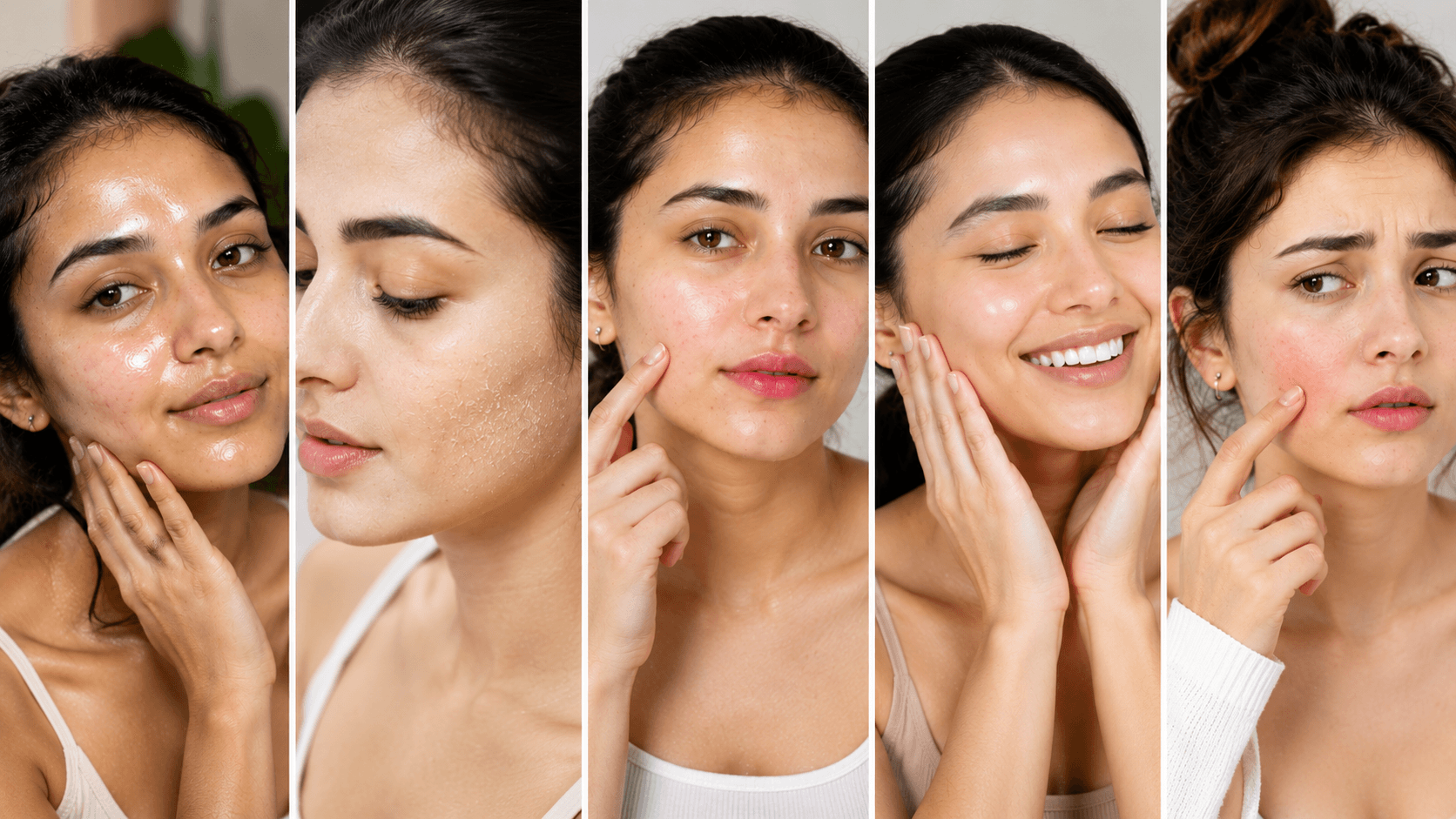
Every person’s skin is different, some have very oily skin and some have very dry skin, so it is very important to know about the skin type before starting your skincare.
Oily skin:
In oily skin, more oil i.e. sebum is produced, due to which, more shining is seen on the face, especially near the nose, forehead, chin, etc. Pores are also more visible in some people, which can lead to problems of pimples or blackheads.
Dry skin:
Dry skin After washing the face, there remains stretchiness, dryness, a light layer or flaky skin. The change in weather can cause problems due to harsh skincare products. Gentle cleanser or moisturizing ingredients are more suitable for dry skin.
Combination skin:
Combination skin is a little different because its T-zone i.e. forehead, nose can be oily while cheeks can be normal or dry.
The biggest mistake made in this skin type is to use one product all over the face, whereas different areas require different care, so start with a gentle cleanser, lightweight moisturizer or daily sunscreen.
Normal skin:
The balance of oil and moisture is equal, the skin is neither too oily nor too dry. This means that normal skin does not require extra care.
Sensitive skin:
In this type of skin, any products or environmental factors can cause irritation, redness, itching, rashes, change of weather can cause irritation in some people.
What is the difference between skin type or skin concern?
Mostly skin type or skin concern is understood as one but it is very important to understand the difference between the two if you want to choose the right products for your skin.
Mainly skin type tells you what condition your skin is in and primary skin concern tells you what problem your skin needs attention. Skin type (oily,dry,normal,combination and sensitive) and skin concern (Acne, Dark spots, pigmentation, uneven skin tone, Dullness, Fine lines, Blackheads, Dehydration and Redness)
Morning skincare routine:
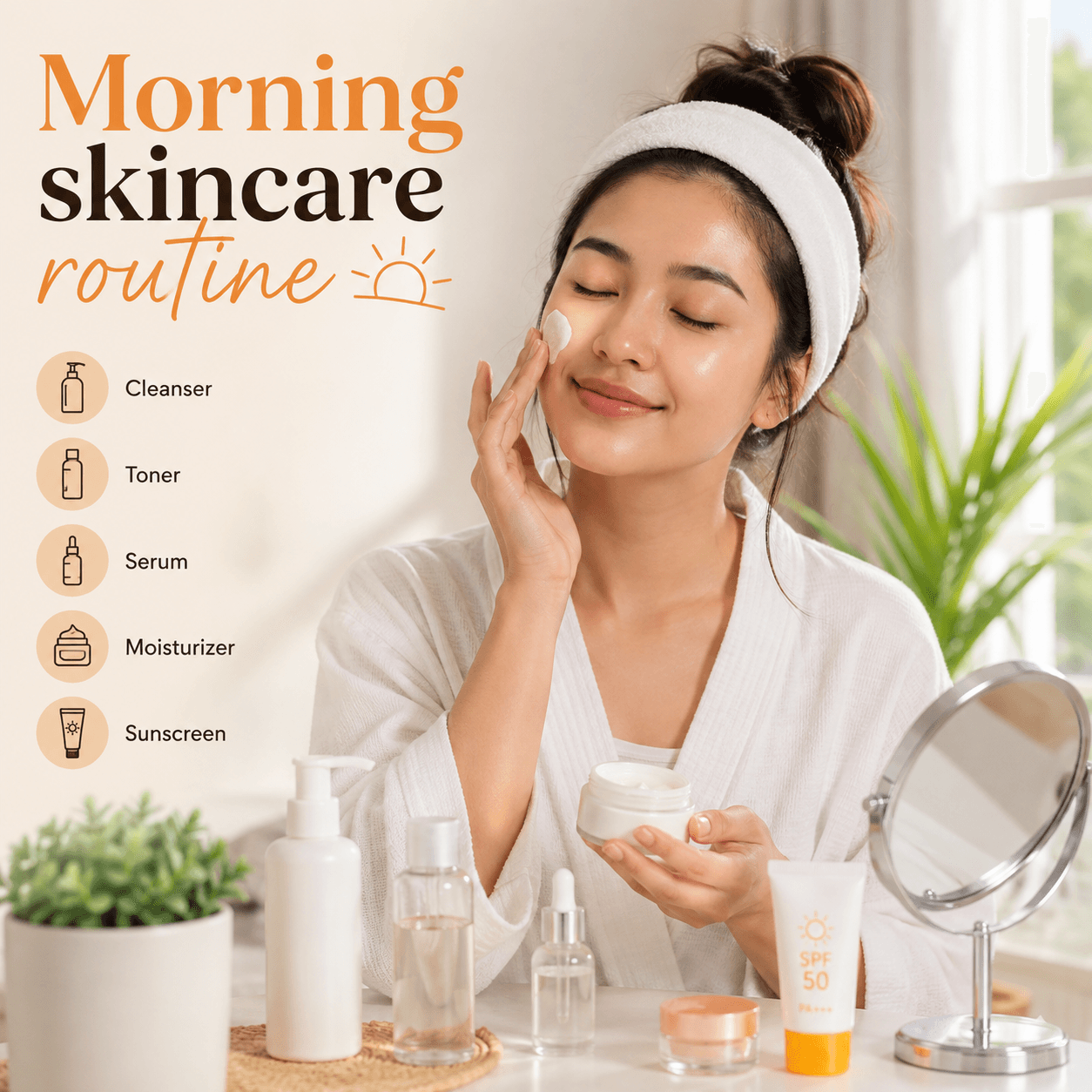
A morning skincare routine does not mean applying a lot of products; the best routine for Gen Z is one that is simple, practical or consistent. Let’s understand the basic content steps.
Cleanse: First clean the skin
In the morning, clean your face with a gentle cleanser as this will help in removing accumulated oil, sweat and impurities.
Hydrate-moisturize the skin:
It is very important to moisturize the skin after cleansing. You can choose lightweight gel, lotion or cream based moisturizer according to your skin type. If your skin is dry a richer moisturizer may be better, while for oily skin the lightweight texture will remain comfortable.
Treat- product of concern
If your skin care routine includes a serum or treatment product, it is important to use it in the morning to address skin concerns, but GenZ should keep in mind that it is not necessary to add any viral skincare ingredient to their routine.
Moisturize- support the skin barrier:
Moisturize helps maintain hydration or support the skin barrier. Especially if you use active skincare products.
Sunscreen- MIP of Morning Routine:
Sunscreen is the most important step of morning skincare. It is sun protection as per WHO, UV radiation harms the skin or excessive UV exposure is linked to health risks like skin cancer. WHO (World Health Organization) recommends measures such as shade or protective clothing along with broad-spectrum sunscreen also contribute to sun protection.
A simple Gen Z morning routine
Cleanser- Treatment/Serum- Moisturizer- Sunscreen
According to WHO– Ultraviolet Radiation | WHO – Radiation: Protecting against skin cancer That’s it! There is no need to make skincare complicated. The biggest secret of your routine is consistency, right products and understanding your skin’s needs.
Night skincare routine
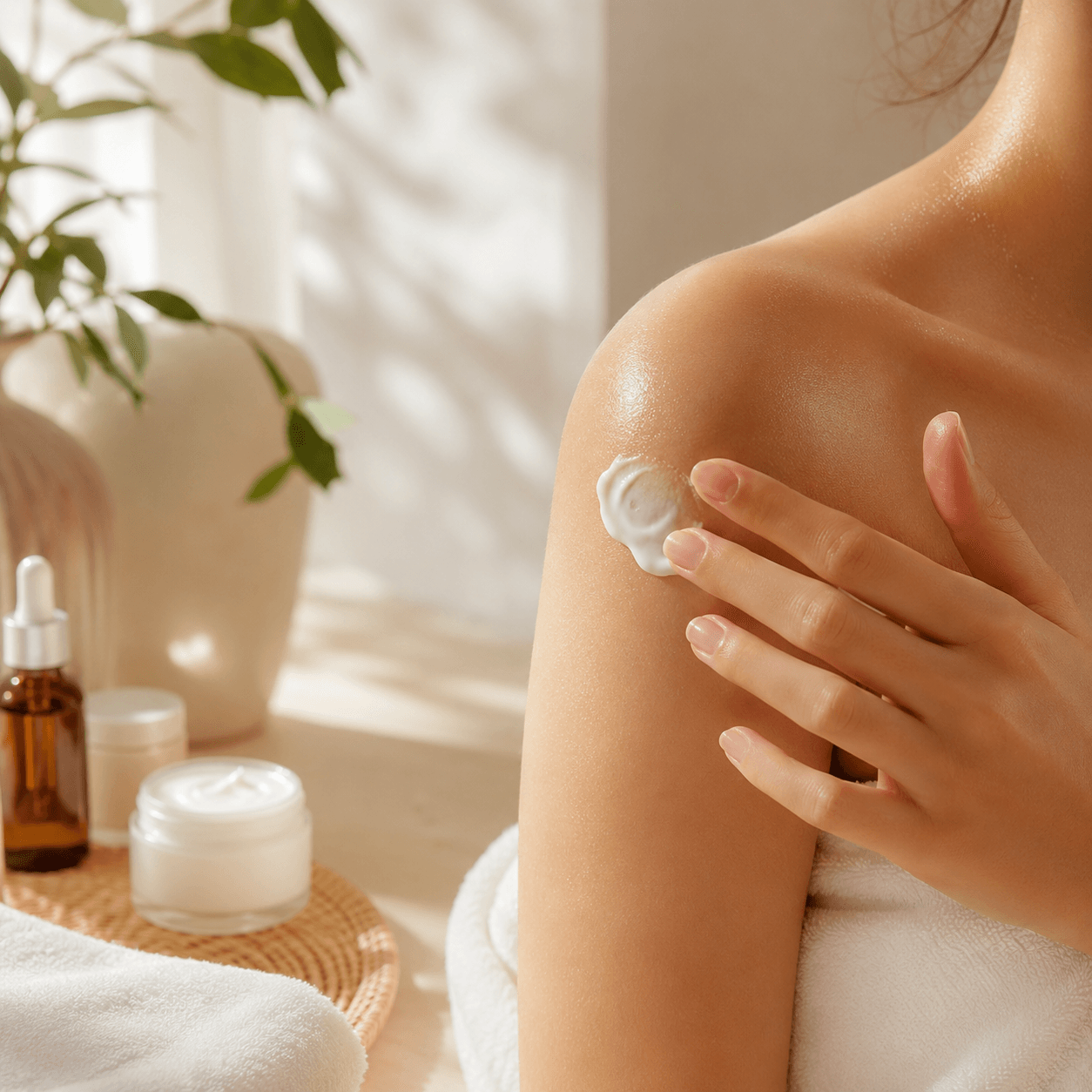
After exposure to pollution, sweat, sunscreen or environmental exposure, night time is a good time to focus on keeping your skin clean and moisturized. The meaning of night skincare for Gen Z is not a long list of 10-12 products but a simple, consistent and skin-friendly routine.
Remove the dark layer: cleanse
Start your nightly skin care with a gentle cleanser. It helps in removing sunscreen, makeup, excess oil, sweat and dirt.
Gen Z Tip: More rubbing of the face = less clear skin. ‘’Gentle clean is better’’.
According to skin concern: Treatment
After cleansing, if there is any treatment or serum to be used, it can be used as per your specific skin concern. For example, different skincare ingredients are used for concerns like acne, pigmentation, uneven skin tone or fine lines.
Hydrate the skin every night: Moisturize
Moisturizer is a simple but very important step in the night skin care routine. It helps in keeping the skin hydrated as well as supporting its protective barrier. Pay attention to moisturizer while not just following the trend but giving priority to your skin type.
Targeted Care
If there is a specific concern, you can consult a dermatologist or use a targeted product as per your established routine.
Lip & Eye Area Care:
If your lips are dry, you can use a simple lip moisturizer or balm at night. Avoid rubbing the skin near the eyes or clean makeup before sleeping.
Every Gen Z should know:
In skincare these days, Niacinamide, Vitamin C Hyaluronic Acid teen are the ingredients whose names are seen in almost every skincare reels of Gen Z but whether an ingredient is trending or it is necessary for your skin is different. Therefore it is better to use them wisely.
Niacinamide(V3):
According to (PubMed) It is a versatile skincare ingredient. Research has found tropical niacinamide to be useful in concerns such as supporting the skin barrier, pigmentation, redness or acne. Niacinamide can improve skin texture and appearance of hyperpigmented spots.
Vitamin C:
According to (PubMed) It is an antioxidant so it plays an important role in supporting the skin against damage caused by oxidative stress and UV exposure. According to research reviews, topical vitamin C helps reduce pigmentation or support collagen production.
Vitamin C – Brightness + Antioxidant Support
Hyaluronic Acid (HA):
It is known for its ability to retain water in the skin and tropical formulations may help make the skin more hydrated and plump (PubMed Central (PMC))
Skincare routine for acne-prone skin
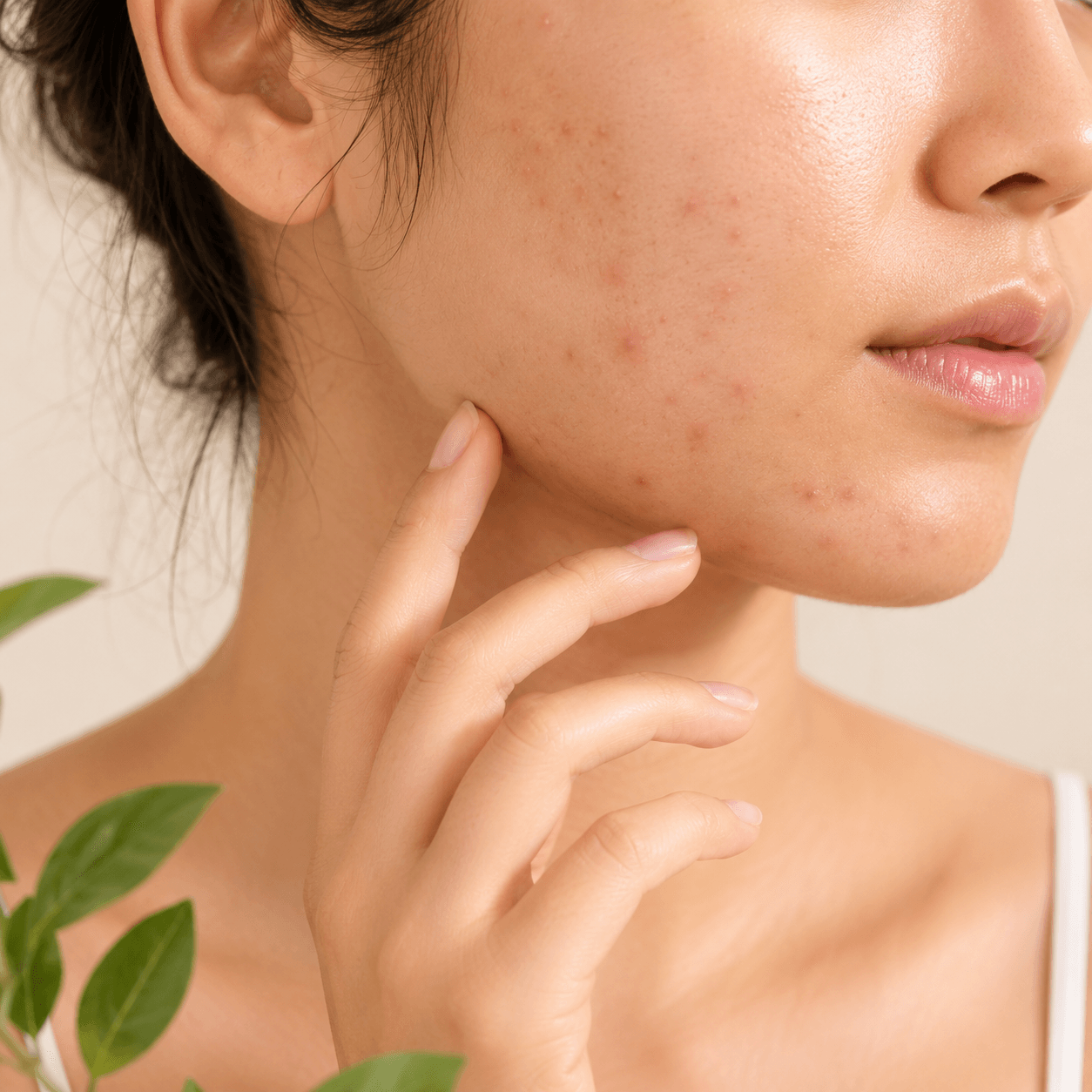
Recommendation by Acne: Tips for managing for Skin care routine:
Keep your skin clean:
Gently wash your face up to twice daily and after sweating. Choose a gentle, non-abrasive cleanser. Apply it with your fingertips, as scrubbing with washcloths, sponges, and other tools can irritate your skin.
Choose the right skin care:
Use gentle skin care products and ones that say “alcohol-free” on the label. Avoid products that can irritate your skin, including astringents, toners, and exfoliates. These products can dry your skin and make acne appear worse.
Shampoo regularly:
The oil from your hair can cause acne on your forehead. If you have oily hair, shampoo more often than you do now and keep your hair away from your face.
Stick to your treatment:
Trying new acne treatments too often can irritate your skin and cause breakouts. Give your treatment time to work. It may take several weeks to a few months before you see a difference.
Keep your hands off:
Touching your face throughout the day can cause acne to flare. While it can be tempting to pick, pop, or squeeze your acne, doing so will make the acne take longer to clear and increase your risk for scarring and dark spots called post-inflammatory hyperpigmentation.
Stay out of the sun and tanning beds:
Along with increasing your risk for skin cancer, tanning damages your skin and can worsen acne. Some acne medications can also make your skin very sensitive to damaging ultraviolet rays from the sun and tanning beds.
Acne takes time to clear:
If you keep seeing breakouts after following these tips, partner with a board-certified dermatologist. Dermatologists can treat existing acne, prevent new breakouts from forming, and reduce your chance of developing scars.
How to Protect and Repair Your Skin Barrier:
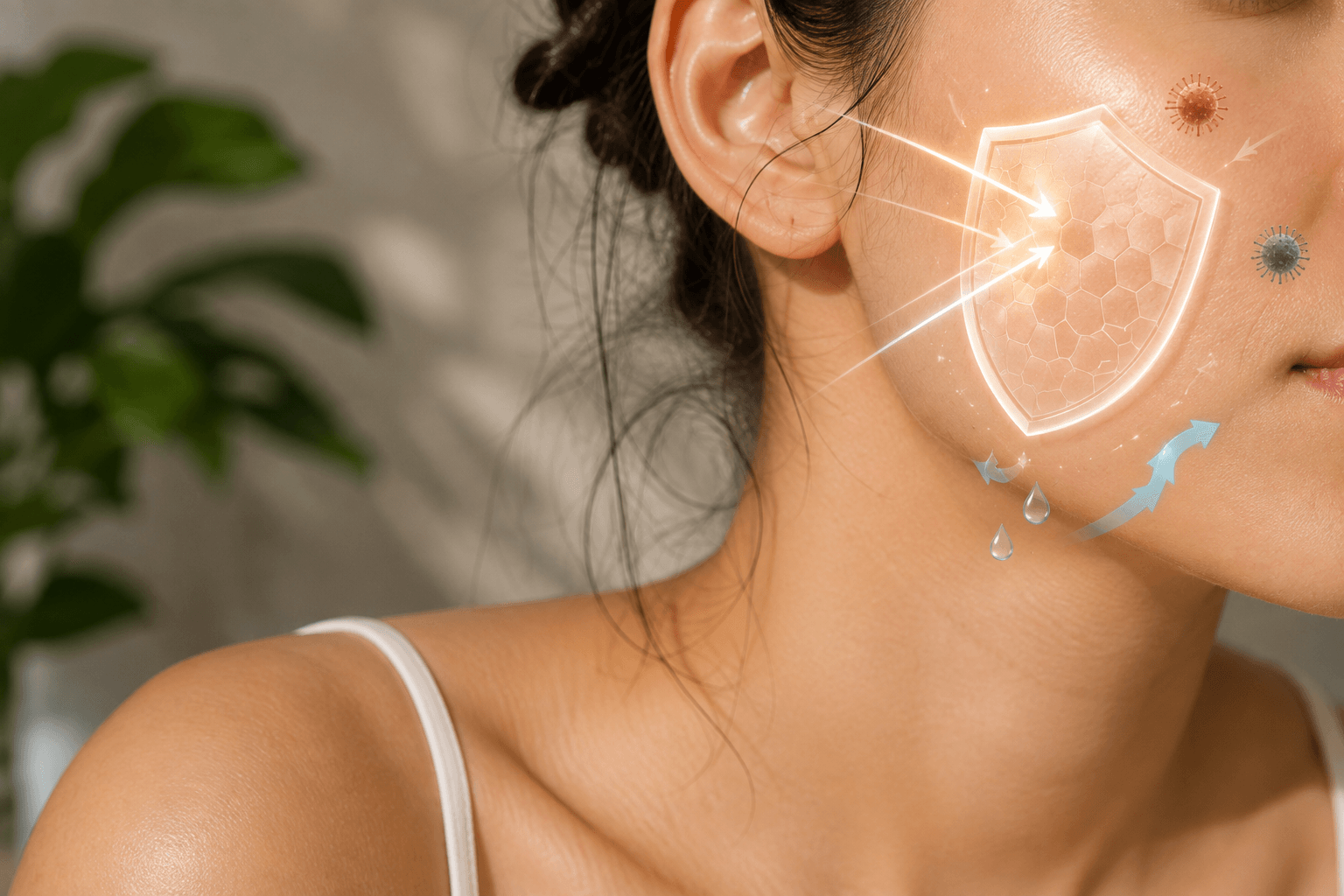
To understand the skin barrier in simple language, it is the protective shield of your skin. The outermost layer of the skin plays an important role in retaining water in the body and providing protection from external irritants and micro-organisms. Ceramides present in the barrier support its structures or water-retention capacity when the skin barrier becomes weak, which can lead to problems like dryness, tightness, redness, itching, burning or sensitivity in the skin, hence the aim of skincare is not just to get glow but to keep the skin barrier healthy. ‘
Below are the common signs of damage to the skin barrier:
If the skin becomes tight after using face wash or any other product, starts applying moisturizer, dryness or flaking appears again and again, or the skin becomes more sensitive than normal, these can be signs of compromised skin barrier. If this is happening to you too then it would be better to consult a dermatologist.
Common Gen Z skincare mistakes to avoid
The awareness of skincare among Gen Z is already quite bad but by seeing new products, ingredients and viral routines every day on social media, skincare seems to be more complicated than it should be. The problem starts when the trend starts getting more priority than the needs of the skin. According to Dermatologist(American Academy of Dermatology), using more products or applying too many active ingredients together can cause irritation, dryness and breakouts, so it is important to always remember the rule of more is not always more in skincare.
Overusing Active Ingredients:
Active ingredients like Vitamin C, Retinol, Niacinamide, Salicylic Acid, Glycolic Acid can be useful in skincare but using them in the wrong way can irritate the skin. A common mistake is to introduce several activities at once, for example vitamin C then exfoliating acids or retinol at night without understanding whether the skin will be able to tolerate these products. According to the AAD (American Academy of Dermatology), using the products together may increase the risk of irritation. Excessive use of active ingredients may cause dryness, blotchy skin or other unwanted effects.
Viral skincare trends and product overload:
”TikTok recommended”, ”Viral on Instagram”, ”everyone is using it”- these are not enough reasons to buy a skincare product. Nowadays it is common to see 7 to 10 steps long skincare routines but so many products are not necessary for healthy skin. A simple consistent routine is considered more practical.
Ask 5 questions before following viral trend:
- Do I really need it?
- Is it suitable for my skin type?
- Are there any active ingredients that overlap with my existing routines?
- Is there credible dermatology evidence behind this?
- Will I be able to use it consistently and correctly?
Lifestyle Habit That Affects Your Skin

Just applying skincare products does not provide healthy skin. Your sleep, food, stress, hydration, hygiene and sun exposure can also affect the overall health of the skin. Research has shown a connection between lifestyle factors and skin health. According to https://pmc.ncbi.nlm.nih.gov/articles/PMC10339083/ , the effect of each factor is not the same in every person.
Sleep, Diet, Stress and Hydration:
Sleep:
During sleep, the body gets time for recovery and repair. Continuous sleep of low or poor quality can affect the skin barrier and processes related to skin aging. Today’s Gen Z is constantly scrolling through skincare routines at night or has incomplete sleep.
Diet:
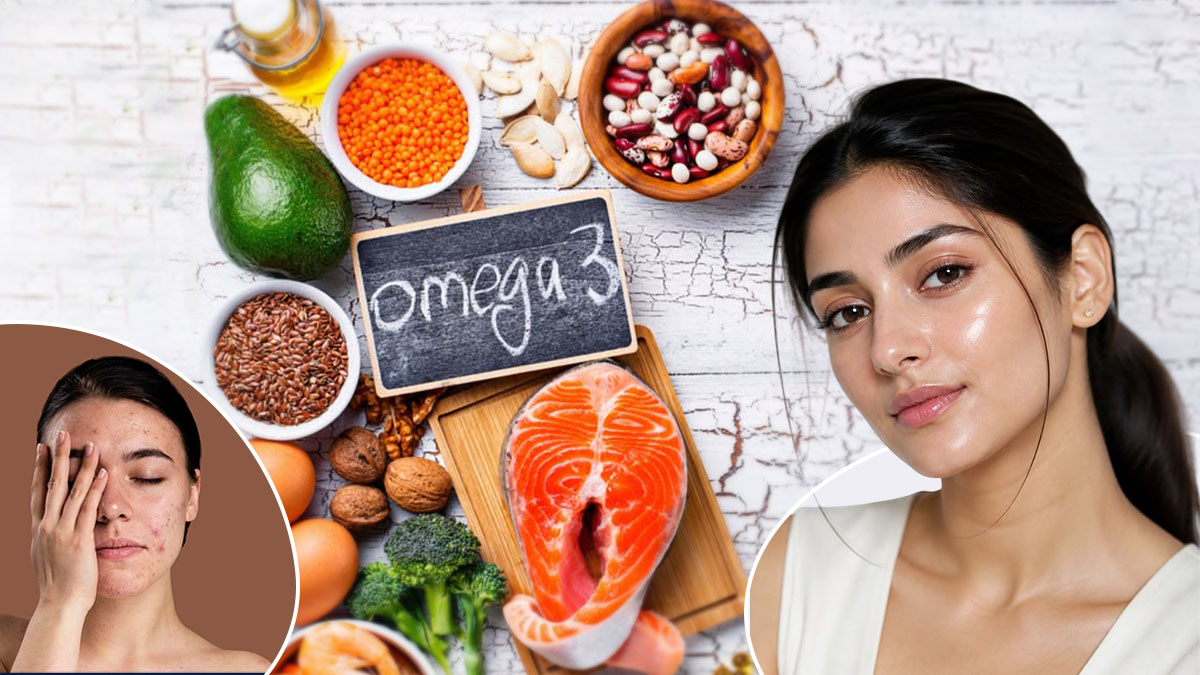
A balanced diet is important for overall health as well as skin health. A better approach is to include fruits, vegetables, protein and healthy fats in the diet. According to Research (American Academy of Dermatology) In today’s time, there is a lot of stress in the youth generation, long term stress affects the skin.
Stress:
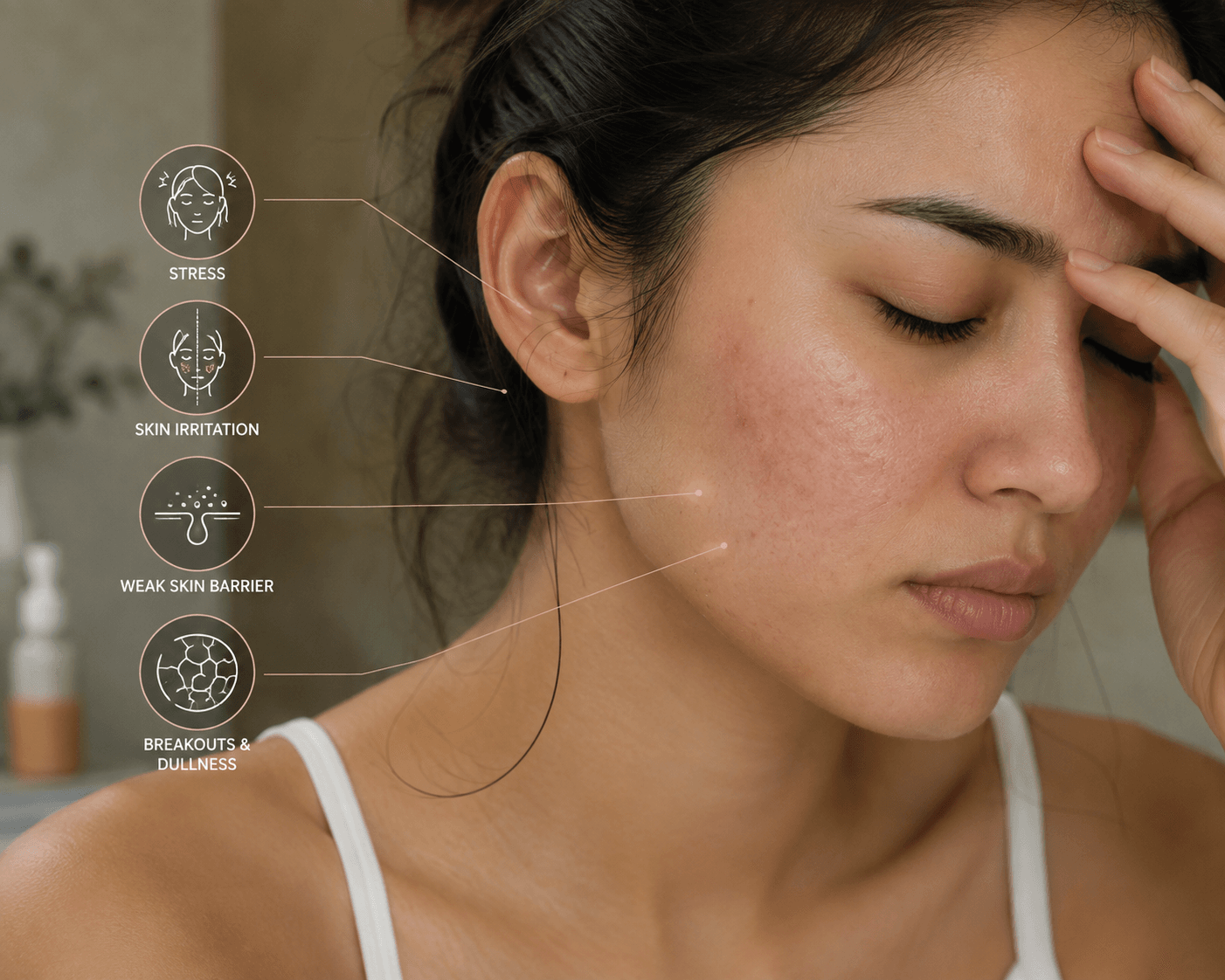
Stress can cause inflammation in some people and worsen conditions such as acne, eczema or psoriasis.
Hydration:
Water is very important for the body. Dehydration can affect the appearance of the skin. According to NIH (News in Health), adequate hydration is advised in healthy skin habits but only drinking more water will improve the skin concern or not.
Disclaimer:
This article is written for the purpose of education, awareness, skin care education only, the details given in it are not a substitute for medical diagnosis, treatment or personalized medical advice for any person. Every person’s skin type, concern, lifestyle and product tolerance may be different. Before starting any skin care product, active ingredient or treatment, consider its ingredients list and your skin’s needs. Do not follow any viral skincare trend, home remedy or social-media recommendation without proper information.
FAQ: Frequently Asked Questions Related to Gen Z Skincare
How will I know my skin type?
After cleansing the face with a gentle cleanser, keep it without skincare products for some time and see how the skin feels. If there is oiliness all over the face, the skin may be oily, while tightness or flakiness may indicate dryness. In combination skin, the T-zone may be oily and the cheeks may be comparatively dry. If the skin repeatedly reacts to products, it may cause sensitive skin. If needed, skin assessment can be done by a dermatologist.
Does Oily Skin Need Moisturizer?
Yes. Having oily skin does not mean that the skin does not need hydration. Lightweight, non-comedogenic moisturizer can be a good option for oily skin.
Should the face be washed repeatedly when there is acne?
No. Excessive cleansing and scrubbing can irritate the skin. Washing the face morning and night with a gentle cleanser and cleaning the skin after sweating may be sufficient.
Is it necessary to use every Viral Skincare Product?
No way. “Viral ≠ Suitable for Everyone.” An influencer’s skin type, concern and tolerance may be different from your skin. Before buying a product, understand the ingredients and your skin’s needs.
What is the difference between Niacinamide, Vitamin C and Hyaluronic Acid?
The purpose of all three is different. ”Niacinamide” may be useful for barrier support and some pigmentation/oil-related concerns. “Vitamin C” is an antioxidant and is used for concerns like uneven tone and pigmentation. **Hyaluronic Acid** is mainly known for hydration support.
Should sunscreen be applied only in summer?
No. UV exposure does not completely change with the weather. Using broad-spectrum sunscreen is an important part of a sun protection routine when going out. WHO links excessive UV exposure to skin damage and skin cancer risk.
How many skincare products should be used?
There is no fixed number for this. A simple routine may often suffice: Cleanser → Moisturizer → Sunscreen. Treatment or serum can be added as needed. More products does not automatically mean better skin.
Will applying more active ingredients give quicker results?
Not ecessary: Using multiple active ingredients together may increase irritation, dryness, or redness. Especially for beginners, it is better to introduce products slowly.
What to do if the skin barrier gets damaged?
Keep the routine simple for some time: Gentle Cleanser + Moisturizer + Sunscreen. Avoid harsh scrubs, unnecessary exfoliation and multiple new activities. If burning, redness or irritation persists, consult a dermatologist.
When should one visit a dermatologist?
If acne is very painful or persistent, there are sudden unusual changes in the skin, there is persistent itching/redness, or OTC products are not helping the problem, then it is better to consult a dermatologist.
Read More:
Complete Hair Care Guide: 10 Essential Tips for Healthy Hair Care

Riya Asati is an assistant professor and JRF-qualified researcher with 3+ years of experience in research-based content writing. Her expertise includes healthcare, medical, wellness, and educational content. She focuses on presenting health information in a clear, accurate, evidence-informed, and easy-to-understand manner. Through her writing, she aims to help readers understand important health topics and make informed decisions about their well-being.

3 thoughts on “THE ULTIMATE Gen Z SKIN CARE ROUTINE”