Abstract
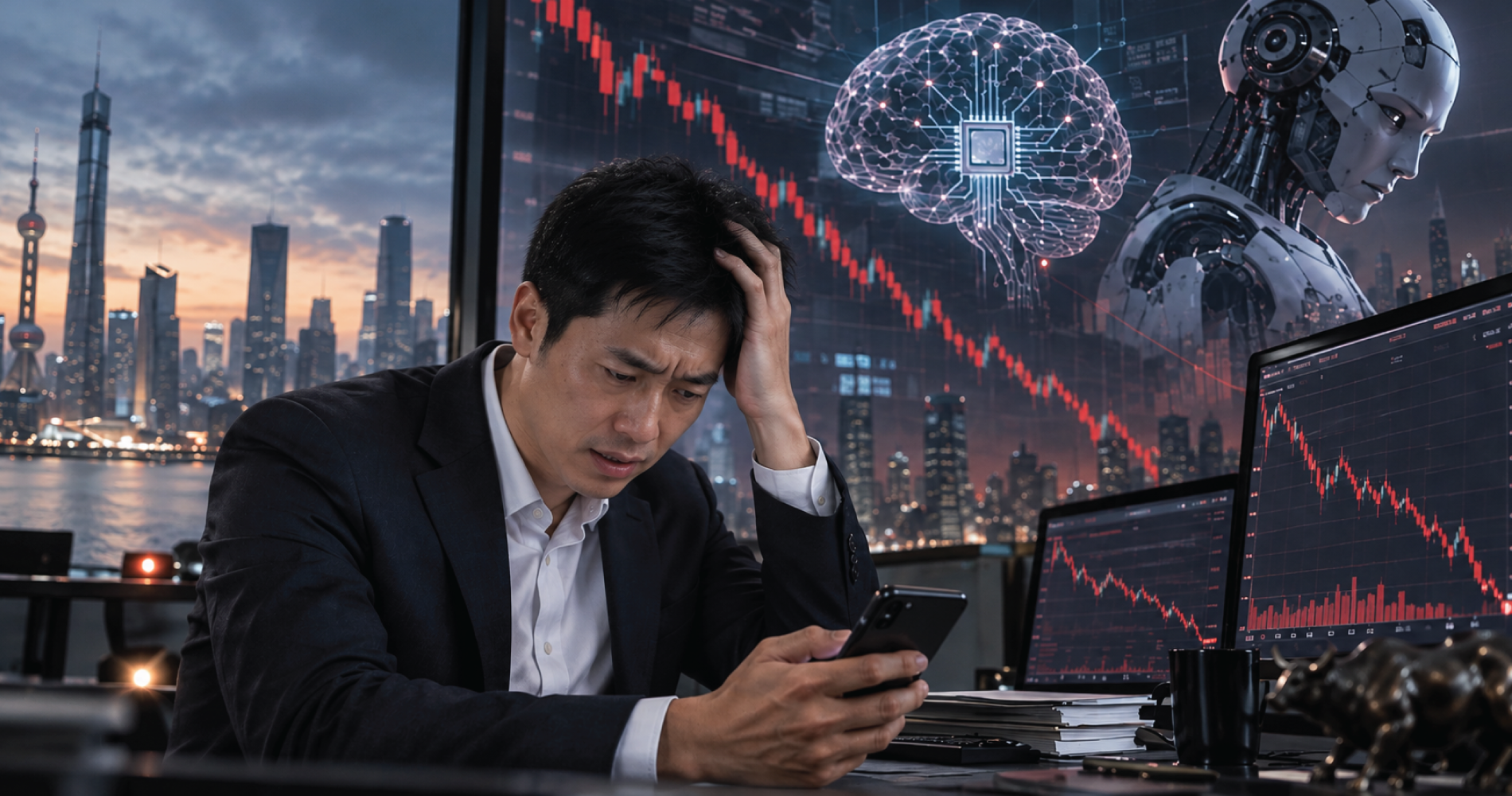
The sharp decline of China’s AI and semiconductor stocks in October 2026 caught the world’s attention and not for any good reason. The STAR50 Index fell nearly 40% in the last four months, losing about $480 billion in market capitalization. In the headlines, it seems like a story like the Financial Crisis, but there is a bigger picture of health questions hidden behind it. When people’s savings, jobs, or futures become uncertain, what can be the impact on the brain, Heart, Sleep, and Mental Health? From the Global Financial Crisis of 2008 to the Chinese Market Turbulence of 2015 and Medical Studies of 2024–2026, research shows significant connections between economic stress and health risks for individuals. This article takes the market as just the starting point for understanding the health story that red stock charts often hide behind the screen.
Introduction: The charts are red, and so are your health signs
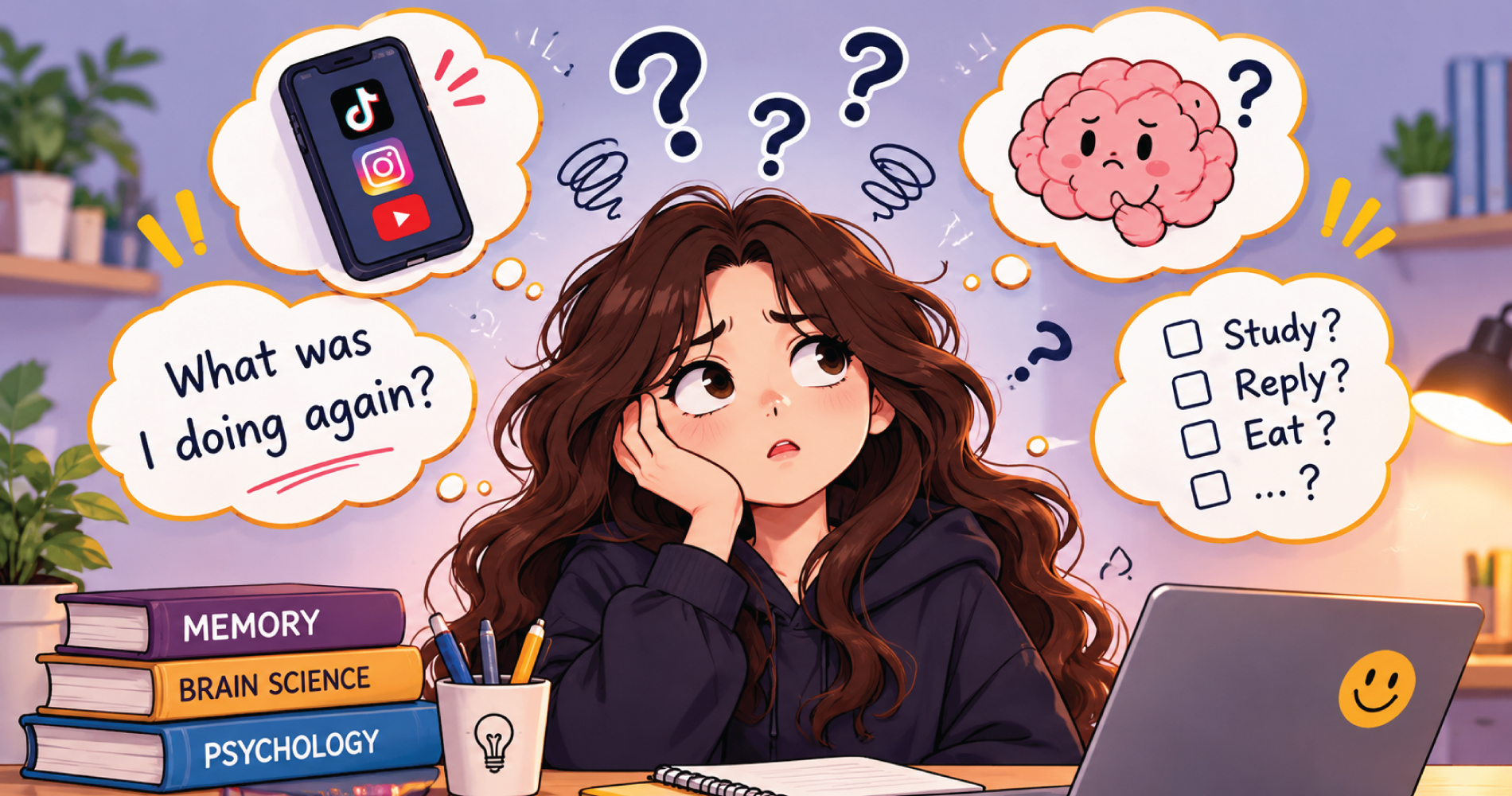
It is two o’clock at night. You were going to sleep, but suddenly you felt like opening an investment app to check your portfolio. The screen opened, and red numbers appeared. Then a News Alert popped up “China AI Bubble Bursts.” You switched off the phone, but questions started coming to mind. Will the money come back? Is the job secure or will there be layoffs? How will household expenses be managed now? In the next five minutes, you have watched three videos, two market predictions, and at least ten comments. The Internet would probably call this financial doomscrolling; Your brain is just sensing financial danger.
Just think: the fall of an index is a phenomenon on a computer screen; then why can your heart beat faster? Why can one lose sleep? Why does one start feeling strange discomfort in the stomach? The answer lies more in psychology and the body’s stress response than on the red screen. An important point: The direct health effects of China’s October 2026 fall have not yet been established. We will draw on possible connections from past situations and scientific studies, not to declare any new diseases or worries in public.
What actually happened in the market
On October 26, 2026, Reuters reported that China’s STAR50 Index fell around 40% in less than four months. This index mainly represents companies connected to AI, chips, and Advanced Technology, not traditional industries. An estimated $480 billion of market capitalization was wiped out during the decline. China’s broader Blue-Chip Index was also down about 20% from its June high. Therefore, it would be wrong to say “the entire Chinese market has crashed 40%”.
In the last two years, investors expected that AI Infrastructure, Robotics and Semiconductor Companies would give fast profit growth in the future. When expectations get too high, share prices can far outstrip actual earnings. Then reasons like weak Demand Outlook, fear of Export Restrictions, and expensive valuations affect confidence. According to Reuters, the decline in some technology-related shares was more than 50%.
The decrease in market value of $480 billion does not mean that that much cash has disappeared from some room. This is the change in the total estimated price of shares in the market. And falling stock valuation does not prove that AI technology has become useless or obsolete.
It doesn’t always feel safe
When AI growth stories are everywhere, FOMO can set in: “Everyone is investing, why should I not?” Consistent positive posts can make the risk appear like it’s not there. Then comes a sharp correction, and the same person thinks, “Why didn’t I sell earlier?” This change happens not only in numbers but also in expectations. The market is a collective decision system; The body may associate it with personal safety.
Risk also changes from person to person. Some have made extra savings, some need money, and some have employment that is directly dependent on the technology sector. Therefore, the same market event does not create equal stress for everyone. Without understanding this difference, it would be a wrong approach to make big claims about health effects.
Wrong definition of safety
For the brain, money is not just a digital balance that helps in life. Behind that are rent, education, treatment, food, and future security. When a person feels that these needs may be in danger, the brain starts paying more attention to uncertainty. He imagines possible outcomes, makes repeated calculations, and starts obsessing over negative news again and again.
This reaction is not always an illness. Being alert in difficult situations is normal human behavior wired for survival. But when worry is persistent, attention, mood, and sleep can be affected over time. There is no rule that someone will get an anxiety disorder if his portfolio falls. The actual impact depends on the severity of the loss, pre-existing health conditions, family support, and economic options. Not just the investments.
Brain considered it an Entire Life Update. This is not a joke, but a simple illustration of the possible psychological process of perceiving a threat as greater than it needs to be.
What does all this do to the body?
When the brain identifies danger, the body’s sympathetic nervous system is activated. Hormones like Adrenaline increase heart rate and alertness. Cortisol also gets released and affects the stress response. This system is useful in sudden danger; The problem arises when stress stays in the mind for long periods for a long time, and the body does not get rest.
According to WHO’s March 2026 information, anxiety, irritability, concentration problems, headache, stomach upset, and sleep problems can be seen with excessive stress affecting day-to-day life. But it is not safe to consider serious symptoms like chest pain, shortness of breath, or fainting as mere “market stress”. In such symptoms, medical help should be sought immediately. Psychological stress may be a possible cause, not a definite diagnosis, and needs a professional approach
China’s previous market shock
In 2015, China’s stock market went through huge ups and downs, something similar to what we experienced recently. But the interesting part of that story isn’t just falling share prices. The study, published in Frontiers in Psychology in February 2019, looked at Chinese market data and anxiety-related Internet searches from January 2014 to July 2015. Researchers found that there was a positive relationship between stock market exposure and anxiety-related searches, even during rising markets cause people tend to get FoMo.
The study also conducted small experiments. Activating stock-related thoughts increased anxiety in some participants; Regular exercise helped reduce this effect. This raises an unexpected question: Could not only losses, but also constantly monitoring the market be linked to this condition?
Searching Anxiety on Google is not a clinical diagnosis. The results of the study can’t be applied to all investors. Yet they show that financial news exposure and mental well-being should be considered together, as one can be affected by the other.
Flashback to 2008
The Global Financial Crisis of 2008 was not just a story of banks and markets. Many people faced severe uncertainty about employment, income, and home security ll at the same time. A time-trend study published in The British Medical Journal in 2013 analyzed records from 54 countries. Researchers estimated that 2009 recorded approximately 4,884 more suicide deaths than the number expected based on past years. The increase was seen primarily among men in some European and American countries and was linked to rising unemployment, which was caused by this crisis.
This is a sensitive research finding. Due to this, it would be wrong to attribute only the stock market as the reason for a person’s choice to end like that. Mental health outcomes are influenced by many social, medical, and personal factors. The lesson of this old crisis is that in times of economic crisis, employment assistance and mental healthcare cannot be seen separately from financial policy. It’s better to check up on your loved ones in their hard times.
A 2024 Beijing study
Can Market Volatility also be connected to Hospital Emergency Visits? The study, published in Nature Mental Health, commonly known as N.M.H in June 2024, analyzed daily emergency records from three major hospitals in Beijing from January 2009 to December 2012. Researchers compared daily stock market return records and stress-related visits to the hospitals.
The result was surprisingly remarkable: each percentage point decrease in the daily return of a particular Chinese Growth Enterprises Index was associated with approximately 0.7% more visits for Cardiovascular Emergency Cases on the same day. An association was also indicated for mental disorder-related visits, but the statistical certainty of that result was low overall.
The most important scientific check here is: This is observational research, not an experiment that directly proves causation is related to the finance. Also, Daily One-Point Market Movement and a 40% decline in four months are two different measurements. You cannot calculate the number of Heart Emergencies in 2026 by multiplying 0.7 by 40. The study only points us toward a possible public health link with finances.
The number that actually matters
A study by Boston Medical Center Public Health in 2026 used 30,000,000+ Regular Outpatient Records and 94,370 Major Illness Records from large cities in eastern China like Shanghai. Researchers found that hypertension-related outpatient visits were higher on days with falling stock markets. This relationship was more pronounced in the elderly and people with already poor health. The important thing is that all of the more than three crore records were Hypertension Patients; This was the complete available outpatient dataset and not some hypothetical test on past trends.
Another study published in the Journal of Epidemiology & Community Health in July of 2026 examined the health examination records of employees at listed big financial firms. A 10% decline in a company’s daily share return was associated with an average increase of about 3.05 mmHg in employees’ systolic blood pressure. Associations were also found with some blood lipid markers in some patients.
These results are interesting, but they cannot be used to predict an individual’s blood pressure by themselves. Existing diseases, medications, lifestyle, and other stressors are also important when concluding any results. If your blood pressure is steadily rising, it is not wise to dismiss it as mere news anxiety. Regular checkups during prolonged phases of stress are highly helpful for healthy long-term living.
Why red numbers hurt more
Suppose there was a profit of ten thousand rupees on an investment you had yesterday. Felt happy, told friends, then the day moved on. Today that amount of money was lost. Now the same loss can come to mind again and again. Behavioral economics calls this tendency Loss Aversion: In many situations, a loss is felt more intensely than an equivalent gain. It also affects your life.
UK Household Research, published in Health Economics in 2025, examined data from 2010 to 2023. In the study, the negative relationship of a falling market on mental health was found to be stronger than the positive relationship of a rising market. A spillover association was found in the mental health of investors’ household members with negative 52-week returns.
This also does not mean that a family or an individual will definitely suffer from mental issues. But it is a reminder that financial stress is not limited to the portfolio owner alone. Money Conversations can also affect the mood at home, as they affect everyone.
When your mind doesn’t log off
Watching the news at night, you think of checking that, “One last update.” Then an Expert Thread, a Reels Analysis, and a Comment Section get opened. Even after switching off the phone, the mind starts creating fake scenarios. Will there be further decline? Will the savings be enough? Was my planning wrong? Such thoughts can become a hindrance to sleep.
Sleep is not just rest. This is an essential biological process related to Memory, Attention, Emotion Regulation, and Heart Health. According to the Centers of Disease Control, adults ages 18 to 60 generally need at least seven hours of sleep a day. Chronic lack of sleep can increase fatigue, concentration problems, and irritability in people which can make the already going on situation worse.
A cycle can form here: poor sleep due to financial worries, then difficulty handling the next worry due to fatigue, then more news checking. Therefore, turning off Market notifications at night can be not only a digital detox but also a useful threshold for recovery. Which can help you in not going to that downward spiral.
The algorithm is not your therapist
There is nothing wrong with reading financial news and keeping yourself updated. But if someone feels the need to check the price every few minutes, it can become a Reassurance-seeking pattern. Relief if price increases slightly; Then if it goes down then Panic; Then refresh the app. A person thinks that watching again and again will give him control, whereas most updates do not change his decisions. Market can’t be controlled by anyone not even big tyrant firms who trade with billions.
WHO advises traders and investors that limiting exposure to distressing news can help in reducing stress. Therefore, it is important to differentiate between Reliable Information and Endless Scrolling. Turning off notifications and reviewing the portfolio at a fixed time during the day may be better for some people. Refreshing the charts does not refresh the nervous system.
The family effect
Market loss may happen to one investor, but it can affect the conversations at home as well. Concerns about reducing expenses, disagreements over future plans or fear of hiding losses can create tension and misunderstandings in relationships. Even children can feel the atmosphere of home change, even if they do not know anything about Portfolio.
UK Study of year 2025 Provides Evidence of Household Mental Health Spillover. In the same year, the SSM – Systematic Review of Mental Health included 94 longitudinal studies from 24 different countries. Of these, 101 out of 116 assessments showed an association between financial hardship and poor mental health, particularly depression-related outcomes.
But Financial Hardship and Investment Paper Loss are not the same things. What really matters is how much the loss affects the needs and security of the family and the individual. Open communication, planning without blame, and professional help when needed are helpful to families for a better life.
Jobs, Bills and Invisible Pressure
People working in the AI industry do not buy shares themselves, yet they may be troubled by the uncertainty of the sector. They may be worried about salary, hiring or job security since layoffs are very common these days. However, concrete overall data on how many jobs were affected by the October 2026 Crash is not available yet. WHO considers job insecurity and excessive work pressure as workplace mental health risks and can cause burnouts.
Financial stress can also affect healthcare decisions. If a family’s budget becomes less than planned, it may think of postponing checkups or treatment which are essential. This is especially risky for people with chronic illness. But evidence of how many people actually postponed treatment due to these stock market crashes is not clearly presented. Instead of stopping the prescribed medicine on your own, you should talk to your doctor about safer or cheaper options.
Is healthcare AI is also cooked
The fall of AI stocks does not mean that the scientific potential of Healthcare AI also fell. AI tools are being developed in areas like Medical Imaging, Clinical Documentation and Drug Research. But Viral Product Demo and actual Patient Benefit are different things. The medical processes need a big amount of precision and AI can actually over power humans here.
WHO’s AI Guidance prioritizes Patient Safety, Privacy, Bias, Human Oversight and Proper Validation. Therefore, the value of a Health AI tool should not be determined only by funding or share price. The right questions shall be –
- Is it accurate?
- Are errors safely detected?
- Does it provide measurable benefits to patients?
Anti-Panic Checklist: Protect Health, Not Just Portfolio
- Set Boundaries: Keep a fixed time block for watching investment news. Not every Red Notification is an Emergency. If you have to take an important financial decision, look at reliable sources, not just viral predictions and take with full confirmation and not with rush.
- Sleep First: Reduce endless scrolling before sleeping. Focus on a regular sleep schedule, quiet environment and adequate rest. If you have persistent insomnia, seek professional medical advice.
- Move Daily: Walking, exercise or other physical activities that you can enjoy can help with stress management.
- Write Real Numbers: Write down the next month’s required expenses, available savings and actual financial obligations. Discuss the facts and not negative scenarios.
- Talk, Don’t Hide: Share concerns with someone you trust. If needed, seek help from a Qualified Financial Advisor or Mental Health Professional for a broader approach.
- Respect Warning Signs: Persistent bad mood, appetite changes, sleep problems or inability to perform daily tasks are worth noticing. Chest pain or severe breathing difficulty requires immediate medical attention by a professional.
Conclusion
The decline in ChinaA’s AI shares is financial news, but the question that arises from it is also about health. Older Chinese studies showed associations of market movements with anxiety-related searches, emergency visits, and blood pressure. Mental health and financial health shall go hand in hand together.
The difference in this story is actually important: Potential health risks are understood from older research, but it is too early to draw medical conclusions on the new crash as facts and predictions can be very different.
Yet it would be wrong to say that the October 2026 STAR50 drop made any fixed number of people sick. There is no reliable data yet on the direct health outcomes of that incident available yet. The market can recover as well as fall. Our priority should be Evidence-based Decisions, Good Sleep, Supportive Relationships and Treatment when needed. Your portfolio is an app which you can change over time. Your health is not replaceable.
Disclaimer
This article is for education purposes only, not medical diagnosis or investment advice as we are a health related author and not professional financial advisors. Older observational studies do not directly prove causation and should not be considered evidence of the October 2026 event. Seek advice from a qualified professional regarding personal health or financial problems. Control over finances and health shall be equally important.

A passionate health and lifestyle content writer dedicated to making complex medical and psychological topics easy to understand. With a focus on mental health, lifestyle, and overall well-being, I curate informative, research-based articles that help readers better understand their health and make informed decisions. The goal is to spread awareness, simplify health information, and encourage healthier living.