Abstract
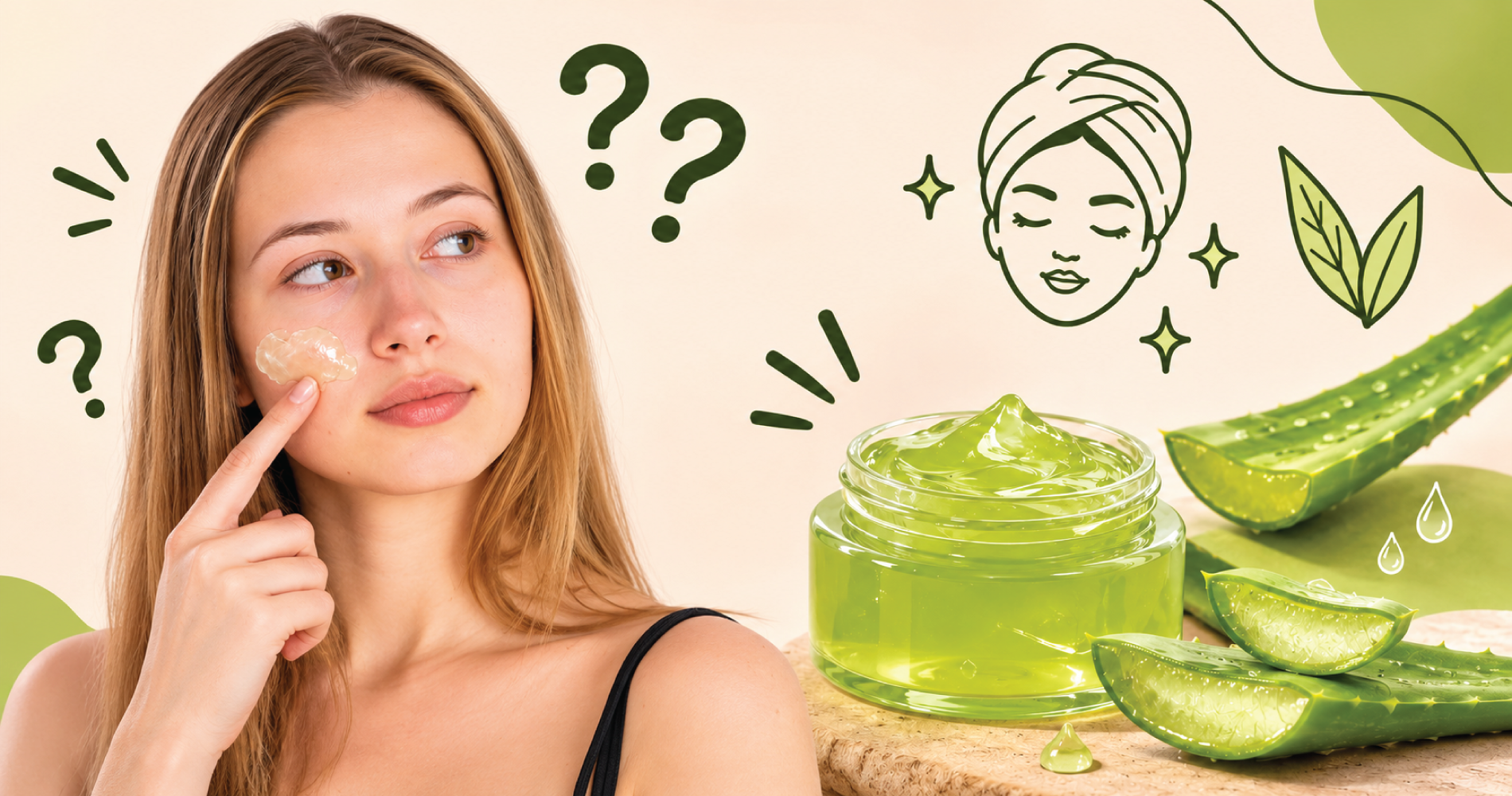
I think most of us have had that one skincare moment when, looking at a bottle of aloe vera gel, we thought, maybe my skin just needs this. Whether our grandmothers advised applying fresh aloe straight from the plant, a friend recommended it for irritated skin, or a skincare influencer included it in their 10-step routine, aloe vera somehow remains everyone’s favorite skincare tip.
And honestly, it is easy to see why. Aloe vera is affordable, easy to find, and has been used in traditional skincare for generations. It is often favored for soothing the skin, providing hydration, calming acne, and giving the face a fresh, healthy-looking glow. But when a new skincare ingredient starts trending every other week, I wanted to understand whether aloe vera truly deserves its OG skincare status or whether we are giving this green plant too much credit.
To understand this, I tried to make sense of the science behind aloe vera, its potential benefits for the skin, what the research says, and which claims need to be viewed with a more realistic perspective. Because sometimes the best skincare advice is not about adding another viral ingredient to your routine but about understanding what your skin actually needs.
Introduction: Why is Aloe Vera still everyone’s skincare favourite?
There is something interesting about skincare trends. One day everyone is talking about snail mucin, the next day it is rice water, and suddenly some ingredient that has been sitting in our grandmothers’ gardens for years becomes the internet’s new obsession. But aloe vera has never really gone out of style.
I remember that aloe vera was often considered a one-size-fits-all solution for every skincare problem. Skin affected by being out in the sun? Apply aloe vera. Skin feeling dry? Aloe vera. Sudden breakouts? Aloe vera again. It felt as if this plant had a solution for every skin-related problem.
Today, this same ingredient appears in moisturizers, face washes, sheet masks, serums, and soothing gels. The skincare industry has certainly given it a modern makeover, but its basic quality remains the same: aloe vera is known for its cooling, lightweight, and skin-soothing properties.
However, there is a difference between traditional skincare remedies and scientifically proven treatments. Just because something makes the skin feel fresh does not mean it can cure every problem. And just because something is natural does not mean it will be right for everyone’s skin. So, before applying aloe vera gel to your face, let us understand what it contains, how it works with the skin, and which of its benefits are actually supported by research.
What is aloe vera, and why is it used in skincare?
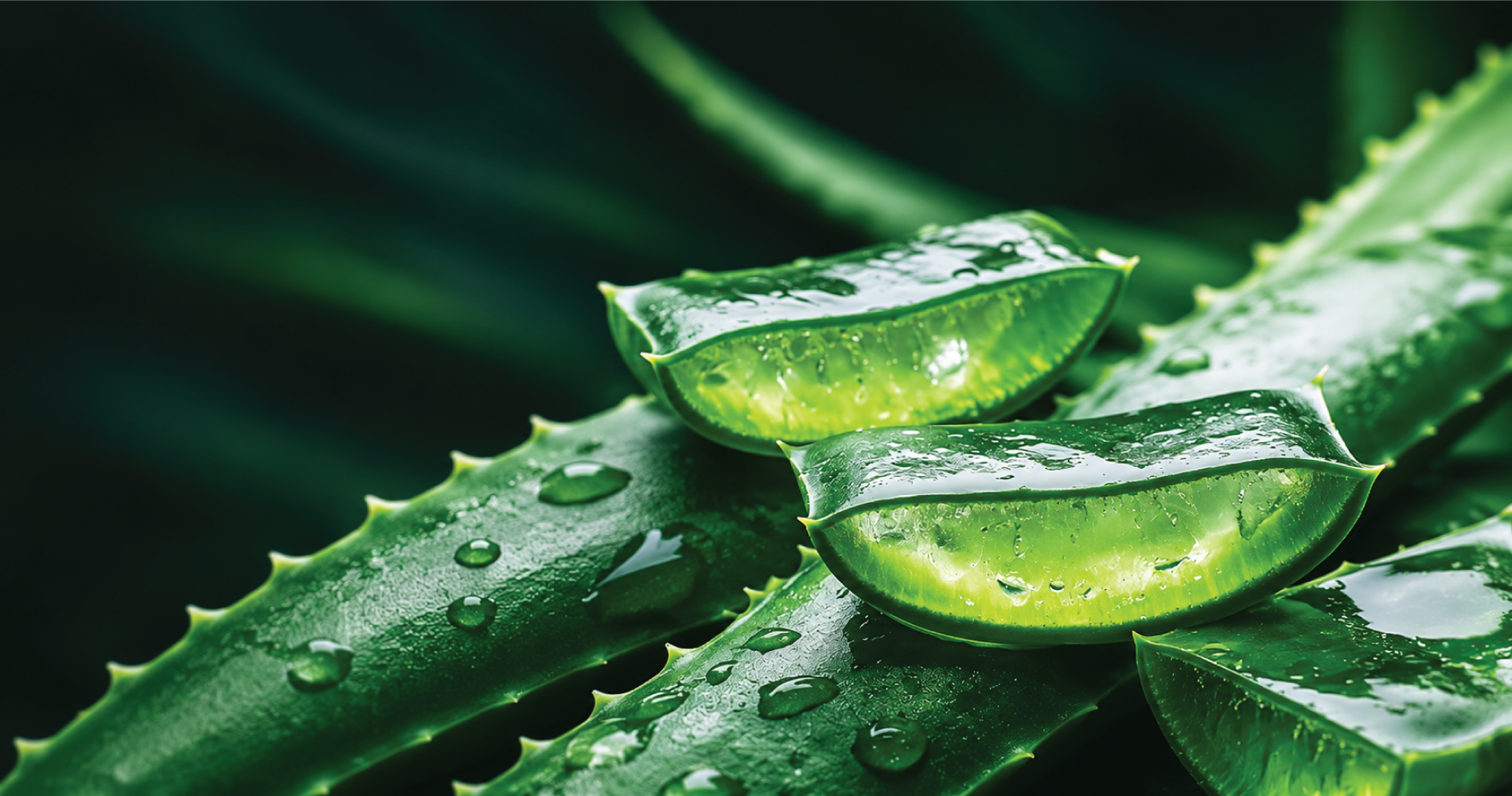
Aloe vera is a succulent plant, scientifically known as Aloe barbadensis Miller. It grows in warm and dry climates and is identified by its thick, fleshy leaves, which store water. When you cut an aloe vera leaf, a transparent, gel-like substance appears inside it. This is the inner leaf gel, which is commonly used in skincare and cosmetic formulations.
But there is an important point that is often overlooked: an aloe vera leaf contains more than just gel. The leaf has three main parts:
- Outer Green Rind: The protective outer layer of the leaf.
- Latex: A yellow substance found just beneath the rind, containing compounds called anthraquinones, including aloin.
- Inner Leaf Gel: A transparent, water-rich substance commonly used in skincare.
These components are not all interchangeable with one another. The inner gel is generally used in cosmetic products, whereas the uses and safety considerations of products made from latex and the whole leaf are different.
Aloe vera gel contains water, polysaccharides, amino acids, vitamins, minerals, and other plant-derived compounds. The polysaccharides are particularly interesting, as they are associated with the gel’s ability to retain moisture and form a light layer on the skin.
Its composition helps explain why aloe vera is commonly used in moisturizing and soothing skincare products. However, its exact composition can vary depending on how the plant has been processed and how the final product has been formulated.
Aloe Vera benefits for skin: What does science actually say?
Aloe vera has carved out a special place in skincare over the past several years, but not every claim associated with it has received the same level of scientific support. Some benefits are backed by promising research, while others still rely largely on traditional use or preliminary laboratory studies. Let us understand the most widely discussed benefits of aloe vera for the skin.
It may help improve skin hydration
One of the most recognized benefits of aloe vera gel is its potential ability to provide hydration to the skin. Our skin has a natural protective barrier that helps retain moisture and prevent excessive water loss. When this barrier functions properly, the skin generally feels comfortable, soft, and balanced. But when it becomes weakened, dryness, tightness, and irritation may be felt more strongly.
Aloe vera contains water and polysaccharides, which may help attract and retain moisture on the skin’s surface. This is one reason why aloe vera-based gel is often included in lightweight moisturizing products. In a clinical study published in Skin Research and Technology in 2006, different concentrations of a cosmetic formulation containing freeze-dried aloe vera extract were examined. The study included 20 female participants and found that regular use of the aloe vera extract formulation improved the water content in the outermost layer of the skin. However, the study did not find any significant change in the process by which water escapes from the skin.
In simple terms, aloe vera may help improve the skin’s moisture levels, but that does not necessarily mean it can replace every function of a moisturizer.
It may be especially useful for people whose skin tends to be dehydrated and feels tight or temporarily looks dull. Aloe vera can provide a fresh layer of hydration, especially when included in a well-formulated skincare product.
It may help soothe irritated skin
Have you ever noticed that when the skin feels hot, uncomfortable, or irritated, aloe vera gel is often recommended? This is related to the plant’s water-rich texture and to compounds that have been studied for their potential soothing and anti-inflammatory properties. Some laboratory and early clinical research suggests that aloe vera may influence inflammation-related responses. This is one reason it has been examined for use in certain skin conditions, including minor burns.
However, there is an important distinction to understand here. Research on aloe vera in specific medical or wound-care contexts does not mean that every cosmetic aloe vera gel can treat irritation, inflammation, or damaged skin. In everyday skincare, a properly formulated aloe vera product can help make the skin feel soothed and reduce discomfort. However, if the irritation persists, causes pain, or is accompanied by swelling or a rash, relying on aloe vera alone is not the right solution.
Aloe vera for acne: Can it actually help breakouts?
Acne is one of the biggest skincare problems, and people try all kinds of home remedies for it. Aloe vera is often included among these remedies because it feels gentle and soothing to the skin. But does aloe vera actually help with acne?
Acne is caused by several interconnected processes, including excess sebum production, clogged pores, inflammation, and the activity of acne-related bacteria. This means that treating acne usually requires more than simply applying a soothing gel. Laboratory research has revealed some interesting properties of aloe vera, including potential anti-inflammatory and antimicrobial activity. Some limited clinical research has also studied the use of topical aloe vera gel alongside other acne treatments.
According to the National Center for Complementary and Integrative Health (NCCIH), two small studies suggest that aloe vera gel may improve acne when used along with other treatments. This does not mean that aloe vera has been proven to be a standalone treatment for acne. It can be a helpful part of a proper skincare routine, but it should not be used in place of scientifically supported acne ingredients or doctor-prescribed medications when needed.
So, if you get occasional acne, aloe vera may help your skin feel soothed. But if you have persistent, painful, or cystic acne, it is better to consult a dermatologist rather than hoping that a plant-based gel will fix everything.
It contains compounds with antioxidant potential
Our skin is exposed every day to many environmental stressors, including ultraviolet radiation and pollution. These factors can contribute to oxidative stress. This is a process involving unstable molecules called free radicals. Antioxidants help neutralize free radicals, which is why they are studied extensively in skincare.
Aloe vera contains many types of plant compounds, including polyphenols and other substances. Their antioxidant activity has been observed in laboratory research. These compounds are one reason aloe vera continues to be a subject of interest in cosmetic science.
However, antioxidant activity seen in the lab does not mean that anti-aging or skin-protective benefits have been proven in humans.
Aloe vera should not be considered a replacement for established sunscreen or clinically proven antioxidant skincare ingredients. While its antioxidant properties are interesting, more high-quality human research is needed to determine its actual contribution to visible skin benefits.
It may support the skin’s comfort after sun’s exposure
After spending time outdoors, skin can sometimes feel warm, tight, or uncomfortable. This is why aloe vera gel has become a familiar after-sun skincare product. Its water-rich texture can provide a cooling sensation, while its soothing properties may help skin feel more comfortable.
Research has also investigated aloe vera in the context of burn healing. However, studies involving medical burn care are not the same as studies involving ordinary cosmetic gels or everyday sun exposure. And here is something worth remembering: aloe vera does not prevent sunburn, reverse UV damage, or function as sunscreen.
If you spend time outdoors, the American Academy of Dermatology recommends choosing a broad-spectrum sunscreen with SPF 30 or higher and water resistance. Aloe vera can be an optional soothing skincare product, but sun protection needs to come first.
Is aloe vera suitable for every skin type?
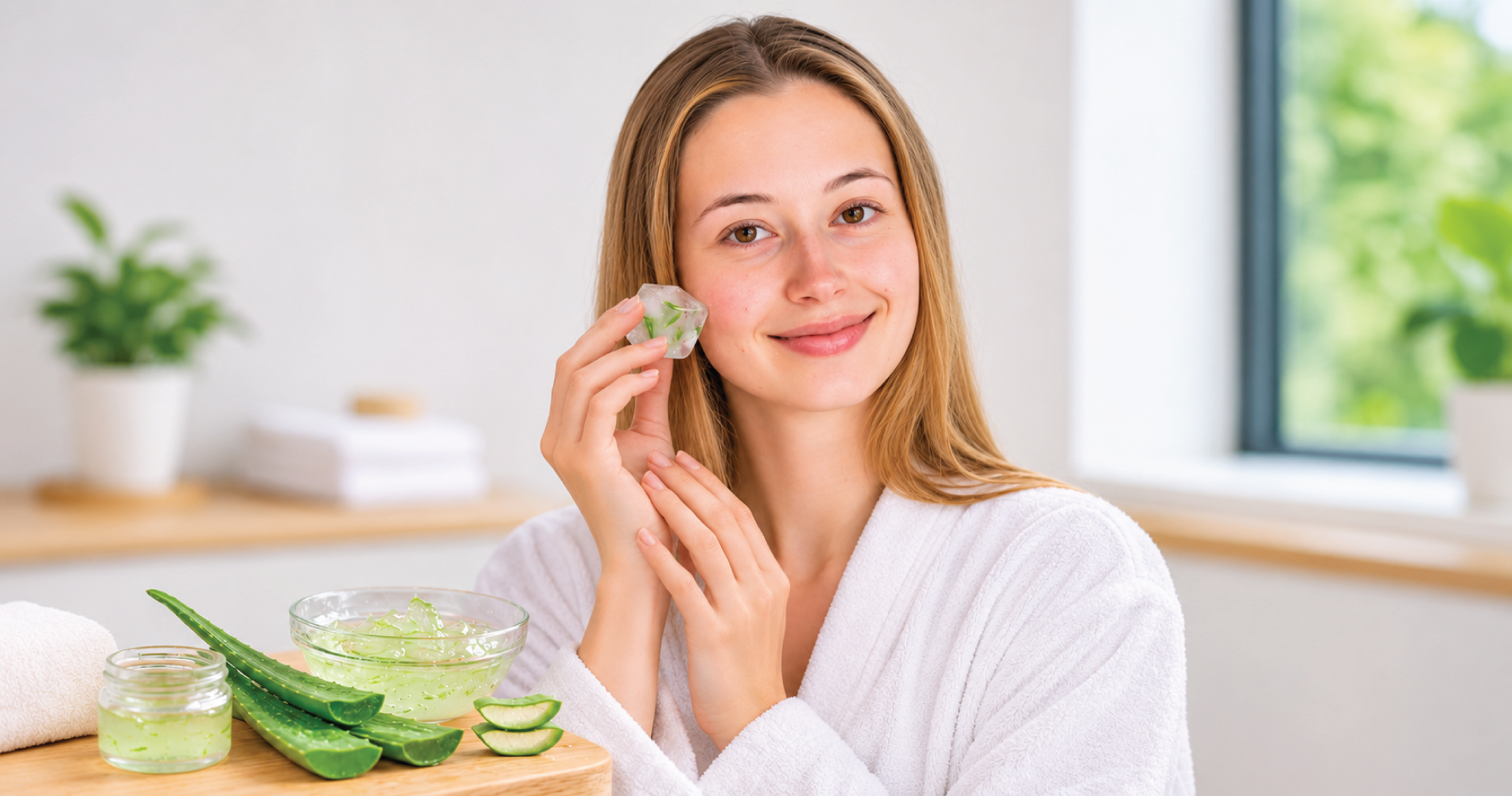
One reason aloe vera is so popular is that it is available in lightweight gels and different cosmetic formulations. But that does not mean every skin type will respond to it in the same way. Let’s look at how it may fit into different skincare routines.
Aloe vera for dry skin
If your skin frequently feels rough, tight, or flaky, aloe vera may provide a lightweight layer of hydration. However, dry skin often needs more than water-based hydration. It also benefits from ingredients that help soften the skin and reduce moisture loss.
This is why aloe vera gel may work better when followed by a moisturizer containing ingredients such as ceramides, glycerin, or other emollients. Think of aloe vera as one possible hydration step, not necessarily the entire moisturizing routine.
Aloe vera for oily skin
People with oily skin sometimes avoid moisturizers because they worry about making their skin feel greasy. A lightweight aloe vera gel may feel more comfortable than a heavy cream, depending on its formulation. It can offer a fresh, non-heavy texture while adding some surface hydration. Still, oily skin needs moisturizing too. The goal is to find a product that suits your skin rather than skip moisturizer altogether.
Aloe vera for sensitive skin
Aloe vera is often marketed as a gentle ingredient, which makes it appealing to people with sensitive skin. However, sensitive skin can react to botanical ingredients too. Some people may experience burning, itching, redness, or allergic contact dermatitis after applying aloe vera.
If your skin is easily irritated, check the complete ingredient list and choose a simple, fragrance-free formulation where possible. Always patch test before using a new product on your face.
Aloe vera for combination skin
Combination skin usually has areas that feel oily and others that feel dry. A lightweight aloe vera gel may work as a comfortable hydration step, particularly in areas that do not need a rich cream. However, you may still need a separate moisturizer for drier areas. The key is to adjust your routine according to how different parts of your face behave.
How to use aloe vera gel on the face without overdoing it?
Aloe vera does not need a complicated application technique. If you are introducing it into your skincare routine, consistency and moderation matter more than applying multiple layers. Here is a simple way to use aloe vera gel on your face:
- Cleanse your face: Start with a gentle cleanser to remove dirt, sweat, sunscreen, and excess oil.
- Apply a small amount: Take a thin layer of aloe vera gel and spread it gently over clean skin. Avoid the eyes and areas that are already irritated.
- Allow it to settle: Give the product a little time to absorb before applying the next skincare step.
- Follow with moisturizer: If your skin needs additional hydration, apply a suitable moisturizer to help support the skin barrier.
- Use sunscreen in the morning: Finish your daytime routine with broad-spectrum SPF 30 or higher.
You do not need to apply aloe vera several times a day or combine it with every other skincare ingredient. Start slowly and observe how your skin responds.
Can aloe vera replace your moisturizer?
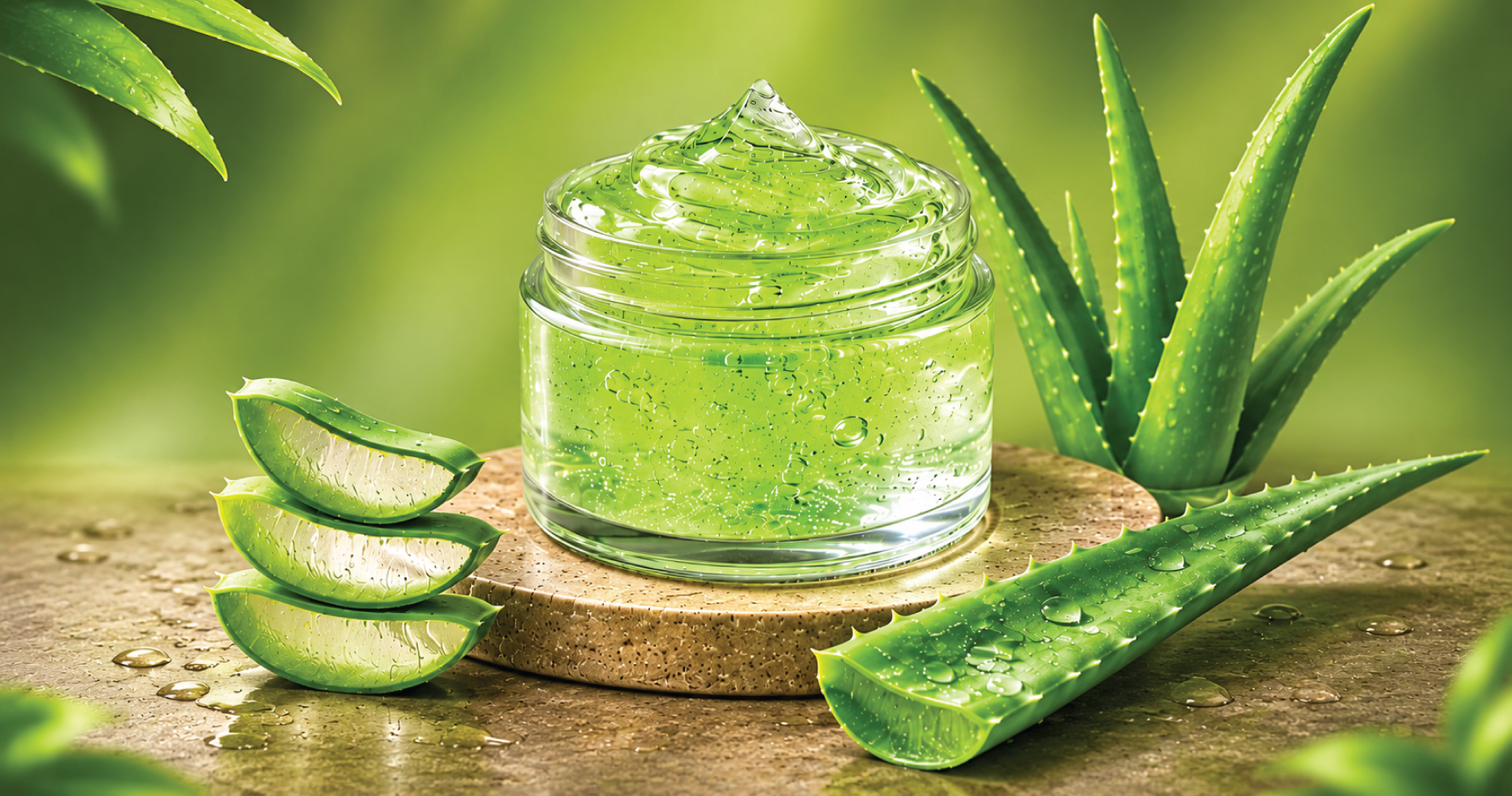
This is one of the most common skincare questions, especially among people who prefer lightweight products. The short answer is not necessarily. Aloe vera gel can contribute to hydration, but moisturizers are formulated to perform several functions. Depending on their ingredients, they may contain humectants that attract water, emollients that soften the skin, and occlusive ingredients that help reduce moisture loss.
Aloe vera-based gels may provide some hydration, but they may not offer enough barrier support for people with dry or compromised skin. If your skin feels comfortable using aloe vera gel alone, you may find it works as a lightweight step. But if your skin becomes tight or flaky shortly after application, you may need a moisturizer on top.
Skincare is not about following a viral routine exactly. It is about understanding what your skin needs.
Fresh aloe vera vs. commercial aloe vera gel: Which one should you choose?
The idea of cutting open a fresh aloe vera leaf and applying the gel directly to your face may sound appealing. After all, it feels like the most natural way to use the plant. But fresh does not always mean safer or better. Fresh aloe vera leaves contain clear inner gel as well as yellow latex near the outer rind. If the leaf is not prepared properly, some of the latex may contaminate the gel. The composition and cleanliness of homemade preparations can also vary.
Commercial aloe vera gels are usually processed and formulated for cosmetic use. However, their quality depends on the ingredients, manufacturing process, preservation system, and overall formulation. When choosing a commercial product, look for:
- A clearly listed ingredient label.
- A formulation suited to your skin type.
- Minimal fragrance if your skin is sensitive.
- Proper packaging and a valid expiry date.
- A product from a reliable manufacturer.
Also, do not assume that a product containing aloe vera is automatically gentle. Fragrance, preservatives, colorants, and other ingredients may affect how your skin responds.
Aloe vera skincare myths: What should you stop believing?
Aloe vera has plenty of potential, but skincare marketing and social media can sometimes stretch ingredient benefits beyond what research supports. Let’s clear up a few common misconceptions.
Myth 1: Aloe vera removes pigmentation and dark spots
Aloe vera contains plant compounds that have been investigated for different biological activities. However, there is not enough strong clinical evidence to establish ordinary aloe vera gel as a reliable treatment for pigmentation or dark spots. Sun protection and appropriate dermatological treatments are more dependable approaches.
Myth 2: Aloe vera can cure acne
Aloe vera may have soothing properties, and limited research has explored its use alongside other acne treatments. But it is not a proven standalone cure for acne.
Myth 3: Natural aloe vera is always safe
Not necessarily. Topical aloe vera is generally well tolerated, but allergic reactions and skin irritation have been reported. Natural ingredients can still cause sensitivity.
Myth 4: Aloe vera can replace sunscreen
Absolutely not. Aloe vera does not provide reliable, tested protection against UVA and UVB radiation. You still need a suitable sunscreen during the day.
Myth 5: More aloe vera means better results
Applying thicker layers or using aloe vera repeatedly does not guarantee better hydration or healthier skin. Excessive use may also increase the chance of irritation, especially if the formulation does not suit you.
Aloe vera side effects: What should you watch out for?
Although topical aloe vera is generally considered well tolerated, it is not completely free from side effects. According to the NCCIH and DermNet, topical aloe vera may occasionally cause:
- Burning or stinging sensations.
- Itching and redness.
- Skin rashes.
- Allergic contact dermatitis.
- Eczema-like reactions in some individuals.
Before using aloe vera gel on your face, apply a small amount to a discreet area of skin and observe how it responds. If you experience irritation, wash the product off and stop using it. If you develop persistent redness, swelling, or a worsening rash, seek medical advice.
It is also important to distinguish topical skincare products from aloe vera supplements or drinks. Products made from different parts of the aloe leaf can have different safety considerations. Do not assume that an ingredient suitable for topical use is automatically safe to consume.
Conclusion: Is aloe vera really worth the hype?
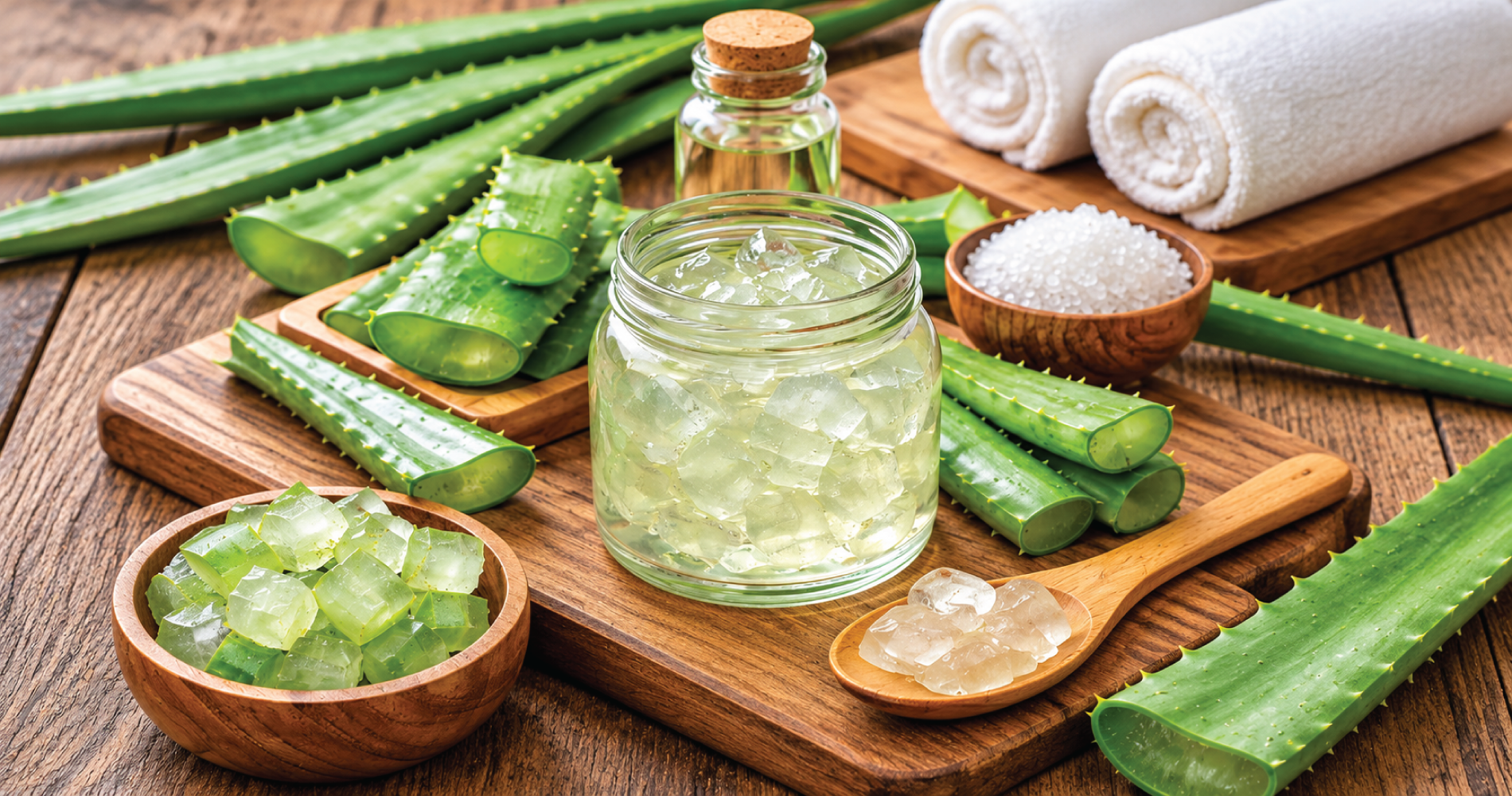
After exploring the research, I think aloe vera deserves its place in the skincare conversation, but perhaps not for every reason the internet gives us. It is a versatile botanical ingredient with a long history of use. Its water-rich composition and polysaccharides make it interesting for hydration-focused skincare, while early research suggests potential soothing and other skin-related properties.
But it is not a miracle ingredient. It cannot replace sunscreen, cure acne, erase pigmentation overnight, or guarantee a flawless complexion. And honestly, that is okay.
We do not need every skincare ingredient to do everything. Sometimes, an ingredient can be useful simply because it supports one part of a routine. Aloe vera may be a refreshing hydration step for some people, while others may need a richer moisturizer or a different product altogether.
The real glow-up is understanding your skin, choosing products that suit its needs, and knowing when a viral ingredient is worth trying and when it is just another internet trend.
So, is aloe vera worth the hype? Yes, as a supportive skincare ingredient with realistic expectations. No, as an all-in-one solution for every skin concern.
Disclaimer
This article is intended for general educational purposes and should not be considered medical advice. Individual skin responses to skincare ingredients may vary. Always patch test new products before use. If you experience persistent irritation, acne, or other skin concerns, consult a qualified dermatologist.
FAQs
1. What are the main benefits of aloe vera for the skin?
Aloe vera may help improve skin hydration and make it feel refreshed and soothed. The potential antioxidant and anti-inflammatory properties of the natural compounds it contains are also being studied.
2. Can I apply aloe vera gel on my face every day?
Many people tolerate topical aloe vera well, but daily use depends on the product formulation and an individual’s skin response. Follow the manufacturer’s instructions and do a patch test first.
3. Is aloe vera good for oily skin?
Light aloe vera gel formulations may feel soothing on oily skin. However, this depends on their overall composition and the individual needs of the skin.
4. Can aloe vera replace a moisturizer?
Not necessarily. Aloe vera can provide hydration, but it may not contain enough emollient and occlusive ingredients to effectively prevent moisture loss.
5. Can aloe vera protect the skin from sun damage?
No. Aloe vera is not sunscreen and cannot replace a broad-spectrum sunscreen with SPF 30 or higher.

Content Writer with 3+ years of experience turning ideas into words people want to read, share, and remember. I create research-backed social media and lifestyle content that blends storytelling, creativity, and audience insights to make every piece feel fresh, relatable, and engaging.