Abstract
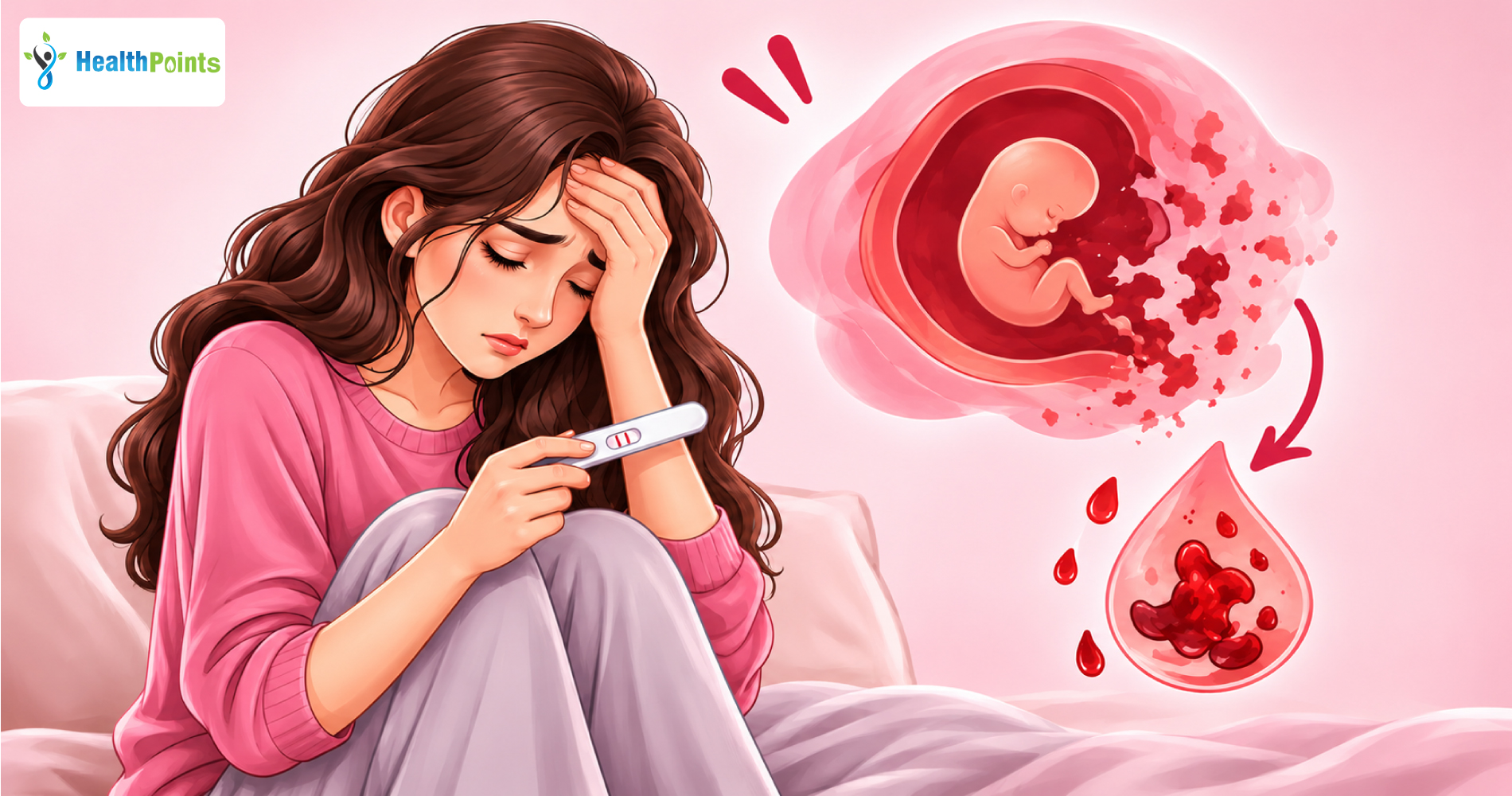
What happens when a pregnancy suddenly stops progressing, even though everything appears normal? One moment, a person is making plans for their future, and the next, they are faced with the unexpected loss of a pregnancy.
In medical language, this is called a miscarriage. It happens when a pregnancy ends on its own before the 20th week of gestation. Although miscarriage is relatively common, there are often misunderstandings about its causes. Many people blame everyday activities, physical activity, stress, or their diet, while in reality most early miscarriages are caused by problems in the developing embryo.
From chromosomal abnormalities and hormonal problems to uterine complications, many biological factors can contribute to pregnancy loss.
But what actually happens inside the body? Can jumping in early pregnancy cause a miscarriage? And is there any medicine available to prevent miscarriage? Let’s understand the science behind miscarriage, learn its symptoms, and separate medical facts from common misconceptions.
Introduction: Why does a pregnancy suddenly end?
Imagine that you find out you are pregnant. You start making plans for the future, and suddenly you begin to experience bleeding or abdominal cramps. Naturally, many questions start coming to mind. Is something going wrong? Is this normal? Could this have happened because of something you did?
Pregnancy loss can be quite difficult physically and emotionally, especially when the cause is not immediately clear.
According to the American College of Obstetricians and Gynecologists (ACOG), early pregnancy loss occurs in about 10% of clinically recognized pregnancies. Most early miscarriages happen because the embryo does not develop normally, and a major cause of this is chromosomal abnormalities.
But there is an important point to understand here: most miscarriages are not caused by anything the pregnant person did or by any mistake on their part. Understanding the meaning of miscarriage, its biological causes, and its warning signs can replace unnecessary guilt and fear with the right medical information.
What is miscarriage? Understanding pregnancy loss
So, what does miscarriage mean in pregnancy? Miscarriage is the spontaneous ending of a pregnancy before the 20th week. However, its exact medical definition and time frame can vary according to different countries and health guidelines.
Most miscarriages happen in the first trimester, especially in the early weeks of pregnancy. Pregnancy loss can happen in different ways:
- Early miscarriage: a miscarriage that occurs during the first trimester of pregnancy.
- Late miscarriage: a miscarriage that occurs in the second trimester, usually before the 20th week.
- Missed miscarriage: in this, the fetus stops developing, but the body does not immediately expel the pregnancy-related tissue.
- Recurrent pregnancy loss: according to ACOG’s definition, the loss of pregnancy two or more times, although some guidelines include three consecutive miscarriages under this.
It is also important to understand that abortion and ectopic pregnancy are different conditions. In an ectopic pregnancy, the fertilized egg implants outside the uterus.
What causes a miscarriage? Understanding the biological reasons
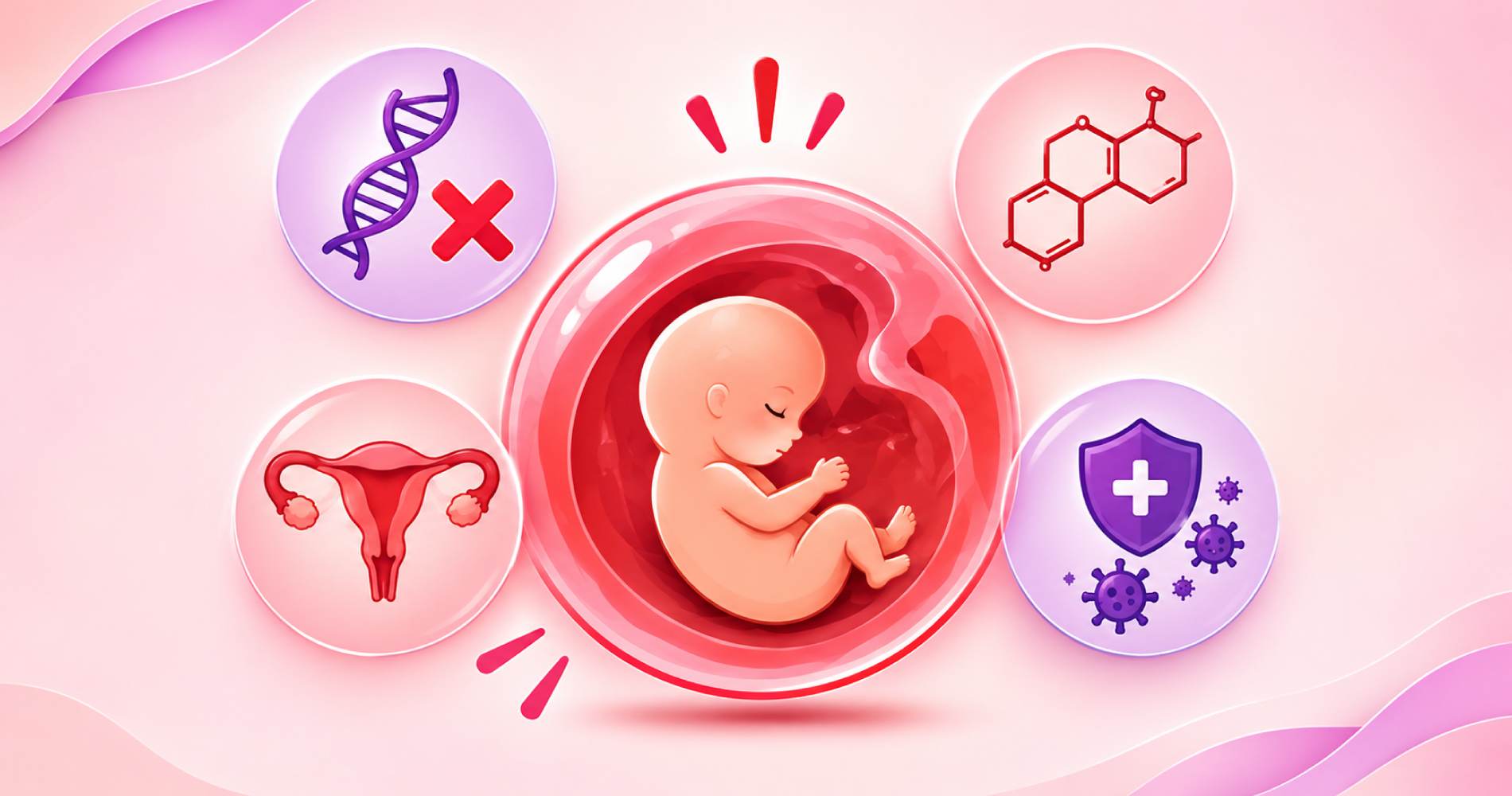
Now let’s talk about its most important aspect. Miscarriage is not always caused by a single identified problem. Sometimes the pregnancy simply cannot develop normally. Let’s understand its main causes.
Chromosomal abnormalities (Chromosomal Abnormalities)
This is one of the most common causes of early miscarriage. Chromosomes contain genetic information that controls the development of the fetus. Normally, the fetus receives 23 chromosomes from the egg and 23 from the sperm.
However, due to mistakes during fertilization or early cell division, the number of chromosomes may be lower or higher. In such a situation, the fetus does not develop properly, and the pregnancy may eventually end.
These abnormalities usually occur suddenly and by chance. This does not mean that either parent has a genetic disease.
Hormonal Imbalances
Hormones play an important role in maintaining pregnancy. For example, progesterone helps maintain the lining of the uterus and support early pregnancy.
Some hormonal and metabolic problems, including uncontrolled thyroid disease and diabetes, can increase the risk of miscarriage. However, having a hormonal problem does not mean that miscarriage is certain. Proper testing and treatment can make a significant difference.
Uterine and Cervical Problems
The uterus is the place where pregnancy develops. Some abnormalities related to its structure can interfere with embryo implantation or development. These include:
- Septate uterus, in which a wall of tissue partially divides the uterine cavity.
- Certain types of uterine fibroids or polyps.
- Scars or tissue that form inside the uterus.
- Cervical insufficiency, in which the cervix begins to open too early during pregnancy.
However, not every abnormality of the uterus causes miscarriage. The location of the problem and its severity are important.
Placental Development Problems
The placenta delivers oxygen and nutrients to the developing fetus in the womb. If the placenta’s development or function is affected, the progress of the pregnancy may also be affected.
Some complications related to the placenta can cause pregnancy loss, especially in the later stages of pregnancy.
Infections and Other Medical Conditions
Some serious infections can increase the risk of pregnancy-related complications. Some autoimmune and blood-clotting problems, especially antiphospholipid syndrome (APS), have been linked to recurrent miscarriages.
In addition, poorly controlled long-term illnesses can also affect a healthy pregnancy.
Most importantly, it is not necessary that a definite cause for every miscarriage be found even after examination.
Can jumping cause miscarriage in early pregnancy?
Let’s understand one of the most common misconceptions related to pregnancy. Can jumping in early pregnancy cause a miscarriage? The direct answer is no, this does not happen under normal circumstances.
In an uncomplicated pregnancy, everyday physical activities such as walking, doing regular exercise, climbing stairs, and moving the body normally are not considered causes of miscarriage.
According to ACOG, in almost all normal circumstances, exercising, working, having sexual relations, everyday stress, or arguing does not cause miscarriage. However, medical evaluation is necessary after a serious physical injury, an accident, or certain dangerous activities. It is important to understand this difference: normal physical activities do not cause the fetus to stop developing because of chromosomal abnormalities.
Therefore, a person should not blame themselves for a miscarriage just for jumping, exercising, or doing everyday activities.
What are the symptoms of miscarriage in early pregnancy?
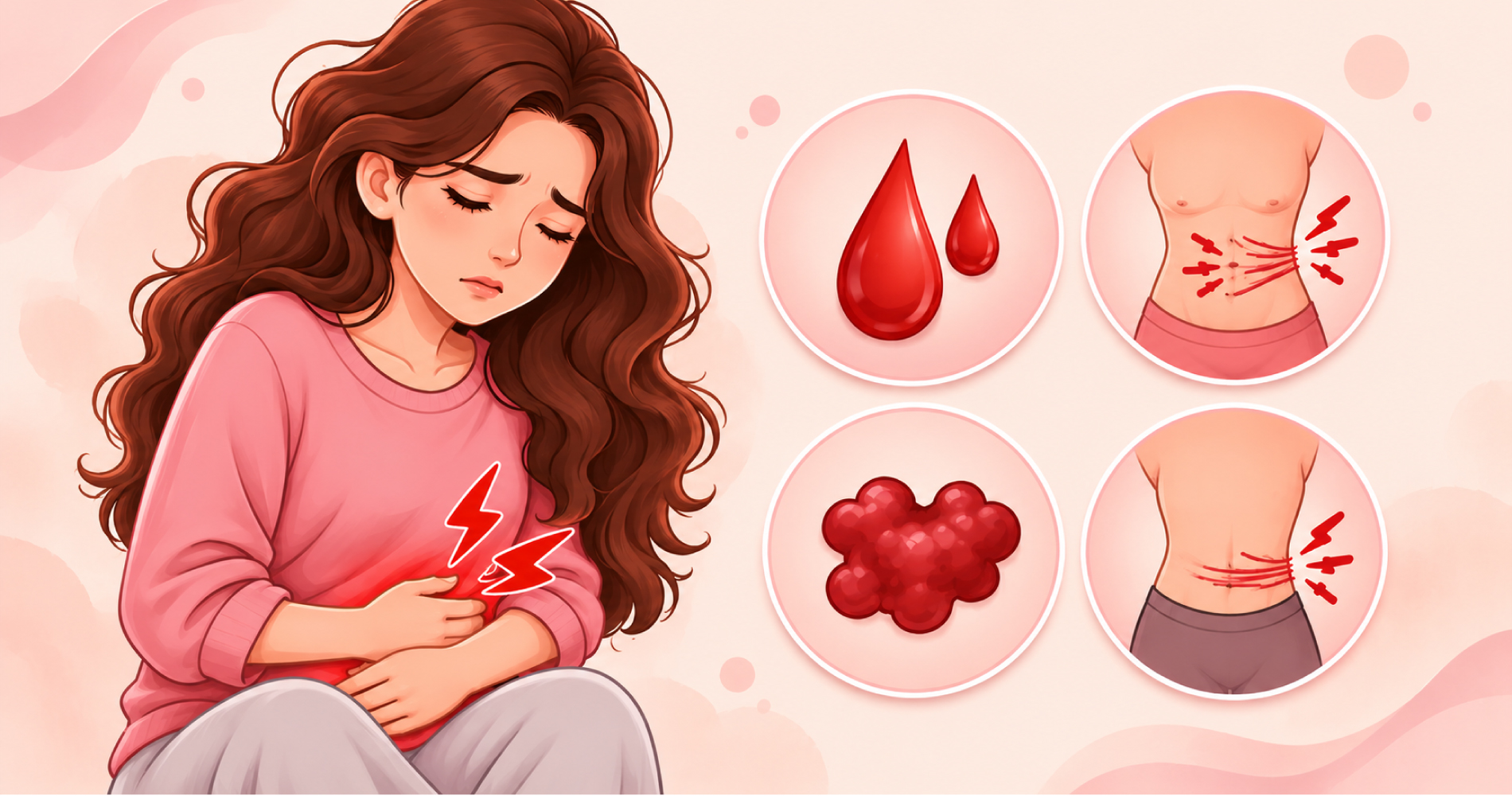
Not every miscarriage has the same symptoms. Some people clearly feel physical changes, while some do not show any symptoms at all. Let’s understand some of its common warning signs.
Vaginal Bleeding
Bleeding is one of the most recognizable symptoms of miscarriage. It may appear as light spotting, brown discharge, or heavier bleeding. However, bleeding in early pregnancy does not always mean miscarriage.
Abdominal Cramps
Some people feel cramps in the lower abdomen or pelvic area. This pain can be like menstrual pain and may sometimes increase as pregnancy-related tissue passes out.
Lower Back Pain
Persistent pain in the lower part of the back, especially when accompanied by bleeding or abdominal cramps, may require medical evaluation.
Passing Blood Clots or Tissue
In some cases of miscarriage, blood clots and pregnancy-related tissue pass out through the vagina.
Sudden Changes in Pregnancy Symptoms
Nausea, breast tenderness, or other pregnancy symptoms may decrease. However, pregnancy symptoms naturally fluctuate. Therefore, miscarriage cannot be confirmed only by the disappearance of these symptoms.
Important: In early pregnancy, symptoms of miscarriage may include bleeding, cramps, and passing tissue, but a medical examination is necessary to know the correct condition.
Seek immediate medical help if you have heavy bleeding, severe abdominal pain, pain in the upper part of the shoulder, fainting, dizziness, or fever. These may be signs of serious complications, including ectopic pregnancy.
How does a miscarriage happen inside the body?
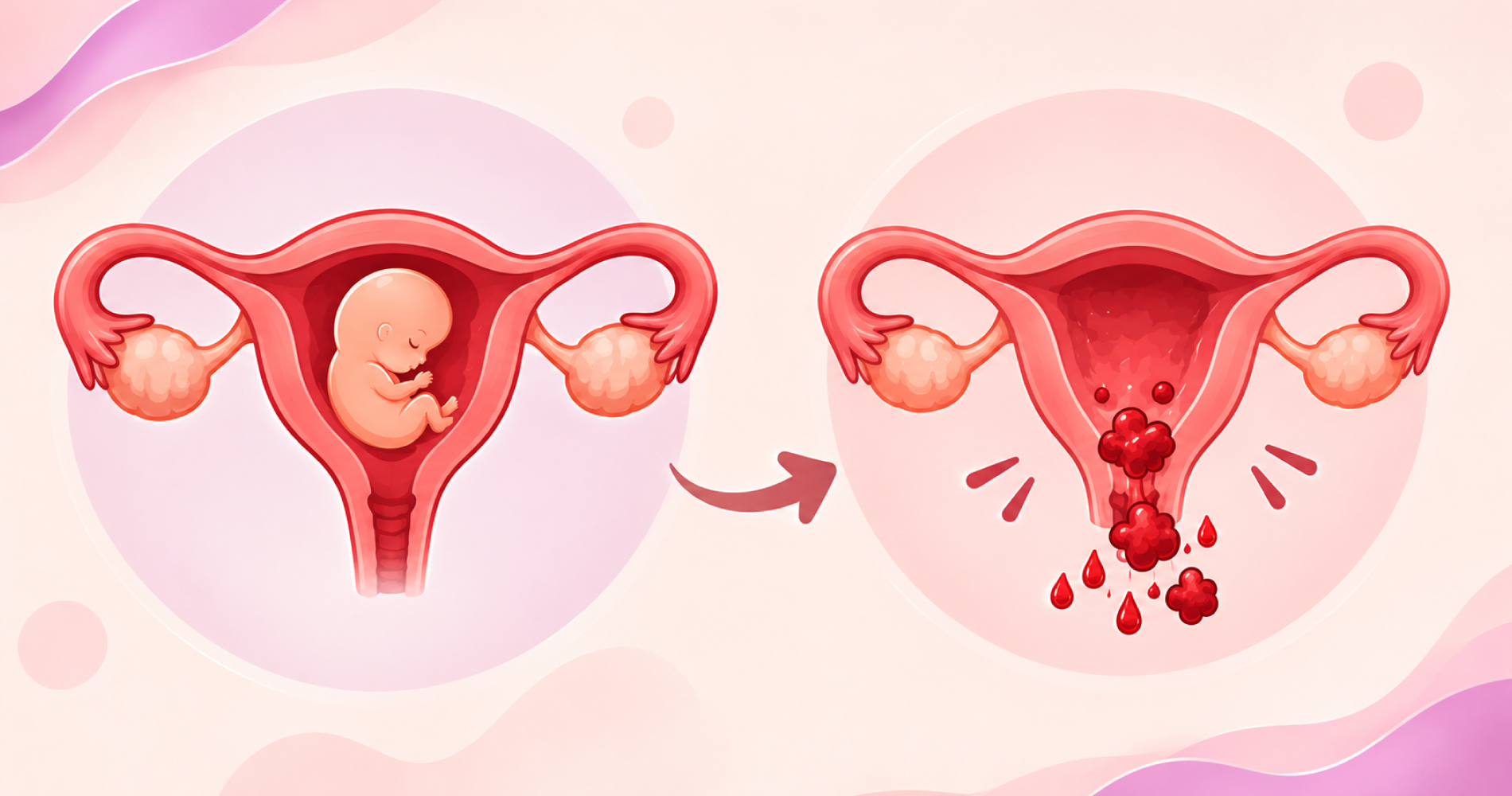
Have you ever wondered what actually happens inside the body after the embryo stops developing? This process involves several biological changes.
Step 1: The embryo stops developing
The embryo may stop developing because of chromosomal abnormalities or other complications affecting the pregnancy.
Step 2: Pregnancy hormones begin to change
The levels of pregnancy-maintaining hormones such as human chorionic gonadotropin (hCG) and progesterone may begin to decrease.
Step 3: Uterine contractions begin
The uterus starts to contract to help expel the tissues associated with the pregnancy.
Step 4: The cervix may open
The cervix may gradually open, allowing blood, clots, and pregnancy-related tissue to pass out through the vagina.
Step 5: The pregnancy-related tissue is expelled
Depending on the type of miscarriage, the body may expel all or some of the pregnancy-related tissue.
In a missed miscarriage, this process does not begin immediately even though the embryo’s development has stopped. That is why medical monitoring and proper treatment are sometimes necessary.
Recurrent pregnancy loss: Why do some people experience multiple miscarriages?
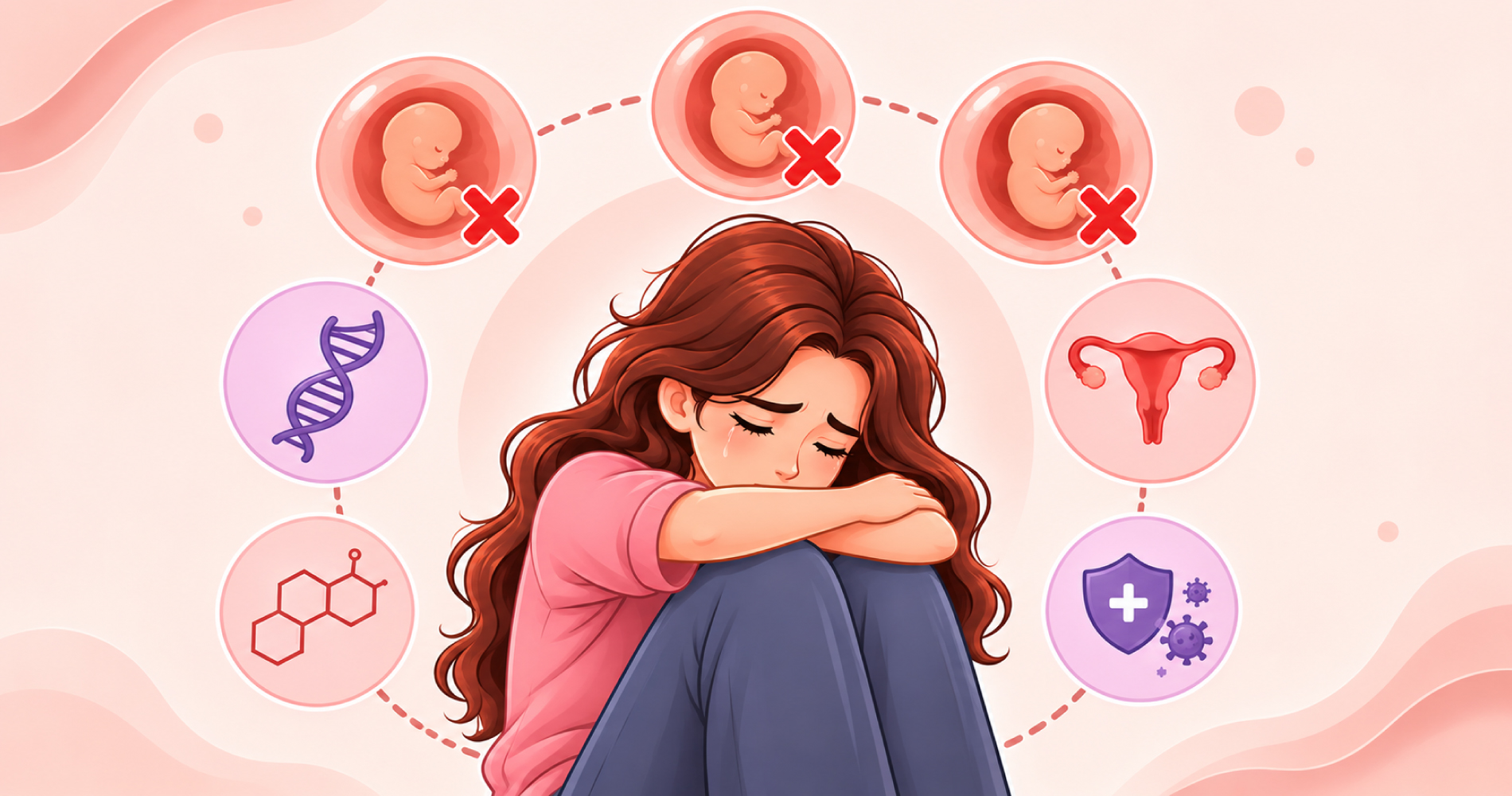
Having one miscarriage does not mean that the same thing will happen in the future. However, when pregnancy loss happens repeatedly, doctors can investigate the possible causes behind it.
This is called recurrent pregnancy loss or repeated pregnancy loss. Possible causes of repeated miscarriages include:
- Genetic factors: Chromosomal rearrangements in either parent may affect embryo development.
- Uterine abnormalities: Structural problems or scarring may interfere with pregnancy.
- Antiphospholipid syndrome: This autoimmune condition affects blood clotting and can contribute to pregnancy complications.
- Uncontrolled thyroid disease: Certain untreated thyroid problems may increase pregnancy loss risk.
- Uncontrolled diabetes: Poor blood sugar management can negatively affect pregnancy outcomes.
Sometimes, investigations cannot identify a definite explanation. But here’s some reassurance: many people who experience recurrent pregnancy loss eventually have successful pregnancies with appropriate medical care.
Is there medicine for pregnancy to avoid miscarriage?
This is one of the most searched questions related to pregnancy. Many people look for medicines in the hope of preventing miscarriage that can keep the pregnancy safe.
However, there is no single medicine that can prevent every kind of miscarriage. Treatment depends on its underlying cause and the person’s medical condition.
Progesterone (Progesterone)
Progesterone supports the inner lining of the uterus and helps maintain an early pregnancy. In some special circumstances, if a person is bleeding in early pregnancy, has had a previous miscarriage, and an ultrasound has confirmed a pregnancy inside the uterus, doctors may recommend progesterone given through the vagina.
This is not a definite solution, and it should be used only after medical examination.
Treatment of pre-existing health problems
Doctors may recommend appropriate treatment for conditions such as thyroid problems, diabetes, or antiphospholipid syndrome. Controlling these problems may improve pregnancy outcomes.
Medical Monitoring
With ultrasound scans, blood tests, and regular prenatal checkups, doctors can monitor the progress of the pregnancy.
It is important to understand that not every miscarriage can be prevented or reversed with medication, especially when fetal development has stopped due to a chromosomal abnormality. Never take hormonal medications or other pregnancy-related medications without consulting a qualified gynecologist.
Can miscarriages be prevented?
Unfortunately, it is not possible to prevent every miscarriage. Many cases of early miscarriage are caused by spontaneous chromosomal abnormalities that cannot be controlled through lifestyle changes. However, some steps can support a healthy pregnancy:
- Attend regular prenatal checkups.
- Keep pre-existing health conditions under control.
- Avoid smoking, alcohol, and recreational drugs.
- Take folic acid as advised by your doctor.
- Discuss the safety of medications during pregnancy with your doctor.
- Eat a balanced diet and follow appropriate exercise guidance.
These measures help improve overall pregnancy health but do not guarantee that a miscarriage will not occur.
Conclusion: Understanding pregnancy loss without blame
Miscarriage is a complex biological process that may involve a number of genetic, hormonal, structural, and medical factors. Although chromosomal abnormalities account for a large proportion of early miscarriages, other health problems may also contribute.
Understanding the symptoms of miscarriage, recognizing warning signs, and seeking medical care promptly can help ensure appropriate care. But perhaps the most important thing is this: having a miscarriage does not mean that the pregnant person did anything wrong.
Every pregnancy develops differently, and sometimes, even when everything appears normal, fetal development stops for reasons beyond anyone’s control. Understanding the science behind pregnancy loss is the first step toward replacing fear, confusion, and unnecessary guilt with awareness and compassion.
Disclaimer
This article is for general educational and informational purposes only. It is not a substitute for professional medical advice, diagnosis, or treatment. If you experience bleeding, abdominal pain, or other possible signs of miscarriage during pregnancy, consult a qualified healthcare professional. Do not start or stop any pregnancy-related medication without medical guidance.
FAQs
1. What is the most common cause of miscarriage?
Chromosomal abnormalities are among the most common causes of early miscarriage. They can prevent an embryo from developing normally and usually occur randomly.
2. Can jumping cause miscarriage in early pregnancy?
Normal jumping and everyday physical activities are not generally considered causes of miscarriage in an uncomplicated pregnancy. Serious injuries or accidents should be medically evaluated.
3. What are the symptoms of miscarriage in early pregnancy?
Common symptoms include vaginal bleeding, abdominal cramps, lower back pain, and passing blood clots or pregnancy tissue. Some miscarriages have no noticeable symptoms.
4. Can stress cause a miscarriage?
Everyday stress, arguments, and ordinary emotional distress are not established causes of miscarriage. Severe or chronic stress may affect overall health, but it should not automatically be blamed for pregnancy loss.
5. What causes recurrent pregnancy loss?
Possible causes include chromosomal abnormalities, uterine abnormalities, antiphospholipid syndrome, and certain hormonal or metabolic conditions. Sometimes, no definite cause is identified.
6. Is there medicine to prevent miscarriage?
There is no medicine that prevents every miscarriage. Progesterone may be recommended in specific circumstances, particularly when early pregnancy bleeding occurs alongside a history of previous miscarriage. Treatment requires medical supervision.
7. Can someone have a healthy pregnancy after a miscarriage?
Yes. Most people who experience a single miscarriage go on to have a successful pregnancy in the future. Even after recurrent pregnancy loss, many people eventually have healthy pregnancies.

Content Writer with 3+ years of experience turning ideas into words people want to read, share, and remember. I create research-backed social media and lifestyle content that blends storytelling, creativity, and audience insights to make every piece feel fresh, relatable, and engaging.