

Abstract
What if the hardest part of a miscarriage isn’t just losing the pregnancy but trying to live with those memories long after it’s over? Imagine coming home from the hospital, trying to return to your daily life and watching the whole world move on, while your mind is still stuck in that same painful moment.
A miscarriage isn’t always just a physical experience. For some women, losing a pregnancy can leave behind emotional distress, anxiety, depression, and even symptoms of post-traumatic stress disorder (PTSD).
While people often talk about the physical aspects of miscarriage, its psychological effects receive far less attention. Fearing the loss of a pregnancy, facing a medical emergency, going through sudden complications, or enduring the loss without emotional support can be an extremely painful experience for anyone.
But can a miscarriage really cause PTSD? What are the 17 symptoms of PTSD? How can someone tell the difference between normal grief and psychological trauma? And most importantly, what does the process of emotional healing look like after losing a pregnancy?
Let’s understand the science behind the psychological trauma associated with miscarriage, learn about its psychological effects, and explore how someone can gradually cope without pressuring themselves to heal quickly.
Introduction: When does pregnancy loss become emotional trauma?
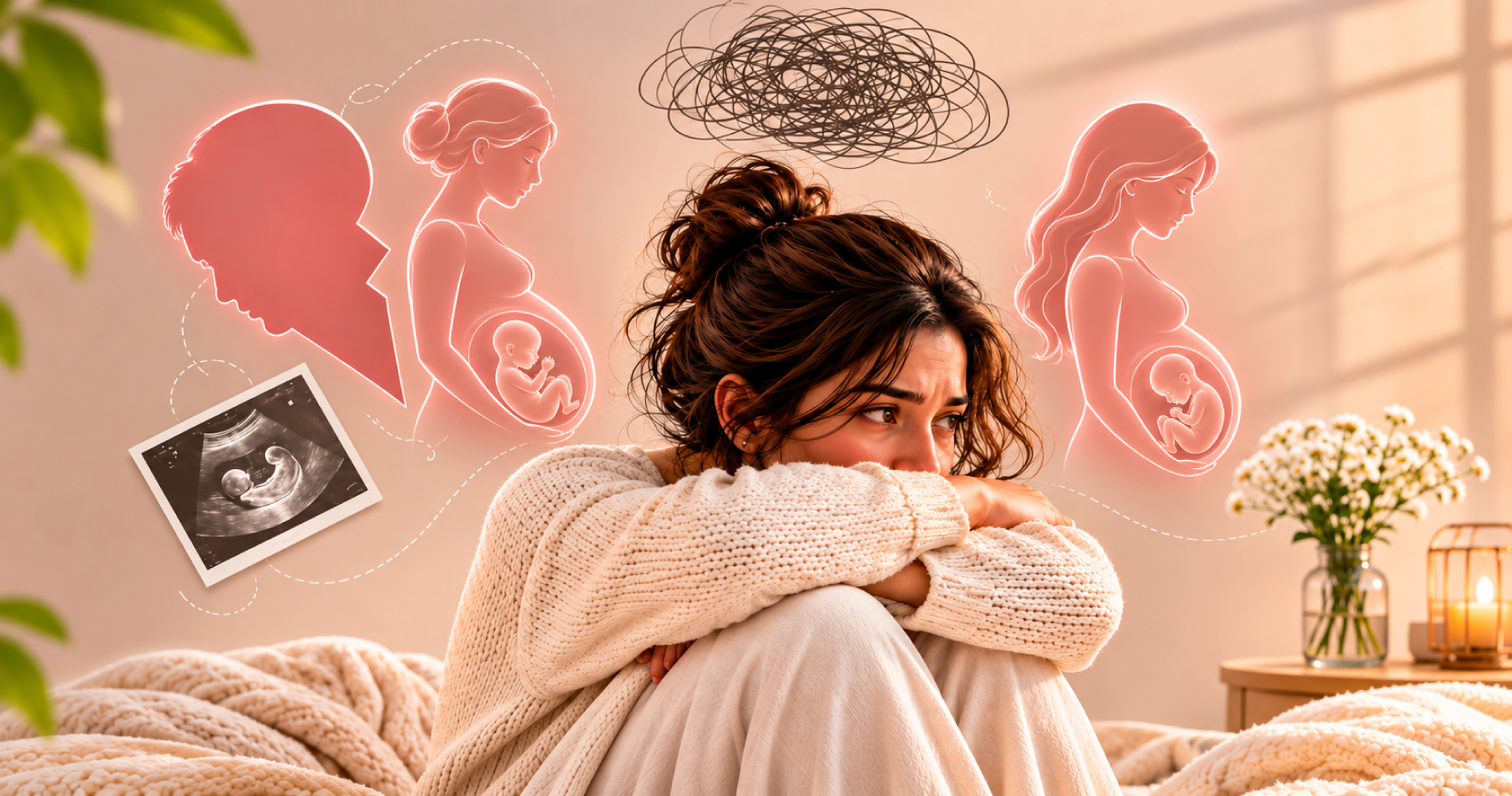
Imagine finding out that you’re pregnant. You start dreaming about your future, thinking of a name for the baby, making plans, and gradually becoming emotionally attached to the idea of becoming a parent. Then suddenly, everything changes.
A trip to the hospital, an ultrasound, a medical emergency, or a sudden pregnancy complication can make an experience that should have been filled with joy emotionally extremely difficult. And one thing people often don’t talk about is that the emotional impact of a miscarriage can continue even after the physical experience is over.
According to the American College of Obstetricians and Gynecologists (ACOG), pregnancy loss can affect emotional health and lead to reactions such as sadness, anxiety, anger, and feeling mentally distressed.
A prospective study published in the American Journal of Obstetrics and Gynecology in 2020 also found significant symptoms of post-traumatic stress in women after early pregnancy loss. This raises an important question: Can someone develop PTSD after a miscarriage? The answer is yes. Although not everyone develops PTSD, pregnancy loss can sometimes cause psychological trauma that affects everyday life, relationships, sleep, and future pregnancies.
What is PTSD after miscarriage?
First, let’s understand what PTSD actually means. Post-traumatic stress disorder (PTSD) is a mental health condition that may develop after experiencing or witnessing a frightening or psychologically extremely distressing event. These include events involving actual or threatened death, serious injury, or sexual violence.
In the context of pregnancy loss, PTSD may develop when the experience involves extreme fear, a medical emergency, serious complications, or other circumstances that meet its clinical criteria. Usually, our brain processes experiences and stores them as everyday memories. But after a traumatic experience, some memories can continue to trigger intense emotional and physical reactions.
For example, someone who has experienced severe bleeding, emergency surgery, or a frightening medical emergency may still have flashbacks, nightmares, or intense anxiety several months after a pregnancy loss. However, it is important to understand that feeling grief, sadness, or anxiety after a pregnancy loss does not, by itself, mean that someone has PTSD.
PTSD involves a specific pattern of trauma-related symptoms that should be assessed by a qualified mental health professional. Pregnancy loss can cause serious emotional distress even without meeting the clinical criteria for PTSD.
Why can miscarriages cause psychological trauma?
Now the big question is, how can a physical event leave such a profound psychological impact?
There is no single, definitive reason behind this. After pregnancy loss, several emotional, psychological, and situational factors can contribute to psychological trauma.
The shock of suddenly losing a pregnancy
A sudden miscarriage can cause deep emotional shock, especially when someone believes their pregnancy is progressing normally.
Suddenly learning that the pregnancy has stopped developing can trigger feelings of fear, confusion, and helplessness.
Emergencies and psychological trauma during medical treatment
Medical complications can make pregnancy loss even more frightening. Emergency procedures, severe pain, excessive bleeding, hospitalization, or sudden medical intervention can become memories that continue to cause distress for a long time.
For some people, the experience of the medical procedure itself becomes a significant part of the psychological trauma.
Emotional Attachment and Unfulfilled Dreams
Pregnancy is often accompanied by many emotional hopes and visions of the future. Therefore, losing a pregnancy may mean not only the end of the pregnancy but also losing the future someone had already begun to imagine.
Guilt and Self-Blame
One of the most difficult emotional reactions after a miscarriage is wondering whether anything could have been done differently. People may blame themselves for exercising, working, feeling stressed, or not recognizing the symptoms in time.
However, most early miscarriages are caused by problems with fetal development or chromosomes, not by everyday activities. Blaming yourself can make the grieving process even more difficult.
Lack of Emotional Support
Insensitive comments, social pressure, and expectations to quickly return to normal can make someone feel alone. Sometimes people avoid talking about a miscarriage because they fear that others will misunderstand or judge them.
This lack of support can make the process of emotional healing even more challenging.
What are the 17 symptoms of PTSD? Understanding PTSD symptoms in women
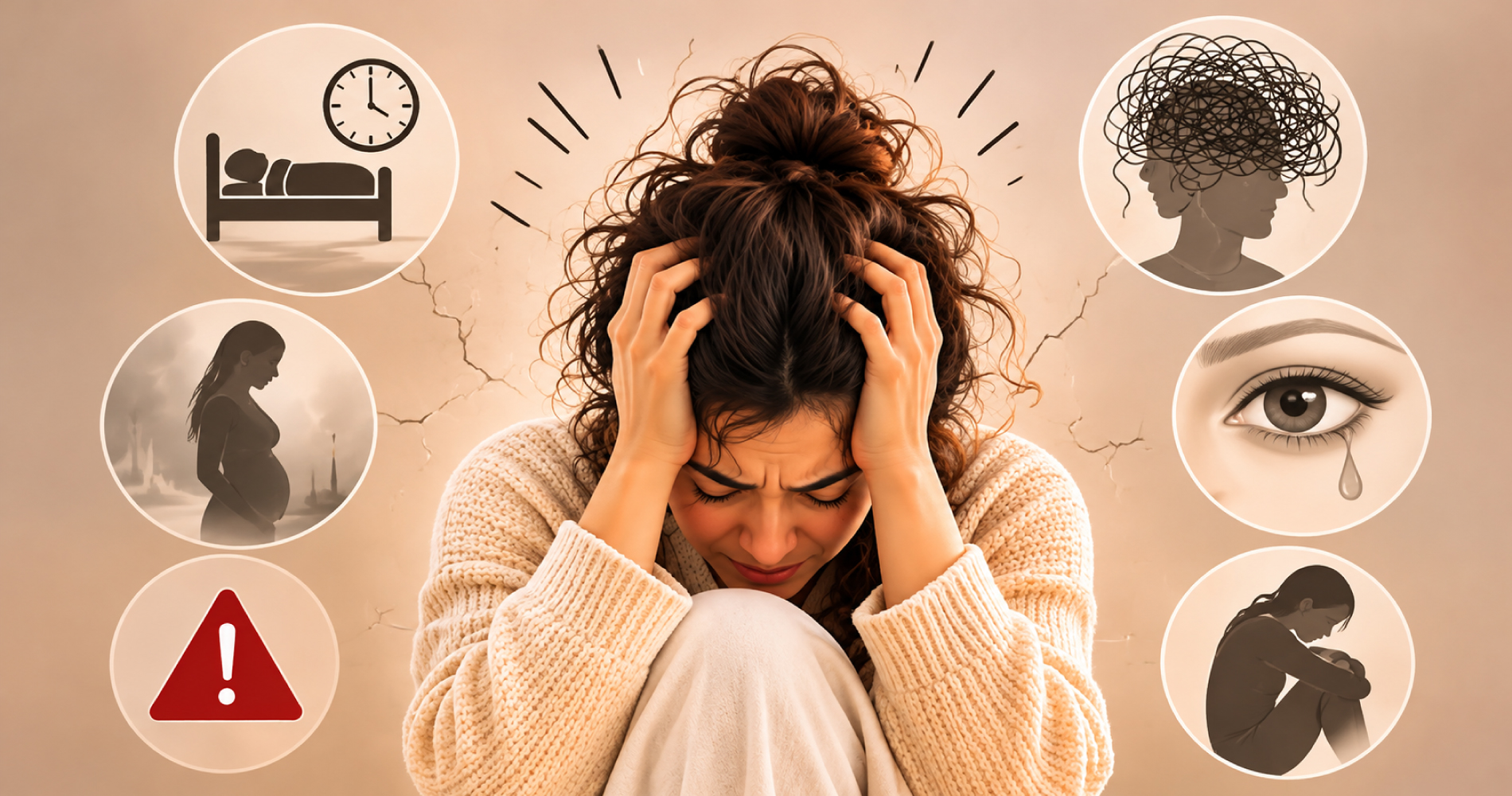
PTSD does not look exactly the same in everyone. Some people experience disturbing memories, while others struggle with avoidance, emotional numbness, or constant anxiety.
So, what are the 17 symptoms of PTSD that people commonly search for?
There is no officially recognized medical checklist containing exactly 17 PTSD symptoms. However, commonly recognized symptoms can be understood through four major categories.
Intrusive Memories
These symptoms involve unwanted memories and repeated reminders of the traumatic experience.
- Flashbacks: Feeling as though the miscarriage or medical emergency is happening again.
- Recurring nightmares: Experiencing disturbing dreams related to pregnancy loss.
- Unwanted memories: Repeatedly remembering hospital visits, medical procedures, or the moment the loss was confirmed.
- Emotional distress: Feeling overwhelmed when something reminds you of the experience.
- Physical reactions: Experiencing sweating, a racing heartbeat, or intense anxiety when confronted with reminders.
Avoidance Symptoms
Avoidance happens when someone tries to stay away from anything that reminds them of the traumatic experience.
- Avoiding pregnancy-related conversations: Finding it difficult to discuss pregnancy or miscarriage.
- Avoiding reminders: Staying away from hospitals, medical appointments, or places associated with the loss.
- Suppressing memories: Trying to avoid thoughts or feelings connected to the experience.
Negative Changes in Mood and Thinking
Trauma can influence how someone thinks about themselves, other people, and the world.
- Persistent guilt: Feeling responsible for the pregnancy loss.
- Emotional numbness: Feeling disconnected from emotions or unable to experience happiness.
- Hopelessness: Developing negative expectations about the future.
- Loss of interest: No longer enjoying activities that once felt meaningful.
- Feeling disconnected: Struggling to connect emotionally with loved ones.
Changes in Arousal and Reactivity
These symptoms involve increased alertness and changes in emotional or physical reactions.
- Sleep disturbances: Finding it difficult to fall asleep or stay asleep.
- Irritability: Experiencing sudden anger or frustration.
- Difficulty concentrating: Struggling to focus on everyday tasks.
- Hypervigilance: Constantly feeling alert, anxious, or expecting something bad to happen.
Not every woman experiences all these symptoms. Some may experience only a few, while others may struggle with several symptoms that interfere with daily functioning. If these experiences persist or cause significant distress, professional assessment is important.
PTSD vs. depression vs. grief: What’s the difference after miscarriage?
Here’s where things can get confusing. Grief, depression, and PTSD may share certain emotional symptoms, but they are not the same condition. Let’s break them down.
Grief After Pregnancy Loss
Grief is a natural emotional response to losing a pregnancy. It may involve sadness, crying, anger, longing, and difficulty accepting what happened.
Some people experience grief in waves. They may feel relatively okay one day and emotionally overwhelmed the next. There is no fixed timeline for grieving.
Depression After Miscarriage
Depression involves persistent emotional and psychological symptoms that affect everyday functioning. These may include:
- Persistent sadness or low mood.
- Loss of interest in activities.
- Feelings of worthlessness or hopelessness.
- Changes in appetite and sleep.
- Difficulty concentrating.
- Reduced energy and motivation.
Depression can develop following pregnancy loss and may occur alongside PTSD.
PTSD After Miscarriage
PTSD is specifically associated with trauma-related symptoms. These include flashbacks, nightmares, avoidance, intrusive memories, and hypervigilance.
For example, someone experiencing grief may feel deeply sad when remembering their pregnancy. Someone with PTSD may experience an intense physical and emotional reaction when hearing a hospital sound that reminds them of the traumatic experience.
The important takeaway: Grief is not automatically depression, and emotional distress does not automatically mean PTSD. These experiences can overlap, but they require different clinical assessments.
How long does PTSD last after a miscarriage?

One of the biggest concerns following pregnancy loss is understanding how long the emotional effects may continue. Unfortunately, there is no universal recovery timeline.
A 2020 prospective study published in the American Journal of Obstetrics and Gynecology examined psychological responses following early pregnancy loss. The researchers found that:
- Around 29% of women met the study’s screening criteria for post-traumatic stress one month after early pregnancy loss.
- Around 18% continued to meet those criteria after nine months.
- Moderate-to-severe depression was reported by 11% after one month and 6% after nine months.
These findings highlight something important: emotional distress may decrease over time, but it does not disappear at the same speed for everyone.
The study assessed symptoms using standardized questionnaires. Meeting screening criteria does not necessarily mean receiving a formal PTSD diagnosis.
Factors that may influence recovery include previous traumatic experiences, existing mental health difficulties, the circumstances surrounding the miscarriage, and the availability of emotional support.
How can miscarriage affect future pregnancies and relationships?
Pregnancy loss can sometimes influence how someone experiences relationships and future pregnancies. For example, someone who has experienced miscarriage may feel anxious when becoming pregnant again.
Even routine ultrasound appointments or minor pregnancy symptoms may trigger fears of another loss. Some people may constantly check for bleeding, worry about fetal development, or struggle to emotionally connect with the new pregnancy.
Relationships can also become complicated. Partners may process pregnancy loss differently. One person may want to talk about the experience, while the other may prefer silence or distraction. This difference does not necessarily mean one person cares less.
Open communication, patience, and professional support can help couples understand each other’s emotional experiences.
How to recover from PTSD after miscarriage?

Now let’s talk about the most important part: healing. Recovering from trauma does not mean forgetting what happened or pretending that everything is fine.
It means gradually learning to process the experience without allowing traumatic memories to control everyday life.
Trauma-Focused Cognitive Behavioural Therapy
Trauma-focused cognitive behavioural therapy (TF-CBT) is an evidence-based approach used to treat trauma-related difficulties.
It helps individuals understand their trauma-related thoughts, process difficult memories, manage emotional reactions, and gradually reduce avoidance.
For example, someone who constantly blames themselves for a miscarriage may learn to recognize and challenge inaccurate feelings of responsibility.
Eye Movement Desensitisation and Reprocessing (EMDR)
EMDR is another recognized treatment for PTSD. It involves recalling aspects of traumatic memories while receiving guided bilateral stimulation, commonly through eye movements.
The aim is to help the brain process distressing memories so they become less emotionally overwhelming.
Grief Counselling
Sometimes, people need a safe space to talk about their loss without being told to move on. Grief counselling can help individuals process sadness, guilt, anger, and emotional confusion.
Support Groups
Connecting with people who have experienced pregnancy loss can reduce feelings of isolation.
Sharing experiences with people who understand the emotional impact may provide comfort and reassurance.
Everyday Emotional Support
Small everyday steps can also support recovery:
- Maintain a manageable daily routine.
- Prioritize sleep and physical well-being.
- Talk to someone you trust.
- Write down difficult emotions instead of suppressing them.
- Set boundaries around triggering conversations.
- Give yourself permission to grieve.
These strategies can complement professional treatment, but they are not substitutes for PTSD care when symptoms are severe or persistent.
When should you seek professional help?
Feeling sad after miscarriage is understandable. However, when emotional distress begins affecting everyday functioning, professional support becomes important. Consider consulting a mental health professional if you experience:
- Persistent flashbacks or nightmares.
- Severe anxiety or panic attacks.
- Difficulty sleeping or concentrating.
- Emotional numbness or persistent hopelessness.
- Avoidance of everyday activities.
- Difficulty maintaining relationships.
- Symptoms that continue or become increasingly distressing.
If you experience thoughts of self-harm or suicide, seek immediate professional or emergency help. You do not have to wait until things become unbearable before asking for support.
How can partners support someone after pregnancy loss?
Sometimes, the most helpful thing a partner can do is simply listen. Pregnancy loss can affect both partners, but their emotional experiences may not be identical. Here are a few ways partners can offer meaningful support:
- Listen without judgement: Allow the person to express their feelings without interrupting or minimizing their experience.
- Avoid insensitive comments: Statements such as “You can always have another baby” may unintentionally dismiss the loss.
- Respect the grieving process: Do not expect someone to recover according to a fixed timeline.
- Offer practical help: Support with daily responsibilities can reduce additional stress.
- Encourage professional care: Help them access counselling or mental health support when needed.
Remember, support does not mean having all the answers. Sometimes, being present is enough.
Conclusion: Healing after miscarriage is not a race
Pregnancy loss can leave behind emotional effects that are not always visible to other people. While some individuals gradually process their grief, others may experience persistent anxiety, depression, or PTSD symptoms that require professional attention.
Understanding the difference between grief and trauma is an important step towards recognizing when someone needs additional support.
And perhaps the most important thing to remember is this: experiencing a miscarriage does not make someone weak, and struggling emotionally afterwards does not mean they are failing to recover. Healing is not about forgetting the loss. It is about finding a way to move forward without having to carry the emotional weight alone.
Disclaimer
This article is intended for general educational and informational purposes only. It is not a substitute for professional medical advice, diagnosis, or treatment. PTSD can only be diagnosed by a qualified mental health professional through an appropriate clinical assessment. If you experience persistent emotional distress after pregnancy loss, consult a qualified healthcare professional.
FAQs
1. Can miscarriage cause PTSD?
Yes. Miscarriage can be a traumatic experience for some people and may lead to PTSD symptoms such as flashbacks, nightmares, avoidance, and hypervigilance. However, not everyone who experiences pregnancy loss develops PTSD.
2. What are the 17 symptoms of PTSD?
There is no official list of exactly 17 PTSD symptoms. Common symptoms include flashbacks, nightmares, intrusive memories, avoidance, guilt, emotional numbness, sleep disturbances, irritability, and hypervigilance.
3. How long does PTSD last after a miscarriage?
There is no fixed timeline. Some people experience improvement over time, while others continue experiencing symptoms for months or longer. Professional treatment can help manage persistent symptoms.
4. Can miscarriage cause depression?
Yes. Pregnancy loss can contribute to depression, anxiety, and other emotional difficulties. Persistent sadness, hopelessness, loss of interest, and changes in sleep or appetite may require professional assessment.
5. What is the difference between grief and PTSD after miscarriage?
Grief is a natural response to pregnancy loss and may involve sadness, anger, and longing. PTSD involves trauma-related symptoms such as flashbacks, nightmares, intrusive memories, and avoidance. Both can occur together.
6. Can someone experience PTSD during a future pregnancy after miscarriage?
Yes. A subsequent pregnancy may trigger anxiety, fear of another loss, and distressing memories. Professional emotional support can help individuals manage these feelings.
7. How can someone recover from miscarriage-related PTSD?
Evidence-based treatments include trauma-focused cognitive behavioural therapy and EMDR. Grief counselling, support groups, and emotional support from loved ones may also help.

Content Writer with 3+ years of experience turning ideas into words people want to read, share, and remember. I create research-backed social media and lifestyle content that blends storytelling, creativity, and audience insights to make every piece feel fresh, relatable, and engaging.