1. Abstract: Why is Sea Buckthorn considered so special?
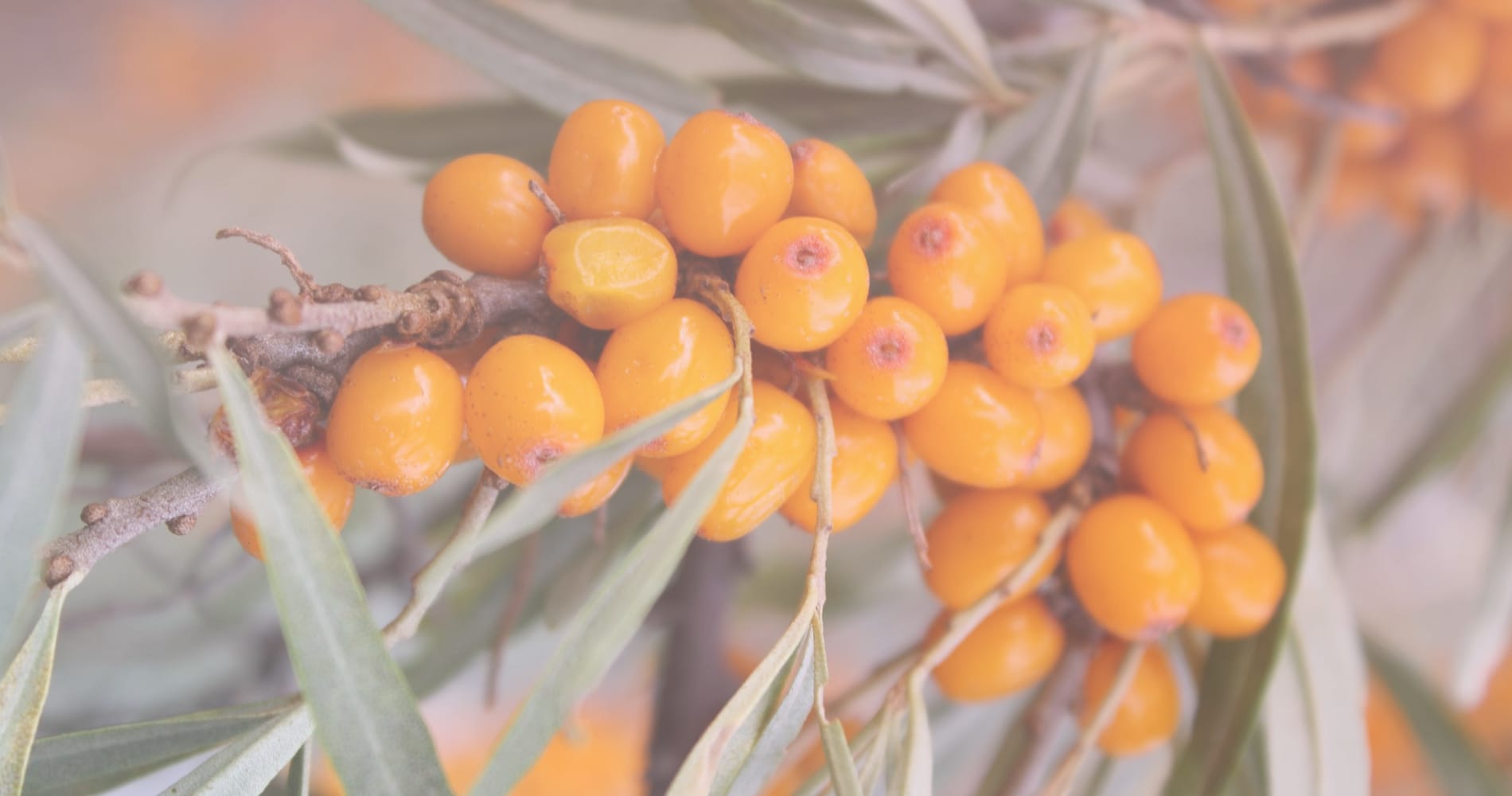
Whenever we talk about nutrients, the first things we usually hear about are fruits rich in nutrients, and among them, names like amla, orange, pomegranate, and other familiar fruits come up first. But in the cold, high-altitude regions of the Himalayas, there is also a plant whose small orange fruits contain many important nutrients. This plant is called Sea Buckthorn.
Sea Buckthorn is primarily recognized for its vitamins, fatty acids, and antioxidant compounds. Its fruits, seeds, and oil contain different nutrients in large quantities. This is why it is increasingly being used today in food products, nutritional products, and cosmetic formulations.
What is surprising is that, according to a scientific review published in 2022, the amount of Vitamin C in Sea Buckthorn fruits was recorded in different samples at approximately 52.86 to 896 mg per 100 grams. This variation depends on the plant variety, growing conditions, and other factors.
2. What is Sea Buckthorn and where is it found?
Sea Buckthorn is a fruit that grows as a deciduous shrub or a small tree. Its scientific name is Hippophae rhamnoides, and it is classified in the Elaeagnaceae plant family.
A distinctive feature of this plant is that it is identified by its slender, somewhat silvery leaves, thorny branches, and bright orange-yellow fruits.
The Sea Buckthorn plant can grow even in difficult natural conditions. Some of its species have been observed growing in cold temperatures, strong winds, and relatively infertile soil.
The nitrogen-fixing microorganisms associated with its roots help improve soil fertility in several ways. For this reason, the importance of this plant is not limited only to nutrition or beauty products. It has also been used in some regions for land conservation and environmental restoration.
Where is Sea Buckthorn found in India?
- In India, Sea Buckthorn is found mainly in the cold regions associated with the Himalayas, especially in Ladakh.
- In addition, its presence has also been recorded in some high-altitude areas of Himachal Pradesh and other Himalayan regions.
- In Ladakh, Sea Buckthorn has been regarded as important in the context of local livelihoods and natural resources. The Government of
- India also mentioned in August 2026 the possibilities of cultivating and conserving high Himalayan medicinal plants such as Sea Buckthorn in Ladakh.
What are Sea Buckthorn fruits like?
What we all need to think about is what kind of fruit Sea Buckthorn actually is, so let us clear up this confusion today as well. Sea Buckthorn fruits are small in size and are usually seen in orange, yellow, or red-orange colors. Their taste is generally sour and astringent. This is due to the organic acids and other natural substances found in the fruits. In addition to being eaten directly, they are used to make juice, pulp, concentrate, jam, and other food products. Before use, they are properly cleaned and processed. Proper storage is also considered necessary to preserve the fruit’s quality, taste, and nutrition.
3. Why is Sea Buckthorn called the Himalayan Superfruit?
The term Himalayan Superfruit is always used for Sea Buckthorn. The reason for this is its presence in Himalayan regions, as well as the various nutrients found in its fruits.
However, Superfruit is not a defined scientific or medical category. It is generally used for fruits that contain many beneficial nutrients or bioactive compounds. Sea Buckthorn contains some important nutrients of both types: water-soluble and fat-soluble.
For example, Vitamin C is a water-soluble vitamin, while Carotenoids and some forms of Vitamin E are fat-soluble compounds. In this way, nutrients of different nature can be found in a single fruit.
But here, it is extremely important to understand one significant difference. We cannot view the fresh fruit of Sea Buckthorn, its dried powder, juice, and oil in the same way from a nutritional perspective. The quantity of nutrients may also vary in products prepared from different parts of the fruit. Therefore, the nutrients mentioned in a single study should not be understood as the fixed quantity in every Sea Buckthorn product.
4. What nutrients are found in Sea Buckthorn?
Reports say that Sea Buckthorn is primarily known for its nutritional composition. Scientific studies have found substances such as vitamins, minerals, fatty acids, carotenoids, polyphenols, and phytosterols in its fruits and oil. Not only that, but the role of all these substances is also linked to different processes in the body.
Key Nutrients Found in Sea Buckthorn
| Nutrient | Primary Role | Important Information |
|---|---|---|
| Vitamin C | Supports collagen synthesis and normal antioxidant functions | Its concentration depends on the variety and processing methods |
| Vitamin E | Helps protect cells from oxidative damage | Different forms of tocopherols may be present |
| Carotenoids | Provide antioxidant activity, and some act as precursors to Vitamin A | Not all carotenoids can be converted into Vitamin A |
| Omega-3 | Belongs to the essential fatty acid family | May be found in Sea Buckthorn seed oil |
| Omega-6 | Supports skin barrier function and normal body processes | Seed oil can be a source of Omega-6 |
| Omega-7 | Known for containing palmitoleic acid | Particularly found in Sea Buckthorn pulp oil |
| Omega-9 | A monounsaturated fatty acid that supports normal cellular functions | The body can also produce Omega-9 |
| Polyphenols | Studied for antioxidant and other biological activities | Laboratory findings do not always translate into clinical benefits |
| Phytosterols | Plant-based sterol compounds with potential biological functions | Their potential health benefits are still being studied |
| Minerals | Support various normal physiological functions | Mineral content varies depending on the source and product |
Presence of Vitamin C:
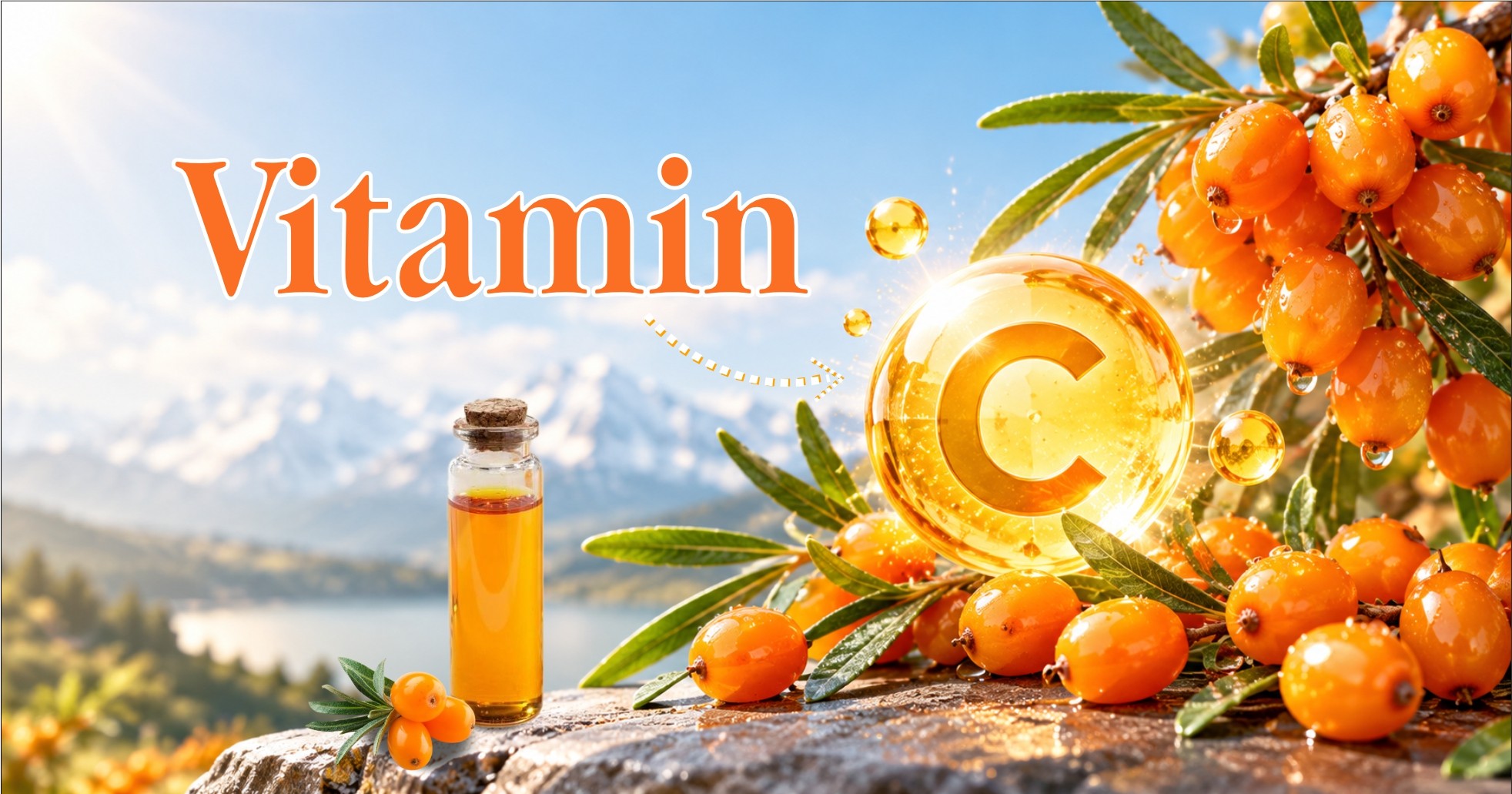
Vitamin C is also considered an important nutrient in Sea Buckthorn. In addition, the human body requires a great deal of Vitamin C for the formation of collagen, normal immune function, and antioxidant processes. Collagen is an important structural protein found in the skin, connective tissues, and many other parts of the body.
Sea Buckthorn fruits may contain a good amount of Vitamin C. However, this amount is not the same in all fruits. The variety of the fruit, the season, the time of harvest, and processing can affect its amount. In particular, changes in Vitamin C are possible due to heat and storage conditions.
Therefore, the exact amount of Vitamin C that can be obtained from a packaged Sea Buckthorn juice can be estimated only through testing of that product or through certified nutritional information.
Vitamin E and Its Importance
- Research has found that Vitamin E primarily acts as a fat-soluble antioxidant.
- It contributes to processes that help protect the body’s cells from normal oxidative damage.
- Sea buckthorn oil may contain tocopherols and other fat-soluble compounds.
- For this reason, sea buckthorn oil is used in many cosmetic formulations.
However, the presence of Vitamin E does not mean that a product will by itself cure wrinkles, scars, or skin diseases. Separate clinical research on the finished product is required to understand such outcomes.
Carotenoids and Orange Color:
The attractive orange color of Sea Buckthorn fruits is mainly associated with carotenoid pigments.
These may include beta-carotene and other carotenoids.
Some carotenoids can serve as a source of vitamin A in the body, while others are mainly associated with different biological activities.
Because of their presence, Sea Buckthorn has been studied for its antioxidant properties.
However, the amount of carotenoids and their absorption in the body also depend on the form in which the fruit is consumed.
Minerals and Other Nutrients:
The presence of minerals such as potassium, calcium, magnesium, and iron has been reported in Sea Buckthorn.
In addition, it also contains organic acids, certain amino acids, and plant compounds.
However, it should not be considered a definite remedy for iron or calcium deficiency.
Any such nutritional deficiency should be addressed according to an individual’s diet, health status, and needs.
5. What is the role of Omega-3, 6, 7, and 9 in sea buckthorn?
In discussions of Sea Buckthorn, omega fatty acids are mentioned most often. It is especially presented as a source of Omega-7. However, it is important to understand that Omega-3, 6, 7, and 9 are four different fatty acid families, and their roles are not exactly the same. In addition, the fatty acid profiles of Sea Buckthorn Seed Oil and Pulp Oil are different.
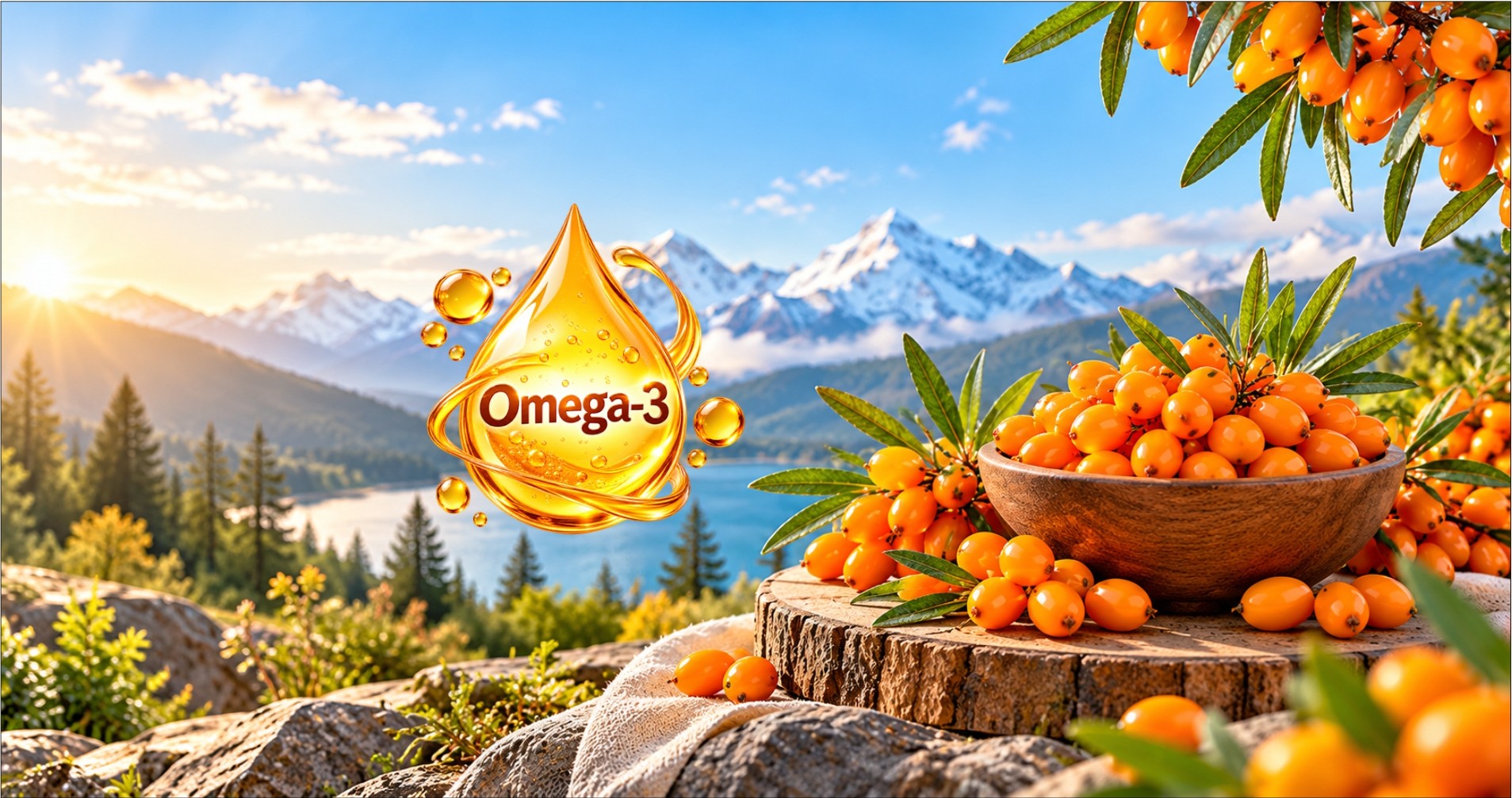
Omega-3: An essential fatty acid for the body
Omega-3 fatty acids are associated with several common bodily processes.
Sea Buckthorn Seed Oil may contain Alpha-Linolenic Acid (ALA), which is a plant-derived form of Omega-3.
ALA is considered an essential fatty acid because the human body cannot produce enough of it on its own.
Therefore, it must be obtained through food.
However, the plant-based Omega-3 found in Sea Buckthorn is not the same as the EPA and DHA found in fish oil.
The body can convert some ALA into EPA and DHA, but this conversion is limited.
Omega-6: Role in the Skin Barrier
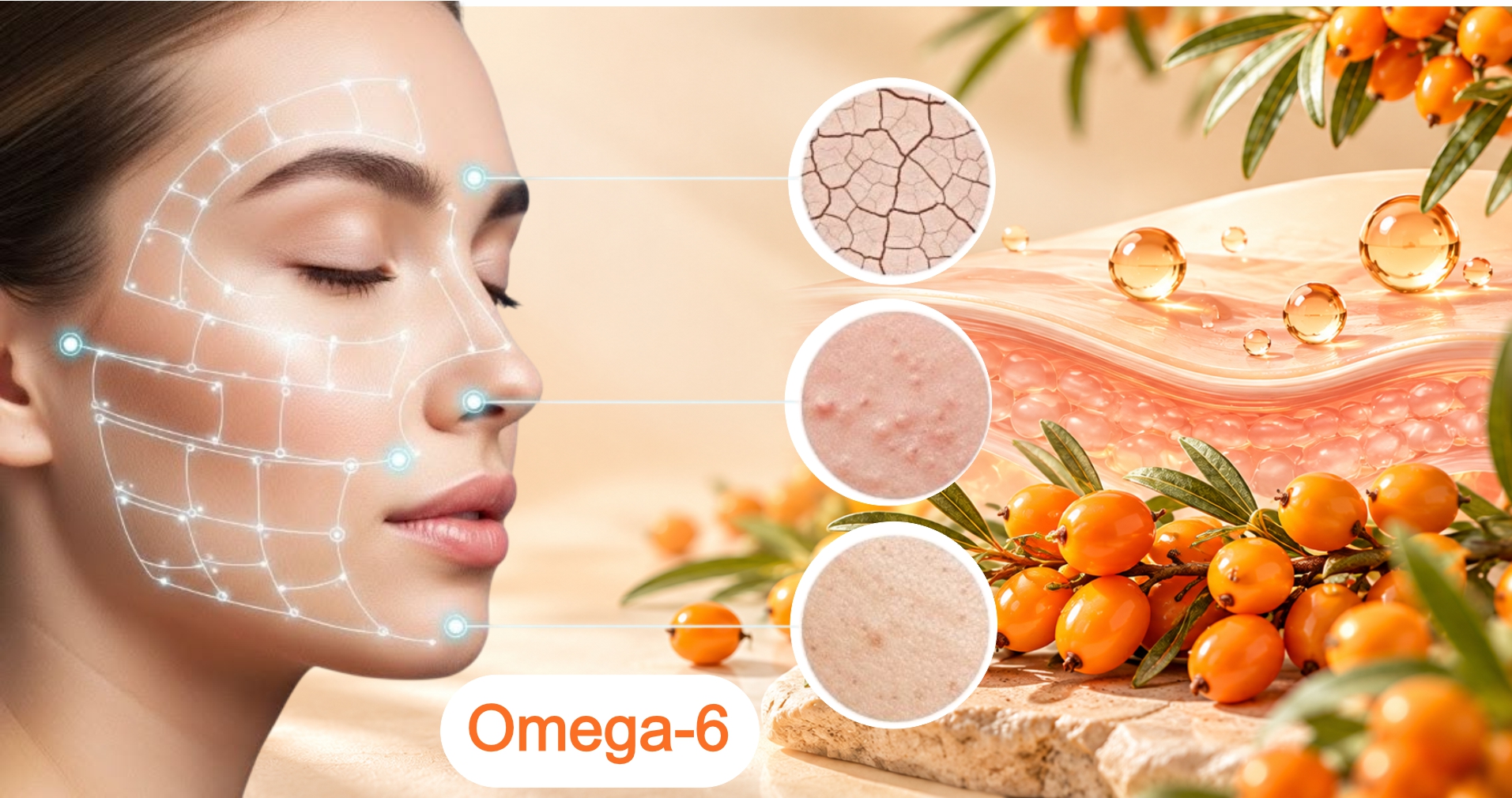
- The Omega-6 family includes fatty acids such as linoleic acid.
- Linoleic acid is an essential fatty acid for the body and is associated with the normal structure and functions of the skin barrier.
- The organized presence of lipids in the outer layer of the skin helps prevent excessive moisture loss.
- Because of the presence of linoleic acid in sea buckthorn seed oil, it has been viewed with interest in skin care research.
- However, the presence of linoleic acid in an oil and a definite benefit to the skin from a finished cosmetic product are two different matters.
- Product formulation, concentration, and an individual’s skin condition should also be taken into account.
Omega-7: The Distinctive Identity of Sea Buckthorn
- Among the nutrients that make sea buckthorn special, Omega-7 is often mentioned.
- The Omega-7 family includes palmitoleic acid, which is a monounsaturated fatty acid.
- A notable amount of palmitoleic acid may be found in sea buckthorn pulp oil.
A 1999 clinical study reported that the fatty acid composition of sea buckthorn pulp oil contained approximately 25% palmitoleic acid. This amount referred to the specific oil used in that study, not to all sea buckthorn products.
The biological role of palmitoleic acid has been studied in areas such as skin and metabolism. However, many online claims about omega-7, such as curing all types of dry skin or accelerating hair growth, are not yet supported by sufficient human clinical evidence.
Omega-9:
- Presence of Oleic Acid: A major example of omega-9 is oleic acid. It is found in many natural vegetable oils, including olive oil.
- Oleic acid is considered a monounsaturated fatty acid. In addition, the human body can also produce it itself.
- Oleic acid has also been found in some sea buckthorn oils.
- In cosmetic formulations, fatty acids can affect the oiliness, spreadability, and conditioning feel on the skin.
- However, it is not necessary that their effect be the same on every skin type.
Does every Sea Buckthorn product contain all four Omegas?
It is not necessary that the composition of Sea Buckthorn Seed Oil, Pulp Oil, Whole Berry Oil, Juice, and Water-Based Extract be the same.
For example, in a juice, the amount of Vitamin C may be more important, while in an oil, the Fatty Acid Profile may be the key factor.
Therefore, the mere mention of Sea Buckthorn does not guarantee a sufficient amount of all four Omega Fatty Acids.
It is more useful to look at the Ingredients, Fatty Acid Analysis, and Quality Information listed on the product.
6. Sea Buckthorn Benefits: What are its possible benefits?
To understand Sea Buckthorn Benefits, it is necessary to distinguish between its nutrients and their effects. Many scientific studies have examined the Antioxidant, Anti-inflammatory, and other Biological Properties of Sea Buckthorn. However, not every potential benefit has been equally proven in humans.
Antioxidant Properties:
Reactive Oxygen Species are formed during normal metabolism in the human body.
Their controlled amounts play a role in normal cell signalling. However, when there is an imbalance between their levels and the body’s antioxidant defence, a state of oxidative stress can arise.
Sea buckthorn has been studied for its antioxidant activity because of the Vitamin C, Vitamin E, carotenoids, and polyphenols it contains.
Laboratory studies have observed the biological activity of these substances. However, their actual effect in the body depends on the amount consumed, digestion, absorption, and other factors.
Therefore, sea buckthorn cannot be called a treatment for all problems associated with oxidative stress.
Studies Related to Inflammation
Inflammation is part of the body’s natural defense process. When a tissue is injured or infected, the body’s immune response becomes active. However, inflammation that persists over a long period may be associated with several health problems. Some bioactive compounds present in sea buckthorn have been studied in the context of inflammatory pathways. Some laboratory and animal studies have reported potential anti-inflammatory activities. Nevertheless, based on these findings, it would not be correct to say that consuming sea buckthorn can treat arthritis, eczema, or other inflammatory diseases. Controlled human studies are needed in such cases.
Contribution to General Nutrition
Sea buckthorn fruits can be included as part of a varied diet. Through them, certain vitamins and plant compounds may be obtained.
However, no single fruit can meet all of the body’s nutritional needs. For good health, a balanced diet containing different fruits, vegetables, grains, protein sources, and healthy fats is essential. Sea buckthorn should be viewed as a possible part of this broader nutrition routine.
Role in Immune Health:
The vitamin C found in sea buckthorn is associated with normal immune function.
Vitamin C contributes to many cellular processes in the body.
However, this does not mean that taking sea buckthorn will prevent recurring infections or unusually boost the body’s immunity.
Immune health is influenced by many factors, including adequate sleep, nutrition, physical activity, age, and health status. Sea buckthorn cannot be considered a substitute for these basic needs.
7. Sea Buckthorn for Skin: How beneficial is it for the skin?
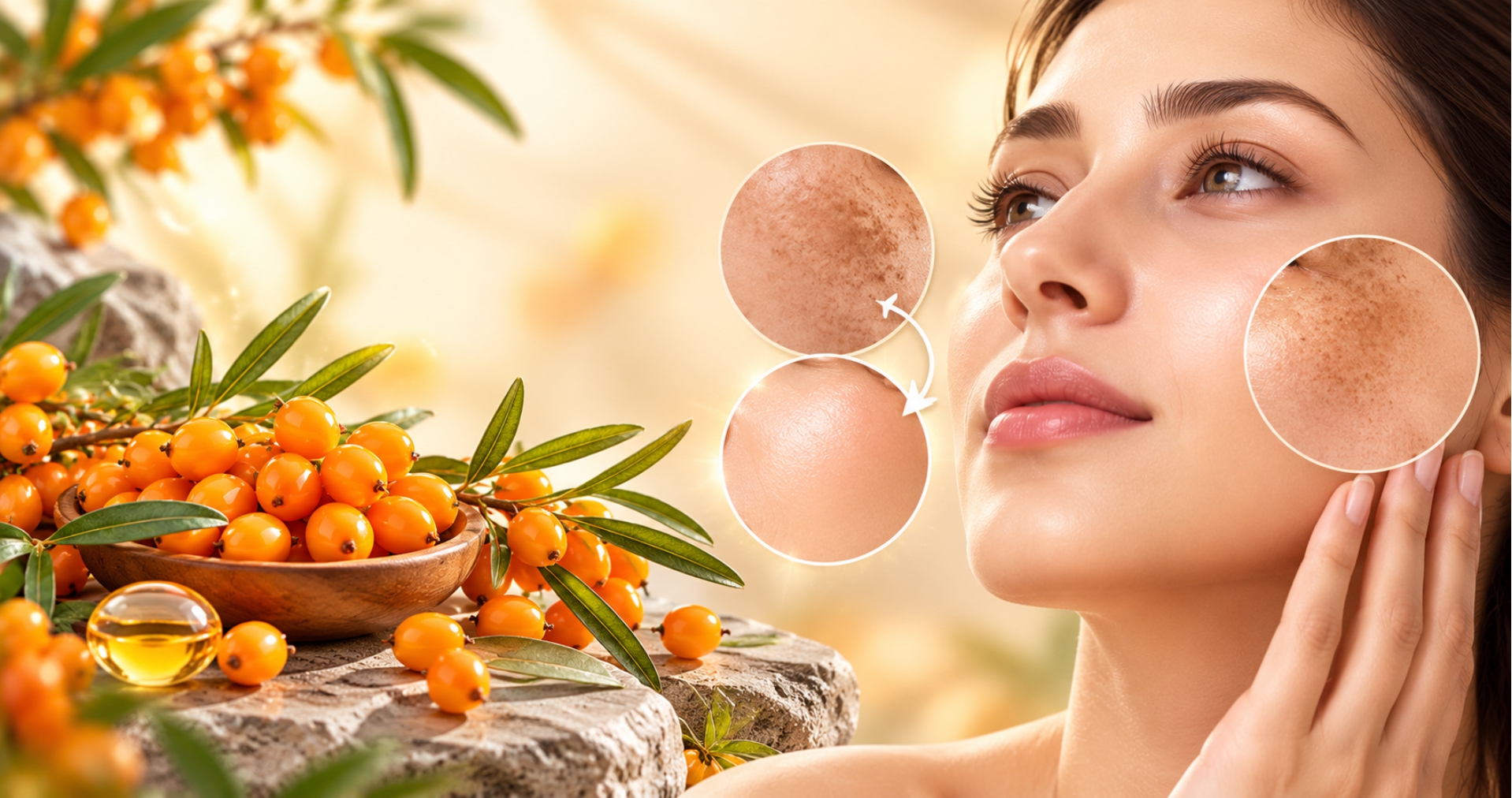
Sea Buckthorn for Skin is discussed quite extensively. The main reason for this is the Fatty Acids, Tocopherols, and Carotenoids found in its oil. The outer layer of the skin is called the Skin Barrier. It acts as an important protective layer between the external environment and the body. To maintain the normal condition of the Skin Barrier, a proper balance of water and Lipids in the skin is necessary. When there is a lack of moisture in the outer layer of the skin, problems such as Dryness, Roughness, and tightness may be felt.
Skin Moisture and Conditioning:
Sea Buckthorn Oil is used in some moisturizers, face oils, and creams. Oil-based cosmetic ingredients can contribute to making the skin feel soft and provide conditioning on its surface. In some formulations, such oils are used as emollient ingredients that may help smooth the skin surface. However, the moisturizing effect of any oil cannot be determined solely by its name.
The water, humectants, emollients, occlusives, and preservatives present in a cream also affect its performance. That is why a cream containing sea buckthorn and pure sea buckthorn oil may have different effects.
Potential role for the skin barrier:
The skin barrier includes lipids such as ceramides, cholesterol, and fatty acids. Their balance is considered important for the normal functioning of the outer layer of the skin. Fatty acids such as linoleic acid found in sea buckthorn seed oil make this topic scientifically interesting. However, how much the skin barrier will improve with the use of a prepared sea buckthorn product cannot be determined by looking only at the ingredient composition. For this, it is necessary to examine tests conducted on the actual formulation.
Can Sea Buckthorn help with dry skin?
When choosing the right moisturizer for dry skin, the overall formulation should be given priority. Products containing Sea Buckthorn Oil may give some people a soft feel on the skin’s surface. However, if the skin is experiencing severe itching, cracks, persistent redness, or burning, it is not advisable to rely only on a natural oil. Such symptoms may also be caused by eczema or other skin conditions. It is better to consult a dermatologist for proper identification and treatment.
For people with acne-prone skin, it is important to be cautious with Sea Buckthorn Oil. The presence of antioxidant compounds in any oil does not prove that it is an effective treatment for acne. Acne can develop due to many reasons, including excess sebum, follicular blockage, inflammation, and hormonal factors. The texture of some cosmetic oils can feel heavy on the skin. However, a single ingredient can give a different experience in different formulations.
Therefore, for acne-prone skin, it is wiser to choose a finished product that has been formulated according to that skin type. Sea Buckthorn Oil should not be considered an alternative to acne treatment.
What is important to know for sensitive skin?
People with sensitive skin can develop irritation from any new product.
This reaction is possible from both natural and synthetic types of ingredients.
If a product containing sea buckthorn is being used, then the fragrance, essential oils, and other ingredients present in it should also be checked. Doing a patch test before applying a new product to the entire face can be helpful.
8. Sea Buckthorn for Hair: What is its role in hair and scalp care?
While understanding the topic of sea buckthorn for hair, it is even more important to understand the difference between hair growth and hair conditioning. Hair is formed in the hair follicles, while most of the visible part of the hair outside is made of keratin. Growing hair receives nourishment from inside the body. Meanwhile, for external care of the hair shaft, shampoo, conditioner, serum, and other hair care products are also used.
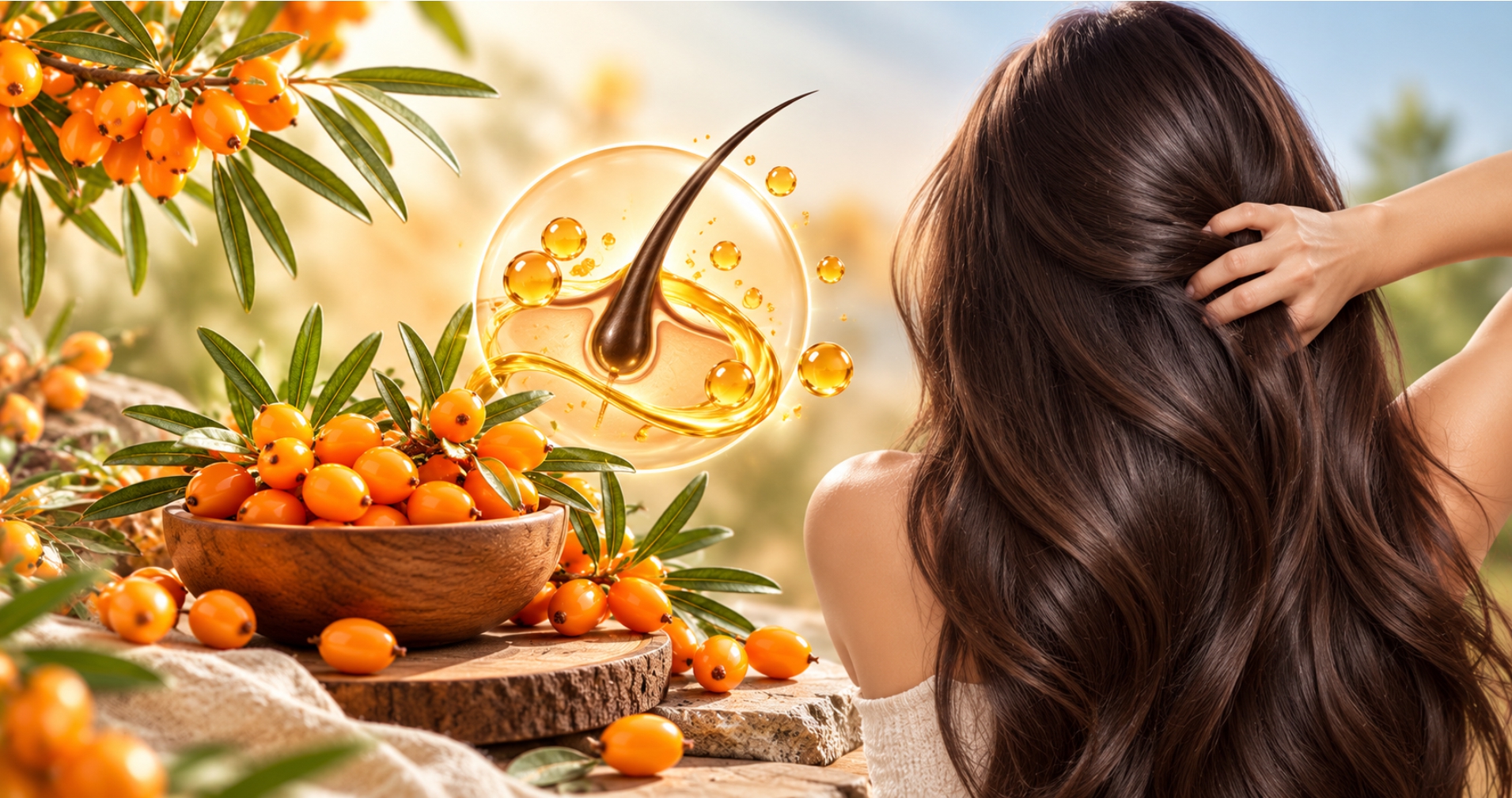
Not only this, sea buckthorn contains certain fatty acids and plant compounds due to which it is used in hair care formulations. But the presence of these nutrients by itself is not proof of growing new hair.
Scalp conditioning
There is no doubt that the scalp is also a special part of the skin. It contains hair follicles, sebaceous glands, and a natural skin barrier. At the same time, when there is excessive dryness on the scalp surface, tightness and discomfort may be felt.
Some products containing Sea Buckthorn Oil can provide conditioning to the scalp surface, but the effect will depend on the overall formulation. It is also important that the oil should not be considered suitable for every type of scalp problem. For example, in conditions like dandruff and seborrheic dermatitis, continuously applying oil on your own is not always beneficial.
Hair Smoothness and Shine:
- The outer layer of the hair shaft is called the cuticle.
- When the surface of the hair cuticle remains relatively smooth, the hair can appear more shiny.
- Conditioning products are used to reduce friction between hair strands and to make them easier to manage.
- Botanical oils like Sea Buckthorn Oil can be included in some formulations for this purpose.
- However, how smooth or shiny the hair appears will also depend on other conditioning ingredients used with the oil and on the current condition of the hair.
Difference between Hair Breakage and Hair Fall
Hair Breakage means that the hair is breaking off from somewhere along its length.
This can happen due to heat styling, chemical treatments, excessive friction, or other mechanical damage.
On the other hand, in Hair Fall or Hair Shedding, the hair comes out from the hair follicle.
Contributing factors behind Hair Shedding can include stress, hormonal changes, nutrient deficiency, genetic factors, and certain medical conditions.
Therefore, the solutions for both problems are also different.
If a hair care product helps reduce friction in the hair and aids conditioning, it may help reduce mechanical breakage.
But on this basis, one cannot claim that hair shedding will stop.
Does Sea Buckthorn increase Hair Growth?
This is one of the most important questions. Sea Buckthorn contains vitamins, fatty acids, and antioxidant compounds. Some of these nutrients are useful for the normal functioning of the body and skin. Even so, Sea Buckthorn cannot be considered a proven treatment for growing new hair in humans. There are not enough high-quality human clinical trials to prove its direct effect on hair growth.
Some scientific reviews mention hair-related applications of Sea Buckthorn, but the use of an ingredient in cosmetic products does not constitute proof of clinical hair regrowth. Therefore, it is more appropriate to view Sea Buckthorn for Hair in the context of hair care and conditioning.
Does Sea Buckthorn reduce dandruff?
- In dandruff, flaking, itching, and sometimes redness can be seen on the scalp.
- Processes such as Malassezia yeast and the skin’s inflammatory response may contribute to it.
- Some compounds in sea buckthorn have been studied for antimicrobial activity at the laboratory level.
- However, this does not mean that sea buckthorn oil or extract is an effective treatment for dandruff in humans.
- If dandruff persists, it is better to use a proven anti-dandruff treatment and, if needed, seek advice from a dermatologist.
What should you pay attention to when choosing a hair care product?
When choosing a hair spray, serum, or oil containing Sea Buckthorn, it is not enough to look only at the ingredient name.
It is important to understand in what form Sea Buckthorn is present in it.
The composition of a water-based extract, oil-based extract, and whole berry oil can be different.
In addition, the product’s pH, preservative system, other botanical ingredients, and method of use are also important.
If the scalp is very sensitive or if irritation has occurred before from a botanical product, special caution should be taken.
9. What is the difference between Sea Buckthorn Oil and Extract?
Sea buckthorn is used in different forms. There can be significant differences in the nutrients present in these forms and in their quantities.
Sea Buckthorn Seed Oil
Seed oil is obtained from the seeds of the plant.
It may contain important polyunsaturated fatty acids such as linoleic acid and alpha-linolenic acid.
Because of the presence of these fatty acids, seed oil has been studied for nutritional and cosmetic applications.
However, the composition of the oil may vary depending on the extraction method and refining process.
Sea Buckthorn Pulp Oil
Pulp oil is prepared from the fruit pulp.
Its fatty acid profile shows a notable presence of palmitoleic acid and palmitic acid.
In addition, it may also contain carotenoids and other fat-soluble compounds.
This is why pulp oil often appears deep orange in color.
Sea Buckthorn Extract
Sea buckthorn extract can be prepared from any part of the plant using different techniques and solvents.
Which compounds are present in an extract depends primarily on the extraction method.
For example, a water-based extract does not necessarily have the same chemical profile as oil.
Therefore, the mention of sea buckthorn extract does not mean that the product will contain the same amount of Omega-7 as may be found in pulp oil.
Comparison Between Sea Buckthorn Oil and Extract
| Feature | Sea Buckthorn Oil | Sea Buckthorn Extract |
|---|---|---|
| Source | Seeds, fruit pulp, or both | Fruits, seeds, leaves, or other plant parts |
| Main Components | Fatty acids and fat-soluble compounds | Varies depending on the extraction method |
| Texture | Oil-based | Liquid, powder, or other forms |
| Omega-7 Content | Mainly found in pulp oil | Content varies and is not standardized |
| Uses | Cosmetic and food applications | Skincare, haircare, and other applications |
| Effectiveness | Depends on formulation and concentration | Depends on extract type and concentration |
Conclusion: What is important to understand about Sea Buckthorn?
Sea Buckthorn is a plant and fruit that has attracted scientific interest because of its nutrients and various biological compounds. Its fruits contain substances such as Vitamin C, carotenoids, and polyphenols. Meanwhile, its different oils may contain Omega-3, Omega-6, Omega-7, and Omega-9 fatty acids. In particular, the palmitoleic acid found in Sea Buckthorn Pulp Oil has given it a distinct identity from many other plant oils.
However, not all Sea Buckthorn products should be understood as the same. There are differences in the composition of the fruit, seed oil, pulp oil, and extract.
It can be used in skin and hair care, but for this purpose, the quality of the prepared product, its formulation, and the available clinical evidence should be given priority. Some preliminary human studies are available on certain potential benefits of Sea Buckthorn, while many other claims are still limited to laboratory or restricted research.
Disclaimer:
This article has been prepared for general information and educational purposes only. The information provided in it is based on scientific reviews, available studies, and publications from reputable institutions.
There is not enough human clinical evidence available for all the possible benefits associated with Sea Buckthorn. The information given in the article should not be considered a substitute for the diagnosis, treatment, or medical advice for any disease. If you are pregnant, breastfeeding, taking regular medications, or affected by any health condition, consult a qualified healthcare professional before using a Sea Buckthorn supplement. Before using any new product on the skin or scalp, check its ingredients and take the necessary precautions.

Emanual Massey is a healthcare, lifestyle, and beauty content writer with over 7 years of professional experience. He specializes in writing SEO-optimized, research-based articles on health, wellness, nutrition, skincare, beauty, and Ayurveda. His mission is to simplify complex topics into practical, reader-friendly content that empowers people to make healthier lifestyle choices. Passionate about continuous learning and evidence-based writing, Emanual creates informative and engaging blogs that combine accuracy, readability, and search engine optimization.