
Abstract
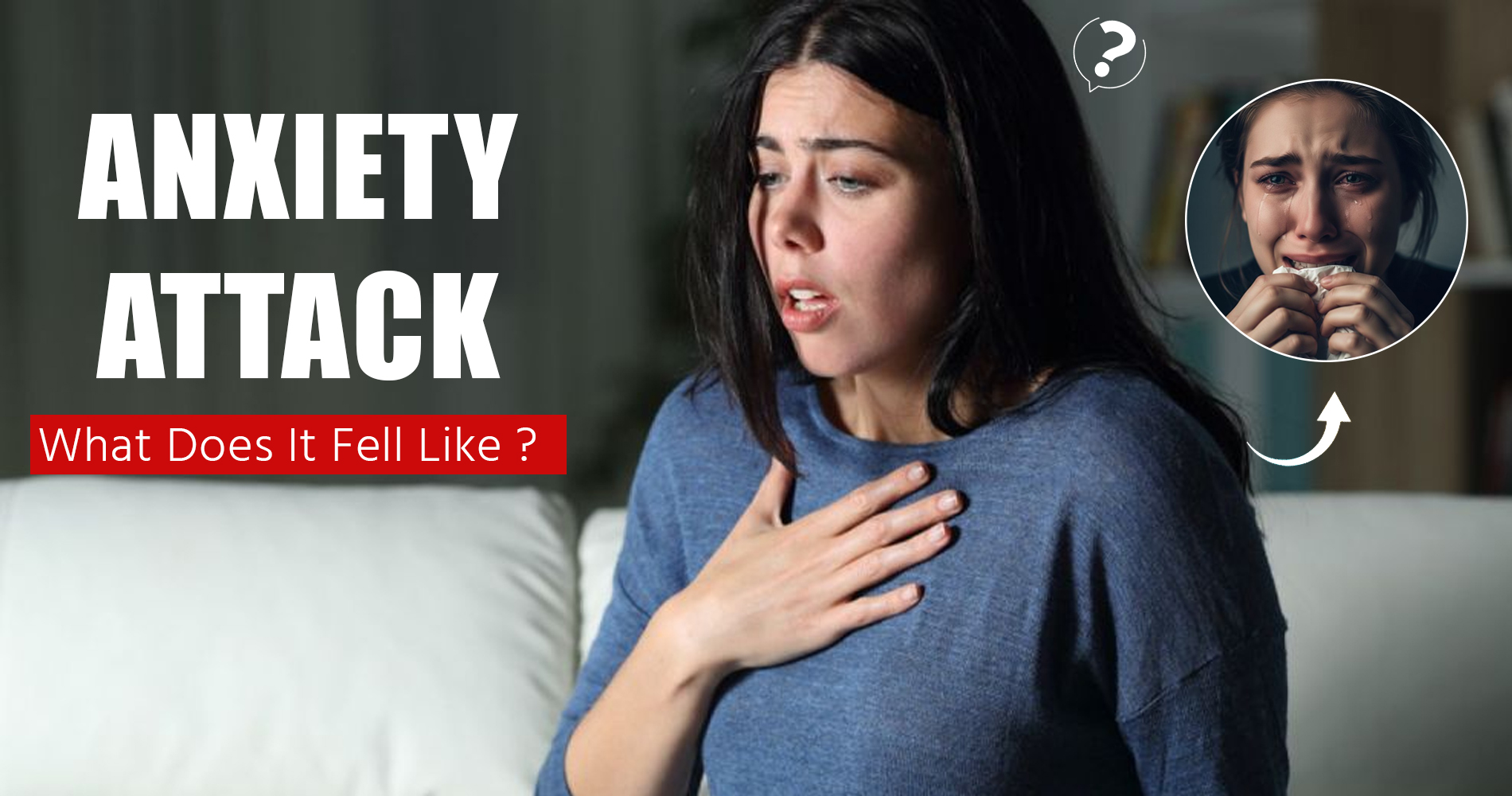
Social anxiety is not just shyness or dislike of the crowd. It’s a fear of being judged, embarrassed, or rejected in everyday situations, and it affects millions of people. Many of them never even seek help. This article explains what social anxiety really is, why it so often goes unnoticed, and what causes it. Not only that, but ot also covers how it affects day-to-day life, the body, and which approaches help manage it.
Introduction
Almost everyone knows the sensation of a racing heart before an important presentation or any other life event, or an awkward situation at a party. Being a little nervous around people is a common part of human nature. So when a person says, “I get anxious in social situations,” the common reply is a shrug: “Doesn’t everyone?”
That reaction is exactly why social anxiety is hidden. For many people, that feeling doesn’t fade away with just a single conversation or introduction it’s built up before that event as they rehearse conversations in their head. It follows them in the event itself, where they monitor their own voice, hand signs and other parts of the interaction for failure, and it lingers even after the conversation is over, replaying whether they sounded foolish or not.
Many people stay silent in meetings or avoid making a phone call for hours or turn down invitations. Others tend to push through everything while being perfectly fine, but pay with exhaustion. In both cases, people around just see either a “quit person” or a bit “introverted”.
The thing is, social anxiety is the most common anxiety condition in the world while being the least recognized. Many people spend years of their lifespan without knowing the name of their issue, and they can actually understand it and fix it with time.
In this article, we will learn more about social anxiety, why it is so widespread around the globe and what lies beneath it. We will also look at how it affects your daily life and the body, and what can actually help.
What is Social Anxiety?
It’s an intense feeling of fear of being judged, watched or being embarrassed in a situation that requires socializing. The fear is not of the situation itself, whether that is phone calls or meetings. It’s more about getting judged by other people in those situations, like “Will I say something stupid?”, “Will they notice I’m nervous?”, “Will they think less of me?”
Social anxiety vs. Shyness
Shyness is more of a personality trait a shy person might feel hesitant in new settings. The feeling of anxiety is usually mild, but it fades away as the person warms up. On the other hand, social anxiety is a more persistent and strong feeling driven by the fear of judgement and changes a person’s decisions about their personal and professional life, like school, job, friendships and relationships.
Social anxiety Vs. Introversion
Introversion is a personal preference these people often enjoy people but find it draining, so they recharge themselves alone. A socially anxious person may want a connection badly but feel held back by dread. A clear difference is that an introverted person will decline an invitation to a party cause they would rather stay home alone and enjoy their own company, while a person with social anxiety will reject it while wishing they could go.
The clinical picture of Anxiety disorder
When the fear is out of proportion to the situation and lasts for weeks and months and gets in the way of your day-to-day life decisions. It can be ruled out as Social anxiety disorder with proper clinical consultation. Doctors look for certain signs.
- Fear marked in social situations where one could be examined.
- Showing visible signs of anxiety such as blushing or trembling.
- Trying to avoid these situations or enduring them with much distress.
- Real interference with work, relationships or studies.
Understanding these differences matters a lot because it separates a trait someone has from a condition that responds well to care.
Why is it more common than we think?
Estimates may change by age and country groups and also by how they are evaluated, but they all point to the same conclusion. The United States of America National Health Survey tells us that at least 12% of adults face social anxiety disorder at some point in their lives. Studies in other countries often report lower numbers, with global lifetime estimates closer to 4%, partly because cultures differ in how fear of judgment is expressed and reported. An even lower figure means hundreds of millions of people all over the world. And these numbers are of just those who met the entire clinical criteria. Many live with mild anxiety and never reach for clinical support, and let it shape their decisions.
Why do people stay hidden?
Social anxiety is unusually good at concealing itself for a few reasons.
- It likes to hide behind coping because these people prefer hiding and staying away from confrontations.
- It feels like a flaw for them the same fear of judgement makes it hard for them to talk.
- It looks normal because nervousness around others is common, a person’s struggle is usually easily brushed off.
Early onset
Social anxiety often begins at an early age. Research suggests that early onset typically starts in early teens, a phase where social acceptance matters the most, yet people wait for years, sometimes more than a decade, before seeking help. Till then, fear becomes an identity and avoidance a part of
personality.
Mistaken for Personality
Perhaps the reason for it to stay hidden is that it gets mislabeled. An anxious kid is called “Shy”, a teenager would be labelled as “moody”, and an adult “not a team player”. These labels stick and hide the actual issues, which can be identified and treated.
Signs and Symptoms
Social anxiety comes up in three interconnected ways: in thoughts, in the body and in behaviour. Each one feeds the others.
What happens in the mind
Anticipation and self-criticism are the heart of social anxiety.
- Worry about how an event will go days before it occurs.
- Rehearsing a conversation and internally doubting it.
- A belief that others are judging you.
- Replaying interactions afterwards and focusing on perceived mistakes.
- Interpreting neutral signs like silence as proof of disapproval.
What happens in the body
Common physical signs include the body responding to perceived social threat as it would to danger.
- An overly flushed or blushing face.
- Sweating, especially on the palms and underarms.
- A fast pounding heart.
- Knotted stomach, nausea and headache.
- Going “blank” mid-sentence, dry mouth or feeling lightheaded.
The irony is that then people become anxious about these signs, which can just intensify the situation.
What happens in Behaviour
Fear changes how people operate over time.
- Avoiding making phone calls or speaking up.
- Leaving early or completely skipping gatherings.
- Avoiding eye contact or speaking quietly.
- Pushing through social situations with intense distress.
- Using a close person or a phone as a shield.
When to pay attention
Getting anxiety occasionally is fine, but it is worth taking the pattern seriously when the fear is persistent, when it is out of proportion to the situation, and when it begins to affect work, study, friendships or any other enjoyment of life.
Causes and risks: Why it happens
There is no specific trigger for social anxiety. Psychological research suggests it’s a mix of biology, temperament, experience and environment, and the balance changes from person to person.
Brain’s threat response
The human brain is wired to care about belonging. Even if, for most of history, being rejected by a group was a real danger. Our studies suggest that in people with social anxiety, the brain’s threat-detection circuitry, including the amygdala, may react strongly to social cues such as faces, criticism or attention. The body reacts accordingly, even to raised eyebrows.
Genetics
Social anxiety can be genetically inherited, running in the families. Research on twins suggests that genes can account for a very meaningful share of the risk, though no single “anxiety gene” exists. More chances of inheriting are of temperament traits, such as a tendency to be cautious and sensitive. Some kids can show these signs really early researchers call that behavioural inhibition. This can increase the chances of social anxiety in later ages but does not guarantee it.
Early experiences
Life events can strengthen the fear.
- Bullying or public humiliation in school.
- Households where harsh criticism or where mistakes were met with shame were common.
- Parents who were overprotective, which limited a child’s chance to build social confidence.
- Observing anxious behaviour in a parent or caregiver and learning that social situations are risky
A single painful moment can also become a lasting reference point where the person had no support in making sense, like freezing during a class presentation.
Cultural and family expectations
Cultural differences can change how much importance they place on reputation, politeness and “what people will say.” In situations with strong pressure to perform or to avoid embarrassing the family, fear of judgment can be intensified. Academic pressure and competition with peers can be the cherry on top as well
An Important point
These influences just explain why social anxiety is so widespread and why it is not a sign of weakness. Having such risk factors is not a life sentence, and having none does not make someone immune to them
Anxiety in modern life
The modern world hasn’t invented anxiety, but it has indeed changed where and how it appears
Constant comparison on social media
These social media platforms turned our simple everyday life into a public stage. Likes and comments on posts can be measured and compared, which just increases the fear of judgement. People nowadays compare their ordinary lives with someone’s highlights and spend a long time editing and deleting their posts, worrying about how it will land. Researchers have shown that the use of social media is associated with higher anxiety levels, though the relationship runs both ways. Anxious people are usually drawn to screens because they feel safer than a face-to-face conversation, but too much screen time can rust your social skills.
Post-Pandemic “Social Rust”
Lockdowns during the pandemic and remote work gave a lot of people a long break from person-to-person interaction. Even though it was a relief for many people, for others it meant fewer chances to practice, making social situations harder when things got back to normal. Video calls also bring pressure of their own, with a camera pointed at your face and your own image on the screen. Many people also realized that avoiding contact becomes easier over time, slowly shrinking their comfort zone.
Performance Pressure
Modern life rewards people who are present and can speak up and be visible. Group projects, open-plan offices and constant meetings involve being evaluated by others. For someone who’s already of judgement, these tasks can feel like daily tests, and can often hold back talented people from speaking up and chasing opportunities
The Takeaway
Anxiety is more prevalent in today’s modern world, where being social can be a good credit for an individual and can give us more awareness and more ways to help from online therapies and communities.
Hiding in plain sight
Not everyone with an anxiety disorder looks anxious some of the most suffering people are coping the best in plain sight.
High-functioning social anxiety
There are many exceptions of these people hold down good jobs, did well in school, and are outgoing. They went through social events and gatherings, but at a cost. The efforts can be enormous: hours of preparation beforehand, constant self-monitoring during the event and exhaustion afterwards. From the outside, it can look perfect, but for them it’s like a performance they need to master without failure.
Perfectionism and “Safety Behaviours”
Some common signs that feel like strengths
- Over-preparing, scripting or rehearsing multiple times.
- Perfectionism followed by a thought that every slip will be judged harshly.
- Safety Behaviours or actions to prevent embarrassment, like avoiding eye contact, holding a drink to hide shaking hands or bringing a friend along.
- People-pleasing or over-apologizing to avoid conflict.
These behaviours can bring short-term relief, but they come with hidden costs. It convinces the mind that today you survived because of this habit, giving fear no chance to fade.
Looks like confidence or rudeness
People with anxiety can be misread or mislabeled. Someone who talks too much can look like someone confident, while someone who goes quiet and avoids eye contact may seem cold, uninterested or arrogant. In both cases, people in their surroundings are reaching out through outward behaviour and missing the fear behind it,
Why this Matters
People might go for decades without realizing what they are dealing with because the symptoms are too common. To understand them is the first step someone can take toward understanding that the struggle is real, and that it is not a character flaw.
Social Anxiety and the Body
Social anxiety not only affects the brain but also the body. Since the body and stress are closely linked with each other, it can affect how a person feels physically on a daily basis.
Blushing, Sweating and the Skin
The body releases stress hormones such as adrenaline and cortisol when it senses social threat. Blood vessels in the face widen, causing blushing. Sweat glands activate, particularly on the face, palms and underarms. Over time, this ongoing stress can also affect the skin and can cause acne, itching or sensitivity during stressful periods.
Sleep and energy levels
Worrying too much after and before an event does affect your sleep cycle as well, making anxiety harder to manage. People can also feel drained and exhausted after the entire day of self-monitoring and criticizing.
The Body-Mind loop
Physical signs can become a new sign of fear, “What if people see me blushing/Sweating?” forming a loop. Understanding that these reactions are normal and harmless is often the first step toward gaining power over them.
Difference from Panic Attacks and Other Conditions
Even tho anxiety overlaps with other issues as well, it doesn’t mean they are the same, but it confuses people and makes them mislabel anxiety.
Social Anxiety vs. Panic Attacks
A panic attack is more intense it’s a sudden surge of intense fear with symptoms such as a pounding heart and dizziness, and it reaches its peak in just a few minutes, while social anxiety is tied to a specific trigger, which is the fear of being judged by others. The two can happen together, since a person with social anxiety may have a panic attack in a feared social setting, but they do not make them the same thing.
Cognitive Behavioural Therapy
Conditions It Can Be Confused With
- Generalized anxiety disorder worry is not just centred on social anxiety; it can happen in other sectors of life as well.
- Avoidant Personality a deep, long-standing pattern of avoiding others.
- Depression is like withdrawal from others and can come from low mood and loss of interest.
Professional assessment can help sort out your concerns, as they are all heavily connected and can cause confusion while occurring together at the same time.
Coping and Treatment
The good news is social anxiety is highly treatable. Many people see good results with the right support and guidance
C.B.T (Cognitive Behavioural Therapy)
This method is the most studied method to help individuals with anxiety by helping people notice automatic thoughts that fuel their fear, like ” everyone will think I’m boring.” And test them against reality. Over time, these thoughts lose power over the person. CBT also teaches practical skills, including shifting attention away from self-monitoring and onto the conversation itself.
Gradual Exposure
Avoidance keeps the fear alive, and exposure works in the opposite direction. A person commonly makes a ladder of their feared situation from easy steps like greeting a neighbour and gradually moving towards harder tasks like talking in a meeting. Each success can help the brain see that the outcome is not as scary as predicted. This is best done with proper guidance from a therapist.
Mindfulness and Lifestyle Habits
These approaches can help keep the mind and body calm while supporting the treatment as well.
- Slow, balanced breathing can help with a racing heart.
- Noticing thoughts without judging them reduces the replaying of conversations in your head.
- Regular sleep, balanced meals and regular movement can help the body manage stress.
- Dropping safety habits gradually so that the fear fades away, like hiding your phone or rehearsing conversations
Medication
For some individuals, especially when symptoms are too severe, a doctor may suggest medication, commonly antidepressants such as SSRIs. It is often combined with therapy, and the choice is always individual. Medication should only be started, changed or stopped under a professional’s supervision.
When to seek help
Only consider seeking professional help when.
- Fear of social settings is persistent and hard to control.
- You are avoiding your day-to-day tasks or relationships because of it.
- Anxiety goes with low mood, hopelessness or heavy use of substances to cope.
- You often think about self-harm consult a doctor if the thoughts are persistent.
Asking for help is not a sign of weakness. It is often the most effective step a person can take for himself.
Supporting Someone with Social Anxiety
If someone close to you has social anxiety, small changes in how you react can make a real difference.
- Listen without judging and stop saying, ” Just relax” or “Don’t be shy” these phrases can be demotivating for them.
- Don’t push them into the spotlight, as that can backfire on them. Offer gentle choices to them.
- Being positive and celebrate their small steps towards their fear.
- Respecting their peace encourages a gradual process instead of forcing them into things.
- Encourage Professional help if their issues are affecting their daily life.
Conclusion
Social anxiety holds more than just shyness, and it is far more common than most of us think. It hides behind daily coping habits, gets mistaken for personality and mislabeled as behaviour, and stays quiet because speaking about it feels like inviting the very judgment the person fears. Yet behind the silence are millions of people suffering. Who care deeply about connection and find it hard to reach for.
Knowing is the starting point. When we know that social anxiety has real roots in the brain, in temperament and in experience, it stops looking like a flaw and starts looking like something that can be understood and changed with time and can be better. With effective approaches such as CBT, gradual exposure, healthy routines and, where needed, medical support, many people find that social situations become far less frightening over time through hard work and consistency
If you find this article relatable, you’re not alone or just “shy”. Or if someone around you is actually struggling with social anxiety, a little patience and kindness can do more than you think.
Disclaimer
This article is purely for educational and informational purposes only and is not a replacement for professional medical advice, diagnosis or treatment. If you’re suffering from social anxiety or any other health concern, please consult a qualified medical specialist. If you’re going through self-harming thoughts, please dial your local emergency number or talk to a close person right away.

A passionate health and lifestyle content writer dedicated to making complex medical and psychological topics easy to understand. With a focus on mental health, lifestyle, and overall well-being, I curate informative, research-based articles that help readers better understand their health and make informed decisions. The goal is to spread awareness, simplify health information, and encourage healthier living.

2 thoughts on “Social anxiety: Why you feel judged even when nobody’s watching”