
Abstract
Today’s young generation, that is, Gen Z, is quite aware of fitness, skin, hair, and overall health. On social media, videos of the gym, protein shakes, skincare routines, hairstyles, and various health tips are seen every day. Some of these habits are beneficial, but it is not necessary that every viral method is correct or safe.
Many times, people start using a new diet, supplement, or beauty product just by seeing others, without understanding their own needs. Instead of benefiting them, this can also cause harm.
In this article, we will understand 10 popular health and beauty trends of Gen Z. We will learn what science says about them, which habits should be avoided, and what is better to do in order to take care of one’s health.
Introduction: Why Are Health and Beauty Trends Growing Among Gen Z?
Today, social media is full of videos claiming to transform the body in a few days, make the skin glow, or make the hair more beautiful. In some videos, someone is showing the results of their hard work in the gym, while others explain how beneficial their protein shake is.
Somewhere, a new skincare routine is being shown, and elsewhere, people are advised to drink a special beverage for weight loss.
- Seeing such videos naturally raises a question in the mind: if other people are getting good results from these methods, what is wrong with adopting them?
- In fact, the problem is not in adopting a new habit, but in trusting it without knowing whether it is true.
- The diet that is right for one person is not necessarily right for another. Similarly, one person may need protein powder, but not every person who goes to the gym needs it.

The impact of social media may be felt not only on our habits, but also on the way we view our bodies.
A major scientific review published in 2025 examined data from a total of 55,440 participants across 83 studies. It found a connection between comparing oneself with others on social media and feeling anxious about one’s body. A similar association was also observed with symptoms of certain eating-related problems.
- However, this does not mean that every person who uses social media will experience such difficulties.
- That is why it is important not to accept a trend as correct simply because it is popular.
- Let us find out what science says about 10 popular health and beauty trends among Gen Z.
1. Gym culture and the desire to build a body quickly
- Going to the gym has now become quite popular among young people. Some want to build muscles, some want to lose weight, and some simply want to look fit.
- Seeing the changes in people’s bodies on social media, many young people also try to achieve similar results quickly.
- Going to the gym and exercising regularly is a good habit. But the problem arises when people start pushing themselves beyond their body’s capacity.
What exactly does science say?
- According to the World Health Organization (WHO), adults between the ages of 18 and 64 should do about 150 to 300 minutes of moderate-intensity exercise every week.
- This may include activities such as brisk walking, cycling, or swimming.
- In addition, doing muscle-strengthening exercises at least two days a week is also beneficial.
- But this does not mean that you have to spend hours sweating in the gym from the very beginning.
- It is wiser to gradually train the body to get used to exercise.
What mistakes should be avoided?
- Many times, young people exercise continuously and intensely in order to get quick results. Some people do not rest even when they are in pain.
- This can lead to muscle injuries, fatigue, and other problems.
- Changes in each person’s body happen at different speeds. Many factors play a role in this, such as diet, age, sleep, and body type.
What is better to do?
- Start with easy exercises.
- Gradually increase the duration and difficulty of your workouts.
- Give your body adequate rest.
- Along with weight training, also focus on your strength and endurance.
- Do not ignore persistent pain.
- Remember: fitness is not just about building a good-looking body. Its real purpose is to keep the body strong and healthy.
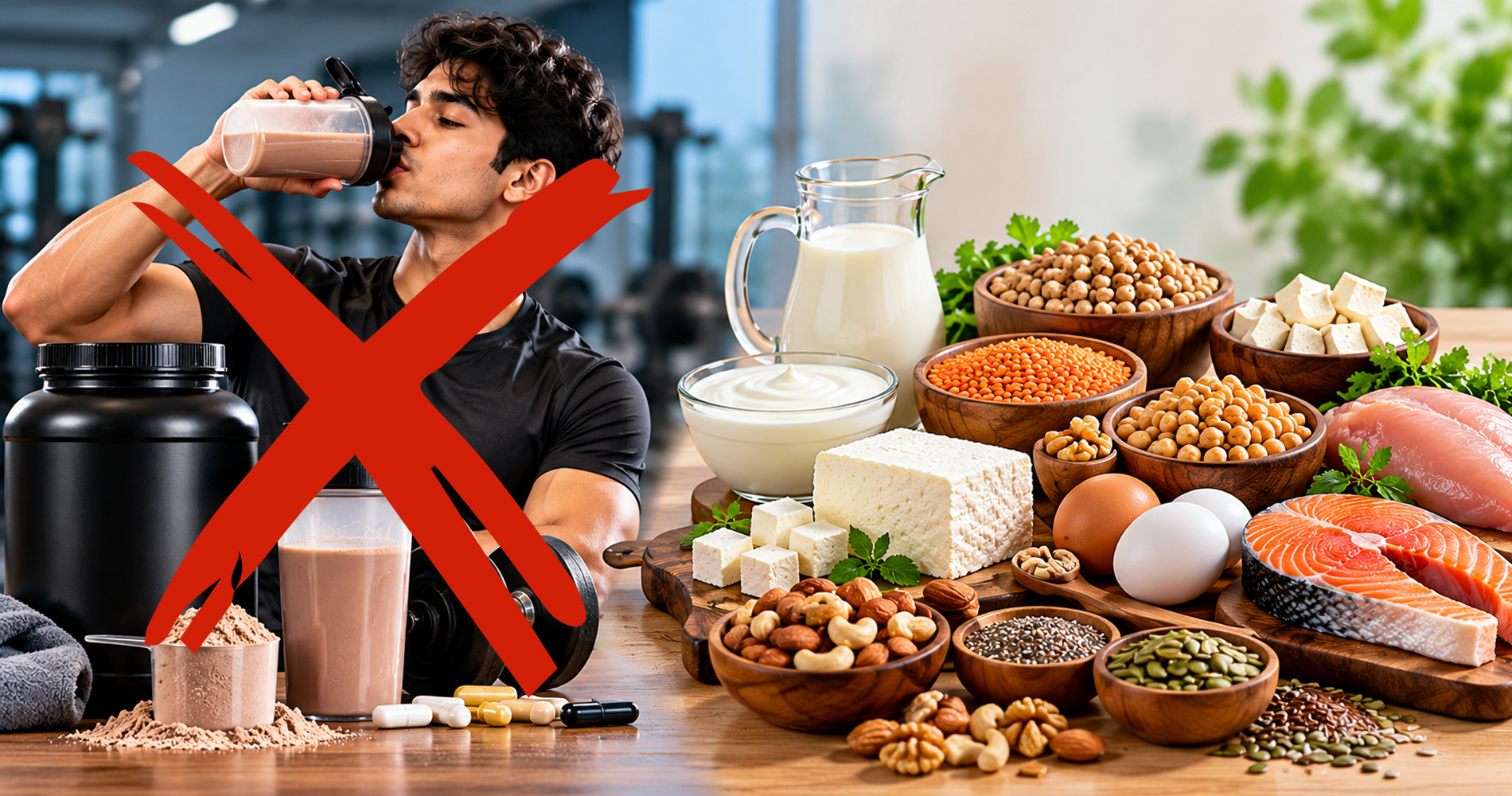
2. The growing trend of taking protein powder and supplements
- Today, many young people who go to the gym can be seen holding protein shakes. Protein powder and protein bars are also heavily promoted on social media.
- This leads many people to believe that muscles cannot be built without taking protein powder.
- But is that really true?
What does science say?
- Protein is an essential nutrient for our body. It helps build muscles, repair body tissues, and perform many important functions.
- But it is not always necessary to buy expensive powder to get protein.
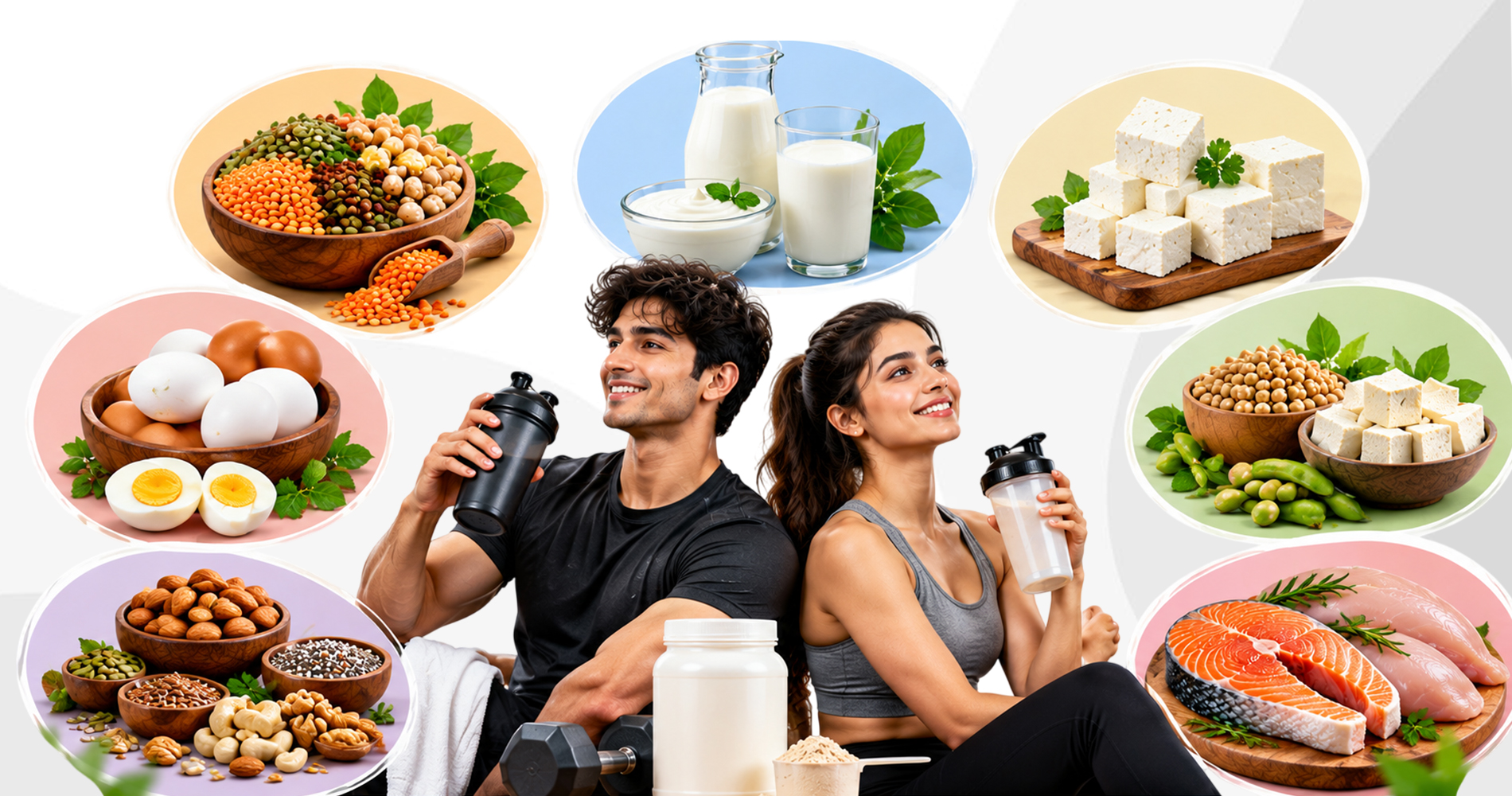
- There are many good sources of protein in our daily diet as well.For example:
- Lentils, chickpeas, and kidney beans
- Milk, yogurt, and paneer
- Soybeans and tofu
- Eggs
- Fish and meat
- Nuts and seeds
If your diet is meeting your body’s protein needs, then you may not need to take protein powder separately.
What happens if you take too much protein?
Many people believe that the more protein they take, the faster their muscles will grow. But this is not necessarily true. If someone takes too many supplements, they may experience stomach problems.
If a person starts drinking protein shakes repeatedly instead of eating regular meals, their body may receive fewer other essential nutrients. People who have kidney-related diseases should consult a doctor or a qualified dietitian before deciding on the amount of protein they should consume.
What is the right way?
- First, see what you eat every day and how much protein you are getting from it.
- If your needs are not being met through a normal diet, you may consider taking supplements on the advice of an expert.
- Remember: protein is essential for the body, but protein powder is not necessary for everyone.
3. Using a mobile phone late into the night and not getting enough sleep
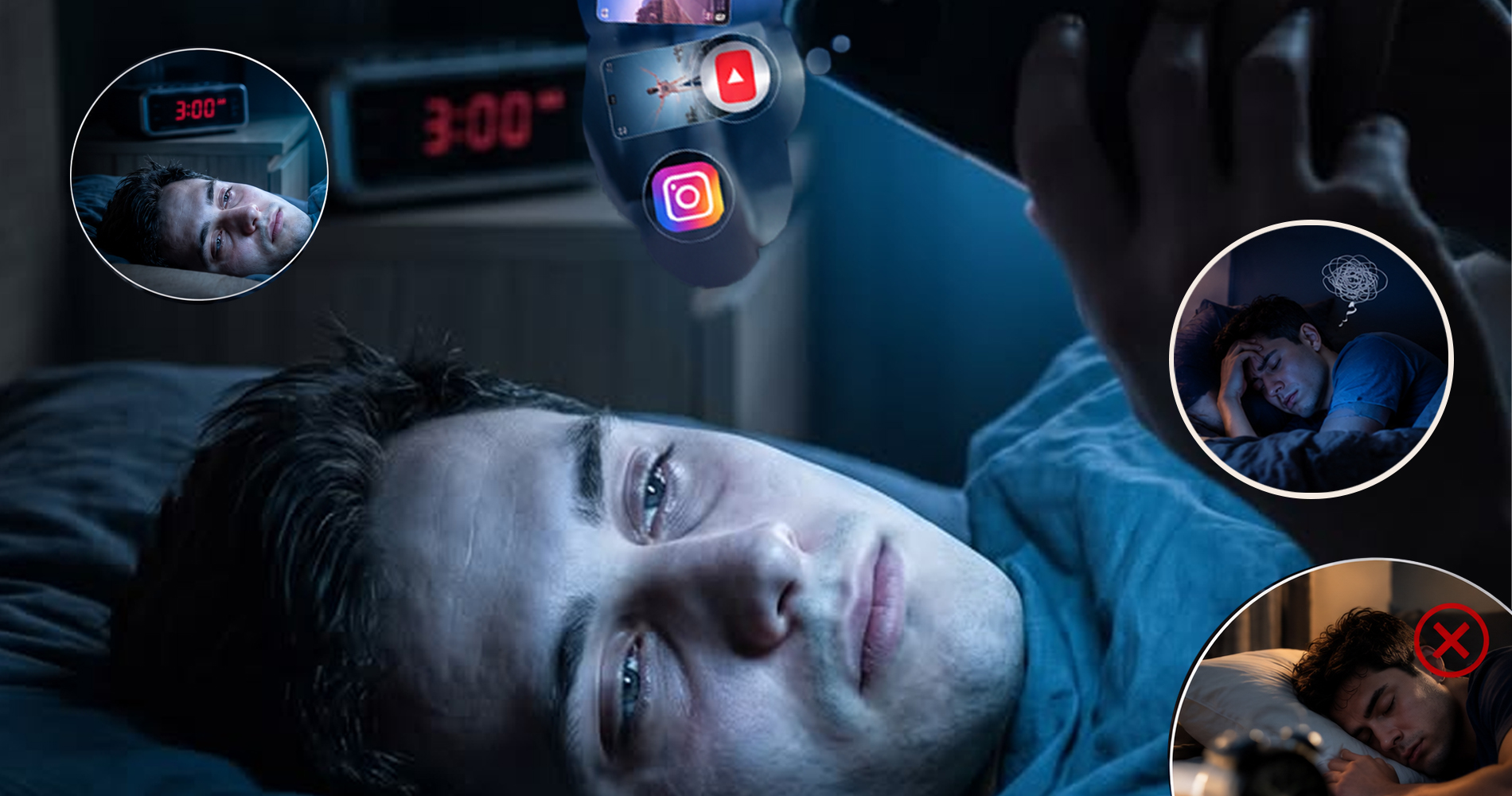
Has it ever happened that you thought you would use your phone for just five minutes, but an hour passed before you knew it?
This happens with many young people today.
One reel ends and another begins. Sometimes conversations with friends continue, and sometimes a web series or game keeps you from sleeping.
Gradually, staying awake late at night becomes a habit.
What does science say?
According to the Centers for Disease Control and Prevention (CDC) in the United States, most adults should get at least 7 hours of sleep every night.
Sleep is not only for resting the body. It is also essential for memory, attention, mood, and the body’s normal functioning.
When sleep is not complete, its effects may be seen the next day. Lack of sleep can also make some people’s faces look tired. However, not every skin problem is caused by lack of sleep.
What should you do for good sleep?
Try to go to bed and wake up at about the same time every day. Spend less time on your mobile phone before sleeping. Keep notifications that are not necessary at night turned off. Keep the room quiet and comfortable. If drinking tea or coffee in the evening or at night affects your sleep, avoid consuming it close to bedtime.
If sleep problems persist for a long time, it is better to consult a doctor. Remember: to keep the body healthy, adequate sleep is just as important as proper food and exercise.
4. The habit of consuming energy drinks and too much caffeine
Whether it is getting up early in the morning to go to the gym, preparing for an exam at night, or finishing office work, many young people drink tea, coffee, or energy drinks to keep themselves awake. For a while, these may make you feel less sleepy and help you focus on work. But relying on them continuously is not right.
What does science say?: Tea, coffee, and many energy drinks contain caffeine. Caffeine affects our brain and nervous system. It can increase alertness for a short time. According to the U.S. Food and Drug Administration (FDA), consuming up to 400 milligrams of caffeine per day is generally not found to be associated with negative effects for most healthy adults.
But that does not mean that everyone should consume that much caffeine every day, or that such an amount is safe for everyone. Some people may experience problems even with a small amount of caffeine.
What can happen if you consume too much caffeine?
- Feeling anxious
- Shaking hands
- Difficulty falling asleep
- Headache
- Upset stomach
- Feeling a rapid heartbeat
- Another important point is that caffeine is not found only in coffee. It may also be present in tea, energy drinks, and some pre-workout products.
What precautions should you take?
- Before consuming any energy drink, check the caffeine content on its label.
- If you drink tea or coffee several times during the day, keep track of their quantity as well.
- Instead of trying to make up for lack of sleep with repeated energy drinks, try to improve your daily routine.
- The caffeine limits for adults should not be considered appropriate for children and adolescents.
- Remember: Caffeine may keep you awake for a while, but it cannot provide the rest that the body gets from sleep.
5. Viral supplements and products that promise quick results
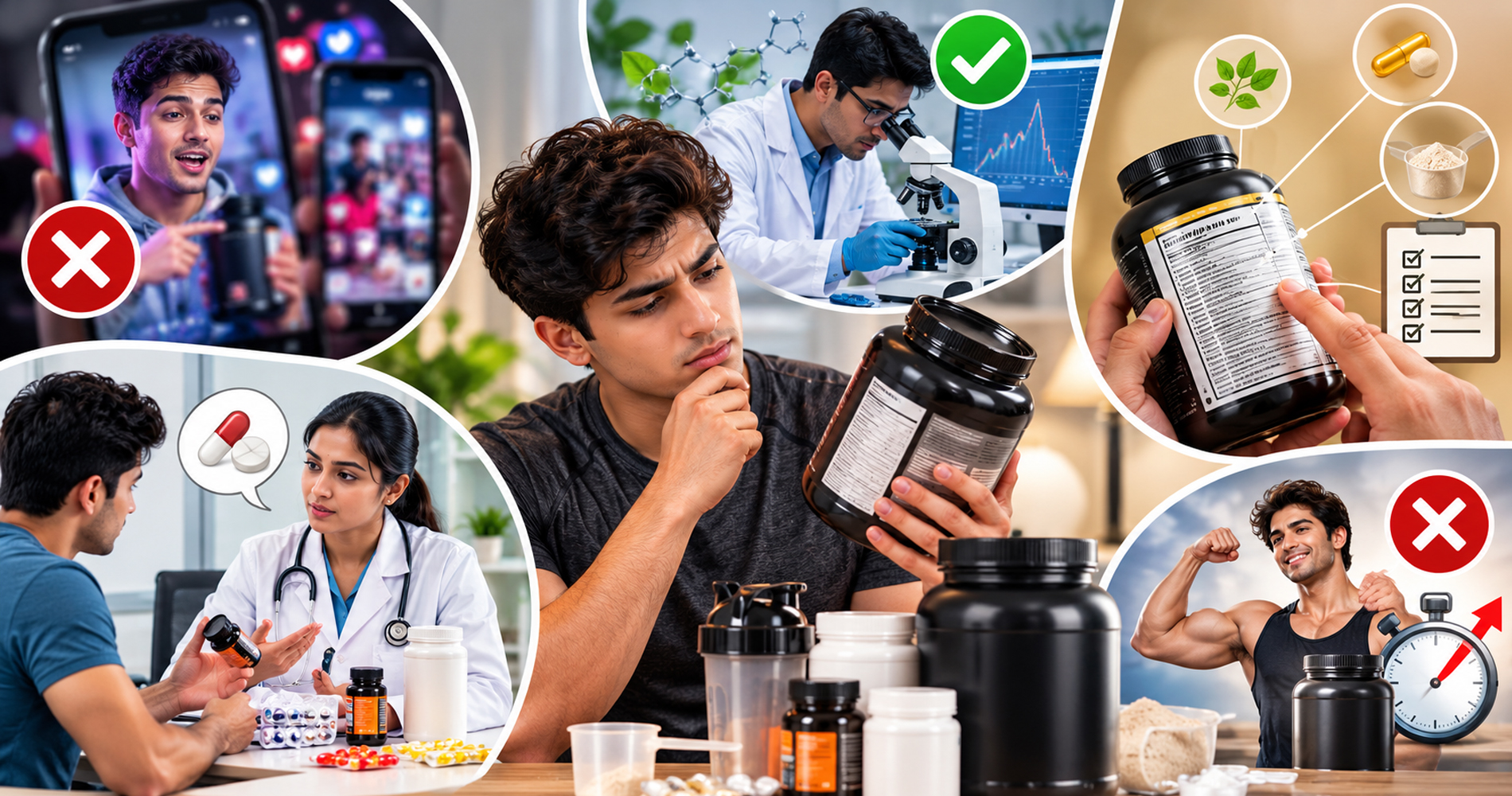
Every day, a new supplement becomes popular on social media. Sometimes it is pills for stronger hair, sometimes capsules for glowing skin, and sometimes products for better digestion or increased muscle mass. Seeing their advertisements, many people feel that perhaps this is what their body needs. But does every supplement really work?
What does science say?
The scientific evidence behind the benefits of every supplement is not the same. Some supplements may help make up for a deficiency of a vitamin or mineral in the body. But there is not enough research available to prove the big claims made by some products. According to the National Center for Complementary and Integrative Health (NCCIH) in the United States, some supplements may interact with medicines.
Some products also carry the risk of adulteration or of containing ingredients that are not clearly disclosed on the label. Therefore, the fact that something is labeled “Natural” or “Herbal” is not proof that it is completely safe.
What should you check before taking a supplement?
First, understand why you need it. For example, if a person is experiencing hair loss, the cause may not be only a vitamin deficiency. There can be many different reasons behind hair loss.
Taking a hair supplement without understanding the cause may not be the right solution. Before buying any product, find out about its ingredients, dosage, quality, and possible side effects. If you are already taking any medicine, ask your doctor whether the supplement is safe to take with it.
Remember: more important than how popular a supplement is is whether your body truly needs it.
6. Heat Styling and Mistakes That Affect Hair
Today, creating different hairstyles has become quite easy. With the help of curling machines, straighteners, and hair dryers, it is possible to give hair a new look at home itself.
However, using intense heat repeatedly can be harmful to the hair.
What does science say?
According to the American Academy of Dermatology (AAD), excessive heat can make hair weak and dry. This can increase the chances of hair breakage. Similarly, making a ponytail, braid, or other hairstyle very tight all the time puts strain on the hair roots. Doing this for a long time can also cause hair loss in some people due to traction.
Which habits can damage hair?
Using a very hot straightener every day; rubbing wet hair vigorously with a towel. Always tying hair very tightly and pulling hair while combing. Using styling products more than necessary
Due to these habits, hair can become weak and start breaking.
How to take care of hair?
- Let your hair air-dry wherever possible.
- When using a straightener or curling machine, choose low or medium heat and avoid heat styling every day.
- Detangle wet hair gently. Choose hairstyles that do not put too much tension on the hair roots.
- Use shampoo and conditioner according to your hair type.
- If your hair suddenly starts falling a lot or you have persistent problems with the scalp, consult a dermatologist.
- Remember: good hair is not only about beautiful hairstyles, but also about regular and proper care.
7. Increased use of makeup and neglect of cleanliness
Makeup is no longer used only for weddings or special occasions. Many people like to wear makeup in college, office, or in everyday life. It can be a way to express your preferences and creativity.
But with makeup, not only the right shade and technique are important. The cleanliness of the products is just as important.
What does science say?
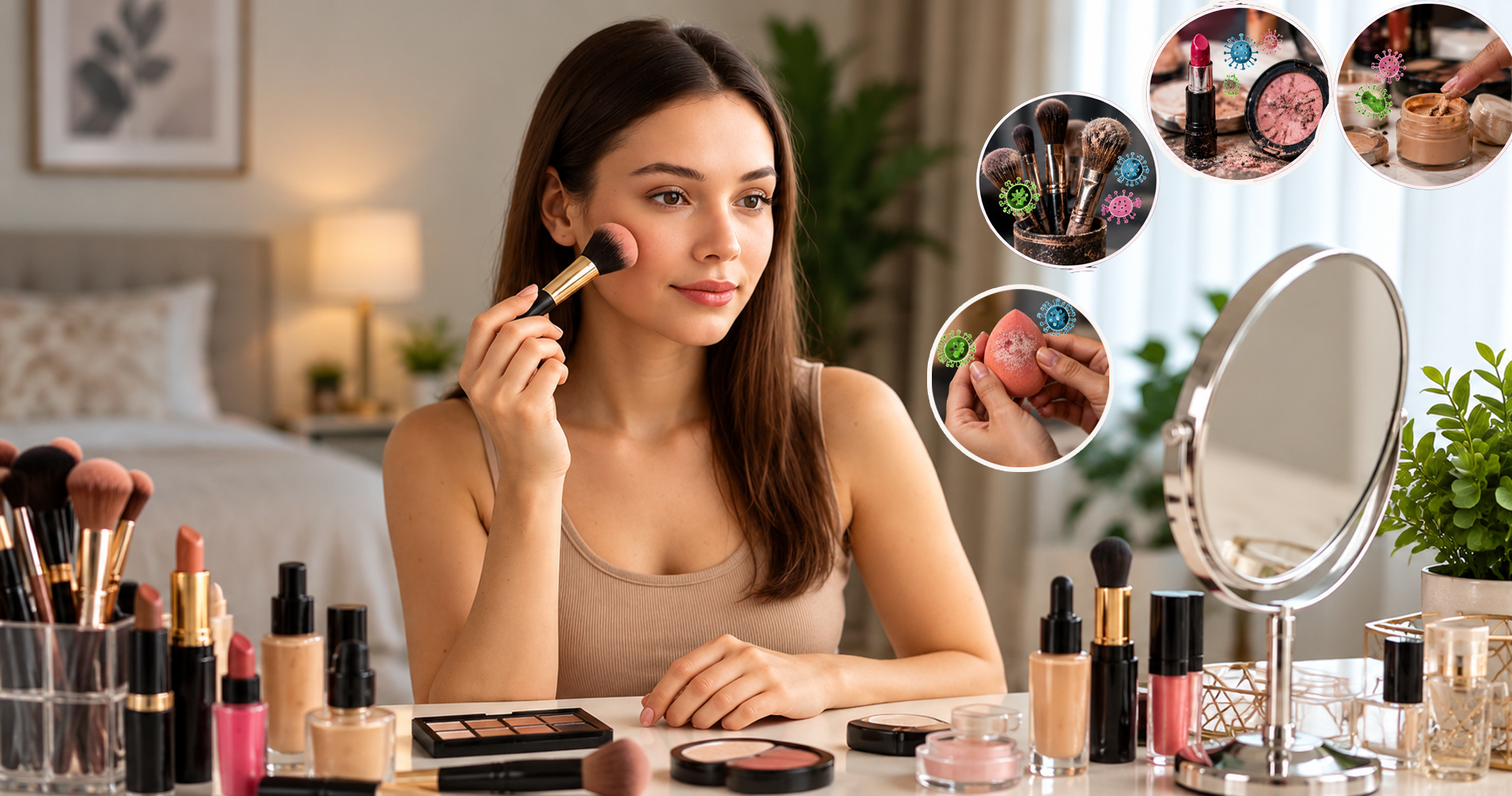
According to the FDA, using dirty products or tools in eye makeup can increase the risk of infection. Sharing mascara, eyeliner, and other eye makeup products with others can also cause problems. Manufacturers usually recommend replacing mascara about 2 to 4 months after purchase. However, it is important to follow the instructions written on the specific product.
What mistakes should not be made while doing makeup?
Avoid using someone else’s mascara or eyeliner.
Do not do makeup with dirty brushes and sponges.
Do not keep using old or expired products just because there is still a little product left in them.
Also avoid keeping makeup in very hot or damp places.
What to do for safe makeup?
Wash your hands before applying makeup.
Wash brushes and other tools regularly.
If the smell, color, or texture of any product has changed, stop using it.
Do not do eye makeup if you have an eye infection. Products used during the infection may need to be replaced.
If any cosmetic causes burning, redness, or other problems, stop using it.
Remember: makeup is done to look good, but it is also important to use it in a clean and safe way.
8. Social media diets and the trend of eating very little
You must have seen videos on social media in which a person shows what they eat from morning to night. Some videos can give new and good food ideas. But many times they also show eating very little, completely avoiding some foods, or following strict diets to lose weight quickly. Starting such a diet by copying others can be harmful.
What does science say?
Every person’s body has different needs. Some may need more energy, while some may have less physical activity. Food also differs according to age, health, daily routine, and the body’s needs.
Therefore, the diet of a person shown on social media may not be right for everyone.
What problems can wrong diets cause?
Eating very little or skipping essential food items may not provide the body with enough energy. Some people may experience nutrient deficiencies, fatigue, and weakness. In addition, constantly thinking about weight and body shape can increase anxiety around food. Comparing yourself with others on social media can also affect some people’s self-confidence and the way they think about their body.
How to choose the right diet?
Choose food that contains all the essential nutrients according to your body’s needs. Include fruits, vegetables, lentils, whole grains, and appropriate protein sources in your daily plate. Before adopting any new diet, think about whether it will provide you with enough energy and whether you will be able to follow it easily for a long time.
Remember: It is not necessary to completely change your eating habits just by looking at someone else’s diet. Your needs may be different.
9. Excess screen time and digital fatigue
Today mobile phones have become a big part of our lives. Whether it is studying, working, shopping, or talking to a friend, many tasks are done through mobile phones and computers. But many times the time spent on screens increases so much that we do not even realize it.
What does science say?
Using screens is not wrong in itself.
The problem can arise when it starts affecting our sleep, physical activity, or other important tasks.
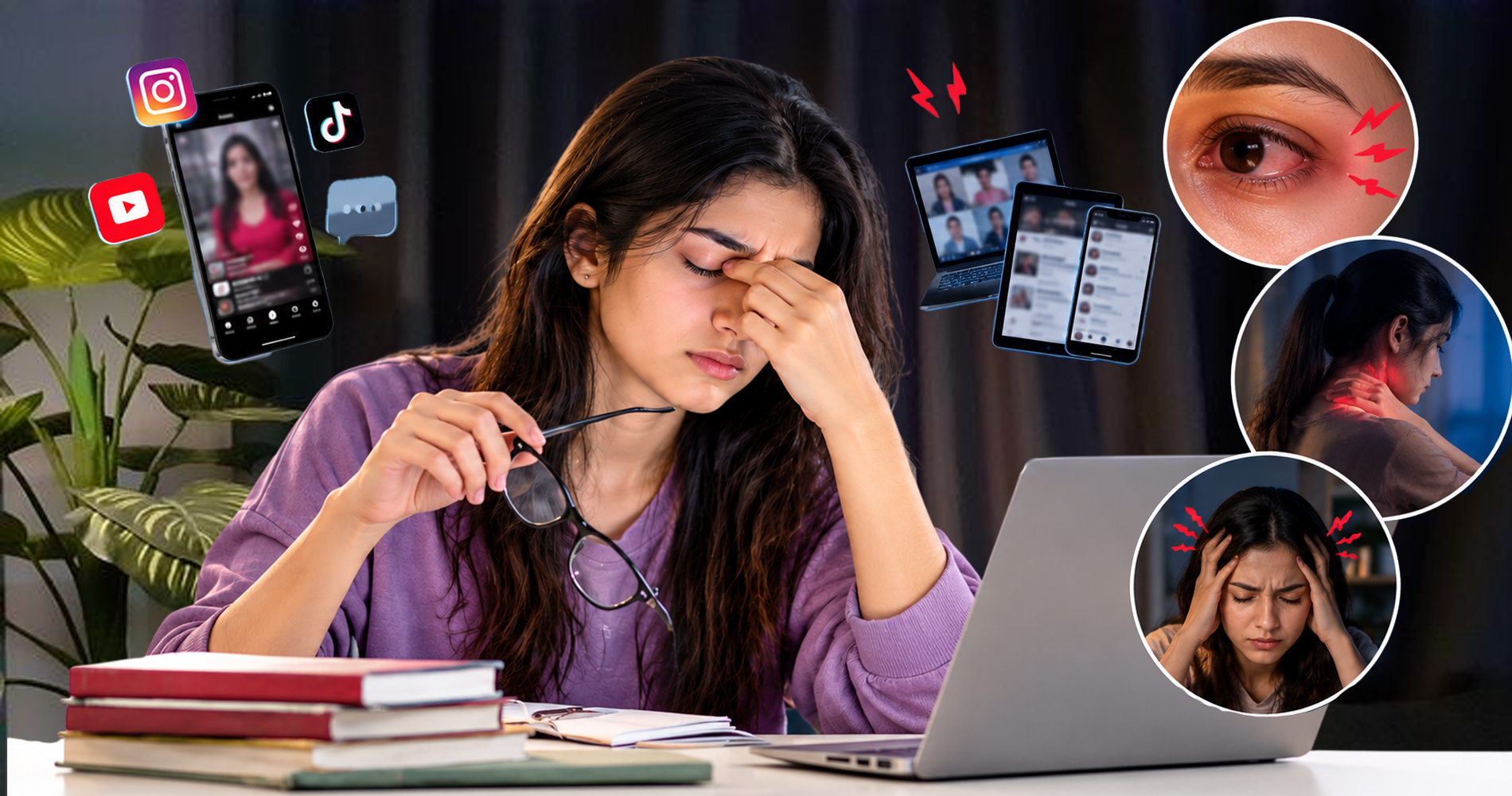
Sitting in one place for a long time can cause pain in the neck and shoulders.
Constant screen use can cause eye strain, dryness, or other discomfort for some people.
In addition, constantly comparing your life with others’ lives on social media can also affect some people’s self-confidence.
How to reduce digital fatigue?
Take short breaks in between when using a mobile phone or computer for a long time. Get up and walk a little, and keep changing your sitting posture. Reduce the time you spend on your phone at night before going to sleep. You can turn off unnecessary notifications so that the habit of checking your phone again and again decreases. If seeing certain accounts on social media makes you constantly feel dissatisfied with your body or your life, unfollowing them can also be an option.
Remember: use technology to make life easier. It is not necessary that all your free time be spent in front of a screen.
10. Detox drinks, fasting, and viral wellness trends
On social media, you often see videos that claim to cleanse the body with a particular drink or reduce weight in a few days. Some recommend drinking detox drinks, while elsewhere challenges of staying hungry for many hours are started. Seeing such methods may make it seem that perhaps they should be tried to stay healthy. But is there enough scientific evidence behind them?
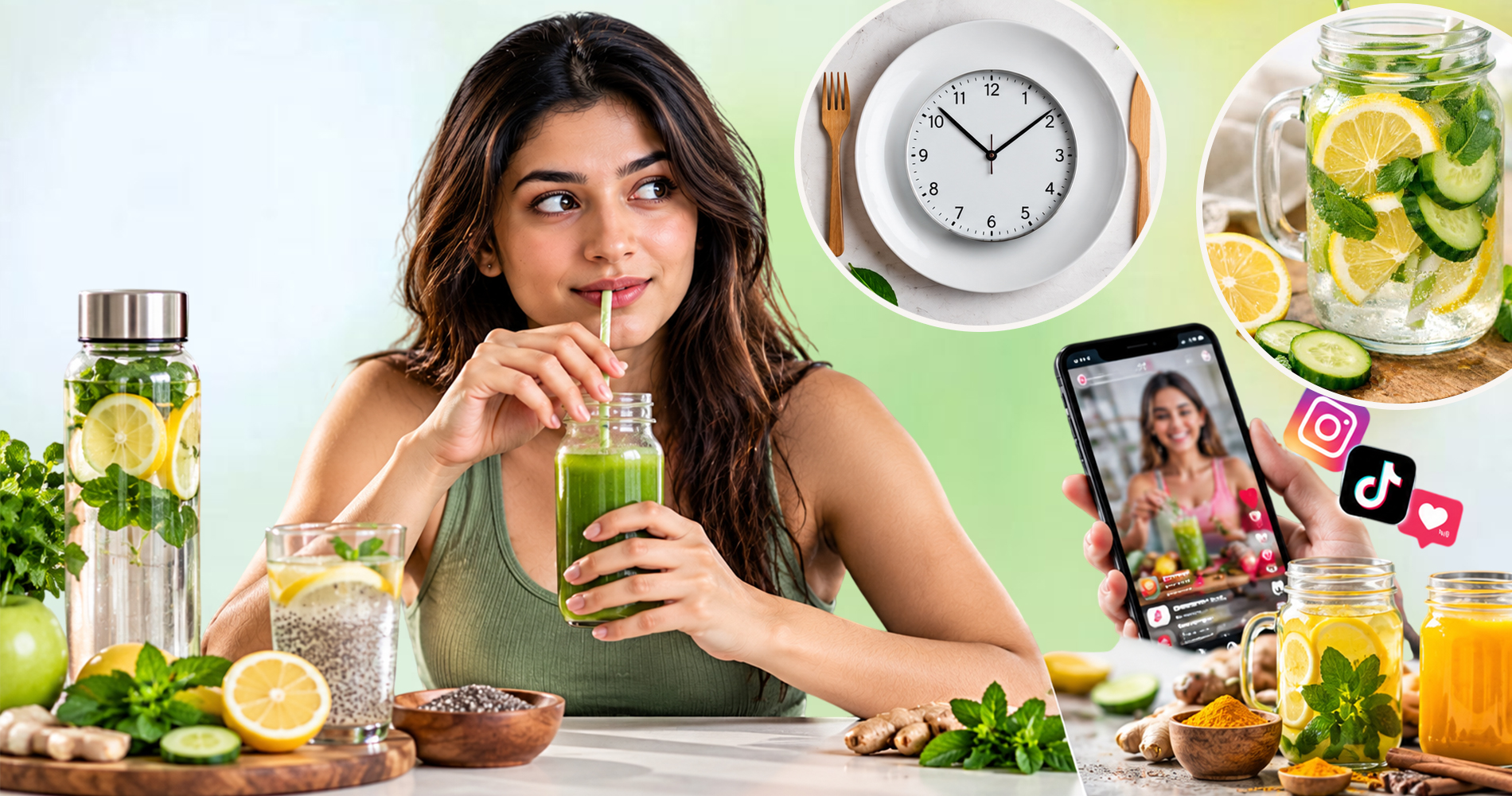
What does science say?
- Our body already has systems that help remove waste substances.
- The liver and kidneys play an important role in this process.
- Therefore, it is not scientifically correct to assume that just by drinking a particular detox drink all harmful substances in the body will be eliminated.
- Similarly, there are different ways of fasting.
- A person may benefit from fasting, but it is not necessary that every type of fasting is safe for everyone.
What can happen if you fast in the wrong way?
- Lack of water in the body
- Weakness and dizziness
- Not getting enough energy
- Deficiency of essential nutrients
- Worsening of some health problems
If a person is taking regular medicines or already has an illness, strict fasting without expert advice can be risky.
What should you do to stay healthy?
Instead of viral challenges, adopt habits that can be followed easily every day. Eat a balanced diet, drink enough water, exercise regularly, and get good sleep. If any health-related problem persists, consult a doctor instead of relying on remedies seen on the internet.
Remember: It is not necessary to adopt every new detox drink or fasting challenge to stay healthy.
How to identify the truth behind viral health and beauty trends on social media?
Now the question is, when so much advice is given on social media, how do we understand what is right? For this, before adopting any new trend, you can pay attention to five things.
1. Is there scientific evidence behind it?
If one person benefits in a video, it does not mean that the same method will work for everyone. To check the truth of the information, you can read information from WHO, CDC, FDA, and other reliable health institutions.
2. How knowledgeable is the person giving the advice?
Many people share their personal routines and experiences on social media.
But not every content creator is a doctor or health expert.
So before following any health-related advice, it is important to check whether the person giving it has proper knowledge of that subject or not.
3. Is any product being promoted in the video?
Advertising a product is not wrong. But in advertisements, the benefits are sometimes shown more, and the limitations are mentioned less. So before buying any supplement or beauty product, also look for independent and reliable information about it.
4. Is there a claim of getting results very quickly?
If a product guarantees long hair in just a few days, rapid weight loss, or complete elimination of any problem, be cautious. Changes in health can take time, and their effect is different on every person.
5. Is that method right for you?
A method that is useful for someone else may not necessarily be right for you. Your age, diet, health, medicines, and daily activities can determine how suitable a new habit is for you. So instead of adopting a method just by seeing others, first understand your own needs.
How can Gen Z improve their lifestyle?
To stay healthy, it’s not necessary to follow every new trend. Often, just improving a few everyday habits can be a good start.
1. Prioritize sleep
- Build the habit of sleeping and waking up at the right time every day.
- For most adults, at least 7 hours of sleep is a common goal. People of different ages may have different needs.
2. Do a little physical activity every day
- Going to the gym is not always necessary to stay fit.
- You can walk briskly, ride a bicycle, swim, or play any sport you like.
- The most important thing is to keep your body active regularly.
3. Eat a balanced diet
- Eat in a way that provides your body with enough energy, protein, vitamins, and other essential nutrients.
- Before taking supplements, understand whether they are actually needed or not.
4. Keep skin and hair care simple
- You don’t have to use every new product for good skin and hair.
- Choose products according to your skin and hair type.
- Keep your makeup clean and avoid styling your hair frequently with intense heat.
5. Use social media wisely
- Social media can provide good information, but not everything shown there is a complete picture of real life.
- Many photos and videos are prepared in a special way.
- So don’t measure your success by other people’s appearance, lifestyle, or fitness.

Emanual Massey is a healthcare, lifestyle, and beauty content writer with over 7 years of professional experience. He specializes in writing SEO-optimized, research-based articles on health, wellness, nutrition, skincare, beauty, and Ayurveda. His mission is to simplify complex topics into practical, reader-friendly content that empowers people to make healthier lifestyle choices. Passionate about continuous learning and evidence-based writing, Emanual creates informative and engaging blogs that combine accuracy, readability, and search engine optimization.