Abstract
Your pimple is gone, but the drama it left behind? Still going strong. One minute you are celebrating clearer skin, and the next, you’re dealing with a stubborn dark spot that refuses to leave the chat. If this sounds familiar, you are definitely not alone. Post-acne marks and uneven skin tone can stick around long after the breakout has healed.
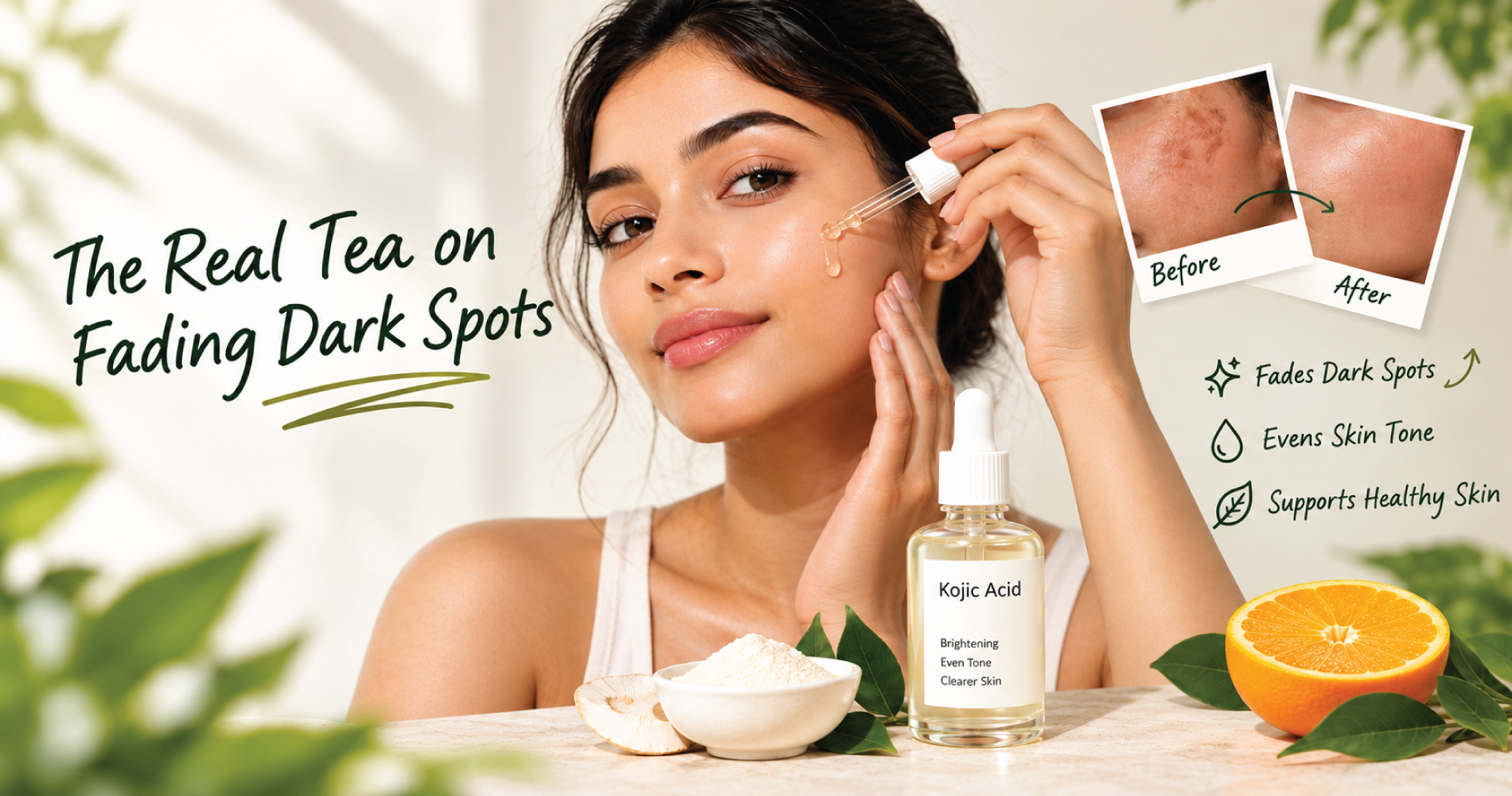
Now here enters Kojic Acid, the skincare ingredient that’s been getting attention for its potential to fade dark spots and improve the appearance of uneven skin tone. You’ll find it in everything from brightening serums to targeted treatments, but is it actually worth the hype? Can kojic acid really help with post-acne marks and other types of pigmentation? How does it work, and how can you use it without making your skin throw a tantrum?
Let’s get into the science behind the hype. In this guide, we’ll break down what kojic acid does, where it may help, how to incorporate it into your skincare routine, and what precautions to keep in mind. We’ll also compare it with other popular brightening ingredients and clear up some common myths. Think of this as your no-fluff guide to kojic acid: the potential benefits, the limitations, and why fading dark spots is more of a consistency game than an overnight transformation.
Understanding hyperpigmentation and dark spots
Before learning about kojic acid, it is important to understand why dark spots actually form. Hyperpigmentation is a condition in which certain areas of the skin begin to appear darker than the surrounding skin. This can happen due to increased melanin production or the uneven accumulation of pigment in the skin. Melanin is the natural pigment that plays an important role in determining your skin color. It is produced by special cells called melanocytes. It also plays a role in the skin’s response to ultraviolet radiation. The problem becomes visible when pigment accumulates more in certain areas or when marks remain even after inflammation has healed.
Common types of dark spots
Post-inflammatory hyperpigmentation: This is also called PIH. These brown or dark marks can appear after pimples, burns, insect bites, or inflammation in the skin. The pimple heals, but the mark can remain for several weeks or months.
Sunspots: Prolonged exposure to the sun can lead to the development of pigmented spots. These often appear on exposed areas such as the face, hands, and shoulders, and may become more noticeable over time.
Melasma: In this condition, large brown or gray-brown patches may appear on the skin. These are often found on the cheeks, forehead, and around the upper lip. Hormonal changes and sunlight may play a role in its development. It can recur even after improvement.
Uneven skin tone: This is not the name of a single disease. It may mean that different areas of the skin appear uneven, which can be caused by pigmentation, redness, or other skin-related problems.
Why do dark spots last so long?
Sometimes the inflammation in the skin or a pimple clears up, but the pigmentation it caused continues to remain visible. How deep the mark is, what caused it, your skin’s characteristics, and your habit of being exposed to sunlight can all affect how quickly it fades. Squeezing pimples, rubbing the skin vigorously, over-exfoliating, or using products that cause irritation can lead to new inflammation and additional dark spots.
It is also important to understand that pigmentation and acne scars are different things. A flat brown mark left behind after a pimple and pits or raised scars in the skin are not the same. Ingredients used for pigmentation may improve the appearance of some dark marks, but they cannot correct every change in skin texture. Therefore, it is important to understand the type of pigmentation before choosing the right skincare.
What is Kojic Acid and how does it work?
Kojic acid is a compound produced by certain types of fungi during fermentation. In skincare products, it is used primarily for its potential to improve the appearance of hyperpigmentation. The main reason for its popularity is its effect on the process of melanin production. Melanin is the pigment that plays an important role in determining the skin’s natural color.
Understanding the role of tyrosinase
The process of melanin formation in your skin is called melanogenesis. In this process, an enzyme called tyrosinase plays an important role. It helps drive the chemical reactions necessary to produce melanin.
Kojic acid may help inhibit the activity of tyrosinase, thereby affecting one step in the melanin production process. In simple terms, it may help regulate the pigment-forming process and, over time, improve the appearance of some dark spots. However, this does not mean that it will have the same effect on every dark spot.
Does Kojic Acid bleach your skin?
Kojic acid is used to target excess pigmentation, not to erase your skin’s natural color. Its purpose is to help reduce the color difference between dark spots and the surrounding skin.
Be cautious of products that claim to whiten the skin very quickly, permanently change its color, or deliver instant results. Such claims may be unrealistic. Mislabeled products may also contain harmful or undisclosed ingredients. For healthy skin, it is not necessary to be several shades lighter than your natural tone. A better goal is to improve the appearance of specific marks while maintaining skin health.
Why does Kojic Acid take time to work?
Kojic acid does not immediately remove pigment already present in the skin. Even if a product affects the process of future pigment formation, existing marks still take time to fade. The skin’s natural renewal process, the depth of the pigment, and whether the original cause of the marks is still present all affect the results. Sun exposure, recurring pimples, and irritation in the skin can also keep pigmentation lingering for a long time.
The product’s formulation is also important. Its concentration, stability, and the combination of other ingredients can affect both its effectiveness and how well the skin tolerates it. A higher concentration does not always mean better results. Research supports kojic acid’s potential role in reducing pigmentation, but results may vary across different products and skin concerns. A scientific basis for an ingredient’s effectiveness does not guarantee that every product made with it will produce the same results. In simple terms, kojic acid can be useful, but it should not be expected to work overnight.
Benefits for acne marks, sunspots and uneven skin tone
Kojic acid is commonly associated with brightening products, but its potential usefulness depends on the type of pigmentation being addressed.
Kojic acid for post acne marks
When a pimple becomes inflamed, the skin can produce excess pigment. This can leave a flat brown mark after the pimple heals. Kojic acid may help gradually improve the appearance of these marks by affecting the process of melanin production. If your main concern is the marks left behind after pimples, it may be worth considering adding it to your skincare routine. However, it does not prevent all future pimples, nor does it treat deep or raised acne scars. If new pimples keep appearing, new marks can form while the old ones are fading. Therefore, it is also important to control active acne, avoid squeezing pimples, and maintain a gentle skincare routine.
Kojic acid for sunspots
Repeated exposure to sunlight can increase pigmentation and make existing spots appear darker. Kojic acid may help improve the appearance of some pigmented areas, but it is not a substitute for sun protection.
Use a broad-spectrum sunscreen with SPF 30 or higher. Apply it generously when outdoors and reapply at least every two hours. It should also be reapplied after swimming or excessive sweating. Protective clothing and shade can also help. If a new pigmented spot is changing, has an irregular shape, or is changing in color, do not assume it is only a cosmetic issue. Rather than treating it yourself as a sunspot, have it examined by a qualified healthcare professional.
Kojic acid for uneven skin tone
If the cause of uneven skin tone is excess melanin, then kojic acid may be a useful option. But not every difference in skin is due to pigmentation. Redness, irritation, dehydration, and certain skin conditions can also affect the appearance of the face. A product that targets pigmentation cannot fix all of these problems.
What about melasma and pigmentation around the mouth?
Kojic acid can be included in some treatments for pigmentation, but melasma often can persist for a long time and may recur as well. Sun exposure and hormonal changes can play a role in it, so for its management, a single skincare ingredient is not sufficient. Pigmentation around the mouth can have many causes, including irritation, inflammation, and hormonal changes. If that area shows itching, scaling, pain, or progressively worsening darkening, consult a dermatologist rather than applying multiple active products. So yes, Kojic acid can be part of a pigmentation-focused routine, but the correct approach depends on the actual cause of the problem.
Kojic Acid product formats and choosing a formula
Kojic acid is available in many types of skincare products, such as serums, creams, lotions, cleansers, and spot treatments. It is not necessary that one format be the best for every person.
Serums: These are products applied to the skin and are often included in routines aimed at targeting dark spots. Their effect depends not only on the serum itself, but on the overall formulation.
Creams and lotions: These may also contain moisturizing ingredients along with kojic acid, which help keep the skin comfortable. If your skin often feels dry, these options may be useful.
Cleansers: These are washed off with water, so the amount of time they remain in contact with the skin is shorter than that of serums or creams. Do not assume that a cleanser will produce the same results as a serum.
Spot treatments: These are designed for use on specific areas of the skin. Apply them as directed. Applying extra product repeatedly to the same mark will not speed up the results.
What should you look for?
Check the complete ingredient list, instructions for use, warnings, and the seller’s credibility. Choose a formula that suits your skin and has clear directions. Do not buy a product solely because it claims to have a high concentration of kojic acid. The formulation, stability, and skin tolerance are also important. Be cautious of products that promise to remove pigmentation overnight or permanently change the skin’s natural color. Trustworthy skincare products should set realistic expectations, not make exaggerated claims.
How to use Kojic acid in your skincare routine?
Introducing a new active ingredient does not mean rebuilding your entire routine. Keeping things simple makes it easier to identify what works and what causes irritation.
Morning routine
Start with a gentle cleanser that removes excess oil and everyday dirt without leaving the skin feeling dry or tight. After that, apply a moisturizer suitable for your skin. Finally, apply a broad-spectrum sunscreen with SPF 30 or higher. Sun protection is important in controlling pigmentation, because ultraviolet rays can darken existing marks and contribute to the formation of new spots.
Night Routine
Gently cleanse the face so that sunscreen, makeup, and the day’s dirt are removed. Then apply your kojic acid product according to its instructions and follow it with a moisturizer. If you are using kojic acid for the first time, introduce it gradually into your routine. Do not apply more than the recommended amount in an attempt to get faster results.
Patch testing and consistency
Before applying a new product to the entire face, perform a patch test according to the manufacturer’s instructions. Watch for redness, itching, swelling, or persistent discomfort. A patch test does not guarantee that a reaction will never occur, but it can help identify some potential problems in advance. Regular use is important, but skin tolerance is equally important. If a product repeatedly causes irritation, it may not be the right choice for your skin. And if irritation occurs, stop using the product and keep your routine simple or if symptoms persist or become severe, seek medical advice.
Ingredient combinations and potential irritation
Combining skincare ingredients can sometimes be useful. However, adding multiple active ingredients at once may increase the likelihood of irritation and make it difficult to determine which product caused a reaction.
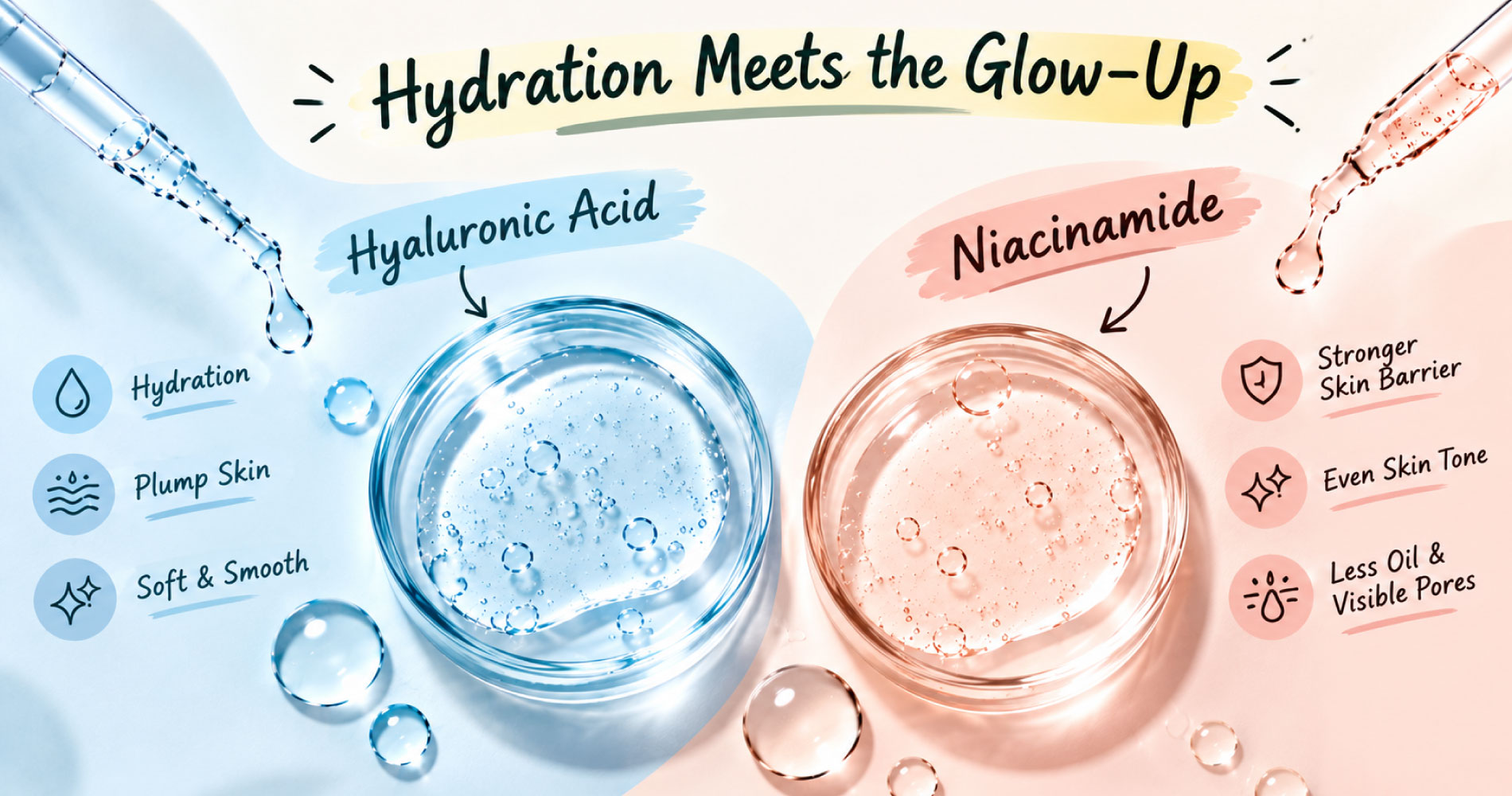
Niacinamide: It supports the skin barrier and may help improve the appearance of uneven skin tone. It can be used in a routine with kojic acid, but mixing the two does not guarantee faster results.
Vitamin C: It provides antioxidant support and may help improve the appearance of pigmentation. Some formulations can cause stinging on sensitive or already irritated skin.
Hyaluronic Acid: It helps attract and retain moisture. Used with kojic acid, it may help keep the skin hydrated, but it does not directly remove dark spots.
Retinoids: These are used for acne and other skin-related concerns. They affect skin cell turnover, but can also cause dryness, flaking, and irritation. Therefore, caution is necessary when using them with kojic acid.
AHA and BHA: Ingredients such as glycolic acid and salicylic acid can help with exfoliation or acne management. However, using multiple exfoliating products with kojic acid may increase irritation.
Azelaic acid: This can help improve acne-related concerns and the appearance of pigmentation. Whether it is appropriate to use it with kojic acid depends on the products and your skin’s tolerance.
It is not necessary to use every trending ingredient together. Introduce one new active ingredient at a time, follow the instructions, and pay attention to your skin’s reaction. If you use prescription treatments or have a skin condition, consult a dermatologist before using multiple active ingredients together.
Safety, skin types and precautions
Kojic acid may be useful for some people, but in others it can cause irritation or an allergic reaction. Its suitability depends on the product formulation, skin condition, and individual response.
Oily skin: A lightweight serum or lotion may feel comfortable, but oily skin can still experience irritation. If you have active acne, it is also important to control the acne to prevent new marks.
Dry skin: Focus on moisturizing and supporting the skin barrier. Avoid introducing new active ingredients when the skin is cracked, flaky, or uncomfortable.
Sensitive skin: If you have eczema, contact allergies, or frequent irritation, take extra caution. In some people, kojic acid can cause redness, itching, or allergic contact dermatitis.
Can Kojic Acid make dark spots worse
Indirectly, this can happen. If a product causes inflammation or an allergic reaction, additional post-inflammatory pigmentation may develop afterward. This is a particular concern for people whose skin easily develops dark marks after inflammation. Persistent irritation is not proof that the ingredient is working. If severe irritation occurs, stop using the product and seek medical advice if the symptoms persist.
Are higher concentrations always better?
No. Concentration is only one of several factors that affect a product’s effectiveness and tolerability. A review related to cosmetic safety has discussed the use of kojic acid at concentrations of up to one percent under the conditions evaluated. However, this does not mean that this amount will always be safe for every person or every product, or that everyone should use the same concentration.
Follow the product instructions and any applicable local guidelines. If you are pregnant, breastfeeding, undergoing treatment for a skin condition, or are unsure whether a product is right for you, consult a healthcare professional.
Have pigmented spots that are unusual, changing, or appearing without a clear cause examined. If the pigmentation is spreading or is not improving as expected, it is especially important to identify the correct cause.
Results timeline and common mistakes
Kojic acid does not produce overnight results. The speed of improvement depends on the cause and depth of the pigmentation, the product formulation, consistent use, and whether the underlying cause persists.
Some people may notice gradual changes over several weeks, while stubborn marks may take several months or longer to fade. According to general dermatology guidance, some superficial dark spots may take about six to twelve months to lighten naturally after the underlying cause has been removed. This does not guarantee results from kojic acid.
Common mistakes to avoid
Expecting immediate results: Pigmentation fades gradually. Instead of switching products every few days, give the appropriate routine time.
Skipping sunscreen: Sun exposure can darken existing marks and contribute to the formation of new spots.
Applying too much product: Using more than directed does not guarantee that marks will lighten faster. It may increase the risk of irritation.
Mixing too many active ingredients: Using several strong products at once can put stress on the skin and make it difficult to identify the cause of a reaction.
Popping pimples: Pressing or picking at pimples can increase inflammation and raise the likelihood of marks forming later.
Ignoring irritation: If you experience persistent redness, itching, and burning, reassess your routine.
Treating every mark the same: Acne marks, melasma, and other pigmented spots can have different causes and may require different kinds of care.
Trusting unrealistic claims: Be cautious of products that promise permanent skin lightening or guaranteed results.
Rather than frequently switching products or applying too many active ingredients to the skin, adopting a gentle and consistent routine is a wiser approach.
Kojic Acid compared with other brightening ingredients
Kojic acid is not the only ingredient used to care for uneven pigmentation. Vitamin C, niacinamide, azelaic acid, retinoids, and exfoliating acids also have different roles in skincare. Vitamin C provides antioxidant support and may help improve the appearance of uneven skin tone. Niacinamide supports the skin barrier and can be part of a routine focused on pigmentation. Azelaic acid may be useful for those concerned about both acne-related issues and dark marks.
Retinoids affect skin cell turnover and may help with certain acne-related issues, but they can also cause irritation. Glycolic acid exfoliates the skin’s surface, although overuse can irritate the skin. Kojic acid is notable for its ability to help inhibit tyrosinase, an enzyme involved in the process of melanin production. However, no single ingredient can be said to be the best for every type of pigmentation.
Which ingredient you should use depends on the cause of the dark spots, your skin’s sensitivity, and the overall formulation of the product. If you have multiple skin concerns at the same time, a dermatologist can help determine which ingredients are suitable and how to incorporate them safely. No matter which brightening ingredient you choose, sunscreen remains important. Protecting the skin from the sun is a fundamental part of caring for dark spots.
Conclusion: Is Kojic Acid worth the hype?
Kojic acid has its place in skincare, especially for those who want to improve the appearance of certain types of hyperpigmentation. Its ability to influence the process of melanin production makes it an ingredient worth understanding, but it is not a magical solution that removes every dark spot.
If you are considering adding it to your routine, first understand the cause of the pigmentation. Choose a product with the correct label and clear instructions, start gradually, use a moisturizer as needed, and apply sunscreen regularly. Avoid using multiple strong ingredients at once in an attempt to get quick results. Also remember that healthy skin does not have to be completely flawless. Dark marks are common, and having them does not mean that your skincare routine has failed. The real point is that kojic acid can help, but patience, sun protection, and a gentle skincare routine are equally important.
Disclaimer
All the information provided in this article is for general educational and awareness purposes only. Its aim is to provide information about skin care, the potential benefits of kojic acid, and its proper use. This article should not be considered a substitute for any kind of professional medical advice, diagnosis, or treatment.
The results of kojic acid may vary from person to person depending on their skin, the cause of pigmentation, skin sensitivity, and the formulation of the product being used. It may help lighten certain types of dark spots and uneven skin tone, but it is not necessary that the results be immediate or the same for everyone. Before starting to use any new skincare product, perform a patch test and follow the instructions provided on the product. Excessive or improper use of kojic acid can cause redness, irritation, itching, or other skin reactions. It is also important to use a broad-spectrum sunscreen during the day to protect the skin from the sun and reduce the likelihood of increased pigmentation.
If your skin is sensitive, you already have a skin condition, or you experience persistent irritation or signs of allergy after use, stop using the product and consult a dermatologist. Before adding any skincare ingredient to your routine, it is important to understand your skin’s needs and its tolerance.
FAQs
1. Does kojic acid help lighten dark marks left after acne?
Yes, kojic acid can help lighten dark marks left after acne by reducing the production of excess melanin. However, the results depend on the severity of the marks, the product formulation, and consistent use.
2. How long does it take to see results from kojic acid?
Kojic acid does not work overnight. With regular use, some people may see improvement in a few weeks, while stubborn dark spots may take a few months to fade. It is important to apply sunscreen daily to prevent further pigmentation.
3. Can kojic acid be used daily?
It depends on the product formulation and your skin’s tolerance. Start by using it less frequently at first and follow the instructions provided with the product. If you experience persistent redness, irritation, or itching, stop using it.
4. Can kojic acid be used with other skincare ingredients?
Kojic acid can be used with ingredients such as niacinamide. However, using it with exfoliating acids, retinoids, or other strong active ingredients may increase the risk of irritation. Introduce new ingredients gradually into your skincare routine and consult a dermatologist if needed.
5. Is kojic acid suitable for all skin types?
Kojic acid can be beneficial for different skin types, but it may cause irritation or allergic reactions on sensitive skin. Perform a patch test before use, follow the product instructions, and apply a broad-spectrum sunscreen daily to protect the skin from the sun.

Content Writer with 3+ years of experience turning ideas into words people want to read, share, and remember. I create research-backed social media and lifestyle content that blends storytelling, creativity, and audience insights to make every piece feel fresh, relatable, and engaging.