
Abstract
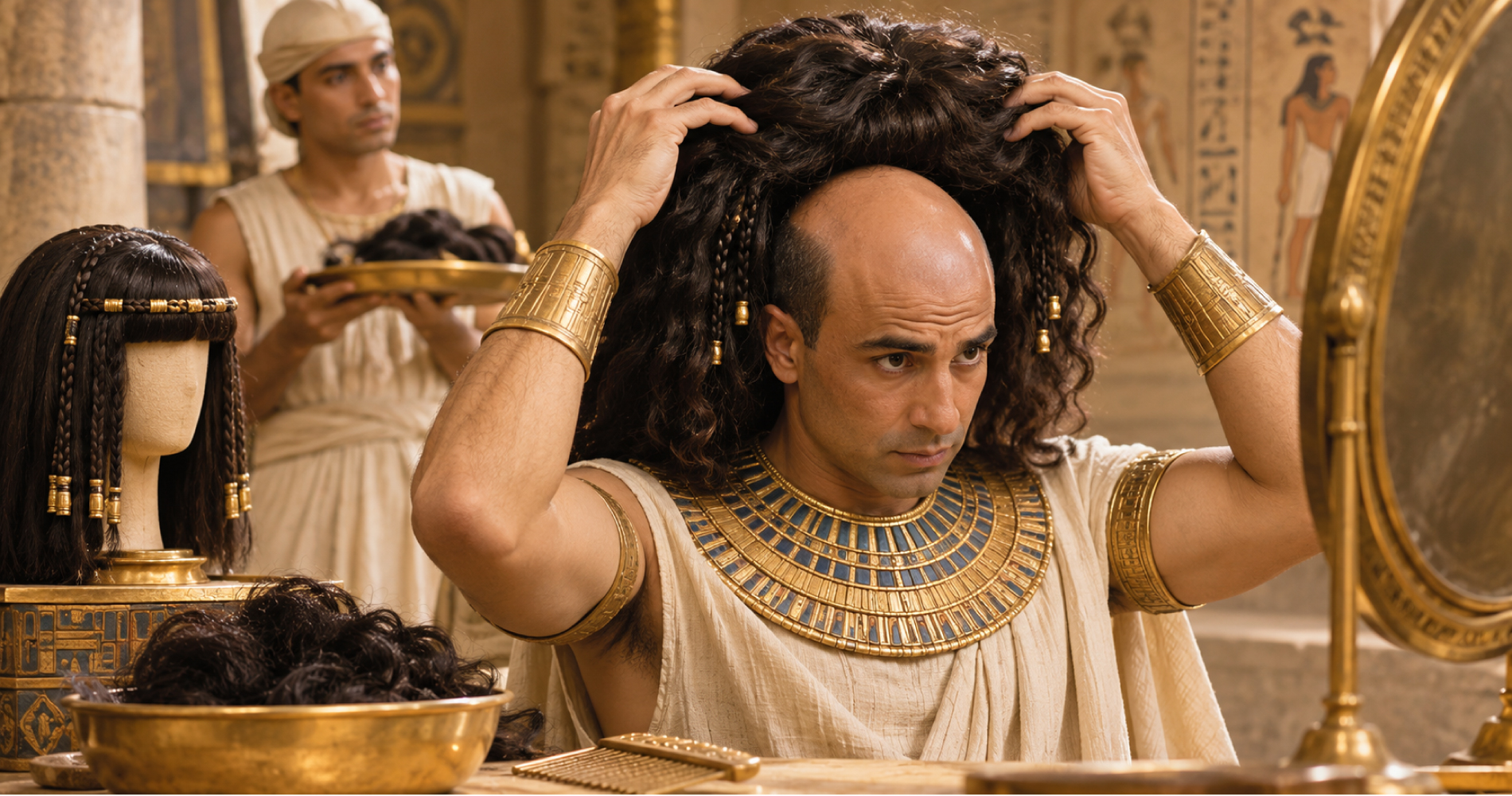
आज Human Hair Wigs और Hair Extensions का इस्तेमाल Fashion, Hair Loss और Baldness छिपाने के लिए होता है। लेकिन ये Trend नया नहीं है। करीब 5000 साल पहले Ancient Egypt में लोग असली इंसानी बालों से wigs और Hair Extensions तैयार करते थे। Archaeologists को Egyptian Tombs से ऐसी Wigs मिली हैं, जिनमें Human Hair, Beeswax और Plant Fibres के Evidence मौजूद हैं। कुछ लोग सिर मुंडवाकर Wigs पहनते थे, जबकि दूसरे अपने Natural Hair में Extensions जोड़ते थे। आखिर Egyptians ने इतना Advanced Hair Styling कैसे सीखा? क्या Wigs सिर्फ Baldness छिपाने के लिए थीं या इनके पीछे Hygiene, Fashion और Social Status का भी Connection था?
Introduction
Hair Myths Series के पिछले Part में हमने देखा था कि Ancient Egypt में लोग Hair Growth के लिए कितने अजीब नुस्खे इस्तेमाल करते थे। Ebers Papyrus में शेर, मगरमच्छ, साँप और दूसरे जानवरों की चर्बी से बने Hair Growth Formulas का जिक्र मिलता है। वहीं Ancient Greece में Hippocrates ने Baldness से जुड़ा एक Interesting Pattern Notice किया था। लेकिन Hair Loss से परेशान हर इंसान अपने सिर पर अजीब Mixtures नहीं लगाना चाहता था। कुछ लोगों ने इसका दूसरा रास्ता खोज लिया। आज से करीब 5000 साल पहले Ancient Egypt में लोग असली इंसानी बालों से Human Hair Wigs तैयार कर रहे थे। कुछ Wigs इतनी Carefully बनाई गई थीं कि उनकी Braids और Curls आज भी Museums में सुरक्षित हैं। और सबसे Interesting बात? उस दौर में wigs सिर्फ Baldness छिपाने के लिए नहीं थीं। कई लोग अपने असली बाल होते हुए भी Wigs पहनते थे।
Ancient Egypt: जब Human Hair Wigs Fashion और Status का हिस्सा थीं
Ancient Egypt में Hair Styling का काफी महत्व था। पुराने Tomb Paintings, Sculptures और Archaeological Discoveries में अलग-अलग Hairstyles देखने को मिलते हैं। कुछ लोगों के बाल छोटे थे, कुछ लंबे Braids रखते थे और कई लोग पूरी Human Hair Wigs पहनते थे। लेकिन Egyptian Society में हर व्यक्ति के पास एक जैसी Wig नहीं थी। Rich Families और High-ranking Officials के लिए Elaborate Wigs एक Status Symbol थीं। वहीं साधारण लोगों के लिए छोटे Hairpieces और कम Cost वाले Materials ज्यादा Practical थे।
क्या Ancient Egyptians सच में Human Hair Wigs पहनते थे?
हाँ। इसका Archaeological Evidence मौजूद है। साल 2016 में Internet Archaeology में Joann Fletcher और Filippo Salamone की Research Publish हुई। Researchers ने British Museum में मौजूद एक Ancient Egyptian Wig की Construction और Styling Process को Study किया। यह Wig लगभग 14वीं सदी BCE की है और पूरी तरह Human Hair से बनी है। Research में सामने आया कि Wig के अंदर एक Mesh-like Base तैयार किया गया था। इसके ऊपर अलग-अलग Hair Sections जोड़कर Curls और Braids बनाई गई थीं। यानी यह सिर्फ सिर पर रखे हुए बालों का गुच्छा नहीं था। इसे बनाने में Careful Planning, Hair Styling Skills और काफी मेहनत लगी थी। आज Market में मिलने वाली Real Human Hair Wigs के पीछे भी यही Basic Concept है। हालांकि Modern Materials और Attachment Techniques काफी अलग हैं।
क्या सिर्फ Bald लोग Wigs पहनते थे?
नहीं। यह Ancient Egyptian Hair Fashion से जुड़ा एक Common Myth है। कुछ लोग Bald Head या Thin Hair छिपाने के लिए Hairpieces पहनते थे। लेकिन Wigs का इस्तेमाल सिर्फ Hair Loss तक सीमित नहीं था। Egyptian Elite में Wigs Social Status दिखाने का तरीका थीं। कई लोग अपने Natural Hair के ऊपर भी Wig पहनते थे। यह आज के Fashion Wigs जैसा ही एक Concept था, जहाँ इंसान सिर्फ Baldness छिपाने के लिए नहीं, बल्कि अलग Look पाने के लिए भी Wig चुनता है।
3400 BCE: दुनिया के सबसे पुराने Human Hair Extensions में से एक कहाँ मिले?
Ancient Egypt में Human Hair Extensions का History Wigs से भी पुराने Evidence तक पहुँचता है। Archaeological Research के मुताबिक करीब 3400 BCE के Human Hair Extensions Hierakonpolis नाम की जगह से मिले थे। Hierakonpolis Ancient Egypt का एक महत्वपूर्ण Archaeological Site है। यहाँ Researchers को एक महिला की Burial से Artificial Hair Extensions का Evidence मिला। इस Discovery का जिक्र Joann Fletcher की Hair Research में मिलता है।
5000 साल पहले Hair Extensions कैसे इस्तेमाल होते थे?
उस दौर में लोग अपने Natural Hair में अतिरिक्त Hair Sections जोड़कर Hairstyle की Length और Volume बढ़ाते थे। Braiding और Hair Attachment Techniques इसके लिए महत्वपूर्ण थीं। हालांकि हर Burial से मिले Hairpieces का पूरा इस्तेमाल आज समझ में नहीं आता। कुछ Extensions रोजमर्रा की Styling के लिए थे, जबकि कुछ का Connection Burial Practices से भी था। Brooklyn Museum में मौजूद Ancient Egyptian Human Hair Extensions इसका अच्छा Example हैं। ये Extensions लगभग 2114–1502 BCE के बीच के हैं। Museum के अनुसार ऐसे Hairpieces Natural Hair या Wigs को ज्यादा Thick और Attractive बनाने के लिए इस्तेमाल होते थे।
क्या Ancient Hair Extensions आज की Extensions जैसी थीं?
Basic Idea काफी मिलता-जुलता था। आज लोग Hair Length और Volume बढ़ाने के लिए Extensions लगाते हैं। Ancient Egypt में भी Extra Hair जोड़कर Elaborate Hairstyles तैयार किए जाते थे। लेकिन Modern Hair Extensions में Clips, Tape, Keratin Bonds और दूसरे Attachment Methods मिलते हैं। Ancient Egyptian Hairdressers Braids, Knots और Hair-based Foundations इस्तेमाल करते थे। दोनों का मकसद Hairstyle बदलना था, लेकिन Materials और Techniques अलग थीं।
Ancient Egyptian Wigs कैसे तैयार होती थीं?
अगर आपको लगता है कि हजारों साल पहले Wig बनाना आसान काम रहा होगा, तो British Museum की एक Wig पर हुई Research अलग कहानी बताती है। Researchers ने इस Wig की Construction समझने के लिए उसके Hair Sections, Braiding Patterns और Foundation को Examine किया। इससे Ancient Egyptian Wigmaking की Detailed Process सामने आई।
Human Hair को अलग-अलग Sections में बाँटा जाता था
Wig बनाने के लिए सबसे पहले काफी मात्रा में Human Hair की जरूरत होती थी। Researchers के मुताबिक British Museum की एक Wig में Hair को कई सौ Individual Lengths में बाँटा गया था। हर Length में लगभग 400 Hair Strands मौजूद थे। इसके बाद Hair को Carefully Arrange करके अलग-अलग Sections तैयार किए गए। इतने Hair Strands को सही Position में जोड़ना अपने आप में काफी मुश्किल काम था।
Wigs के अंदर Mesh जैसा Base होता था
Wig के अंदर Braided Hair से एक Foundation तैयार किया गया था। यह Foundation Horizontal और Vertical Braids से मिलकर बना था। इसके ऊपर अतिरिक्त Hair Sections Attach किए गए। इस Structure से Wig को Shape मिलती थी और Hair Sections अपनी Position में रहते थे। Mesh-like Design के कारण Head से Heat निकलने की जगह भी मौजूद थी।
Curls और Braids कैसे बनाई जाती थीं?
Ancient Egyptian Wigs में कई तरह की Hair Styling दिखाई देती है। कुछ Wigs में छोटे, घने Curls होते थे। दूसरी Wigs में लंबे Braids और अलग-अलग Layers मिलती हैं। British Museum की एक Wig में दो अलग Styling Sections हैं। इसे Duplex Style कहते हैं। यह Hairstyle 14वीं सदी BCE के कुछ Male Officials में Popular था। Research के मुताबिक ऐसी Wigs को तैयार करने में Experienced Wigmakers की जरूरत होती थी।
Human Hair इतना Valuable क्यों था?
आज भी अच्छी Quality के Human Hair Wigs और Extensions महँगी होती हैं। Ancient Egypt में भी Human Hair की Value काफी ज्यादा थी। उस समय Egyptian Economy में Barter System का बड़ा Role था। लोग अलग-अलग Goods के बदले दूसरी चीजें Exchange करते थे। Historical Records में Human Hair का नाम Valuable Materials के साथ मिलता है।
क्या लोग अपने बाल बेचते थे?
Research में Human Hair के Trade और Exchange की जानकारी मिलती है। Wigmakers को बड़ी मात्रा में Hair चाहिए होता था। इसलिए Hair अलग-अलग Sources से Collect किया जाता था। हालांकि हर Wig के लिए Hair कहाँ से आया, इसका Record मौजूद नहीं है। कुछ Wigs में Owner के अपने Hair का इस्तेमाल भी हुआ होगा, लेकिन Researchers हर Archaeological Wig के लिए यह Confirm नहीं करते। इसलिए Ancient Egypt में सभी Human Hair Wigs किसी खास Group के लोगों के बालों से बनती थीं, ऐसा दावा गलत होगा।
क्या Egyptians जानबूझकर सिर मुंडवाते थे?
अब कहानी में एक Interesting बात आती है। आज Hair Loss से परेशान कई लोग Wigs पहनते हैं, लेकिन Ancient Egypt में कुछ लोग जानबूझकर अपना सिर मुंडवाते थे। इसके पीछे Fashion के साथ Hygiene और Religious Practices का भी Connection था।
Ancient Egypt में Head Shaving क्यों Popular थी?
Egypt का Climate गर्म था। ऐसे मौसम में लंबे Natural Hair को Maintain करना मुश्किल होता था। कुछ Egyptians अपना सिर Shave या Closely Crop करते थे और जरूरत पड़ने पर wigs पहनते थे। Wigs उन्हें अलग-अलग Hairstyles चुनने की Freedom देती थीं। साथ ही Removable Wigs की वजह से Scalp की Cleaning भी आसान रहती थी। लेकिन यह मानना गलत है कि Ancient Egypt में हर इंसान हमेशा सिर मुंडवाकर ही घूमता था। Archaeological Evidence में Natural Long Hair, Short Hair, Braids और Wigs, सभी Examples मौजूद हैं।
क्या Head Shaving का Connection Religion से भी था?
हाँ। Egyptian Priests के लिए Body Hair और Cleanliness के अलग नियम थे। Greek Historian Herodotus ने अपनी Histories में Egyptian Priests के Shaving Practices का जिक्र किया था। उनके अनुसार Priests नियमित रूप से Body Hair Shave करते थे, ताकि Religious Duties के दौरान Lice और दूसरी Unclean Conditions से बचें। यह उस समय की Ritual Purity से जुड़ी सोच का हिस्सा था। लेकिन Priests की Practices को पूरे Egyptian Population पर लागू नहीं करना चाहिए।
क्या Ancient Egyptian Wigs से Head Lice खत्म हो जाती थीं?
यह सवाल काफी Interesting है, क्योंकि Ancient Egyptian Hair Care में Lice एक वास्तविक Problem थी। Head Lice छोटे Parasites हैं, जो Human Scalp पर रहते हैं और Blood Feed करते हैं। इनका Scientific Name Pediculus humanus capitis है। Ancient Egyptian Hair Remains और Fine-toothed Combs से पता चलता है कि उस दौर में लोग Lice से परेशान थे।
Head Shaving से Lice का Risk क्यों घटता था?
Head Lice को Scalp के करीब मौजूद Hair Strands की जरूरत होती है। ये Hair पर अपने Eggs Attach करती हैं और Scalp से Blood Feed करती हैं। जब किसी व्यक्ति के सिर पर Hair बहुत कम या बिल्कुल नहीं होते, तो Head Lice के लिए वहाँ रहना मुश्किल हो जाता है। इसीलिए Head Shaving से Lice Infestation का Risk घटता है। लेकिन केवल Wig पहनने से Lice खत्म नहीं होतीं। अगर Natural Hair और Scalp में पहले से Lice मौजूद हों, तो Wig पहनना उनका Treatment नहीं है।
क्या Wigs पूरी तरह Hygienic थीं?
Removable Wigs की Cleaning आसान थी, लेकिन उनकी Hygiene Maintenance पर Depend करती थी। अगर Wig में Dirt, Oils और दूसरे Materials जमा होते रहें, तो Cleaning जरूरी है। Ancient Egyptian Wigmaking में Oils और Waxes का भी इस्तेमाल होता था। इसलिए हर Wig को Automatically Clean या Lice-free मानना गलत है।
Beeswax और Animal Fat: Ancient Wigs में इन Ingredients का क्या काम था?
Hair Myths Series के पिछले Part में हमने Animal Fat वाले Hair Growth Remedies की कहानी देखी थी। लेकिन Ancient Egyptian Wigs में भी Animal-derived Ingredients का इस्तेमाल होता था। फर्क यह है कि यहाँ उनका मकसद Hair Growth नहीं, बल्कि Hair Styling था।
Beeswax से Hairstyles कैसे बनाए रखते थे?
Beeswax एक Natural Wax है, जिसे Bees तैयार करती हैं। Ancient Egyptian Wigmakers कुछ Hairstyles को Shape देने और Hair Sections को Hold करने के लिए Beeswax इस्तेमाल करते थे। यह Hair Strands को एक साथ रखने में मदद करती थी। कुछ Archaeological Wigs में Waxy Materials और दूसरे Styling Substances के Evidence मिले हैं। लेकिन इसका मतलब यह नहीं कि हर Egyptian Wig में एक जैसे Ingredients इस्तेमाल होते थे।
Animal Fat से Hair Styling कैसे होती थी?
Animal Fat Hair Strands पर Oily Coating बनाती है। इससे Hair में Shine आती है और Styling के दौरान Strands को Manage करना आसान होता है। कुछ Ancient Wigs में Animal Fat और Beeswax के इस्तेमाल के Evidence मिलते हैं। लेकिन इस तरह के Ingredients Hair Follicles को Active नहीं करते। यानी Ancient Egypt में Animal Fat का एक इस्तेमाल Hair Styling से जुड़ा था, जबकि दूसरी Recipes में लोग इसे Hair Growth के लिए भी आजमाते थे। यही फर्क Historical Hair Care को समझने में महत्वपूर्ण है।
क्या Ancient Egyptian Women और Men की Wigs अलग थीं?
Ancient Egyptian Hairstyles समय के साथ बदलती रहीं। कुछ Periods में Short Wigs Popular थीं। दूसरे Periods में Long Braids और Heavy Curls दिखाई देते हैं। Men और Women दोनों Wigs इस्तेमाल करते थे, लेकिन उनकी Styling हमेशा एक जैसी नहीं थी।
Women की Long Braided Wigs
कुछ Egyptian Women की Wigs काफी लंबी होती थीं। इनमें कई Braids और अलग-अलग Hair Sections मौजूद थे। 14वीं सदी BCE की Meryt नाम की महिला की Wig इसका एक Important Example है। यह Wig Turin के Museo Egizio Collection में मौजूद है। Researchers ने इसकी Construction, Hair Arrangement और Grooming Materials की Detailed Study की है। यह पूरी तरह Dark Brown Human Hair से बनी थी।
Men की Duplex Wigs
कुछ Male Officials ऐसी Wigs पहनते थे, जिनमें छोटे Curls और लंबे Braids साथ दिखाई देते थे। British Museum में मौजूद एक Wig इसी Duplex Style का Example है। इससे पता चलता है कि Hair Fashion सिर्फ Women तक सीमित नहीं था। Ancient Egyptian Men भी Elaborate Hairstyles में काफी Interest रखते थे।
Death के बाद भी Wigs क्यों साथ रखी जाती थीं?
Ancient Egypt में Death और Afterlife से जुड़े Beliefs का बड़ा महत्व था। Egyptians अक्सर मृत व्यक्ति के साथ ऐसी चीजें Tomb में रखते थे, जिनकी जरूरत उनके अनुसार Afterlife में होती। इनमें Jewellery, Clothes, Combs और Hairpieces भी शामिल थे।
क्या Mummies के साथ भी Wigs मिलती हैं?
हाँ। कई Archaeological Discoveries में Mummies के साथ Wigs और Hair Extensions मिले हैं। कुछ Mummies ने Wigs पहनी हुई थीं, जबकि दूसरे Hairpieces Tomb के अंदर अलग रखे गए थे। 2024 में Published एक Scientific Study ने Ancient Egyptian Mummy के साथ मौजूद Wig की CT Imaging से जांच की। Researchers ने Wig की Braided Structure और उसके ऊपर मौजूद Embalming Material को Examine किया। ऐसी Discoveries से Archaeologists को Ancient Hair Styling के बारे में काफी जानकारी मिलती है।
क्या हर Mummy के साथ Wig रखी जाती थी?
नहीं। Burial Practices व्यक्ति के Social Status, Period और दूसरे Factors के अनुसार बदलती थीं।कई Mummies के Natural Hair भी सुरक्षित मिले हैं। इसलिए Wigs को सभी Ancient Egyptian Burials का जरूरी हिस्सा मानना सही नहीं है।
Ancient India: क्या भारत में भी Human Hair Wigs इस्तेमाल होती थीं?
Ancient Egypt की तरह भारत में भी Artificial Hair और Wigs के इस्तेमाल के Historical References मिलते हैं। पुराने Indian Sculptures में लंबे Braids, बड़े Hair Buns और अलग-अलग Hairstyles दिखाई देते हैं।
पुराने भारत में Wigs का इस्तेमाल कैसे होता था?
Social Life in Medieval Karnataka में Artificial Hair Switches और Wigs का जिक्र मिलता है। लोग इनका इस्तेमाल बालों को ज्यादा लंबा और घना दिखाने के लिए करते थे। हालांकि Ancient Egypt की तरह भारत में हजारों साल पुरानी Complete Human Hair Wigs के Physical Evidence काफी कम हैं। इसलिए हर पुराने Hairstyle को Wig मानना सही नहीं होगा। भारत में भी Human Hair Extensions और Artificial Hairpieces का इतिहास रहा है, लेकिन इनके इस्तेमाल और Design के बारे में अभी Limited Research मौजूद है।
Modern Wigs vs Ancient Egyptian Wigs: क्या बदला?
करीब 5000 साल पहले Ancient Egyptians Human Hair Extensions तैयार कर रहे थे। आज Modern Hair Industry में Human Hair Wigs के साथ Synthetic Wigs भी उपलब्ध हैं। Modern Wigs में Lace Front, Monofilament और दूसरे Advanced Base Designs मिलते हैं। इनसे Hairline और Scalp Appearance को ज्यादा Natural Look मिलता है।आज Natural Hair Wigs और Real Human Hair Wigs जैसे Terms भी Market में Popular हैं। इनमें आमतौर पर Human Hair से बने Products की बात होती है, हालांकि हर Product की Quality और Construction अलग होती है।
Hair Replacement और Non Surgical Hair Replacement क्या है?
आज Hair Loss छिपाने के लिए सिर्फ Traditional Wigs ही नहीं, बल्कि Hair Replacement के दूसरे Options भी मौजूद हैं। इनमें non surgical hair replacement एक ऐसा तरीका है जिसमें Hair System या Hairpiece को Scalp के ऊपर Fit किया जाता है। इसमें Hair Transplant जैसी Surgery शामिल नहीं होती। Modern Hair Systems में Human Hair और Synthetic Fibres दोनों इस्तेमाल होते हैं। Ancient Egyptian Wigs और Modern Hair Systems के बीच यही सबसे बड़ा Connection है। दोनों का Main Purpose Hair Appearance को बदलना है, लेकिन उनकी Technology और Fitting Methods अलग हैं।
क्या Modern Wigs Hair Loss रोकती हैं?
Wigs Hair Loss को Hide करती हैं, लेकिन उसका Medical Cause खत्म नहीं करतीं। अगर किसी व्यक्ति को Androgenetic Alopecia, Alopecia Areata या दूसरी Hair Loss Condition है, तो Wig पहनने से उसकी Underlying Problem दूर नहीं होती। उल्टा बहुत Tight Hairstyles, Extensions या लगातार खिंचाव कुछ लोगों में Traction Alopecia पैदा करते हैं। इसलिए Wig की Fitting, Scalp Hygiene और Hair Care महत्वपूर्ण हैं।
How to Grow Hair on Bald Head: क्या Wig पहनने से Hair Growth शुरू होती है?
कई लोग how to grow hair on bald head जैसे सवालों का जवाब खोजते हैं। लेकिन Hair Regrowth और Hair Replacement में फर्क है। Wig या Hair System सिर के खाली हिस्से को Cover करता है। इससे Hair Follicles के अंदर Growth शुरू नहीं होती। Baldness के अलग-अलग Causes होते हैं। Genetic Hair Loss, Autoimmune Conditions और Scarring Alopecia, सभी में Hair Follicles की Condition अलग होती है। कुछ Medical Treatments Hair Growth में मदद करते हैं, लेकिन हर Bald Head पर एक जैसा Result नहीं मिलता। इसीलिए Wigs को Cosmetic Solution और Hair Regrowth Treatments को Medical Care के हिस्से के तौर पर समझना जरूरी है।
Conclusion
Hair Myths Series के पिछले Part में हमने देखा था कि Ancient Egyptians गंजेपन से निपटने के लिए जानवरों की चर्बी इस्तेमाल करते थे। लेकिन उसी Civilization में लोग असली Human Hair से Elaborate Wigs और Extensions भी बना रहे थे। British Museum, Brooklyn Museum और दूसरे Collections में मौजूद Hairpieces दिखाते हैं कि Ancient Egyptians की Hair Styling Skills कितनी Advanced थीं। आज Human Hair Wigs, Hair Extensions और Modern Hair Replacement का Fashion बदल गया है, लेकिन इनके पीछे का Basic Idea काफी पुराना है। इस History की सबसे Interesting बात यही है कि इंसानों ने हजारों साल पहले ही Hair Loss छिपाने और अपने Look को बदलने के अलग-अलग रास्ते खोज लिए थे।
Disclaimer
यह Article Historical Research और Educational Information के लिए है। Ancient Hair Care Practices को Modern Hair Loss Treatment का Alternative न मानें। Scalp Problems या Hair Loss होने पर Dermatologist से सलाह लें।

Bhushal Birla is a content writer who enjoys writing about health, lifestyle, wellness, and everyday topics. He believes that useful information should be easy for everyone to read and understand. His articles focus on answering common questions, explaining important topics in simple words, and helping readers make informed decisions. Through his writing, he aims to share reliable information that readers can relate to and use in their daily lives.



One thought on “क्या Wigs से पुराने बाल वापस आते हैं? जानें 5000 साल पुराना नुस्खा !”