
Abstract
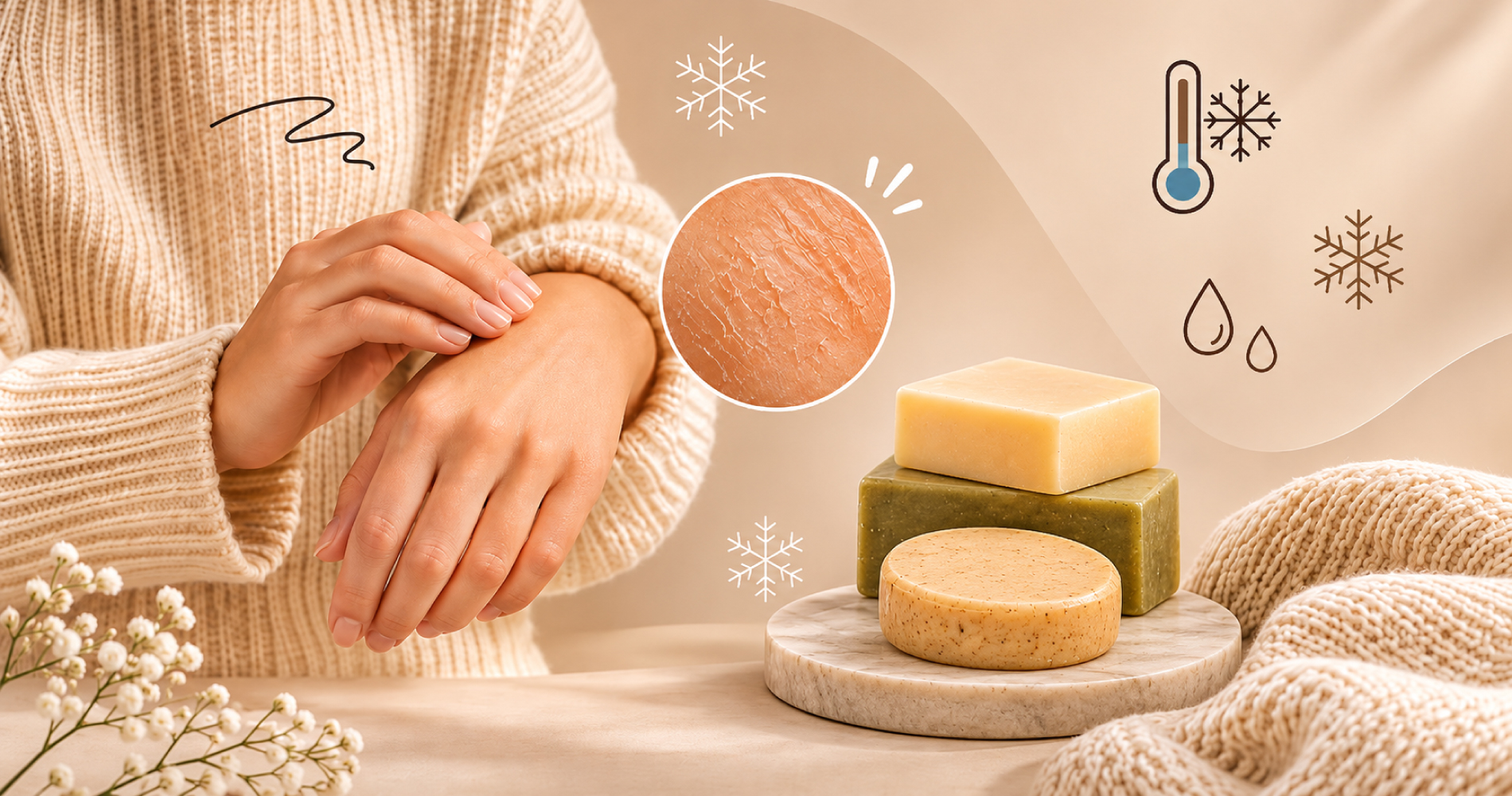
Have you ever noticed that in summer your skin stays completely normal, but as soon as winter arrives it suddenly starts becoming dry, rough, and flaky? Feeling tightness in the skin after bathing, itchy patches, and dryness on the face can make even everyday skin care difficult in cold weather.
The reason is not just the cold temperature. Low humidity, cold winds, indoor heating, and bathing with hot water can all affect the skin’s natural moisture-retaining barrier. And sometimes, even the soap used every day can make the problem worse.
That is why choosing the right soap for dry skin in winter is much more important than you might think. While body wash, glycerin soap, and traditional cleansing bars clean the skin in different ways, not every formula works the same for every skin type.
So what should you keep in mind when choosing a soap for dry and sensitive skin? Let’s understand why skin becomes dry in winter, learn about different cleansing options, and understand how skin can be kept comfortable in cold weather.
Introduction: Why does your skin feel so dry during winter?

Imagine stepping out of a warm shower on a chilly morning, reaching for your towel, and suddenly noticing that your skin feels tight, rough, and uncomfortable. You apply moisturizer, but a few hours later, the dryness is back. Sounds familiar?
Winter can be particularly challenging for your skin. The combination of cold air, low humidity, and frequent exposure to hot water can disturb the skin’s natural protective barrier. This barrier helps retain moisture and protects the skin from external irritants. When it becomes weakened, water escapes more easily, leaving the skin feeling dry and uncomfortable.
But here is something many people overlook: your cleansing routine can also contribute to the problem. Some soaps and cleansers contain strong cleansing agents that remove excess oil, dirt, and sweat but may also strip away some of the natural lipids that help maintain skin softness. When this happens repeatedly, existing dryness can become more noticeable.
This is why choosing a gentle soap for dry skin matters, especially during colder months. Whether you prefer a liquid body wash or a traditional bathing bar, understanding how different cleansers work can help you make a better choice. Let’s break it down.
Why Does Skin Become Dry in Winter?
Before choosing the best soap in winter for dry skin, it helps to understand why your skin needs extra care during this season.
Your skin has a natural protective barrier made up of skin cells and lipids, including ceramides, cholesterol, and fatty acids. Together, these help reduce water loss and protect the skin from environmental irritants. During winter, several factors can interfere with this barrier.
Low Humidity Reduces Skin Moisture
Cold air generally holds less moisture than warm air. When the surrounding humidity drops, water can evaporate more easily from the skin’s surface.
This process is known as transepidermal water loss (TEWL). When water escapes from the skin faster than it can be replenished, the skin may start feeling rough, tight, and flaky.
Hot Showers Can Remove Natural Oils
Let’s be honest: a long, hot shower feels amazing when the weather is freezing. But your skin might not agree.
Very hot water can remove some of the natural oils that help keep the skin barrier healthy. Frequent exposure may leave the skin feeling dry, especially if you already have sensitive or eczema-prone skin.
Try using lukewarm water instead and keep your showers relatively short.
Cold Winds Can Affect the Skin Barrier
Cold winds can expose the skin to harsh environmental conditions and contribute to dryness. Areas such as the face, hands, and lips are particularly exposed.
If your skin already has a weakened moisture barrier, these conditions may increase irritation and make dry patches more noticeable.
Indoor Heating Can Make Dryness Worse
Heaters and other indoor heating systems can reduce the humidity inside your home. This creates another environment in which moisture can escape from the skin.
So, even when you are indoors, your skin may continue experiencing dryness.
Harsh Cleansers Can Increase Dryness
Your soap is supposed to remove dirt, sweat, and excess oil. However, a cleanser that is too harsh for your skin can also disturb its natural lipid barrier.
This is why the right soap for dry skin in winter should cleanse without leaving your skin feeling excessively tight or uncomfortable.
What Should You Look for in a Soap for Dry Skin in Winter?

Not every soap is designed to provide the same cleansing experience. Some focus on removing excess oil, while others are formulated to be gentler and more moisturizing. When choosing a cleanser during winter, consider the following factors:
Gentle Cleansing Agents
A cleanser should remove everyday dirt, sweat, and impurities without unnecessarily stripping the skin.
People with dry or sensitive skin may prefer mild cleansing formulations over products that leave the skin feeling squeaky clean. That overly tight feeling after washing is not necessarily a sign that your skin is cleaner.
Moisturising Ingredients
Ingredients that help soften the skin or support moisture retention can make a cleanser more comfortable to use.
Depending on the formulation, ingredients such as glycerin and certain emollients can help reduce the feeling of dryness associated with cleansing.
Skin-Friendly Formulation
If your skin is sensitive, look for products that are designed with gentle cleansing in mind. Strong fragrances and certain irritating ingredients may not suit everyone.
It is also worth remembering that natural ingredients are not automatically suitable for every skin type. Even plant-based ingredients can cause irritation or allergic reactions in some people.
A Comfortable After-Wash Feel
Your skin should not feel excessively tight, itchy, or uncomfortable after bathing.
The ideal cleanser is one that leaves your skin feeling clean without making it feel stripped. However, even a gentle cleanser cannot replace a moisturizer, so follow up with appropriate skin care.
Which Cleanser Should You Choose During Winter?
Now comes the important question: should you switch to a body wash, use a glycerin soap, or try a traditional low-foaming cleansing bar?
Each option has its own characteristics. The right choice depends on your skin type, the formulation, and how your skin responds after cleansing.
Body Washes: A Convenient Option for Dry Skin
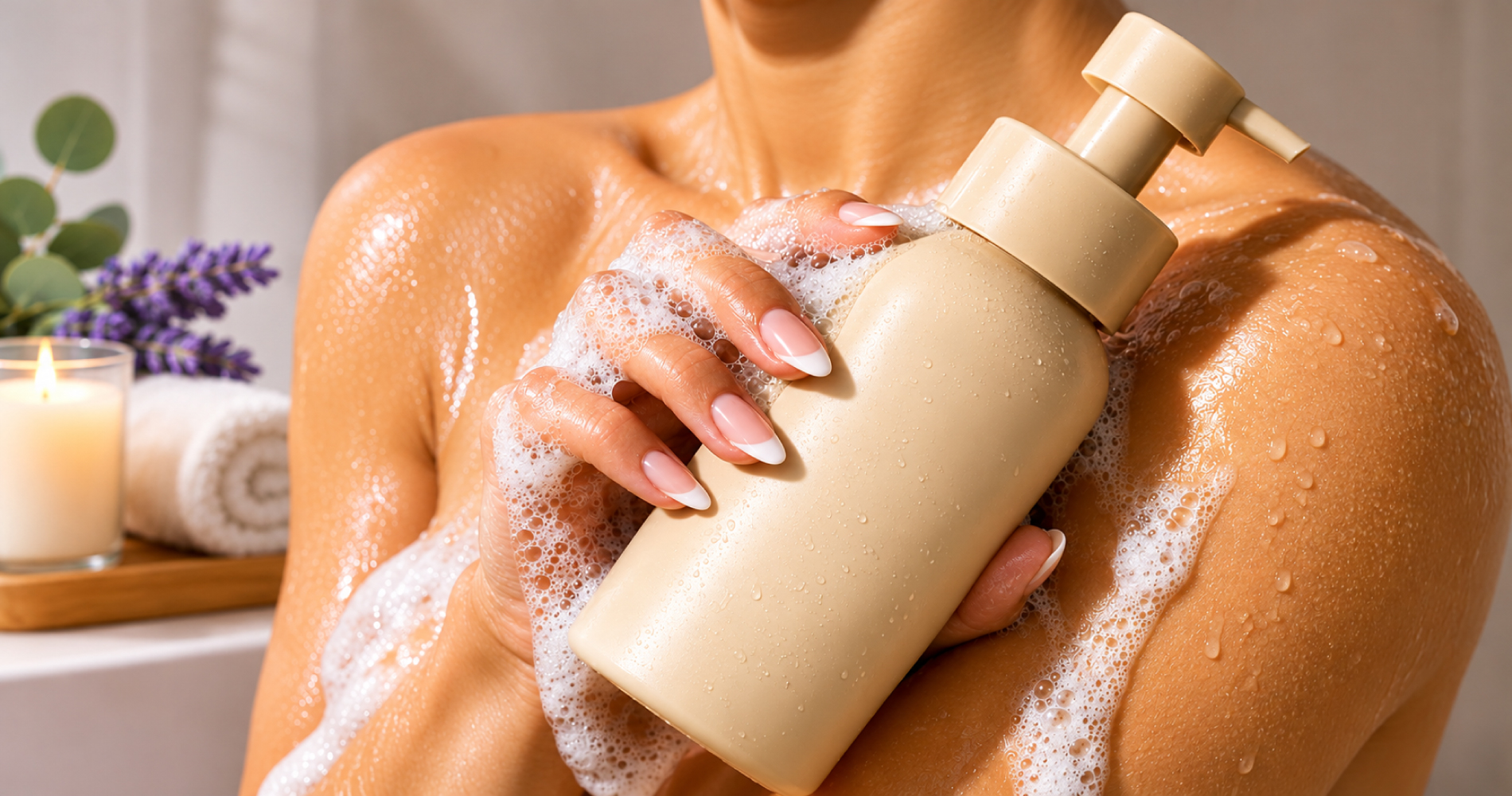
Body washes are liquid cleansers designed to remove dirt, sweat, and excess oil from the skin. Many modern formulations also include moisturizing ingredients to make cleansing more comfortable.
For people experiencing dry skin in winter, a gentle body wash may be a convenient option.
How Can Body Washes Help?
Some body washes contain humectants and emollients that support skin hydration.
Humectants attract water, while emollients help soften the skin and improve its surface feel. Depending on the formula, these ingredients may help reduce the dryness associated with bathing.
Body washes also come in different formulations, including fragrance-free options and products developed for sensitive skin.
What Should You Keep in Mind?
Not every body wash is automatically moisturizing. Some contain strong surfactants or fragrances that may irritate sensitive skin.
If you are looking for a soap for dry and sensitive skin, check the ingredient list rather than relying only on claims such as hydrating, nourishing, or gentle.
A mild, fragrance-free body wash may be a suitable starting point if your skin frequently feels tight after bathing.
Glycerin Soaps: A Popular Choice for Moisture Support

Glycerin is a well-known ingredient in skin care, particularly in products designed to support hydration.
It is a humectant, which means it attracts and helps retain water in the outermost layer of the skin. This makes glycerin a common ingredient in moisturizers, lotions, and certain cleansing bars.
Why Is Glycerin Used in Soaps?
Traditional soap-making processes can produce glycerin naturally, although the amount retained in a finished product can vary.
Glycerin is also added to some cleansing formulations because of its water-attracting properties. It can help improve the skin’s feel and reduce the sensation of dryness.
This is one reason glycerin-based products are often considered when looking for a gentle soap for dry skin.
Are Glycerin Soaps Suitable for Everyone?
Glycerin soaps can be a useful option for people who experience mild dryness, but the overall formulation matters.
A soap may contain glycerin and still feel drying if its cleansing agents are too harsh for your skin. Similarly, fragrance and other additives may not suit people with sensitive skin.
So, instead of choosing a product only because it contains glycerin, consider how the complete formulation works for your skin.
Traditional Low-Foaming Cleansing Bars: An Alternative to Explore
Not everyone prefers liquid cleansers. Traditional bathing bars remain a familiar part of everyday skin care, and some modern formulations combine cleansing ingredients with components commonly used in moisturizing or traditional skincare preparations.
Low-foaming or non-foaming cleansing bars are another option worth understanding, particularly for people who dislike the tight feeling that can sometimes follow cleansing.
Does More Foam Mean Better Cleansing?
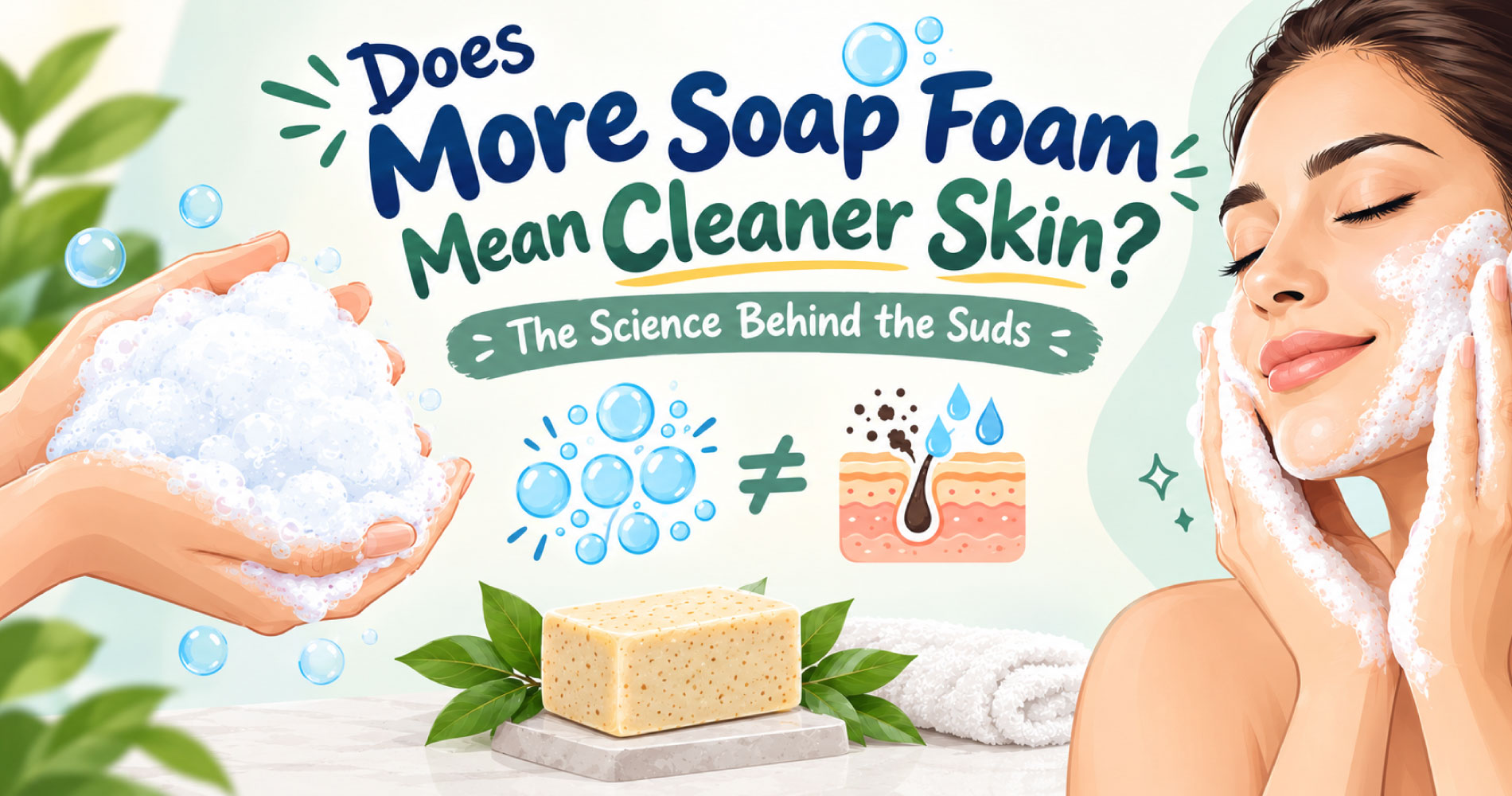
Not necessarily! Foam is created when surfactants interact with water and air. It can make a cleanser feel more satisfying to use, but the amount of foam does not directly determine how effectively it cleans the skin.
A product that creates a lot of foam is not automatically harsh, just as a low-foaming cleanser is not automatically gentle. The type and concentration of cleansing agents, along with the complete formulation, matter much more.
What About Traditional Ingredients?
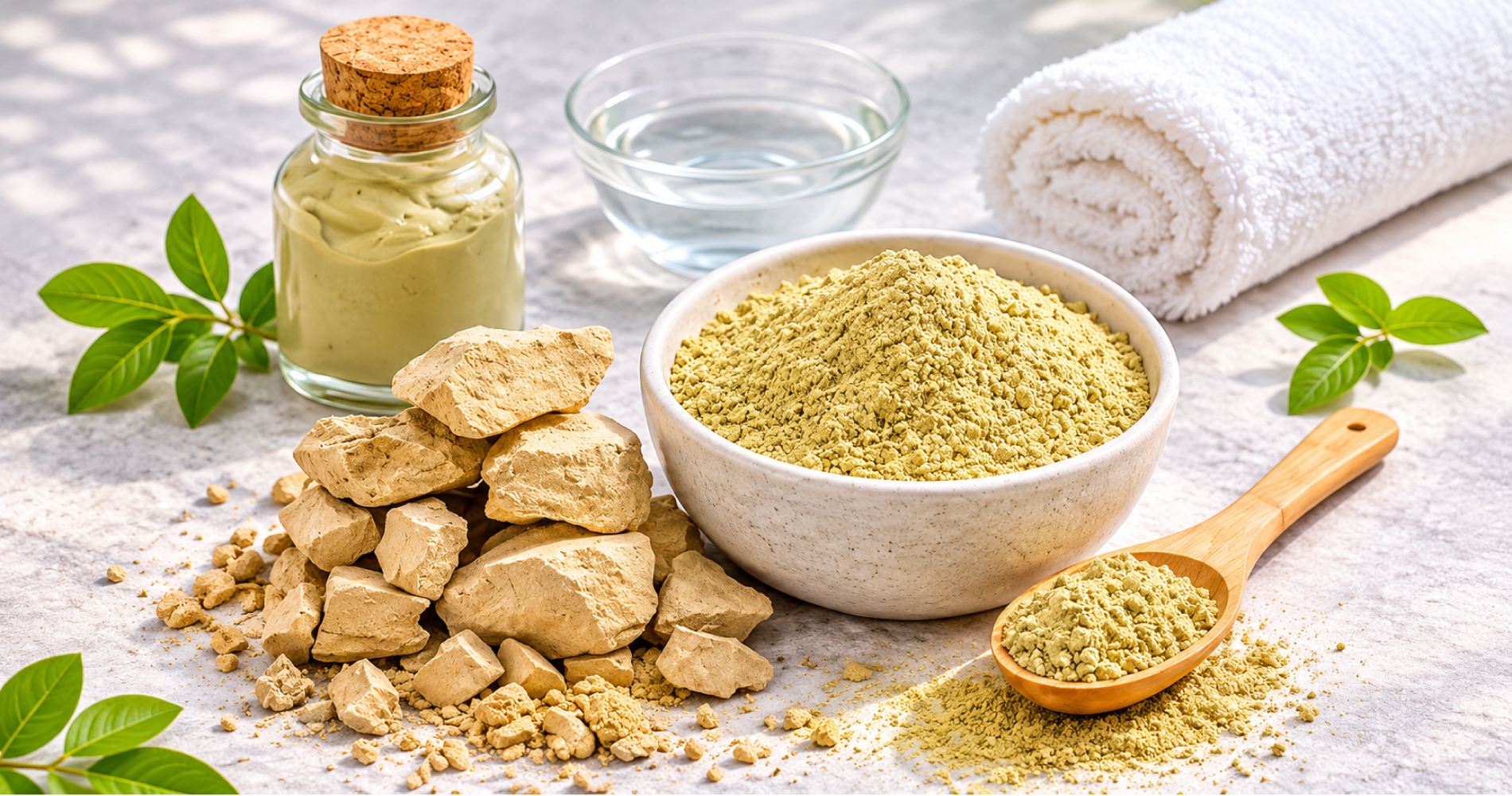
Some traditional cleansing bars combine ingredients such as Multani Mitti, besan, rice flour, and coconut oil.
These ingredients have different properties and are used in various traditional skincare preparations. Multani mitti and besan are commonly associated with cleansing, while rice flour is often included in traditional cleansing mixtures. Coconut oil is known for its emollient properties and may help soften the skin. For example, Lebrostone Multani Mitti Face Pack Soap is one with all these ingredients present in it.
However, their presence does not guarantee that a cleansing bar will prevent dryness or suit every skin type. The finished formulation, cleansing agents, and individual skin response are still important.
Are Low-Foaming Bars Better for Winter?
They can be an option for people who prefer a milder-feeling cleansing experience, but low foam alone does not prove that a product is suitable for dry skin. If you are considering a traditional cleansing bar, check its ingredients, avoid excessive scrubbing, and notice how your skin feels after use.
People with very dry, irritated, or sensitive skin should be especially careful when trying new cleansing products.
How to Choose the Best Soap in Winter for Dry Skin
There is no single cleanser that works perfectly for everyone. Your skin type, existing sensitivity, and daily routine all influence which product may suit you.
Here are a few things to consider before making a choice.
1. If You Have Very Dry Skin
Look for a gentle cleanser that does not leave your skin feeling tight. A fragrance-free body wash or a mild cleansing bar may be worth considering.
Avoid washing repeatedly with harsh products, as this can make dryness more noticeable.
2. If You Have Sensitive Skin
Choose products with simple formulations and avoid ingredients that you already know trigger irritation.
Fragrance-free cleansers may be a better starting point. Always check the complete ingredient list, because even products labelled natural or herbal can cause reactions.
3. If Your Skin Is Combination-Type
Your skin may feel oily in some areas and dry in others. In this case, a balanced cleanser that does not excessively strip the skin may be more suitable.
You may also need to adjust your moisturizing routine depending on how different areas of your skin respond.
4. If Your Face Becomes Dry in Winter
The skin on your face may be more sensitive to cleansing than the skin on your body.
Avoid using harsh body soaps on your face unless they are specifically formulated for facial use. Choose a gentle facial cleanser and follow it with a moisturizer suited to your skin type. If you experience persistent flaking, redness, or irritation, consider consulting a dermatologist.
Simple Winter Skin Care Tips to Prevent Dryness
Choosing the right cleanser is only one part of managing winter dryness. Your everyday habits can also make a difference. Here are a few simple changes that may help:
- Use lukewarm water: Avoid very hot showers, as they can remove natural oils from the skin.
- Keep showers short: Spending too much time in hot water can increase dryness.
- Moisturize immediately after bathing: Apply moisturizer while your skin is slightly damp to help retain moisture.
- Avoid excessive scrubbing: Rough loofahs and harsh exfoliation can irritate already dry skin.
- Choose gentle cleansers: Avoid products that consistently leave your skin feeling tight or uncomfortable.
- Protect exposed skin: Use suitable clothing to protect your hands and face from cold winds.
- Stay consistent: A simple cleansing and moisturizing routine is often more useful than constantly switching products.
If dryness is severe, painful, cracked, or accompanied by persistent itching, it may be more than ordinary seasonal dryness. A dermatologist can help identify the cause and recommend appropriate treatment.
Conclusion: Your Winter Cleanser Should Clean, Not Strip Your Skin
Winter skin care does not have to involve a complicated routine or a shelf full of products. Sometimes, small changes, such as switching to a gentler cleanser and moisturizing regularly, can make your skin feel much more comfortable.
Body washes, glycerin soaps, and traditional low-foaming cleansing bars can all be considered when choosing a soap for dry skin in winter. However, the most important factor is not the product category or the amount of foam it produces. It is the complete formulation and how your skin responds to it.
Remember, a cleanser should remove everyday impurities without leaving your skin feeling excessively dry or irritated. Pair it with lukewarm showers and regular moisturizing to support your skin barrier throughout the colder months.
Because the real winter skin-care goal is simple: clean skin, comfortable skin, and no unnecessary dryness.
Disclaimer
This article is intended for general educational and informational purposes only. It does not replace professional medical advice, diagnosis, or treatment. Skin-care products may affect individuals differently depending on their skin type, sensitivities, and existing conditions. Always check product ingredients and perform a patch test before trying a new product. If you experience persistent dryness, itching, redness, cracking, or irritation, consult a qualified dermatologist.
FAQs
1. Which soap is best for dry skin in winter?
A gentle cleanser that does not leave the skin feeling tight or stripped is generally a suitable choice. Depending on your skin type, you may consider a mild body wash, glycerin-based soap, or a low-foaming cleansing bar.
2. Why does my skin become so dry during winter?
Cold temperatures, low humidity, chilly winds, hot showers, and indoor heating can contribute to moisture loss. These factors may weaken the skin’s protective barrier and make dryness more noticeable.
3. Is glycerin soap good for dry skin?
Glycerin is a humectant that attracts water and helps maintain hydration in the outer layer of the skin. However, the overall formulation matters, as some glycerin soaps may still feel drying depending on their cleansing ingredients.
4. Is a body wash better than soap for dry skin?
Not always. Some body washes contain moisturising ingredients and gentle cleansing agents, while some cleansing bars are also formulated to be mild. The best option depends on the formulation and your skin’s response.
5. Does a non-foaming soap clean the skin properly?
Yes. Foam is not the only indicator of cleansing ability. A low-foaming cleanser can remove dirt and impurities, depending on its cleansing ingredients and formulation.
6. Can I use the same soap on my face and body during winter?
It is generally better to use a cleanser specifically formulated for your face. Facial skin can be more sensitive, and some body soaps may be too harsh for regular facial cleansing.
7. How can I prevent dry skin in winter?
Use lukewarm water, avoid long showers, choose a gentle cleanser, and apply moisturiser immediately after bathing. Avoid excessive scrubbing and protect exposed skin from cold winds.
8. Should I stop using soap if my skin feels dry after bathing?
You may not need to stop cleansing altogether, but consider switching to a gentler product. If dryness continues despite changing your routine, or if you notice cracking, redness, or persistent itching, seek advice from a dermatologist.

Content Writer with 3+ years of experience turning ideas into words people want to read, share, and remember. I create research-backed social media and lifestyle content that blends storytelling, creativity, and audience insights to make every piece feel fresh, relatable, and engaging.


2 thoughts on “Dry skin in winter: Are you using the right soap?”