
Abstract
Imagine someone suddenly collapsing. Their heart stops pumping blood, they lose consciousness, and doctors rush to save their life. After successful resuscitation, their heartbeat returns, but something is still missing. They don’t wake up. Their eyes remain closed, and they show no signs of awareness. What happened?
This is where coma and cerebral hypoxia become important.
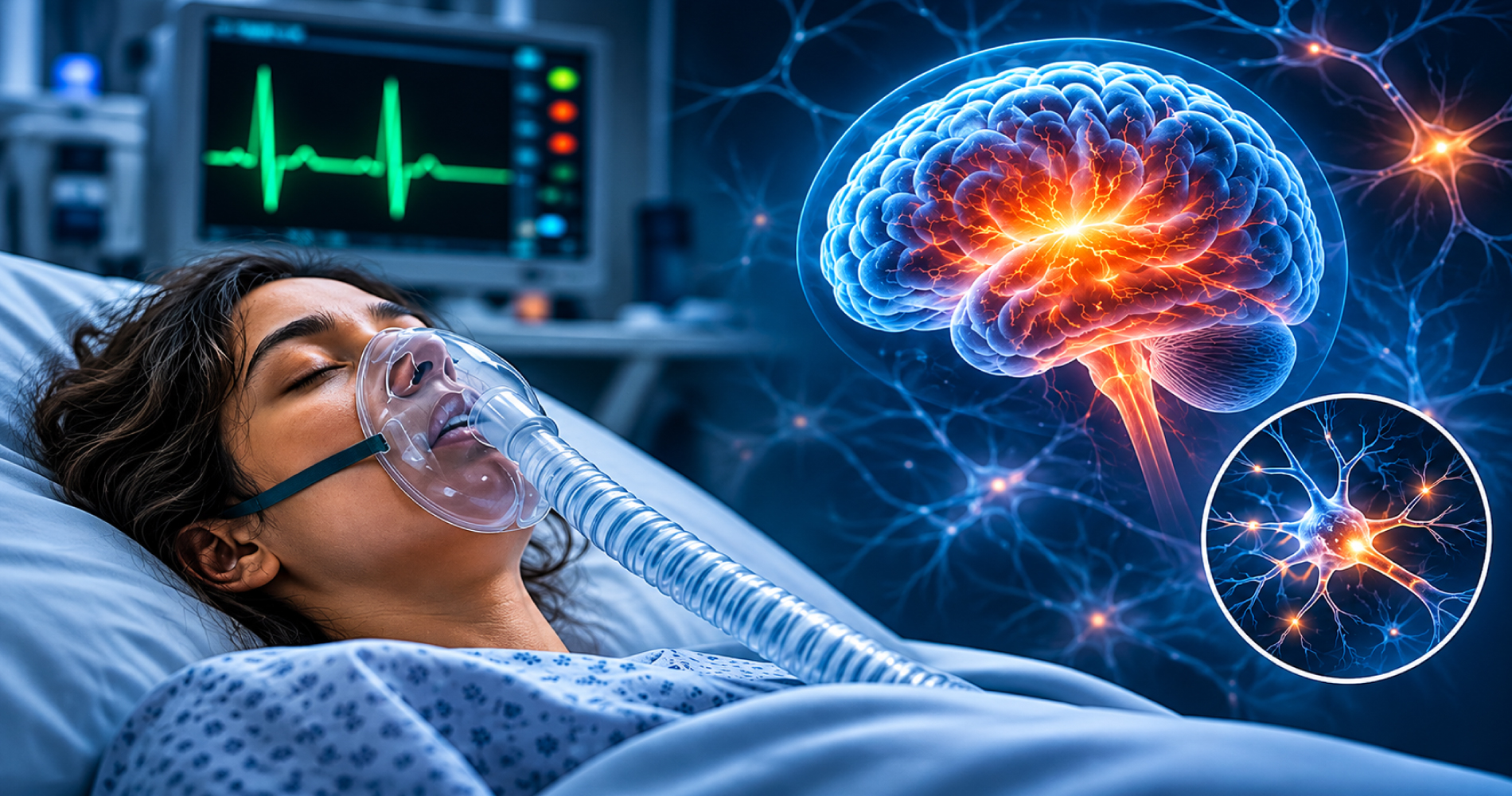
A coma is a prolonged state of unconsciousness in which a person cannot be awakened or respond purposefully to their surroundings. One possible cause is cerebral hypoxia, a condition in which the brain receives insufficient oxygen to function normally. Severe oxygen deprivation can cause hypoxic brain injury, affecting memory, movement, awareness, and other essential functions.
But does a lack of oxygen mean the brain can never recover?
Let’s explore what happens in a coma, the symptoms of cerebral hypoxia, how doctors treat oxygen-related brain injuries, and how long recovery may take.
Introduction: What If Your Heart Restarts But Your Brain Doesn’t Wake Up?
Your heart is beating, your lungs are working, but your brain refuses to bring you back to consciousness. Sounds terrifying, right?
This situation can occur after cardiac arrest, when the heart suddenly stops pumping blood effectively. Without circulation, the brain loses its supply of oxygen and glucose, disrupting the activity of neurons responsible for keeping you conscious.
The condition can lead to cerebral hypoxia, and if oxygen deprivation becomes severe, it can cause permanent brain damage.
However, not every unconscious patient is brain-dead, and not every case of oxygen deprivation leads to irreversible injury.
Some patients regain consciousness after treatment, while others remain in a coma or develop long-term neurological complications.
So, what is a coma, why does it happen, and can doctors bring the brain back after oxygen loss?
Let’s break down the science.
What Is a Coma? Understanding the State of Unconsciousness
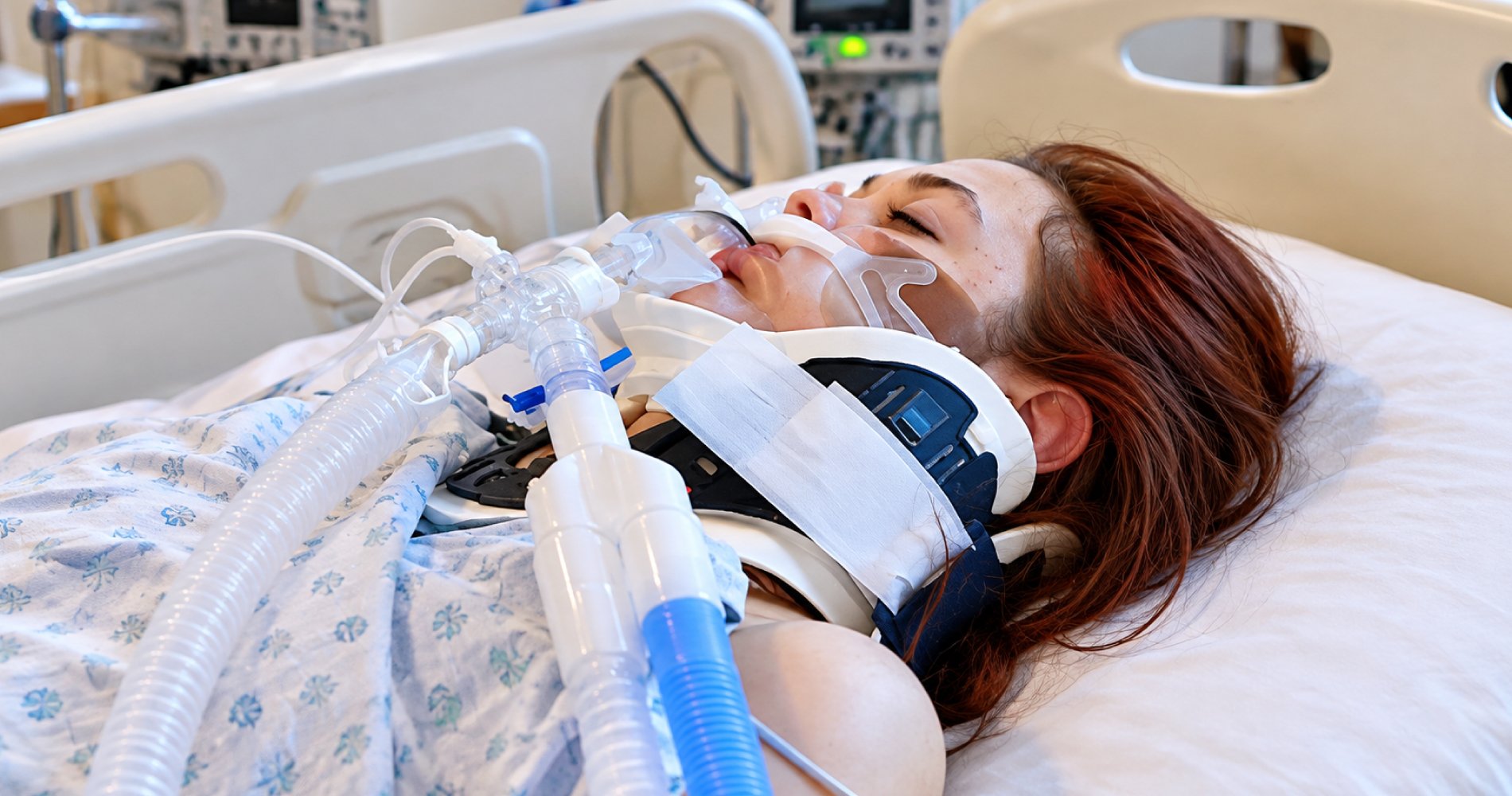
A coma is a prolonged state of unconsciousness in which a person cannot be awakened and does not show purposeful responses to their surroundings. Unlike normal sleep, a person in a coma cannot simply wake up when someone calls their name or shakes them.
The person is alive, but the brain systems responsible for wakefulness and awareness are severely disrupted.
What happens in a coma?
To understand what happens in a coma, you need to know how the brain controls consciousness. Three important brain structures play a major role:
- Cerebral cortex: Responsible for higher brain functions such as thinking, memory, perception, and awareness.
- Thalamus: Helps process and relay information between different brain regions and contributes to consciousness.
- Brainstem: Contains important systems involved in wakefulness and controls essential functions such as breathing and heart rate.
When these structures or their connecting networks become severely damaged, a person may lose consciousness.
What causes a coma?
Coma can develop due to several medical conditions:
- Severe traumatic brain injury.
- Cardiac arrest and oxygen deprivation.
- Stroke or bleeding inside the brain.
- Brain infections such as meningitis and encephalitis.
- Drug overdose or poisoning.
- Extremely low blood sugar.
- Severe metabolic disturbances.
The underlying cause determines the treatment and influences the chances of recovery.
Cerebral Hypoxia: What Happens When Your Brain Runs Out of Oxygen?
Your brain is basically an energy-hungry organ. Although it makes up only a small percentage of your body weight, it requires a continuous supply of oxygen and glucose to function.
When oxygen delivery becomes insufficient, brain cells struggle to produce the energy needed for their normal activities.
This condition is known as cerebral hypoxia.
What happens inside the brain during oxygen deprivation?
- Energy production decreases: Brain cells depend on oxygen to produce energy. When oxygen supply falls, their ability to maintain normal cellular functions becomes impaired.
- Neurons stop communicating properly: Neurons use electrical and chemical signals to communicate. Oxygen deprivation disrupts these processes.
- Cellular damage begins: Severe oxygen deprivation can cause chemical imbalances, inflammation, and damage to brain cells.
- Brain swelling may develop: Injured cells can swell, potentially increasing pressure inside the skull and worsening the injury.
If blood flow is also severely reduced or interrupted, the condition may involve cerebral ischemia. Together, oxygen deprivation and reduced blood circulation can cause hypoxic-ischemic brain injury.
And here’s the scary part: prolonged oxygen deprivation can permanently damage brain tissue.
Cerebral Hypoxia Symptoms: How Does Oxygen Deprivation Affect You?
Cerebral hypoxia symptoms depend on how severely the brain is affected and how quickly the condition develops.
Some symptoms may appear suddenly, while others become more serious as oxygen deprivation continues. Common symptoms include:
- Confusion and difficulty concentrating.
- Dizziness and headaches.
- Rapid breathing or breathing difficulties.
- Poor coordination and unusual movements.
- Memory problems.
- Loss of consciousness.
- Seizures in severe cases.
- Coma following serious brain injury.
In severe cases, cerebral hypoxia can interfere with essential neurological functions and become life-threatening.
This is why sudden unconsciousness, especially after breathing difficulties or cardiac arrest, requires immediate emergency medical attention.
Can Doctors Treat Cerebral Hypoxia?
Here’s where modern medicine steps in.
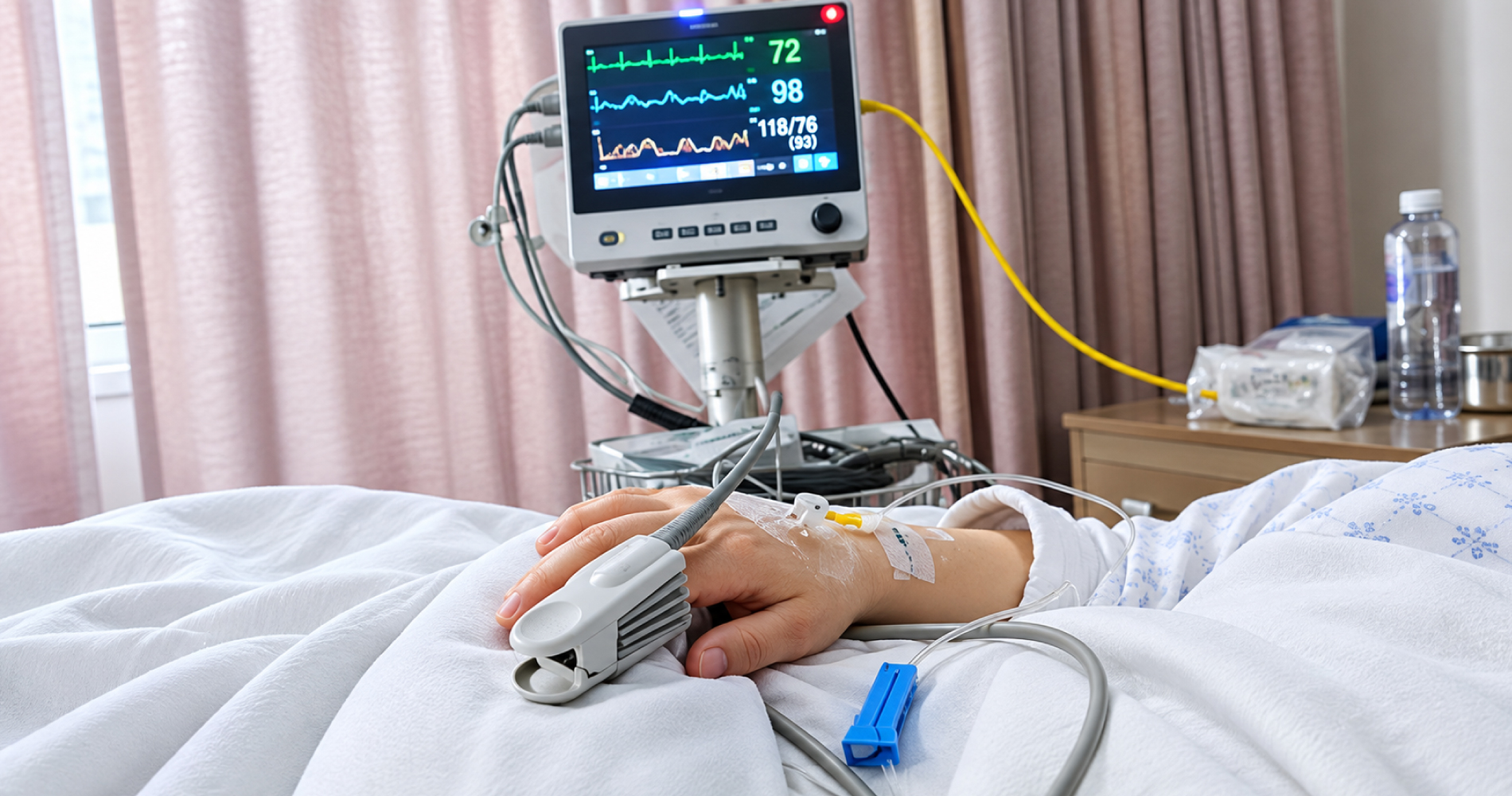
Cerebral hypoxia treatment focuses on restoring adequate oxygen delivery, supporting blood circulation, and preventing further damage to the brain. Doctors first identify what caused the oxygen deprivation and stabilize the patient’s vital functions. Treatment may include:
- Oxygen and breathing support: Supplemental oxygen or mechanical ventilation may be used to support breathing and maintain appropriate oxygen levels.
- Blood pressure management: Doctors use fluids or medications when necessary to support circulation and maintain blood flow to the brain.
- Treating the underlying cause: If cardiac arrest, respiratory failure, poisoning, or another medical emergency caused the condition, doctors address that problem.
- Seizure management: Medications may be required to control seizures that develop after brain injury.
- Temperature management: Selected patients who remain unconscious after cardiac arrest may receive carefully controlled temperature management to support neurological recovery.
According to the 2025 American Heart Association guidelines, temperature control is recommended for adults who remain unresponsive to verbal commands after circulation returns. The recommended range is 32°C to 37.5°C. However, treatment cannot guarantee that all damaged brain cells will recover.
Can Someone Wake Up From a Coma?
Yes, some people recover consciousness after experiencing a coma.
However, recovery depends on the cause, severity, and location of the brain injury.
Some patients gradually regain awareness and return to many of their normal activities. Others may experience lasting difficulties with memory, movement, communication, or concentration.
A coma generally does not last longer than several weeks. Some patients who do not regain consciousness may transition into other disorders of consciousness, such as unresponsive wakefulness syndrome or a minimally conscious state.
And one important distinction: coma is not the same as brain death.
A person in a coma is alive, and recovery may be possible. Brain death involves the permanent loss of all brain and brainstem function under established medical criteria.
Hypoxic Brain Injury Recovery Time: How Long Does It Take?
This is one of the biggest questions families ask after a loved one experiences oxygen deprivation. Unfortunately, there is no fixed hypoxic brain injury recovery time.
Some patients may show improvement within days or weeks, while others require months of rehabilitation. Severe injuries can cause permanent neurological disabilities. Recovery depends on several factors:
- Duration of oxygen deprivation: Longer periods of inadequate oxygen supply generally increase the risk of severe brain injury.
- Severity of injury: The extent of damage to brain tissue influences the possibility of recovery.
- Overall health: Existing medical conditions and the patient’s general health can affect recovery.
- Treatment and rehabilitation: Early emergency care and appropriate rehabilitation can support recovery.
- Neurological response: Doctors assess brain function through clinical examinations, EEG, and brain imaging.
Some survivors regain many abilities, while others may experience long-term memory difficulties, weakness, speech problems, or changes in behaviour. Recovery is not always an overnight comeback. It can be a long process involving medical care, physical therapy, speech therapy, and cognitive rehabilitation.
How Do Doctors Know If the Brain Is Recovering?
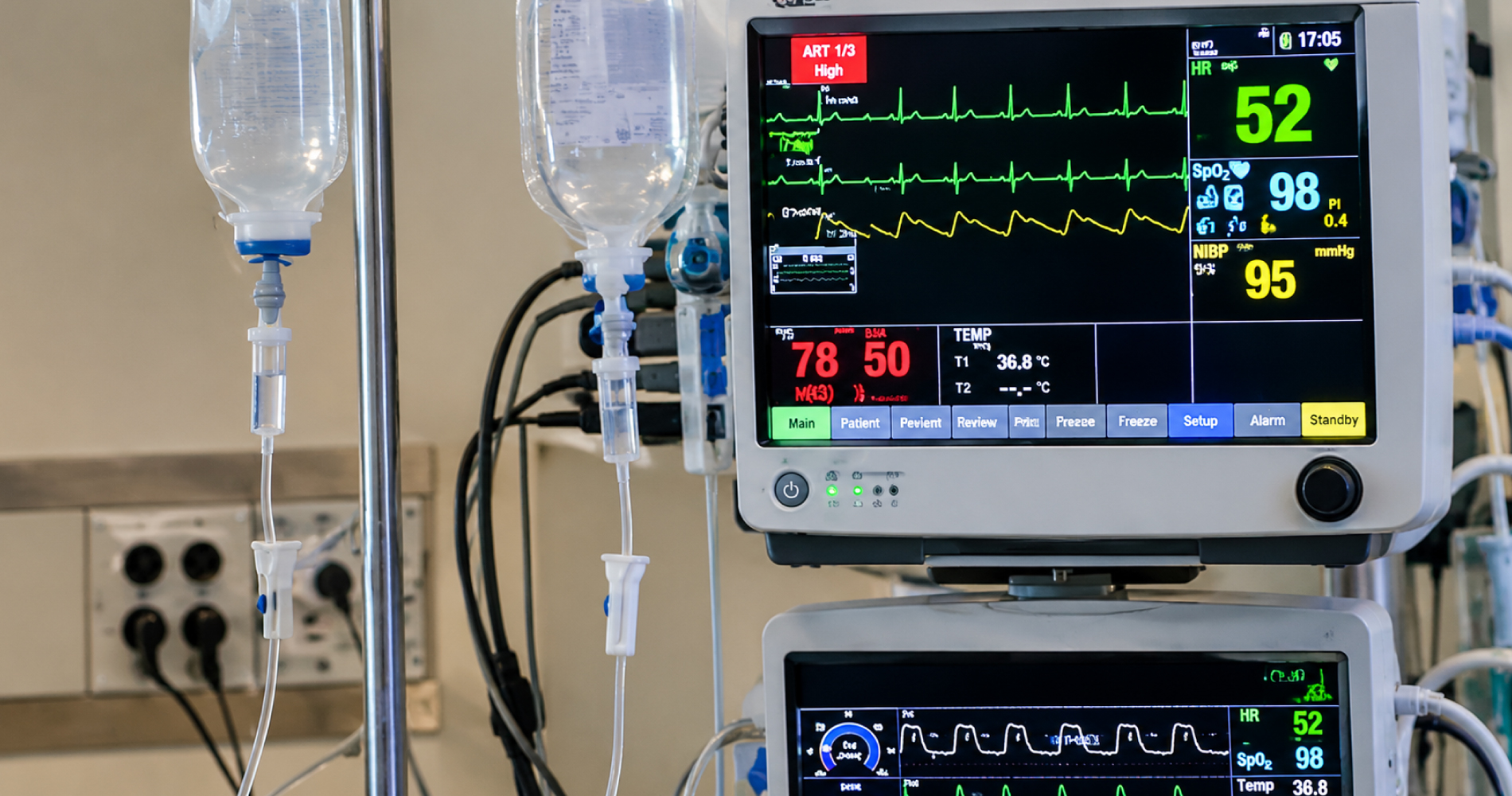
Doctors cannot determine neurological recovery simply by checking whether the patient’s heart is beating. They use multiple investigations to understand brain function and identify possible damage.
Neurological examination: Doctors assess consciousness, pupil responses, reflexes, and movements.
EEG (Electroencephalogram): Records electrical activity in the brain and helps identify seizures or other abnormalities.
CT scan: Helps identify bleeding, swelling, and structural abnormalities.
MRI scan: Can reveal patterns of brain injury associated with oxygen deprivation.
Blood tests: Certain biomarkers may provide additional information about neurological damage.
However, doctors avoid making premature predictions based on a single test. Sedatives, temperature management, and other medical factors can influence neurological responses.
After cardiac arrest, the American Heart Association recommends a delayed, multimodal approach to neurological prognostication.
Conclusion: Can the Brain Come Back After Oxygen Loss?
So, what happens when the brain runs out of oxygen?
The answer is complicated. Oxygen deprivation can disrupt neuronal activity, damage brain cells, and sometimes cause coma. However, the outcome depends on how severe the injury is and how quickly appropriate medical treatment begins.
Modern medicine can restore circulation, provide breathing support, manage complications, and help some patients recover neurological functions.
But restarting the heart does not automatically restart consciousness.
A coma is not necessarily the end of the story. For some patients, recovery is possible, although the journey may involve months of treatment and rehabilitation.
Perhaps the most fascinating thing about the human brain is that even after a severe injury, its surviving networks may continue adapting and reorganizing.
Disclaimer
This article is intended for general educational and informational purposes only. It does not replace professional medical advice, diagnosis, or treatment. Cerebral hypoxia and coma are serious medical conditions requiring immediate medical attention. If someone becomes unconscious or is not breathing normally, contact emergency services immediately and follow emergency instructions.
FAQs
1. What is a coma?
A coma is a prolonged state of unconsciousness in which a person cannot be awakened or respond purposefully to their surroundings.
2. What causes cerebral hypoxia?
Cerebral hypoxia occurs when the brain receives insufficient oxygen. Causes include cardiac arrest, respiratory failure, choking, drowning, and other conditions that interfere with oxygen delivery.
3. What are the common cerebral hypoxia symptoms?
Symptoms can include confusion, dizziness, difficulty concentrating, poor coordination, memory problems, seizures, and loss of consciousness.
4. Can hypoxic brain injury be reversed?
Some patients recover partially or significantly after hypoxic brain injury, particularly when oxygen deprivation is brief and treatment is prompt. Severe injuries may cause permanent damage.
5. How long does hypoxic brain injury recovery take?
Recovery time varies depending on the severity of injury and the patient’s response to treatment. Some patients improve within days or weeks, while others require months or experience lasting disabilities.

Content Writer with 3+ years of experience turning ideas into words people want to read, share, and remember. I create research-backed social media and lifestyle content that blends storytelling, creativity, and audience insights to make every piece feel fresh, relatable, and engaging.