
Abstract
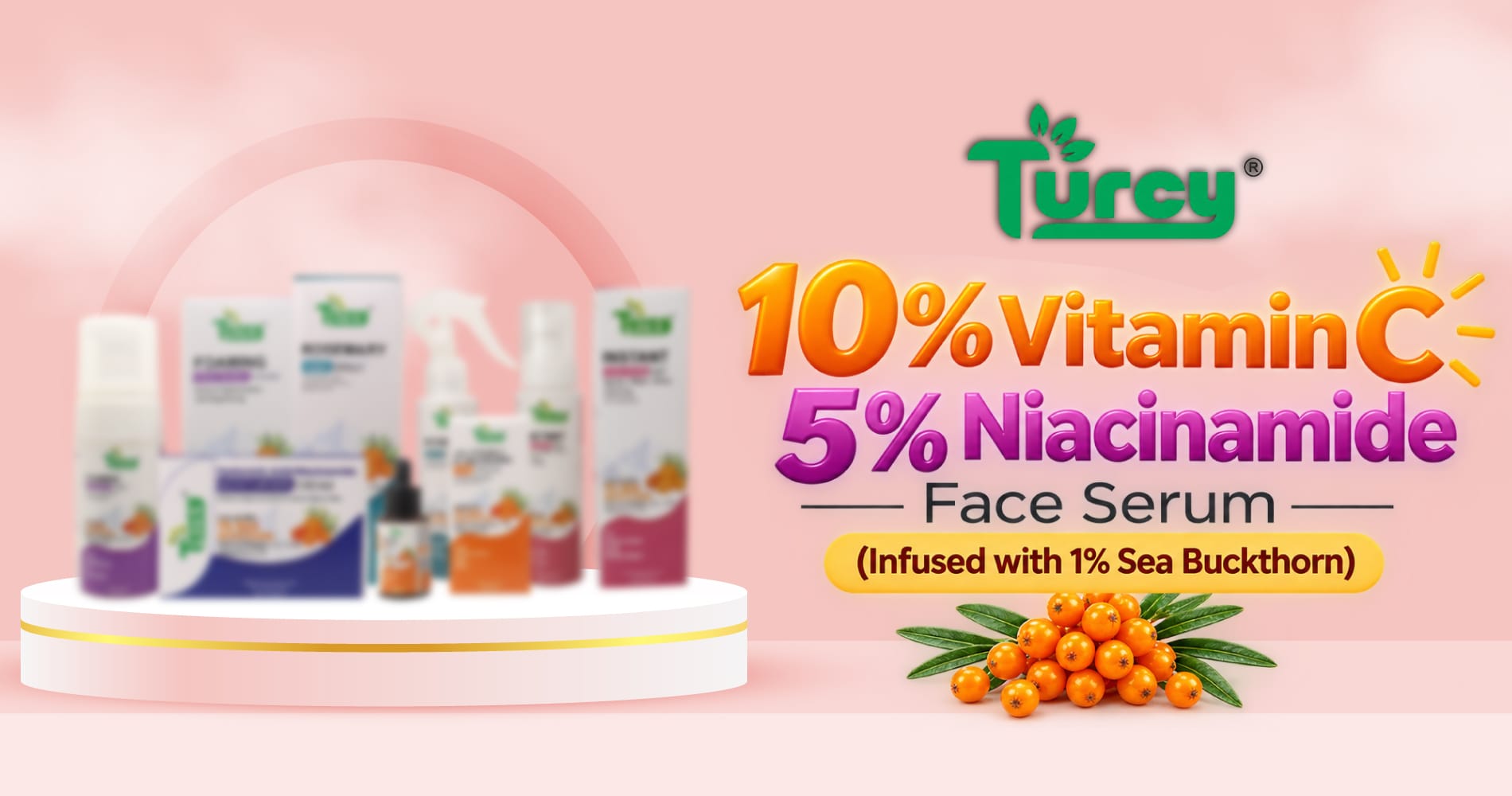
Nowadays, skin care formulas frequently blend active ingredients in precise concentrations to target specific skin concerns. When combined in correct concentration amounts, vitamin C, niacinamide, and sea buckthorn work together to brighten the skin, fade dark spots, and strengthen the moisture barrier. Now, before we talk more about it, let’s dive into the key ingredients of Turcy Face Serum to understand how this formula can benefit your skin. The key ingredients of this product are 10% vitamin C, 5% niacinamide, and 1% sea buckthorn, which is rich in omega 3, 6, 7, and 9 and vitamins A, C, and E. This also consists of 0.3% Kakadu Plum and 0.5% Cica.
Introduction
“Before we move forward with the ingredients, let’s talk about Indian skin type and how it is overly sensitive.”
What is Overly Sensitive Skin?
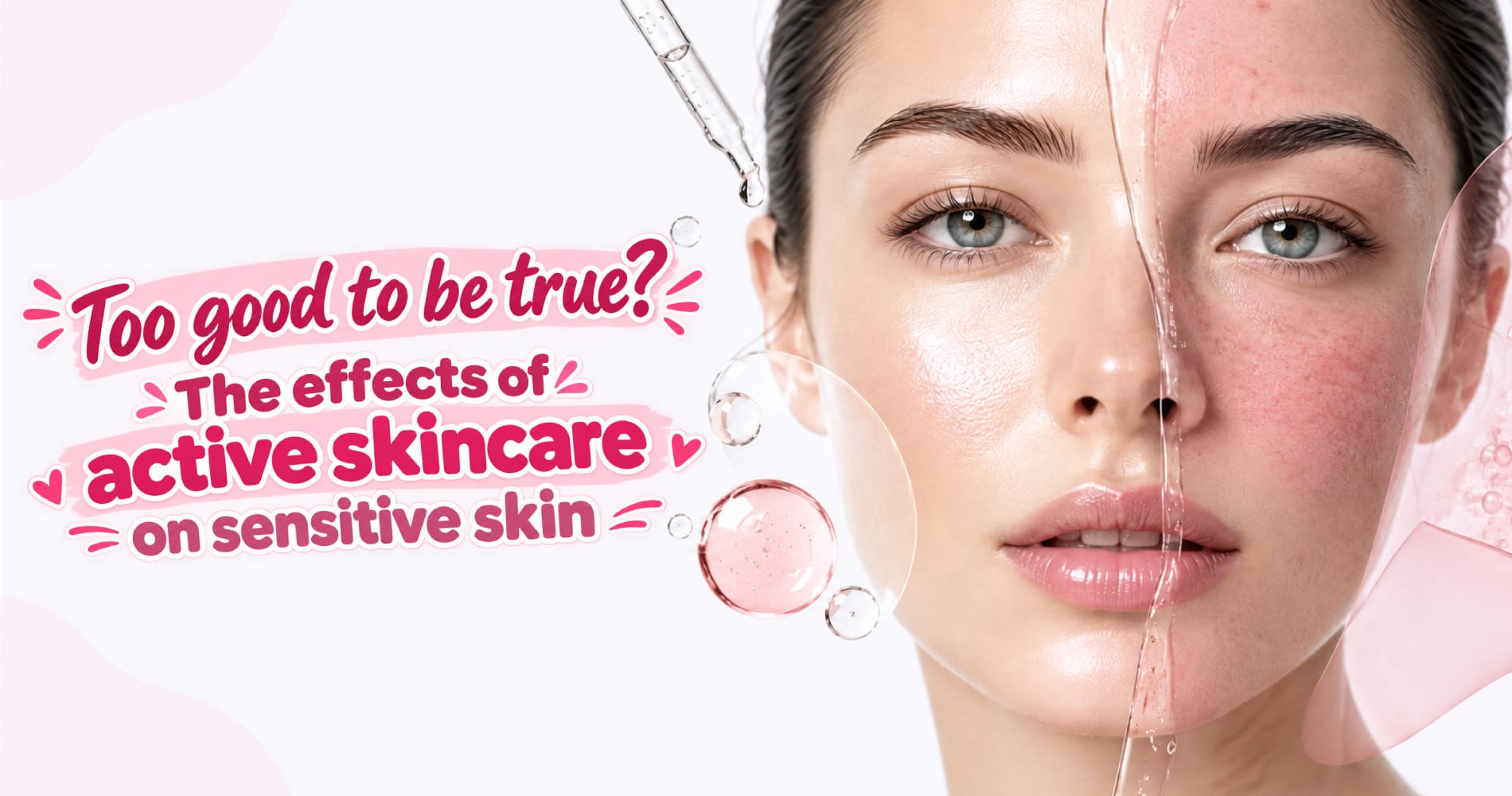
Overly sensitive skin is a condition characterized by a compromised skin barrier, which leads to stinging, burning, redness, or itching when exposed to common environmental triggers such as weather, pollution, or cosmetics. Sensitive skin is a condition caused by sudden triggers like cosmetics, sudden temperature shifts, wind, hard water, and stress, most of which all cause fast reactions. When the outer layer of the skin loses its strength, irritants can pass through to deeper layers, triggering visible redness alongside sensations of burning, pain, itching, or stinging.
How does overly sensitive skin relate to the Indian skin type?
According to overly sensitive skin studies, a rough report shows that 30-40% of the Indian population has sensitive or overly sensitive skin, with women reporting about it more than men. It’s the urban environment in the Indian cities, which has high levels of pollution, humidity, dust, and frequent use of air conditioning that heavily affects the skin barrier. Indian skin also has a higher pigmentation risk because it has higher melanin and active melanocytes, which makes it handle UV rays well but also causes post-inflammatory hyperpigmentation through irritation and inflammation, leaving behind dark marks after any reaction or breakouts. Studies also show that up to 40% of sensitive skin cases in Indian skin type are caused by genetic factors.
“Now if we talk about them in person and pick each one of them up.”
“Why 10% Vitamin C?”
10% Vitamin C is a beginner-friendly concentration that brightens skin, fades dark spots, and protects against oxidative stress. It delivers an ideal balance of performance and gentle tolerance for skin new to active ingredients.
Why is 10% vitamin C good for beginners?
low irritation risk
It has a low irritation risk, as a 10% concentration amount of vitamin C is considered low risk and balanced for beginners because it provides clinically proven skin brightening and antioxidant benefits while minimizing the likelihood of irritation. A 10% concentration strength level is safer comparatively than higher concentration percentages like 15% or 20%, which can cause redness, stinging, or peeling on unaccustomed skin.
collagen support
It gives effective collagen support and helps reduce dark spots without overwhelming the skin barrier, which gives us brightening benefits without harming the skin barrier. It also helps in reactivity management, as it allows first-time users to test their skin’s reaction to the low pH of active vitamin C (like L-ascorbic acid) without causing physical trauma or severe inflammation.
visible results
It is clinically effective for visible results, as our skin doesn’t need a much higher percentage to see visible changes. Clinical studies show that even lower concentrations like 5% are also highly effective at improving skin texture and premature aging of the skin over time. So yes, a 10% concentration level is strong enough to effectively target:
- Dullness by promoting skin cell turnover for fresher and more radiant skin.
- Hyperpigmentation and dark spots by helping slow melanin production and improve uneven skin tone.
- Free radical damage caused by daily sun exposure and environmental pollution, helping protect skin from oxidative stress.
consistency
It helps in promoting routine consistency because we all must know that skincare works and shows visible results only if we are being consistent and regular in using it. A 10% concentration level doesn’t cause uncomfortable side effects, so it is easier to add it into our daily skincare routine. It layers evenly under daily moisturizer and sunscreen without making the skin feel sticky, heavy, or reactive.
Taking Slow
It is safer in building skin tolerance because a 10% concentration of vitamin C acts as a gentle primer for beginners, allowing the skin barrier to accommodate the solution without compromising skin integrity. Committing to this entry-level percentage for several months conditions your skin and gradually strengthens its threshold. This proactive approach lays a safer foundation to combat stubborn post-inflammatory hyperpigmentation and premature aging while minimizing the risk of adverse dermatological reactions.
So what are the pros and cons of it? Let’s look into them briefly:
“Vitamin C helps in brightening skin tone, fading dark spots, and protecting against environmental damage, but it can also cause irritation and oxidize quickly.”
Pros (Benefits):
- Helps in brightening skin by reducing dullness and boosting natural radiance.
- Helps in fading dark spots by suppressing melanin production to reduce hyperpigmentation and sun spots.
- Boosting and stimulating collagen production to improve firmness and reduce fine lines.
- Fighting free radicals by acting as a powerful antioxidant that shields skin from pollution and UV damage when paired with sunscreen.
Cons (Drawbacks & Risks):
- Can cause skin irritation on sensitive skin or at higher concentration levels of the solution, like redness, tingling, or dryness.
- It also loses its efficiency and turns brown or yellow when it is left exposed in the open and in contact with air, light, or heat, which can cause irritation.
- Once opened, it needs to be discarded within 3-6 months, leading to a shorter shelf life.
- Layering incorrectly with strong exfoliants and retinoids may lead to making the skin overly sensitive.
10% Vitamin C on Overly Sensitive Skin
A 10% vitamin C concentration is usually considered a safer option for sensitive skin, but it can still trigger your skin and cause irritation if not used in the right way.
Trying to Understand Vitamin C on Sensitive Skin
- Pure L-ascorbic acid needs a really low pH to remain stable, which can also lead to irritation factors like stinging, redness, or skin barrier disruption, especially for the ones with delicate skin.
- Pairing it with co-actives, which are soothing in nature, like hyaluronic acid, niacinamide, or ceramides, helps protect your moisture barrier.
Tips that are helpful for reactive skin
- Starting slowly by adding it up to daily use only after your skin gets used to it. Applying 10% serum just 2 to 3 times a week at first and then slowly increasing the days.
- Avoid strong acids, like layering Vitamin C with exfoliating acids like AHAs or BHAs all at the same time, which might also lead to skin barrier damage.
- Regular use of SPF is very important by finishing off your morning skincare routine with multi-spectrum acids and sunscreen to prevent any skin sensitivity induced by UV rays.
“Why 5% Niacinamide?”
5% Niacinamide is a beginner-friendly concentration that is effective in controlling excess oil, fading dark spots, and making the skin barrier stronger without causing any irritation to the skin.
Why is 5% niacinamide good for beginners?
1. It is gentle on the skin with a lower risk of irritation with a 5% concentration amount of niacinamide, as it allows the skin to adjust safely and is mostly well tolerated by all skin types. A 5% concentration strength level is way safer than higher concentration levels like 10% or 12%, which can most likely cause irritation to your skin if it is unaccustomed, like flushing, redness, or stinging.
2. According to studies, 5% of concentration molecules are easy to absorb smoothly and 12% more through the outer barrier of the skin, making it comfortable and reliable for regular use. It also shows that it doesn’t need higher concentration levels, which can potentially be an irritating percentage because in most cases concentrations between 2% and 5% are used, which have 12% active results and benefits.
3. According to clinical studies, 5% niacinamide effectively fades dark spots, controls excess oil, calms redness, and improves overall skin texture within 4 weeks of being consistent and regular with it in your skincare routine.
4. It even helps in supporting the skin’s health by producing natural ceramides, which helps in locking in the moisture and making the outer protective layer stronger.
What are the pros and cons of it?
Niacinamide is actually a popular vitamin B3 used in skincare treatment mostly as a serum, which helps in brightening the skin tone, controlling excess oil, and strengthening the skin barrier.
Pros (Benefits):
- It helps in regulating sebum (oil) production to reduce the greasy congestion around the skin.
- Reduces hyperpigmentation and evens out skin tone by slowing pigment transfer and fading dark spots.
- Strengthens and restores the skin barrier by elevating natural ceramide production to reinforce your skin’s protective shield. By creating a resilient seal, it locks in vital hydration, prevents trans-epidermal water loss (TEWL), and guards against daily environmental stressors.
- Refines Texture and Visibly Tightens Pores by enhancing overall skin elasticity and structural support, preventing sagging around pore walls. This improved firmness smooths out uneven texture, causing stretched or enlarged pores to appear significantly smaller and more refined.
- Calms Reactivity and Soothes Erythema: By targeting the root causes of skin distress, it effectively alleviates redness and blotchiness associated with acne flare-ups, rosacea, and external irritants. It leaves the complexion balanced, cool, and visibly tranquilized.
- Highly Compatible and Synergistic: As it is extremely gentle and stable, it integrates seamlessly into complex routines without causing irritation. It pairs safely with powerful actives—such as retinoids, hyaluronic acid, and vitamin C—amplifying their benefits while maintaining optimal skin comfort.
Cons (Drawbacks & Risks):
- Higher concentration levels like 10% or more can lead to a higher risk of irritation, which can cause redness, burning, or itching, especially on sensitive skin or skin with a damaged barrier.
- You cannot entirely rely on it to be your only cure for acne, as it might be helpful for mild oil control, but it is not sufficient enough for severe acne or stubborn melasma, as they can only be treated with stronger treatments like retinoids or specific acids, which are suitable for your type of skin.
- It requires time, as it needs consistency in daily use in your regular skincare routine for 2 to 4 weeks, or in some cases it might even need more for you to notice any visible changes.
- Nowadays most moisturizers and sunscreens already have enough niacinamide of 2% or 5% concentration levels in them, so it is often unnecessary to use a separate extra serum of it.
5% Niacinamide on Overly Sensitive Skin
A 5% niacinamide concentration is usually considered a safer option for sensitive skin, which is more prone to reactions, repairing the skin barrier, and providing anti-inflammatory benefits, as higher concentration levels like 10% or more may be prone to risks like stinging reactions.
Why might niacinamide be helpful for sensitive skin?
- It helps in repairing the barrier by boosting natural ceramides and lipids to make the damaged or weaker skin barrier stronger.
- It also has anti-inflammatory properties, which help in calming or soothing skin that is prone to irritation and reactions, which leads to reducing unnecessary redness.
- It even helps in preventing water loss from the outer layer of the skin, which leads to retaining the moisture of the skin.
What are the risks of using niacinamide for overly sensitive skin?
- Higher concentration levels above 5%, like 10% or 12%, or more, are likely to trigger stinging, redness, or contact dermatitis, especially on fragile skin texture.
- Skin that is prone to reactions might experience a sudden and brief warm or red flush if the barrier is severely disrupted because of it.
- Incorrect ways of pairings, like layering it with stronger acids or harsh exfoliants, are likely to cause unexpected irritation on the skin.
Tips that can be helpful for reactive skin
- Run a patch test by applying a tiny drop on your inner wrist or behind the ears and observe it for 24 to 48 hours to check for any kind of reaction before applying it on your face.
- Starting slowly by using the serum 2 or 3 nights per week and then slowly increasing the days once it gets accustomed to your skin to add it up in your daily skincare routine.
- Give a pause to using other strong exfoliants, retinoids, or high-concentration-level vitamin C when you first introduce niacinamide to your skin to prevent overwhelming the skin barrier.
- Immediately following up with a gentle and fragrance-free moisturizer to lock in the hydration of the skin.
Before we move on to our next main ingredient, which is “Sea Buckthorn,” let’s know about what it actually is.
“What is sea buckthorn?”

Sea buckthorn is a bright orange berry that grows on thorny shrubs, mainly in cold, mountainous regions of Asia and Europe.
- It’s sour, tart, and a bit bitter in taste.
>It is rich in many nutrients like vitamins A, C, and E, many fatty acids like omega-3, 6, 7, and 9, and other antioxidants. - It is mostly used in making juices, jams, teas, oils, and supplements.
- Traditionally the berries and their oil are also used for making medicine and skincare products.
- In India it is mostly grown naturally in parts of the Ladakh and Himalayan regions.
It’s sometimes called a “superfood,” but health claims about supplements should be treated cautiously because evidence varies by use.
“Why is the face serum infused with 1% Sea Buckthorn?”
Sea buckthorn-infused face serum is rich in antioxidants, vitamins, and essential fatty acids that help in deeply hydrating and brightening the skin.
Why is the concentration as low as 1%?
- Sea buckthorn is richly packed with high-concentrated carotenoids, essential fatty acids (including rare omega-7), and vitamin E. Even though it is as low as 1%, it is still strong enough to provide barrier repair benefits without making the formula overwhelming in nature.
- It has a deep orange-red color with a very rich oily texture. Using a higher concentration level would make the serum too heavy, greasy, and highly tinted, which is not really expected from face serums, as they are mostly water- or gel-based to make them lightweight and easy to absorb.
What are the benefits of using sea buckthorn in face serum?
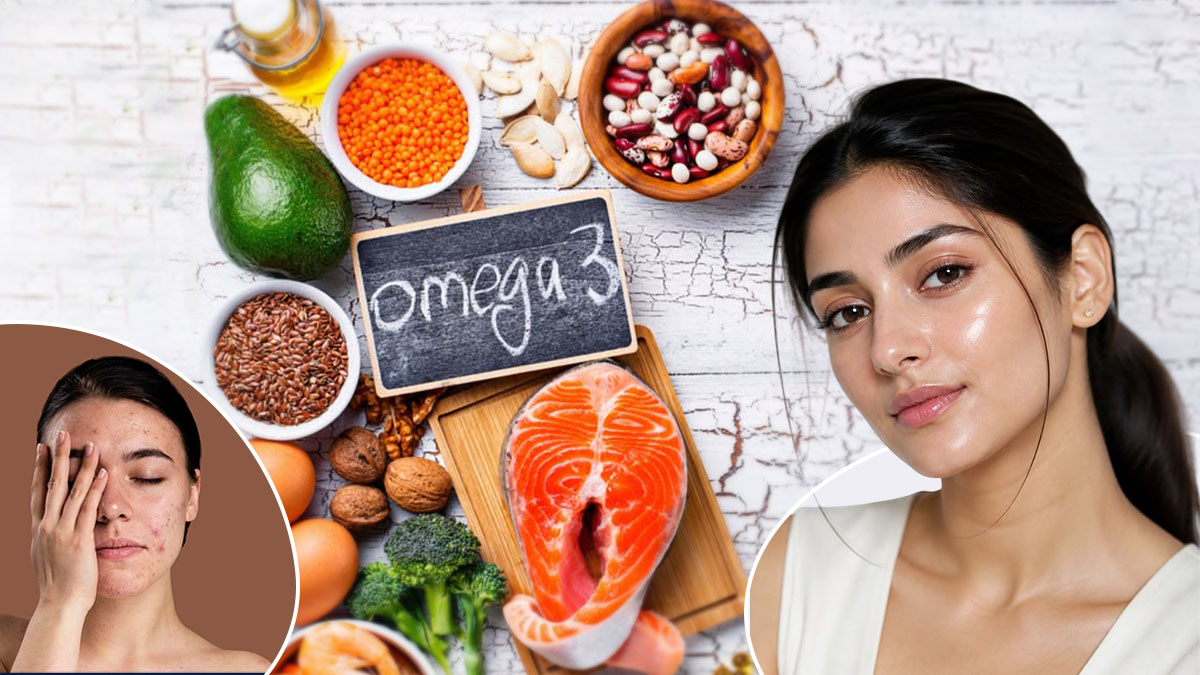
- Helps in keeping the skin deeply hydrated, as it is rich in fatty acids like Omega-3, 6, 7, and 9, which strengthens and repairs the skin barrier.
- Highly rich in vitamins A, C, and E, which helps in fighting free radical damage and reduces dullness.
- Helps in supporting skin regeneration for acne scars or dry patches and calming irritation.
What are the pros and cons of it?
Using sea buckthorn in face serums may help in deeply hydrating the skin and repairing the skin barrier, but it can also temporarily leave stains on the skin or clothing because of its rich natural orange-red pigmented tint.
Pros (Benefits):
- Highly rich in fatty acids like Omega-3, 6, 7, and 9 that help in supporting the skin barrier to lock in the moisture.
- Rich in vitamins C and E, which help in neutralizing free radicals from pollution and UV rays.
- It has the rare Omega-7, which has healing properties that help in soothing irritation, burns, and redness.
- Helps in promoting collagen production and elasticity that provides anti-aging qualities by reducing fine lines.
Cons (Drawbacks & Risks):
- Omega-7: The natural berry and seed extracts have a deep orange or yellow tint, which can temporarily stain the skin or fabrics if not fully absorbed.
- Even though it is generally non-comedogenic, it is still a heavier oil formula, which might be too rich for over-reactive skin and trigger breakouts.
- Most experts recommend not using it two weeks prior to facial surgeries, as it can affect blood clotting because it is a tropical oil with systematic absorption or concentrated extract.
Sea Buckthorn on Overly Sensitive Skin:
Sea buckthorn in serums is usually tolerated really well by overly sensitive skin because it has palmitoleic acid (omega-7), a rare fatty acid that is naturally found in human sebum that helps in repairing a damaged skin barrier.
What are its key benefits for overly sensitive skin?
- It is rich in fatty acids like omega-7, 3, 6, and 9, which helps in nourishing and strengthening compromised skin barriers, which reduces reactivity and moisture loss.
- It has natural anti-inflammatory compounds that have calming properties that help in soothing redness, irritation, and reactive flare-ups.
“Now that we are over with talking about the key ingredients, let’s summarize the benefits and marshall the benefits of them together.”
What are the benefits of the ingredient trio?
- 1% Sea Buckthorn helps in nourishing lipids, calming irritation, and providing extra antioxidant defense.
- 10% Vitamin C helps in brightening the complexion, fading dark spots, and boosting collagen.
- 5% Niacinamide helps in minimizing pores, regulating oil, and evening out skin tone while reducing potential irritation from other actives.
- Sea buckthorn also acts in a supporting role to primary actives like vitamin C and niacinamide that are the primary heavy-hitting active ingredients meant to do the heavy lifting for brightening and hyperpigmentation. It is a complementary botanical booster to soothe, nourish, and protect the skin barrier.
Conclusion
Turcy 10% Vitamin C, 5% Niacinamide, and 1% Sea Buckthorn Face Serum combine three complementary skincare ingredients. Vitamin C provides antioxidant and brightening support, niacinamide helps strengthen the skin barrier and improve the appearance of uneven tone, while sea buckthorn provides nourishing fatty acids and antioxidant compounds.
Together, these ingredients are intended to support concerns such as dullness, uneven skin tone, visible dark spots, excess oil, and moisture-barrier weakness. However, results depend on the complete formulation, ingredient stability, frequency of use, and individual skin response.
For beginners and sensitive-skin users, gradually introducing the serum, avoiding unnecessary combinations of strong actives, and maintaining daily sunscreen use can help support a comfortable skincare routine. Consistency and proper skin-barrier care are more important than simply choosing higher concentrations.
Disclaimer
This article is provided for general educational and informational purposes only and does not constitute medical or dermatological advice, diagnosis, or treatment. Individual results may vary depending on skin type, sensitivity, existing skin conditions, product formulation, frequency of use, and other factors. Ingredient concentrations alone cannot guarantee a particular result.
Always follow the product’s label and usage instructions and consider patch testing before applying a new skincare product, especially if you have sensitive or reactive skin. Stop using the product if persistent irritation, burning, swelling, itching, or a rash occurs.
Those with severe acne, persistent pigmentation, diagnosed skin conditions, or a history of significant allergic reactions should consult a qualified dermatologist before introducing new active skincare products. This information does not replace professional medical or dermatological consultation.
Frequently Asked Questions
1. Is this serum suitable for beginners?
Yes. A combination of 10% vitamin C and 5% niacinamide can be suitable for beginners. However, sensitive or reactive skin should introduce the serum gradually to reduce the possibility of irritation.
2. Can vitamin C and niacinamide be used together?
Yes. They can generally be used together. Vitamin C provides antioxidant and brightening benefits, while niacinamide supports the skin barrier, helps regulate excess oil, and improves the appearance of uneven skin tone.
3. Can I use this serum on sensitive skin?
It may be suitable for some sensitive skin types, but individual reactions can vary. Vitamin C, particularly L-ascorbic acid, may cause temporary stinging, redness, or dryness in some people. Patch testing is recommended before regular use.
4. How often should I use it?
If you are new to active ingredients, begin 2–3 times per week and gradually increase frequency if your skin tolerates it well. Always follow the product’s recommended usage instructions.
5. Can I use it during the day?
Yes. Vitamin C is commonly used in morning skincare routines because of its antioxidant properties. However, always follow it with a broad-spectrum sunscreen.
6. Can this serum reduce dark spots?
Vitamin C and niacinamide may help improve the appearance of dark spots and uneven skin tone with consistent use. Results vary depending on the cause and severity of pigmentation, sun exposure, and individual skin characteristics.
7. Can it treat acne?
Niacinamide may help with excess oil and the appearance of inflammation associated with acne-prone skin. However, this serum should not be considered a complete treatment for moderate or severe acne.
8. Can I use it with retinol or exfoliating acids?
Using multiple active ingredients can increase the possibility of irritation, particularly for sensitive skin. Beginners may prefer alternating strong actives rather than introducing several at once.
9. Why is Sea Buckthorn included at 1%?
Sea buckthorn contains fatty acids and antioxidant compounds that can complement a skincare formula. A lower inclusion level can provide its supportive benefits without making the serum excessively oily or heavily tinted.
10. Do I still need sunscreen?
Yes. A vitamin C serum does not replace sunscreen. Daily broad-spectrum sunscreen is particularly important when your goal is to manage pigmentation and protect against UV-related skin damage.
Author: Ritika Saha
Read More
Lebrostone Antifungal Cream Side Effects, 7 सच जो आपको जानना बेहद जरूरी हैं
आपको गैस क्यों बनती है? पेट के अंदर आखिर हो क्या रहा होता है?

Riya Asati is an assistant professor and JRF-qualified researcher with 3+ years of experience in research-based content writing. Her expertise includes healthcare, medical, wellness, and educational content. She focuses on presenting health information in a clear, accurate, evidence-informed, and easy-to-understand manner. Through her writing, she aims to help readers understand important health topics and make informed decisions about their well-being.
One thought on “Turcy 10% Vitamin C 5% Niacinamide Face Serum (Infused with 1% Sea Buckthorn):”