Abstract
Winter glow-up? Absolutely! But dry, flaky, and painfully chapped lips? Absolutely not! While warm clothes and hot drinks make winter special, your lips may be going through a different kind of trouble. One day they feel soft, and the very next day they start looking dry, tight, and badly chapped. Even putting on your favorite lipstick becomes difficult.
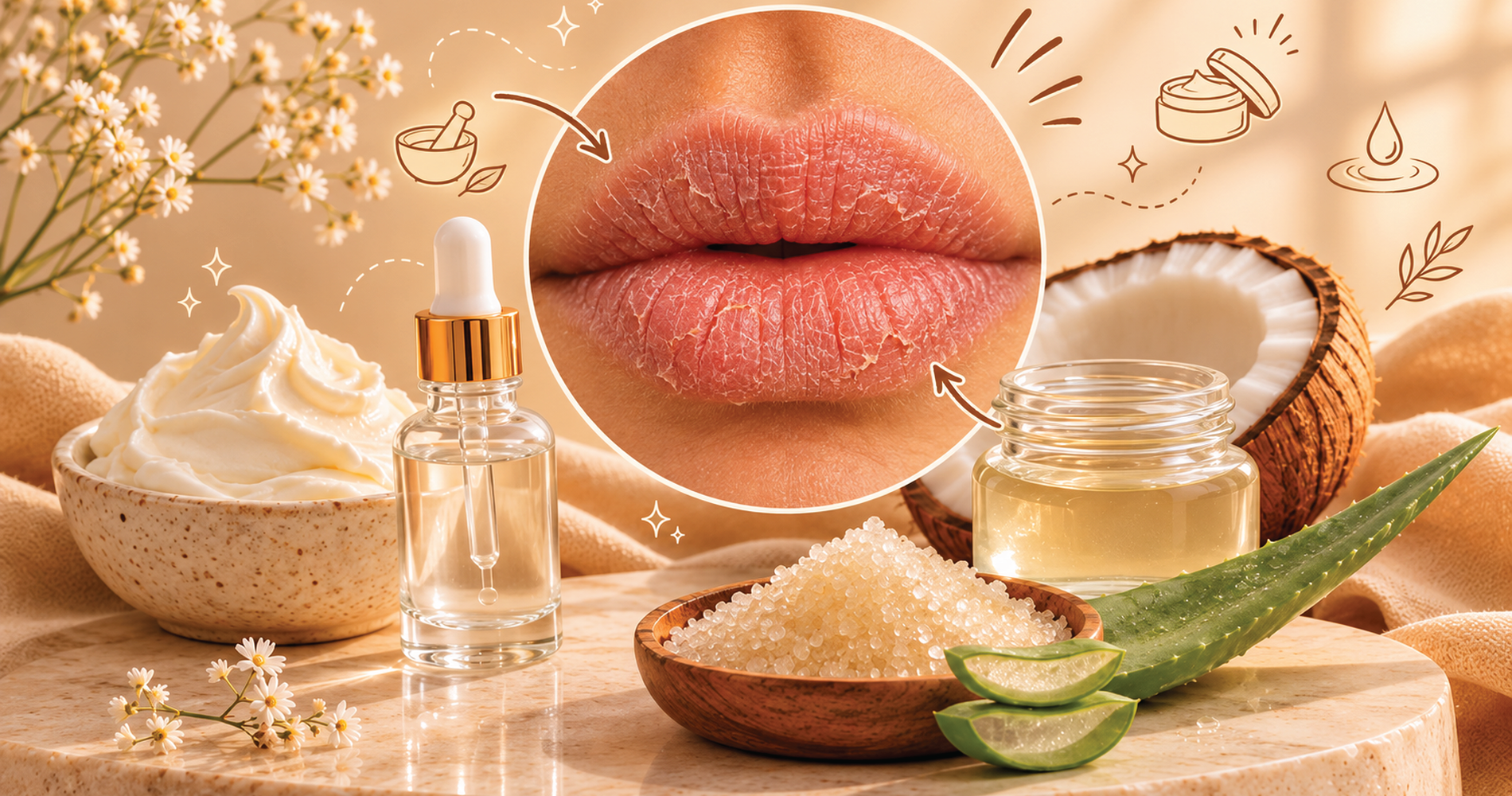
But before spending money on expensive lip balms, take a look in your kitchen too! From malai and glycerin to honey, coconut oil, and aloe vera, traditional Indian ingredients have long been used to care for dry lips. But do these home remedies really work? Can malai make lips soft, does glycerin retain moisture, and is scrubbing lips with sugar really a good idea?
Cold temperatures, low humidity, indoor heater use, cold winds, and the habit of licking your lips repeatedly can disrupt your lips’ natural moisture balance, increasing the chances of them becoming dry and chapped. The good thing is that you do not need a complicated skincare routine to keep your lips soft and comfortable. A few gentle home remedies, effective moisturizing ingredients, and regular lip care can help with this.
So let’s understand the science behind chapped lips in winter, take a closer look at traditional DIY remedies, and find easy ways to keep your lips soft and hydrated throughout the cold season.
Introduction: Winter Is Here, But Why Are Your Lips Having a Moisture Crisis?
Just imagine this scene: a cold winter morning, a cup of hot tea in your hand, and your favorite moisturizer on your face. Everything seems perfect until you realize that your lips are feeling tight and dry. You apply lip balm and feel relief for a while, but soon the dryness returns. Scabs start to appear on the lips, the skin feels rough, and sometimes painful cracks even form. Does all this sound familiar to you?
It is common for lips to become dry in winter. Compared with the rest of the skin on the body, the protective layer on the lips is thinner, and they also do not have sebaceous glands, which produce natural oil (sebum). Because of this, lips are less able to retain moisture and protect themselves from external effects.
Cold temperatures, low humidity, cold winds, the use of heaters indoors, and the habit of licking the lips repeatedly can make this problem worse. But the good thing is that lip care does not always require expensive lip treatments. Traditional ingredients like malai, honey, glycerin, and coconut oil, when used properly, can help keep the lips soft and comfortable.
However, not every DIY beauty hack is beneficial. Some ingredients retain moisture, and some create a protective layer, while harsh scrubs like sugar can further damage already sensitive lips. So, before trying any home remedy, let’s understand why your lips crack in winter and what kind of care they really need.
Why Do Lips Become Dry and Chapped During Winter?
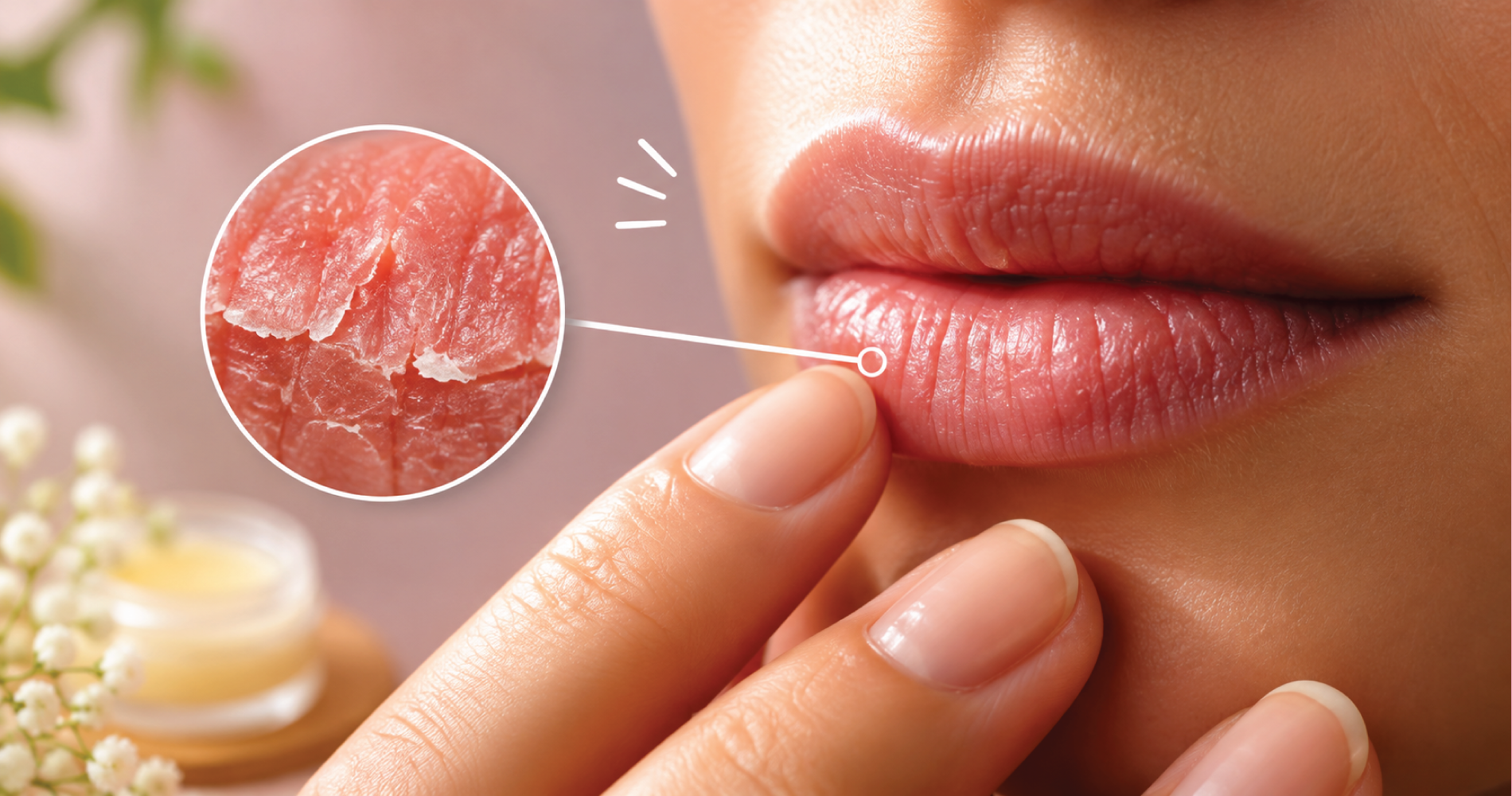
Your lips are constantly exposed to the surrounding environment. Unlike many other areas of your skin, they have a thinner protective structure and limited natural oil production. This makes them particularly vulnerable to environmental changes.
During winter, several factors work together to increase moisture loss and make dry lips more noticeable. Let’s break them down.
Low Humidity and Cold Weather
One of the biggest reasons behind dry lips in winter is reduced moisture in the surrounding air.
Cold air generally holds less water vapour than warm air. When humidity levels drop, moisture can evaporate more easily from exposed surfaces, including your lips. This process is known as transepidermal water loss (TEWL).
When water escapes from the outer layers of the skin faster than it can be replenished, the surface may become dry, rough, and uncomfortable. That is why your lips may feel unusually tight after spending time outdoors during cold weather.
Cold Winds and Environmental Exposure
Winter winds can make lip dryness even worse. Continuous exposure to cold, moving air can increase moisture loss from the lip surface. Wind may also irritate already sensitive or damaged skin.
If your lips are exposed to cold air without adequate protection, they may gradually develop flaky patches, redness, and painful cracks.
Indoor Heating and Dry Air
Here is a winter skincare plot twist: Your room may be contributing to your dry lips too.
Heaters and other indoor heating systems can reduce indoor relative humidity. Spending several hours in heated environments may increase moisture loss from exposed skin. This is why your lips can sometimes feel dry even when you are comfortably sitting indoors.
Repeated Lip Licking
When your lips feel dry, your first instinct might be to lick them.
It feels like an instant hydration hack, right? Unfortunately, it can make the problem worse.
Saliva contains digestive enzymes that help break down food. When saliva repeatedly comes into contact with the delicate lip surface, these enzymes and the repeated wetting and drying process may contribute to irritation.
As the saliva evaporates, it can leave your lips feeling even drier. Repeated lip licking may eventually contribute to a condition called lip-licking dermatitis, characterized by redness, dryness, and irritation around the lips.
Dehydration and Lifestyle Habits
Not drinking enough fluids can contribute to overall dehydration, which may make your lips feel uncomfortable.
Other factors, including excessive caffeine or alcohol consumption, mouth breathing, and certain medications, may also contribute to dryness in some individuals.
However, dry lips are not always a sign of dehydration. Environmental exposure and damage to the lip barrier are often important contributing factors.
Why Are Your Lips More Vulnerable to Moisture Loss?
Ever wondered why your cheeks may feel perfectly moisturized while your lips are already cracking? The answer lies in their structure.
Your lips are not exactly like the skin covering the rest of your face. They have a specialized surface with fewer protective features.
A Thinner Protective Barrier
The outermost layer of your skin, known as the stratum corneum, helps reduce water loss and protects against external irritants.
The lip surface has a relatively thin and specialized protective barrier compared with many other skin areas. Because this barrier is less robust, environmental stressors can affect lip comfort more easily.
Fewer Sebaceous Glands
Sebaceous glands produce sebum, an oily substance that helps lubricate the skin and contributes to its protective surface.
Unlike most facial skin, the vermilion region of the lips does not contain typical sebaceous glands. This means your lips cannot rely on the same natural oil production to maintain softness.
Limited Natural Moisture Protection
The lip surface also differs in its pigmentation and tissue structure. Its protective properties are not identical to those of ordinary facial skin.
When cold weather, wind, and low humidity increase moisture loss, your lips may quickly develop visible signs of dryness. This is why lip care should not be treated as an occasional beauty step. It deserves consistent attention, especially during winter.
Malai for Lips: Does Milk Cream Actually Help Soften Dry Lips?
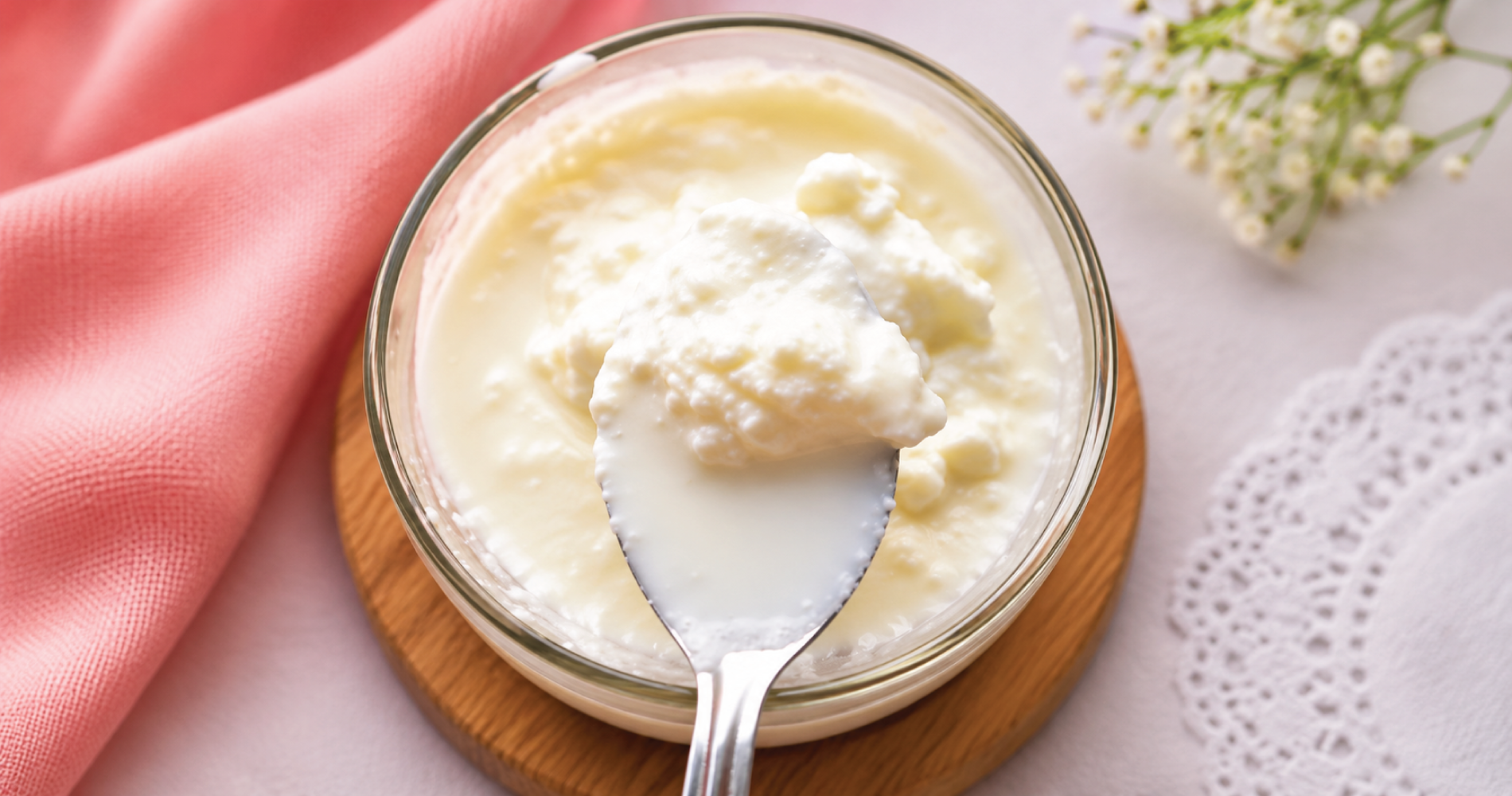
Let’s start with one of the most familiar Indian beauty secrets.
Malai!
Whether it is part of your grandmother’s skincare routine or something you have heard about from traditional home remedies, milk cream has long been associated with soft and moisturized skin.
But can it help with dry lips?
Malai contains milk fat, which gives it a rich and creamy texture. Applying a small amount may temporarily soften the lip surface and reduce the feeling of tightness.
How Can Malai Help Dry Lips?
The fat content in malai can provide an emollient effect.
Emollients help soften rough skin by filling spaces between surface skin cells and improving the feel of the skin.
This can make dry lips feel smoother and more comfortable temporarily.
However, malai should not be considered a clinically proven treatment for severely cracked lips. Its effectiveness depends on the formulation, freshness, and individual skin tolerance.
How to Use Malai for Lip Care
If you want to try this traditional remedy:
- Take a small amount of fresh, plain milk cream.
- Apply a very thin layer to clean lips.
- Leave it on briefly.
- Gently wipe away any excess with a soft, damp cloth.
- Follow with a fragrance-free lip balm or plain petroleum jelly.
Important precautions: Use fresh, hygienically handled malai rather than cream that has been sitting at room temperature for a long time. Avoid it if you have a milk allergy, sensitivity to dairy, or irritation around the lips.
Malai may offer temporary softness, but a suitable lip balm is generally a more reliable everyday option.
Glycerin for Lips: The Hydration Hero Your Winter Routine Needs?
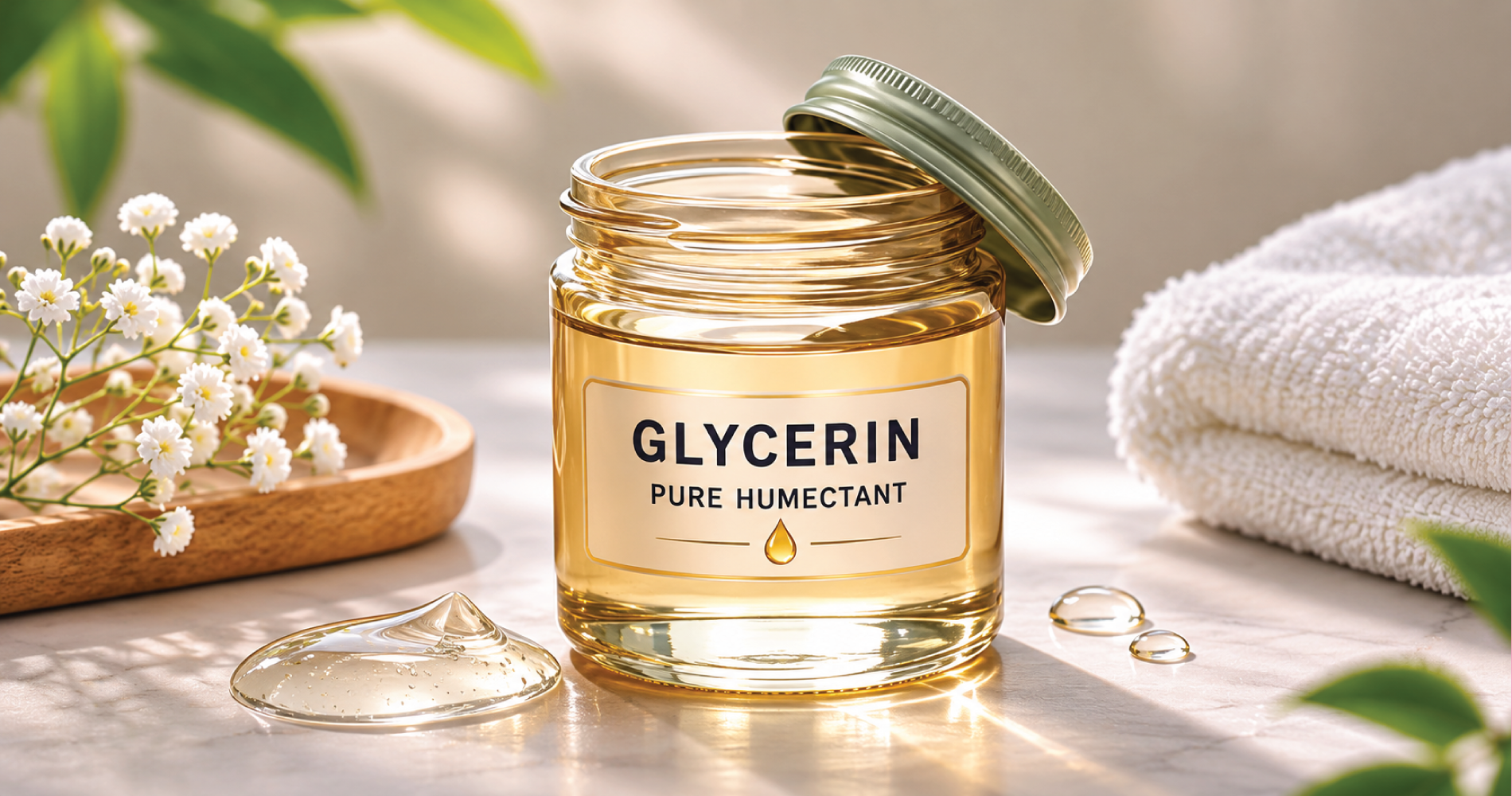
If there is one ingredient that deserves attention in a winter lip hydration treatment, it is glycerin. You will often find glycerin in moisturizers, lotions, cleansers, and other skincare formulations.
And there is a scientific reason behind its popularity. Glycerin is a humectant, meaning it attracts and helps retain water within the outer layers of the skin.
How Does Glycerin Work?
Humectants interact with water and help increase hydration in the outermost skin layers.
Glycerin is particularly useful because it can help improve skin hydration and support the normal functioning of the skin barrier. When included in properly formulated skincare products, it may help reduce roughness and improve skin softness.
However, glycerin is not an occlusive ingredient in the same way as petroleum jelly. This means it does not create the same protective barrier that helps reduce water evaporation. For this reason, combining a humectant with an occlusive product can be useful.
How to Use Glycerin for Dry Lips
The easiest option is to choose a lip balm or lip treatment that already contains glycerin. If you prefer a simple home routine:
- Slightly dampen your lips with clean water.
- Apply a very small amount of appropriately diluted, cosmetic-grade glycerin.
- Seal it with a thin layer of plain petroleum jelly or a fragrance-free lip balm.
Avoid applying concentrated glycerin directly to irritated or cracked lips, as it may cause discomfort. Also, do not assume that mixing glycerin with random household ingredients will make it more effective. A properly formulated glycerin-containing lip product is generally a safer and more convenient choice.
Honey for Lips: Can This Natural Ingredient Rescue Chapped Lips?
Honey is another kitchen ingredient that frequently appears in traditional skincare routines.
It has a thick texture, contains sugars, and possesses humectant properties. Certain types of honey also have antimicrobial activity under specific conditions. But does that mean honey is a miracle treatment for dry lips? Not exactly.
Potential Benefits of Honey for Lips
Honey can attract and hold moisture because of its sugar content. When applied to the skin, it may help create a temporary moisturizing effect.
Some forms of medical-grade honey are also used in specialized wound-care products. However, ordinary kitchen honey should not be treated as a substitute for medical-grade wound dressings.
For mildly dry lips, a small amount of plain honey may temporarily improve softness. However, there is limited clinical evidence establishing ordinary honey as a reliable treatment for winter chapped lips.
How to Use Honey for Lip Care
- Take a small amount of plain honey.
- Apply a thin layer to clean lips.
- Leave it for approximately 5–10 minutes.
- Gently rinse with lukewarm water.
- Apply a fragrance-free lip balm or petroleum jelly.
Avoid rubbing your lips while removing the honey. If you experience itching, burning, swelling, or irritation, discontinue use.
Honey may not be suitable for everyone, particularly individuals with sensitivities to bee-related products. And remember, the goal is moisturizing your lips, not turning your skincare routine into a sticky dessert experiment!
Coconut Oil for Lips: Does It Actually Lock in Moisture?
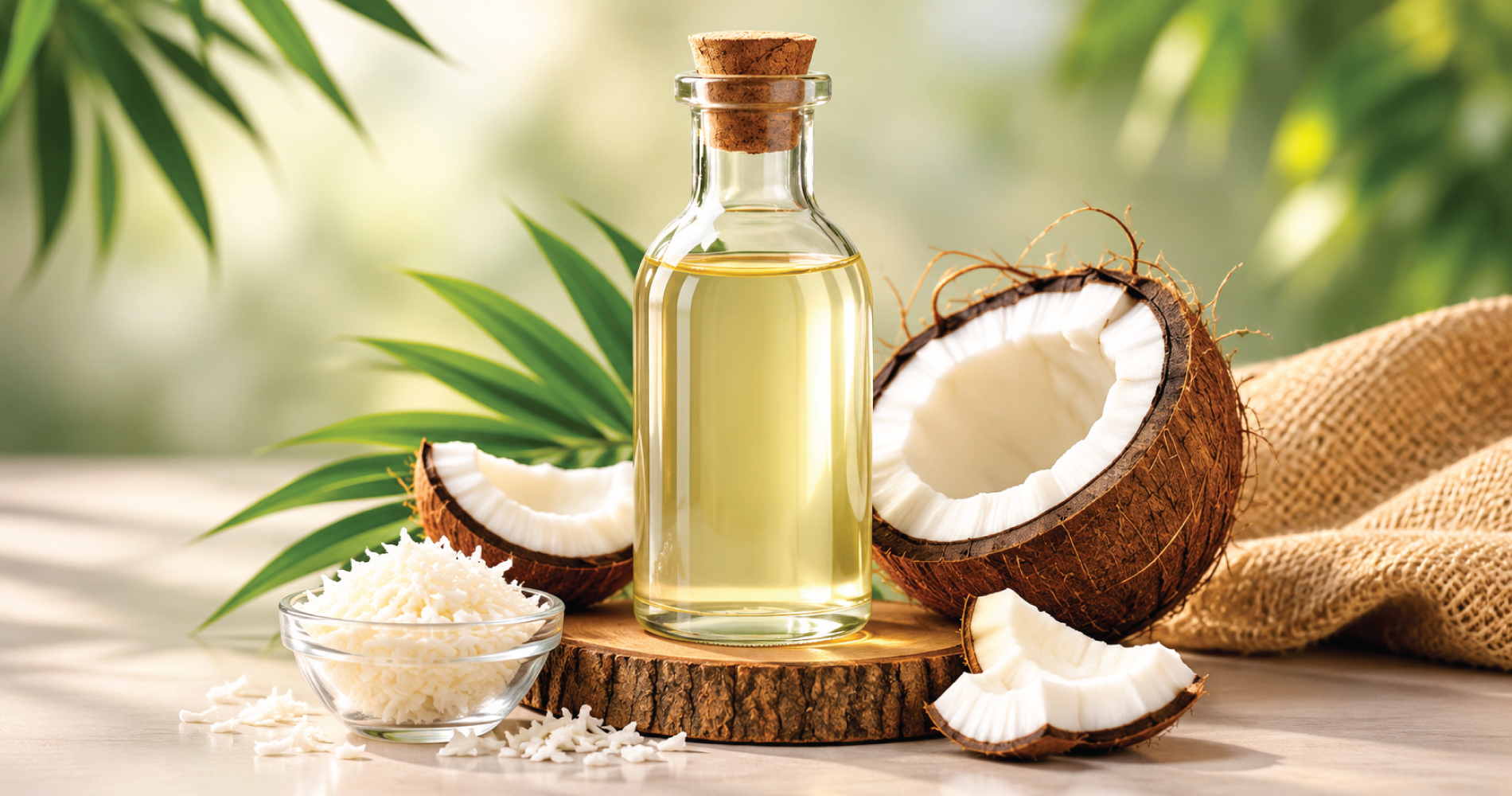
Coconut oil is a popular ingredient in traditional Indian skincare. From hair oiling to body moisturizing, it has found its way into countless household beauty routines.
But what about lip care? Coconut oil contains fatty acids, particularly lauric acid, and can provide an emollient effect when applied to the skin.
How Can Coconut Oil Help Dry Lips?
Coconut oil can soften the lip surface and reduce the feeling of roughness.
Its oily consistency also helps provide a temporary protective coating that may reduce moisture loss. However, it should not be considered equivalent to petroleum jelly, which forms a particularly effective occlusive barrier.
Coconut oil may also cause irritation or contact reactions in some individuals.
How to Use Coconut Oil for Winter Lip Care
- Choose plain, fragrance-free coconut oil.
- Take a very small quantity.
- Apply a thin layer to clean lips.
- Reapply when your lips feel dry.
For additional protection, you can use a fragrance-free lip balm or petroleum jelly over it. If coconut oil causes itching, redness, or irritation, stop using it. It is also worth remembering that coconut oil does not provide reliable sun protection. During daytime, use a lip balm with broad-spectrum SPF 30 or higher.
Aloe Vera for Lips: A Soothing Option or Just Another Skincare Trend?
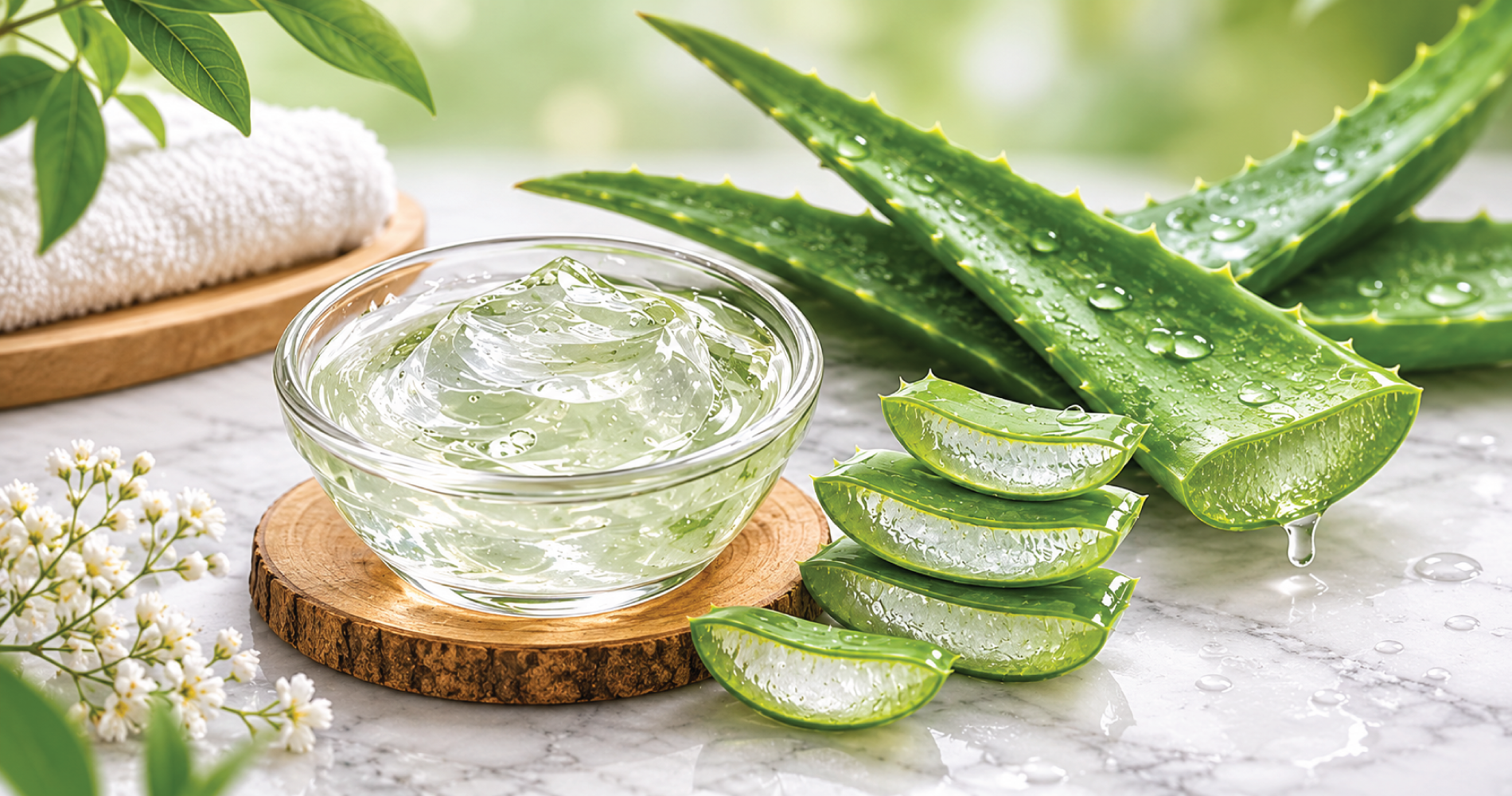
Aloe vera is practically everywhere in skincare. From soothing gels to moisturizers and after-sun products, this plant-based ingredient is widely used for its skin-conditioning properties.
But can aloe vera help dry and cracked lips? Aloe vera contains water and several plant compounds. Properly formulated aloe vera products may provide a soothing and moisturizing feel. However, the evidence specifically supporting aloe vera as a treatment for chapped lips is limited.
Potential Benefits of Aloe Vera
Aloe vera-based formulations may help:
- Provide a temporary cooling sensation.
- Improve surface hydration.
- Make the lip surface feel softer.
- Offer a soothing feel when the formulation is suitable.
However, not every aloe vera gel is appropriate for the lips. Some products contain alcohol, fragrance, colorants, or preservatives that may irritate sensitive skin.
How to Use Aloe Vera for Lip Care
- Choose a cosmetic-grade, fragrance-free aloe vera product.
- Check that it is suitable for use around the lips.
- Apply a very thin layer.
- Allow it to settle.
- Follow with a protective lip balm.
Avoid applying raw aloe vera directly from an unidentified plant source. The yellow latex found beneath the outer leaf contains compounds that can irritate some people.
Also, avoid using aloe vera on deep, bleeding cracks without professional advice.
Beetroot and Sugar Lip Scrubs: Are They Actually Worth Trying?
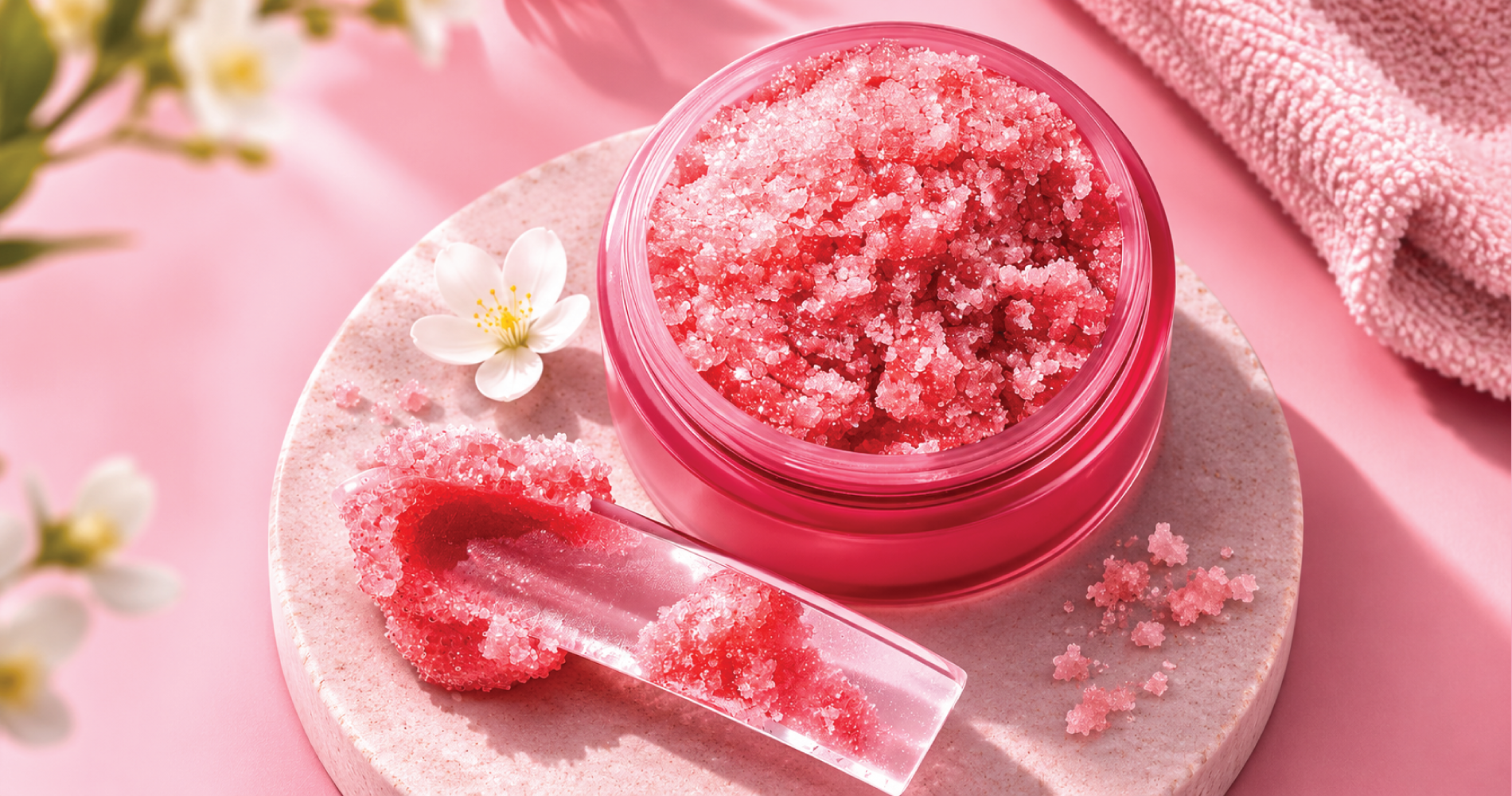
Now let’s discuss one of the most popular DIY beauty trends.
Homemade lip scrubs! You have probably seen recipes involving sugar, beetroot juice, honey, and coconut oil. The idea is simple: remove dead skin cells and reveal softer, smoother-looking lips.
But there is a small problem. Your lips may not need exfoliation at all, particularly when they are already dry and cracked.
Sugar Scrubs: Why You Should Be Careful
Sugar crystals create physical friction when rubbed against the skin.
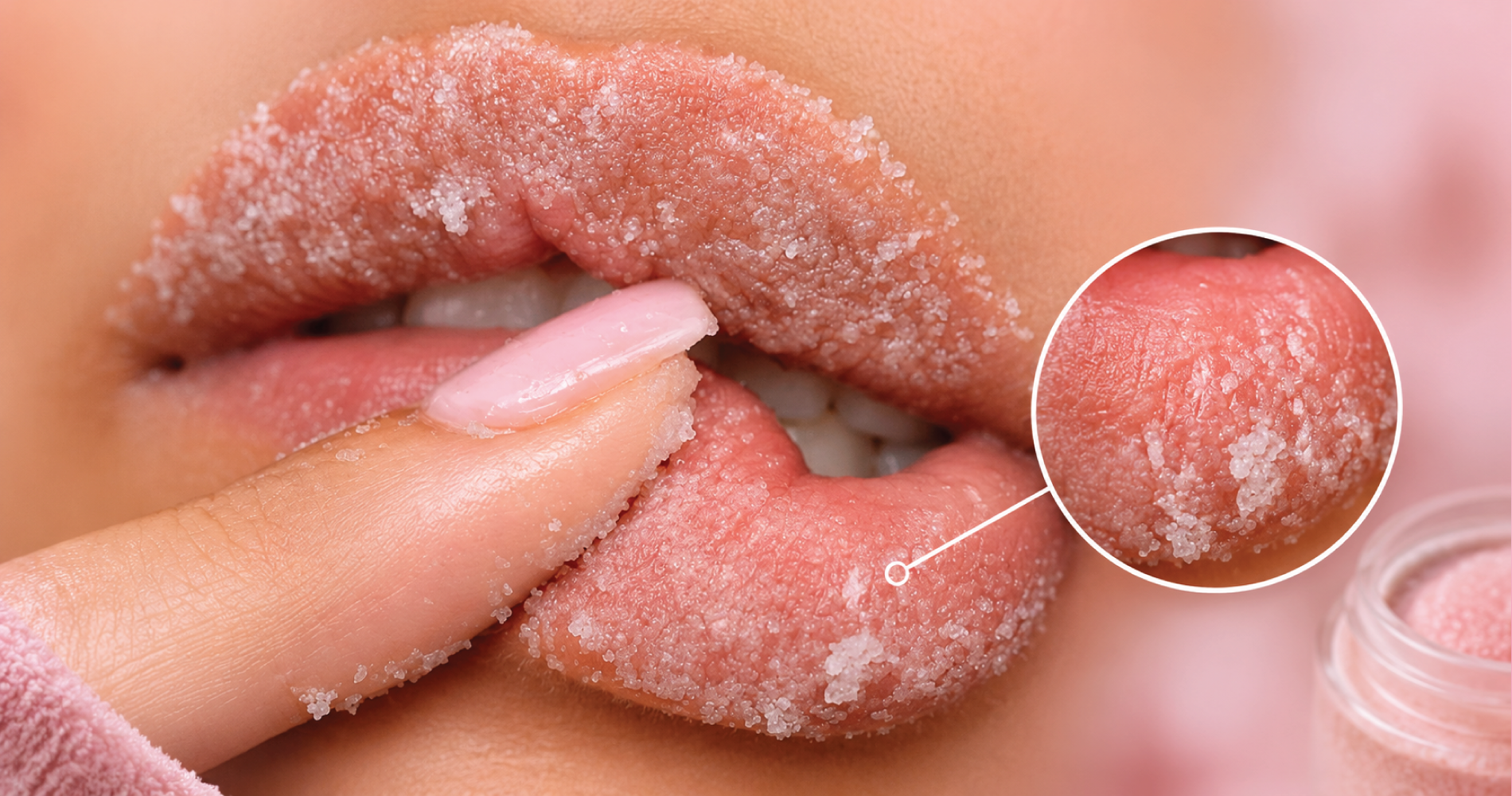
Although gentle exfoliation may be suitable for certain areas of healthy skin, the lip surface is delicate and can become easily irritated. When lips are already cracked, peeling, or inflamed, scrubbing may:
- Damage the fragile surface barrier.
- Increase irritation and redness.
- Cause tiny abrasions.
- Worsen existing cracks.
- Delay recovery.
In other words, scrubbing flaky lips does not necessarily make them healthier. Sometimes, leaving the flakes alone is the better beauty decision.
What About Beetroot?
Beetroot contains natural pigments called betalains, which give it its distinctive reddish-purple colour. Applying beetroot juice may temporarily stain the lips, creating a natural tint.
However, there is insufficient clinical evidence that beetroot juice moisturizes lips, heals cracks, or permanently improves lip pigmentation. Some homemade beetroot mixtures may also contain ingredients that irritate sensitive lips.
Should You Exfoliate Dry Lips?
If your lips are actively cracked, bleeding, peeling, or irritated, avoid exfoliation altogether. Allow the surface to recover with gentle moisturizing and protective products.
You do not need to remove every visible flake to achieve healthy-looking lips. Sometimes, the best lip scrub is no lip scrub.
DIY Lip Care Recipes You Can Try at Home
Now that we have explored individual ingredients, let’s put together a few simple home remedies for dry lips. The idea is to focus on gentle moisturizing rather than aggressive treatments.
Remember that DIY remedies are not clinically proven cures for chapped lips. If your lips are significantly cracked or irritated, a fragrance-free lip product containing protective ingredients may be a better choice.
Glycerin and Petroleum Jelly Lip Treatment
Best for: Supporting moisture retention and reducing dryness.
Ingredients:
- A few drops of cosmetic-grade glycerin.
- A small amount of plain petroleum jelly.
- Clean water.
How to prepare and use:
- Slightly dampen your lips with clean water.
- Apply a very small amount of diluted glycerin.
- Follow with a thin layer of petroleum jelly.
- Repeat when needed, particularly before bedtime.
Why it may help:
Glycerin acts as a humectant, helping attract and retain water in the outer skin layers. Petroleum jelly acts as an occlusive, helping reduce moisture loss. Together, these ingredients can provide a simple lip hydration treatment.
Malai Lip Softening Treatment
Best for: Temporary softness and conditioning.
Ingredients:
- A small amount of fresh malai.
How to use:
- Wash your hands and clean your lips gently.
- Apply a thin layer of fresh malai.
- Leave it on for a few minutes.
- Gently wipe it away.
- Apply a suitable lip balm afterwards.
Why it may help:
The fat content in milk cream may provide an emollient effect, making rough lips feel temporarily softer. Avoid this remedy if you have dairy sensitivity or allergies.
Honey Lip Conditioning Treatment
Best for: Temporary moisturizing and softness.
Ingredients:
- A small amount of plain honey.
How to use:
- Apply a thin layer of honey to clean lips.
- Leave it for 5–10 minutes.
- Gently rinse it away.
- Follow with petroleum jelly or a fragrance-free lip balm.
Why it may help:
Honey has humectant properties because of its sugar content. It may help temporarily improve the feel of dry lips.
However, avoid it if you experience irritation or sensitivity.
Coconut Oil Overnight Lip Care
Best for: Softening and reducing surface dryness.
Ingredients:
- A few drops of plain coconut oil.
- Plain petroleum jelly (optional).
How to use:
- Clean your lips gently.
- Apply a small amount of coconut oil.
- Add a thin layer of petroleum jelly if additional protection is needed.
- Leave the protective layer overnight.
Why it may help:
Coconut oil can act as an emollient, while petroleum jelly helps limit moisture loss.
This simple combination may help reduce the uncomfortable feeling of winter dryness.
Aloe Vera and Lip Balm Combination
Best for: A soothing-feeling lip care routine.
Ingredients:
- A small amount of fragrance-free cosmetic-grade aloe vera gel suitable for lips.
- A plain moisturizing lip balm.
How to use:
- Apply a very thin layer of aloe vera product.
- Allow it to settle.
- Follow with a protective lip balm.
- Discontinue use if irritation occurs.
Why it may help:
Aloe vera formulations may provide a soothing and hydrating feel, while the lip balm helps protect the surface.
Choose products carefully, particularly if your lips are sensitive.
A small reminder: You do not need to combine all five remedies or apply a different treatment every day. Pick one gentle approach that suits your skin, and avoid introducing multiple ingredients simultaneously.
Winter Lip Care Mistakes to Avoid: Stop Doing These If You Want Softer Lips!
Sometimes, the biggest problem is not what you are missing from your skincare routine. It is what you are repeatedly doing to your lips. Even expensive lip products may struggle to help if everyday habits continue irritating the lip surface.
Here are some common mistakes worth avoiding.
Constantly Licking Your Lips
It may feel refreshing temporarily, but repeated lip licking can increase dryness and irritation. Try applying a protective lip balm whenever you notice the urge to lick your lips.
Peeling Off Dry Skin
Pulling or biting flaky skin can damage the delicate surface and cause bleeding. Allow loose flakes to come away naturally instead of forcibly removing them.
Using Harsh Lip Scrubs
Sugar scrubs, salt scrubs, and rough exfoliating tools may irritate already damaged lips. If your lips are cracked, skip exfoliation until they have recovered.
Using Fragranced Lip Products
Certain ingredients, including fragrances, flavourings, menthol, camphor, and some essential oils, may irritate sensitive or damaged lips.
If your lip balm causes burning, stinging, or tingling, stop using it. A soothing lip product should not feel like a chemical experiment.
Forgetting SPF Protection
Your lips are also exposed to ultraviolet radiation. Sun exposure can contribute to lip damage, dryness, and long-term changes in the lip tissue.
Choose a broad-spectrum lip balm with SPF 30 or higher and reapply regularly, particularly outdoors.
Not Drinking Enough Fluids
Adequate hydration supports normal bodily functions.
Although drinking extra water will not directly repair a damaged lip barrier, maintaining appropriate fluid intake is important for overall health.
Breathing Through Your Mouth
Mouth breathing, especially during sleep, can expose the lips to repeated airflow and contribute to dryness.
If persistent nasal congestion or mouth breathing is affecting your sleep, consider discussing it with a healthcare professional.
Using Too Many DIY Remedies
Applying malai, honey, glycerin, lemon juice, and multiple other ingredients together does not automatically create a better treatment.
In fact, excessive experimentation may increase the risk of irritation. Keep your lip care routine simple and consistent.
What Does an Effective Winter Lip Care Routine Look Like?
You do not need ten different products to maintain comfortable lips.
A simple routine that focuses on moisture retention and environmental protection is usually enough for everyday lip care. Here is a practical approach.
Morning: Protect Your Lips Before Stepping Outside
Start your day by applying a gentle, fragrance-free lip balm. Choose one containing ingredients such as:
- Petrolatum.
- Mineral oil.
- Ceramides.
- Shea butter.
- Dimethicone.
These ingredients can help condition the lip surface and reduce moisture loss. During daytime, use a broad-spectrum lip balm with SPF 30 or higher. Reapply after eating, drinking, or prolonged outdoor exposure.
Afternoon: Maintain Moisture Throughout the Day
Keep your lip balm accessible. Reapply whenever your lips feel dry, especially after meals or when spending time outdoors.
Avoid licking your lips or pulling off flaky skin. If you spend long hours in an air-conditioned or heated environment, maintaining suitable indoor humidity may also help.
Night: Give Your Lips Extra Protection
Before bedtime, gently clean your lips if necessary. Apply a generous layer of plain petroleum jelly or a suitable fragrance-free lip ointment.
This creates a protective layer that helps reduce moisture loss while you sleep. If your lips are particularly dry, making this a consistent nighttime habit may improve comfort over time.
The key takeaway: A simple, consistent routine is generally more useful than frequently switching between trending lip care products.
How to Choose the Right Ingredients for Dry Lips?
Not all moisturizing ingredients work in the same way. Understanding the difference between humectants, emollients, and occlusives can help you select suitable products.
Humectants: Ingredients That Attract Water
Humectants help attract and retain water in the outer layers of the skin. Examples include:
- Glycerin.
- Hyaluronic acid.
- Certain forms of honey.
These ingredients can support skin hydration. However, they are often more effective when used as part of a formulation that also contains protective ingredients.
Emollients: Ingredients That Soften the Surface
Emollients help smooth rough skin and improve softness. Examples include
- Shea butter.
- Certain plant oils.
- Fatty acids.
- Squalane.
They can help improve the feel of dry lips by conditioning the surface.
Occlusives: Ingredients That Reduce Moisture Loss
Occlusives form a protective layer over the skin, helping reduce water evaporation. Examples include:
- Petroleum jelly.
- Mineral oil.
- Dimethicone.
For significantly dry lips, an occlusive product such as plain petroleum jelly can be particularly useful. The most practical lip hydration treatment often combines these different ingredient categories rather than relying on a single trendy ingredient.
When Do Dry Lips Need More Than Home Remedies?
Most mild cases of winter dryness improve with gentle care and consistent moisturizing. However, not every case of dry lips is simply caused by cold weather.
Persistent or severe dryness may sometimes indicate an underlying skin condition, irritation, infection, or nutritional concern. Here are some situations when professional advice is important.
Persistent Cracking and Bleeding
If your lips repeatedly crack, bleed, or remain painful despite regular moisturizing, do not continue experimenting with DIY remedies.
A healthcare professional can assess whether there is an underlying condition affecting the lip surface.
Angular Cheilitis
Have you noticed painful cracks at the corners of your mouth? This may be a condition called angular cheilitis.
It can involve redness, irritation, splitting, and sometimes crusting around the corners of the mouth. Possible contributing factors include saliva accumulation, irritation, fungal or bacterial infections, and certain nutritional deficiencies.
Treatment depends on the underlying cause, so persistent symptoms should be evaluated professionally.
Allergic or Irritant Contact Cheilitis
Sometimes, the lip balm you are using to solve dryness may actually be contributing to it.
Certain fragrances, flavourings, preservatives, and cosmetic ingredients can trigger allergic or irritant contact reactions. Symptoms may include:
- Redness.
- Burning or itching.
- Swelling.
- Flaking.
- Persistent irritation.
If you suspect a product is causing the problem, discontinue it and seek medical advice if symptoms continue.
Possible Nutritional Deficiencies
In some cases, persistent lip inflammation or cracking may be associated with nutritional deficiencies. Deficiencies involving iron and certain B vitamins, including riboflavin (vitamin B2), may contribute to oral and lip-related symptoms.
However, dry lips alone are not enough to diagnose a nutritional deficiency. Avoid taking supplements without identifying whether a deficiency actually exists.
Sun-Related Lip Damage
Persistent roughness, scaling, thickening, or changes affecting the lower lip may sometimes indicate actinic cheilitis, a condition associated with long-term ultraviolet exposure.
It is important to have persistent or unusual changes assessed by a dermatologist.
Signs of Infection or Severe Inflammation
If your lips develop significant swelling, pus, spreading redness, severe pain, or unusual crusting, seek medical attention. Sudden swelling involving the lips, tongue, or throat, particularly with breathing difficulty, requires emergency medical care.
The important thing to remember is that home remedies are suitable only for simple, mild dryness. They should never replace appropriate medical treatment when symptoms are severe or persistent.
Who Is More Likely to Experience Dry Lips in Winter?
Although anyone can experience winter lip dryness, certain individuals may be more vulnerable.
People With Sensitive Skin
Individuals with sensitive skin or conditions such as eczema may experience more frequent lip irritation.
Their skin barrier may be more susceptible to environmental triggers and certain cosmetic ingredients.
People Who Spend Long Hours Outdoors
Individuals who work, travel, or exercise outdoors may experience greater exposure to cold winds, dry air, and ultraviolet radiation.
Protective lip products become particularly important in these situations.
People Who Frequently Lick or Bite Their Lips
Repeated lip licking, biting, and peeling can interfere with the recovery of the lip surface.
Breaking these habits can be an important part of managing dryness.
People Taking Certain Medications
Some medications, including certain acne treatments and other drugs that reduce moisture production, may contribute to dryness.
If lip dryness begins after starting a medication, discuss it with your healthcare provider rather than stopping the medication independently.
Children and Older Adults
Children may develop dry lips due to frequent licking, outdoor exposure, or inadequate protective care.
Older adults may also experience dryness due to age-related skin changes, medications, and other health factors. A gentle, fragrance-free lip balm can help support everyday lip care across different age groups.
Common Myths About Winter Lip Care: Let’s Set the Record Straight!
The internet is full of beauty secrets, DIY lip masks, and overnight lip transformation hacks. But not every popular remedy is backed by skincare science.
Let’s separate fact from fiction.
Myth 1: Licking Your Lips Keeps Them Moisturized
Fact: Saliva evaporates quickly, and repeated lip licking can contribute to dryness and irritation. Applying a protective lip balm is a better option.
Myth 2: Sugar Scrubs Are Necessary for Soft Lips
Fact: Lips do not need regular physical exfoliation. Scrubbing already dry or cracked lips may damage their delicate surface and worsen irritation.
Myth 3: Glycerin Alone Is Enough to Protect Lips
Fact: Glycerin is a humectant that attracts water, but it does not provide the same protective barrier as an occlusive ingredient. Combining it with a suitable moisturising product may help reduce moisture loss.
Myth 4: Natural Ingredients Are Always Safe
Fact: Natural ingredients can still trigger irritation or allergic reactions. Honey, coconut oil, aloe vera, and dairy-based remedies are not suitable for everyone.
Myth 5: Drinking More Water Instantly Cures Dry Lips
Fact: Adequate hydration supports overall health, but dry lips are often related to environmental exposure and barrier disruption. Applying a suitable protective lip product is important.
Myth 6: Petroleum Jelly Makes Lips More Dependent on Lip Balm
Fact: There is no good evidence that petroleum jelly causes lip dependency. It works by creating a protective layer that reduces moisture loss. Reapplication is needed because the product gradually wears away.
Myth 7: SPF Is Only Necessary for Facial Skin
Fact: Your lips are also exposed to ultraviolet radiation. A broad-spectrum lip balm with SPF 30 or higher can help protect them from sun damage.
Myth 8: Dry Lips Are Always a Sign of Dehydration
Fact: Environmental dryness, lip licking, irritation, certain medications, and underlying skin conditions can all contribute to dry lips. Dehydration is only one possible factor.
Myth 9: Applying Multiple DIY Ingredients Gives Better Results
Fact: Combining several ingredients does not guarantee better moisturization. It may increase irritation, particularly when the lips are already damaged. A simple routine is often more appropriate.
If you want to learn more about how to take care of yourself other than just dry lips in winter then tap to know about haircare in winter.
Conclusion: Give Your Lips the Winter Glow-Up They Actually Deserve!
Winter brings cosy sweaters, hot chai, and warm blankets, but it can also leave your lips dry, rough, flaky, and cracked.
Cold temperatures, low humidity, strong winds, indoor heating, and frequent lip licking can all contribute to moisture loss. Since lips have fewer natural protective features than facial skin, they need extra care during winter.
The good news? You do not need an expensive collection of products. Ingredients like malai, glycerin, honey, coconut oil, and aloe vera may offer moisturizing benefits when used appropriately.
A simple routine with a gentle lip balm, protective ingredients, adequate hydration, and daytime SPF can help keep your lips comfortable. Avoid harsh scrubbing, licking your lips, peeling flaky skin, or using irritating ingredients. If cracks, bleeding, swelling, or unusual changes persist, seek professional advice.
So, enjoy your favourite chai and cozy winter outfits, but remember to give your lips some extra attention. Because healthy winter lips are not about expensive products; they are about consistent, gentle care.
Disclaimer
This article is intended for general educational and informational purposes only. It does not replace professional medical advice, diagnosis, or treatment. The effectiveness and suitability of DIY ingredients such as malai, glycerin, honey, coconut oil, and aloe vera may vary depending on individual skin sensitivity and product quality. Natural ingredients can also cause irritation or allergic reactions. Avoid applying harsh scrubs, lemon juice, undiluted essential oils, or irritating substances to dry or cracked lips. Seek advice from a qualified healthcare professional or dermatologist if you experience persistent dryness, bleeding, swelling, severe pain, unusual lip changes, or signs of infection. Do not discontinue prescribed medication without consulting your healthcare provider.
FAQs
1. Why do lips become dry and cracked in winter?
Lips become dry during winter because cold temperatures, low humidity, and wind exposure can increase moisture loss. Their relatively thin protective barrier and lack of typical sebaceous glands make them more vulnerable to dryness and irritation.
2. How to cure dry lips at home naturally?
You can manage mild dry lips at home by applying a fragrance-free lip balm or plain petroleum jelly regularly. Ingredients such as glycerin, honey, and coconut oil may offer moisturizing benefits when suitable for your skin. Avoid licking, biting, or scrubbing your lips.
3. Is malai good for dry lips?
Malai contains milk fat, which may temporarily soften rough lips by providing an emollient effect. However, it is not a clinically established treatment for cracked lips and should be avoided by people with dairy allergies or sensitivities.
4. Can glycerin help with dry and cracked lips?
Yes, glycerin is a humectant that helps attract and retain water in the outer skin layers. It may improve lip hydration when used appropriately, preferably alongside an occlusive product such as petroleum jelly to reduce moisture loss.
5. What is the best lip care routine for winter?
A simple winter lip care routine includes applying a gentle, fragrance-free lip balm throughout the day, using a broad-spectrum SPF 30 or higher lip product outdoors, avoiding lip licking and harsh scrubs, and applying petroleum jelly before bedtime. Consistency is important for maintaining comfortable lips.

Content Writer with 3+ years of experience turning ideas into words people want to read, share, and remember. I create research-backed social media and lifestyle content that blends storytelling, creativity, and audience insights to make every piece feel fresh, relatable, and engaging.