Abstract
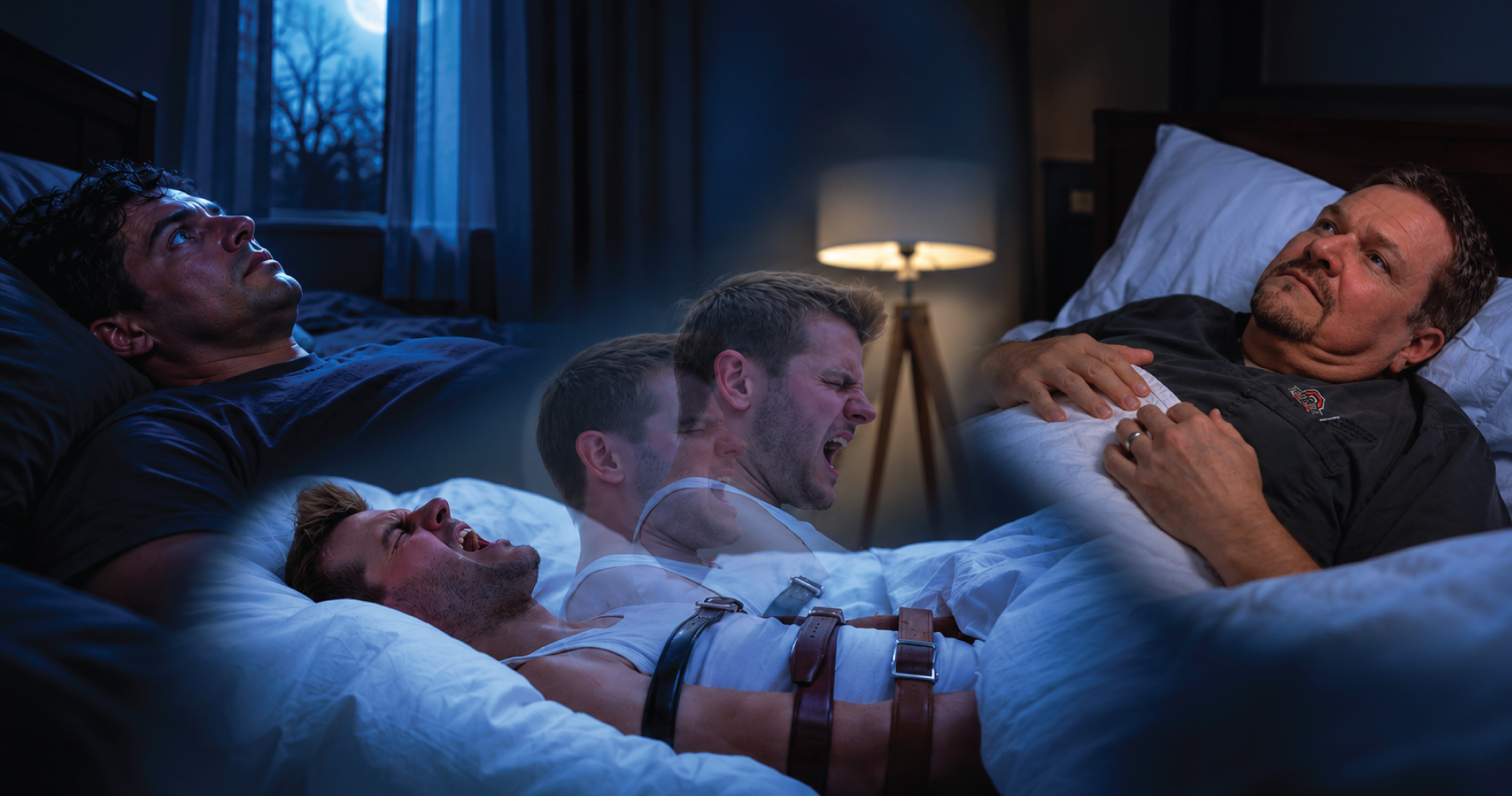
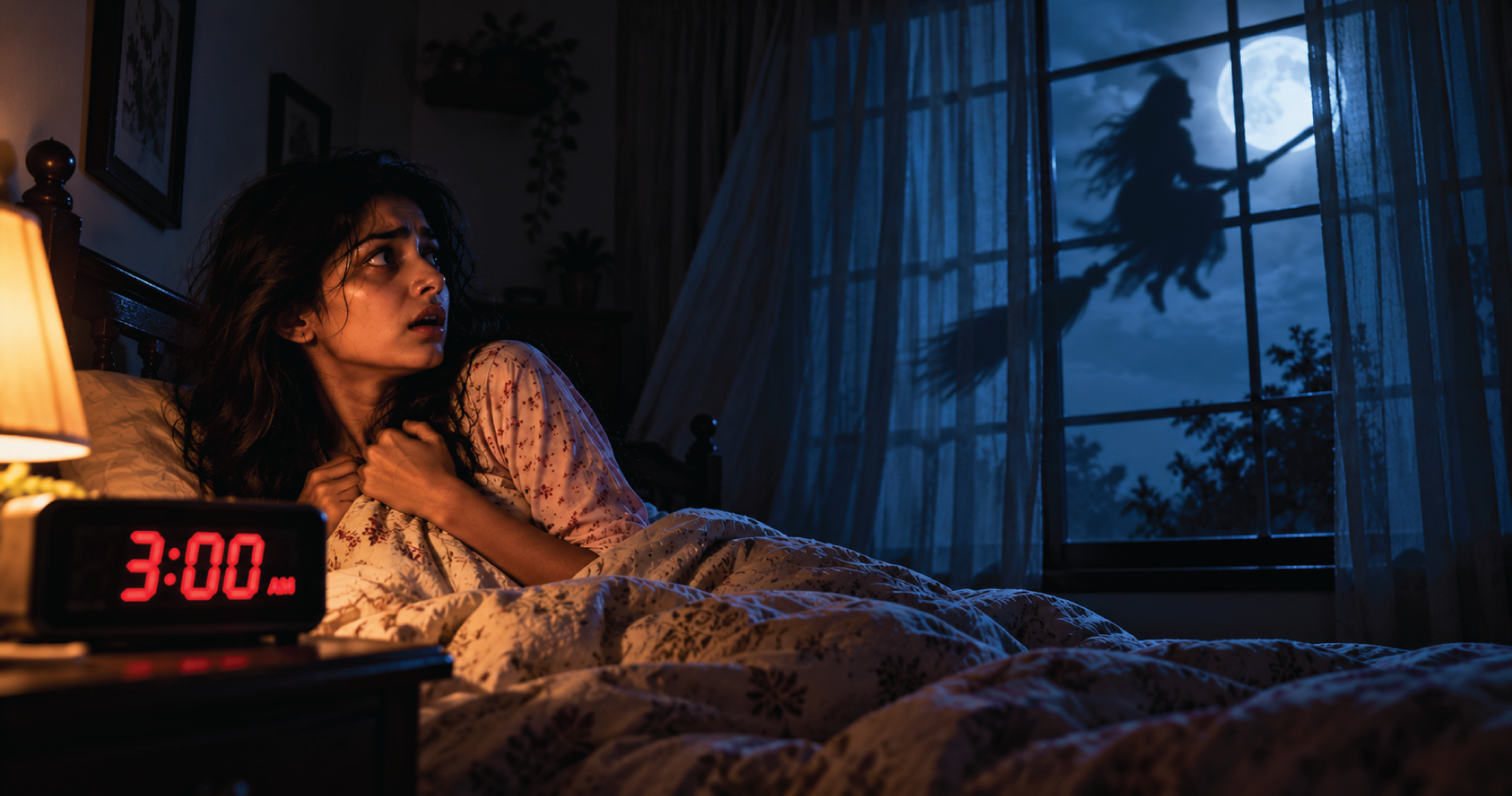
Waking up suddenly at exactly 3 a.m., feeling that someone is in the room, or feeling afraid for no obvious reason can be a disturbing experience for some people. On the internet and in scary stories, this time is often called the Witching Hour or Devil’s Hour. But does paranormal activity actually increase at 3 a.m., or are the body’s and mind’s normal processes behind it?
According to sleep science, our brains pass through different sleep stages during the night. As morning approaches, the duration of REM sleep may increase, during which dreams can feel more vivid.
Stress, anxiety, nightmares, sleep paralysis, and difficulty making sense of our surroundings after waking suddenly can also intensify feelings of fear. This article examines the historical background of beliefs associated with the Witching Hour.
According to scientific evidence, and common claims through fact-checking. Its purpose is not to challenge spiritual beliefs but to clarify the difference between cultural beliefs and scientifically established facts.
1. Why does the fear of 3 a.m. feel so mysterious?
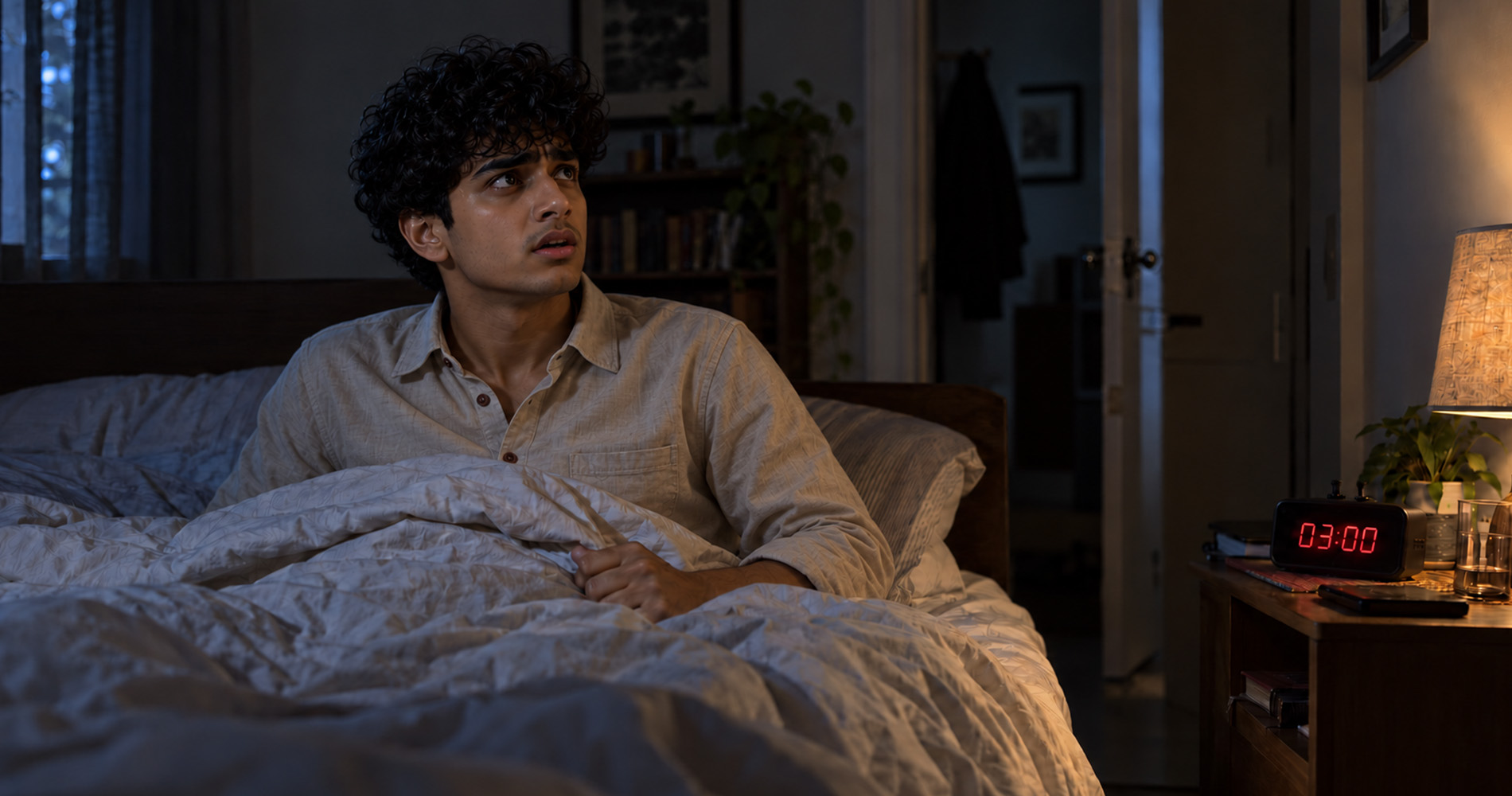
Imagine it’s three o’clock at night. The whole house is quiet. There’s no sound on the street outside. A faint light is coming in through the room’s window, and you suddenly wake up from a deep sleep.
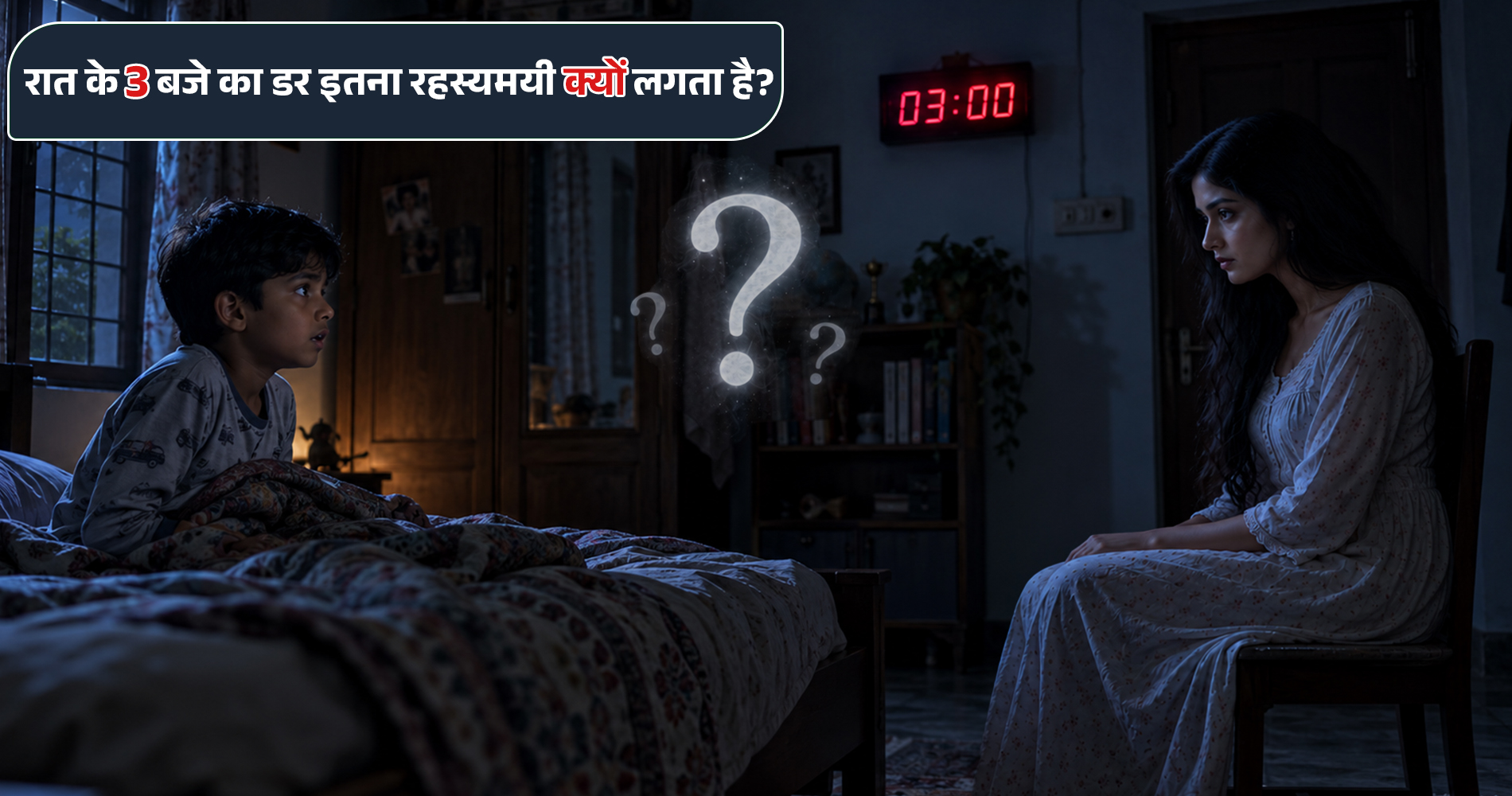
Your eyes fall on the clock. The time is 3:00 AM.
Everything is normal, but even so, there’s a strange uneasiness in your mind. It feels as if someone is in the room. You look around, but no one is there.
Now two questions come to mind. First, why did you suddenly wake up? Second, why are you feeling so frightened for no reason?
If you’ve ever heard about the Witching Hour in a Horror Movie, a third question may come to mind—could this be the time when ghosts and spirits are most active?
This is where a connection begins to form between an ordinary physical experience and the frightening belief associated with it. But waking up at 3 a.m. is not, in itself, anything unusual.
Waking briefly during sleep is a common experience. Sleep cycles, noises nearby, stress, and certain health-related causes may be behind it. So, concluding from a single experience that an invisible force was present in the room would not be scientifically justified.
2. What Is the Witching Hour, and Why Is It Called the Devil’s Hour?
The Witching Hour is a concept associated with culture and folklore. According to some Western beliefs, witches, spirits, and other supernatural forces are thought to be more active at a particular time of night.
Today, the Witching Hour is often said to occur at 3 a.m. on the internet. However, historically, it has not always meant 3:00 a.m. In English literature and old folklore, the concept has also been associated with midnight or the deep silence of the night.
William Shakespeare’s play Hamlet mentions a time of night that was considered mysterious and ominous. Later, the term Witching Hour became popular in literature and folklore.
A review by World Wide Words based on linguistic history notes that different times have been associated with the Witching Hour. In particular, the tradition of calling 3 a.m. the Devil’s Hour is linked to certain religious interpretations, not to any scientific discovery.
Fact Check: Does the Witching Hour always happen at 3 o’clock?
- Claim: Supernatural powers are most active at exactly 3 o’clock at night.
- Fact: There is no scientifically proven time frame for the Witching Hour. Different traditions associate it with different times.
- Therefore, it is not accurate to call 3:00 AM the definite time of any established supernatural event.
3. So how did the 3 AM Mystery become so popular?
History, religious symbolism, and modern entertainment have all played a major role in popularizing stories about the Witching Hour. Many Horror Movies show clocks stopping, doors opening, strange sounds being heard, or shadows appearing at 3 o’clock at night.
When the same kinds of events are shown repeatedly in movies and stories, viewers may develop a particular perception of that time. Ideas such as Expectation and Confirmation Bias can help explain this in Psychology.
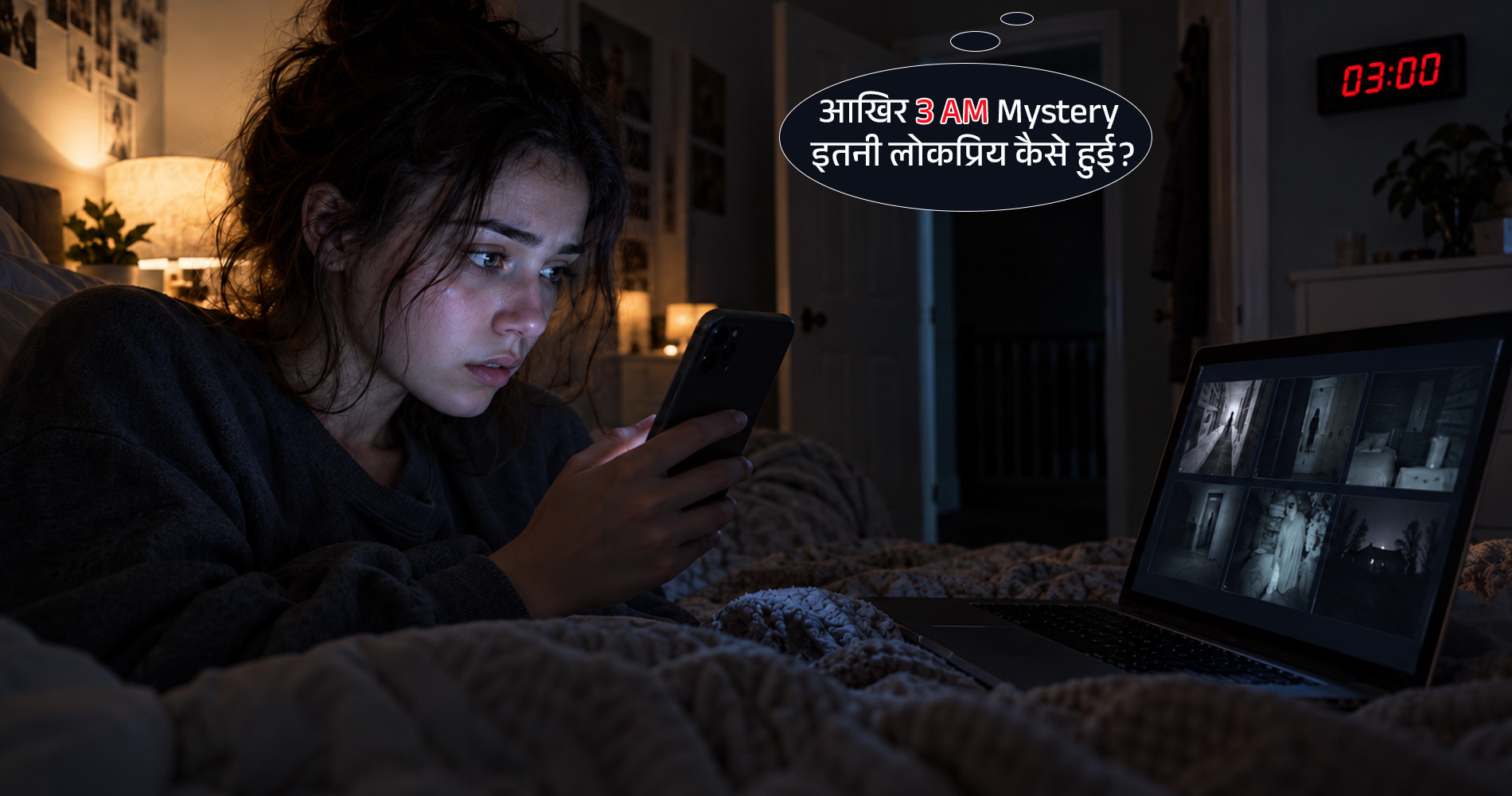
Suppose someone already believes that something scary happens at 3 o’clock at night. One night, they wake up at that time and hear a sound outside the window.
They may associate it with paranormal activity.
But if the same thing happened at 11 o’clock at night, they might think the sound was caused by the wind, an animal, or activity nearby and go back to sleep.
This should be understood as a possible psychological example.
It does not prove that everyone will react this way. In this way, a belief associated with a particular time can influence how experiences at that time are interpreted.
4. According to science, what happens in the body at 3 a.m.?
Now let’s get to the question of what the body and brain are actually doing at 3 a.m. Our sleep is not the same throughout the night. After we fall asleep, the brain passes through various stages. These include Non-REM and REM Sleep.
According to the U.S. National Institutes of Health (NIH), a typical sleep cycle can last about 80 to 100 minutes, and most people go through four to six such cycles during the night.
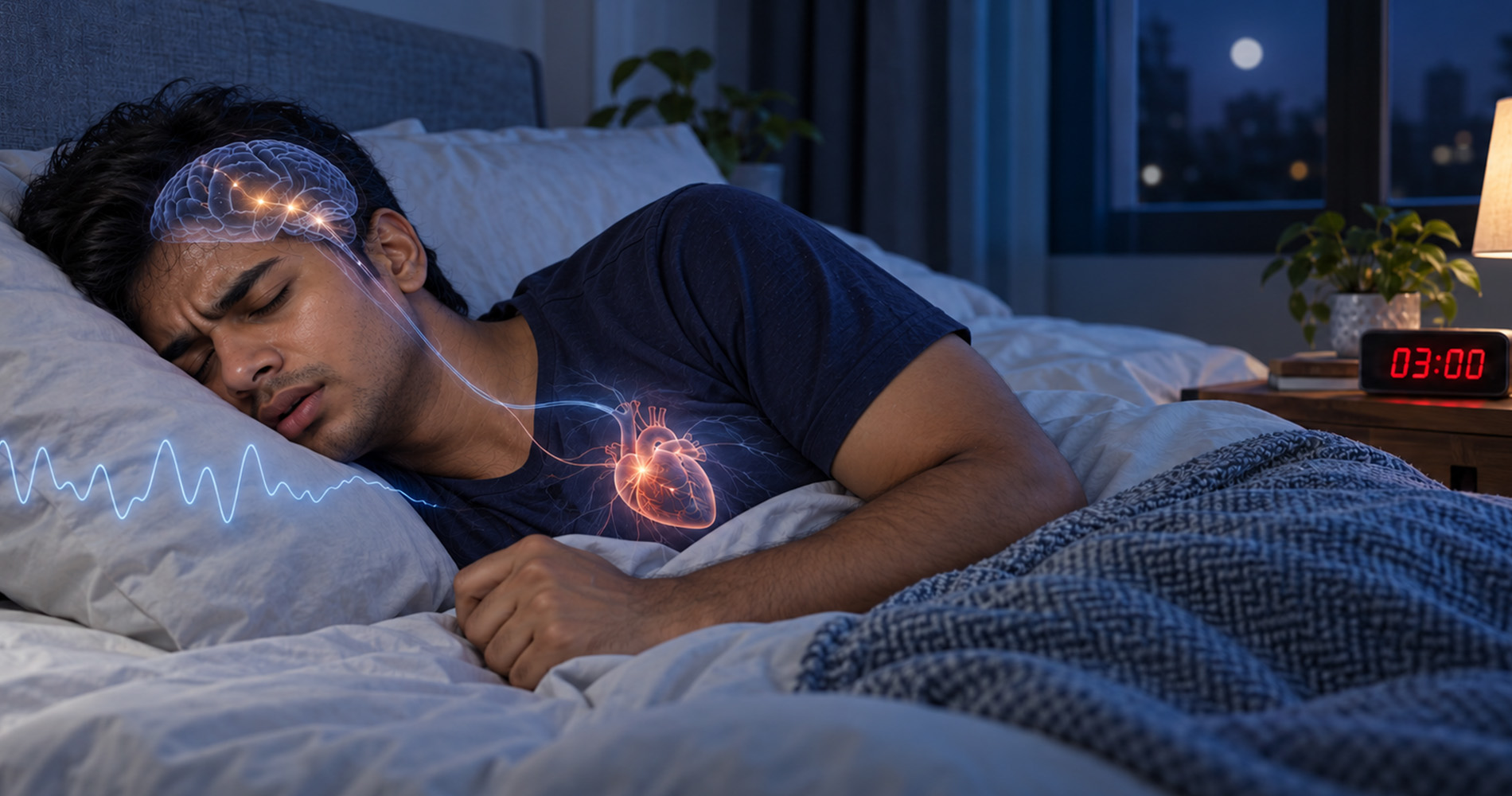
Deep Sleep is relatively more common in the early part of the night. As morning approaches, the duration of REM Sleep generally begins to increase. REM Sleep is the stage in which the brain remains active and vivid dreams are more common. However, dreams can also occur during other sleep stages.
If someone goes to sleep at 10 or 11 p.m., they may be in the later part of their sleep around 3 a.m. In that case, they may wake up during a lighter sleep stage.
But this does not mean that the same process happens in everyone’s body at exactly 3 a.m.
The sleep pattern of someone who goes to bed at 2 a.m. may differ from that of someone who went to bed at 9 p.m. So 3 a.m. is not a universal biological alarm.
Can Sleep Cycle Suddenly Cause Fear?
Sleep cycle itself does not cause any paranormal fear. But the effects of a dream, uneasiness, and vague information about the surroundings when waking up can combine to create a sense of fear in some people.
For example, if someone wakes up while having a frightening dream, their heart may continue to beat fast for some time, and they may feel panicked. Sometimes, the person may not even remember the entire story of the dream. They may only remember the feeling of fear.
That is why the experience can seem more mysterious when no clear reason for the fear is apparent after waking up.
5. Circadian Rhythm: Does Our Body Clock Change at 3 A.M.?
Our body has a natural timing system called the Circadian Rhythm. It affects sleep, wakefulness, body temperature, and many hormonal processes on an approximately 24-hour cycle.
According to NIH, the central circadian clock in the brain regulates bodily activities with the help of cues such as light and darkness. Levels of the hormone Melatonin begin to rise in the evening, helping with the sleep process.
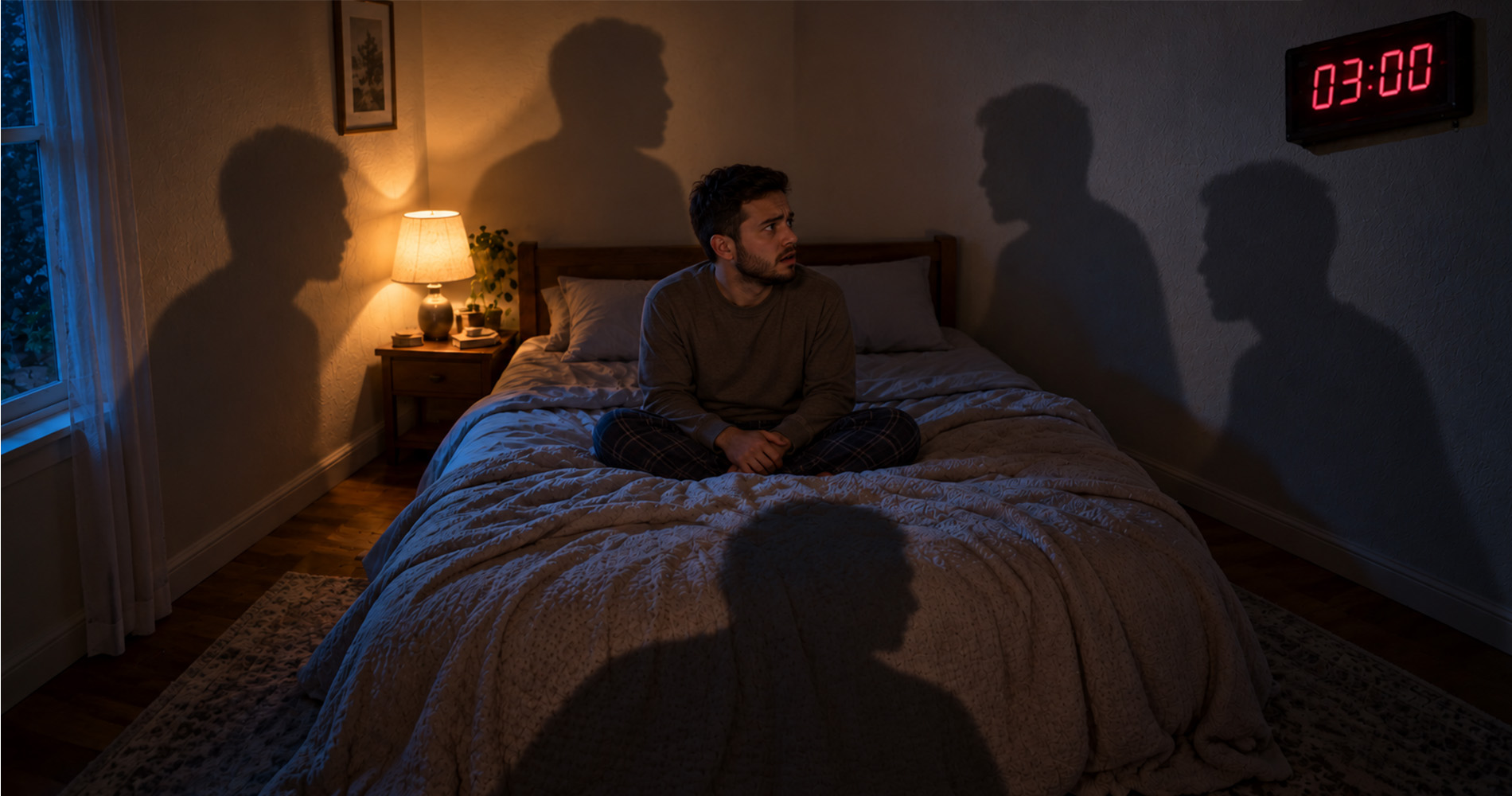
Meanwhile, around morning, Cortisol plays a role in preparing the body to wake up. Some people’s sleep becomes lighter during the final part of the night. In such cases, even a faint sound, a change in temperature, or physical discomfort can wake them.
But the claim that Cortisol suddenly reaches a dangerous level at exactly 3 A.M. is not true. Hormone activity depends on a person’s routine, biological clock, and sleep schedule.
Fact Check: Is the body’s energy weakest at 3 AM?
It is often said online that the body’s energy is at its lowest at 3 AM, and that supernatural forces can therefore influence it more easily. There is no reliable scientific evidence to support this claim. Body temperature, sleep depth, and alertness change during the night, but linking these changes to paranormal energy is not established science.
6. Why might you suddenly feel anxious at 3 AM?
Sometimes fear does not come from an external event, but begins within the body. You are asleep and suddenly wake up. Your heart is beating rapidly, your breathing is faster than usual, and you feel as though something bad is about to happen.
In some cases, this experience may be associated with a Nocturnal Panic Attack. A Nocturnal Panic Attack is a condition in which a person may suddenly wake from sleep with intense feelings of panic.
According to the Mayo Clinic, symptoms during such episodes may include a rapid heartbeat, sweating, trembling, shortness of breath, and a sense of impending danger.
It is worth noting that fear during a Panic Attack is not always caused by a real external threat. When the body’s alarm response is activated, a person may feel that something is about to go wrong, even if there is no obvious danger nearby.
Is waking up scared every time a Panic Attack?
No. Waking up suddenly may also be caused by a nightmare, a noise, physical discomfort, Stress, or a Sleep Disorder. A Nocturnal Panic Attack is one possible explanation, but it cannot be identified based only on feeling scared at night.
7. Does our brain perceive more danger in the silence of the night?
During the day, our attention is focused on many things. Conversations, the sound of vehicles, mobile notifications, and activities at home constantly provide us with information about our surroundings.
At night, many of these signals become less noticeable. When there is less light around us, it can be difficult to clearly identify the shape of an object. A fold in a curtain, clothes placed on a chair, or a shadow on the wall may briefly look like a person.
The brain tries to figure out what is in front of us based on the information available. If someone is already frightened, they may interpret an unclear sight as a threat. It is important to understand the role of Threat Perception here.
Threat Perception is the mental process of identifying something as a potential threat and responding accordingly. Our Nervous System is designed to respond to real danger.
But sometimes, because of incomplete information or pre-existing anxiety, even an ordinary situation can feel frightening. For example, it is not unusual to be startled by the sudden sound of a door at night.
The sound could be caused by wind, changes in the wood due to temperature, or someone’s movement. However, it would also be wrong to assume that every unfamiliar sound is an illusion created by the brain. If there is a genuine sign of a safety concern, it should be checked in a sensible and safe way.
8. What could cause a shadow to appear at 3 a.m.?
Some of the most popular stories associated with the Witching Hour involve seeing a dark shadow or an unfamiliar figure. Some people say that when they woke up, they saw someone standing beside the bed. Some feel that someone was watching them in the room.
Such experiences can feel extremely real. But an experience feeling real and an external supernatural entity being present behind it are two different things.
Sleep research has studied phenomena such as Hypnopompic Hallucinations and Sleep Paralysis to understand such experiences.
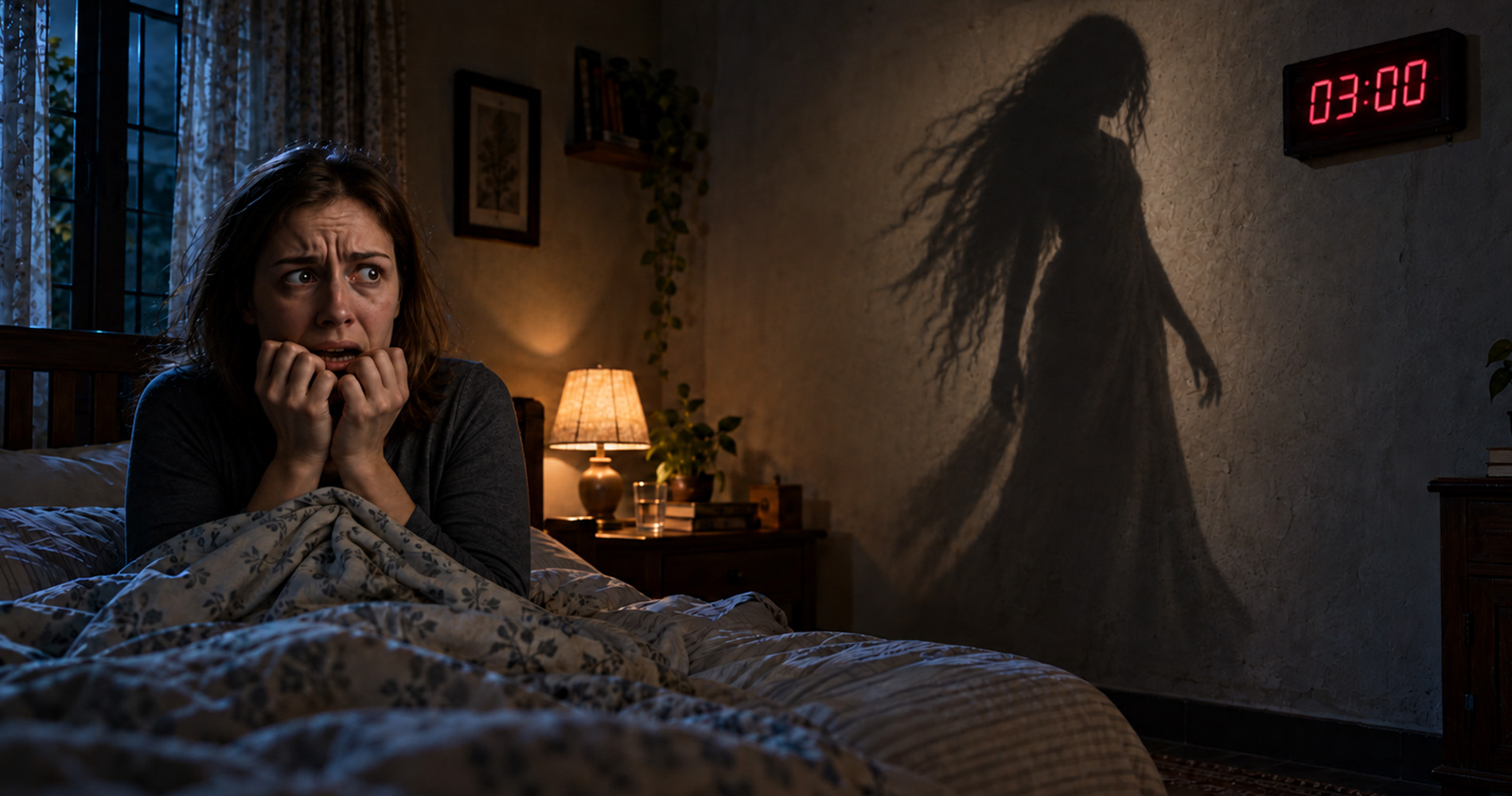
Hypnopompic Hallucinations can occur around the time of waking. A person may see something, hear a sound, or sense a presence, even though no corresponding external object or person is present.
During Sleep Paralysis, some people are unable to move their bodies for a short time despite being awake. In this state, people may experience things such as an unfamiliar person being in the room or pressure on their chest.
A review of Sleep Paralysis published in NCBI Bookshelf linked such experiences to an unusual state that occurs between REM Sleep and wakefulness.
Do Sleep Paralysis Episodes Happen Only at 3 AM?
9. Do Nightmares Give Rise to the 3 AM Mystery?
What is the difference between a Nightmare and a Night Terror?
10. Do you feel the presence of an unknown force at 3 a.m.?
11. Do Stress and Overthinking Increase Fear at Night?
Can fear and lack of sleep make each other worse?
12. Could a medical condition also be behind waking up at 3 a.m.?
13. Does 3 AM Have a Spiritual Meaning Too?
The fear of 3 a.m.—a supernatural mystery or a story created by our minds?
Still, Science cannot determine the cause of every person’s experience without examining it. So the most accurate conclusion is that the Witching Hour is a historical and cultural belief, while feeling afraid at 3 a.m. is a human experience for which many scientific explanations exist.
Disclaimer:

Emanual Massey is a healthcare, lifestyle, and beauty content writer with over 7 years of professional experience. He specializes in writing SEO-optimized, research-based articles on health, wellness, nutrition, skincare, beauty, and Ayurveda. His mission is to simplify complex topics into practical, reader-friendly content that empowers people to make healthier lifestyle choices. Passionate about continuous learning and evidence-based writing, Emanual creates informative and engaging blogs that combine accuracy, readability, and search engine optimization.