Abstract
As soon as winter arrives, why does your skin suddenly seem to break its relationship with moisture? After washing your face, do you feel tightness in your skin, no matter how much lip balm you apply, the crust on your lips does not go away, and do your hands start to look as if they have been living in the desert for many days? Does all this sound familiar?
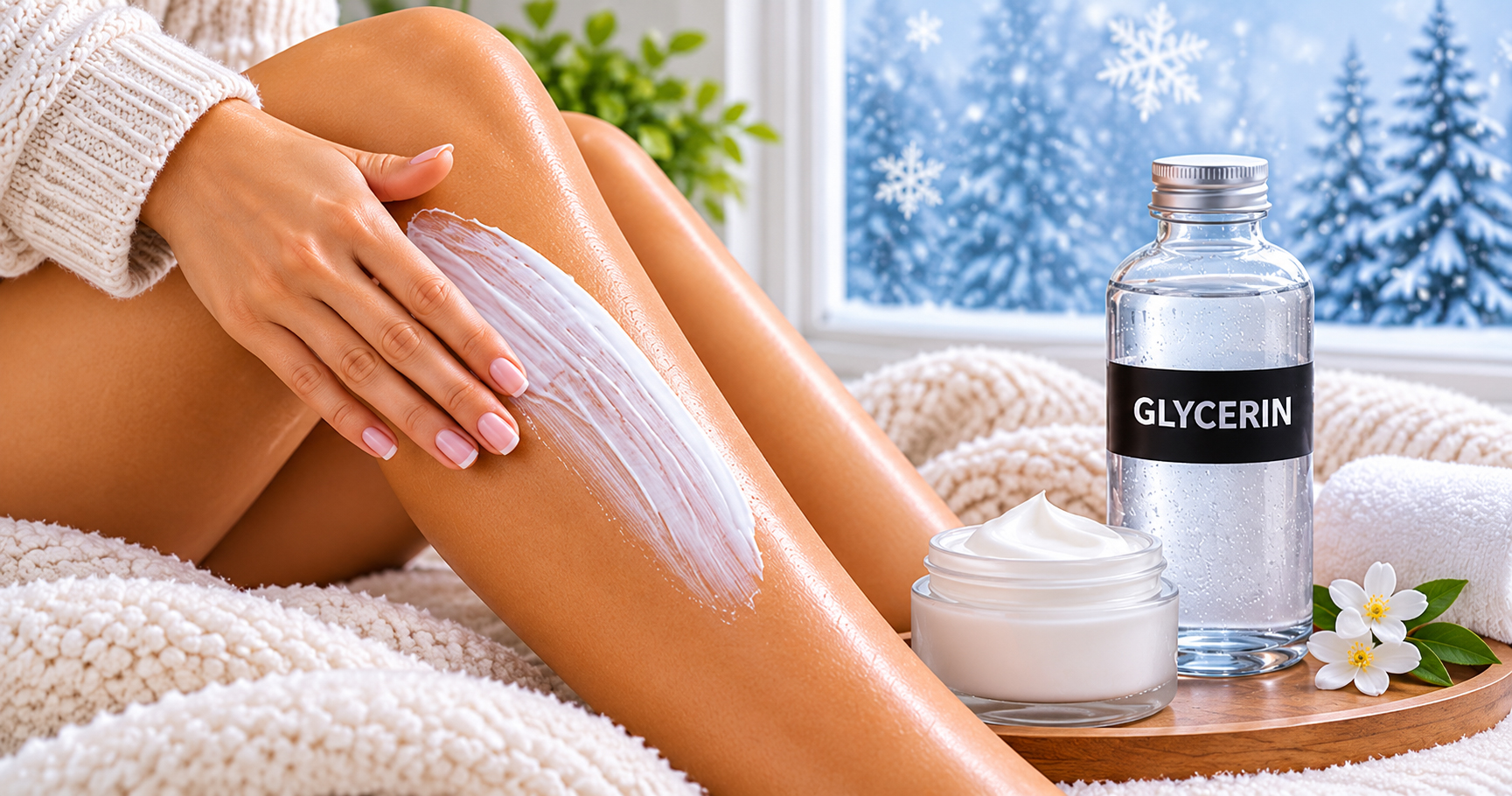
Winter can be quite harsh on your skin. Cold temperatures, low humidity, bathing with hot water, and using heaters indoors can reduce moisture in the skin, making it feel dry, dull, and uncomfortable. But before buying another expensive skincare product, it is important to know about a simple ingredient: glycerin.
Commonly used in moisturizers, cleansers, serums, and lip care products, glycerin is an effective humectant that helps attract and retain moisture in the skin. From keeping the skin hydrated to softening dry areas, its many benefits make it a useful part of your winter skincare routine.
But is glycerin for the face really as effective as people claim? Can it be helpful for chapped lips, dry hands, and cracked heels? And can you mix it into your regular body lotion or make easy DIY skincare remedies with it at home?
Let’s understand the science behind glycerin, its benefits for skin in winter, and the right ways to use it, so you can avoid common mistakes.
What is glycerin? Understanding this winter skincare ingredient
Imagine that your skin is like a sponge that needs moisture to stay soft, flexible, and comfortable. Glycerin helps do exactly that.
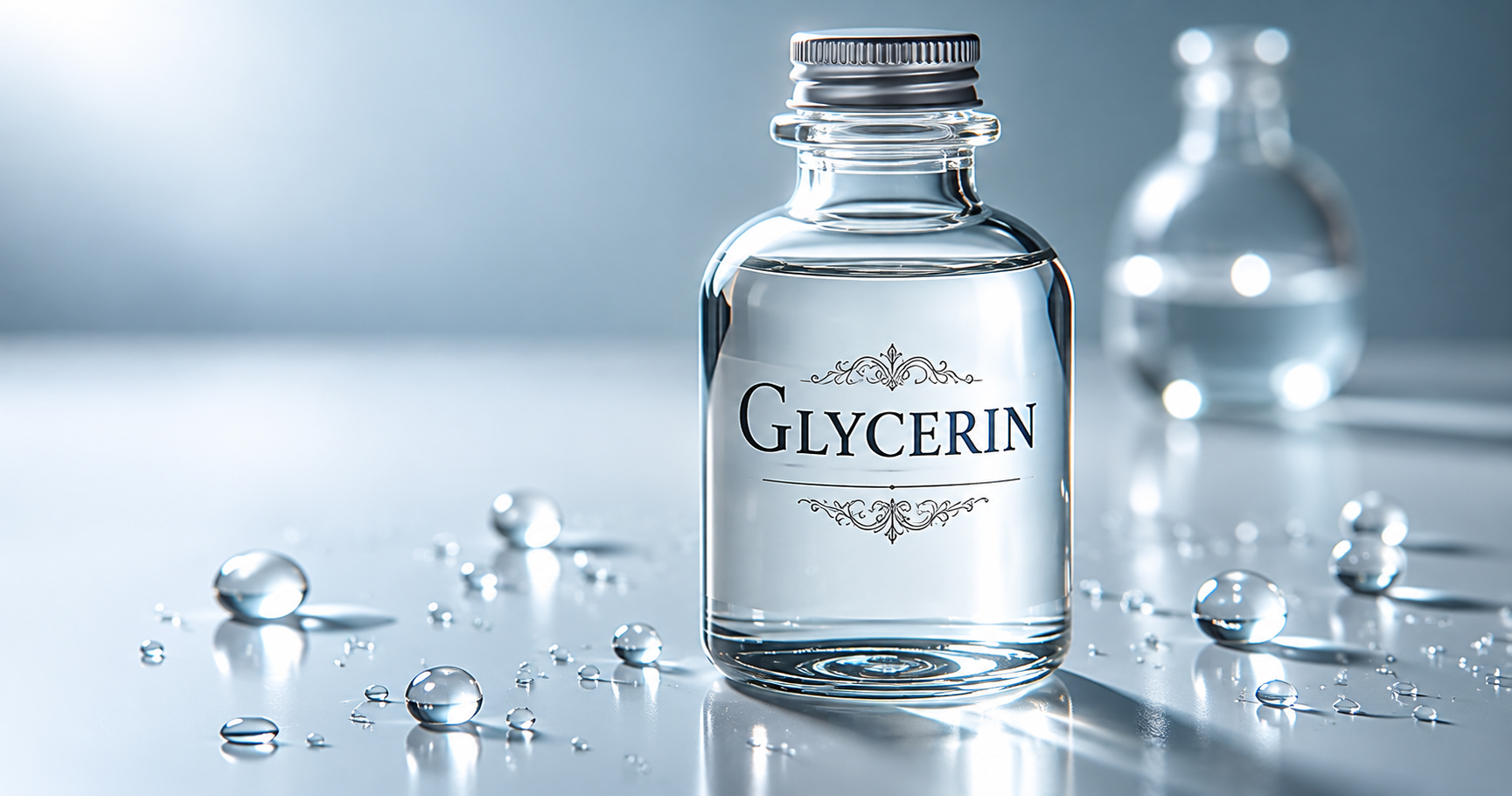
Glycerin, also called glycerol, is a colorless, odorless, and slightly thick liquid that is commonly used in skincare and personal care products. It can be obtained from vegetable oils or animal fats or made synthetically. Whatever its source, the chemical structure of the pure glycerin used in cosmetic formulations is the same. So, what is special about it?
Glycerin is a humectant, which means it attracts water and helps bind it. It is also naturally present in the outermost layer of human skin, where it helps retain moisture and support the skin barrier. You can find glycerin in many everyday skincare products, such as
- Moisturizers and body lotions.
- Hydrating cleansers for dry skin.
- Facial serums and creams.
- Hand creams and foot creams.
- Lip balms and other lip-care products.
Unlike ingredients that mainly soften the skin or create a protective layer, glycerin helps increase the water content of the skin’s outer layer. This makes it particularly useful when winter weather starts stealing your skin’s hydration.
In simple words, glycerin is like your skin’s little hydration assistant, helping it hold onto the moisture it needs.
Why does your skin become so dry during winter?
Have you ever noticed that in summer your skin stays completely normal, but as soon as the temperature drops, it starts to look flaky and dry? You are not just imagining it. The winter season creates many such conditions that can affect your skin’s natural moisture balance.
Low humidity increases moisture loss
Cold winter air generally contains less moisture than warm air. When the surrounding humidity is low, water can evaporate more easily from your skin, contributing to dryness.
This process is known as transepidermal water loss (TEWL), which refers to water escaping through the skin into the surrounding environment.
Hot showers can make dryness worse
A long, steaming shower might feel like the ultimate winter luxury, but extremely hot water can remove some of the natural oils that help protect your skin.
Frequent washing with harsh soaps and cleansers can further weaken its protective barrier, leaving your skin feeling tight and uncomfortable.
Indoor heating doesn’t help either
Room heaters and other heating systems can reduce indoor humidity. Spending long hours in heated environments may therefore contribute to moisture loss.
Your skin barrier needs extra attention
The skin barrier is the outermost protective layer that helps retain moisture and defend against environmental irritants.
When this barrier becomes compromised, your skin may develop dryness, flaking, rough patches, and irritation.
This is why winter skincare isn’t just about applying more products. It’s about choosing ingredients that support skin hydration and help protect its natural barrier.
How does glycerin work to hydrate your skin?
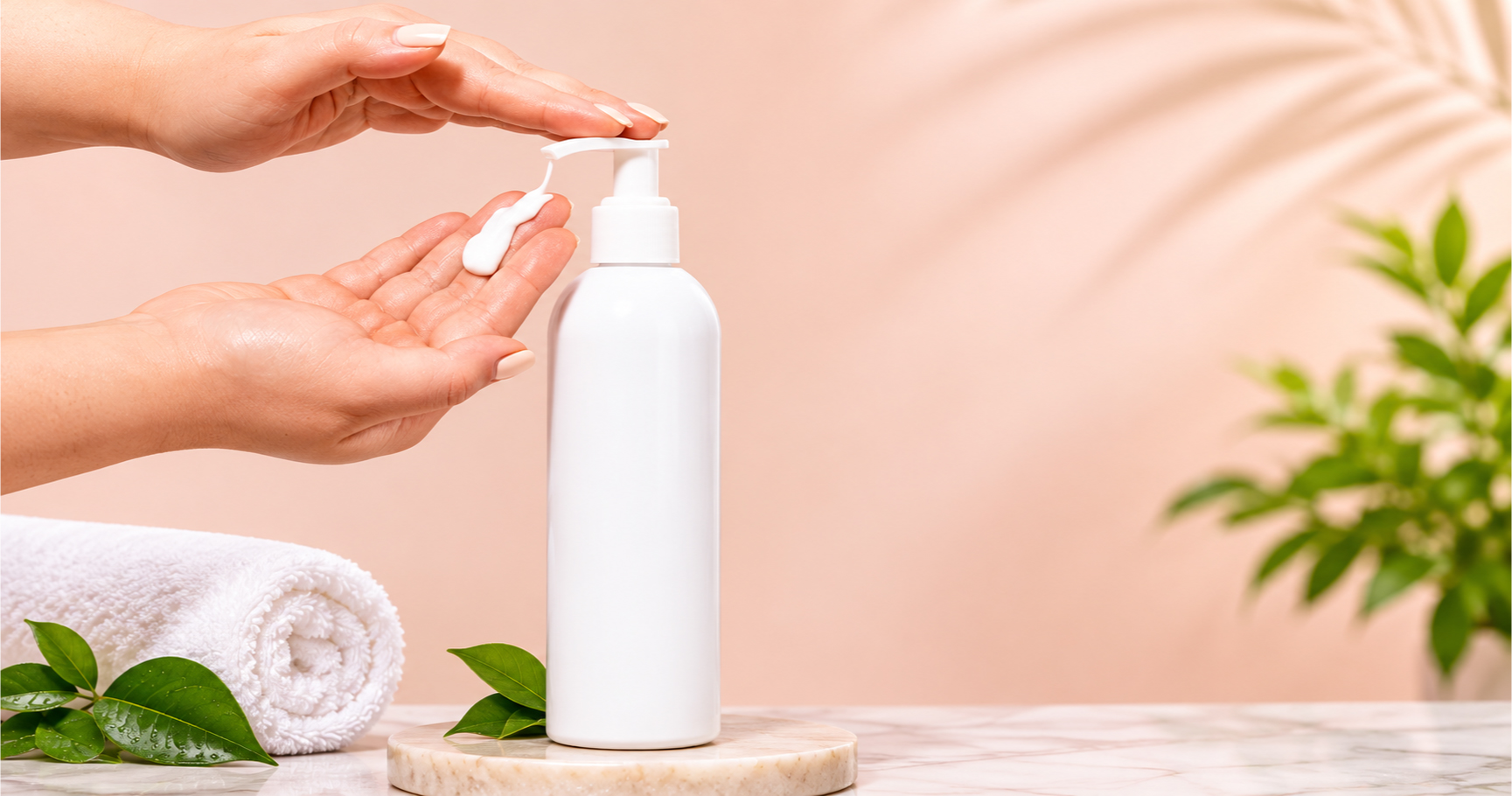
So, how does a simple liquid manage to keep your skin feeling soft when the weather is doing everything possible to dry it out? The answer lies in its humectant properties.
Glycerin attracts water from its surroundings and helps bind it within the outermost layer of the skin, known as the stratum corneum. This helps increase skin hydration and maintain the flexibility of the skin’s surface. But that’s not all. Glycerin also contributes to several processes that help maintain healthy skin.
It attracts and retains moisture
Think of glycerin as a moisture magnet. Its ability to attract and bind water helps increase the water content of the outer skin layer, making dry skin feel softer and more comfortable.
This is particularly useful during winter, when environmental conditions can contribute to increased skin dryness.
It supports the skin barrier
Your skin barrier works like a protective wall, preventing excessive moisture loss and keeping external irritants away.
Glycerin supports skin barrier function and helps improve the physical properties of the outer skin layer. This makes glycerin-containing formulations useful for people experiencing dryness and roughness.
It improves skin softness and flexibility
Dehydrated skin can feel rough, tight, and less flexible. By increasing hydration, glycerin helps improve the softness and suppleness of the skin.
Basically, it helps your skin feel less like a dried-out sponge and more like the soft, comfortable skin you actually want.
One important thing to remember: glycerin works best as part of a balanced moisturizing formula. Combining humectants with emollients and occlusives helps both attract moisture and reduce its evaporation.
Glycerin for Skin: Benefits You Should Know About
If your winter skincare routine is missing a reliable hydrating ingredient, glycerin might deserve a place in it. Here are some reasons it is widely used in skincare formulations.
Helps Relieve Dry and Dehydrated Skin
One of the biggest glycerine benefits for skin is its ability to improve hydration. It attracts and binds water in the outer skin layer, helping reduce the uncomfortable feeling of tightness associated with dryness.
Makes Rough and Flaky Skin Feel Softer
Dry elbows, knees, and hands can become particularly rough during winter. Glycerin-containing moisturizers help improve skin hydration, making these areas feel softer and smoother.
Supports a Healthy Skin Barrier
Glycerin contributes to maintaining the skin barrier, which plays an important role in protecting the skin from environmental stressors and excessive moisture loss.
Helps Improve the Appearance of Dull Skin
Sometimes, your skin doesn’t need another brightening serum. It simply needs hydration.
Dehydrated skin can appear dull and less supple. By improving moisture levels, glycerin can help give the skin a healthier, more refreshed appearance.
Works Well With Other Moisturizing Ingredients
Glycerin can be combined with ingredients such as hyaluronic acid, ceramides, and petrolatum in skincare formulations. Each performs a different function, making their combination useful for managing winter dryness.
Suitable for Different Skin Types
Whether your skin is dry, oily, normal, or combination, glycerin can be useful. Its suitability depends on the complete product formulation and how your skin responds to it.
DIY Winter Skincare: Add Glycerin to Your Regular Body Lotion
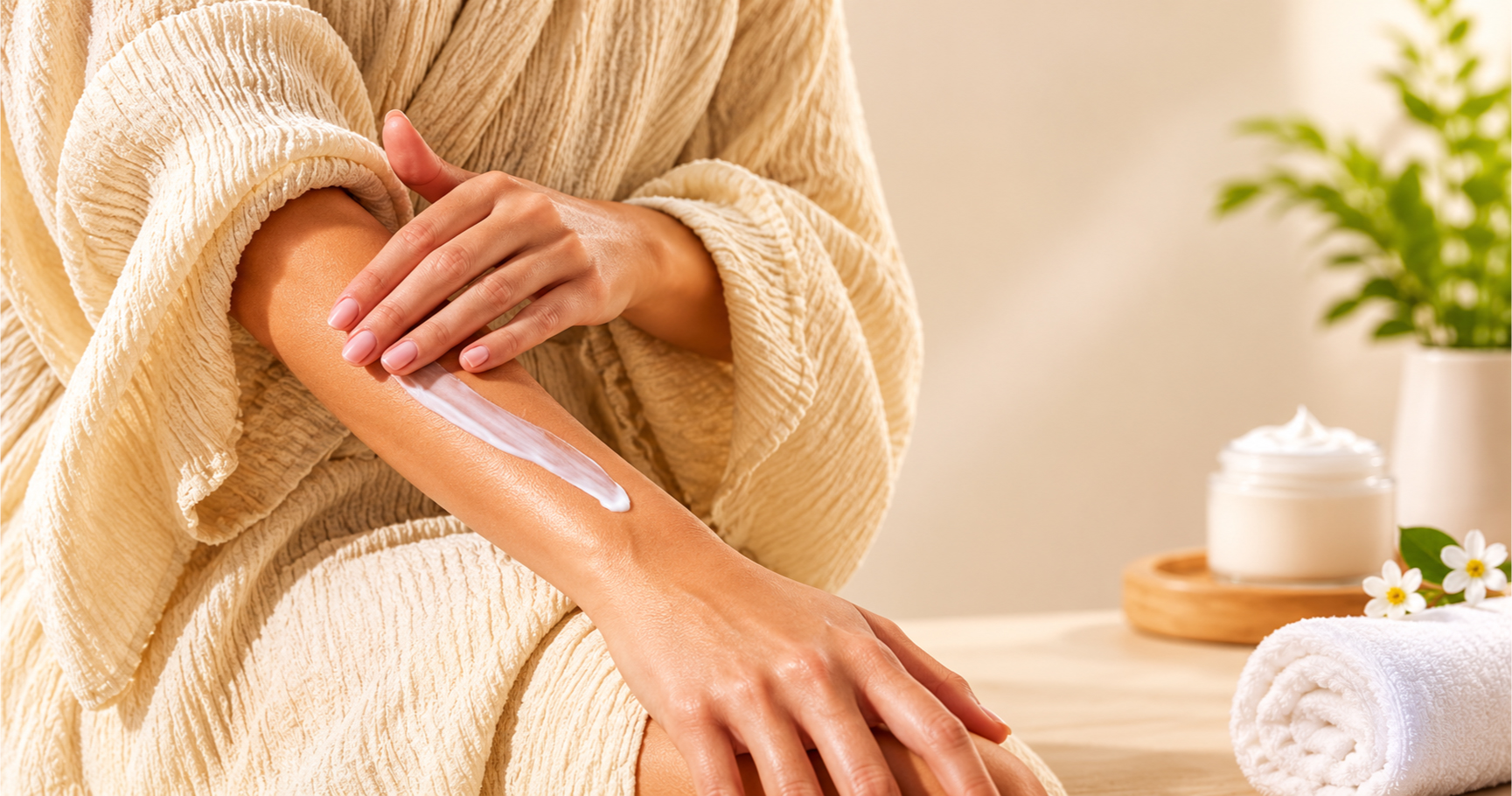
Your regular body lotion might be doing its job, but winter sometimes calls for a little extra hydration.
Instead of purchasing another product, you can try combining a small amount of cosmetic-grade glycerin with your usual moisturizer
What you’ll need:
- Your regular fragrance-free body lotion.
- 1–2 drops of cosmetic-grade vegetable glycerin.
How to use it:
- Take your usual amount of body lotion into your palm.
- Add 1–2 drops of glycerin.
- Mix the ingredients between your palms.
- Apply the mixture to slightly damp skin after bathing.
Glycerin helps attract moisture, while the moisturizing ingredients in your lotion help soften the skin and reduce water loss. A small precaution: Mix only what you need for one application. Avoid adding glycerin directly to your entire lotion bottle, as it can alter the product’s formulation and preservative balance.
Glycerin for Face: How to Include It in Your Winter Routine
Your face is exposed to cold winds, indoor heating, environmental pollutants, and frequent cleansing. No wonder it sometimes feels like it needs an entire hydration emergency team.
This is where glycerin can become a useful part of your facial skincare routine.
Choose a Glycerin-Based Moisturizer
Look for a moisturizer containing glycerin alongside ingredients such as ceramides, squalane, or other emollients. These ingredients complement each other by supporting hydration and reducing moisture loss.
Use a Hydrating Cleanser for Dry Skin
Cleansing is important, but your face wash shouldn’t leave your skin feeling tight or stripped.
Choose a gentle, fragrance-free hydrating cleanser for dry skin that removes dirt and impurities without unnecessarily disrupting the skin barrier.
Apply moisturizer on slightly damp skin.
After washing your face, gently pat it dry while leaving a little moisture on the skin. Apply your glycerin-containing moisturizer immediately afterwards.
This helps support skin hydration and is especially useful during colder months.
Don’t Skip Sunscreen
Winter clouds don’t mean UV protection is optional. Finish your morning routine with a broad-spectrum sunscreen with SPF 30 or higher.
DIY Malai, Sugar, and Glycerin Scrub for Rough Winter Skin
Remember those traditional skincare ingredients that were always sitting in the kitchen? Malai is one of them. If your elbows and knees feel rough, here’s a simple homemade body scrub you can try occasionally. Just remember that exfoliation isn’t always the answer to winter dryness.
What you’ll need:
- 1 teaspoon fresh malai.
- 1 teaspoon fine sugar.
- 2–3 drops of cosmetic-grade glycerin.
How to prepare:
- Take fresh malai in a clean bowl.
- Add fine sugar and glycerin.
- Mix everything until combined.
- Apply gently to intact, rough skin on your elbows or knees.
- Massage lightly for a few seconds and rinse with lukewarm water.
- Follow with a moisturizer.
Why these ingredients?
- Malai: Contains fats that can help soften the skin.
- Sugar: Acts as a physical exfoliant that removes some dead surface skin cells.
- Glycerin: Helps attract and retain moisture.
Use this mixture sparingly, and don’t apply it to your face, lips, cracked heels, irritated skin, or broken skin. Sugar can be abrasive, so skip the scrub if your skin is already very dry, sensitive, or inflamed. A gentle moisturizer is a safer choice for severely dry skin.
Glycerin for Chapped Lips: Can It Help During Winter?
Your lips are probably the first to announce that winter has officially arrived. They become dry, flaky, and uncomfortable and sometimes even develop painful cracks. Unlike other areas of your skin, your lips have a thinner protective barrier and are particularly vulnerable to moisture loss.
Glycerin-containing lip-care formulations can help attract and retain moisture, improving lip hydration. However, applying concentrated glycerin directly to your lips isn’t necessary. Instead, try this simple routine:
- Choose a gentle lip product containing moisturizing ingredients, including glycerin.
- Apply it whenever your lips feel dry.
- Follow with a thin layer of plain petroleum jelly to help seal in moisture.
- Reapply before bedtime and whenever needed.
Also, avoid licking your lips, picking peeling skin, or using lip products that cause stinging or irritation. Your lips need hydration and protection, not another aggressive exfoliation experiment.
Other Ways to Use Glycerin in Your Winter Skincare Routine
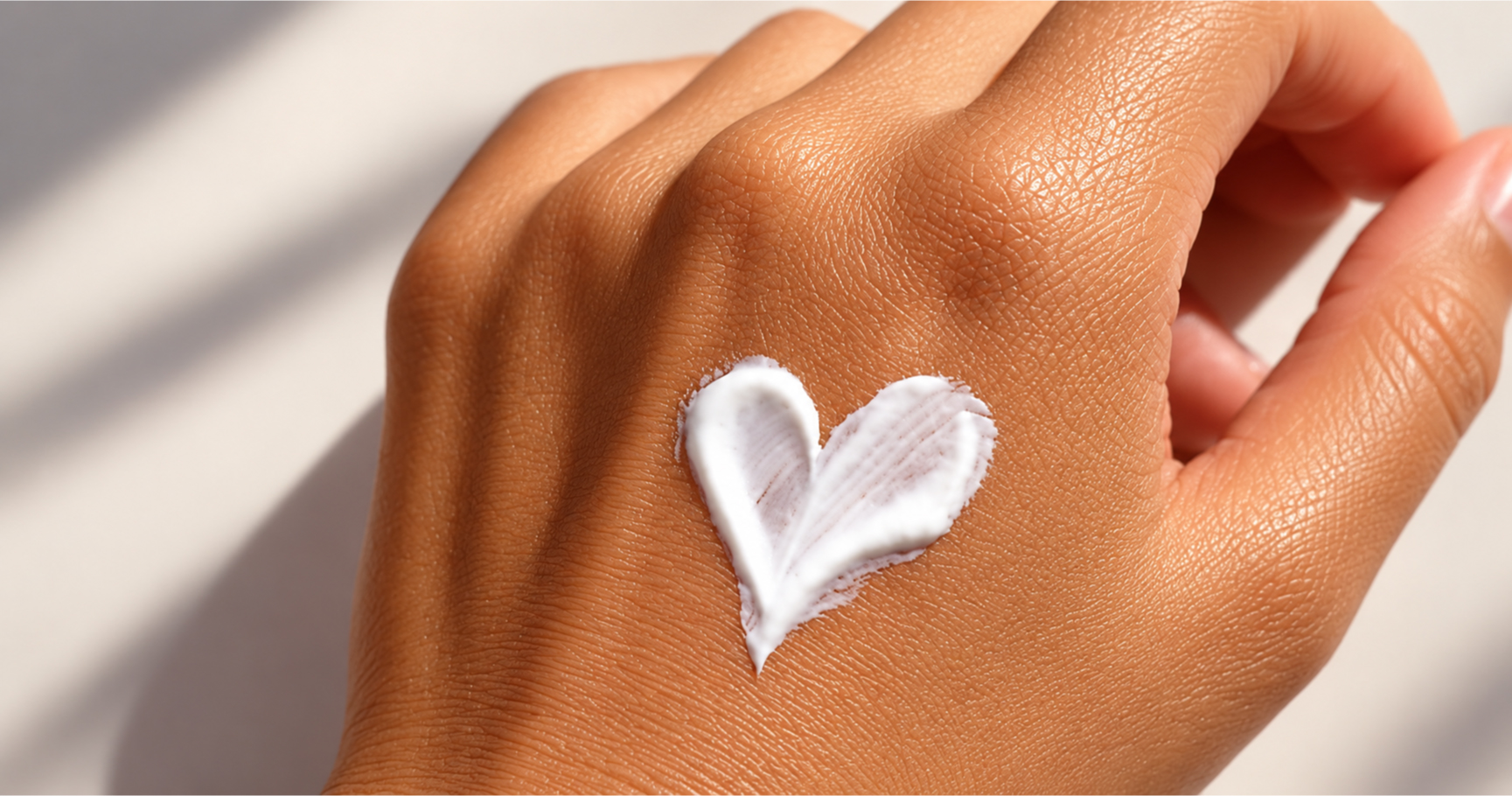
The face and lips aren’t the only areas that need extra attention during winter. Your hands, feet, elbows, and knees can also benefit from glycerin-containing moisturizers.
Here are some simple ways to incorporate it into everyday skincare.
For Dry Hands and Rough Cuticles
Frequent handwashing can leave your hands feeling dry. Use a glycerin-containing hand cream after washing and before bedtime to help maintain hydration.
For Rough Elbows and Knees
Apply a moisturizer containing glycerin to rough areas after bathing. Follow with a richer cream if your skin needs additional protection.
For Dry Feet and Cracked Heels
Apply a glycerin-containing foot cream, followed by a thin layer of petroleum jelly. Wear cotton socks overnight to help protect the moisturized skin.
If your heels have deep, painful cracks, consult a dermatologist rather than relying on DIY treatments.
For Overnight Skin Hydration
Wondering how to hydrate skin overnight? Start by cleansing gently, applying a glycerin-containing moisturizer to slightly damp skin, and following with a suitable cream.
For particularly dry areas, an occlusive product can help reduce moisture loss while you sleep.
Glycerin vs Other Popular Winter Skincare Ingredients
Glycerin isn’t the only ingredient that deserves attention during winter. Several other moisturizing ingredients work differently and can complement it.
Glycerin vs. Hyaluronic Acid
Both are humectants that help attract and retain water. However, they differ in their molecular structure and formulation behaviour. Both can be useful in hydrating skincare products.
Glycerin vs. Petroleum Jelly
Glycerin attracts and binds moisture, while petroleum jelly forms a protective layer that reduces water loss. Using them together can be particularly useful for dry skin.
Glycerin vs. Shea Butter
Glycerin is a humectant, whereas shea butter contains fatty components that help soften and condition the skin. Their different functions make them complementary ingredients.
Glycerin vs. Aloe Vera
Aloe vera is commonly used in moisturizing skincare formulations, while glycerin is a well-established humectant. Both can appear in products designed to support skin hydration.
The biggest takeaway is that humectants, emollients, and occlusives perform different jobs. A combination of these ingredients can make a more effective moisturizing routine than relying on just one ingredient.
Common Glycerin Mistakes You Should Avoid
Glycerin is a useful skincare ingredient, but using it incorrectly can make your routine unnecessarily complicated. Here are some mistakes to avoid:
- Applying concentrated glycerin directly: Avoid using undiluted glycerin as a DIY facial treatment. Choose a properly formulated skincare product.
- Using too much: More glycerin doesn’t automatically mean better hydration.
- Mixing it into an entire lotion bottle: This can affect the formulation and preservation of your product.
- Skipping moisturizer: Glycerin works well alongside emollients and occlusives.
- Exfoliating excessively: Avoid harsh scrubs on already dry, cracked, or irritated skin.
- Expecting instant results: Consistent moisturizing is more useful than expecting an overnight transformation.
Is Glycerin Safe for Everyday Use? Side Effects and Precautions
Glycerin is widely used in cosmetic formulations and is generally considered safe at the concentrations and under the conditions evaluated for cosmetic use. However, individual skin responses can vary.
Some people may experience irritation or discomfort when using a particular formulation, especially if it contains other ingredients that don’t suit their skin. Keep these precautions in mind:
- Choose cosmetic-grade glycerin or a properly formulated skincare product.
- Perform a patch test when trying a new product.
- Avoid applying DIY mixtures to broken or irritated skin.
- Stop using a product if you experience persistent redness, itching, or burning.
- Consult a dermatologist if dryness, cracking, or inflammation continues despite regular moisturizing.
Glycerin is not a treatment for every skin condition, and persistent winter dryness may sometimes indicate an underlying skin problem.
How to Build a Simple Glycerin-Based Winter Skincare Routine
You don’t need a 10-step skincare routine to keep your skin hydrated. A few consistent habits can make a difference.
Morning Routine
- Cleanse: Use a gentle hydrating cleanser.
- Moisturize: Apply a glycerin-containing moisturizer to slightly damp skin.
- Protect: Finish with broad-spectrum SPF 30 or higher sunscreen.
- Care for your lips: Apply a moisturizing lip balm.
Night Routine
- Cleanse: Remove dirt, sunscreen, and impurities gently.
- Hydrate: Apply a glycerin-containing moisturizer.
- Add extra moisture: Use a richer cream on particularly dry areas.
- Protect your lips: Apply petroleum jelly before sleeping.
- Don’t forget your hands and feet: Apply moisturizer before bedtime.
Consistency is the real secret. Your skin doesn’t need a dramatic makeover every night; it needs regular care.
Conclusion: Give Your Winter Skin the Hydration It Deserves
From dry cheeks and rough elbows to flaky lips and uncomfortable hands, winter can make maintaining skin hydration feel like a full-time job.
Fortunately, glycerin offers a simple and affordable way to support your skin’s moisture levels. Its humectant properties help attract and bind water, while its contribution to skin barrier function makes it a useful ingredient in everyday moisturizers, cleansers, and lip-care products.
Whether you choose a glycerin-based moisturizer, add a few drops to your regular lotion for immediate use, or build a simple overnight hydration routine, the key is using it correctly and pairing it with ingredients that help reduce moisture loss.
Remember, healthy winter skin isn’t about collecting every trending skincare product. Sometimes, it’s about understanding a few hardworking ingredients and giving your skin exactly what it needs. So, before winter turns your skin into a flaky situation, give glycerin a little space in your skincare routine!
Disclaimer
This article is intended for general educational purposes only and should not be considered a substitute for professional dermatological advice, diagnosis, or treatment. Individual skin responses may vary. Consult a qualified dermatologist if you experience persistent dryness, irritation, or cracked skin.
FAQs
1. Is glycerin good for dry skin during winter?
Yes. Glycerin is a humectant that attracts and binds water in the outer skin layer, helping improve hydration and reduce dryness.
2. Can I apply glycerin directly to my face?
It is better to use glycerin in a properly formulated serum or moisturizer rather than applying concentrated, undiluted glycerin directly to your face.
3. Can I mix glycerin with my regular body lotion?
Yes. You can mix a drop or two of cosmetic-grade glycerin with your usual lotion in your palm before application. Avoid changing the formulation of the entire bottle.
4. Can glycerin help with chapped lips?
Glycerin-containing lip products can help attract moisture. Following them with petroleum jelly can help seal in hydration and protect dry lips.
5. How can I hydrate my skin overnight?
Cleanse gently, apply a glycerin-containing moisturizer to slightly damp skin and follow with a richer moisturizer or suitable occlusive on particularly dry areas.

Content Writer with 3+ years of experience turning ideas into words people want to read, share, and remember. I create research-backed social media and lifestyle content that blends storytelling, creativity, and audience insights to make every piece feel fresh, relatable, and engaging.