

Abstract
Before exploring the connection between stress and digestion, it is also important to understand what gut health means and how it is connected to overall health—read our guide on what-is-gut-health. Often you may have noticed it when we have an important meeting, exam pressure, some stress is going on, or there is constant tension, or suddenly some special symptoms start appearing in the stomach, like stomach cramps, bloating, nausea, indigestion, frequent visits to the toilet, or changes in bowel movement.
After this feeling, a question often arises in the mind: how does the stress of the brain reach the stomach? The answer to all this is not only that being tired causes stomach upset, but behind this the nervous, endocrine, and immune pathways play an important role in the complex communication between the brain, nervous system, hormones, gastrointestinal tract, and immune and microbial signals.
Research also shows that stress can affect gastrointestinal motility, visceral sensitivity, and many other gut functions, but this does not mean that every person exposed to stress will have stomach problems or that every digestive symptom will be caused by stress.
Stomach problems can also be caused by infection, medicines, food-related factors, and various gastrointestinal conditions, so to understand the relationship between stress and stomach, we have to understand the brain-gut connection a little deeper.
Introduction
Stress is a physical reaction that occurs in response to a warning, pressure, or threat. Challenge does not always have to be a physical threat. The stress response can also be activated by work pressure, exams, financial worries, relationship difficulties, public speaking, or any uncertain situation. Its nervous system and hormonal system are activated. The activity of body processes can change, and it can also affect digestion.
What is the difference between acute and chronic stress?

Acute stress is very short-term. For example, suddenly becoming nervous before an interview or facing some unexpected situation. Chronic stress persists over a long period of time. The stress response may be activated repeatedly when a person is exposed to constant pressure or difficult situations. In both situations there are different effects on the body. A short stressful event can cause temporary digestive changes, while prolonged exposure to stress can also impact sleep, eating habits, physical activity, and overall physical functioning.
What is the role of the nervous system in the stress response?
In response to stress, the autonomic nervous system controls the body’s automatic functions, including heart rate, blood pressure, and digestive activity. During stress the activity of the sympathetic and parasympathetic nervous systems may be altered, or the functioning of the gastrointestinal tract may be altered. Because of this, digestion does not always follow a normal pattern during stress.
What are the cortisol and HPA axis?
The hypothalamic-pituitary-adrenal (HPA) axis has an important role in the stress response. Stress-related signaling originates from the hypothalamus, with the pituitary gland and adrenal glands further amplifying this response.
This pathway changes the regulation of cortisol and hormones. Cortisol is an important part of the body’s stress response, but it would not be correct to explain the digestive system as a single effect of cortisol. Stress impacts multiple neural, hormonal, and immune pathways.
Connection of stress response to digestion
When the stress response is activated, there are changes in the motility or sensory processing of the gastrointestinal tract. Changes in gastric emptying, colonic motility, and gut sensitivity have been studied with stress in experimental and clinical research. This is the point where the biological relationship between emotional stress and physiological symptoms of the stomach is understood.
What is the gut-brain axis? How does the brain or stomach talk?
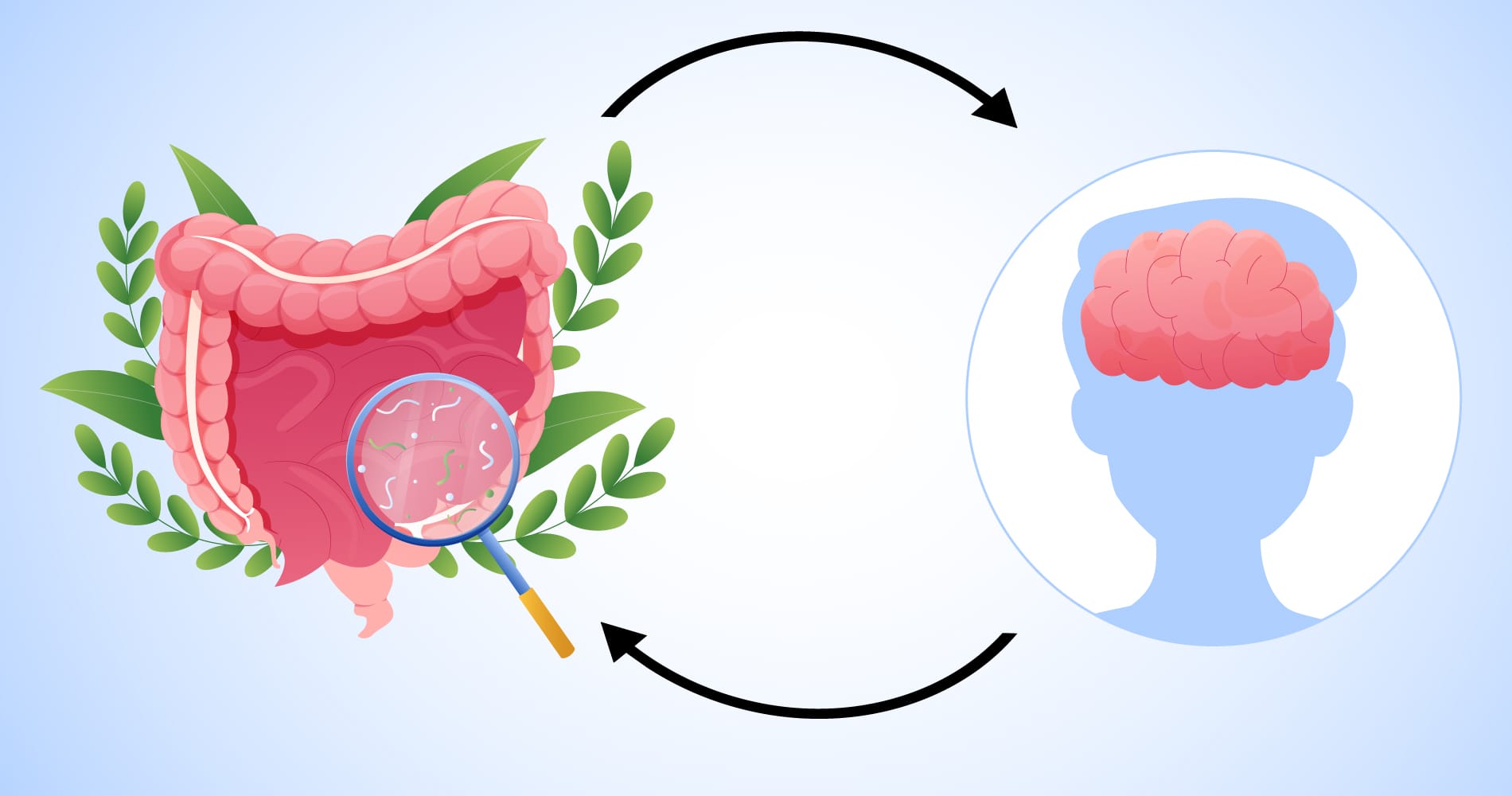
What is the meaning of the gut-brain axis?
The gut-brain axis broadly describes the two-way communication that occurs between the brain and the gastrointestinal system. This communication does not happen only from the brain to the gut. Signals also continuously reach the brain from the gut. For example, receptors present in the stomach or intestine transmit information about food, stretching, and chemical environment to the nervous system. The brain processes these signals and regulates the body’s response accordingly.
How do signals get from brain to gut?
The brain can influence the gastrointestinal tract through the autonomic nervous system and neuroendocrine pathways. Signals coming from the brain in case of stress.
- mobility
- discharge
- sensitivity
- blood flow
- immune signaling
The mechanisms have been widely described in reviews on stress and gastrointestinal functions.
Role of Vagus Nerve
The vagus nerve is an important route of communication between the brain and many internal organs. It is part of the pathways that carry sensory information to and from the gastrointestinal tract and regulatory signals from the brain to the organs, although gut-brain communication does not rely solely on the vagus nerve. The autonomic nervous system, hormones, immune signals, and other neural pathways are also involved.
Connection of nervous, hormonal, and immune signals
It would be incomplete to consider the gut-brain axis as merely a neural connection. This involves multiple pathways, including brain-nervous system-gut as well as brain-hormonal signaling-gut and gut-immune/microbial signals-brain. This complexity suggests that stress impacts the digestive system not as a single switch, but through interconnected systems.
What changes occur in digestion due to stress?
Changes in gut motility
Gut motility refers to the coordinated muscular movements of the gastrointestinal tract that help move food and intestinal contents. Stress can affect this movement. Research shows that its effect increases due to delay in stomach emptying and increase in propulsive activity of the colon during stress. This is why one person may strain but feel uncomfortable, while another person feels the need to have a bowel movement.
Effect on emptying the stomach
After food enters the stomach, it is slowly sent to the small intestine. Stress-related signaling may influence this process. Changes in gastric emptying have been observed during stress. It may impair perception of fullness, nausea, or upper abdominal discomfort in some people. However, it does not mean that stomach emptying will be slow in every person due to stress.
Changes in digestive secretions
Digestive secretions of the stomach and intestine are produced during digestion. Stress can affect gastrointestinal secretory functions and bowel symptoms, but simple statements such as “stress always increases acid” do not apply scientifically. To understand digestive symptoms, it is important to look at secretion, motility, sensitivity, and other factors together.
Why might gut sensitivity change?
The sensitivity of the gastrointestinal tract to stress sensations coming from the internal organs. Some people also feel uncomfortable with normal intestinal strain or movement. Research has shown gut hypersensitivity to be one of the important features of functional gastrointestinal disorders, especially IBS.
Why does stress have different effects?
Not every person’s digestive system responds the same to stress. What are the possible factors behind this?
- genetics
- previous gastrointestinal experiences
- gut sensitivity
- lifestyle
- sleep
- eating habits
- existing digestive conditions
- psychological factors
Why do we feel stomach pain, cramps, and bloating during stress?
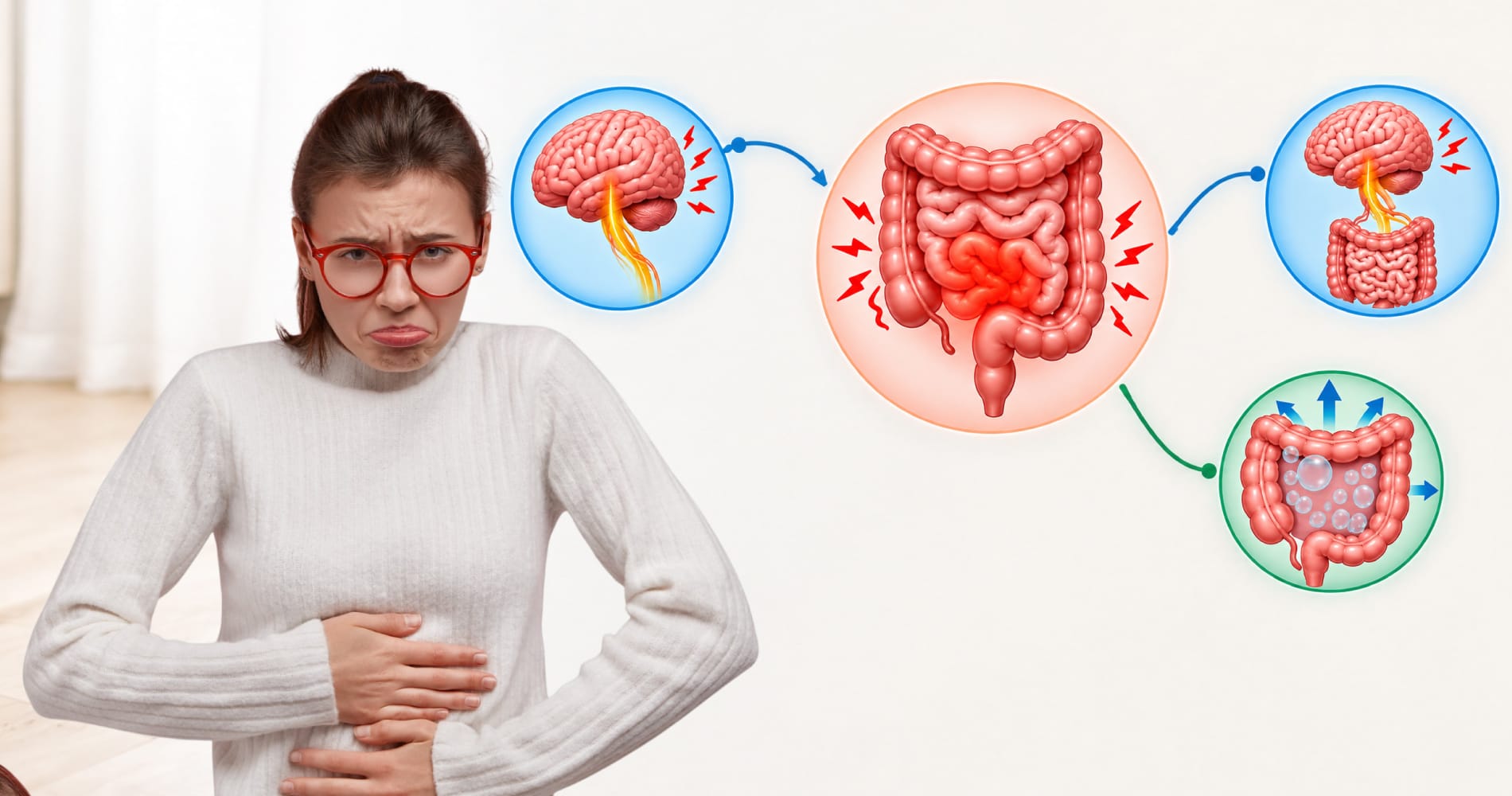
Gut Sensitivity in Stomach Pain
There is continuous movement in the stomach and intestine. We don’t normally feel every movement, but if there is increased visceral sensitivity, even normal movements may be more noticeable or feel uncomfortable. This is called intestinal hypersensitivity. This mechanism is considered very important in IBS. Some people with IBS may have pain even with normal amounts of gas or stool, according to the NIDDK, because brain-gut interactions and gut sensitivity may play a role in changes in symptoms.
Why might a normal gut movement feel longer?
Suppose a normal amount of gas or stool is present in the intestine. Normally the brain can process this as a background signal, but if gut sensitivity or brain processing is altered, the same signal may feel stronger. This is why the level of discomfort is not always equal to the actual amount of material present in the digestive tract.
The connection of stress and inflammation
Bloating doesn’t just mean having too much gas. Bloating is also a sensation of pressure or swelling in the stomach. Stress can affect intestinal motility and sensory processing, so bloating may be more noticeable during times of stress in some people.
Amount of gas and feeling of gas—why are the two different?
Some amount of gas in the digestive system is normal. The experience of gas may vary from person to person. One person may have a lot of discomfort even with relatively little gas, while another person may experience very few symptoms even with a large amount of gas. Gut sensitivity and brain-gut processing may play a role in this.
How does the brain process visceral sensations?
Pain is not just a signal from the body to the brain. The brain also interprets signals based on context. Stress, anxiety, and perception of threat can impact pain relief. NIDDK’s research summary on IBS also cites altered brain responses and threat processing related to pain. This does not mean that the pain is only in the mind. Pain is real, but the gut and its experience are influenced by the interplay between both the brain and the gut.
Why can stress cause loose motion, constipation, or frequent toilet visits?
Stress and intestinal motility
Movement of the colon is very important for bowel movement. Colonic motility may increase during stress. Changes in the propulsive activity of the colon have also been observed with stress. If intestinal contents increase rapidly, there may be changes in stool consistency and bowel frequency. But there can be many other reasons for diarrhea also. Therefore, it is not correct to consider every loose stool as stress related.
Loose motion and bowel urgency
You may have experienced that when you are under stress, you may suddenly feel the urge to go to the toilet, and this may be related to gut motility and brain-gut signaling. For example, before an exam or interview, a sudden stress response may be activated in the person’s nervous system, as well as changes in colon activity and gut sensation.
Why can constipation occur due to stress?
Constipation may also occur in some people. Along with stress response, lifestyle factors can also be the reason behind this. For example,
- less water
- less physical activity
- sitting continuously
- disturbed sleep schedule
- changing routine frequently
Why does this happen before an exam, interview, or important event?
Our brain can interpret any important event as a high-pressure event, after which the autonomic nervous system is activated. The gut is sensitive to this nervous system.
What is the connection between stress and IBS, indigestion, and nausea?
What is IBS?
Irritable bowel syndrome, or IBS, is a gastrointestinal disorder in which frequent stomach pain and changes in bowel pain can occur. IBS does not necessarily involve visible structural damage to the digestive tract. The NIDDK describes it as a disorder of gut-brain interaction. It means:
- stomach ache
- diarrhea
- swelling
- constipation
- feeling of incomplete bowel movement
These may be the symptoms.
Role of brain-gut interaction in IBS
IBS can cause changes in bowel sensitivity and contractions of the bowel muscles, with some people finding even normal amounts of gas or stool painful. The processing of signals between the brain and gut may contribute to experience. Therefore, the signal processing experienced during IBS may help because calling IBS only a gut issue or only a psychological problem are both incomplete explanations.
Functional Dyspepsia and Stress
Indigestion or dyspepsia can have many symptoms, such as discomfort, burning, early fullness, bloating, nausea, belching, etc. Functional dyspepsia is diagnosed in many cases of chronic indigestion. This is also a disorder of gut-brain interaction. Factors like sensitivity of the stomach and intestine and brain-gut communication can also play a role in this.
Why do you feel nauseous or nauseous under stress?
Stress can affect the nervous system and digestive function. Some people may experience nausea or stomach discomfort. There can also be causes like infection, medicines, migraine, and gastrointestinal conditions; hence, persistent nausea cannot be considered a mere symptom of stress.
What is the connection between stress, gut microbiome, and intestinal barrier?
What is the gut microbiome?
There is a large community of microorganisms in our digestive tract; this is called the gut microbiome or intestinal microbiome. The body’s relationship with these microorganisms is complex. The metabolites and microbial signals produced from these can contribute to the functioning of the gut and immune system.
What is the brain-gut-microbiota axis?
When microbiota are also included in gut-brain communication, it is called the brain-gut-microbiota axis. It may have 3 major components:
- Brain
- Gut
- Microbiality
Communication between them can occur through nervous, hormonal, metabolic, and immune pathways.
What is the intestinal barrier?
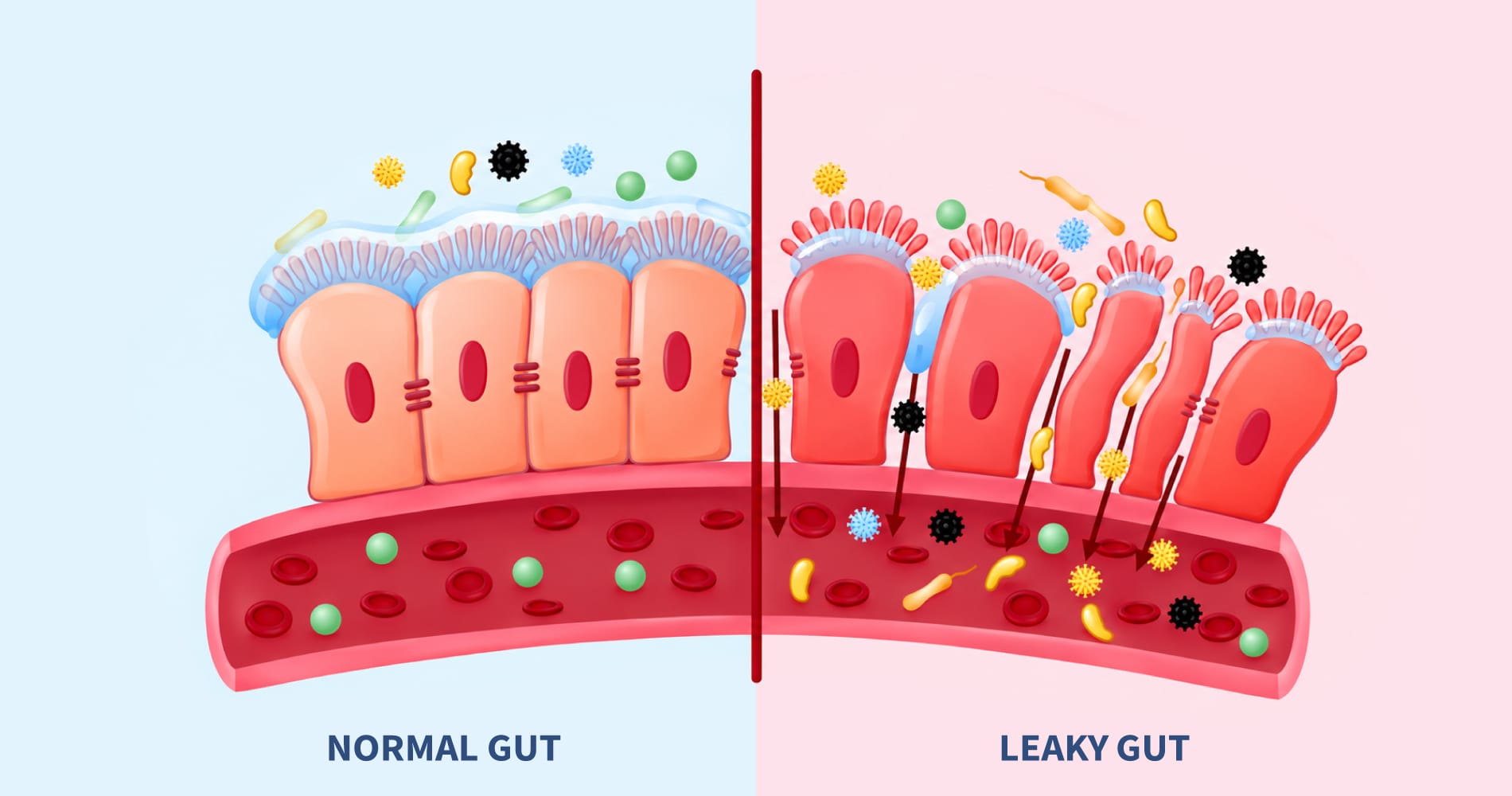
The intestinal barrier acts as a selective boundary between the contents of the gastrointestinal tract and the body’s internal environment. This barrier is not a completely closed wall. It regulates the passage of nutrients and other substances and controls the passage of unwanted substances.
What does science say about leaky gut?
The term “leaky gut” is very popular on the Internet, but in scientific discussions the more precise term is “intestinal permeability.” Research has studied the possible relationship between stress and intestinal permeability. Stress-related changes have been observed in experimental research, but it is not appropriate to directly translate these findings as a clinical disease in every person, so stress can cause leaky gut in every person.
What effect does changing sleep, diet, and lifestyle along with stress have on the stomach?
Stress and appetite changes
Appetite may change during stress. Some people feel hungry, and some people may have an increased desire to eat. Along with stress response, emotional state and eating behavior also play a role in this. If due to stress a person has to constantly skip meals or eat irregularly, the experience of digestive symptoms may be different.
Digestive and irregular eating
Changes in eating routine can affect digestive symptoms. For example, in some people, the problem of fullness or indigestion can be aggravated by either eating less throughout the day or eating too much at one time. This does not mean that irregular eating will cause digestive disease in every person. This may be just one of the factors that influence symptoms.
Caffeine and other individual food triggers
Certain foods and drinks can trigger digestive symptoms in some people. In the context of functional dyspepsia, NIDDK says that certain foods and drinks can play a role in the symptoms, but the triggers can vary from person to person, so it is not right to say that any one food is good for all people.
Stress, Sleep, and Gut Health
Stress and sleep are related to each other. If the sleep schedule gets disturbed due to stress, then the eating pattern, physical activity, and overall routine of the next day can also be affected; hence, it is not enough to look at digestive health only from the perspective of food.
What to do if the stomach gets upset due to stress?
Regular and balanced eating routine
If the stomach is feeling sensitive due to stress, then keeping the eating routine relatively regular can be a practical approach. Instead of skipping meals for a long time and then overeating, a person can maintain a comfortable meal pattern for himself. There is no need to permanently eliminate any food based only on internet advice.
Incorporating physical activity into routine
Regular physical activity is useful for overall well-being. It can also be a part of stress management. It can also be a component of management of some digestive conditions. The level of activity should be according to the individual’s fitness and health status.
Improving sleep schedule
It is a useful habit to improve your regular sleep schedule. If stress is causing persistent sleep disturbance and is accompanied by digestive symptoms, it may be more useful to address both issues simultaneously.
Breathing and relaxation techniques
Slow birthing, relaxation exercises, mindfulness, or stress-management approaches help some people manage their stress response, but they should not be considered a universal treatment for gastrointestinal disease.
After all, when should one not ignore the pain of the stomach, considering it as just stress?
It is important for you to understand when the connection between stress and digestive symptoms is meaningful. Its greatest benefit is only when the person understands when stress should be stopped as an explanation and medical evaluation should be done.
persistent or severe stomach pain
If the pain is very severe or is increasing over time, it is not correct to consider it as just stress-related pain. Such symptoms can have many causes, and clinical assessment may be necessary.
blood in stool or black stool
Visible belching or black, tar-like stool in the stool may indicate digestive tract bleeding. Such symptoms should not be ignored, considering them to be due to stress. Niddk also includes black/tarry stool and digestive bleeding as signs needing medical attention.
Long-Term Digestive Symptoms
If you have recurring stomach pain, bloating, diarrhea, constipation, or indigestion that persists for a long time, it may be important to determine the underlying cause. Functional disorders are also real medical conditions and are diagnosed based on symptom patterns and appropriate evaluation.
When should one consult a doctor?

- Consultation with a doctor may be especially necessary if:
- symptoms persisted
- Progressive worsening of symptoms
- have blood or black stool
- Unexplained Weight Loss
- persistent vomiting
- Difficulty in swallowing
- severe abdominal pain
- appetite, work gets done
- Symptoms start affecting daily activities
According to NIDDK, in conditions such as GERD, such symptoms may also indicate the need for medical evaluation.
Conclusion
The best way to understand stress and the gut is to understand the gut-brain connection. The brain and gut constantly communicate with each other. Stress can cause changes in nervous and hormonal signaling that can affect gastrointestinal motility, secretion, and sensitivity. This is why some people during stressful situations:
- stomach cramps
- abdominal discomfort
- bloating
- nourse
- loose stools
- bowel urgency
- constipation
- Such symptoms may be felt
But there is an important distinction here:
Stress can influence digestive symptoms, but not every digestive symptom is caused by stress. Brain-gut interaction may be important in disorders such as IBS and functional dyspepsia, but it would not be correct to call these conditions solely stress disorders.
Medical Disclaimer
This article is intended for educational and general health-awareness purposes only. Recurrent mouth ulcers can have several possible causes, and a diagnosis of any disease, vitamin deficiency, or gut-related condition should not be made based on symptoms alone.
If mouth ulcers occur frequently, persist for a long time, are very painful, interfere with eating or drinking, or are accompanied by weakness, unexplained weight loss, fever, persistent digestive problems, or other unusual symptoms, consult a qualified doctor or dentist.
Do not start vitamin B12, iron, folate, or other supplements without appropriate medical advice or testing. Proper evaluation of the underlying cause is important for safe and effective treatment.
FAQs
Q1. Why does the stomach get upset due to stress?
Stress can activate the nervous system and hormonal pathways. This can cause changes in gut motility and sensitivity, which may cause digestive symptoms in some people.
Q2. Can stress cause loose motion?
Stress can affect intestinal motility and gut-brain signaling, so some people may have bowel urgency or loose stools. However, there are many other causes of diarrhea.
Q3. Can stress also cause constipation?
It may happen, but its reason should not be considered only as a stress response. Along with stress, changes in water, physical activity, diet, and routine can also affect bowel habits.
Q4. Why does a stomachache occur due to stress?
Changes in gut sensitivity and processing of digestive signals by the brain may contribute to the experience of abdominal discomfort or pain.
Q5. Can Stress Exacerbate IBS?
Stress can influence or worsen IBS symptoms, but IBS is not considered a condition caused solely by stress.
Q6. What is the gut-brain axis?
This is a two-way communication network between the brain and the gastrointestinal tract, to which nervous, hormonal, and immune pathways as well as microbial signals may contribute.
Q7. Does Stress Affect Gut Bacteria?
Research supports a relationship between stress and gut microbiota, but the exact mechanisms are complex, and research is still ongoing.
Q8. Can stress increase acidity or indigestion?
Stress and brain-gut interaction can influence digestive symptoms in some people. But indigestion has many possible causes, so it is not right to link it only to stress.
Q9. When are stress-related stomach problems a matter of concern?
If there is severe pain, blood or black stool, unexplained weight loss, persistent vomiting, swallowing difficulty, or long-lasting symptoms, medical evaluation may be necessary.
Q10. Can reducing stress reduce digestive symptoms?
In some people, stress management can help manage symptoms, especially when symptoms are worsened by stress. But it is not a treatment for every digestive condition.

Riya Asati is an assistant professor and JRF-qualified researcher with 3+ years of experience in research-based content writing. Her expertise includes healthcare, medical, wellness, and educational content. She focuses on presenting health information in a clear, accurate, evidence-informed, and easy-to-understand manner. Through her writing, she aims to help readers understand important health topics and make informed decisions about their well-being.