1. Abstract
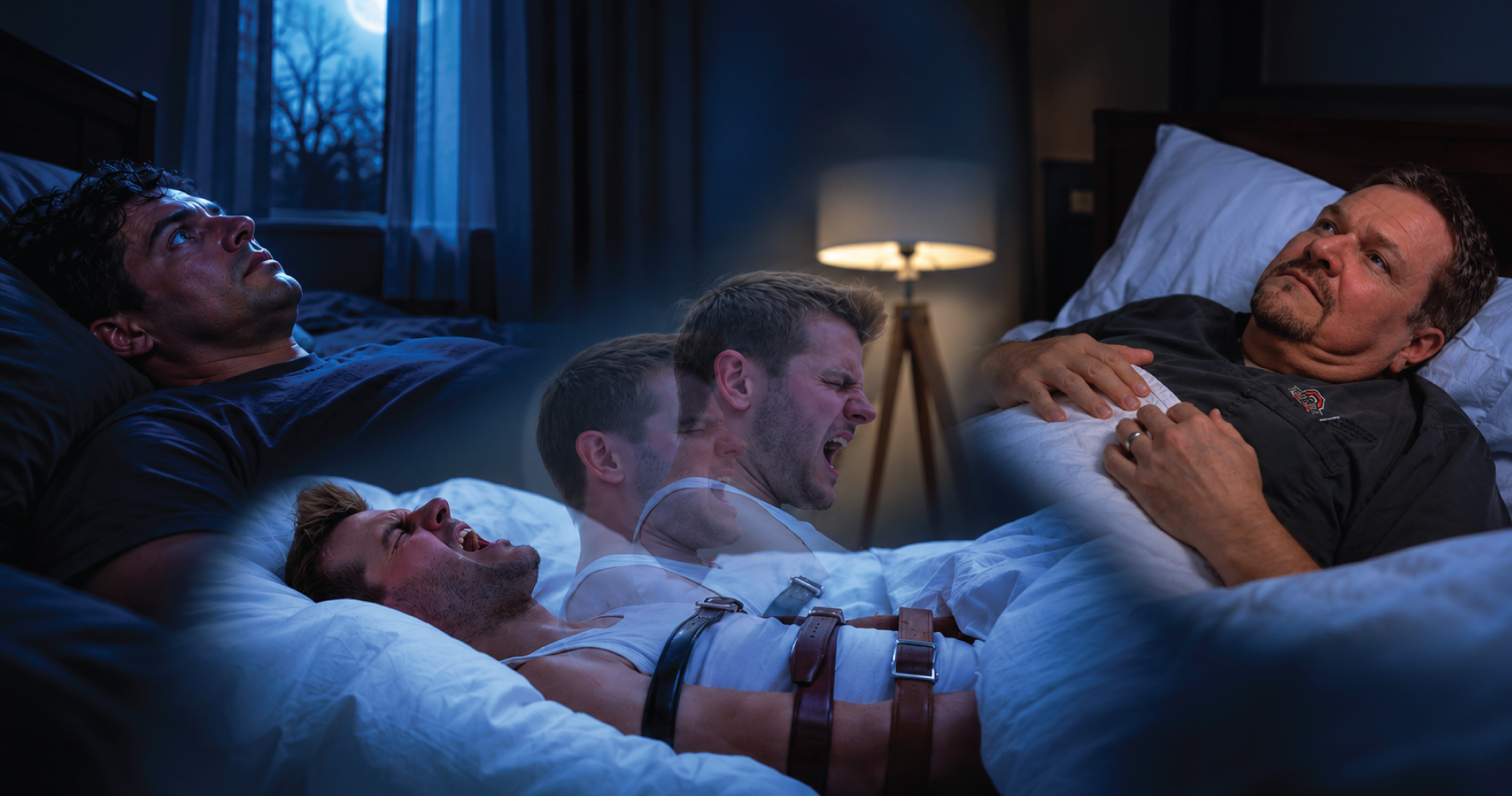
If you suddenly wake up at midnight, see your room in front of you, hear the sounds around you, but cannot move even one part of your body, the experience can frighten anyone. Sometimes it feels as though someone is in the room, sitting on your chest, or an invisible force is pressing down on your body. You want to scream for help, but no sound comes out.
In scientific terms, this condition is called Sleep Paralysis. It is a sleep-related state in which the brain and body’s waking processes do not occur together for a short time. You become aware of your surroundings, but your muscles are still in the stage of sleep in which their activity remains temporarily reduced.
According to scientific studies, about 7.6% of people may experience sleep paralysis at some point in their lives. In most cases, it ends on its own within a few seconds or minutes and does not cause permanent physical harm.
Still, it is important to understand its causes, symptoms, and psychological effects, because recurrent sleep paralysis can sometimes be related to poor sleep, stress, or another Sleep Disorder.
2. What Is Sleep Paralysis? (What Is the Meaning of Sleep Paralysis)
The general meaning of sleep paralysis is the temporary inability to move the body’s muscles while asleep or when waking up. Usually, when we wake up, the brain and body become active together. Our eyes open, we begin to understand the things around us, and our arms and legs start working normally. But this does not happen during sleep paralysis.
The person’s awareness begins to return, but the body has not yet fully emerged from sleep. As a result, the person can think and sense the presence of things around them, but cannot move voluntarily. In this state, some people may also see dream-like images, hear sounds, or feel that someone is nearby. Medically, two states are recognized.
Hypnagogic Sleep Paralysis: This occurs when a person is in the process of falling asleep. The body is entering a state of sleep, but awareness may remain partially active.
Hypnopompic Sleep Paralysis: This occurs while waking up. The person begins to regain awareness, but the temporary inactivity of the muscles continues for some time. Both experiences can be frightening, but they are related to the natural processes of sleep and waking.
3. What happens in the brain and body during sleep?

Emanual Massey is a healthcare, lifestyle, and beauty content writer with over 7 years of professional experience. He specializes in writing SEO-optimized, research-based articles on health, wellness, nutrition, skincare, beauty, and Ayurveda. His mission is to simplify complex topics into practical, reader-friendly content that empowers people to make healthier lifestyle choices. Passionate about continuous learning and evidence-based writing, Emanual creates informative and engaging blogs that combine accuracy, readability, and search engine optimization.