Are you also a victim of sleep paralysis?

Sleep paralysis

1. Abstract

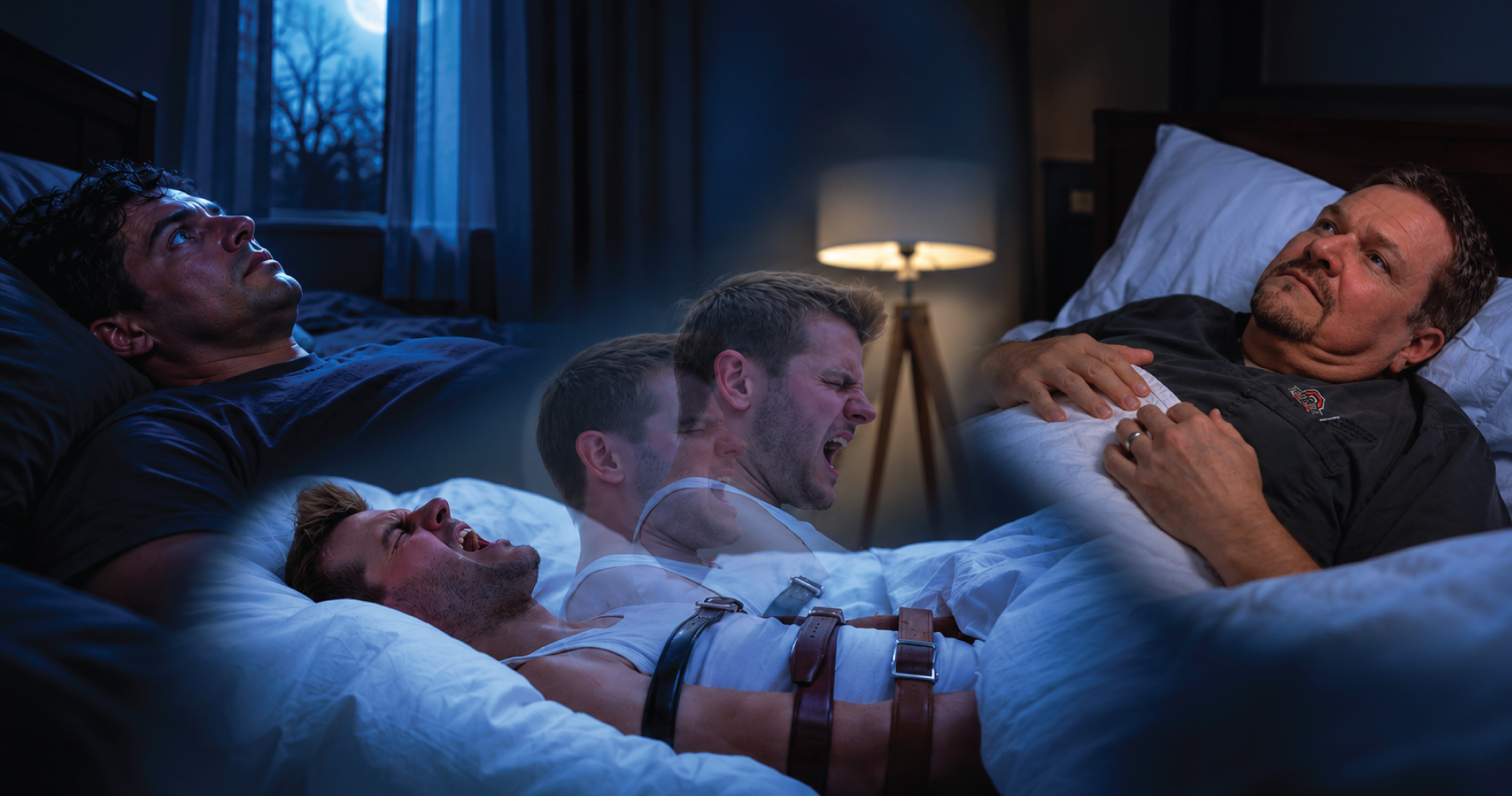
If you suddenly wake up at midnight, see your room in front of you, hear the sounds around you, but cannot move even one part of your body, the experience can frighten anyone. Sometimes it feels as though someone is in the room, sitting on your chest, or an invisible force is pressing down on your body. You want to scream for help, but no sound comes out.

In scientific terms, this condition is called Sleep Paralysis. It is a sleep-related state in which the brain and body’s waking processes do not occur together for a short time. You become aware of your surroundings, but your muscles are still in the stage of sleep in which their activity remains temporarily reduced.

According to scientific studies, about 7.6% of people may experience sleep paralysis at some point in their lives. In most cases, it ends on its own within a few seconds or minutes and does not cause permanent physical harm.

Still, it is important to understand its causes, symptoms, and psychological effects, because recurrent sleep paralysis can sometimes be related to poor sleep, stress, or another Sleep Disorder.

2. What Is Sleep Paralysis? (What Is the Meaning of Sleep Paralysis)

The general meaning of sleep paralysis is the temporary inability to move the body’s muscles while asleep or when waking up. Usually, when we wake up, the brain and body become active together. Our eyes open, we begin to understand the things around us, and our arms and legs start working normally. But this does not happen during sleep paralysis.

The person’s awareness begins to return, but the body has not yet fully emerged from sleep. As a result, the person can think and sense the presence of things around them, but cannot move voluntarily. In this state, some people may also see dream-like images, hear sounds, or feel that someone is nearby. Medically, two states are recognized.
Hypnagogic Sleep Paralysis: This occurs when a person is in the process of falling asleep. The body is entering a state of sleep, but awareness may remain partially active.
Hypnopompic Sleep Paralysis: This occurs while waking up. The person begins to regain awareness, but the temporary inactivity of the muscles continues for some time. Both experiences can be frightening, but they are related to the natural processes of sleep and waking.

3. What happens in the brain and body during sleep?

To understand sleep paralysis, it is first important to understand that normal sleep is not simply a state like unconsciousness. When a person sleeps, their brain passes through different stages. During these stages, brain activity, eye movements, breathing patterns, and muscle states keep changing.

Sleep is mainly divided into two parts

Non-Rapid Eye Movement (NREM) Sleep: This is the part of sleep that includes stages ranging from light sleep to deep sleep. Deep sleep is important for the body’s normal restorative processes and rest.
Rapid Eye Movement (REM) Sleep: In this state, the brain remains quite active, and vivid dreams are common. The eyes may move rapidly, while the activity of many voluntary muscles, such as those in the arms and legs, is temporarily suppressed.

This process is called REM Atonia

  • One important function of this is believed to be preventing activities that occur during dreams from turning into actual physical movements.
  • For example, when we run in a dream, our body does not actually start running.
  • The problem arises when the timing of waking from REM sleep and the return of normal muscle activity do not fully coincide.
  • The person becomes conscious, but REM Atonia may persist for some time.
  • This is the central scientific explanation of Sleep Paralysis.

REM During sleep, the brain remains active, while the activity of many voluntary muscles in the body is temporarily suppressed.

4. Why does sleep paralysis occur?

There is no single definite cause of sleep paralysis. According to scientists, its likelihood may be linked to sleep quality, the biological sleep-wake cycle, mental health, and certain other circumstances. The following factors are among the major Reasons for Sleep Paralysis.

(Reasons for Sleep Paralysis)

1. Not getting enough sleep: When a person consistently gets too little sleep, their normal Sleep Cycle may change. Staying up late, not getting enough sleep due to work, and waking up repeatedly can affect the body’s natural rest cycle. Insufficient sleep is one of the most common risk factors associated with sleep paralysis.

2. Irregular bedtimes and wake-up times: The body has an internal biological clock called the Circadian Rhythm. This clock helps determine when the body should sleep and when it should wake up. When someone goes to sleep at different times every day or frequently changes their routine, sleep regularity may be affected. This problem may be seen especially among people who work Night Shift and those who frequently travel to different Time Zones.

3. Excessive mental stress: Persistent worry, emotional pressure, and stress can affect sleep quality. A stressed person may have difficulty falling asleep, or their sleep may be interrupted repeatedly during the night. Although stress cannot be considered a direct cause of sleep paralysis in every case, an association has been found.

4. Sleeping on the back :According to some studies and medical sources, sleep paralysis is observed more often in people who sleep on their backs. This does not mean that every person who sleeps on their back will develop this problem. Even so, if episodes occur repeatedly, sleeping on one’s side can be a useful change

5. Narcolepsy: Narcolepsy is a neurological sleep disorder in which the brain has difficulty regulating the states of sleep and wakefulness. It may cause symptoms such as excessive daytime sleepiness, sudden sleep attacks, and sometimes reduced muscle control during emotions. Sleep paralysis can be associated with narcolepsy, but not every person who experiences sleep paralysis has narcolepsy.

Know More Reason

6. Obstructive Sleep Apnea:In sleep apnea, the airflow can repeatedly stop or decrease while sleeping. This disrupts sleep and can cause fatigue during the day. In some people, Sleep Apnea and Sleep Paralysis can appear together.

7. Mental Health Related Problems: Anxiety Disorders, Panic Disorder, PTSD and some other mental health conditions have been found to be related to sleep paralysis. In these conditions, changes can occur in sleep quality, emotional response, and stress levels. But sleep paralysis alone cannot diagnose any mental illness.

8. Family History and Other Factors: Some people have a family history of Sleep Paralysis. This indicates the possibility of genetic susceptibility. Additionally, its association has also been observed with the use of some medications, intoxicating substances, and other sleep-related problems. The effect of all these factors can be different in each person.

5. Symptoms of Sleep Paralysis (Sleep Paralysis Symptoms)

The most prominent symptom of sleep paralysis is being unable to move the body for a short time while falling asleep or waking up. But the experience is not limited to physical immobility.
For many people, it feels so mentally real and frightening that they may remain distressed even after the episode ends.

The main Sleep Paralysis Symptoms are as follows

  • Inability to move the body: The person cannot move their arms, legs, or head at will. They may try, but their muscles do not respond for a while.
  • Difficulty speaking: Despite wanting to call for help, the person cannot speak. Some people say they feel as though they are screaming, but no sound is actually coming out.
  • Feeling that someone is in the room: It may seem as though an unfamiliar person is standing in a corner of the room or is near the bed.
  • Pressure on the chest: Some people feel as though a heavy object has been placed on their chest. They may also feel that it is difficult to breathe, although the main muscles involved in breathing continue to work during typical sleep paralysis.
  • Hearing frightening sounds: Whispers, footsteps, someone speaking, or sounds of movement in the room may be heard, even though they have no actual external source.
  • Visual hallucinations: The person may see a shadow, a figure, or a human-like presence.
  • Illusions of moving or floating: Some people feel as though they are floating above their body, falling, or have become separated from the bed.

Intense fear and panic: Fear can increase greatly due to the inability to control the body and unusual sensations. Not everyone experiences all these symptoms. Some people experience only being unable to move their body, while others may also experience various kinds of hallucinations. An episode usually lasts from a few seconds to a few minutes, although the duration can vary.

6. Why do people feel the presence of a ghost or some invisible force during sleep paralysis?

This is one of the most widely discussed aspects of sleep paralysis. Some people report seeing a shadow in their room. Someone may feel that a person is standing near their bed, while someone else may feel pressure on their chest, as if someone were sitting on it.

In different cultures, such experiences have been associated with various supernatural beliefs. But Neuroscience explains them based on the brain and sleep processes. Dreams and the mental images associated with them can be quite active during REM Sleep.

When a person suddenly wakes up partially, experiences related to dreams may sometimes blend with information from the actual room. This can produce sensations that seem completely real to the person. These are called Sleep-Related Hallucinations. In scientific literature, such experiences are explained in three main categories.

  • Intruder Hallucinations: The feeling that an unfamiliar or threatening presence is in the room.
  • Incubus Hallucinations: A sensation of pressure on the chest, suffocation, or being pressed down by something. Vestibular-Motor Hallucinations: Sensations of floating, flying, falling, or being outside the body.

In this way, a temporary confusion of the brain can produce an experience of fear that feels like a real danger. The occurrence of these experiences is not scientific proof of the presence of any supernatural power.

7. Why does sleep paralysis feel so frightening?

Fear during sleep paralysis is not only because the body cannot move. Fear also increases because the person is trying to make sense of what is happening around them, but cannot respond normally with their body. When our brain detects a potential threat, it prepares the body to respond immediately.
Under normal circumstances, a person can move, step back, or call for help to avoid danger. But this is not possible during sleep paralysis. Consciousness remains active, while voluntary muscle control is temporarily limited.
If dream-related hallucinations occur as well, the brain may sense even greater danger. That is why even an experience lasting a few seconds can feel much longer. When the episode ends, the body starts functioning normally, but the memory of it may linger.  Sometimes a person becomes afraid to go back to sleep. If this fear begins to affect sleep repeatedly, it may be helpful to consult a health professional.

8. Is Sleep Paralysis Normal?

Yes, occasional sleep paralysis is considered a relatively common experience. This does not mean that every person will necessarily experience it, but rather that it is not always regarded as a sign of serious illness. In the scientific literature, the estimated lifetime prevalence of sleep paralysis in the general population is about 7.6%. This proportion may vary depending on different study methods and populations.
Some people experience it only once or twice in their entire lives. Others may have more episodes during periods of stress, irregular sleep, or other circumstances. In general, an isolated episode does not cause permanent harm. However, it is important to understand that being common does not mean it should be ignored in every situation. If the episodes are recurring, if you have begun to fear sleep, or if you feel excessively tired throughout the day, it would be appropriate to check whether another problem may be present.

9. Why Does Sleep Paralysis Happen Repeatedly?

When a person starts experiencing episodes of sleep paralysis repeatedly, this may be called Frequent Sleep Paralysis. If the recurring episodes are not related to another known condition and also cause significant psychological distress, a clinician may assess the possibility of Recurrent Isolated Sleep Paralysis.
Not every episode necessarily indicates a serious illness. However, when this problem occurs repeatedly, it is important to understand the relationship between sleep and mental health.
Sometimes a cycle can develop.

(Frequent Sleep Paralysis)

First, the person experiences sleep paralysis. Then, out of fear of having the experience again, they start avoiding sleep. As a result, they do not get enough sleep. Sleep deprivation may later become one of the factors that increase the likelihood of sleep paralysis.
In this way, fear, poor sleep, and episodes can affect one another. In such cases, instead of only trying to prevent the episodes, it may be important to evaluate sleep quality, stress, and possible Sleep Disorders.
10. Difference Between Sleep Paralysis and Other Sleep Disorders. Many times, sleep paralysis is mistaken for ordinary nightmares or other sleep-related conditions. However, there are important differences between them.
ConditionMain CharacteristicBody Condition
Sleep ParalysisTemporary inability to move despite regaining consciousnessTemporary muscle paralysis
NightmareA frightening or disturbing dreamUsually able to move normally after waking up
Night TerrorIntense fear or screaming during sleepThe person is not fully awake
NarcolepsyExcessive daytime sleepiness and difficulty regulating sleep-wake cyclesSleep paralysis may also occur
Sleep ApneaRepeated pauses or reductions in breathing during sleepSleep is frequently disrupted

The symptoms of these conditions can sometimes appear together. For example, a person with narcolepsy may also experience sleep paralysis. But it is not right to conclude that someone has narcolepsy or another disorder based on ordinary sleep paralysis.

11. What to Do Immediately When Sleep Paralysis Occurs?

If sleep paralysis suddenly occurs, the most important thing is to understand that a typical episode is temporary and usually ends on its own. Being unable to control your body at that moment can cause panic, but some techniques may help you manage the experience.

(How to Overcome Sleep Paralysis)

1. Remind yourself that it is temporary: If you recognize that it is sleep paralysis, try to remind yourself that it is a sleep-related state and may end soon.
2. Focus on your breathing: When panic increases, focus on breathing normally rather than trying to control your breath forcefully. Even when you feel pressure on your chest, the muscles needed for breathing continue to work during typical sleep paralysis.
3. Try a small movement: Instead of trying to move your whole body at once, you can try gently moving one finger or a toe. Some people find this helps them come out of an episode, although it is not a guaranteed treatment.
4. Recognize the situation instead of fighting the illusion: If you feel someone’s presence, voice, or shadow, remember that it may be a sleep-related hallucination. Such a sensation can feel real, but that does not mean there is necessarily any danger in the room.
5. Return to normal after the episode ends: Once control of the body returns, rest for a while. If the experience was very frightening, turning on a dim light in the room or speaking with a trusted person may be mentally helpful. According to medical sources, there is no established sure way to end an episode immediately. Small activities and techniques for staying calm may be useful for some people.

12. How to Avoid Sleep Paralysis?

It cannot be guaranteed that the possibility of sleep paralysis can be completely eliminated. Nevertheless, some changes to sleep regularity and lifestyle can help reduce the potential risk.
The main purpose of these changes is to keep the body’s natural sleep-wake process stable.

How to Avoid Sleep Paralysis

  • Maintain a Regular Sleep Schedule
  • Make a habit of going to bed and waking up at approximately the same time every day.
  • Do not change this time too much, even on weekends.
  • Regularity helps keep the body’s biological clock stable.
  • Get Enough Sleep:  Most healthy adults are advised to get approximately 7 to 9 hours of sleep per day. If you are consistently getting too little sleep, it is better to get enough sleep every day rather than trying to catch up by sleeping more only on days off.
  • Change Your Sleeping Position: If you experience sleep paralysis frequently and sleep on your back, getting into the habit of sleeping on your side may be helpful. However, this is not a guaranteed solution for everyone.
  • Reduce Screen Use Before Bed: Using mobile phones, laptops, and other screens late at night can affect your sleep routine. It may be helpful to stay away from screens before bed and engage in calming activities.
  • Focus on Stress Management: Regular physical activity, Relaxation Techniques, and psychological support when needed can help reduce mental stress.
  • Be Careful with Caffeine and Alcohol Drinking too much tea, coffee, or caffeinated beverages at night can make it difficult to fall asleep. Alcohol can also affect sleep quality.
  • Keep Your Sleeping Environment Comfortable: A quiet, comfortable room at an appropriate temperature can help promote better sleep. It is helpful to associate the bed as much as possible with sleep and rest. These habits can improve sleep hygiene and may reduce the likelihood of episodes in some individuals.

13. Daily Habits to Prevent Sleep Paralysis

Often, people look for a specific home remedy or an immediate solution for sleep paralysis. However, from a scientific perspective, regular sleep habits are more important. For this, a simple daily routine can be adopted.

TimeHealthy HabitPurpose
MorningWake up at a consistent timeMaintain a regular sleep-wake cycle
DaytimeEngage in physical activity and get natural sunlightSupport a healthy circadian rhythm
EveningAvoid consuming caffeine late in the dayReduce sleep disturbances
NightEat light meals and maintain a peaceful environmentImprove sleep quality
Before BedtimeReduce screen timeMinimize mental stimulation
During SleepMaintain a comfortable sleeping position and allow sufficient sleep timeMaintain sleep continuity

It may be better to make these habits a regular part of your lifestyle rather than treating them as a temporary effort for a few days. It is also important to remember that even after adopting better sleep habits, sleep paralysis may still occur occasionally. In such a situation, there is no need to blame yourself or take sleeping pills without medical advice. If the episodes are happening repeatedly, noting their time, duration, amount of sleep, and possible causes can help provide information to the doctor.

14. Is sleep paralysis treatable?

Most people do not need special medication or treatment for sleep paralysis. If someone has experienced it once or twice in their life and their sleep and daily routine are normal, information and reassurance alone may be sufficient. However, treatment may be needed when episodes occur frequently or cause increasing distress.

The choice of treatment depends on the possible causes. If lack of sleep or an irregular schedule is the main issue, improving Sleep Hygiene may be helpful. If the person has ongoing stress or a condition such as Anxiety or PTSD, appropriate treatment for it may be helpful.

In some circumstances, Cognitive Behavioural Therapy (CBT) may be recommended. CBT addresses the person’s fears, behaviour and thoughts related to sleep. If narcolepsy or a condition such as Sleep Apnea is suspected, a Sleep Specialist may conduct additional assessments.

In some severe or recurrent cases, a specialist may consider medications that affect REM Sleep. However, the benefits, risks and need for these medications are determined according to the person’s health. It is not advisable to take such medications without medical advice.

15. Can sleep paralysis cause death?

During sleep paralysis, some people feel as if their breathing has stopped or there is extreme pressure on the chest. This experience can be so intense that the person may begin to fear for their life.
However, ordinary sleep paralysis is not considered life-threatening in itself.

During REM sleep, the activity of many voluntary muscles in the body is suppressed, but the muscles needed for breathing generally continue to function. Therefore, feeling as though breathing has stopped and actually stopping breathing are two different situations.

Even so, every breathing-related complaint should not be ignored by assuming it is sleep paralysis. If severe breathing difficulty, persistent chest pain, fainting, or sudden weakness continues even after waking up, immediate medical help should be sought.

The more common harm associated with sleep paralysis is its indirect effect. For example, if a person stops getting enough sleep out of fear, their fatigue, ability to concentrate, and mental health can be affected.

16. When can sleep paralysis be serious?

A single experience of sleep paralysis is usually not a cause for concern. However, medical evaluation may be necessary in some situations. If episodes start happening repeatedly, a person becomes afraid to sleep, or they feel constantly tired during the day, they should consult a doctor. Additionally, if they suddenly fall asleep during the day, or suddenly lose muscle control during intense laughter or other emotions, they may need to be evaluated for a condition such as narcolepsy.

An evaluation for Sleep Apnea may also be helpful if they have loud snoring, pauses in breathing during sleep, and excessive tiredness in the morning. Doctors may usually ask about sleep habits, how often the problem occurs, medications, mental stress, and other symptoms. In some cases, special Sleep Tests such as Polysomnography or a Multiple Sleep Latency Test may be needed.
These tests are not necessary for everyone.

Important: If weakness in the body persists even after waking fully, one side of the face suddenly droops, there is difficulty speaking, or sudden weakness occurs on one side of the body, do not mistake it for ordinary sleep paralysis. Such symptoms require emergency medical evaluation.

17. Common Myths and Scientific Facts Related to Sleep Paralysis

The body becoming inactive during sleep and the appearance of frightening figures have been a mystery to people for centuries. In the absence of scientific information, many societies have associated it with ghosts, spirits, invisible forces, or supernatural events. But today, research on the brain and sleep provides a more reliable basis for understanding these experiences.

Common MythScientific Fact
Sleep paralysis is caused by ghosts or supernatural forces.It is related to REM sleep and the process of waking up.
Sleep paralysis is always a serious medical condition.In most cases, it is temporary and harmless.
Breathing completely stops during sleep paralysis.Essential respiratory muscles continue to function during a typical episode.
Sleep paralysis only affects mentally weak individuals.It can also occur in otherwise healthy individuals.
Sleep paralysis always leads to permanent paralysis.Typical sleep paralysis does not cause permanent paralysis.
There is no solution for sleep paralysis.Improving sleep habits and treating underlying conditions can help reduce episodes.

It is important to understand these facts, because sometimes a गलत interpretation of the event can create more fear than the actual experience itself. It is also true that a person’s fear does not end immediately just by receiving scientific information. Therefore, instead of ignoring fear, it is more useful to understand it and seek help if the problem occurs repeatedly.

18. Conclusion

Sleep paralysis is an experience in which a person may feel temporarily trapped between the states of being awake and asleep. Their thoughts are active, and they can recognize their surroundings, but their body is unable to respond normally. Sometimes, during this state, they may also experience a presence, pressure on their chest, or frightening sounds.

This is why someone experiencing it may interpret the event as something unusual or supernatural. But the scientific explanation says that it is mainly related to REM sleep, temporary muscle inactivity, and the brain’s process of waking up. In most cases, sleep paralysis does not cause permanent physical harm.

Still, recurring episodes should not be ignored, especially when they begin to affect sleep, mental health, or daily life. The most important thing is that the fear felt during sleep paralysis may be real, but that does not mean every frightening sensation experienced is a real threat.

19. Disclaimer

This article has been prepared for general information and educational purposes only. The information provided herein is not a substitute for medical examination, diagnosis, or treatment. The symptoms, causes, and experiences of sleep paralysis may vary from person to person. If this problem occurs repeatedly, affects sleep and mental health, or is accompanied by other unusual physical symptoms, consult a qualified physician or sleep specialist. Do not use any medication or treatment without medical advice.

Leave a Reply

Your email address will not be published. Required fields are marked *