
Abstract:
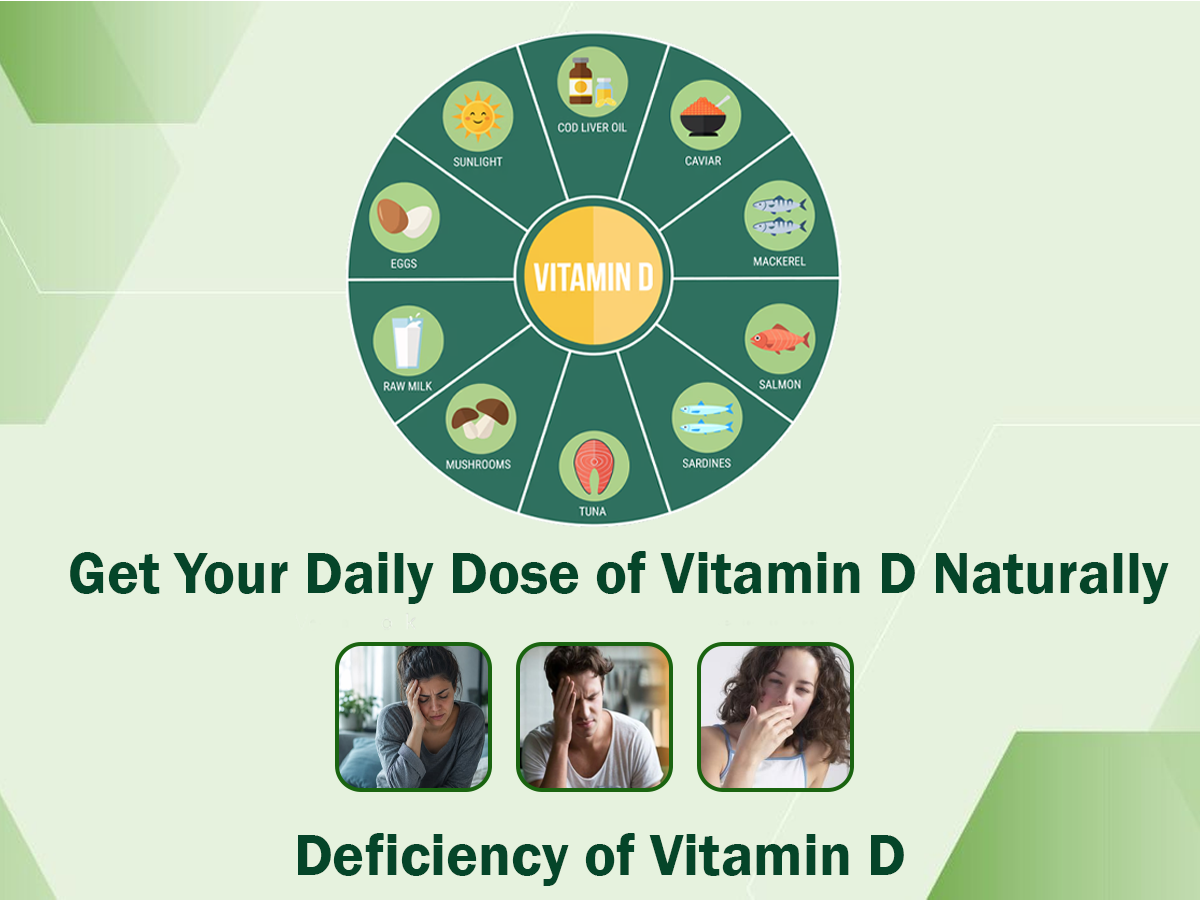
Vitamin D is an essential fat-soluble vitamin, also known as the “sunshine vitamin.” It plays an important role in the absorption of calcium and phosphorus in the body, strength of bones and teeth, muscle function, immune system, and brain health. In this article, scientific information about what vitamin D is, its discovery, types (vitamin D₂ and D₃), its functioning in the body, causes of deficiency, symptoms, people at risk, natural sources, daily requirements, amount from sunlight, health benefits, and common myths and facts related to it has been presented in simple language.

Vitamin D sounds so good, but vitamin D is the one from which everyone is suffering a deficiency today. Vitamin D is said to be very important not only for the body but also for the skin and bones. Many times one has to face big problems due to its deficiency; the surprising thing is that vitamin D deficiency can occur at any age. Yes, this problem is very common in children, adults, and old people, and we are also the reason for its deficiency; you may find it a bit strange to read, but it is completely true that the deficiency of vitamin D is more due to our carelessness.
Because today we are so busy with our work that we do not get time for ourselves, and due to this, there is a difference in our eating habits. The reason is that we remain busy, but along with this, we also start consuming more junk food and fast food, due to which it becomes very common to have problems, and today, through this article, we will know what vitamin D is. What kind of diseases are caused by deficiency of vitamin D? How does it damage the skin? What are the benefits of vitamin D? In what quantity is vitamin D required for each age? How many types of vitamin D are there, etc. …!
What is vitamin D?
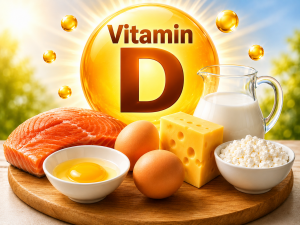
Everyone would know that vitamin D is fat-soluble, and it is also known as a hormone, which is considered very good for skin, health, and the internal body. Vitamin D is considered very important for improving the immune system in the human body, and it is also known as the ‘Sunshine Vitamin’ in the language of science. When the skin comes in contact with sunlight, the body starts producing it naturally.
Discovery of Vitamin D:
After reading this, you all will think that vitamin D would never have been discovered, but this is not completely true. Vitamins are natural substances, but they were discovered with the correct scale and measurement. It was mentioned by Dr. F Gleason in his famous book in 1650.
In fact, in that book, he had given the first and detailed scientific description of rickets (bone disease, which is caused by the deficiency of vitamin D). But you will be surprised to know that diseases related to vitamin D deficiency have been talked about since 1650, but vitamin D was actually discovered in 1922.
The journey of discovery of Vitamin D is a bit surprising but its discovery has really proved to be a boon for people of all ages because the search for Vitamin D started in search of treatment for a disease called ‘rickets,’ but this time was not very old; rather, this time was the end of the 19th century and the beginning of the 20th, at that time, scientists had discovered that sunlight and cod oil prevents the bones of children from becoming weak, some people A question might be coming to your mind:
What is cod liver oil, and how does it work? Can cod liver oil cure bone-related problems? Now that the question has come, there is also an answer to it, so let us know about it in detail: What is cod liver oil? Where does it come from? How does it work…?
What is cod liver oil?
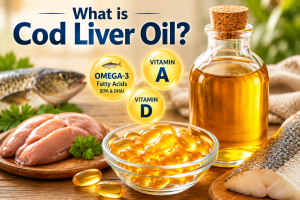
Cod liver oil is a natural oil extracted from the liver of Atlantic cod fish. Omega-3 and fatty acids (EPA and DHA) are found in this oil. Along with this, Vitamin A and Vitamin D are considered to be very important sources, and this supplement is easily available in both liquid and capsule forms.
Cod Liver Oil (1800s):
In the 19th century, when a cure for rickets was being sought, doctors believed that cod liver oil could be useful in curing diseases like rickets. But even then it was not completely clear as to what kind of nutrients this happens to.
Sun rays (1919):
In the year 1919, it was found that German researcher Kurt Huldschinsky had confirmed that rickets caused by children can be cured by coming in contact with ultraviolet (UV) rays or artificial sunlight.
Naming (1922):
American scientist Elmer McCollum isolated a new nutrient from cod liver oil. But this discovery was made only according to the alphabet; that is why it was named vitamin D.
Types of Vitamin D:
Until now we were able to know only that Vitamin D is a part of cod liver oil; now we will talk about how many types of Vitamin D there are and when and how they were identified.
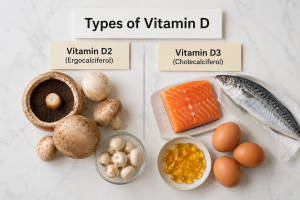
Actually, there are only two types of vitamin D, which we know as D₂ and D₃, and the credit for the discovery of the types of vitamin D is always given to the American scientist Elmer McCollum and his team, who identified its type in 1922 itself. Along with this, German researcher Kurt Huldschinsky had proved in the year 1919 itself that it can be treated with UV lights.
Vitamin D2 (Ergocalciferol):
Vitamin D-2, i.e., ergocalciferol, is a fat-soluble vitamin and dietary supplement. It is especially used to control the levels of calcium and phosphorus in the body, to strengthen bones, and also for the treatment of conditions like rickets and hypoparathyroidism. It is mainly found in plants, yeast, and fungi.
Vitamin D3 (cholecalciferol):
Found in animal-based foods (e.g., fatty fish, egg yolks). Additionally, the skin produces it naturally when exposed to sunlight. It helps improve the immune system and strengthen muscles.
How does vitamin D work in the body?
No matter how much research is done today about Vitamin D, it will be of little use because it not only strengthens the body from the inside but also from the outside. It reaches inside the body by absorbing sunlight through the skin or through diet and is completely converted into active form by the liver and kidney, and after this, it works to strengthen the bones by absorbing calcium and phosphorus from the intestines and further increases the immunity of the human body. It is not easy to understand its working method by talking so much, so today we are going to talk about it in detail: how it is very important for the entire body.
Calcium Absorption:
It helps the intestines to absorb the body’s main minerals, especially calcium and phosphorus.
Formation of bones:
We all know that vitamin D is a very important element for bones because it works to provide calcium to the bones and helps in increasing their density, due to which the bones become stronger.
Muscles and Nervous System:
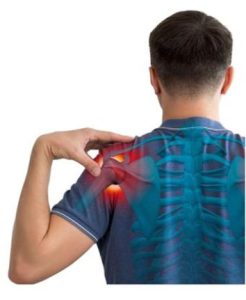
Along with this, it is helpful in making the muscles work properly and improving our nervous system, which sends messages from the brain to the entire body.
Immunity Booster:
It strengthens the body’s immune system so that it can protect you from external infections, bacteria, and viruses.
Vitamin D is considered very important for brain function. It works as a neurosteroid that controls your ability to learn, make decisions, and concentrate.
Memory and Attention:
There are vitamin D receptors in the hippocampus and prefrontal cortex areas of the brain, which are called centers of memory and attention.
Reducing mental stress:
It works to increase the level of ‘serotonin’ in the brain, which reduces the risk of diseases like anxiety and depression.
Neuroprotection:
If vitamin D is taken in the right quantity, it protects the brain cells from damage and also reduces the risk of dementia or Alzheimer’s, a disease that occurs with increasing age.
How much vitamin D should be taken?
If we talk about how much vitamin D should be in our bodies, then before that we should know that the normal level of vitamin D (25-hydroxyvitamin D) in the blood is considered to be between 30 and 90 ng/mL (nanograms per milliliter), whereas for brain and overall health, it is very important for the optimum (ideal) level to be around 50 to 60 ng/mL.
Research has found that during pregnancy, vitamin D is required to stay healthy and for the good development of the baby (building bones, teeth, and muscles). Not only this, but it is also very important for the level of pregnancy vitamin D to be between 30 ng/mL and 60 ng/mL..
Actually, 600 IU (International Units) or micrograms of vitamin D are required every day. Some important things should be known about the importance of vitamin D and its dosage during pregnancy, such as
Child development:
It helps in the assimilation of calcium, which is said to be very important for the development of the bones and teeth of the child.
Prevention of complications:
Helps in reducing the risk of high blood pressure and gestational diabetes during pregnancy.
Natural sources:
There is no doubt that the first sunlight in the morning is considered very good for our bodies; doctors and elders also believe that it is best to sit in the gentle sunlight for 15-20 minutes. Along with this, if you are unable to sit in the sunlight due to some reason, then you can also consume it through diet, like egg yolk and fatty fish, because vitamin D is not found in sufficient quantity in the multivitamins given during pregnancy. For this reason, there is a need to take separate vitamin D supplements on the advice of the doctor.
When does vitamin D deficiency occur?
Very few people know that vitamin D deficiency increases when our body does not get a sufficient amount of sunlight or we change our eating routine, and this is the reason why our body does not get the necessary diet and nutrition that we need. We have also read in the beginning of this article that Vitamin D is also known as the ‘Sunshine Vitamin,’ where it dissolves in the skin when it comes in contact with sunlight. It helps in balancing calcium in the body for strengthening bones.
Causes of vitamin D deficiency:
Lack of sunlight:
About 80 to 90% of vitamin D in the body is produced from sunlight, but today we are so busy with our work that we are unable to take care of our bodies and remain confined to the four walls of home and office all the time, ultimately ending up with many diseases or vitamin deficiencies.

Dark skin tone:
Research has found that the natural pigment called melanin, which provides color to the skin, reduces the ability to produce vitamin D from sunlight.
Deficiency in diet:
You all must be aware that natural sources of vitamin D are found in a lesser quantity in a vegetarian diet, but its deficiency can be seen more in those who do not consume its special sources like fatty fish (salmon, tuna), cod liver oil, and eggs.
Obesity:
It is completely true that obesity is not good for anyone because excessive fat in the body completely separates vitamin D from the blood, due to which it is not able to function properly in the body. Only after this the body has to face many problems.
Kidney or liver problems:
Till now we have read in our article that Vitamin D produced through the skin or obtained through food is processed by the liver and kidneys before being actively used in the body. If these organs get damaged, then one may have to face vitamin D deficiency.
Some medications:
Cholesterol-lowering medications, anti-seizure medications (epilepsy medications), and steroids interfere with vitamin D absorption.
Symptoms of vitamin D deficiency:
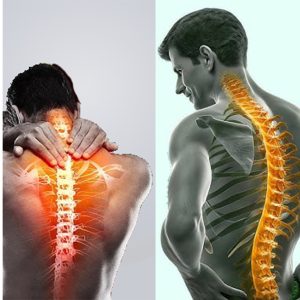
Symptoms of vitamin D deficiency appear in many ways, but the difference is that sometimes people recognize it easily and sometimes it becomes very difficult to guess. Usually its symptoms are constant fatigue, pain in bones and muscles, rapid hair fall, crooked legs of children, mood swings, weak immunity, and delayed wound healing. Not only this, vitamin D deficiency can also be confirmed through a blood test (25-hydroxy vitamin D test).
Which people are at higher risk?
Elderly:
The main reason for the deficiency of vitamin D in the elderly is old age, and along with this, less exposure to sunlight also increases the production of vitamin D through the skin, and it is absorbed in a lesser quantity by the digestive system.
Pregnant women:
It is common to have vitamin D deficiency during pregnancy; this is also due to lack of sunlight, unbalanced eating habits, dark skin (excess of melanin), and the needs of the growing fetus. Along with this, obesity and some medicines also affect it.
Breastfeeding women:
Research has found that vitamin D deficiency is more common in breastfeeding women. The reason for this is that nutrients are found in mother’s milk, and in such a situation, if the mother does not take vitamin D in sufficient quantity or is less exposed to sunlight, then she may have to face problems due to this. And women start feeling dizzy due to breastfeeding.
People with dark skin tone:
Research has revealed that a pigment called melanin is found in greater quantity in people with dark skin tones, which works like a natural sunscreen that works to protect the skin from UV rays, but due to this, the skin starts facing difficulty in absorbing sunlight, whereas compared to people with fair skin tones, they have to stay in the sun for 3 to 6 times longer to produce vitamin D.
Heart health:
Vitamin D is considered very important for heart health. Research has found that due to a deficiency of vitamin D, the risk of heart failure increases rapidly because its normal level in our body should be between 20 and 50 ng/mL.
Blood vessels:
There is no doubt that it works to keep the veins flexible and healthy so that blood circulation continues well.
Reducing inflammation:
Vitamin D is considered beneficial in reducing inflammation in the body.
Blood Pressure:
Due to its deficiency, the problem of BP can increase further.
Natural sources of Vitamin D:
Although the sun’s rays are considered to be the most important source of vitamin D, because they produce vitamin D inside the body through our skin. Along with this, you can also add some food items to supply vitamin D, such as
1. Sit in the sun for 15 to 30 minutes every morning or afternoon so that your skin can make vitamin D. Also, keep in mind that while taking sunlight, your hands, feet, and face should be exposed; do not use any kind of sunscreen at this time, as it will not give results.
2. If you are a vegetarian, then you have to take special care because the options of vitamin D in vegetarian food are very limited, such as mushrooms, because this is the only plant that is naturally exposed to sunlight and vitamin D2 is formed in it, and if you keep it in the sun for some time before consuming it, then it is even better.
How much vitamin D is produced from sunlight?
It is really worth considering how much vitamin D is produced from sunlight and how much the body gets by staying in the sun every day. In fact, due to sitting in the sun every day, about 10 thousand to 25 thousand IU of vitamin D is produced in our body, and this amount depends on the intensity of the sun, the color of the skin, and the open part of the body. Now that we have talked about how much vitamin is required by the body, now let us talk about how much vitamin is produced at what time.
Time: The highest amount of Vitamin D is found in the rising sunlight at noon, i.e., around 12 o’clock. At this time, people with light skin tones need to sit for 10 to 15 minutes, and people with dark skin tones need to sit for at least 30 minutes. But in the meantime, you also have to keep in mind that when you sit in the sun, do not use any kind of sunscreen, and do not allow direct sunlight to fall on your hands, feet, and skin.
Daily requirement of Vitamin D:
Some people are still unaware of the fact that any vitamin cannot be taken just like that; rather, it is necessary to take it in the right quantity as per age, and today we are going to tell you about how much vitamin D is necessary for each age group.
Infants 0 to 12 months: 400 IU daily, 1 to 70 years
Children and adults: 600 IU daily
Seniors over 70 years of age: 800 IU daily
Pregnant and lactating women: 600 IU daily
Common Myths and Truths About Vitamin D
Myth: There is no deficiency of vitamin D in sunny countries.
Truth: Deficiency is very common even in countries like India.
Myth: The more vitamin D, the better.
Truth: Excessive amounts can be harmful.
Myth: You get enough vitamin D from milk alone.
Truth: Milk alone is not a sufficient source for most people.
Myth: Everyone should take Vitamin D supplements.
Truth: The requirement depends on the person’s age, health, sunlight, and testing.
Ending:
Vitamin D is not just a bone-strengthening vitamin, but it is an essential nutrient for the healthy functioning of the entire body. Adequate amounts of it contribute significantly to better health of the immune system, muscles, heart, brain, and skin. At present, vitamin D deficiency is increasing rapidly due to changing lifestyles, lack of sunlight, and unbalanced eating habits. Therefore, taking morning sunlight regularly, adopting a balanced diet, and taking tests and supplements as per the doctor’s advice, if necessary, are the safest and most effective solutions. Excessive amounts of sunlight and vitamin D without medical advice can also be harmful.
Disclaimer:
This article has been written for the purpose of providing general health-related information only. The information provided herein is in no way a substitute diet,medical advice, medical testing, diagnosis, or treatment. If you have vitaminare deficiency, persistent pain insolutions.xtreme fatigue, or other health problems, consult a qualified doctor. Consume any type of vitamin D supplement only after a doctor’s advice and necessary tests.
FAQs (Frequently Asked Questions)
1. What is vitamin D?
Vitamin D is a fat-soluble vitamin, which helps in calcium absorption in the body, bone strength, and improving the immune system.
2. Why is vitamin D called the sunshine vitamin?
Because our skin naturally produces vitamin D when exposed to the sun’s UVB rays.
3. How many types of vitamin D are there?
There are mainly two types—
Vitamin D₂ (Ergocalciferol)
Vitamin D₃ (Cholecalciferol)
4. What are the main symptoms of vitamin D deficiency?
Constant fatigue, pain in bones and muscles, weakness, hair fall, frequent infections, and delayed wound healing can be its common symptoms.
5. Why is there a deficiency of vitamin D in the body?
Lack of sunlight, an unbalanced diet, obesity, kidney or liver disease, consumption of certain medicines, and digestive problems are the main reasons for its deficiency.
6. What are the natural sources of vitamin D?
Its main sources are morning sunlight, fatty fish, egg yolk, cod liver oil, fortified milk, and mushrooms grown in UV light.
7. How much vitamin D is required daily?
Generally, 600 IU per day is considered required for adults and 800 IU for people above 70 years of age. The correct amount depends on the person’s age and health.
8. Can Vitamin D requirements be met just by taking sunlight?
Regular exposure to sunlight may be sufficient for many people, but some circumstances may require supplements through food or as directed by a doctor.
9. Can excessive amounts of vitamin D cause harm?
Yes. Taking more supplements than required can increase calcium levels in the body, which can affect the kidneys and other organs.
10. How is vitamin D tested?
Vitamin D levels in the body are measured through the 25-hydroxy vitamin D (25(OH)D) test in the blood.

Emanual Massey is a healthcare, lifestyle, and beauty content writer with over 7 years of professional experience. He specializes in writing SEO-optimized, research-based articles on health, wellness, nutrition, skincare, beauty, and Ayurveda. His mission is to simplify complex topics into practical, reader-friendly content that empowers people to make healthier lifestyle choices. Passionate about continuous learning and evidence-based writing, Emanual creates informative and engaging blogs that combine accuracy, readability, and search engine optimization.