Abstract
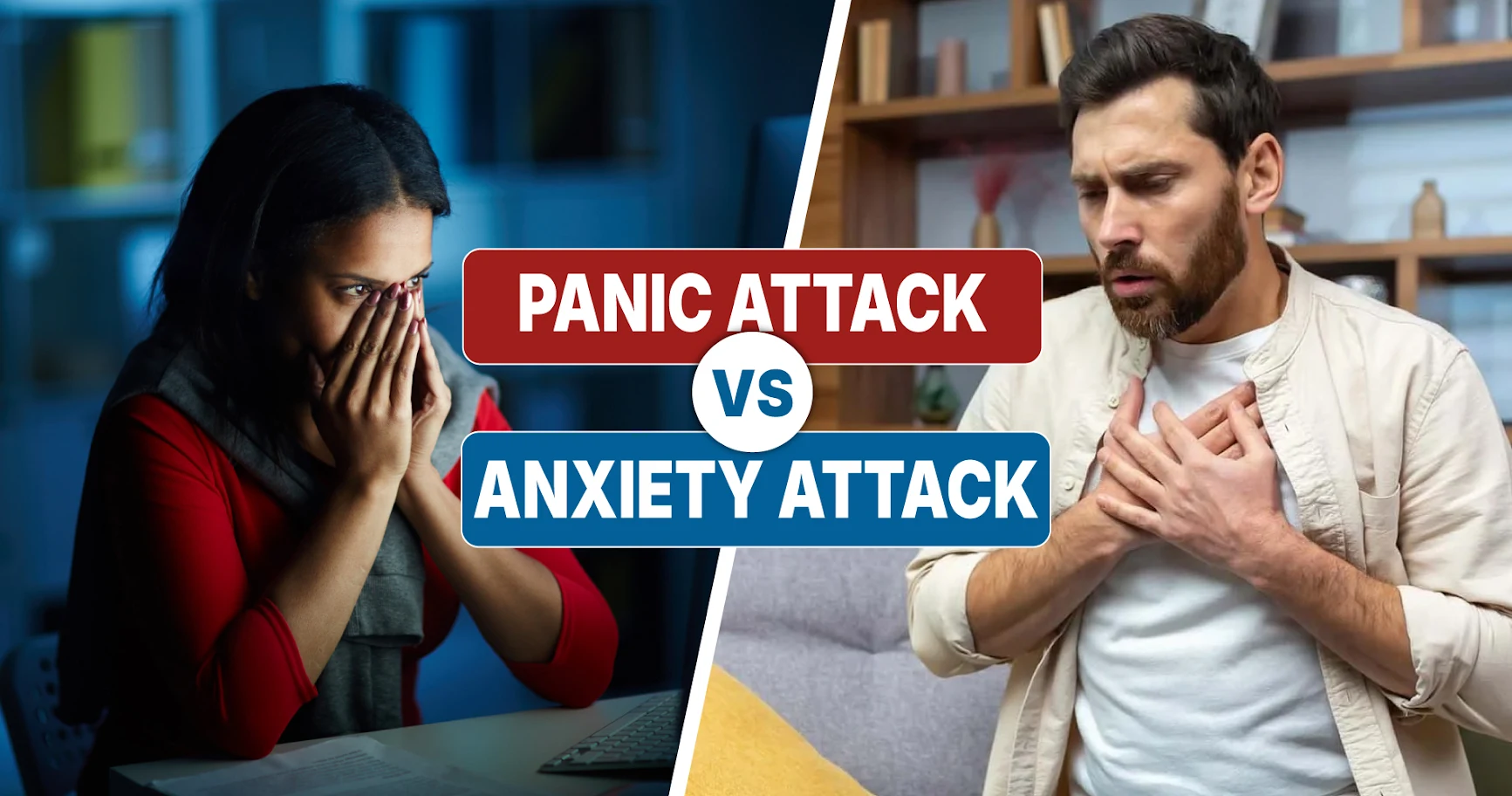
Both “Panic attack” and “Anxiety attack” are often considered the same thing, but they are totally different. A sudden surge of intense fear that increases within minutes is called a Panic attack. An anxiety attack involves phases of anxiety that increase in tension gradually. This article explains how the two differ in onset, duration, symptoms, and triggers. And why the body reacts so dramatically, when patterns become a condition worth getting checked, and what actually helps both in the moment and over time
Introduction
Try picturing two different moments: you’re sitting in an important meeting, and a deadline that you can’t meet has been sitting in your chest all these days. Your thoughts speed up, and breathing gets shallow, and you can’t stop thinking of what can go wrong. Now let’s imagine another one: You’re standing in a line, perfectly fine and calm and suddenly your hand tingles, your heart starts pounding, the room suddenly starts to feel tilted and then the thought comes: “Something is terribly wrong with me”
Most people will think both situations are the same way “I had an anxiety attack,” but the difference between them is not just the wording, and even both of them are different entirely.
Why the terms get Mixed
language of mental health has moved into everyday speech faster than the science has recently, which increases the confusion. “Panic attack does have a clear clinical definition, but when it comes to “anxiety attack,” it’s still not clear clinically and also to the people. At this point, people use it as a phrase in conversations for any situation of anxiety with a degree of intensity. Because the physical symptoms overlap each other a lot, like heart racing, shaky hands, tight chest and difficulty breathing. These symptoms are one of the major reasons why people tend to mix them both frequently; another reason is that the person who’s actually going through these is too overstimulated to take a break and figure out which is which.
Why differentiating is actually needed?
Knowing what you suffer from is not to escalate fear or just in the name of accuracy. A sudden blast of fear with no actual cause points to a different question than anxiety that builds around a specific concern. They also affect the way you can describe them and what kind of support would actually like to work, and how much of that experience has power over you. Many people act calmly after actually knowing there was a name for their issue, and that what feels like danger in the body once the body reaction passes.
In this article ahead, we’ll look at what each experience looks like and then compare side by side for a better approach. Why the body reacts so strongly and when’s the best time to actually seek help.
What is a panic attack?
A panic attack is typically a sudden urge of fear or discomfort that reaches its peak within just a few minutes. It is one of the few terms in this area with a precise medical definition. Doctors usually explain it as a surge that comes with multiple physical and psychological symptoms at once. It’s not just a feeling of discomfort or being on the edge.
Sudden surge, not a build-up
The most defining characteristic is speed. Normally, anxiety increases its levels gradually, but when it comes to panic attacks, it can come to you suddenly out of nowhere, sometimes even if the person is relaxed, calm or even asleep within a few minutes it can reach its peak but slowly ease. Most attacks pass within 10 to 20 minutes, though the aftermath can leave a person drained, shaky, distressed and on guard for the rest of the day.
Many people don’t realize, but they are more common than it actually sounds. Most people only have them once or twice in their lifetime during great periods of stress, without ever developing a lasting recurring problem.
What does it feel like?
Since the symptoms are usually physical first because the body’s alarm system fires all at once, they can include-
- Pounding or a racing heart
- Shortness of breath or a feeling of getting choked
- Sweating and trembling
- Tightness in chest
- Chills or hot flushes
- Stomach upset or severe nausea
- Tingling sensation or numbness in hands and face
As if you’re watching yourself from outside, the feeling can be unsettling, a phase of unreality and also a strong feeling of actually “going crazy” or dying. For diagnosis, doctors actually look for at least these 4 symptoms appearing together in that phase. The mix of these symptoms makes it look like an actual medical emergency, which we’ll explore in section 5
So what is an Anxiety attack?
It is a phrase that people use in their day-to-day life. But it’s not a medical diagnosis. You won’t find it as a properly explained condition in the main diagnostic manuals. People nowadays say they got an anxiety attack when they go through that intense period of stress or overwhelming anxiety, often tied to something with great importance to them.
Not a Medical term
Since the phrase has no strict scientific definition, it can cover a wide range of experiences from person to person. For one person, it can mean a few hours of dread before an important exam. For another, it means a spiral of racing thoughts that makes him overthink and makes it hard to function. Doctors usually like to look at more than just a label and go for a direct approach as to how it happened, how it started and how long it lasted.
How does it get built up?
Where a panic attack starts with a flip of a switch, rushing down with emotions and symptoms all together, on the other hand, anxiety tends to come like a wave coming in. Often starts with a normal worry or thought, like a deadline, conflict, or an uncertain future, that can grow over minutes or days. Common signs include-
- A feeling of Restlessness
- Persistent feeling of worry
- Muscle tightness, especially in the jaw and shoulders
- Racing or Looping Thoughts
- Trouble Concentrating
- Irritability or lack of sleep
- Shallow breathing and Fast heart rate
Physical reasons can be real and unpleasant as well, not to compare, but they are not as extreme as panic attacks. The fear can also be about something specific, like “What if I fail?” Rather than a sudden feeling of something terrible happening right now.
It can often last longer than a panic attack as it lingers in the mind for a long time. Sometimes fading and then coming back during the day or in response to a specific trigger. The difference in timing is clearly one of the easiest ways to differentiate both of them apart, and it’s what we’ll set out in the side-by-side comparison next.
Panic attack vs. anxiety attack
The easiest way to see the difference between the two is to put the two experiences next to each other. Real life is not as organized as any table, and the two can overlap, but these are the patterns that most often set them apart from each other
| Panic attack | “Anxiety attack” | |
|---|---|---|
| Medical status | A recognized, well-known clinical term | An everyday phrase, not a diagnosis |
| Onset | Abrupt, often within seconds to minutes | Gradual, takes time to build up |
| Typical trigger | Can strike with no obvious reason, even during sleep | Usually linked to a specific worry or trigger |
| Intensity | Very high, and quickly | Can go from mild to severe, often steadier |
| Typical duration | Usually about 10 to 20 minutes | Can linger for hours or come and go for days |
| Main feeling | Sudden terror or a sense of doom | Persistent worry, dread and tension with a gravy ominous feeling |
| Physical symptoms | Dominant and dramatic: pounding heart, chest tightness, breathlessness, dizziness, tingling sensation or complete numbness | Present but usually milder: muscle tension(Jaw and Shoulder), restlessness, faster heartbeat |
| Typical thoughts | “I’m dying” or “I’m going crazy” | “What if this goes wrong or what if I fail?” about a specific concern |
| Aftermath | Exhaustion, draining and fear of it happening again | Lingering tension until the reason eases with time |
How to read the Table?
Approach the table like its speed and focus. A panic attack is quick and body-led: the alarm goes off first, and the fear follows later. Anxiety, on the other hand, is thought-led and slower than panic attacks here, the worry grows first, and the body reacts over time. It’s one of the reasons why a person with a panic attack often says, “I don’t know why this is happening,”. While someone in an anxious spell can usually name what’s weighing on them.
Many people can suffer from both together in a single span of life. A long run of anxiety can also set a path to panic attacks, and a panic attack can leave behind weeks of anxious anticipation. Treat both of them as two ends of a spectrum and not 2 completely sealed boxes.
Sudden or Gradual?, Timing and Triggers
The one habit that can help you the most in telling them apart. It’s looking at the timeline of how long they lasted. Asking what happened beforehand and how long it lasted often says more than asking about the symptoms alone.
With or Without a Trigger
Psychologists define panic attacks as either expected or unexpected. An expected one has a clear trigger such as a crowded lift, a feared situation or a flight. The problem starts with the one that comes out of the blue during a normal conversation, a calm morning or even when you are sleeping. These nighttime ones wake the person with a pounding heart, sweating profusely or a chill feeling and a sense of dread, with no bad dream to explain how it began. People often find them the most unsettling ones since there’s nothing to point to
Anxiety, by contrast, almost always has a thread or a reason you can follow back: An unanswered message, an upcoming important deadline, money worries or a difficult conversation about to come. The trigger might not be dramatic, but it’s usually there
How long do they last?
A panic attack usually peaks in 10 minutes and tends to last from 20 to 30 minutes. Sometimes it can go in waves or rows, which can make the entire episode look longer, and the exhaustion after them can last for hours.
On the other hand, anxiety doesn’t have such curves, it can be there in the back of your head for the entire day, ease, and return when the worry resurfaces. It may be less intense than a typical panic attack at any given moment, but its staying power is much greater comparatively
Why does it feel like a heart attack?
Most people who go to an emergency room after their first Panic attack believe that there’s something wrong with their heart, which is an understandable reaction. The sensations are intense and frightening, making it feel more real, and the chest is where it shows up the most.
The fight-or-flight response
It’s all an underlying built-in alarm system of the body. When the brain senses danger, it doesn’t matter whether it’s real or perceived. It releases stress hormones such as Adrenaline. Blood is redirected to large muscles, the heart speeds up, breathing quickens, and sweating increases profusely. This is the body preparing to fight or run.
All this happens in panic attacks without an actual danger, and that alarm goes off without a real threat to fight or flee. The body releases all that energy into the body where it can’t escape without an actual threat in reality, and the person feels every part of it,
Chest Tightening and Fast Breathing
Breathing too fast changes the natural balance of oxygen and carbon dioxide in the body. Breathing shallowly increases the problem, which can cause nausea, tingling in the lips and hands, dizziness, and a sense of unreality. Tight chest muscles can cause sharp discomfort and problems with breathing as well.

The key point is that the response is indeed intense but not harmful. It calms as the stress hormones clear. Still, treating chest issues as just a panic attack is not recommended. The first time it happens, you should go to a doctor and get it checked, since the problems that come with both of them are similar.
Where the lines actually blur: Anxiety Vs. Panic disorders
Having either an anxiety spell or panic attack doesn’t mean you actually have a disorder. Many people in their lifespan experience 1 or 2 panic attacks and never suffer from another. The picture changes when the pattern repeats and begins to shape the daily life of an individual
A panic attack vs panic disorder
Panic disorder is a diagnosis usually for a person who has been getting panic attacks repeatedly, while a Panic attack is a single event. Unexpected panic attacks usually leave a person exhausted, and then they spend at least a month worrying about having another, or change their behaviour or surroundings to avoid one, such as skipping the gym, avoiding driving, or steering clear of crowds or any other social event. The ongoing dread of the next attack lurking is often as limiting as the attacks themselves.
When Anxiety forms a pattern
Both anxiety and panic attacks follow the same line. Before a big or important event, worrying is normal
Generalized anxiety disorder, or repeated anxiety, by contrast, involves excessive, hard-to-control worry on most days for six months or more, often with muscle tension, especially in the jaw and shoulders, poor sleep and fatigue. Social anxiety and phobias are some other forms of anxiety attacks as well.
Panic attacks can also appear in conditions like someone with a phobia may panic or get tense when facing the feared object or a specific trigger, and panic attacks can occur alongside depression or after trauma.
That is why patterns are more important than labels. If they come back again and again and you’re adjusting your life according to them, it’s better to get a professional assessment to sort out what’s going on and what would help.
Who gets them, and what sets them off
Both of them can affect anyone, but some patterns of both panic and anxiety attacks occur repeatedly
Who is more likely to experience
Panic attacks mostly occur in late teens or mid-30s, even tho they can start at any age. They are diagnosed more often in women than men. Panic attacks are more commonly associated with a naturally highly reactive temperament, a history of trauma, and periods of major change such as a bereavement, a new job, or a difficult relationship.
Common Triggers
- Triggers can vary from person to person, but some common symptoms can be
- Stress can be one of the major signs, especially when it’s been building up for days or months
- Nicotine or caffeine- Usually taken as stimulants that trigger the alarm response our body uses
- Lack of sleep- Makes the nervous system more reactive and tired

- Physical Sensations- Fast heart rate after excessive exercise, which can be misread as a warning sign
- Feared Situations- Such as crowded areas or close, tight spaces
- Medical Condition- Heart rhythm disorders, some typhoid issues which can provoke similar symptoms
Sometimes triggers are not there at all, which is part of why unexpected attacks feel so unnerving and worse.
Fear of the next attack
For many people, an attack is not the main threat itself but actually what comes after. Once you have felt that surge of fear, it’s natural to feel scared of feeling it again. The anticipatory worry about the reason for one episode to grow into a disorder or an ongoing problem
Shrinking and Advance world
The brain naturally starts looking for a threat. First it’s the car park, the bus, the gym, anywhere that feels hard to leave quickly. If the attack happened in the supermarket, the supermarket becomes a threat. Avoidance does bring short-term relief. But it teaches the brain quietly that the place really was dangerous, so the fear tends to grow while daily life gets smaller.
Some people even start monitoring their body, checking their pulse or breathing, and a normal trigger then sets off the very alarm they were trying to prevent.
Effects on Day-to-Day Life
- Work- Not taking meetings, presentations or travelling
- Sleep- Waking when the thoughts attack at night or staying up late worrying
- Relationships- Cancelling plans, hiding feelings, and being embarrassed
They don’t reflect weakness in you, it’s your nervous system trying to protect you and failing. Recognizing the concern is the first step to break the cycle
What can help in the moment?
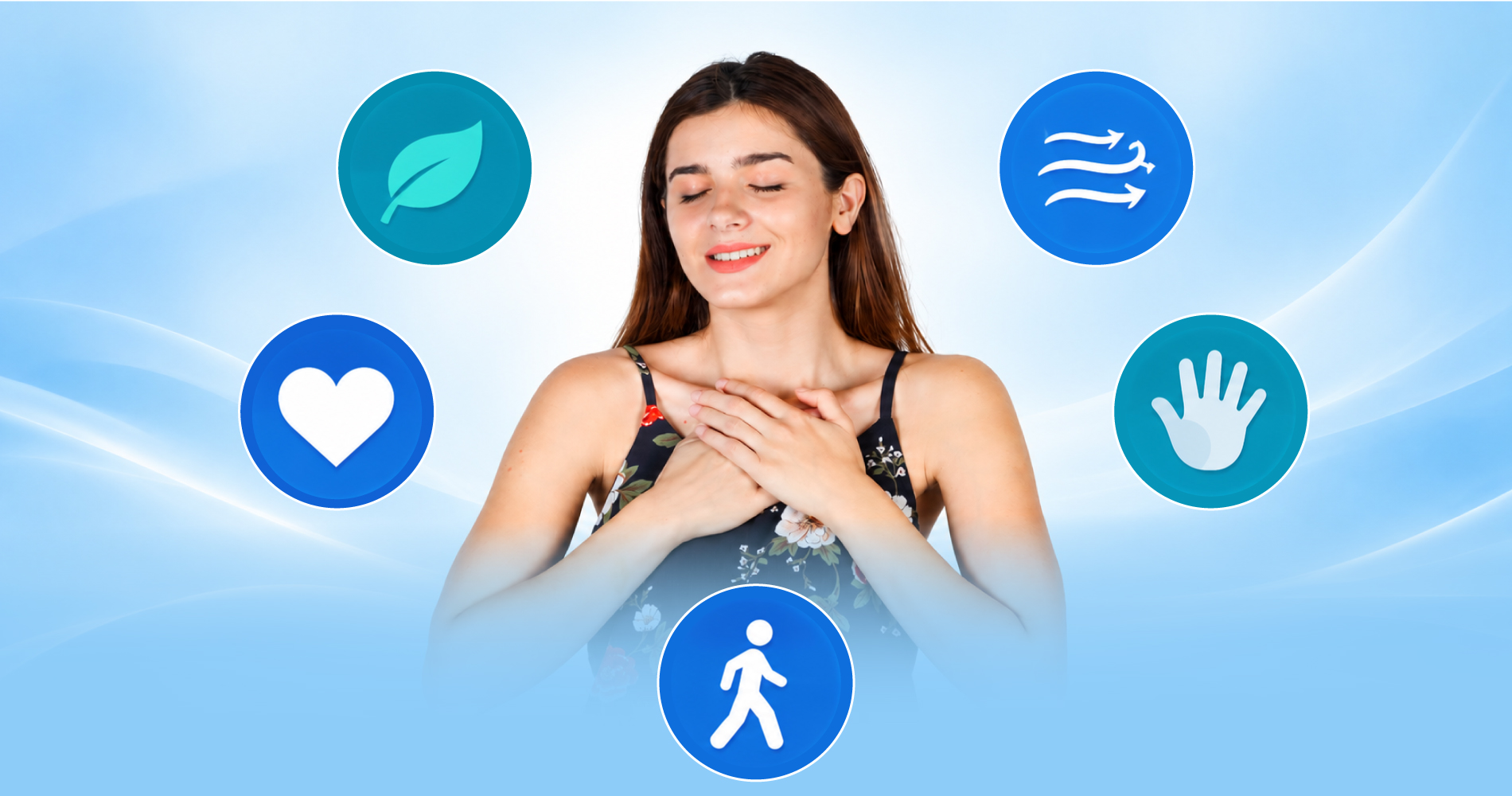
Forcing the feeling away shouldn’t be the goal when facing an attack. It’s to wind the body’s alarms down slowly while you ride it out. Some approaches suggested by the doctors are-
- Steady the breathing- Fast and shallow breathing can actually help to increase the attacks more it’s recommended to try breathing gently through your nose and hold your breath for 4 seconds to calm the body down and ease the symptoms.
- Ground yourself in reality- Panicking pulls attention into frightening thoughts and sensations. It’s better to ground those thoughts with a common practice of 1-2-3-4-5: name five things you can see, four you can touch, three you can hear, two you can smell and one you can taste.
- Remember it will pass- Short positive statements can work like magic: “This is a panic attack. It’s uncomfortable but not dangerous. It will peak and fade.”
Things to Avoid
- Advice like breathing into a paper bag, which is outdated, can be risky since your breathing is already not controlled
- Reaching for stimulants in the name of “Calming Down”
- Leaving or escaping, as it reinforces that fear of avoidance
What helps over time
On-the-spot treatments only help in the short term during episodes, but long-term help comes when you start curing the pattern behind it. The good news is that both panic and anxiety respond well to treatment, and many people see a clear improvement.
Therapy- The most studied approach is C.B.T. (Cognitive behavioural therapy). It helps patients with spotting the triggering fears, such as “this feeling means something terrible is happening” and replace them with more accurate ones. For panic attacks, it usually includes gradual exposure.
Foundations of lifestyle– They can help lower the baseline the nervous system sits at, like sleep, using fewer stimulants, support and stress management
When medication shall come into the picture
A doctor may suggest medications for some people, like an SSRI, a form of antidepressant, which can reduce the frequency of disorders over a course of a few weeks. It’s best to approach a doctor and not take them by yourself, as there can be a few side effects as well
If someone you know is having one
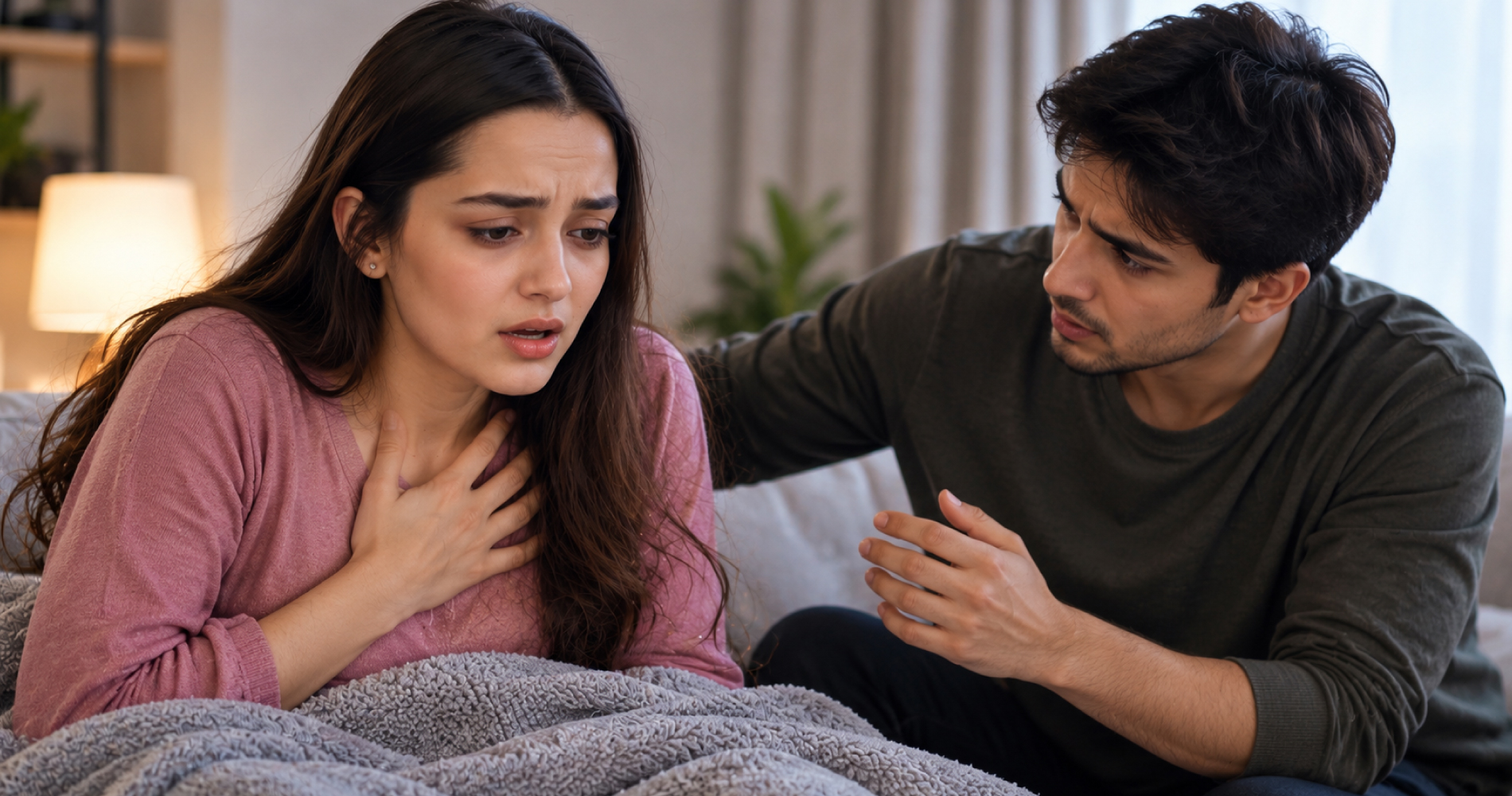
It can be frightening to see someone you know go through a panic attack, but a calming presence can be the most helpful thing at the moment
What to do?
- Stay close and calm cause your steadiness can help theirs
- Something like “I’m here. This will pass. You’re safe” works better than a long explanation if spoken gently
- Help guide their breath; breathe alongside them and let them copy your pace
What to avoid?
- Things which can be dismissive, like “It’s all in your head”
- Asking them a lot of questions or crowding them
- Rushing them to recover or taking over
If the symptoms don’t settle, or there is any chest pain or doubt about their safety, the best thing is to call for medical help urgently
Small routines that can actually help
Alongside help you can take professionally, small daily routines can help give you a steady rhythm. A regular wind down before you sleep, a short walk, or a few minutes with a hot drink sitting alone can tell your body it’s safe to slow down. You can also add a small, easy hair and skin care routine as an unhurried time for yourself, such as a gentle soothing face wash or aloe vera gel
(for instance, from Lebroid Healthcare’s range).
These are not treatments but a few small comfort habits which can sit alongside your treatments and give you more comfort
When to actually see a doctor and what’s an emergency
Panic attacks are not fatal, mostly, but that doesn’t mean we should ignore medical help. Knowing when to get help matters the most in both ways.
When to book a doctor’s appointment
- Experiencing a panic attack for the first time, other causes can be ruled out as well
- When the attacks are more consistent, and you mostly spend time worrying about when the next one will come
- Avoiding socializing because of fear
- Anxiety is affecting your sleep, relationships, and professional life
- You feel hopeless, exhausted and drained alongside your anxiety
When to get emergency help
Because both heart problems and panic attacks can be similar. A professional can actually help in sorting them out and point to an effective solution
- Severe chest pain or pressure which is spreading to arms, jaw, and shoulders, with sweating
- Symptoms that feel different or more intense than your regular panic attacks
- Difficulty in speaking or fainting
- Thoughts of self-harm
- Going to hospital for emergencies can never be a wasted trip treat these emergencies and call your local emergency number.
Conclusion
Both anxiety attacks and panic attacks come from the same place, and that is why they feel so similar. It’s your nervous system trying to protect you. The real difference lies in the patterns. What individuals call an anxiety attack is usually a slower, worry-led build. On the other hand, A panic attack is a sudden, body-led surge that peaks within minutes. They are both more manageable than they make you think when they occur, and it doesn’t mean you’re weak or broken
What matters the most is that you recognized the label and not labels. Use simple tools to ride out the wave after knowing the patterns. Look after the basics of movement, sleep and stress, and ask for professional help or help from someone who knows you when episodes keep returning. A frightening moment can never be the verdict on your future or health.
Disclaimer
This article is only for educational purposes and for general information. It shall not be treated as medical advice and shouldn’t replace diagnosis or treatment from a qualified healthcare professional. If you’re experiencing any symptoms like self-harm, chest pain, or shortness of breath, seek professional help promptly.

A passionate health and lifestyle content writer dedicated to making complex medical and psychological topics easy to understand. With a focus on mental health, lifestyle, and overall well-being, I curate informative, research-based articles that help readers better understand their health and make informed decisions. The goal is to spread awareness, simplify health information, and encourage healthier living.