
Abstract
Sea Buckthorn is a botanical ingredient that has generated interest in nutrition and skincare research due to its broad fatty-acid and bioactive compound profile. Fatty acids like Omega-3, Omega-6, Omega-7 and Omega-9 can be found in it, although their quantity may vary according to plant variety, growing conditions, plant part and extraction method. In particular, the presence of Omega-6 fatty acids like Linoleic Acid in Sea Buckthorn seed oil makes it interesting in terms of skin lipid metabolism and barrier biology. This article attempts to understand the scientific connection available between Sea Buckthorn and skin health.
It discusses the relationship of fatty acids with skin barrier, moisture retention, skin softness and overall skin lipid environment. Additionally, available research has been explained as having stronger biological support, promising findings, and limited evidence. The purpose of the article is not to describe sea buckthorn as a treatment for any specific skin condition, but to explain its fatty-acid profile and skin research from a balanced and evidence-based perspective.
In Part 1, we explained how omega-6 fatty acids, specifically Linoleic Acid (LA), work and play biological roles in the body, and why their connection is important in terms of skin health. We also learned in our previous article that lipids and fatty acids play a very special role in maintaining the outer protective layer of the skin i.e. skin barrier.
But now a new question arises – if Omega-6 is so important, then how and where can we get it from natural sources and are there some botanical sources whose nutritional profile is much greater than this? And when this question comes, Sea Buckthorn becomes even more interesting.
Sea Buckthorn is known as a berry-producing plant, whose orange-colored berries and the oils obtained from them are also seen with interest in nutrition, cosmetic science and skin research. But to simply call it a “natural source of Omega-6” would shorten the entire nutritional story of Sea Buckthorn.
This is because the profile of fatty acids found in Sea Buckthorn does not stop at just Omega-6. Along with this, fatty acids like Omega-3, Omega-6, Omega-7 and Omega-9 are also found in different proportions in parts and oils. Along with this, carotenoids, tocopherols and other bioactive compounds are also found in Sea Buckthorn, due to which its nutritional and cosmetic interest increases manifold.
But still it is very important to know that the composition of Sea Buckthorn seed oil and berry/pulp oil is not the same. Factors such as the part from which the oil is extracted, extraction method, variety and growing conditions can affect its fatty-acid profile.
Therefore, while further understanding Sea Buckthorn, our focus will not be only on knowing how much Omega-6 it contains. Rather, we will look at what significance its full fatty-acid and bioactive profile, including Omega-6, may have in the context of skin and beauty research.
What is Sea Buckthorn?
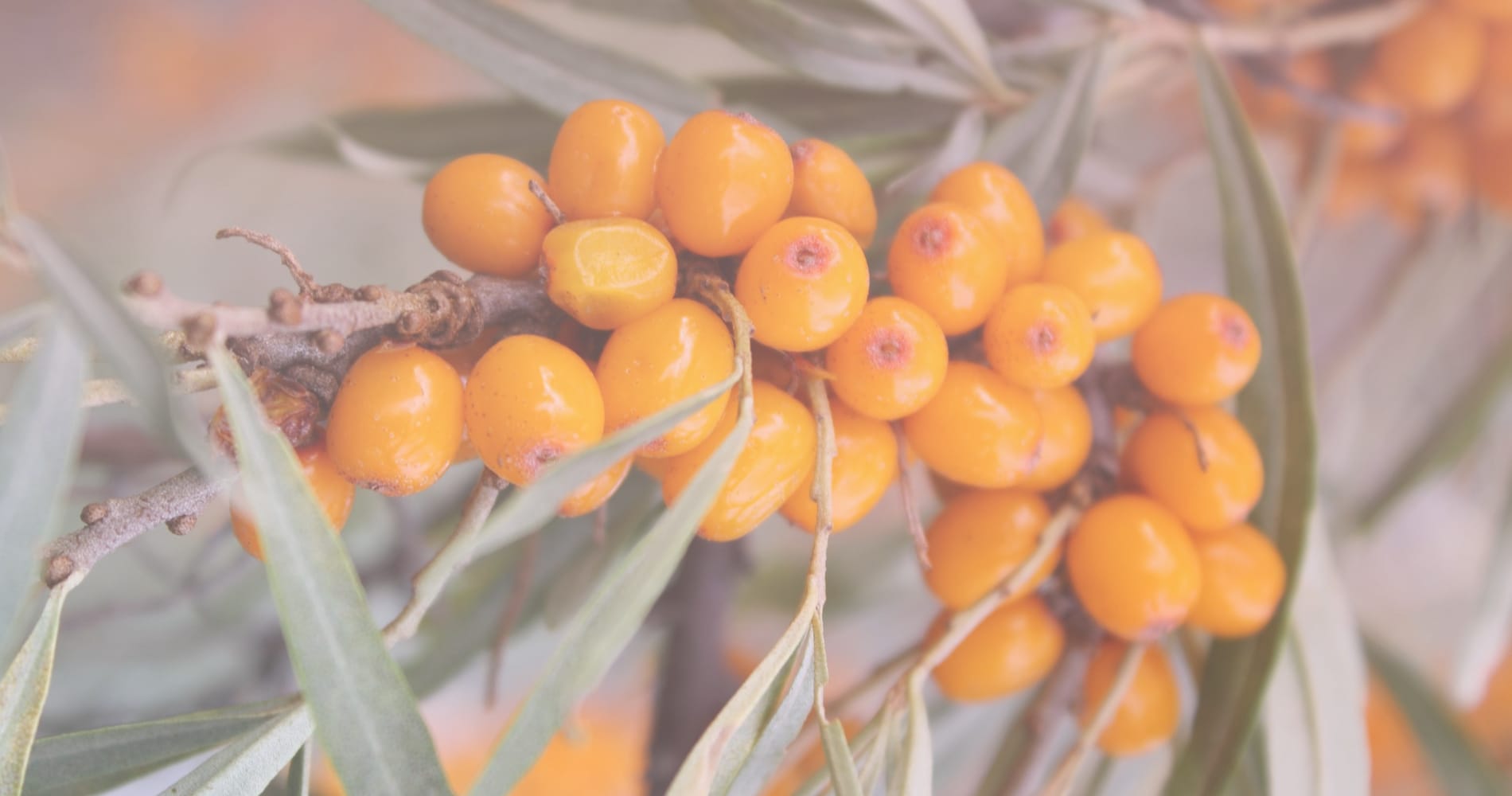
Sea Buckthorn is a thorny shrub, whose botanical name is Hippophae rhamnoides. This plant is mainly found in some cold and mountainous regions of Europe and Asia. And it is very easy to identify because it has bright orange-yellow berries, which appear in dense clusters on the branches of the plant.
Many nutrients and bioactive compounds are naturally found in these berries. The reason for this is that Sea Buckthorn is viewed with interest not only as a fruit, but also from the point of view of nutrition, botanical research and cosmetic science.
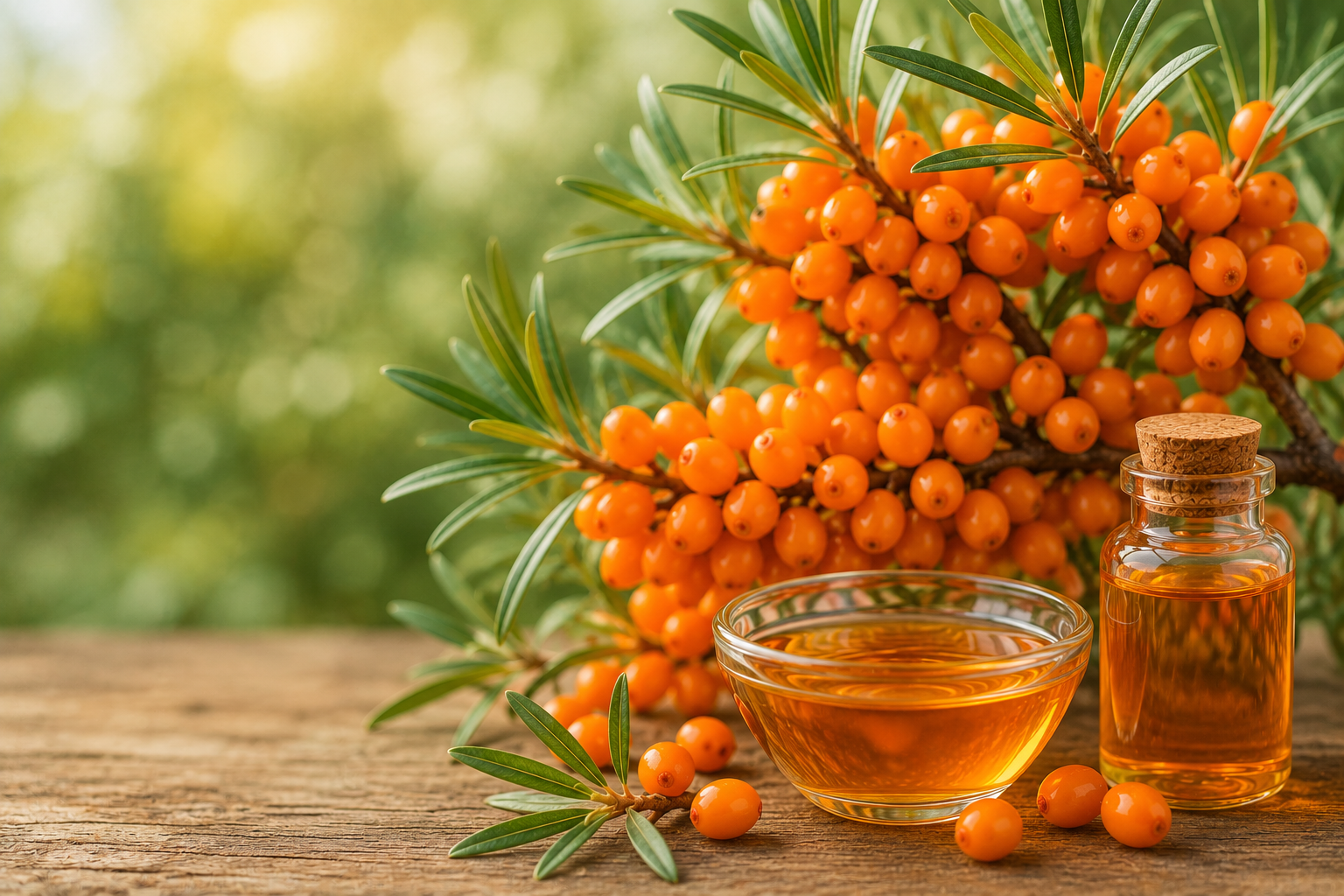
Its berries also contain fatty acids, carotenoids, tocopherols, vitamins and other plant compounds, although their amounts depend on the variety, growing conditions and which part of the plant is used.
From Traditional Use to Modern Research
Sea Buckthorn has long been used in various forms in various traditional systems and local food practices, with the berries, juice and oils being used in food and traditional preparations in some areas. However, traditional use is considered the same as modern medical evidence.
A major reason for the interest in Sea Buckthorn today is its unique nutritional profile. Especially the fatty acids and antioxidant compounds present in its oils have attracted attention in nutrition and skincare research.
What is the difference between Berry, Pulp and Seed?
This distinction is very important when understanding Sea Buckthorn. Berry refers to the entire fruit, while pulp refers to the fleshy part of the berry and seed refers to the seeds inside it.
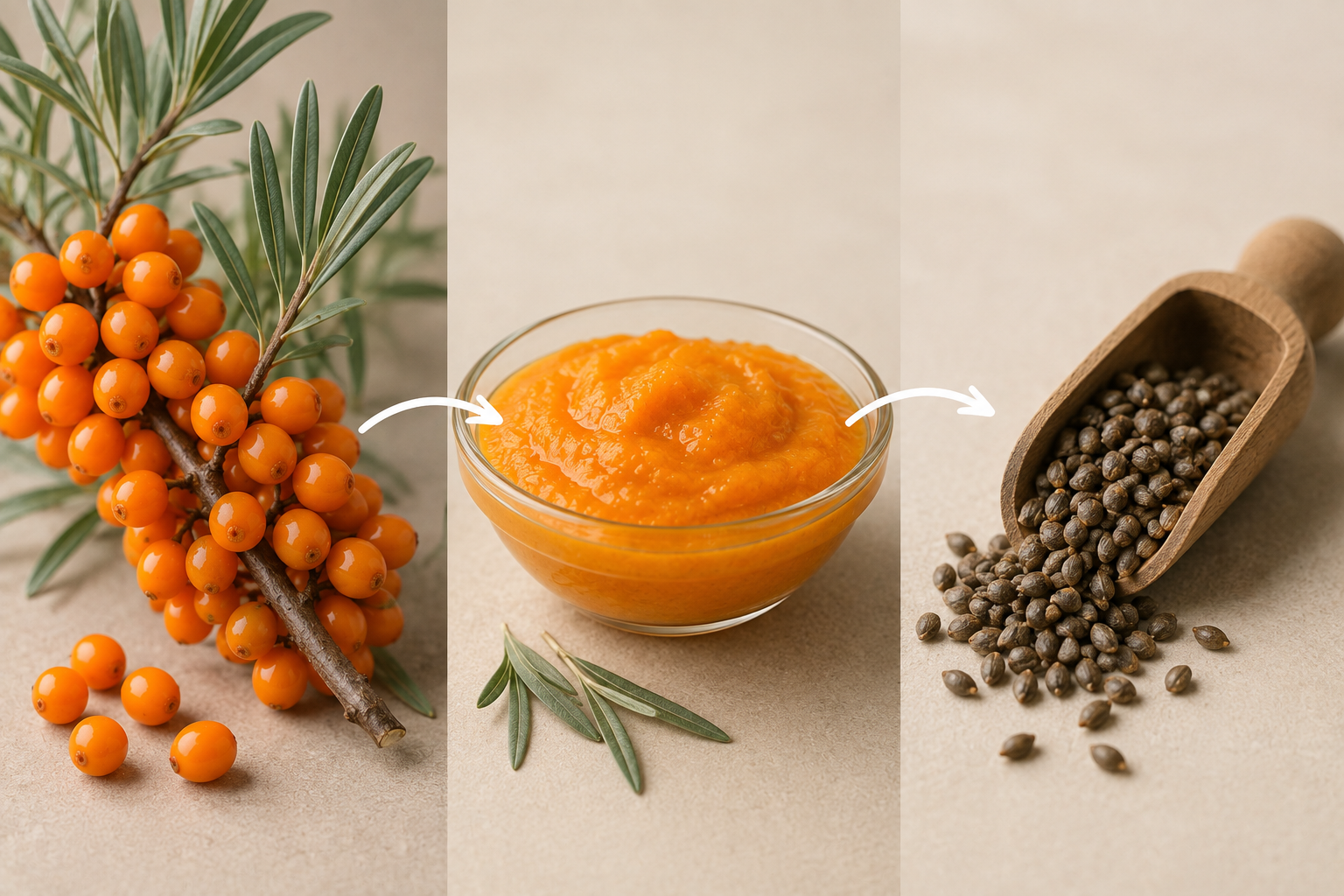
The composition of oils obtained from these different parts can also be completely different. In general, seed oil and pulp/berry oil have similar fatty-acid and bioactive compound profiles. Therefore, when “Sea Buckthorn Oil” is written in any research or product, it is important to know whether the oil is obtained from seed or pulp/berry.
Composition is not always fixed
It would not be appropriate to consider the amount of Omega-6 in Sea Buckthorn as a fixed percentage. Its fatty-acid composition can also be affected by factors such as species/subspecies, cultivar, geographical origin, growing conditions, fruit maturity and harvesting time. Research conducted on Indian Sea Buckthorn populations has also observed variation in fatty-acid composition between different altitude and geographical populations.
Along with this, the extraction method can also have a deeper impact on the final oil profile. Differences in fatty-acid and bioactive compound composition have been observed in oils obtained by mechanical pressing, solvent extraction or other extraction technologies.
Whenever Sea Buckthorn’s beauty profile is discussed, focusing on just one fatty acid is not enough to understand the whole story. Omega-3, Omega-6 and Omega-7 are fatty acids associated with different biological roles and their proportions can be completely different in different Sea Buckthorn oils. Their importance regarding skin can be understood mainly in the broader context of skin barrier, lipid composition, moisture retention and overall skin appearance.
Skin Barrier and Lipid Support
Along with this, lipids play a special role in keeping the outermost layer of the skin healthy and functional. Ceramides, cholesterol and fatty acids together contribute to the structure of the skin barrier. Linoleic Acid, the main fatty acid of Omega-6, is linked to epidermal lipid metabolism.
Omega-3 fatty acids are also part of cell membranes and many biological processes. The Omega-7 found in Sea Buckthorn, specifically palmitoleic acid, is part of its distinctive fatty-acid profile. Taken together, the lipid profile of Sea Buckthorn makes for an interesting area of research for skin nutrition.
Skin Softness and Smoothness
When the skin barrier functions properly, the skin can retain its moisture better. Due to this, the skin surface may feel relatively soft and smooth. Fatty acids can contribute to this barrier structure by being part of the skin’s lipid environment.

However, it would not be correct to say that Omega-3, Omega-6 or Omega-7 alone makes the skin soft immediately. Skin softness depends on many factors—including hydration, humidity, cleansing habits, age, genetics, and topical skincare routine.
Moisture Retention
Moisture retention is important for healthy-looking skin. When the skin barrier is weak, transepidermal water loss (TEWL) can increase, causing the appearance of dryness and roughness.
Fatty acids such as linoleic acid are relevant in the context of barrier function due to their connection to skin lipid metabolism. Therefore, it is more appropriate to think of Omega-6 not as a direct “hydrating agent” but as a part of the nutritional fatty-acid environment for a healthy skin barrier.
Skin Texture and Healthy-Looking Skin
Skin texture is not determined by just one nutrient. Adequate nutrition, hydration, functional barrier and proper skincare are all important for healthy-looking skin. Sea Buckthorn’s broader fatty-acid profile is interesting in this context because different fatty acids can be found together in it.
Omega-3 and Omega-6 essential fatty acids are essential for the body, while Omega-7 is of interest as a distinctive component in the fatty acid profile. Along with these, other bioactive compounds are also found in Sea Buckthorn, which further broadens its overall botanical profile.
Overall Skin Lipid Environment
The most important thing is that skin should not be viewed from the perspective of any one fatty acid. Skin is a complex lipid environment, in which many types of lipids and fatty acids together contribute to barrier structure and function.
That’s why calling Sea Buckthorn just an “Omega-6 source” or just an “Omega-7 source” doesn’t explain its full beauty potential. Its real interest lies in its broader fatty-acid profile and other naturally occurring bioactive compounds.
From this perspective, it is a more scientific and balanced approach to understand Omega-3, Omega-6 and Omega-7 in a broader skin-nutrition and lipid-biology context rather than trying to prove any one is “best”.
Research on Sea Buckthorn and Skin Health
When understanding the connection between sea buckthorn and skin health, it is best to look at it separately as strong biological evidence, promising results, and limited evidence. This helps in understanding the beauty claims made about Sea Buckthorn in a balanced and evidence-based manner.
What Has Stronger Biological Support?
But it is very important for us to understand what is the relationship between fatty acids and skin barrier biology. Fatty acids, ceramides and cholesterol are important components of the lipid structure of the skin barrier. Research shows that skin lipids play a vital role in controlling barrier function and excessive water loss.
The fatty acids found in sea buckthorn, particularly the polyunsaturated fatty acids of the seed oil, are a subject of research interest because of this broader skin-lipid biology.
What is promising?
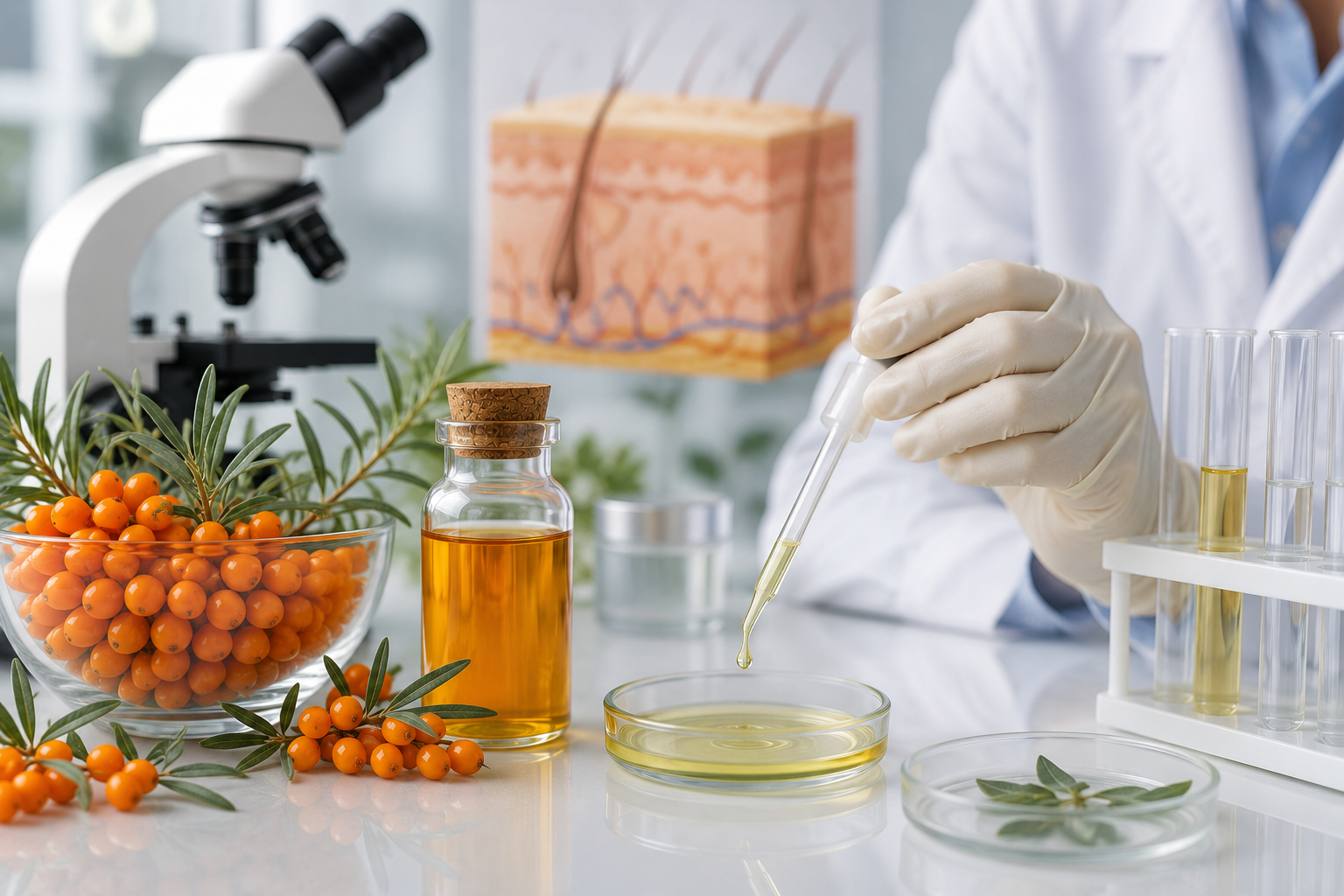
Some experimental research on sea buckthorn seed oil has shown promising signs towards skin hydration and barrier-related mechanisms. In one study, Sea Buckthorn seed oil increased the expression of hydration-related markers such as AQP3 and HAS2 in cultured human keratinocytes and reconstructed epidermis models.
However, it is important to note that such findings may come from laboratory or reconstructed-skin models and should not be interpreted as direct evidence of any cosmetic benefit in people.
What Remains Limited?
Many claims linking sea buckthorn to anti-aging, wrinkle reduction, or treatment of specific skin conditions still require more high-quality human clinical research. Reviews also note that a large portion of the available evidence on Sea Buckthorn oil is related to experimental studies or individual fatty acids, while evidence on the clinical effects of the entire composition of Sea Buckthorn oil is still limited.
Therefore, at present it is more appropriate to call Sea Buckthorn a promising botanical ingredient and not a proven treatment for any specific skin problem. Further well-controlled human studies are needed to understand long-term cosmetic outcomes and its effects on different skin types.
Conclusion
To understand Sea Buckthorn in the context of skin health, it is not enough to look at it only as a source of Omega-6 or any one fatty acid. The different fatty-acid profiles of Omega-3, Omega-6, Omega-7 and Omega-9 found in its seed and berry/pulp oils make it an interesting botanical ingredient.
Linoleic Acid (Omega-6) is important in the context of skin lipid metabolism and barrier biology, while Omega-3 and Omega-7 make Sea Buckthorn’s broader fatty-acid profile more distinctive. Healthy skin barrier is linked to moisture retention, softness and overall skin texture, so it is important to understand the role of fatty acids in the broader nutritional context of skin health.
However, it is important to maintain a distinction between evidence and claims here. Some experimental studies have shown promising findings on skin hydration and barrier-related mechanisms associated with Sea Buckthorn oil, but these cannot be considered direct evidence of long-term cosmetic benefits or treatment of any specific skin condition. More high-quality human research is still needed on anti-aging, wrinkle reduction and specific skin concerns.
So the most interesting thing about Sea Buckthorn lies not in any one “beauty nutrient,” but in its combination of broader fatty-acid profile and naturally occurring bioactive compounds. It is more scientific to look at it from this balanced perspective—neither treating it as a miracle skincare ingredient nor limiting its potential to just one fatty acid.
Ultimately, Sea Buckthorn can be viewed as a promising botanical ingredient, while further better-designed human clinical studies will be important to understand its true and long-term skin benefits.
Disclaimer
This article is for educational and informational purpose only. The information provided herein does not consider Sea Buckthorn or its oil as a substitute for diagnosis, treatment or prevention of any disease, skin condition or nutritional deficiency.
There are promising findings in Sea Buckthorn’s fatty-acid profile and skin-related research, but there is not enough high-quality human clinical evidence available for all cosmetic or skin-health claims. The results of laboratory or experimental studies should not be interpreted as directly proving cosmetic benefits on human skin.
For skin condition, persistent dryness, irritation, sensitivity or any other problem, seek proper advice from a qualified dermatologist or healthcare professional. Do not rely solely on the information in this article for treatment of a specific health condition.
Frequently Asked Questions (FAQs)
1. What is Sea Buckthorn?
Sea Buckthorn is a berry-producing plant, whose botanical name is Hippophae rhamnoides. Its orange-yellow berries and the oils obtained from them are a subject of interest in nutrition and skincare research.
2. Is Omega-6 found in Sea Buckthorn?
Yes, Omega-6 fatty acids like Linoleic Acid can be found specifically in Sea Buckthorn seed oil. However, its quantity may vary according to variety, growing conditions and extraction method.
3. Why is Sea Buckthorn interesting for the skin?
Different fatty acids and other bioactive compounds are found in its oils. This broader composition makes it interesting in terms of skin barrier, lipid metabolism and cosmetic research.
4. Does Sea Buckthorn only contain Omega-6?
No. Fatty acids like Omega-3, Omega-6, Omega-7 and Omega-9 can be found in its different oils. Their quantity and proportion may vary according to the source and processing of the oil.
5. What is the difference between Sea Buckthorn seed oil and pulp oil?
The fatty-acid composition of seed oil and berry/pulp oil is not the same. The profile of polyunsaturated fatty acids in seed oil may be different, while the presence of palmitoleic acid i.e. Omega-7 in pulp/berry oil may be more distinctive.
6. Does Sea Buckthorn increase skin hydration?
Some experimental research has found promising findings on hydration and barrier-related mechanisms associated with Sea Buckthorn seed oil. But these should not be considered as definitive proof of direct human cosmetic benefit.
7. Is Sea Buckthorn an anti-aging ingredient?
Sea Buckthorn has received research interest as an anti-aging ingredient, but sufficient high-quality human clinical evidence is needed for wrinkles or long-term anti-aging effects. Therefore, it would not be appropriate to call it a proven anti-aging treatment.
8. Is Sea Buckthorn a treatment for dry or sensitive skin?
No. Sea Buckthorn should not be considered a proven treatment for any specific skin condition. Dryness or sensitivity can have many different causes and proper evaluation may be necessary.
9. Is the fatty-acid profile of Sea Buckthorn always the same?
No. Factors such as cultivar, geographical origin, growing conditions, fruit maturity, plant part and extraction method can affect fatty-acid composition.
10. Is it correct to consider Sea Buckthorn as the only Omega-6 source?
No. Its nutritional and cosmetic interest is not limited to Omega-6 only. Its broader fatty-acid profile and other naturally occurring bioactive compounds are an important part of its overall botanical profile.
11. Is human research available on Sea Buckthorn?
Research is available on Sea Buckthorn, but the strength of evidence varies in different areas. Some findings come from experimental or laboratory models, while more well-controlled human studies are needed for specific cosmetic outcomes and long-term effects.
12. Can Sea Buckthorn oil be used directly on the skin?
It depends on the product formulation and individual skin tolerance. Before using any new topical oil or cosmetic product, you should keep in mind its formulation, ingredients and your skin sensitivity.
Also Read:
Omega-6 is vital for caring for everything from the skin itself to the skin barrier

Emanual Massey is a healthcare, lifestyle, and beauty content writer with over 7 years of professional experience. He specializes in writing SEO-optimized, research-based articles on health, wellness, nutrition, skincare, beauty, and Ayurveda. His mission is to simplify complex topics into practical, reader-friendly content that empowers people to make healthier lifestyle choices. Passionate about continuous learning and evidence-based writing, Emanual creates informative and engaging blogs that combine accuracy, readability, and search engine optimization.

One thought on “Know the connection between Omega-6 and Sea Buckthorn”