1. Abstract:
Hair and scalp health are crucial aspects of overall personal health and well-being. Many factors, including genetics, age, hormonal changes and nutrition, and medical conditions, Proper hair care can help maintain the strength, health, appearance, and manageability of hair while reducing preventable breakage and damage. Environmental exposures, and daily hair-care practice, can affect hair.
In this article offers a fact-based overview of healthy hair and scalp care. It complete covers hair and scalp types, proper cleansing and conditioning practices, damage prevention, nutrition, management of common hair problems, and safe use of hair-care products.
It also discusses common causes of hair shedding and loss, and when it’s ecessary to seek medical advice. The article emphasizes that there isn’t a universal hair-care routine. Hair-care methods should be tailored to each person’s hair type, lifestyle, scalp condition and medical wants. Health and dermatology organizations such as the American Academy of Dermatology (AAD), National Institutes of Health (NIH), World Health Organization (WHO), and National Health Service (NHS) support the advice provided. Special attention is given to avoiding unverified claims about supplements, oils, and home remedies.
Generic hair problems:
Generic hair issues include, dandruff, dryness, frizz, split ends, oily scalp, hair breakage, excessive shedding, and thinning. These are all issues can stem from, poor nutrition, genetics, environmental factors, heat styling, chemical treatments, scalp conditions, or certain medical issues. Any persistent or sudden hair loss should be assessed by a healthcare professional.
2. Understanding Your Hair Types:
The hair texture thickness, curl pattern, moisture level, and scalp oiliness very. So, the as it as routine and products may not be right for everyone.
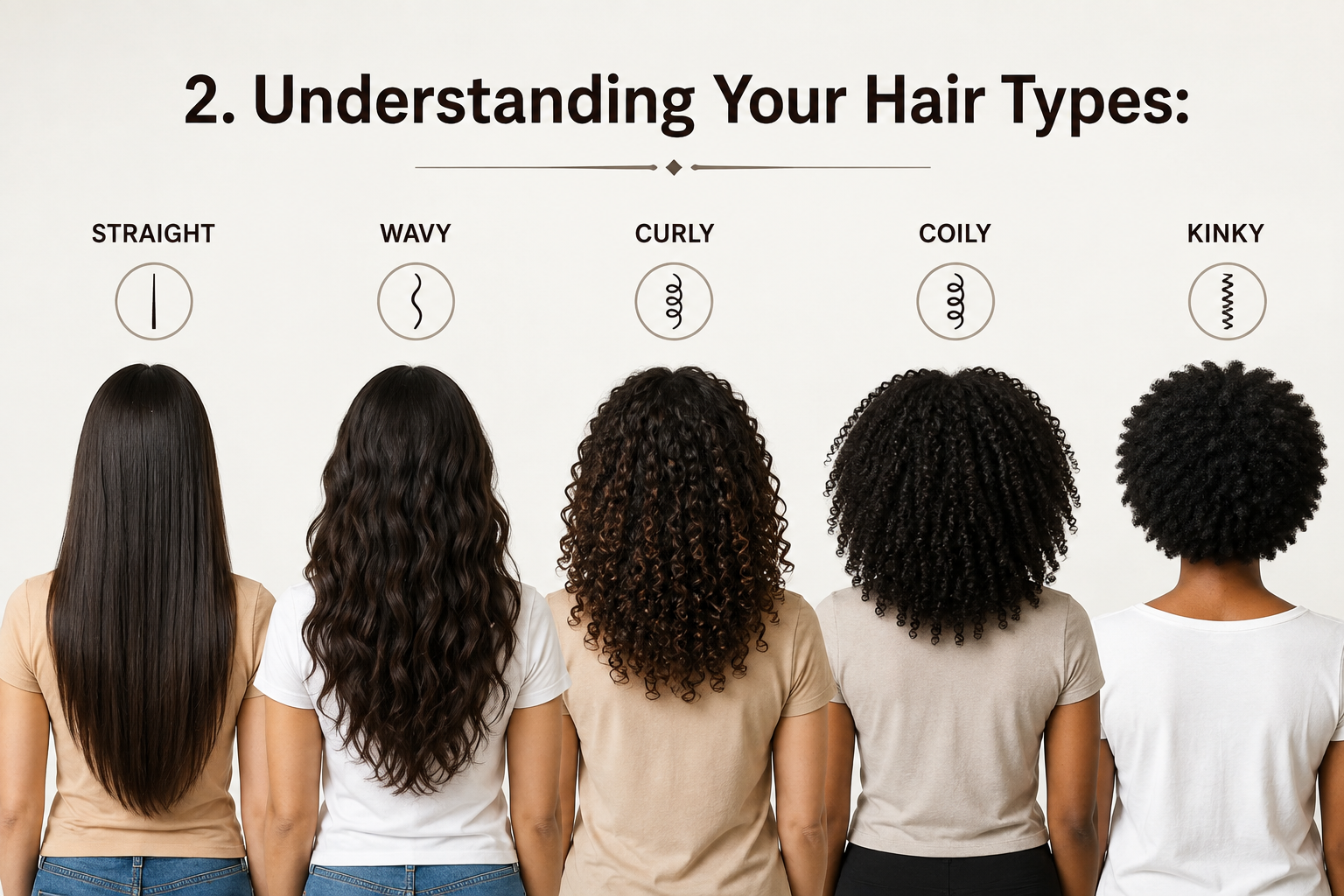
Straight, Wavy, Curly, and Coily Hairs
Naturally straight hair falls from the scalp , it can be categorized as follows, whereas wavy hair forms a curved shape; curly hair exhibits more pronounced curls, while coily hair features tight curls or coils.
Dry vs. Oily Scalp
A health scalp is essential for overall maintaining hair health, the scalp serves as hair growth, and its condition can impact the appearance and strength of your hair. Knowing your scalp type, whether it’s dry or oily, is most important is hair care routine to address specific needs and challenges. Each scalp type requirement is a unique approach to ensure it remains health and balanced.
Why Identifying Your Hair Types Matter
Your hair type allow you to make confident and better choices about shampoo, conditioner, best treatments styles products, and how often to washing your hair. It can support prevent excessive dryness, tangling, product breakage and build-up. A personalized mentality is most important because hair texture and scalp condition can change with due to age over time, hormones, chemical treatments, lifestyle and environmental factors. Select the products and using gentle approaches can lean to healthier-looking and more manageable hair.
3. Basic Hair-Care Routine:
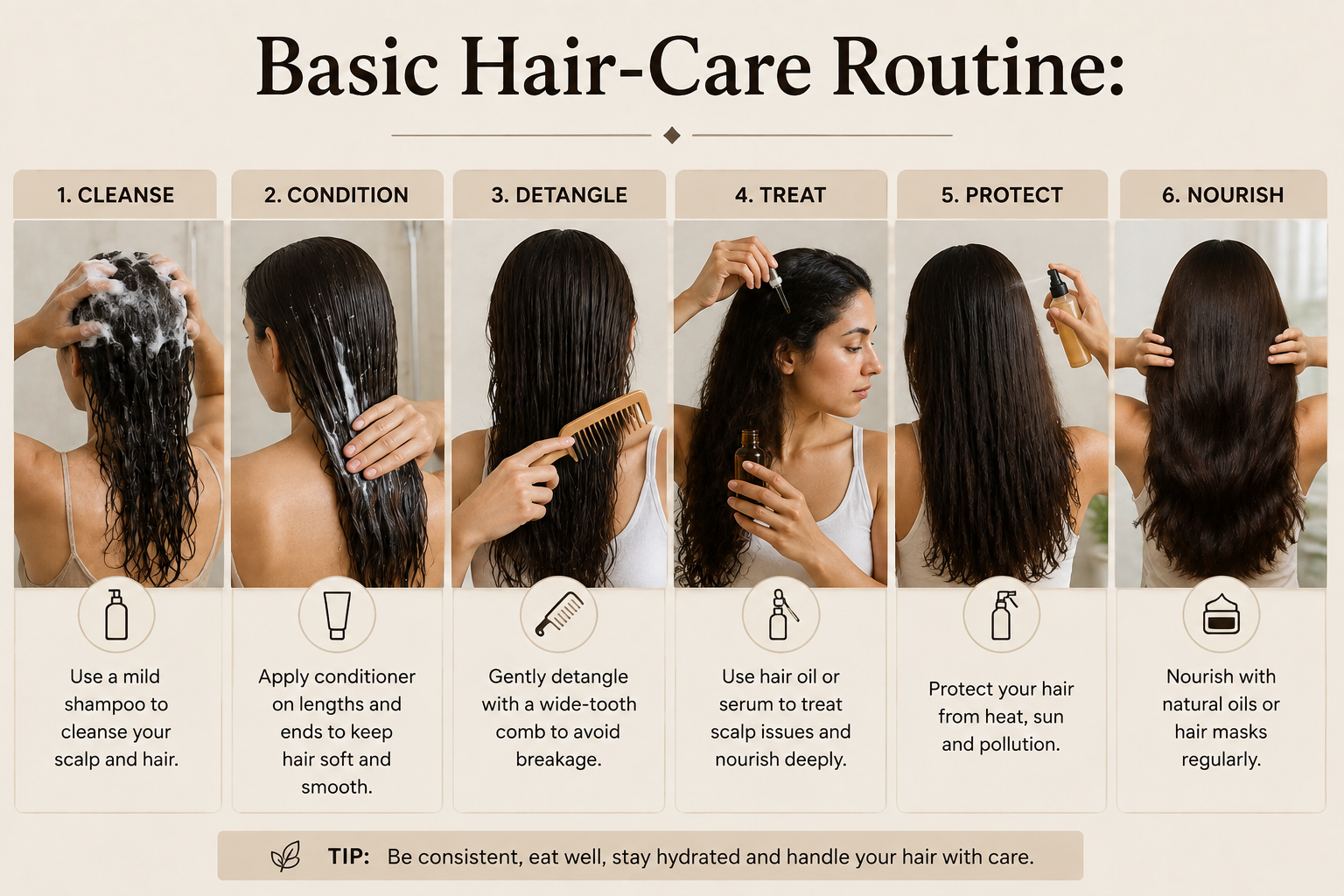
A consistent hair-care routine helps maintain cleanliness, moisture, shining, manageability, and overall hair appearance.
How Often to Wash Your Hair:
you should generally hair be washed based on how quickly your scalp oily and dirty Dry, curly, coily, or thick hair may need washing less frequently.Regular cleansing helps eliminate excess oil, dead skin cells, sweat, and product build-up.
Why Choosing Lebrostone Herbal Dry Shampoo:
Choosing Lebrostone Herbal Dry Shampoo is a decision driven by its natural ingredients and chemical-free formula. The blend of Amla, Reetha, Shikakai, Rosemary, Hibiscus, Bhringraj, and Multani Mitti is designed to cleanse and refresh hair naturally without water. It helps absorb excess oil, remove build-up, and keep the scalp feeling clean and fresh. The herbal ingredients are known for supporting healthy-looking hair, improving scalp hygiene, and maintaining natural shine.
Regular use helps reduce dullness, manage greasiness, and keep hair feeling light and manageable. This shampoo is suitable for all hair types, ideal for travel, water-free cleansing, and those who prefer a chemical-free hair care routine.
Using Conditioner:
Conditioner improves moisture, softness, manageability, and detangling after shampooing. It can also reduce friction between hair strands, which helps minimize breakage. Fine or straight hair may only need conditioner on the ends, while dry, curly, or coily hair may require it throughout more of the length. Leave-in conditioners or detangling products may be beneficial for particularly dry or fragile hair.
Combing and Detangling:
Hair is more prone to breakage when wet, so it should be handled carefully. Avoid pulling or tugging through knots.
Drying Your Hair Properly:
Proper drying is an important but often overlooked part of hair care. Rubbing too hard with a towel and using high heat can lead to damage. Avoid vigorous drying. Let hair air-dry when possible. If using a blow-dryer, select a low or medium heat setting. Gentle drying and reduced heat exposure can help prevent damage and breakage.
4. How to Keep Your Scalp Healthy:
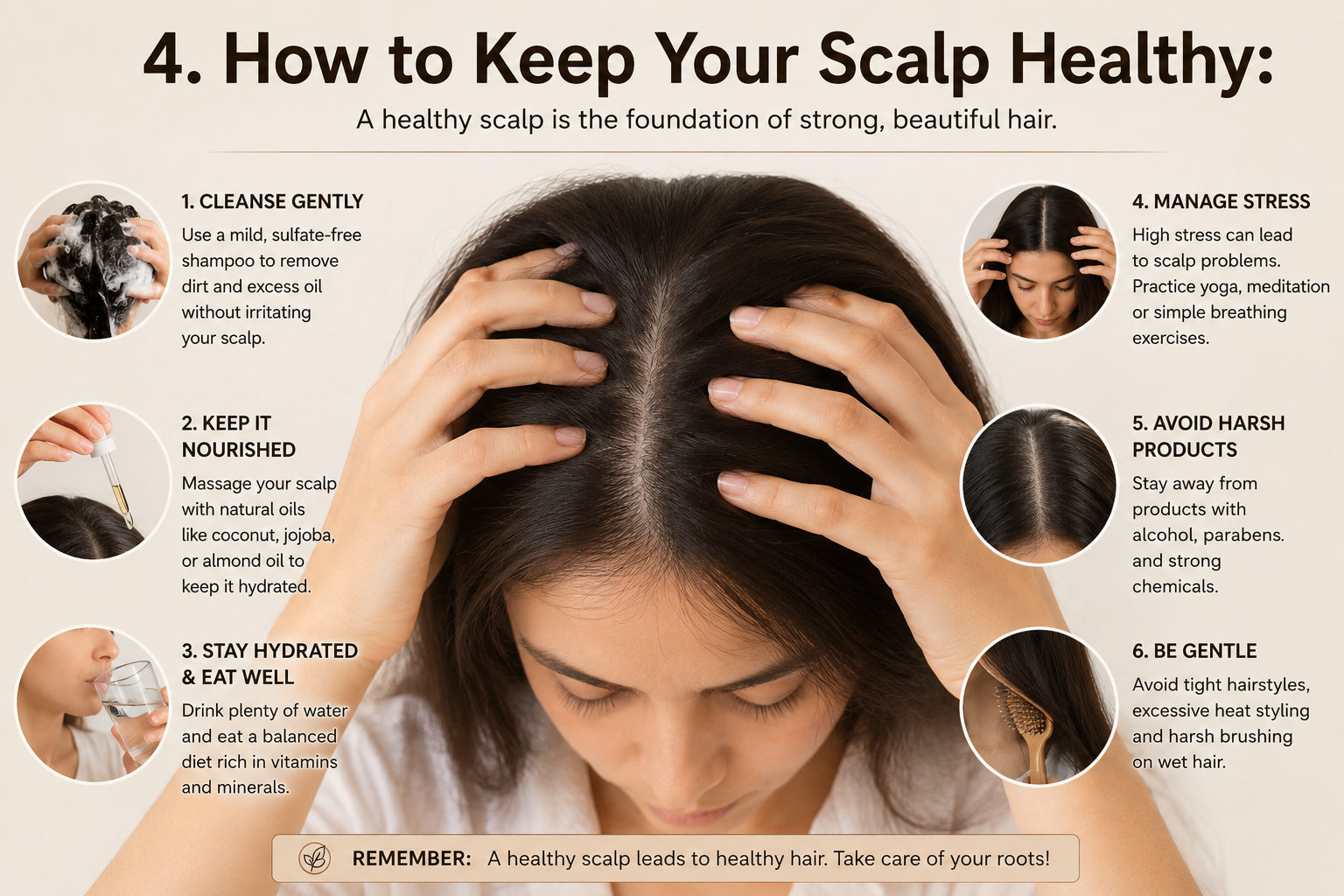
A health scalp is the foundation of healthy- looking for hair: properly scalp care routine help remove excess oil, sweat, dead skin, product residue, micro-organism, while also alleviating irritation and build-up. Hair care is the foundation gentle and the individual’s specific mostly scalp and hair types.
Scalp Cleansing:
Regular scalp cleansing is key to maintaining cleanliness and comfort. Shampoo should be applied mostly to the scalp and massaged gently rather than scratched harshly.
Use a suitable shampoo for your scalp type:
Hence please avoid the harsh rubbing or scratching
Adjust the wash based on oiliness and product build-up.
Harsh products that cause dryness or irritation and damage you hair.
Managing Oil and Product Build-up:
Styling-products and Essential oil surplus can build-up on the scalp and lead to discomfort. Dry shampoo can absorbed oil basically but does not replace regular washing hair with the water.
To manage build-up effectively:
Cleaning the scalp and hair proper day wise.
Styling products uses are limited.
Use dry shampoo only as a temporary measure between washes.
Choose the products that match your hairs texture and scalp type.
Cleansing products thoroughly.
Product causes ongoing itching, burning, redness, or irritation, stop using it and seek Medical advice.
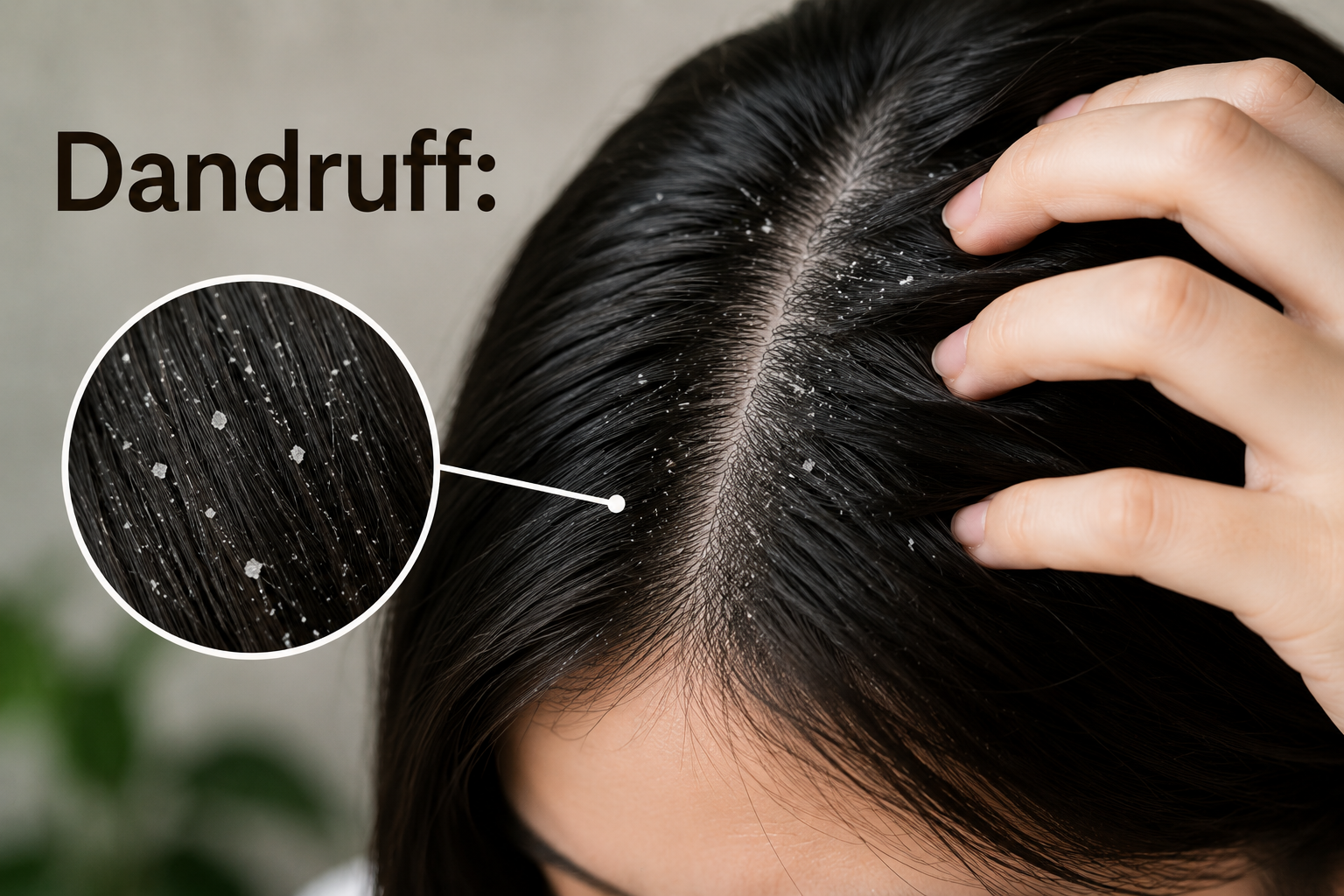
Dandruff:
Is a most common problem where flakes are seen, and some people also experience itching. It does not happen just because not keeping it clean, but it can also be related to oily skin and hair care methods.
A better anti-dandruff shampoo pretend with mild dandruff. Common active ingredients includes ketoconazole, sulphur, coal tar, pyrithione, salicylic acid, selenium sulphide which depends on the products and the country. If is severe, the scalp becomes red or swollen, or symptoms don’t improve with proper treatment, consult a healthcare professional or dermatologist.
Avoiding Excessive Scratching:
When the scalp itches, the infection keeps increasing, which makes you want to keep scratching, but scratching repeatedly and hard can cause the skin to burn and worsen existing scalp problems. Dermatologist advice against scratching repeatedly and hard can cause the skin to burn and worsen existing scalp problems.
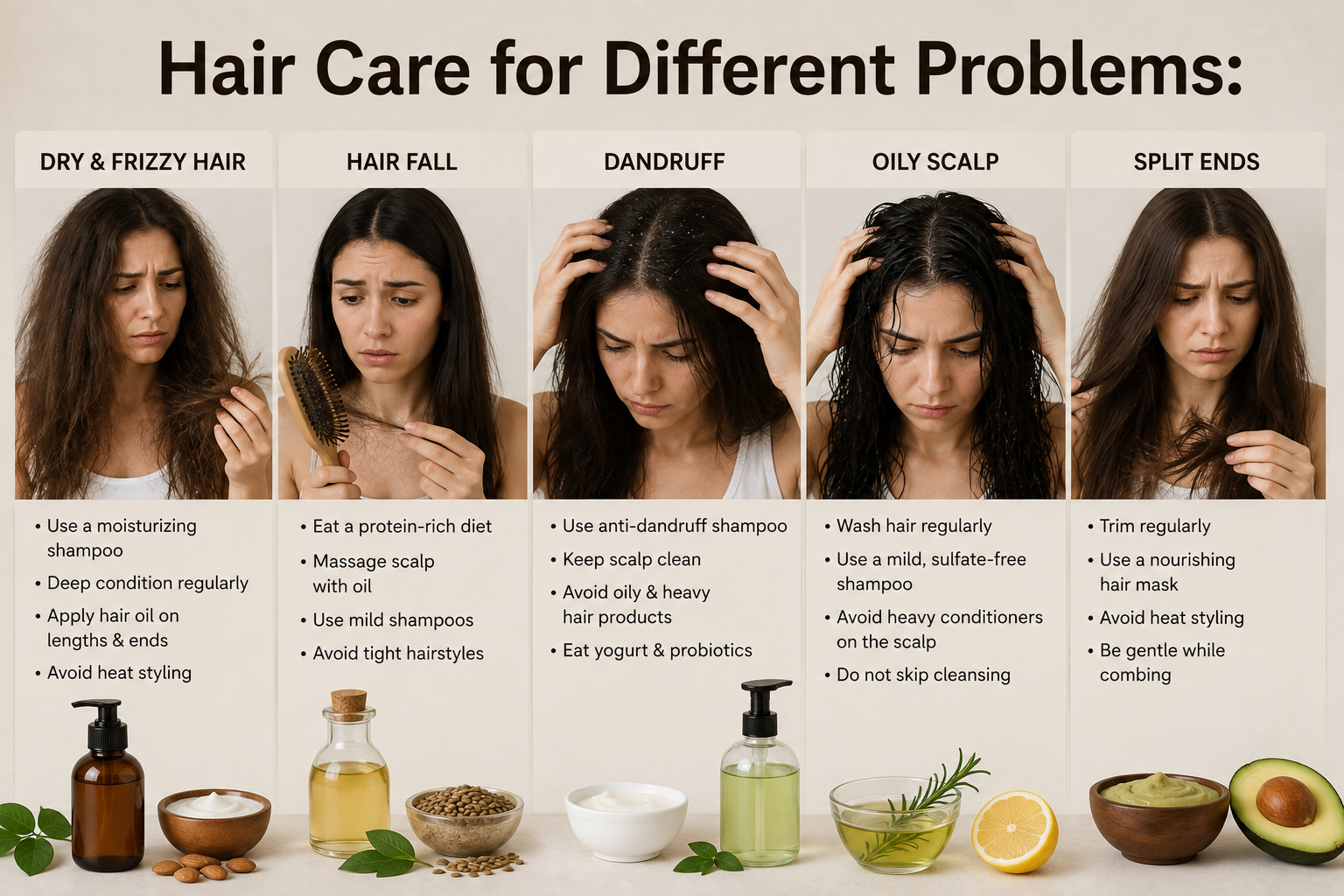
5. Hair Care for Different Problems:
Various
hair concerns need different hair problems, it’s necessary to try various care methods, Issues like scalp dryness, frizz, hair breakage, texture, environmental factors, chemical treatments, oily hair, split ends and heat styling, even daily care can have an impact. Finding out the real cause helps in choosing the right and effective hair care routine.
Dry and Damaged Hair:
Dry and damaged hair starts to feel rough, week, and makes you feel less confident. And also hair can get damaged from repeated heat styling, colouring, chemical straightening, too much sun, bleaching and rough handling.
Recommended care:
• You should use a moisturizing conditioner after shampooing while cleaning you hair.
• Don’t use heat styling too often and always use the lowest temperature possible.
• You should be avoid the Chemical treatments.
• When you hair is tangled, use a wide-toothed comb.
• Handle your hair gently and use conditioner on a regular basis
Sticking to a good conditioning routine can help make your hair smoother and easier to manage.
Oily Hair:
Excess production of sebum on the scalp usually makes
hair oily, hair can look sticky, lifeless, and heavy especially when the scalp hasn’t been properly cleaned and care.
Recommended care:
• You should wash your hair according to the amount of oily scalp.
• You should shampooing mainly be applied well on the scalp.
• You shouldn’t always use dry shampoo for regular hair washing.
Hair Breakage:
Along with weak hair, soft hair also starts breaking down which is called hair breakage. This can happen due to excessive heat, chemical treatments, rubbing with a brush too hard, too tight hairstyles, repeated mechanical stress, irregular diet and eating fast food.
Recommended care:
• You should avoid tight hairstyles that pull your hair.
• You should use conditioner to help with manageability.
• You should detangle your hair gently and especially when hair is wet.
• Don’t repeatedly brush and tug when your hair are fragile.
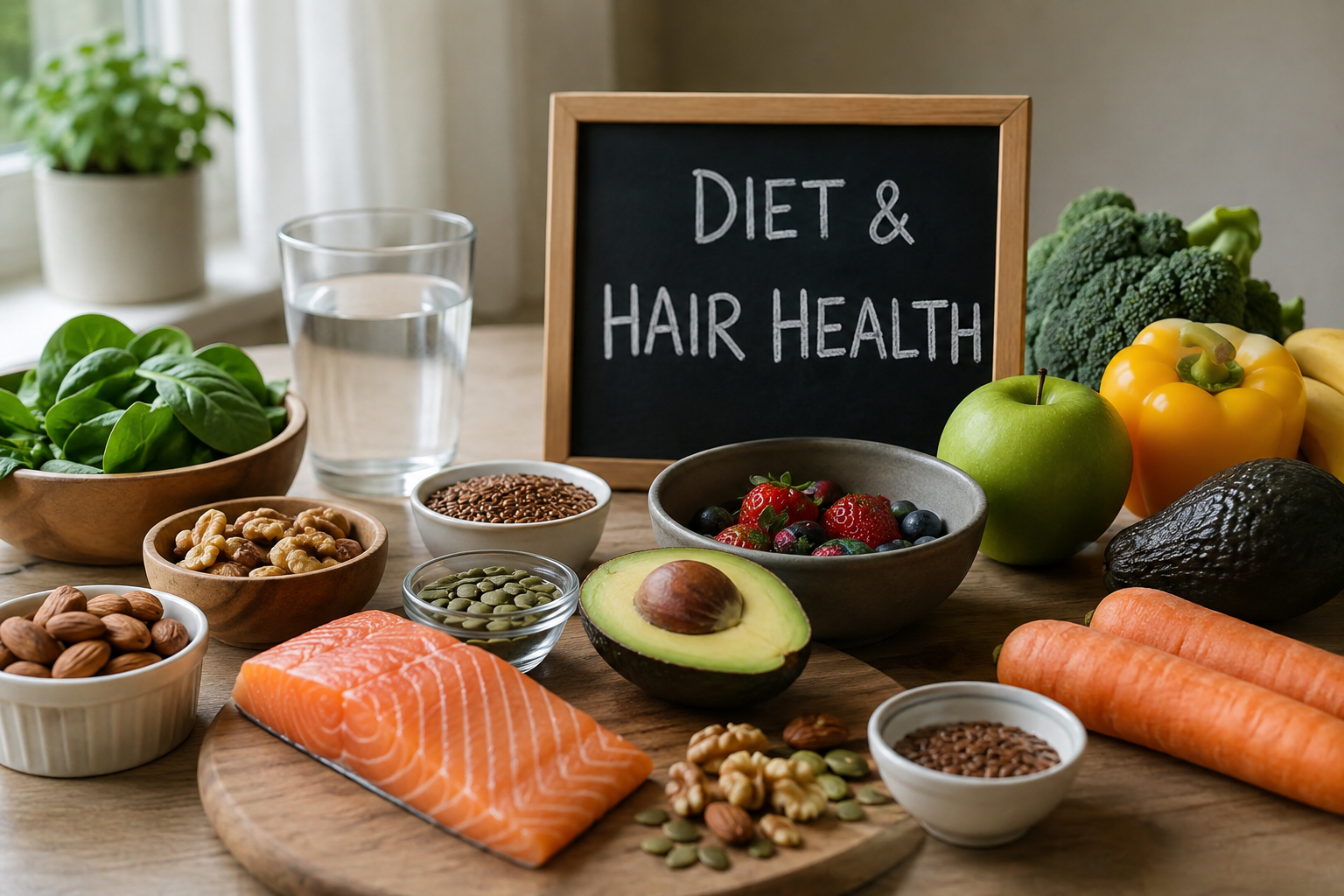
6. Diet and Hair Health:
Nutrition is key to keeping hair healthy. Protein, iron, vitamins, minerals, and energy liquids are needed for the growth and maintenance of the body. But hair doesn’t always fall out just because of diet; overuse of chemical supplements also plays an important role in damaging hair. You should use
OMEGA3 for better health and healthy and shiny hair.
Protein:
Protein is a very important elements for the hair structure. A lack of protein makes hair weak and causes it to fall out. In you balanced diet, you should include eggs, dairy products, meat lentils, beans, fish, nuts and other sources of protein.
Iron and Other Nutrients:
For the hair health, having the right levels of nutrients like iron, zinc and other vitamins and minerals is very important. Some people start lose hair due to deficiency in these nutrients, while high dose supplements shouldn’t be taken without consulting a doctor.
Hydration:
Drinking water is really important for health and keeps the body active, but believing that just drinking water will stop hair from falling is wrong; along with staying hydrated, one should also follow a balanced diet and proper hair care practices.
Balanced Diet:
Relying on a variety of foods and a balanced diet is much better that just focusing on hair growth foods or supplements. This can include fruits, whole pulses, grains, protein-rich, dairy products, vegetables and seeds. But taking too much or too few nutrients can also lead to hair fall.
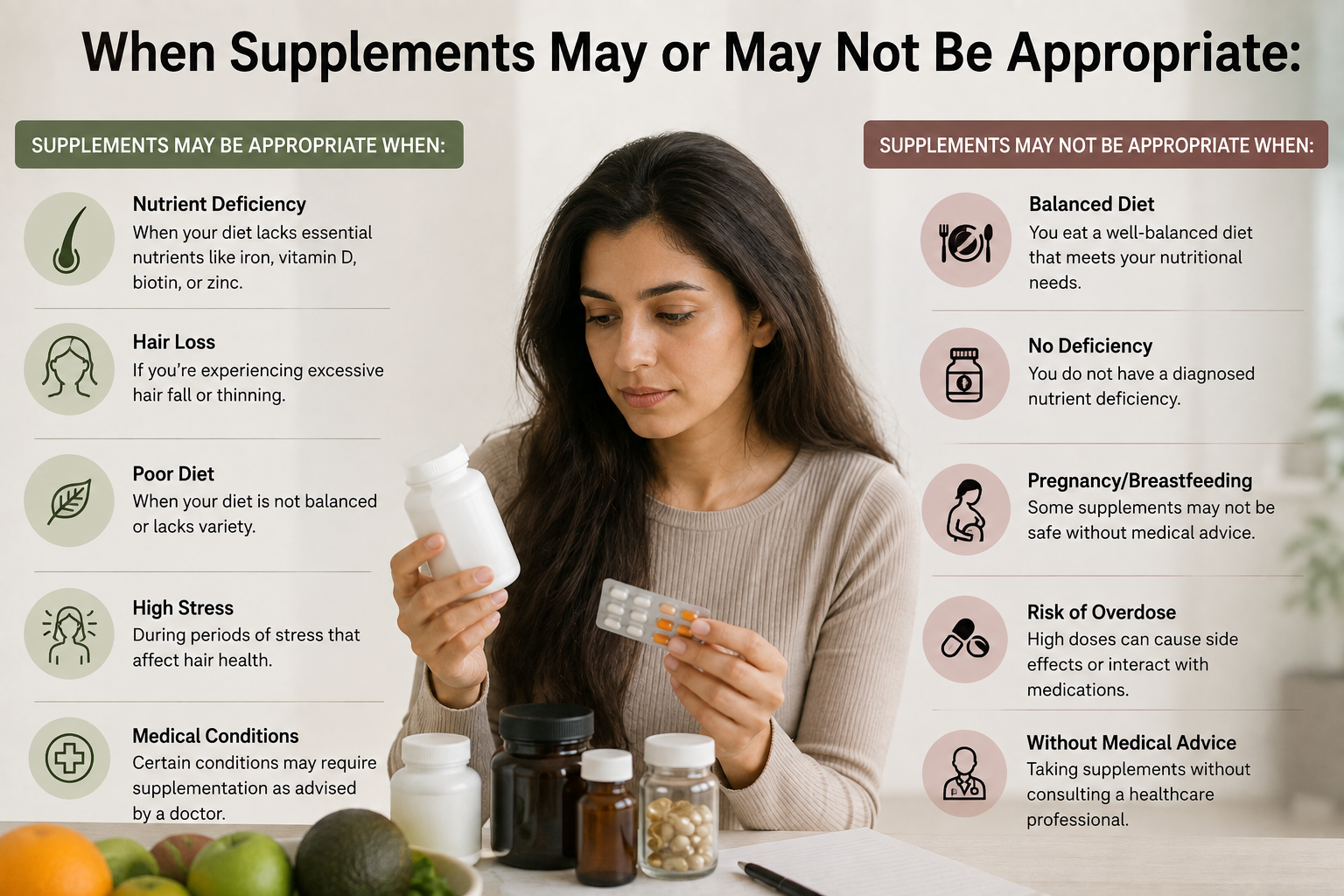
7. When Supplements May or May Not Be Appropriate:
Dietary supplements may not be appropriate in certain situations, such as when a person is on medication that could interact with the supplement or has a specific health condition that requires medical supervision. It is crucial to consult with a healthcare provider before taking any dietary supplements, especially if they are taking prescription medications or have underlying health conditions.
Some dietary supplements, including those containing individual vitamins and minerals, are essential components of evidence-based medical care. The efficacy and safety of vitamins, minerals, and certain botanical agents in adults are reviewed elsewhere.
https://www.uptodate.com/Hair supplements are often promoted for boosting hair growth, but they aren’t necessary for everyone. They may be suitable when a health professional identifies a nutritional deficiency or medical need.
American Academy of Dermatology.Before taking supplements:
• Deficiency Matters: Supplements are most effective when correcting a nutrient deficiency. If you are not deficient, supplementation may offer limited benefit and could cause harm in excess
Forbes.
• Underlying Causes:
Hormonal imbalances, thyroid issues, or high DHT levels can affect hair growth. Addressing these underlying conditions is often more effective than supplementation alone
Dr. Westin Childs.• Consistency:
Hair growth is slow, and supplements typically require at least 2–6 months of consistent use to show noticeable results
Dr. Westin Childs.• Diet First:
A nutrient-rich diet with leafy greens, fatty fish, eggs, legumes, and nuts provides the foundation for healthy hair growth
Dr. Westin ChildsCommon Hair-Care Mistakes:
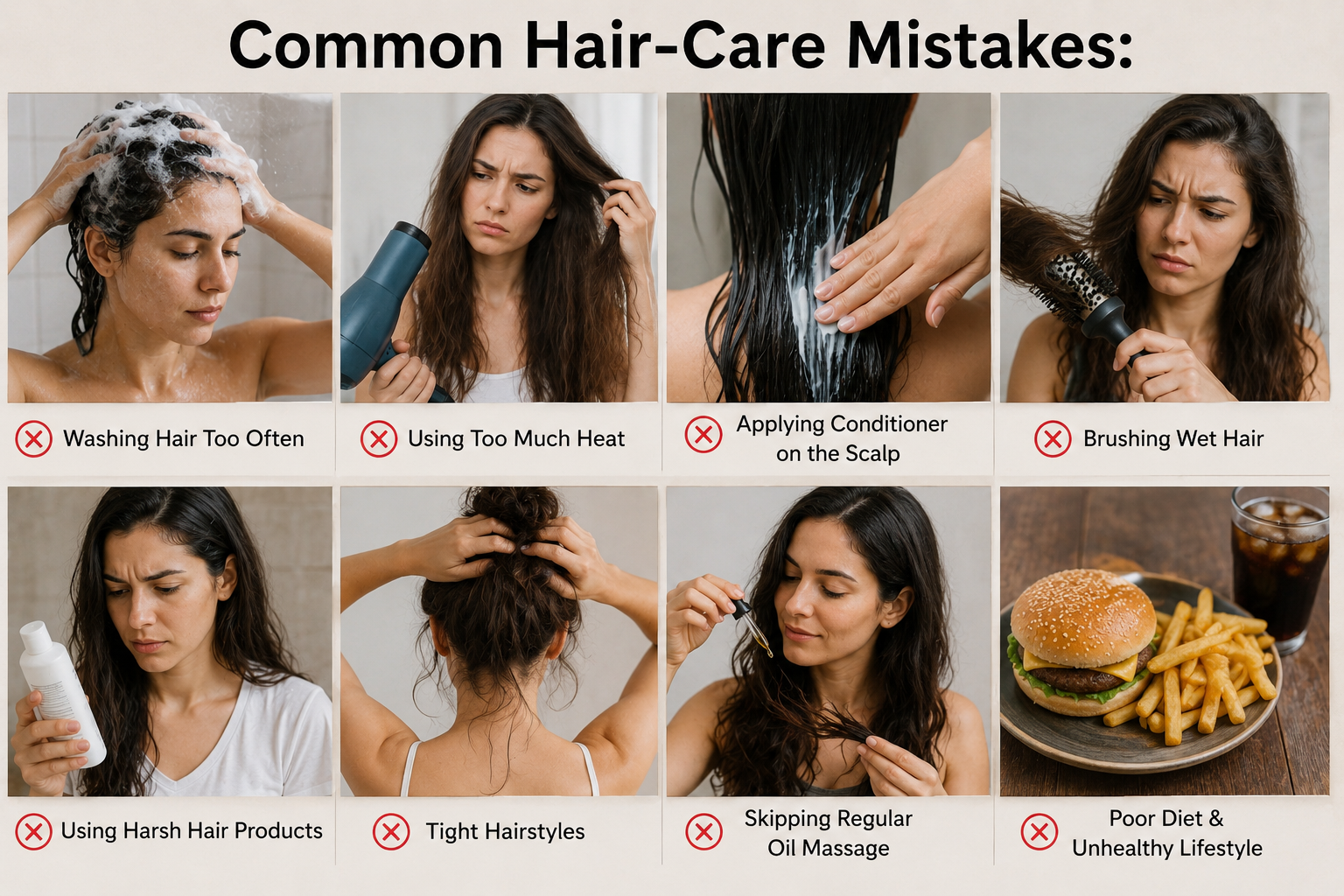
Due to common mistakes while taking care of hair daily, hair can gradually become dry and damaged. Dermatologists advise handling hair gently. They recommend proper clean and conditioning, and avoid the excessive heat and pulling.
Over-Washing:
Washing too often can cause dryness in some hair types. Not washing enough can allow oil, dead skin, and product build-up to accumulate. The right frequency depends on how oily your scalp gets, your hair type, and your individual needs. Shampoo should mainly be applied to the scalp instead of rubbing the whole length of hair harshly.
Tight Hairstyles:
Repeatedly tight hairstyle, braids, cornrows, buns, extension and other hairstyles that pull on the hair can lead to stress-related hair loss and breakage. Opt for looser hairstyles and change hairstyle often.
Aggressive Brushing:
Too much brushing, detangling very hardly, pulling hair can harm fragile hair and increase the hair breakage.
Using Too Many Hair Products:
Using several styling and treatment products can lead to build-up, dryness, irritation, or difficulty managing your hair. Long-lasting hold products and excessive styling can also cause damage when combined with frequent brushing or manipulation.
A better strategy is to:
• Choose the suitable products for your hair and scalp type.
• You should avoid layering multiple products unnecessarily.
• You should cleaning regularly to manage the build-up.
• You should stop used the product if it causes ongoing irritation.
8. Natural Hair-Care Tips
In a natural hair care routine is given to gently handling the hair, maintaining scalp safety, proper moisturization and avoid the ingredients that cause irritation, although ‘natural’ means it is not necessarily safe or scientifically proven. For an officially health website, cosmetic benefits should be distinguished from medically proven treatments.
Gentle Scalp Massage:
In a hair care routine, the scalp should be massaged gently, fingers should be used instead of nails, and you should avoid rubbing or scratching hard.
• You should massage gently for a few minutes.
• You should avoid scratching irritated or infected areas.
• Stop if there is burning or pain.
• Scalp massage should not be considered a guaranteed cure for hair fall.
• A gentle scalp massage can be part of a relaxing hair-care routine. Use your fingertips rather that your nails and avoid vigorous rubbing or scratching.
Protecting Hair from Sun and Pollution:
Very long exposure to the environment can affect your hair and scalp condition and appearance. Too much UV rays might cause dryness and damage, while dust and pollutants can build up on the hair and scalp.
Helpful tips include:
• During the extended periods in strong sunlight to protect you should wear a hat or scarf.
• When your hair is too thin so protect your scalp.
• Cleanse the scalp gently after dirty to dust, sweat and pollution.
• You should avoid excessive heat exposure when in too much sunlight.
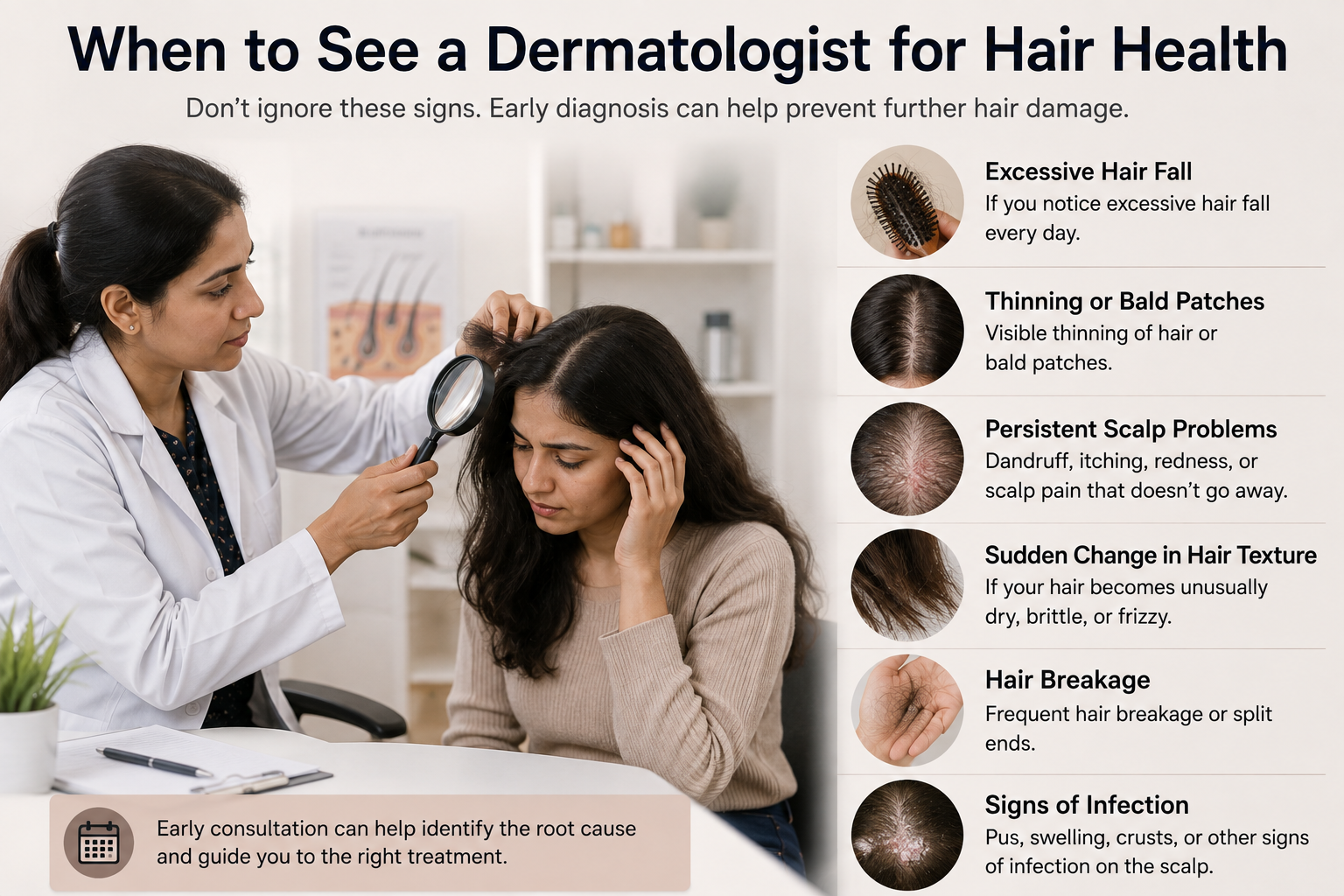
When to See a Dermatologist for hair health:
Hair shedding and scalp issues are common, but sudden, ongoing, or unexplained changes might point to an underlying medical issue. A dermatologist can examine your scalp and hair, identify possible causes, and suggest necessary treatments. Sudden, patchy, or painful hairs losses: In these all symptoms may indicate a serious condition that requires immediate attention. Persistent or worsening hair loss: If hair losses are regularly beyond typical shedding, it may be time to seek a dermatologist’s evaluation.
Scalp inflammation: Symptoms like redness, itching, or flaking can suggest a scalp condition that needs professional help. Texture changes: Changes in hair’s texture, such as brittleness or dullness, may indicate an underlying issue that needs to be addressed. Hair loss symptoms: If hair loss is accompanied by other symptoms like scalp pain or redness, it may be a sign of a medical issue.
It’s important to consult a dermatologist for a proper diagnosis and treatment plan, especially if you’re experiencing persistent or severe hair loss. They can provide the necessary care to prevent long-term follicle damage and preserve remaining hair.
10. Conclusion:
Healthy hair starts with regular and personal care. Understanding your hair and scalp type can help you pick the right conditioning and styling. Hair fall caused by scalp issues can’t always be fixed with just cosmetic products or home remedies. A balanced diet, proper nutrients, careful handling, and avoiding extreme heat and stress can help reduce hair damage. If you experience sudden hair fall, continuous scalp symptoms, a lot of dandruff, or thinning hair, you should see a dermatologist or healthcare professional.
Overall, maintaining healthy hair requires gentle care practices, good nutrition, protection from excessive chemicals and heat, appropriate scalp care, and timely visits to a qualified healthcare professional if you experience persistent or unexplained hair or scalp issues.
“Disclaimer:
This content is for general informational and educational purposes only and is not a substitute for professional medical advice. Hair and scalp concerns may vary from person to person. For persistent or severe hair loss or scalp problems, consult a qualified dermatologist. Individual results may vary.”
11. Frequently Asked Questions (FAQs)
• How often should I wash my hair?
Wash your hair based on your scalp type, how oily it is, how much you sweat, and your lifestyle. A clean scalp supports healthy hair and reduces build-up.
• Which shampoo is best for my hair type?
Choose a gentle shampoo that matches your scalp and hair needs. Avoid products that cause excessive dryness, irritation, or itching.
• How can I reduce hair breakage?
Avoid excessive heat, tight hairstyles, and harsh chemical treatments. Use conditioner and handle wet hair gently.
• Is daily hair oiling necessary?
Daily oiling isn’t necessary for everyone. Oil can help with dryness and manageability, but your routine should suit your scalp and hair type.
• Can diet affect hair health?
Yes, a balanced diet provides essential nutrients for normal hair growth and maintenance. Adequate protein, vitamins, minerals, and hydration are important.
• When should I see a dermatologist?
Consult a dermatologist if hair loss is sudden, severe, persistent, or accompanied by scalp itching, redness, or scaling. Early evaluation can help identify possible causes.
• Is dandruff a sign of poor hygiene?
No, dandruff doesn’t just result from poor hygiene. It can be linked to scalp oiliness, yeast overgrowth, sensitivity, or other scalp conditions.
• Can supplements improve hair growth?
Supplements may help if there’s a nutritional deficiency, but they aren’t necessary for everyone. Consult a healthcare professional before taking any supplements.
• Can diet, nutrition, and hair-care products affect hair health?
Yes, nutrition and hair-care practices can influence hair and scalp health. Choose a balanced diet and products appropriate for your specific hair and scalp needs.
Also read:
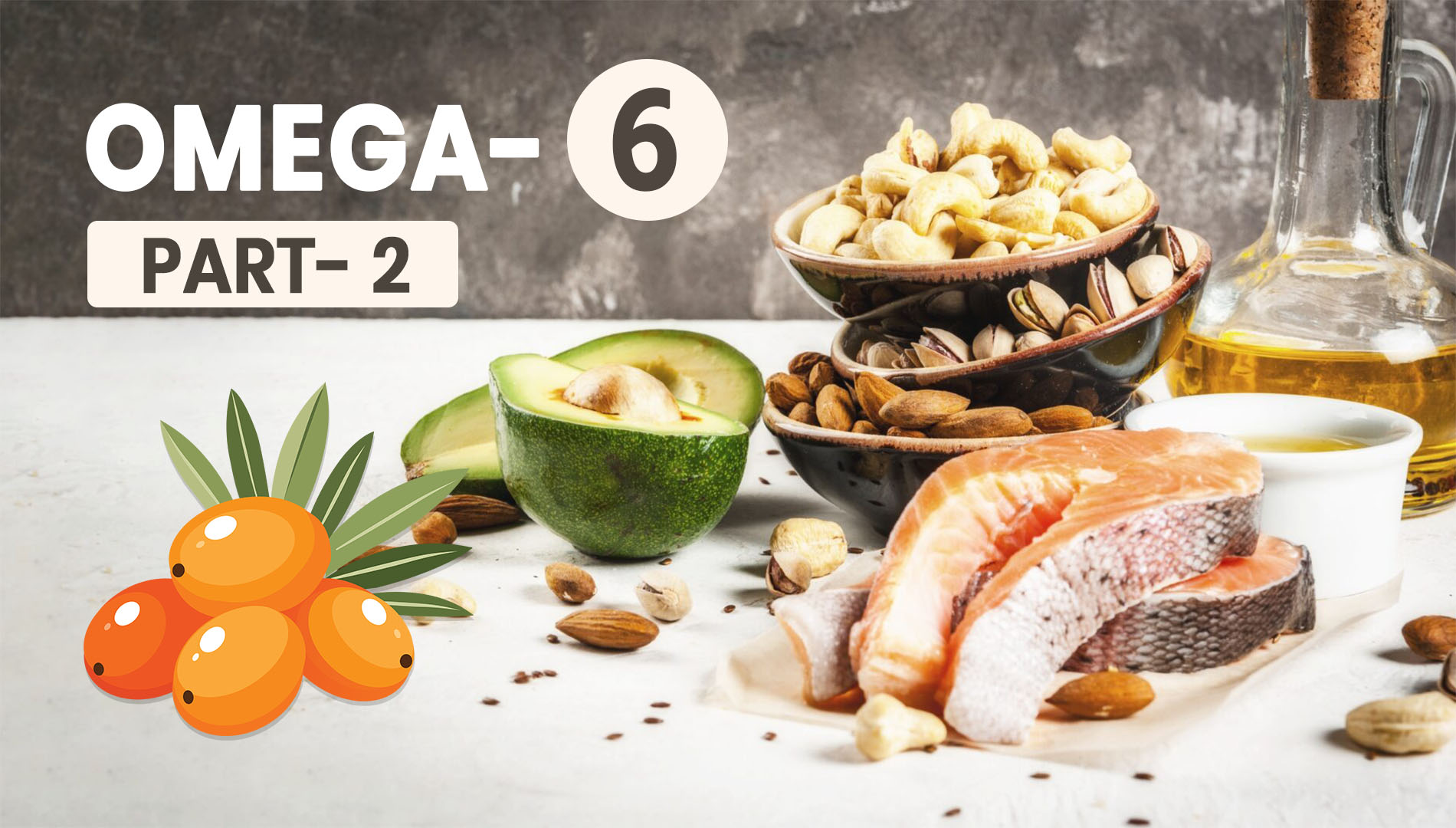
Omega-6 is vital for caring for everything from the skin itself to the skin barrier
5 unique myths related to Vitamin C
Riya Asati is an assistant professor and JRF-qualified researcher with 3+ years of experience in research-based content writing. Her expertise includes healthcare, medical, wellness, and educational content. She focuses on presenting health information in a clear, accurate, evidence-informed, and easy-to-understand manner. Through her writing, she aims to help readers understand important health topics and make informed decisions about their well-being.



4 thoughts on “Complete Hair Care Guide: 10 Essential Tips for Healthy Hair Care”