
Abstract
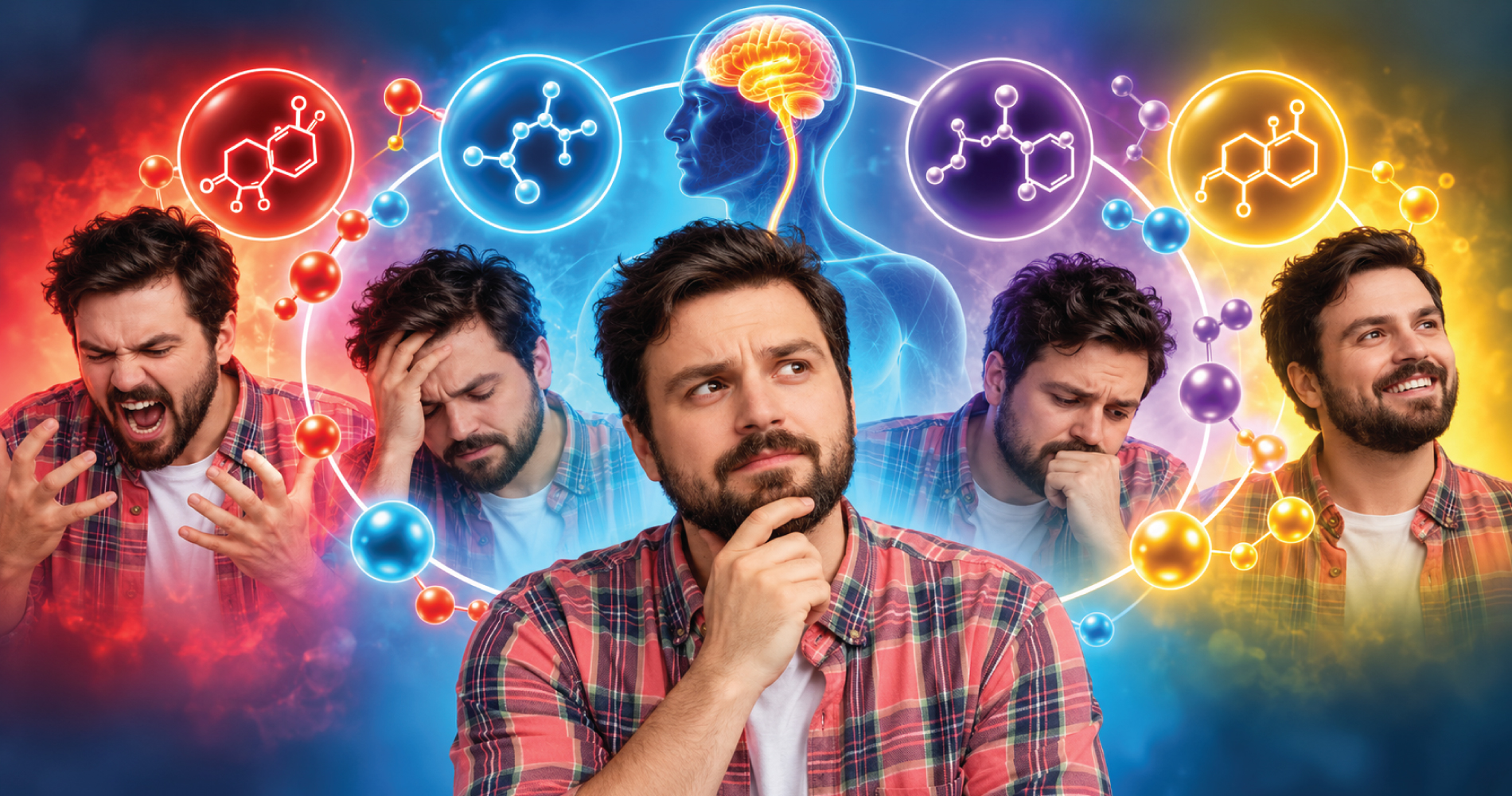
Men do not have menstrual periods like women, but their bodies also undergo hormonal changes. Along with these changes, stress, lack of sleep, mental health issues, and physical problems can affect men’s mood.
Mood swings in men are a real experience, but calling them men’s periods is not scientifically accurate. Fluctuations in testosterone levels are part of a normal biological process. This does not mean that every instance of anger, sadness, or irritability is caused by a lack of hormones.
This article explains in detail men’s mood swings, hormonal changes, the role of testosterone, mental health, possible symptoms, and scientific research. It also discusses which lifestyle changes may be helpful and in which situations it is necessary to seek medical advice.
Introduction: Do men’s moods change every month too?
Sometimes anger arises without any major reason. Sometimes a small thing keeps running through the mind all day. At times one does not feel like talking, and at other times the same person feels more sensitive than usual. Such experiences are not limited to women.
Men also go through sadness, irritability, restlessness, and emotional ups and downs. The difference is that men’s experiences are often not discussed openly. This is where an interesting question arises.
Do men also get periods?
Do their bodies also undergo certain hormonal changes every month that cause their moods to change? There is genuine curiosity behind this question, but it is important to understand the scientific answer. In men, testosterone levels can change at different times of the day.
In the morning, the level is generally higher and tends to decrease as the day progresses. Differences in this change can be seen according to age and physical conditions. However, a change in testosterone levels and menstruation are two different biological processes.

According to current scientific understanding, the normal male reproductive system does not have regular menstruation like women do. Mood swings in men are a real experience, but calling them male periods is not scientifically correct.
Let us understand what causes mood changes in men, how much role testosterone plays in this, and when these changes should be taken seriously.
1. Do men also get periods like women?
The direct answer to this question is no. Menstruation is a biological process in which the inner lining of the uterus is prepared during a regular cycle. If pregnancy does not occur, part of this lining leaves the body as bleeding.
The uterus is not present in the normal male reproductive system. Therefore, men do not have menstruation like women. However, this does not mean that hormones in a man’s body always remain the same. In men too, the levels of testosterone and other hormones keep changing. These changes are related to many processes in the body.
In some circumstances, a deficiency of hormones can also affect health and mood. But hormonal changes in men do not mean that they are going through a menstrual cycle. There is another point to understand here.
A person feeling sad or irritable for a few days every month is not, by itself, proof of a hormonal cycle. To understand mood swings in men, it is also necessary to pay attention to mental health, sleep, stress, and life circumstances along with hormones.
2. What are mood swings in men?
Mood swings mean changes in a person’s mood. If a person was feeling normal a little while ago and shortly afterward begins to feel sad, upset, or irritable, this can be called a change in mood in common language. Not every emotional change is an illness.
Emotions keep changing according to our circumstances. Happiness, disappointment, anxiety, and anger are all normal human experiences. But when mood changes start happening repeatedly, become very intense, or begin to affect daily life, then it becomes important to understand their causes.

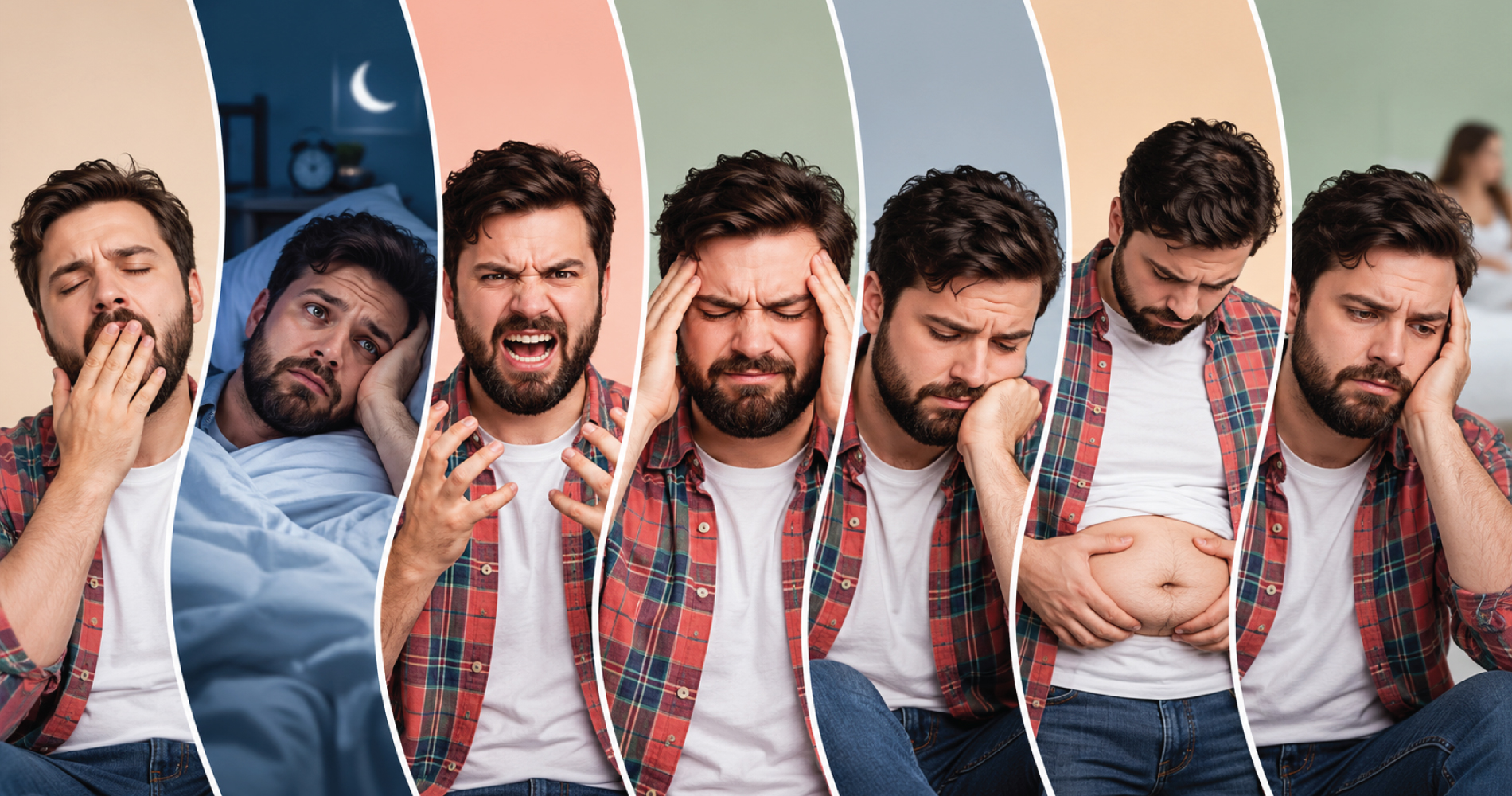
During mood swings, men may experience some of the following:
– Becoming irritated easily over small matters.
– Feeling angrier than usual.
– Experiencing sudden sadness or hopelessness.
– Having less desire to talk with people.
– Difficulty concentrating on work.
– Feeling emotionally exhausted.
– Losing interest in activities that were previously enjoyable.
– Feeling constant restlessness or tension.
These symptoms do not appear the same in all men. Some may feel anger more intensely, while others may remain silent instead of sharing their distress with others. At times, irritability is the outward expression of distress that a person is not easily able to put into words.
For this reason, it is not enough to understand mood swings in men merely as anger or a hormonal issue.
3. How do hormonal changes occur in men?
Hormones are the body’s chemical messengers. Through them, messages are conveyed between different organs and systems of the body. Hormones play a role in sleep, appetite, energy, sexual health, stress response, and many bodily processes. In men too, hormones are produced continuously. The brain and various glands in the body regulate this process.
What is the role of the testosterone hormone?
Testosterone is the primary sex hormone in men. Most of it is produced in the testes. It is associated with many bodily functions. Sexual development during adolescence. Health of muscles and bones. Sexual desire and reproductive functions.
Development of male characteristics in the body. Role in the production of red blood cells. Testosterone may also be related to mood and energy. However, a person’s anger, sadness, or emotional response cannot be understood solely on the basis of testosterone levels.

Does testosterone level in men change every day?
Yes. In men, testosterone levels are generally found to be higher in the morning and lower as the day progresses. This is called diurnal variation. For this reason, when testing for testosterone deficiency is necessary, blood tests are often recommended in the morning. However, the change in hormone levels over the course of the day may be a normal biological process. This does not prove that every emotional change is caused by hormones.
Note: Changes in testosterone levels and changes in men’s mood are not always directly linked to each other.
4. Why do mood swings occur in men, and what are their causes?
When a man feels irritable repeatedly, hormones are often assumed to be the first cause. However, the reasons for mood changes in men are not limited to hormones alone. Many physical, mental, and social circumstances can affect emotional health at the same time.
4.1 Stress and mental pressure
Prolonged stress can lead to changes in a person’s behavior and emotional responses. Work responsibilities, financial concerns, family problems, and relationship stress are common examples.
When stress persists continuously, even small problems may feel more difficult to handle. In such situations, irritability, restlessness, or fatigue may be experienced. However, not every stressed person shows the same symptoms.
4.2 Lack of Sleep
Sleep is not related only to physical rest. It also affects memory, attention, emotional regulation, and mental health. When adequate sleep is not obtained, a person may feel tired, inattentive, and irritable the next day. For most healthy adults, at least seven hours of good-quality sleep is recommended.
However, not only the duration of sleep but also its quality is important. If persistent fatigue is felt even after sleeping for sufficient time, it may be necessary to investigate other causes.
4.3 Mental Health-Related Problems
One possible reason for the sudden increase in sadness, anger, and stress in men may be related to mental health. Symptoms of depression and anxiety do not always appear only as crying or feeling sad.
In some men, persistent irritability, anger, sleep problems, fatigue, or changes in behavior may be seen. According to the National Institute of Mental Health, during mental health problems in men, changes may be observed in mood, energy, behavior, and social relationships.
4.4 Physical Fatigue and Health Problems
Prolonged physical fatigue, recovering from an illness, or feeling persistently unwell can also affect mood. In some cases, thyroid-related problems, sleep disorders, or other health conditions may also need to be considered. Therefore, if mood changes are accompanied by persistent fatigue or other physical symptoms, it would not be correct to assume that stress alone is the cause.
4.5 Medicines and Substances
The effects of certain medicines and substances can influence sleep, energy, or emotional state. Mood changes may also be observed during the use of alcohol or other intoxicating substances, or after stopping them. If there has been a significant change in mood after starting a new medicine, one should speak with the relevant doctor. Prescribed medicine should not be stopped without medical advice.
4.6 Life Circumstances and Emotional Stress
Many times, the problem is not in one particular hormone in the body, but in the constantly changing circumstances of life. The pressure of responsibilities, fear of failure, loneliness, or difficulties in personal relationships can affect a person’s emotional state. The cause of every problem will not be found in a blood test. To understand some experiences, one must also pay attention to a person’s routine, mental state, and life circumstances.
5. What is Irritable Male Syndrome? Is it PMS in men?
The term Irritable Male Syndrome, or IMS, is sometimes used in relation to mood swings in men. This term has been used to discuss irritability, restlessness, and emotional changes in men.
However, an important distinction must be understood here. Irritable Male Syndrome is not a universally established medical diagnosis for men equivalent to PMS in women. On social media, it is sometimes described as male periods or Male PMS.
Such a comparison may sound simple, but it obscures the biological differences between the two processes. In women, PMS is related to the menstrual cycle, whereas no similar regular monthly hormonal syndrome has been established in men. Moreover, recurrent irritability in a person does not mean that he is going through a definite condition called IMS. It is more useful to understand the real causes of the symptoms.
6. What can be the symptoms of hormonal imbalance in men?
The symptoms of hormonal imbalance in men are not always obvious. Some symptoms may develop gradually. Many times, they are mistaken for normal fatigue or the effects of aging.
If a man has a testosterone deficiency, certain physical and emotional changes may be seen.
Possible Symptoms of Hormonal Imbalance in Men
| Possible Symptoms | What You May Experience |
|---|---|
| Low Energy | Feeling tired even during routine daily activities. |
| Reduced Libido | A decrease in sexual desire or interest compared to before. |
| Mood Changes | Feelings of sadness, irritability, or emotional discomfort. |
| Changes in Muscle Mass | Reduced muscle strength or loss of muscle mass. |
| Reduced Physical Stamina | Getting tired quickly during exercise or everyday activities. |
| Difficulty Concentrating | Trouble focusing, staying attentive, or maintaining concentration. |
| Sleep Disturbances | Poor sleep quality, difficulty sleeping, or other sleep-related problems. |
The most important point here is that there can be many other causes for these symptoms as well. For example, fatigue can also be caused by stress or lack of sleep. Sadness may be related to mental health.
Therefore, testosterone deficiency cannot be confirmed solely on the basis of mood swings, fatigue, or anger. If these changes are accompanied by a persistent decrease in sexual desire, a reduction in spontaneous morning erections, or other related physical symptoms, medical evaluation may be considered.
7. What is the difference between mood swings in men and PMS in women?
Mood swings in men and Premenstrual Syndrome, or PMS, in women are often considered the same. However, the biological processes behind the two are different. In PMS, emotional and physical symptoms may appear before menstruation. These may include irritability, sadness, bloating, headaches, breast tenderness, and sleep problems. Mood swings in men may also include some similar emotional symptoms, but they are not associated with any established menstrual cycle.
Comparison Between PMS in Women and Mood Swings in Men
| Feature | PMS in Women | Mood Swings in Men |
|---|---|---|
| Menstrual Cycle Connection | Associated with the menstrual cycle. | Not associated with an established monthly hormonal cycle. |
| Primary Biological Basis | Linked to hormonal changes during the menstrual cycle. | May result from multiple factors, including hormonal, psychological, and lifestyle-related changes. |
| Common Symptoms | Sadness, irritability, and physical discomfort. | Sadness, stress, and irritability. |
| Timing of Symptoms | Usually occurs before menstruation. | Can occur at any time. |
| Menstrual Bleeding | PMS itself does not involve bleeding; symptoms occur before menstruation. | Menstruation does not occur in the typical male reproductive system. |
| Medical Evaluation | Symptoms are evaluated based on their relationship with the menstrual cycle. | Psychological, physical, hormonal, and lifestyle factors are considered during evaluation. |

When comparing the two experiences, one should not base the comparison only on similar symptoms. The same symptom can have different biological and psychological causes behind it.
Therefore, it is not appropriate to equate irritability in men with PMS in women.
8. Are mood swings in men more common at a particular age?
- Mood swings are not limited to any one age.
- At different stages of life, the body, thinking, responsibilities, and health keep changing. Because of these factors, emotional experiences can also change.
- Mood swings in adolescence
- During adolescence, the body develops rapidly. Many hormonal changes are observed during this period.
- But adolescents’ emotions cannot be understood only through hormones.
- Academic pressure, relationships with friends, questions of identity, and family expectations also play an important role at this age.
- Sometimes increased sensitivity or irritability may be seen.
- However, it is not appropriate to assume that every mood change in an adolescent is the result of hormones.
Emotional Changes in Young Adulthood
- In young adulthood, responsibilities related to career, financial independence, relationships, and the future begin to increase.
- When there is not enough rest along with these responsibilities, stress and mental fatigue may be felt.
- Some men keep their difficulties to themselves instead of sharing them with others.
- In such cases, stress may persist for a long time.
- Mood swings in men at this age may also be related to lifestyle, sleep, and mental health.
Middle Age and Advancing Age
- As age increases, testosterone levels may gradually decline in some men.
- However, not every older man has a medical deficiency of testosterone.
- In older age, sleep, physical health, responsibilities, and other circumstances can also affect emotional well-being.
- If a person has symptoms related to testosterone deficiency and proper testing shows that the level remains consistently low, a doctor may carry out further evaluation.
- Aging alone should not be considered a reason to begin testosterone treatment.
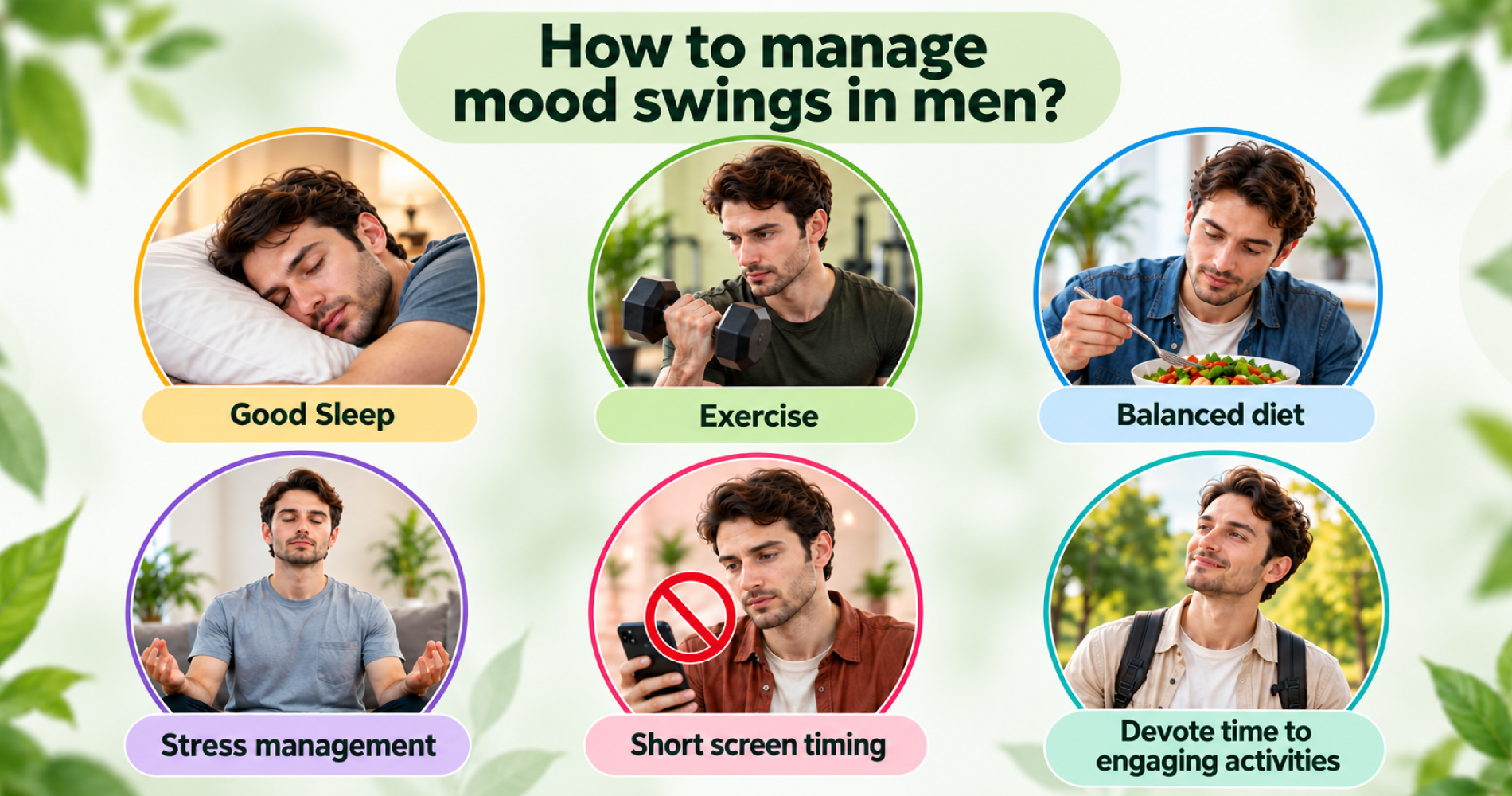
9.2 Adopt regular physical activity
Keeping the body active is not only important for physical fitness. Regular activity can also help reduce stress and support mental health. Walking, cycling, swimming, or doing simple exercises according to your ability can be useful options. There is no need to begin with very strenuous exercise. Choose an activity that can be done regularly. However, it cannot be claimed that exercise will definitely increase testosterone levels or eliminate all mood swings.
9.3 Eat a balanced diet
- Food is related to the body’s energy and overall health.
- Therefore, the diet may include adequate protein, whole grains, fruits, vegetables, and healthy fats.
- It is not advisable to skip meals for long periods or follow an excessively restrictive diet.
- No single food should be considered a definite treatment for men’s mood or hormones.
- If a nutrient deficiency is suspected, further advice may be obtained on the basis of proper medical evaluation.
9.4 Recognize and Express Stress
Many times, a person continues to ignore their stress for a long time, considering it normal. However, being under constant stress can affect emotional and physical health.
In such cases, some simple methods can be adopted: Share your difficulties with a trusted person.
- Take short breaks in between work.
- Write down your feelings and concerns.
- Make space for rest and personal time.
- Seek help from a mental health professional if needed.
- It is not necessary for every problem to have an immediate solution.
- However, recognizing the problem can be the beginning of understanding its causes.
9.5 Keep a Record of Mood and Circumstances
If mood swings are seen frequently in men, it may be useful to keep a record of them for some time. No special tool is needed for this. A few things can be written in a diary or mobile note.
- At what time did the mood change?
- How much sleep was taken that day?
- Was there stress related to work or family?
- Was any new medicine taken?
- Which emotion was felt the most at that time?
- How long did the mood change last?
Over time, some possible patterns may become apparent from this record. However, it should not be considered a diagnosis of any disease on its own. If needed, this information can be shared with a doctor or mental health specialist.
10. Should men take testosterone medication for mood swings?
Men should not take testosterone medication solely for mood swings, anger, or sadness. Testosterone Replacement Therapy, or TRT, is a medical treatment. It may be used in some men who have symptoms related to testosterone deficiency and in whom the deficiency has been confirmed by appropriate blood tests.
According to the Endocrine Society guidelines, testosterone deficiency should not be diagnosed based on symptoms alone. Confirmation of persistently low testosterone levels is required. Generally, morning blood tests on different days are recommended. If the report shows a deficiency, the possible causes can also be evaluated.
Remember: mood swings are treated by understanding their actual cause, not merely by increasing testosterone.
11. When should men contact a doctor for mood swings?
Sometimes changes in mood can be a normal experience. But when emotional changes persist or begin to affect daily life, they should not be ignored. Consider consulting a doctor or mental health specialist if:
Sadness, irritability, or restlessness has been present for a long time. Mood changes are affecting work or relationships. There are persistent changes in sleep or appetite. Interest in normal activities is declining. A persistent decrease in energy and sexual desire is being felt. The person has become more withdrawn than usual. There is a risk of harming oneself or another person because of anger.
Along with mood changes, excessive energy, a very low need for sleep, racing thoughts, or risky behavior are appearing. These symptoms may be caused by different physical or mental health problems. Therefore, professional help is needed to identify the correct cause.
12. Common myths and scientific facts related to men’s mood swings
Many beliefs are prevalent regarding men’s emotional health. Some points are based on common experiences, while some claims do not match scientific information.
Myth 1: Men also get periods every month.
Scientific fact: In the normal male reproductive system, there is no menstruation. Men do experience hormonal fluctuations, but these cannot be considered equivalent to women’s menstrual cycles.
Myth 2: Men’s anger is always due to testosterone.
Scientific fact: Behind anger and irritability, there can be stress, mental health issues, life circumstances, and many other reasons. Research available on the relationship between testosterone and aggression generally finds a weak association.
Myth 3: Men do not experience sadness or emotional distress.
Scientific fact: Men can also experience sadness, anxiety, stress, and depression. Emotional problems are not limited to any one gender.
Myth 4: Having mood swings means testosterone is low.
Scientific fact: Testosterone deficiency cannot be diagnosed on the basis of mood swings alone. Related symptoms and proper blood tests are required for this.
Myth 5: Taking testosterone boosters will fix the mood.
Scientific fact: Hormone-boosting supplements are not a cure for all emotional problems. Using them without proven deficiency and medical advice is not appropriate.
13. What does scientific research say about mood swings in men?
First conclusion: Fluctuations in testosterone are normal
Second conclusion: The link between testosterone and aggression is weak
Third conclusion: Both symptoms and tests are needed for correct diagnosis
Fourth conclusion: Men’s mental health is equally important
Conclusion: Men don’t get periods, but emotional changes can definitely happen
Disclaimer

Emanual Massey is a healthcare, lifestyle, and beauty content writer with over 7 years of professional experience. He specializes in writing SEO-optimized, research-based articles on health, wellness, nutrition, skincare, beauty, and Ayurveda. His mission is to simplify complex topics into practical, reader-friendly content that empowers people to make healthier lifestyle choices. Passionate about continuous learning and evidence-based writing, Emanual creates informative and engaging blogs that combine accuracy, readability, and search engine optimization.