Abstract
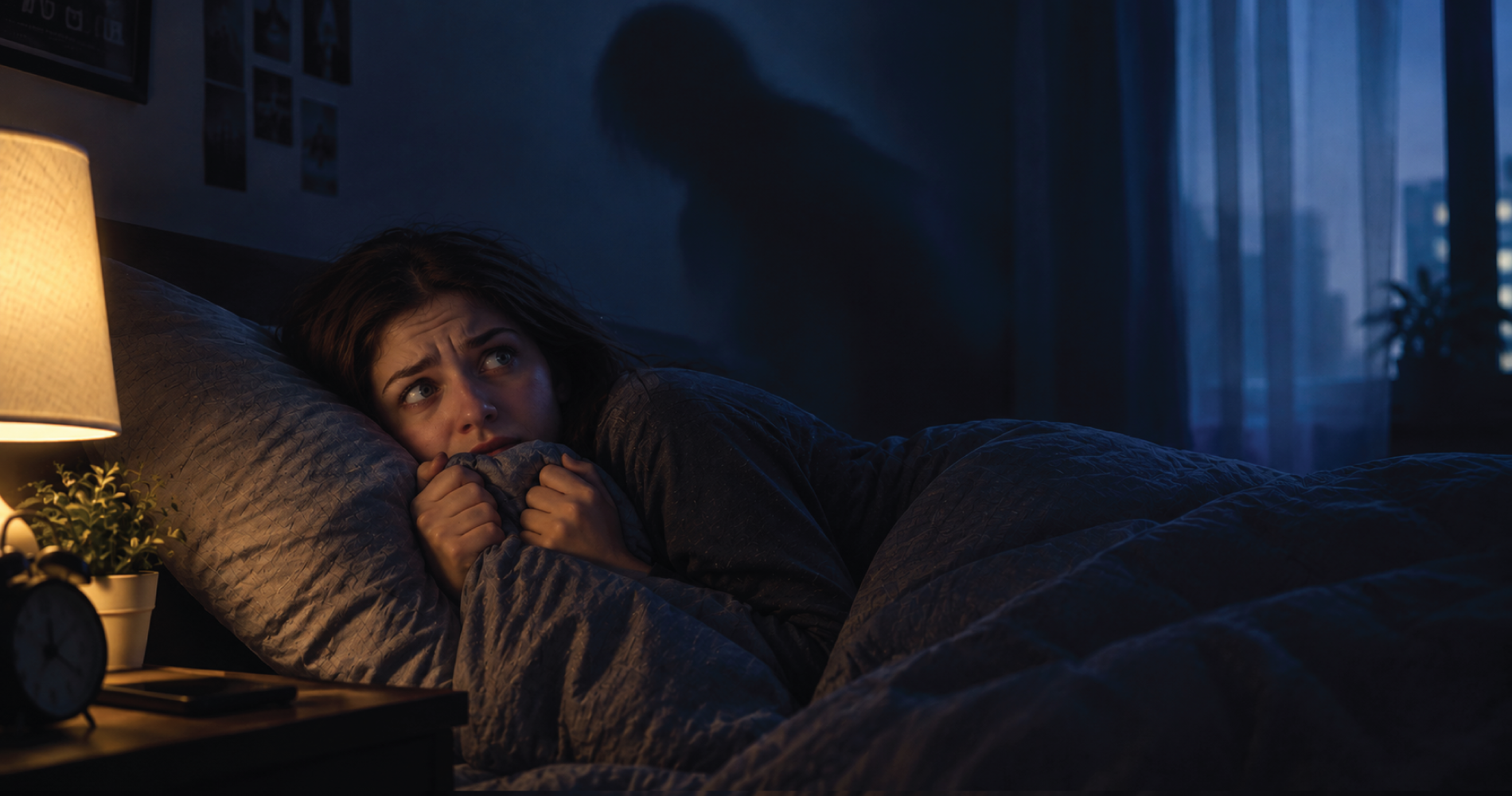
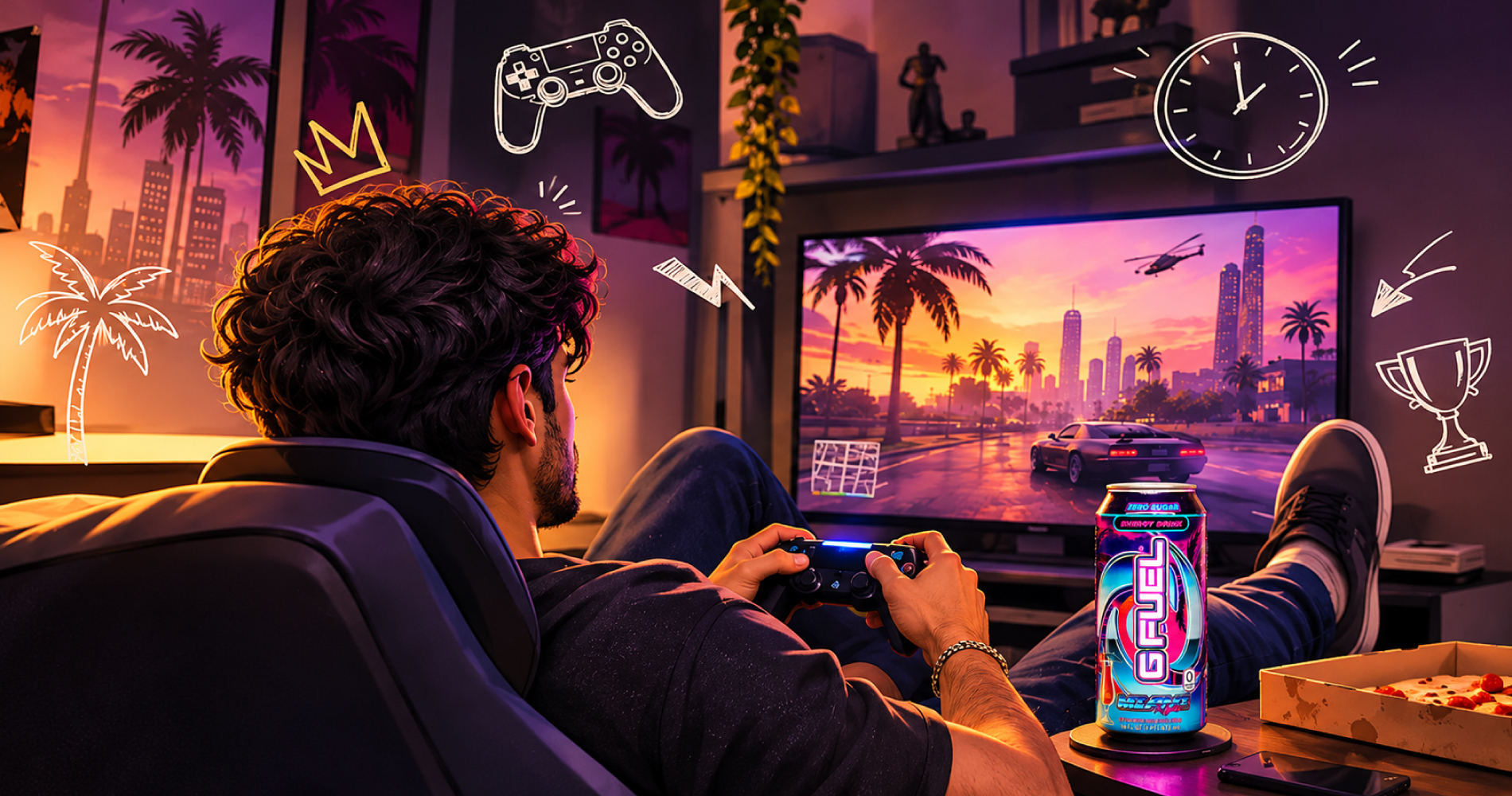
“Just one more game!” The famous last words that make the whole evening disappear. You sit down after a long day, promise yourself you’ll play for just 15 minutes, and suddenly it’s 2 a.m. Your sleep schedule is completely messed up, the next day’s responsibilities are waiting for you, but your brain is still shouting, “ONE MORE ROUND!”
Gaming is no longer just a hobby for teenagers. From college students and people who play multiplayer games all night to working professionals who finish their responsibilities early to enter virtual worlds, people of almost every age are rapidly getting immersed in gaming.
The excitement surrounding GTA 6 shows how deeply people can get interested in video games. From following gta6 leaks and searching for gta6 gameplay to discussing the gta6 pc release and gta6 price, fans are willing to spend a lot of time, attention, and money on their favorite games.
But when virtual achievements start becoming more important than real-life responsibilities and relationships, it’s worth asking where entertainment ends and gaming addiction begins.
Why does the brain keep demanding one more round? Why do some people start prioritizing virtual connections over real relationships? Let’s understand the psychology behind gaming addiction and learn how to gain control without completely ending your gaming era.
What is gaming addiction? When does playing become a problem?
Gaming addiction refers to a pattern of excessive or compulsive gaming in which a person struggles to control how much time and attention they give to video games, even when it begins affecting other areas of life.
The World Health Organization recognizes gaming disorder in the International Classification of Diseases (ICD-11). It involves impaired control over gaming, increasing priority given to gaming over other interests and activities, and continuing or escalating gaming despite negative consequences.
However, playing for several hours occasionally does not automatically mean someone has a gaming addiction.
For example, spending an entire weekend exploring a new game, completing missions, or playing with friends may simply be enthusiasm. The concern begins when gaming repeatedly takes priority over important responsibilities and the person finds it difficult to stop. Think about someone who:
- Regularly skips meals or loses sleep because they cannot leave a game.
- Ignores work, studies, or household responsibilities to keep playing.
- Becomes irritated or restless when they cannot access their favourite game.
- Stops spending time with friends or family because gaming feels more important.
- Continues playing despite arguments, declining performance, or financial problems.
The real issue is not simply how many hours someone spends gaming. It is whether they can control their behaviour and maintain a healthy balance between their virtual and real lives.
The GTA 6 effect: Why are people so invested in video games?
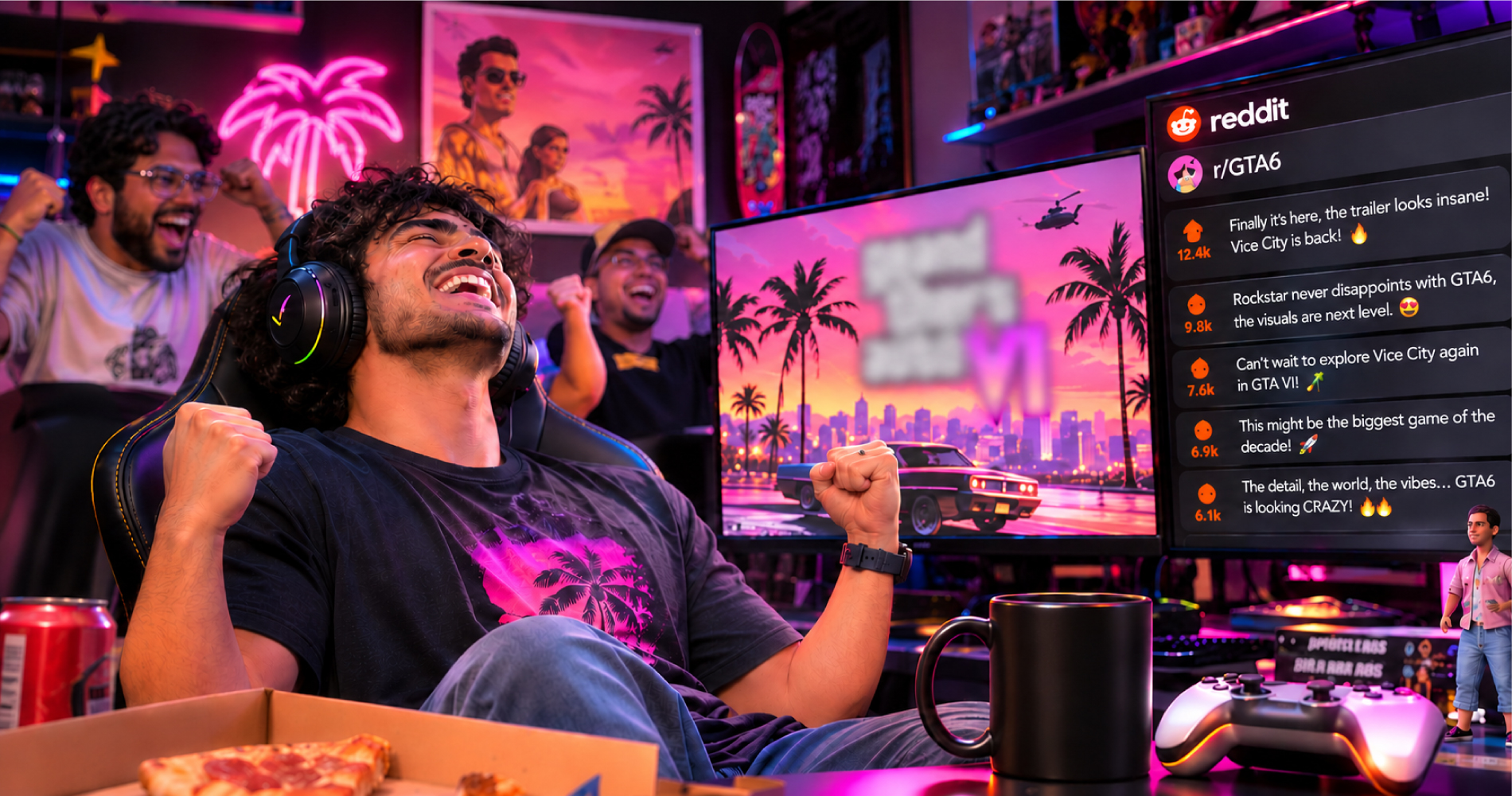
Let’s talk about GTA 6. After years of waiting, Grand Theft Auto VI has become one of the most talked-about gaming topics of 2026. Players are constantly discussing its world, characters, missions, and gameplay on social media. The excitement did not begin only with the release; fans spent years analyzing trailers, discussing rumors, and looking for every new update.
GTA 6 leaks and GTA 6 leaks x became part of online discussions because fans wanted to know information about the game even before official announcements. Even today, people are curious about gta6 gameplay, possible updates, and the availability of gta6 pc.
The hype, the price, and the willingness to spend
And then comes the matter of money. Despite premium editions and the high prices of games, some players are ready to spend thousands of rupees for this experience. The interest people show in the gta6 price shows how much money fans may be willing to spend on the game they have been waiting for for years.
There is nothing wrong with being excited about a game’s release or spending money on your hobby. People also spend money on concerts, holidays, sports, and entertainment because these experiences matter to them.
But this craze for GTA 6 raises an interesting question: after all, how does a virtual experience become so important that people start arranging their time, money, and daily routine around it?
When a virtual world feels better than reality
The big answer to this is the experience of being completely immersed in a game. Modern games have highly detailed worlds, realistic characters, interesting stories, and countless activities. Players do not just watch a story; they actively take part in it. They explore new places, make decisions, complete challenges, and feel the sense of victory.
For some people, these virtual worlds provide excitement, control, and rewards that they may not always get in everyday life. The problem begins when this temporary escape gradually becomes a place from which they do not even feel like coming out.
The brainrot behind gaming: Why does the brain want one more round?
Have you ever wondered why you can play games for three hours, but it becomes hard to focus on a 20-minute important task? One important reason is the brain’s reward system.
Video games often use rewards, challenges, progress indicators, and sudden achievements to keep players engaged in the game. Completing a mission, unlocking a new item, defeating an opponent, or reaching the next level can create a sense of satisfaction.
Dopamine is involved in these experiences. It is a neurotransmitter and plays an important role in motivation, the learning process, and reward-related behavior.
Dopamine is not just a chemical that gives pleasure. It also helps the brain learn which activities are worth doing again and motivates us toward rewarding experiences. Gaming can use this process in many ways:
- Instant rewards: Completing a mission gives immediate results and feedback.
- Progression system: Players unlock new abilities, characters, and levels.
- Uncertain rewards: Sudden achievements can make the next round even more exciting.
- Competition: Defeating another player gives a sense of achievement and satisfaction.
- Daily challenges: Limited-time activities motivate players to return to the game regularly.
This creates a cycle: playing the game, achieving something, getting a reward, and then doing the same thing again.
Compared to this, real life can seem quite slow. Preparing for an exam, finishing office work, or solving a personal problem can take many hours or days before any result appears. But a game can give you a feeling of victory in just a few minutes.
When the brain starts to get used to rewards that come again and again, everyday activities can seem less exciting by comparison. Suddenly, doing the laundry starts to feel like a side quest that no one even asked for, while completing another mission in the game feels like the main storyline.
The one more game loop: How gaming eats up your time
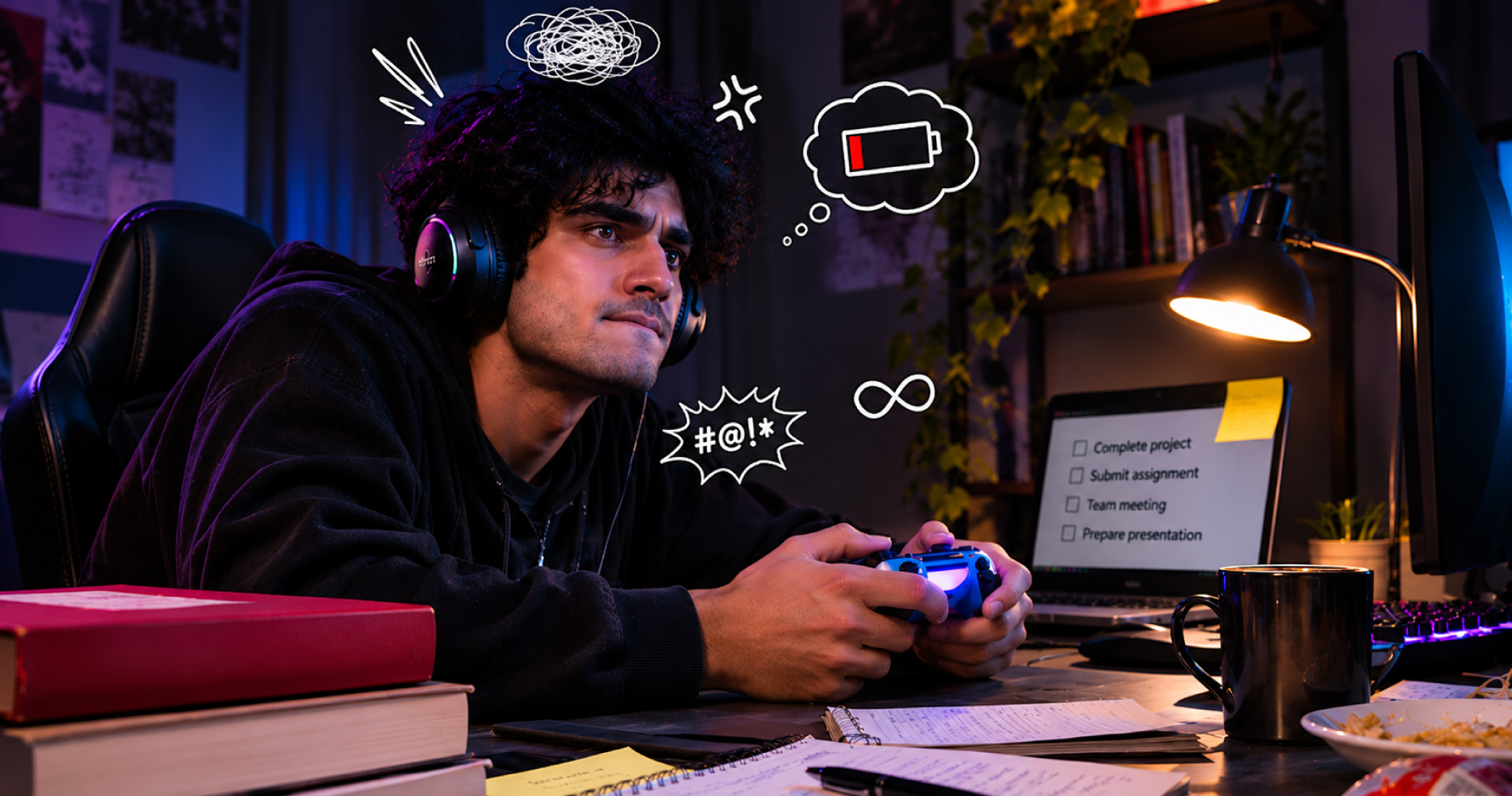
“One More Game” sounds completely normal until it becomes your everyday habit. You finish one match and think you’ll play one more because you almost won the last match. Then you lose and start playing again to get your ranking back. After that, your friends call you for another round. Before you realize it, the whole evening is gone.
This situation is especially common in competitive multiplayer games, where players may feel pressure to improve their ranking, keep up a winning streak, or not disappoint their teammates.
Some features can make it harder to quit the game:
- Ranking and leaderboards: Players may keep playing continuously to reach the next level or maintain their current position.
- Daily rewards: Not playing the game for one day can make it seem like you have lost your progress or missed an opportunity.
- Limited-time events: Special missions and seasonal rewards can put pressure on players to complete them before they end.
- Social commitments: Players may feel forced to stay online because their teammates depend on them.
- Incomplete goals: An unfinished mission or an achievement that is almost earned can make leaving the game feel unsatisfying.
In the same way, a short gaming session can turn into an all-nighter.
The problem becomes more serious when a person repeatedly starts ignoring their sleep, work, studies, or personal responsibilities just to finish one more round. Your game missions will never end, but your body’s energy also has a limit.
Why are adults getting hooked on video games too?
Gaming addiction is often associated with teenagers, but adults can also fall victim to unhealthy gaming habits. In fact, recognizing a gaming problem in adults can sometimes be difficult because it may seem like a normal way to relax after work.
Imagine a working person who spends eight hours in the office, comes home, eats, and immediately logs into a game. At first, they plan to play for one hour, but the gaming session stretches until midnight.
The next morning, they wake up tired, have trouble concentrating, and then repeat the same routine. For some adults, gaming becomes a way to escape these things:
- Office pressure and professional stress.
- Financial responsibilities and personal troubles.
- Loneliness or a lack of social interaction.
- Conflict in relationships and emotional distress.
- Boredom, a sense of failure, or dissatisfaction.
The virtual world can give a sense of control for a while. A person may be struggling with responsibilities in real life, but inside a game they may feel confident, powerful, or successful.
For example, a person who feels ignored at the office may be happy to become a respected team leader in a multiplayer game. Likewise, someone who has trouble talking to people in real life may find it easier to connect with online teammates.
These experiences are not unhealthy in themselves. Gaming can provide entertainment, friendship, and a sense of community. However, when a person starts relying on gaming constantly instead of facing the difficulties of real life, it can become an unhealthy coping mechanism.
Virtual relationships vs. real relationships: When your game gets more attention than your partner
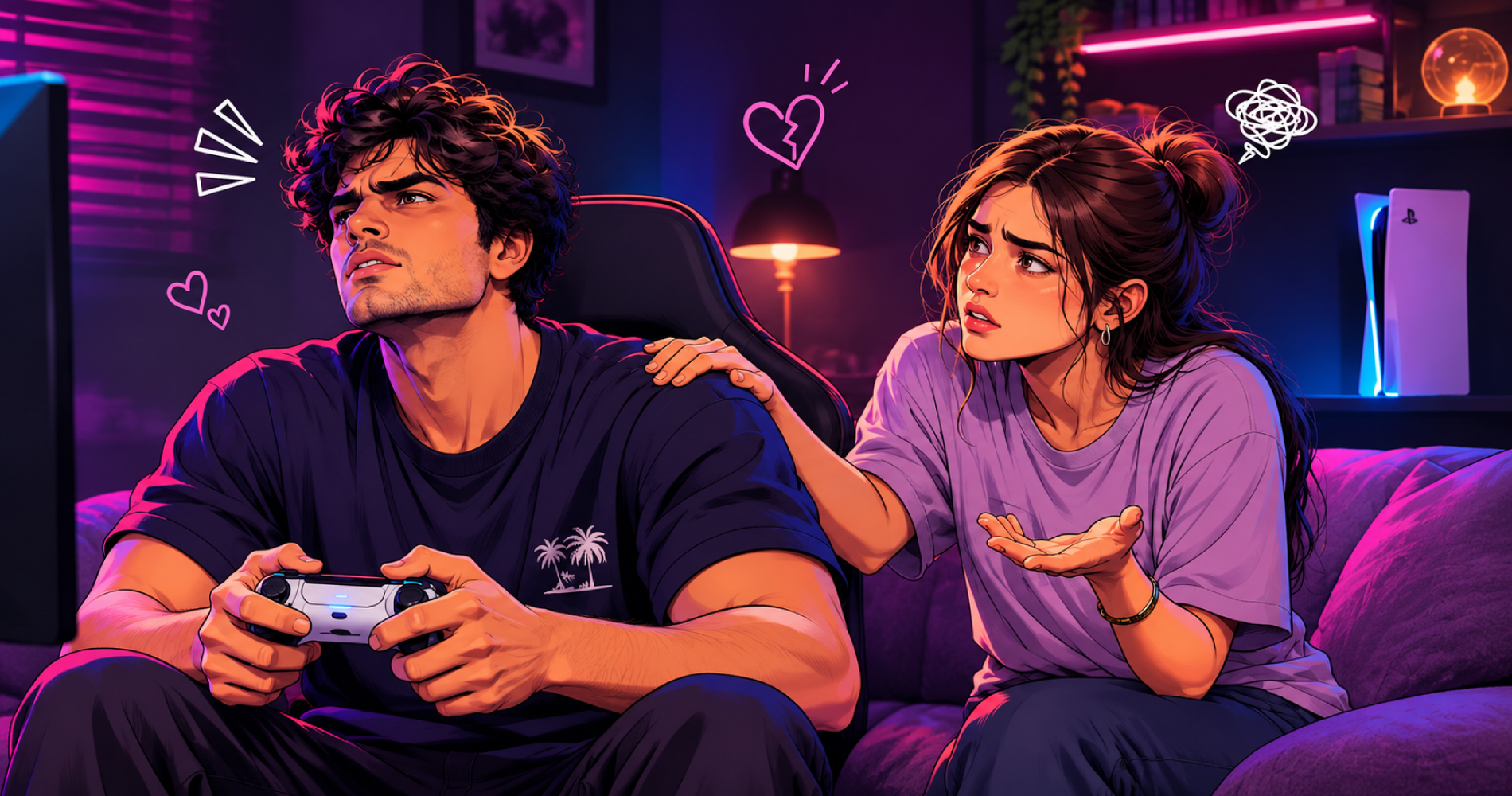
The situation here can be a little complicated. Some people spend hours maintaining their virtual lives, while their real relationships slowly begin to weaken.
They remember their gaming companions’ schedules, stay up late to join online sessions, celebrate virtual achievements, and make time for every group event. But when their partner asks to spend just one hour with them, suddenly they have no time at all.
See the irony? They may put even more effort into maintaining relationships formed inside the game than into the relationships waiting for them in real life. Online friendships and virtual connections can also be real and meaningful. People can develop trust, emotional support, and long-lasting friendships through gaming communities. The problem is not that these relationships exist.
The concern arises when these relationships start to consistently take the place of real-life responsibilities and relationships, especially when someone close to the player begins to feel ignored or neglected.
When gaming starts affecting real-life relationships
Imagine this situation: A couple plans to watch a movie together. One partner agrees, but keeps checking their phone because their gaming friends are waiting for them. The movie ends, but the player immediately goes back to playing games.
On another day, their partner tries to talk about an important issue. But instead of listening carefully, the player stays caught up in notifications, an ongoing match, or an upcoming tournament.
Over time, the other person may feel that they are not important, that they are alone, or that they are growing emotionally distant from them. This can cause many kinds of problems in relationships:
- Less quality time spent together: Gaming starts taking priority over shared activities.
- Emotional distance: Partners may feel that their words and concerns are being continuously ignored.
- Frequent arguments: Disagreements over screen time and responsibilities begin to increase.
- Not keeping promises: Plans get canceled because gaming sessions run longer than expected.
- Loss of trust: Hiding spending on gaming or lying about the time spent playing can damage relationships.
This pattern can also affect friendships and family relationships. Imagine choosing another multiplayer session instead of going to a friend’s birthday, repeatedly ignoring family conversations, or canceling your plans because of an online event.
Missing out on one occasion may not matter much. But when it becomes a habit, people start to feel that they have become just background characters in someone’s life.
Healthy relationships require attention, conversation, and effort. If all this energy is going into a virtual world, real-life relationships can gradually be affected.
Escapism: Is gaming becoming a way to avoid real life?
Sometimes people do not play games just because they like them. They play games because they do not want to face what is happening outside the screen. Gaming can provide an environment where problems disappear for a while. Players can explore new worlds, become powerful characters, complete missions, and feel a sense of achievement.
For someone struggling with stress, loneliness, or uncertainty, this experience can be comforting. However, there is a difference between taking a short break from reality and constantly avoiding it.
For example, a person facing problems in relationships may start spending more time gaming instead of having difficult conversations. Someone struggling with work pressure may keep playing games late into the night instead of finishing unfinished tasks.
The temporary relief can make this habit of avoidance feel good. But the real problems remain there, and over time they can become harder to deal with.This can create a cycle:
- The person experiences stress or emotional distress.
- They turn to gaming to get relief for a while.
- Gaming makes them feel better for a short time.
- Real-life responsibilities and problems remain unresolved.
- Increasing stress drives them to escape back into the world of gaming.
Gradually, games can become a place where the person feels successful, comfortable, or in control. But real-life problems cannot be solved forever just by co mpleting one more mission.
Warning signs of gaming addiction you shouldn’t ignore
How can you tell when gaming is becoming more than just a hobby and turning into a problem?
There is no single fixed number of hours to identify gaming addiction. Instead, pay attention to changes in your behavior, control, and everyday life. Some common warning signs are:
- Losing control over gaming time: You repeatedly play longer than the set time and find it difficult to stop playing.
- Ignoring responsibilities: Work, studies, household chores, or personal responsibilities start to be affected.
- Ignoring sleep: Because you cannot stop gaming, you regularly stay up late into the night.
- Less interest in other activities: Hobbies, exercise, and social activities no longer seem as attractive as before.
- Irritability when unable to play games: When gaming is interrupted, you feel angry, restless, or frustrated.
- Hiding gaming habits: You lie about the time you spend playing or the money you spend on gaming.
- Ignoring relationships: You repeatedly choose gaming instead of spending important time with friends, family, or your partner.
- Continuing to play games despite harm: You keep gaming even though it causes arguments, financial stress, or problems at work and in studies.
Occasionally showing one of these signs does not by itself mean Gaming Disorder. However, if these behaviors continue and affect everyday life, it is important to pay attention to them.
How does excessive gaming affect mental and physical health?
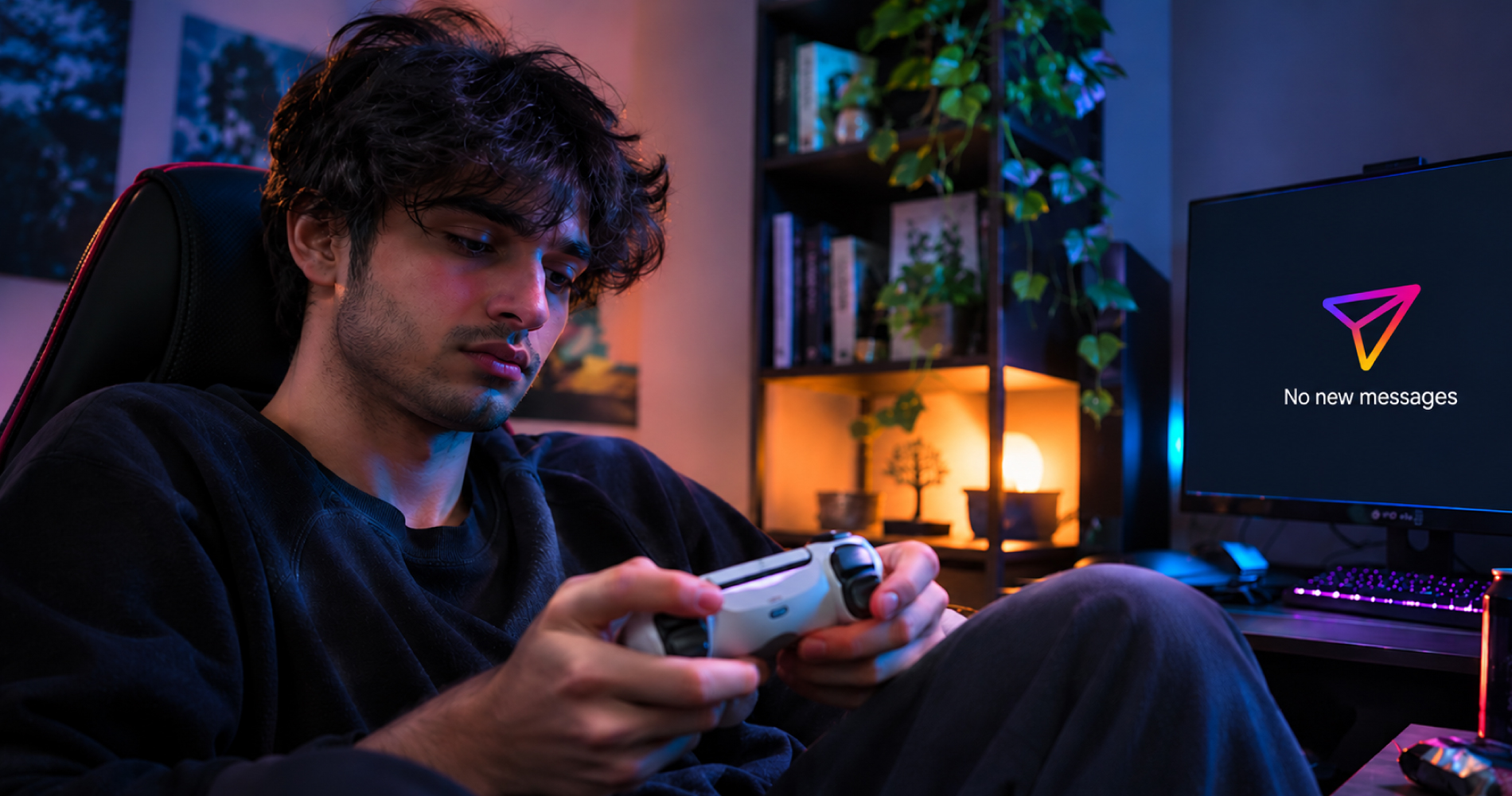
Playing games for a long time without enough breaks can affect both physical and mental health. Its impact depends on a person’s habits, health, sleep schedule, and overall lifestyle.
Physical effects
Sleep problems: Playing games late at night can reduce sleep time and disrupt a regular sleep routine. Poor sleep can affect concentration, mood, and energy.
Eye strain: Looking at a screen for a long time can cause dry eyes, headaches, and temporary vision problems.
Neck and back pain: Sitting in the same position for hours can cause muscle stiffness and discomfort.
Reduced physical activity: Excessive gaming can replace exercise, outdoor activities, and daily physical movement.
Irregular eating habits: Some players skip meals while gaming or become dependent on eating snacks repeatedly.
Mental and emotional effects
Irritability: Interruptions in the game or being prevented from playing can increase frustration and irritability.
Difficulty concentrating: Poor sleep and excessive screen time can affect focus and everyday productivity.
Social isolation: Spending less time with people offline can increase loneliness.
Emotional dependence: Gaming can become the main way to deal with stress or negative emotions.
Increasing anxiety and conflict: Problems related to missed responsibilities, money, or relationships can create additional emotional pressure.
Gaming is not harmful in itself. Concern arises when excessive gaming starts replacing the habits and relationships that are necessary for a healthy life.
Gaming addiction vs. healthy gaming: Where is the difference?
One thing is clear: liking video games is completely normal. Playing GTA 6 after work, joining an online match with friends, or spending the whole weekend completing missions is not, in itself, a sign of a problem.
Healthy gaming means that you can enjoy the game while keeping control of your time, money, and responsibilities. You can stop playing when needed, attend important events, and finish your work, and spend time with people without feeling like you are missing out on something extremely important.
Problematic gaming is different from this. You may repeatedly cancel plans, lose sleep, ignore responsibilities, spend more than your budget, or feel upset when you cannot play.
The biggest difference is not how much someone likes gaming. The real difference is whether gaming has started controlling their decisions.
How to break the gaming addiction cycle without quitting games forever
If gaming has started to take over your everyday life, it does not necessarily mean that you have to delete every game or throw away your console. The goal is to restore balance in your life and regain control over yourself.
Here are some practical ways to get started:
Set realistic gaming limits
Decide how much time you can comfortably dedicate to gaming without affecting your responsibilities.
Set a clear stopping time and use alarms if necessary. Avoid starting another match when you know you need to leave soon.
Fix your sleep schedule
Avoid letting gaming sessions stretch into the early morning. Create a consistent bedtime and stop playing early enough to relax before sleeping.
Your body deserves a proper shutdown routine too.
Prioritize real-life relationships
Make time for your partner, friends, and family without constantly checking gaming notifications.
Plan activities that allow you to be present. Listen during conversations and avoid treating shared time as something you can postpone whenever a new gaming event appears.
Create a gaming budget
Before buying expensive games, accessories, downloadable content, or in-game items, decide how much you can comfortably spend.
For example, excitement around releases such as GTA 6 can make a purchase feel irresistible. But consider your financial priorities before spending thousands on a game.
Remember, you don’t need every edition, upgrade, or cosmetic item to enjoy gaming.
Find other ways to manage stress
If gaming has become your primary escape from difficult emotions, explore other activities that help you relax.
Try exercising, reading, listening to music, meeting friends, or spending time outdoors.
These activities can help you develop a more balanced routine.
Recognize your triggers
Notice when you feel the strongest urge to play.
Is it after a stressful day? When you’re lonely? When you feel bored? Or when you want to avoid a difficult task?
Understanding these triggers can help you respond differently instead of automatically opening a game.
Seek professional support when needed
If gaming repeatedly interferes with your relationships, work, studies, or health, consider speaking with a qualified mental health professional.
Therapies such as cognitive behavioural therapy (CBT) may help people understand their gaming patterns, manage triggers, and develop healthier coping strategies.
Seeking support is not an admission of failure. It is a step towards regaining control.
Conclusion: Don’t let your virtual life replace your real one
Gaming can be an exciting, entertaining, and socially connecting medium. From exploring immersive worlds to celebrating victories with online teammates, video games offer experiences that millions of people genuinely enjoy.
The excitement around GTA 6 shows how influential gaming culture has become. People follow updates, discuss gameplay, spend money on new releases, and build entire communities around their favorite titles.
And there is nothing wrong with being a passionate gamer.
But when a virtual achievement starts becoming more important than your real-life responsibilities, when your partner feels ignored because your teammates always come first, or when you repeatedly start giving up your sleep and personal responsibilities for one more round, it is time to stop and think.
Your favorite game will still be there tomorrow. But your relationships, health, and real-life opportunities need your attention today too. Enjoy the game, celebrate your wins, complete missions, and have fun. Just remember that your real life is not a side quest.
You can be the main character in a virtual world, but don’t become an NPC in your real life.
Disclaimer
This article is written for general educational and informational purposes only. It should not be considered a substitute for professional medical or psychological advice. Gaming for long periods does not, by itself, mean having Gaming Disorder. A qualified mental health specialist can assess gaming habits that persist over time and their effects on everyday life.
FAQs
1. What is gaming addiction?
Gaming addiction is a behavior in which a person starts playing games excessively and cannot control their gaming habits, even though it is having a negative effect on their relationships, work, studies, health, or everyday responsibilities. The World Health Organization recognizes Gaming Disorder.
2. Can adults also develop gaming addiction?
Yes. Like teenagers, adults can also fall victim to unhealthy gaming habits. Work stress, loneliness, boredom, and the desire to avoid everyday responsibilities can lead to excessive gaming.
3. Can gaming addiction affect romantic relationships?
Yes. Excessive gaming can reduce the time spent together, increase emotional distance, cause repeated arguments, and leave important promises unfulfilled. When gaming starts to take priority over conversation and time spent together, relationships can be affected.
4. Is playing GTA 6 for several hours a sign of gaming addiction?
Not necessarily. Enjoying GTA 6 for several hours is not, by itself, a sign of gaming addiction. Concern arises when a person repeatedly starts to lose control over gaming and, because of it, begins to neglect their important responsibilities, relationships, or health.
5. How can I stop gaming from taking over my life?
Start by setting a real time limit for gaming, keeping a regular sleep schedule, prioritizing relationships, budgeting for gaming, and adopting other ways to manage stress. If gaming is consistently affecting your everyday life, consider seeking professional help.

Content Writer with 3+ years of experience turning ideas into words people want to read, share, and remember. I create research-backed social media and lifestyle content that blends storytelling, creativity, and audience insights to make every piece feel fresh, relatable, and engaging.