
Abstract
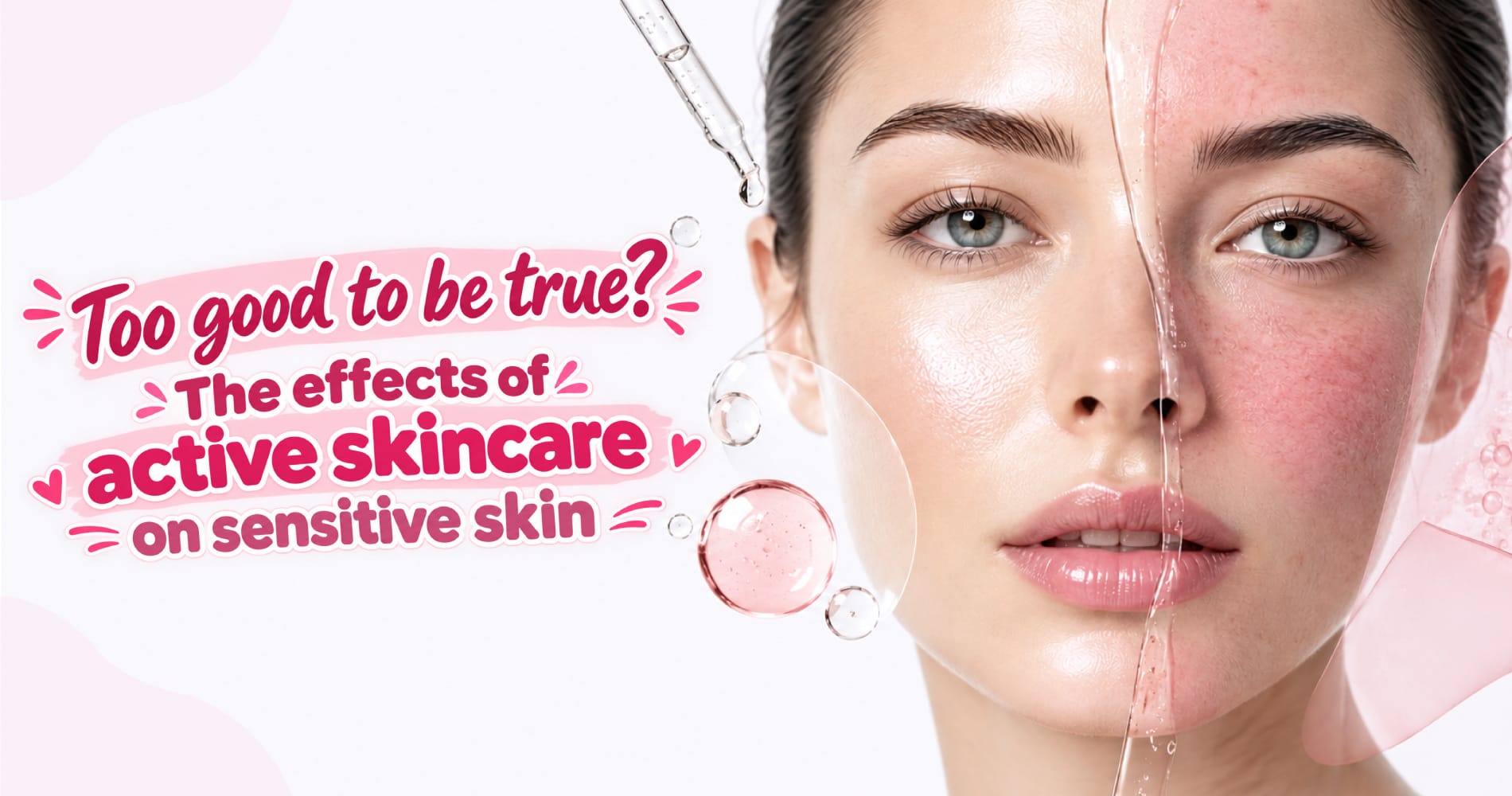
The skin barrier is the skin’s natural protective layer, which plays an important role in retaining moisture and protecting against external irritants. When its function is impaired, problems such as dryness, redness, irritation, peeling, and sensitivity may appear on the skin. This article explains the 7 major signs of skin barrier damage, its possible causes, common mistakes in skincare routines, and ways to care for a damaged skin barrier.
It also provides information on the role of skincare ingredients such as ceramides, glycerin, and moisturizer, as well as a simple skin barrier repair routine, to help readers make better skincare decisions according to their skin’s needs.
Introduction:
Has your skin started to look drier, more sensitive, or duller than before? After using new skincare products, have you begun to notice burning, redness, itching, or small bumps on your face? If this is happening, your skin may not need more products, but rather a better and gentler skincare routine.
These days, many kinds of serums, exfoliating acids, retinol, and active ingredients are being used to achieve glowing skin. By looking at skincare routines shown on social media, people often end up adding several products to their routine at once. However, not every product is suitable for every person’s skin.
The wrong products, excessive exfoliation, and frequently changing your skincare routine can increase irritation in the skin. In such a situation, it becomes important to focus on skin barrier repair. The skin barrier is the outer protective layer of the skin, which helps retain moisture and provides protection from external irritants.
When the function of this barrier is affected, problems such as dryness, stinging, redness, and sensitivity may appear on the skin. This article explains in detail seven important signs of skin barrier damage, its possible causes, ways to keep a damaged skin barrier healthy, and a simple skincare repair routine.
What is the skin barrier and why is it important for the skin?
To understand the skin barrier, it is necessary to understand the outermost layer of the skin, that is, the upper part of the epidermis. This part is called the stratum corneum. It can be understood as a protective wall, in which the skin cells act like bricks and the lipids present between them act like a supportive layer.
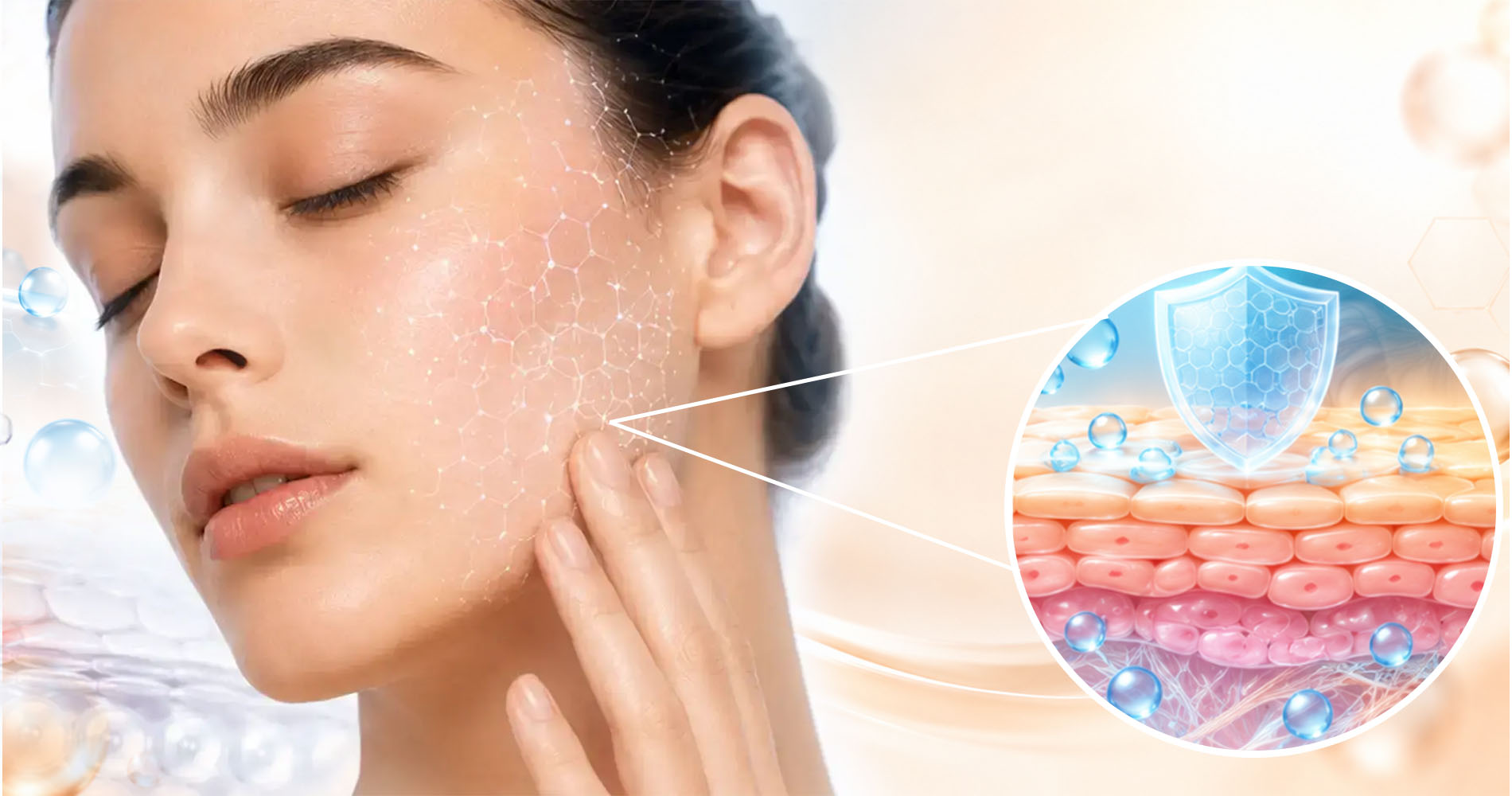
In this lipid layer, ceramides, cholesterol, and fatty acids play important roles. With their cooperation, they help limit moisture loss from the skin and regulate the entry of external substances. The skin’s barrier function is not limited to retaining moisture; it also provides protection against the external environment and potential irritants.
When the skin barrier is healthy, the skin can retain moisture normally and better tolerate everyday external influences. In contrast, when the barrier function is affected, water loss can increase and the skin may feel drier or more sensitive.
Scientific Review
It is important to note that not every type of dryness or acne is caused by a damaged skin barrier. Weather, allergies, eczema, rosacea, acne, and other skin conditions can also produce similar symptoms. Therefore, one should not self-diagnose based only on symptoms.
7 Signs of Skin Barrier Damage
1. Repeated burning or stinging sensation on the skin
If you feel more burning or stinging after washing your face or applying moisturizer than before, it should not be ignored. This is especially true if the same product was previously being used without any problem.
When the skin barrier is weakened, the skin can become more sensitive to certain products and external irritants. As a result, stinging, burning, or discomfort may be felt immediately after applying skincare.
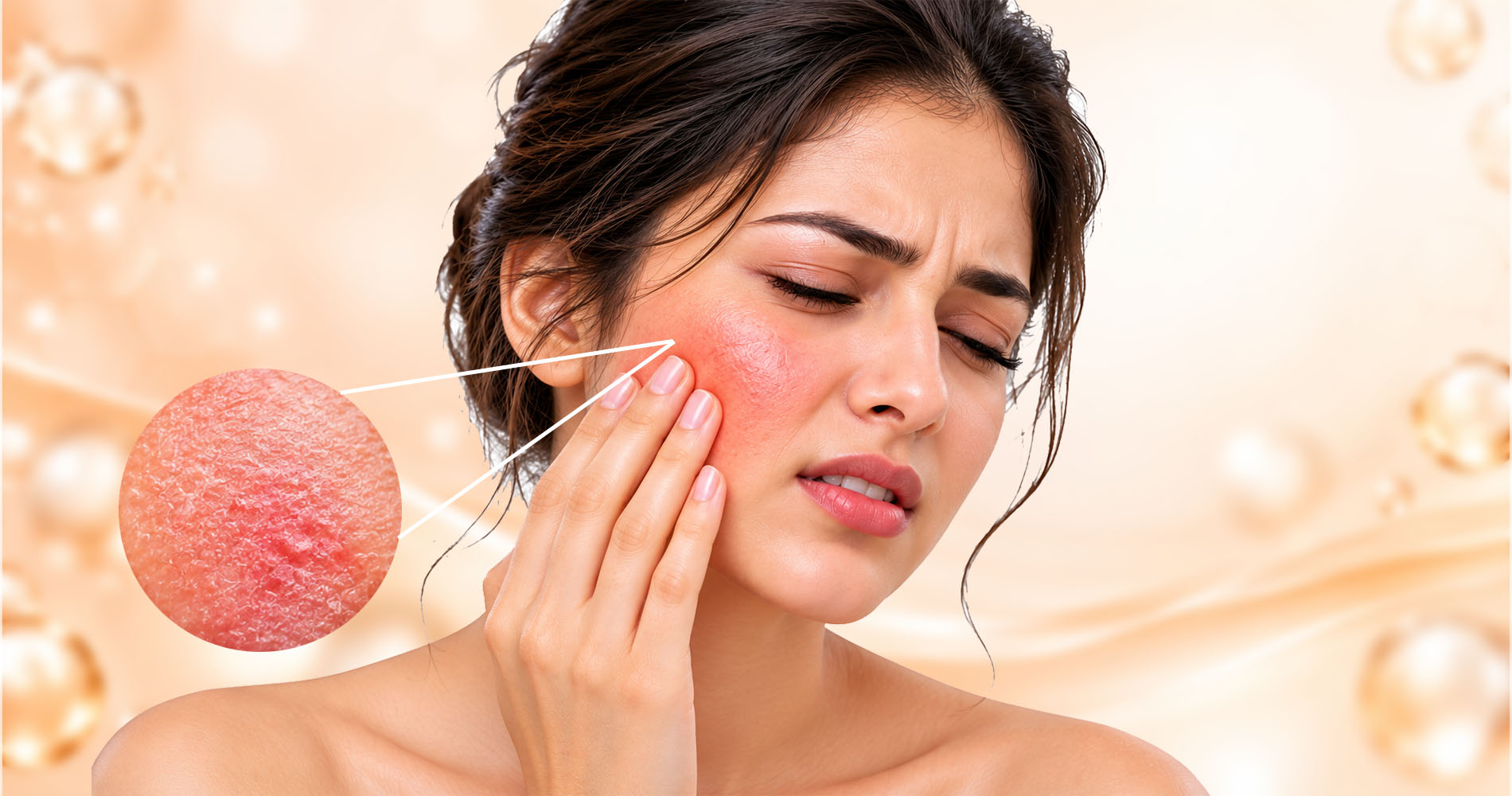
However, it is not necessary that skin barrier damage is the cause every time burning occurs. It may also be due to irritation from an ingredient, allergic contact dermatitis, or an existing skin condition.
What should be done?
First, stop using the product after which the burning started. It may also be advisable to temporarily stop exfoliating acids, retinol, and other potentially irritating actives. A gentle, fragrance-free cleanser and moisturizer can be used to cleanse the skin.
If the burning is severe, keeps returning, or if swelling and sores appear on the skin, a dermatologist should be consulted. It is not advisable to continue using the product while tolerating persistent burning.
2. Skin remaining dry even after applying moisturizer
Does the skin start feeling tight or dry again some time after applying moisturizer? Is there flaking on the face, or does the skin surface feel rough? These signs may be associated with a lack of moisture in the skin or impaired barrier function.
An important function of the skin barrier is to limit excessive water loss from the skin. When this function is affected, it can become difficult to retain the moisture present in the skin. As a result, dryness, roughness, and flaking may appear.

- moisture. Even if you have oily skin, it is not necessary to skip moisturizer altogether; a light, non-comedogenic formulation can be chosen.
- If dryness is increasing, the skin begins to crack, or pain develops, do not rely only on cosmetic products and seek medical advice.
3. Increased redness and sensitivity on the face
If the face appears red even under normal conditions, or if discomfort begins with light touch, water, or skincare products, then attention should be paid to the condition of the skin. Redness and sensitivity can occur for many reasons. Excessive exfoliation, harsh cleansing, fragrance-containing products, or irritation from an ingredient may be one cause.
These measures may help reduce irritation. However, if redness persists, simply changing your skincare routine may not be enough.
4. Peeling skin and increased roughness
When peeling or flaking appears on the face, many people assume it is dead skin and increase the use of scrubs or exfoliating serums. But if the skin is already irritated, doing so can make the problem worse.
Over-exfoliation, that is, excessive exfoliation, can increase dryness, irritation, and peeling of the skin. Similarly, some acne treatments and retinoids can also cause dryness or flaking at the beginning.
If the skin is peeling, it does not mean that it needs to be removed immediately. Many times, the skin needs gentle care and moisturizer, not additional scrubbing.
What should not be done?
- Do not pull peeling skin with your nails.
- Do not use rough facial scrubs.
- Do not increase the frequency of exfoliating acids during burning or redness.
- Do not apply any viral DIY remedy to the skin without checking it first.
What should be done?
For a while, stop unnecessary exfoliation and focus on a gentle cleanser and moisturizer. If the skin shows deep cracks, pain, bleeding, or persistent peeling, consult a dermatologist. The American Academy of Dermatology also advises avoiding rubbing the skin and emphasizes gentle cleansing.
5. Sudden appearance of small bumps or increased irritation
If, after changing your skincare routine, small bumps, itchy rashes, or increased irritation begin to appear on the face, the products being used should be reviewed.
Bumps may also appear due to a reaction to a product, pore-clogging ingredients, acne, folliculitis, or other skin conditions. It is not correct to assume that every small bump is a sign of skin barrier damage or “purging.”
After using certain active ingredients, temporary changes in the skin may occur, but severe burning, swelling, itching, or rapidly spreading bumps should not be ignored as a normal reaction.
- What changes should be made in the skincare routine?
- First, identify the new products
Those that were recently introduced. If clear irritation has started after using a product, stop using it. Simplify the routine for a while and use only those products that the skin can normally tolerate.
If any prescribed medicine is being used for acne, consult the prescribing doctor before stopping or changing it on your own. In cases of recurring acne, a proper diagnosis may be necessary rather than simply changing the moisturizer.
6. Skin feeling tighter or more stretched than before
A feeling of tightness immediately after washing the face, discomfort while smiling, or skin appearing dull and rough can be signs of dryness. This problem can worsen if the face is washed repeatedly, a very harsh cleanser is used, or the skin is exfoliated more than it needs. In some people, cold and dry weather can also affect the skin’s moisture.
Many times, people with oily skin reduce their use of moisturizer because they think it will make their face even oilier. However, the amount of oil and water in the skin are different things. Even oily skin can become dehydrated or irritated.
How can a better routine be created?
In general, gentle cleansing in the morning and at night may be sufficient during the day; additional cleansing may be needed after excessive sweating. Moisturizer should be applied according to the skin’s needs. It is also helpful to avoid very hot water and harsh cleansing products.
If you consistently feel tightness after washing your face, review the cleanser’s formulation and the frequency of use. AAD’s face-washing guidance recommends a gentle cleanser, lukewarm water, and cleaning the face with a light hand.
7. When even previously tolerated skincare products start causing problems
If moisturizer, sunscreen, or cleanser that was used before now starts causing irritation, this should be considered a noticeable change.
- Make a list of the products that were started recently.
- Stop using products that have caused a clear reaction.
- Follow a simple routine and avoid adding new actives.
- Choose a sunscreen that the skin can tolerate; do not force the use of a product that causes irritation.
- If multiple products are causing a reaction, consult a dermatologist.
- If there is swelling on the face, blisters, severe pain, or a serious reaction around the eyes and lips, seek immediate medical attention.
Major Causes of Skin Barrier Damage
There is no single cause responsible for skin barrier damage. In many cases, skincare products, the environment, and pre-existing skin conditions can combine to worsen the problem.
1. Over-exfoliation
Using AHA, BHA, and other exfoliating ingredients can be beneficial for certain skin concerns. However, when used excessively, they can increase irritation, dryness, and peeling. Exfoliating every day is not necessary for everyone.
2. Misuse of retinol and other active ingredients
Retinol, exfoliating acids, and some acne treatments can cause dryness or irritation of the skin. Using several potent actives at the same time or increasing their frequency too quickly can worsen the problem.
Active ingredients should be introduced gradually into the routine. If a prescribed treatment is being used, any changes in its use should be made according to a doctor’s advice.
3. Harsh cleansers and very hot water
Cleansers that make the skin excessively dry, or the habit of washing the face too often and too vigorously, can increase irritation. Very hot water can also worsen skin dryness.
4. Using new products repeatedly
Starting several new products at the same time makes it difficult to identify the cause of any reaction. Giving the skin enough time before changing products and introducing one new product at a time is a more practical approach.
5. Weather and Environment
Cold, dry air, low humidity, and excessive sunlight can affect the condition of the skin. During such times, the skincare routine may need to be adjusted according to the skin’s needs.
6. Other Skin-Related Problems
In eczema, rosacea, allergic contact dermatitis, and other skin conditions, the barrier function may be affected, or symptoms such as a damaged skin barrier may appear. In such cases, cosmetic skincare alone may not be enough to fully control the problem.
Skin Barrier Repair Routine: How to Support the Skin?
When irritation in the skin begins to increase, following a simple and gentle routine can be helpful. Its purpose is to keep the skin clean, help maintain moisture, and avoid products that may increase irritation.
Morning Skincare Routine
Step 1: Gentle cleansing
Wash the face with lukewarm water in the morning. If a cleanser is needed, choose a gentle cleanser that does not make the skin excessively dry. Even in very oily skin, harsh cleansing should be avoided.
Step 2: Apply moisturizer
Use a moisturizer according to your skin’s needs. Products containing glycerin, ceramides, and other moisturizing ingredients may be helpful. For oily or acne-prone skin, a non-comedogenic formulation may be considered.
Step 3: Use sunscreen
During the day, use a broad-spectrum sunscreen with SPF 30 or higher. Reapply according to the label instructions if you are outdoors, sweating, or swimming. If any sunscreen causes irritation, a dermatologist may be consulted to choose another suitable formulation.
Night Skincare Routine
Step 1: Remove dirt and sunscreen from the day
At night, cleanse the face using a gentle cleanser. If makeup has been used, remove it as well without rubbing the skin.
Step 2: Apply moisturizer
After cleansing the face, apply moisturizer. It should be applied gently to the skin. For very dry skin, a richer moisturizer may feel more comfortable, while a lighter formulation may be better for oily skin.
Step 3: Keep the routine simple for a while
Until the irritation is under control, avoid adding new exfoliating acids, scrubs, retinol, or other potentially irritating products. If these ingredients have been prescribed to treat a medical condition, consult a doctor before making any changes.
During this time, the goal is not to overload the skin with more products, but to maintain a routine that the skin can tolerate well.
Which ingredients may be useful for a damaged skin barrier?
The usefulness of any ingredient depends on the condition of the skin, the formulation, and the individual’s tolerance. Choosing a product based only on the ingredient name is not enough.
Ceramides
Ceramides are important components of the skin’s outer lipid layer. Ceramide-containing moisturizers may help maintain skin moisture and provide barrier support.
Glycerin
Glycerin is a humectant, meaning an ingredient that helps attract water and retain moisture in the skin. It is used in many moisturizers.
Hyaluronic Acid
Hyaluronic acid is an ingredient that helps retain water in the skin. It can be used with a moisturizer. However, using only a hydrating serum does not solve every type of barrier issue; a moisturizer is also important as needed.
Petrolatum
Petrolatum can help reduce water loss by forming a protective layer on the skin’s surface. It may be useful for very dry skin, but not every formulation is suitable for every person.
Niacinamide
Niacinamide is used in some skincare formulations for barrier support and other skin concerns. However, a high concentration or a particular formulation may cause irritation in some people. Therefore, if you have sensitive skin, choose products carefully.
Important: No single ingredient can guarantee immediate skin barrier repair. The overall product formulation, the condition of the skin, and the way it is used also affect the results.
What mistakes should be avoided in skin barrier repair?
1. Looking for a new serum for every problem
If the skin is irritated, it may be more useful to simplify the routine first rather than adding a new serum.
2. Considering irritation a sign that the product is working
Irritation or burning should not always be taken as a sign that the product is working effectively. If there is persistent or severe irritation, it is important to stop the product and have the cause checked.
3. Scrubbing peeling skin
If the skin is peeling, scrubbing it vigorously can increase irritation. Instead, focus on gentle cleansing and moisturizing.
4. Adopting every viral skincare trend
Just because a routine gives good results on someone’s skin on social media does not mean the same routine will be safe or useful for everyone.
5. Skipping sunscreen completely
Even when the skin is sensitive, sun protection remains important. Choose a sunscreen that the skin can tolerate, and seek help from a dermatologist if needed.
6. Expecting Results Overnight
Improvement in the skin barrier can take time. The speed of recovery depends on the severity of the problem, its cause, and the care being followed. If symptoms are getting worse, seek medical advice instead of continuing to try home remedies for a long time.
How long can skin barrier repair take?
There is no single fixed timeline for skin barrier repair that applies to everyone. In cases of mild dryness or irritation, simplifying the routine and using proper moisturizing may lead to improvement within some time. However, if the skin has persistent inflammation, eczema, allergies, or another condition, recovery may take longer and specific treatment may be needed.
Therefore, claiming complete recovery in seven or fourteen days is not appropriate. Monitor the skin’s response and, if the condition worsens, seek professional advice.
When should you contact a dermatologist?
If the skin problem persists or does not improve with home care, it should be examined by a dermatologist. Medical advice is especially necessary in the following situations:Severe or persistent
- burning and itching.
- Persistent redness or swelling on the face.
- Cracking of the skin, bleeding or pain.
- Blisters, pus, or rapidly spreading rashes.
- Severe reaction around the eyes or lips.
- Repeated reactions from several different skincare products.
- If there is difficulty breathing or there is sudden swelling of the face, tongue, or throat, it should be considered an emergency and immediate medical assistance should be sought.
Disclaimer

Emanual Massey is a healthcare, lifestyle, and beauty content writer with over 7 years of professional experience. He specializes in writing SEO-optimized, research-based articles on health, wellness, nutrition, skincare, beauty, and Ayurveda. His mission is to simplify complex topics into practical, reader-friendly content that empowers people to make healthier lifestyle choices. Passionate about continuous learning and evidence-based writing, Emanual creates informative and engaging blogs that combine accuracy, readability, and search engine optimization.