
Abstract
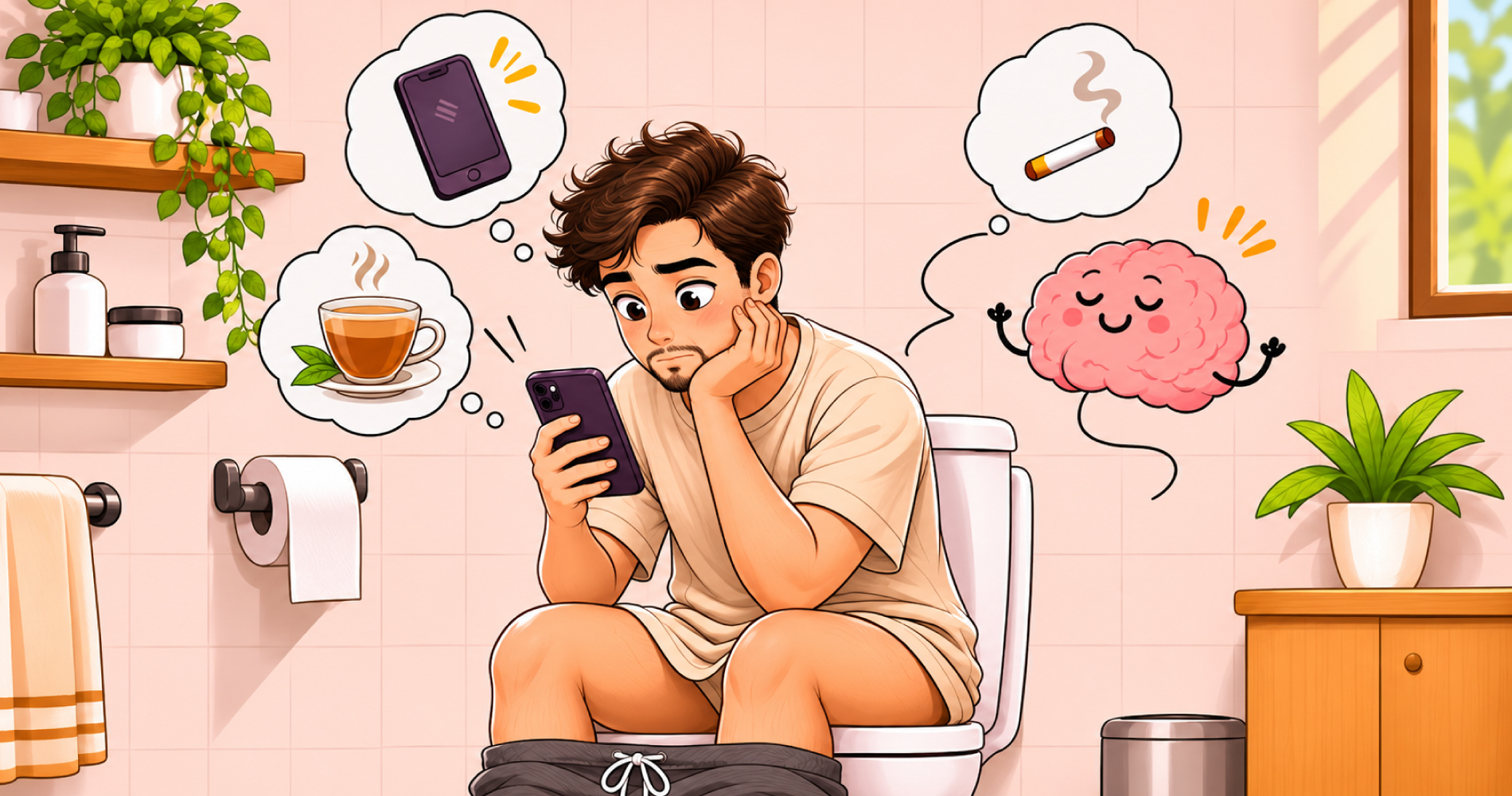
“Where is my phone?” It sounds like a normal question, doesn’t it? Until you realize you’re already sitting on the toilet, you haven’t even started yet, and somehow you can’t poop without scrolling through Instagram or playing a game.
For some people, their bathroom routine feels incomplete without a cup of morning tea. For others, it’s a cigarette. And then there are people who can’t spend even five minutes on the toilet without checking social media notifications, watching reels, or completing one more level of a game.
But why does this happen? Why does a natural bodily process like pooping suddenly start to require something else? The answer isn’t just hidden in weird bathroom habits. Psychology, dopamine, habit formation, caffeine, nicotine, and the connection between the brain and the gut all influence our routines.
While some habits are entertaining, some can actually stimulate the process of bowel movements. So do people become psychologically dependent on their favorite bathroom rituals, or does their body simply get used to them?
Let’s understand the interesting psychology behind bathroom habits and find out why some people need a little extra motivation to answer nature’s call.
What is poop, and how does a normal bowel movement work?
Before understanding why some people need a phone or a cigarette to poop, let’s understand what actually happens inside the body.
Poop, also called stool or feces, is the waste material left after the digestive system absorbs nutrients and processes food. As food passes through the digestive system, the small intestine absorbs most of the nutrients, while the large intestine helps absorb water and form stool.
After that, the stool moves toward the rectum, where it stays until the body signals that it is time to pass stool.
This process is under the control of several muscles, nerves, and digestive reflexes. When the rectum fills sufficiently, the nerves send signals to the brain, causing the urge to go to the toilet.
In simple terms, your body already has an internal system that knows when it is time to poop. So then why do some people feel that this system needs Instagram, tea, or nicotine to get started? This is where psychology comes into play.
The psychology of bathroom habits: Why do we need a ritual to poop?
Imagine a person who has been following the same bathroom routine for years. He gets up, makes tea, smokes a cigarette, picks up his phone, and then sits on the toilet. After repeating this routine almost every morning, all these activities become linked together in his mind.
Now think about what happens when one part of this routine is missing. No phone? Suddenly the bathroom starts to feel boring. No tea? Something feels incomplete. Didn’t smoke a cigarette? Then maybe the usual morning bowel movement does not happen either. This is an example of habit conditioning.
Because of being repeated again and again, the brain learns to associate certain activities with specific situations. Gradually, the presence of a familiar cue starts creating the expectation in the mind that the next activity should happen now too. Psychologists often explain this kind of behavior with the concept of the habit loop, which has three main parts:
- Cue: Something triggers the behaviour, such as waking up, drinking tea, or entering the bathroom.
- Routine: The person performs a familiar activity, such as scrolling, smoking, or drinking coffee.
- Reward: They experience entertainment, relaxation, stimulation, or a bowel movement.
Over time, this pattern can become automatic. The interesting part? A person may start believing they cannot poop without their favourite ritual, even when their body is physically capable of having a bowel movement without it.
Basically, the brain has created a bathroom subscription that nobody remembers signing up for.
Why do people need their phones or games to poop?
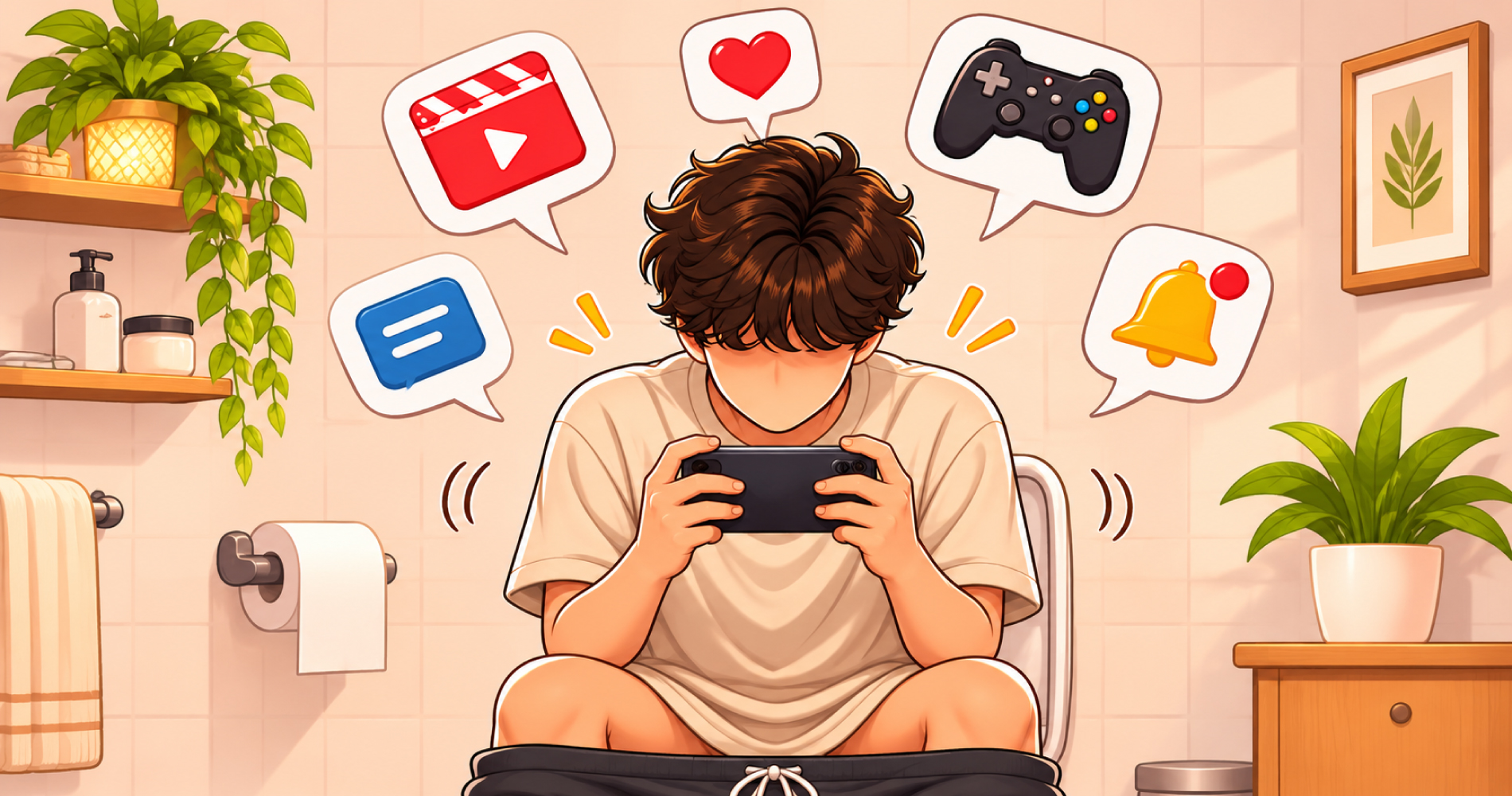
To be honest, for some people the bathroom is not just a place to poop. It is their personal entertainment zone.
One minute, a person goes into the bathroom to poop quickly. The very next minute, he is watching reels, checking messages, playing games, and wondering how 25 minutes passed. But why does this happen?
The dopamine connection: Your brain wants entertainment
Social media platforms and video games are designed to keep people engaged through notifications, new content, achievements, and sudden rewards. Dopamine is a neurotransmitter that plays an important role in motivation, learning, and reward-related behavior.
Whenever a person watches an interesting reel, receives a notification, or completes a level in a game, their brain gets another chance to experience reward-related stimulation. Even the expectation of finding something interesting can motivate people to keep scrolling continuously.
Now imagine what happens when this is combined with going to the bathroom? Instead of sitting quietly for a few minutes, the person keeps getting entertained continuously. Gradually, the brain may start forming a connection between going to the bathroom and using the phone.
Suddenly, sitting on the toilet without a phone starts to feel like waiting for a movie to load without the internet.
Is scrolling actually helping you poop?
Not necessarily. Using your phone can distract you from boredom and make the bathroom experience more comfortable. However, scrolling does not stimulate the digestive system the way caffeine or nicotine can.
Some people get so absorbed in their screens that they do not even realize how much time they are spending on the toilet. And that is where the problem starts. Sitting on the toilet for a long time, especially when it is combined with a habit of straining, can increase pressure around the anus and contribute to problems like hemorrhoids.
Your phone may be entertaining, but your bathroom is not a Netflix theater. Finish your business and come out.
The tea connection: Why does morning chai make you want to poop?
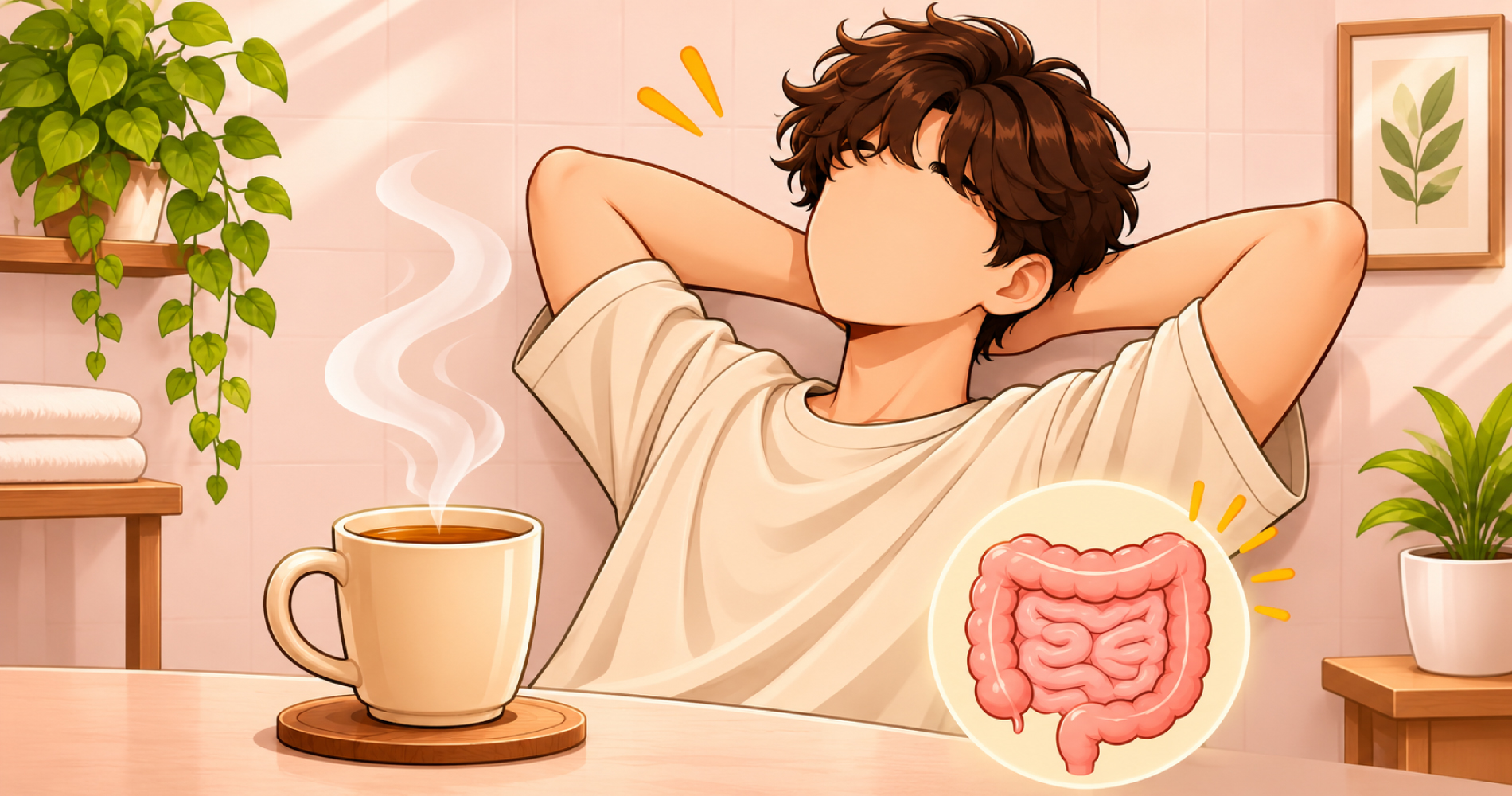
For many people, the morning routine is incomplete without a cup of tea or coffee. But here is an interesting thing: sometimes this morning drink actually affects the process of bowel movement.
The reason for this is caffeine and a process called the gastrocolic reflex.
What is the gastrocolic reflex?
The gastrocolic reflex is a natural response of the body, in which after eating or drinking something, the movements of the stomach signal the large intestine to become more active.
This helps the stool already present in the large intestine move forward. This is one reason why many people feel the urge to have a bowel movement after breakfast.
Caffeine can also stimulate the movements of the large intestine in some people, which may make them feel like going to the bathroom some time after drinking coffee. Tea also contains different amounts of caffeine depending on its type and the way it is prepared. Therefore, its effect can be different for each person.
Is it the tea or just your morning routine?
The interesting thing is that this can involve both physical and psychological reasons. If a person drinks tea at the same time every morning and then regularly has a bowel movement, their brain begins to form an association between tea and the bathroom routine.
Gradually, the familiar smell, taste, or time of the morning tea can become part of that expected routine. However, this does not mean that every person needs tea in order to have a bowel movement.
Your digestive system is already equipped with natural processes to control bowel movements. Tea can simply become a familiar part of that routine.
The cigarette connection: Why does smoking make some people want to poop?
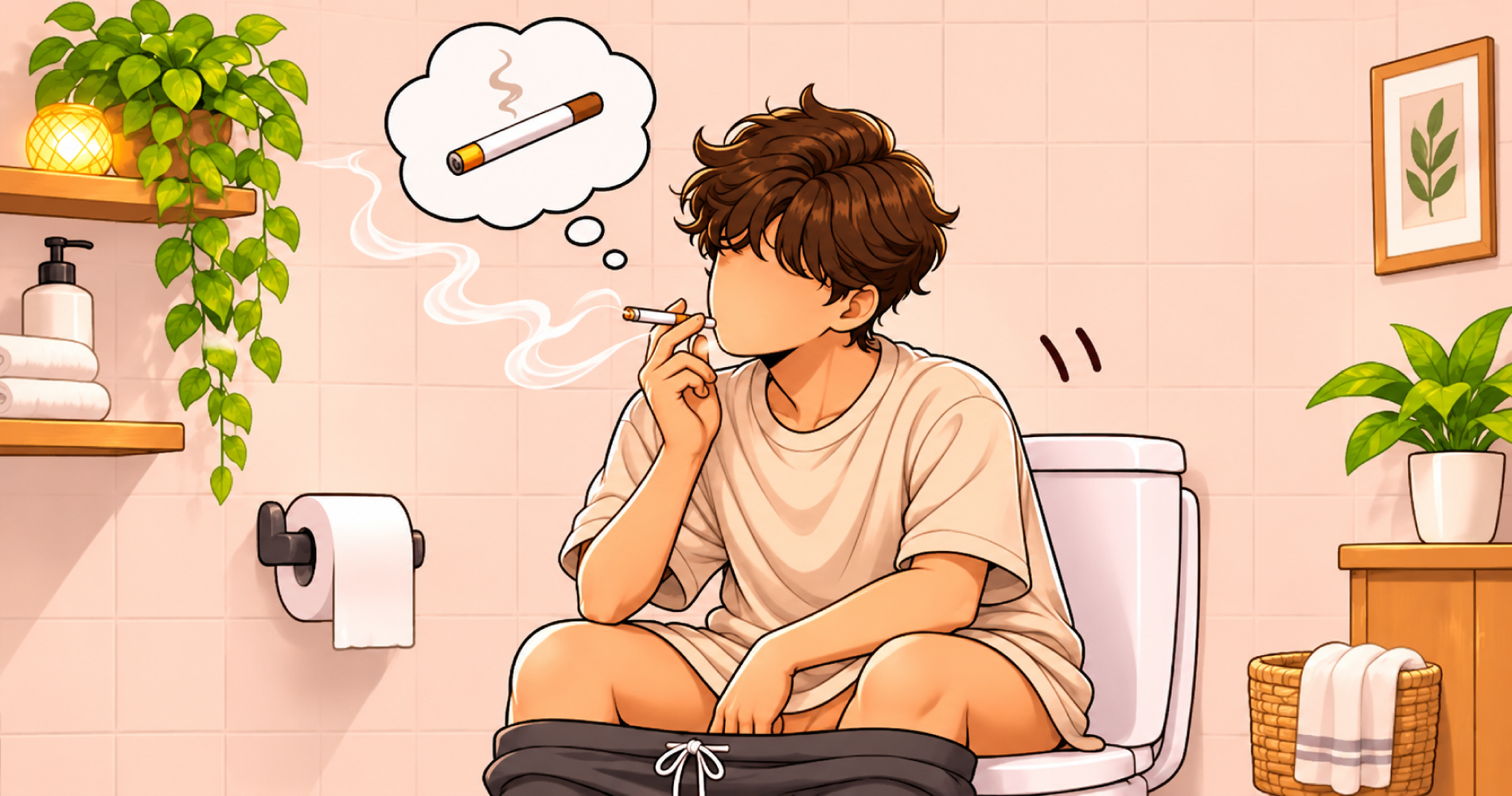
Now let’s talk about the most interesting and potentially concerning bathroom ritual. For some people, smoking a cigarette in the morning becomes as necessary as drinking tea. Right after smoking a cigarette, they may even feel the urge to poop.
But is this entirely psychological? Not really. Nicotine, the addictive and habit-forming substance found in cigarettes, affects the nervous system and can also affect the activity of the digestive system.
In some people, it can stimulate contractions of the large intestine, which may increase the urge to have a bowel movement.
Why does the brain associate cigarettes with pooping?
Imagine that a person smokes a cigarette every morning before going to the bathroom. After repeating this behavior regularly, their brain may connect the two activities.
The cigarette becomes a familiar cue, while the bowel movement that follows may strengthen this routine even more. This combination of physical stimulation and a learned mental habit can make changing this behavior especially difficult.
However, there is an important distinction to understand here. Smoking to control constipation is not a safe or recommended method. Cigarettes contain harmful substances, and nicotine can be addictive. Its possible short-term effect on bowel movements is nowhere near as important as the serious health risks associated with smoking.
In other words, your digestive system does not need a cigarette subscription.
The gut-brain connection: Is your brain controlling your bathroom habits?
Have you ever noticed that when you are stressed, your stomach can suddenly get upset? You may have felt stomach discomfort before an exam, an important meeting, or a stressful situation.
This happens partly because the brain and the digestive system are constantly communicating with each other. This is called the gut-brain axis. This communication network includes the nervous system, hormones, and the signals sent between the brain and the digestive system.
The brain can affect digestion, intestinal activity, and the way digestive sensations are felt. The digestive system also sends signals to the brain.
Why does relaxation matter during a bowel movement?
The autonomic nervous system controls many involuntary processes in the body, including digestion. Its parasympathetic part supports digestive activities and helps the body work in a more relaxed state.
On the other hand, stress and anxiety can affect intestinal activity differently in different people. Some people feel the urge to have a bowel movement repeatedly, while others may have constipation or difficulty having a bowel movement. This explains why a person may have trouble pooping while traveling, using an unfamiliar bathroom, or under a lot of stress.
The bathroom environment, privacy, comfort, and familiar routine can all affect the experience. So sometimes the problem is not that your body has forgotten how to poop. It may be that your mind and digestive system are responding to different signals.
Can you train your brain to poop only with a specific trigger?
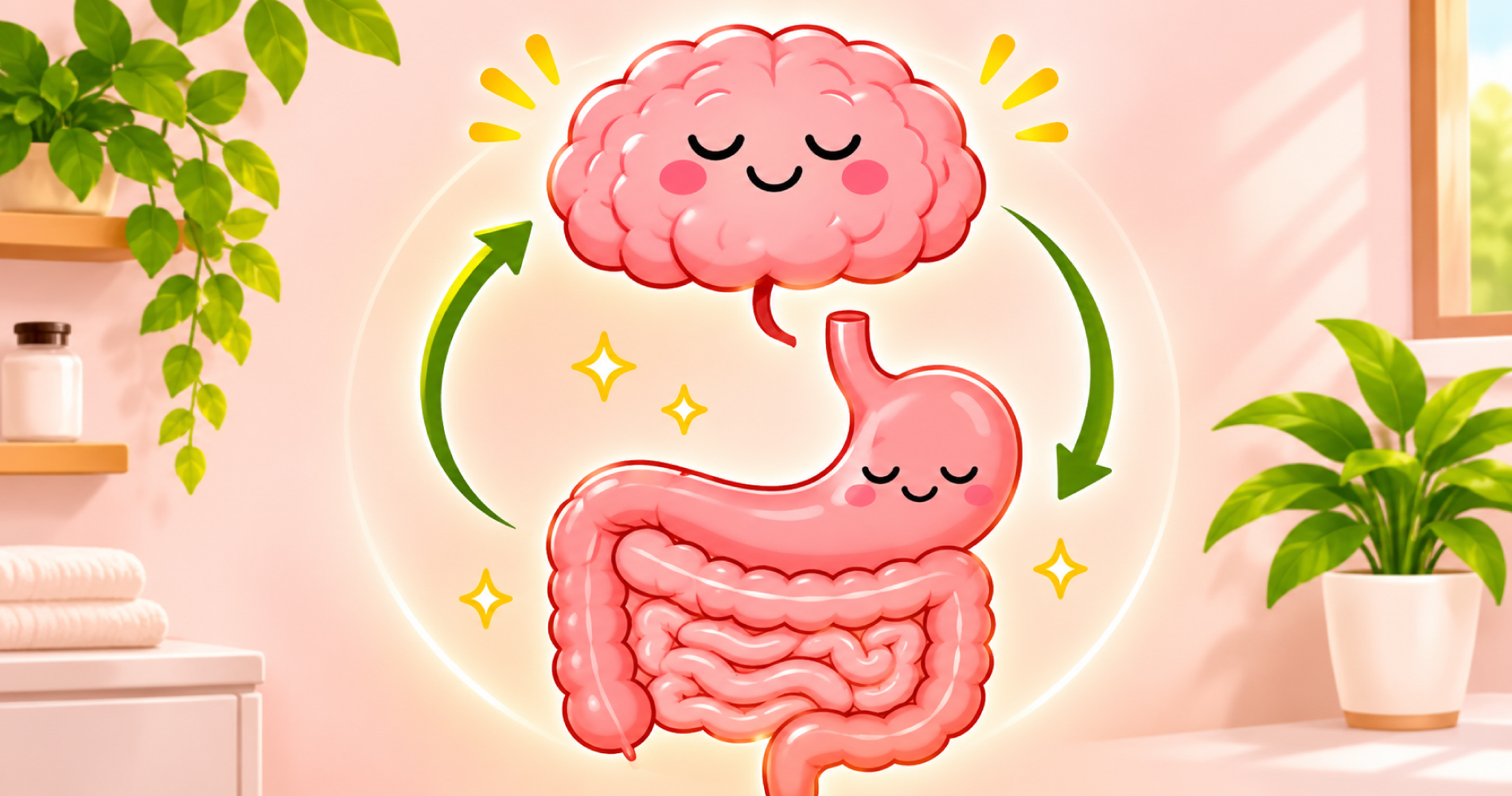
The direct answer is: you can develop a strong association, but that does not mean your body always becomes dependent on that specific cue. Repeated behaviors can become automatic habits through conditioning.
For example, a person who always scrolls social media while sitting on the toilet may start picking up their phone as soon as they go into the bathroom, without thinking. Similarly, a person who drinks tea before a bowel movement may start expecting the same sequence every morning.
When this routine changes, they may feel uncomfortable or feel like something is incomplete. This situation is seen especially when traveling or while staying in an unfamiliar place.
However, there is a difference between a learned bathroom habit and a real digestive problem. If a person has trouble having regular bowel movements without caffeine or nicotine, it is important to understand whether constipation or some other digestive problem is behind this behavior. A familiar ritual should not be used as a substitute for understanding one’s digestive problems.
How to break bad habits and build a healthy bathroom routine
If your bathroom routine currently includes scrolling for up to 30 minutes, drinking several cups of tea, or smoking a cigarette before every bowel movement, then maybe it is time to upgrade your routine a little.
The goal is not to eliminate every familiar habit overnight. Rather, it is to develop a healthy relationship with your body’s natural digestive process. Here are some practical ways to get started.
Stop treating your phone like a bathroom essential
Try leaving your phone outside the bathroom.
Initially, sitting without scrolling might feel unusually boring. However, gradually reducing screen use can help break the association between entertainment and bathroom visits.
Establish a consistent bathroom routine
Try visiting the bathroom at a similar time each day, particularly after breakfast.
The gastrocolic reflex is naturally more active after meals, making this a convenient time for some people to have a bowel movement.
Avoid depending on cigarettes
If smoking has become part of your bathroom routine, consider seeking support to quit.
Nicotine dependence can make changing this behaviour difficult, but healthier alternatives are available.
Stay hydrated and eat enough fibre
Adequate fluid intake and dietary fiber support normal bowel function.
Include fiber-rich foods such as fruits, vegetables, whole grains, and legumes in your diet.
Understand your triggers
Pay attention to what makes you feel like you need to poop.
Is it your morning tea, waking up, breakfast, or simply entering the bathroom? Understanding these patterns can help you distinguish natural digestive responses from learned routines.
Avoid forcing a bowel movement
Do not sit on the toilet for extended periods or repeatedly strain when nothing is happening. If you regularly experience constipation, pain, or difficulty passing stool, consult a healthcare professional instead of relying on bathroom rituals.
Building good habits takes time. Your digestive system does not need to follow a complicated morning checklist to function normally.
When are bathroom habits a sign of a bigger problem?
If you have a preferred bathroom routine and your bowel movements are comfortable and regular, there is usually nothing to worry about. However, persistent constipation, excessive straining during bowel movements, abdominal pain, or difficulty passing stool should not automatically be assumed to be a psychological habit.
Irritable bowel syndrome (IBS), pelvic floor dysfunction, side effects of medications, and other digestive system problems can also affect bowel movements. If you have persistent changes in bowel habits, blood in the stool, unexplained weight loss, or frequent abdominal discomfort, consult a doctor.
The most important thing is to understand when a normal habit may be hiding an underlying digestive problem.
Conclusion: Your body knows how to poop. Does your brain just need its favourite ritual?
From scrolling Instagram to drinking morning tea and smoking cigarettes, people develop some surprising bathroom-related habits. But all of these behaviors are not linked to a single psychological process.
Using a phone and gaming can provide stimulation linked to entertainment and reward. The caffeine in tea and the gastrocolic reflex can affect bowel movements. The nicotine in cigarettes can stimulate the activity of the large intestine, while repeatedly repeated routines can strengthen the connection between smoking and bowel movements.
The brain also plays an important role through conditioning, expectations, and the gut-brain connection.
Conclusion? Your body already has a natural digestive system. It does not need Instagram notifications, another level of a game, or cigarettes to work. Enjoy your tea, play games, and use your phone whenever you want. Just do not turn your bathroom into a place where every normal bodily process needs a separate supporting cast.
Because, honestly, you should not need a whole production team to poop.
Disclaimer
This article is written for general educational and informational purposes only. It should not be considered a substitute for professional medical advice, diagnosis, or treatment. Consult a qualified healthcare professional for persistent constipation, changes in bowel habits, or other digestive symptoms. Smoking is harmful and should never be used as a treatment for constipation.
FAQs
1. Why can’t I poop without my phone?
Some people develop a connection between using their phone and going to the bathroom because of repeated habits and conditioning. Scrolling and playing games also serve as entertainment and distraction. However, using a phone is not necessary for normal bowel movements.
2. Can drinking tea help with pooping?
Yes, the caffeine in tea can stimulate colon activity in some people. The gastrocolic reflex can also create the urge to have a bowel movement after eating or drinking. Its effect can vary from person to person.
3. Why does smoking cigarettes make me want to poop?
Nicotine can affect the activity of the digestive system and may stimulate colon contractions in some people. Repeated smoking and going to the bathroom can also create a mental association between the two. However, smoking is harmful and is not a safe treatment for constipation.
4. What is the habit loop in bathroom habits?
The habit loop includes a cue, a routine, and a reward. For example, waking up in the morning can be the cue, drinking tea or scrolling can become the routine, and having a bowel movement or feeling relaxed can be the reward for repeating that behavior.
5. How do you break unhealthy bathroom habits?
Start by using your phone less, setting a regular time to go to the bathroom, eating enough fiber, drinking water, and paying attention to your body’s natural urge to have a bowel movement. If you depend on cigarettes for bowel movements, seek professional help to quit smoking.

Content Writer with 3+ years of experience turning ideas into words people want to read, share, and remember. I create research-backed social media and lifestyle content that blends storytelling, creativity, and audience insights to make every piece feel fresh, relatable, and engaging.