
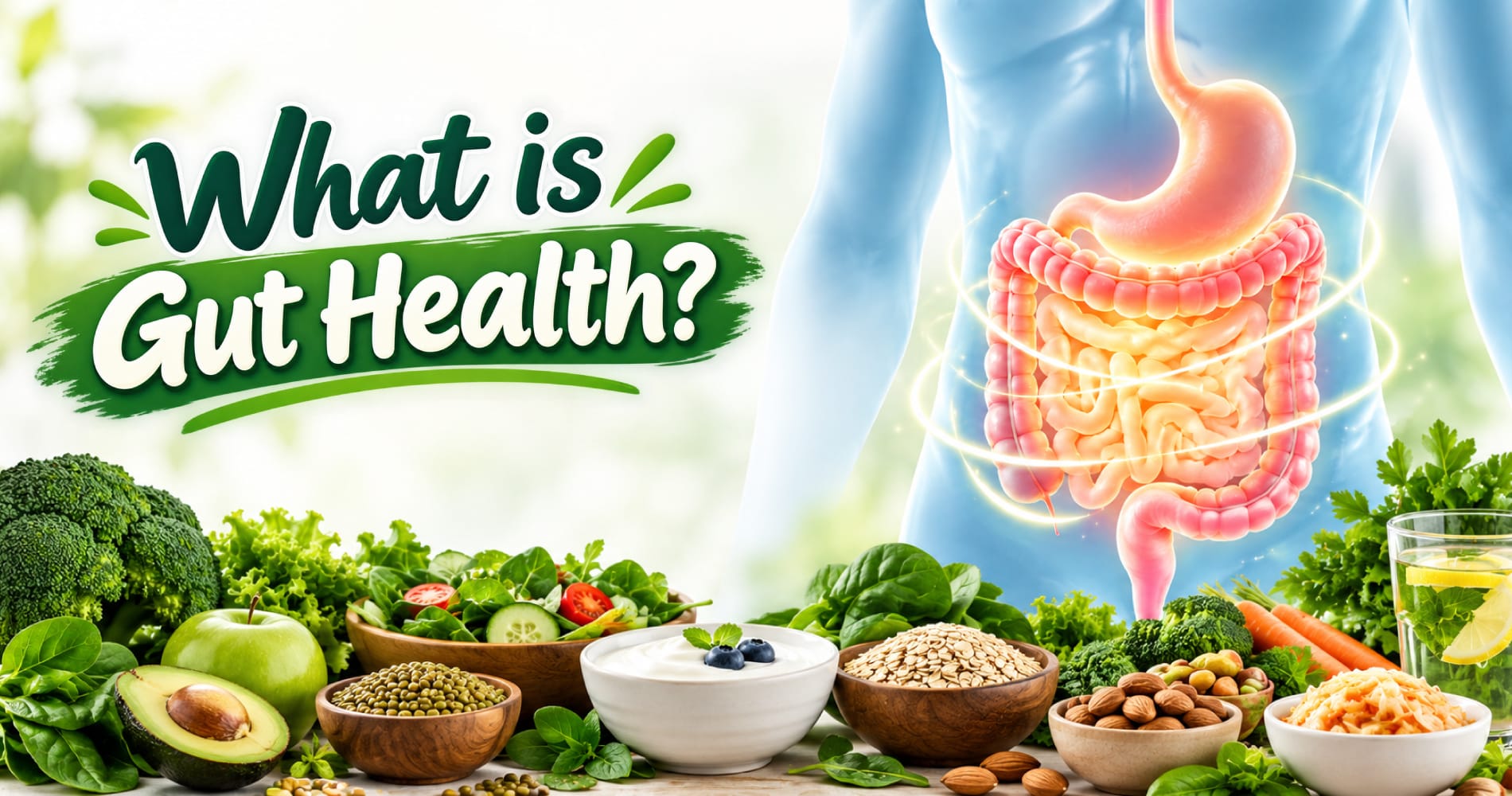
Abstract:
Whenever we talk about health, our attention often goes to weight, skin, hair, heart, or immunity. But amidst all this, there is one part of the body whose health can affect all the body parts, that is, the gut, i.e., the digestive system. Gut health is not just about digestive health, so what is gut health? What happens inside the stomach and intestines? You must have heard the terms “gut microbiome,” “good bacteria,” and “gut-friendly food” a lot. To understand these questions, let us first understand what the gut is and how it works.
Introduction: What is Gut Health?
In simple terms, gut health refers to the proper functioning of the digestive system. Our digestive system is not simply a pipeline from processing food. It is a complex system in which multiple organs, from the mouth to the pancreas, work together. When we eat food, the body breaks it into small nutrients. After this the body absorbs these nutrients and expels those things that are not needed. In which mouth, food pipe, stomach, small intestine, large intestine, liver, pancreas, and other organs work together.
This process helps to obtain energy and absorb essential nutrients. But the thing to note is that the story of gut health is not limited to digestion only. Our body contains microorganisms like bacteria, viruses, and fungi. Their entire group is called the gut microbiome.
Where is Gut in our body?
In common language, we often consider the stomach and gut to be the same, but both are different things. Stomach, i.e., the stomach is only one part of the digestive system. The word “gut” is generally used for that part of the digestive system that mainly includes the intestines. When we eat food, the food first passes through the mouth and reaches the stomach through the food pipe. Food stays in the stomach for some time, and the process of digestion progresses. After this it reaches the small intestine. The small intestine is an important part of the gut where essential nutrients obtained from food are absorbed in the body.
After this, the remaining substance, which is no longer useful, goes into the large intestine, in which mainly water and some electrolytes are absorbed and the process of stool formation progresses. Ultimately the body expels these residual substances from the body in the form of stool. For this reason it is not correct to call Gut a stomach. The gut is an essential place in our body for the digestion of food, absorption of nutrients, and the gut microbiome present in the intestines.
From Plate to Body: Food Journeys?

Suppose you have a normal meal (rice, vegetables, and chapati). As soon as you eat the food, the body starts doing its work. First of all, food is chewed in the mouth and gets mixed with saliva, after which the food passes into the small intestine. Here many nutrients obtained from food are absorbed into the body. Nutrients like sugars obtained from carbohydrates, amino acids obtained from proteins, and fatty acids obtained from fats are useful for the body. After this the unusable substances move towards the large intestine.
Water is absorbed in the large intestine, and the microorganisms living there also play a role in many processes. Ultimately, the body expels the waste material that is not needed. This entire process tells us that the gut is not just a place to store food but an active processing system of the body.
What is the gut microbiome?
“Your gut is not an empty space—it is a tiny ecosystem filled with microorganisms.” Let us now understand the most talked about part of gut health, the gut microbiome. A large number of microorganisms live in our intestines. In common parlance, these are called gut bacteria, but in reality, apart from bacteria, other microorganisms are also included in the gut microbiome. The composition of microorganisms is different in every person.
Your diet, age, environment, lifestyle, medications, and many other factors can affect your gut microbiome. This is the reason why even if two people eat the same food, their digestive response may be different. It can be understood as a small ecosystem.
Are all gut bacteria bad for everyone?
No. This is one of the most common misconceptions related to gut health. Most of us start thinking about disease when we hear the word bacteria. But not all bacteria present in the body are harmful. The intestines also contain microorganisms that play a useful role in the normal processes of the body. Some gut bacteria use dietary fibre ferment substances like dietary fiber to form compounds that play an important role in the intestinal environment and normal body processes. The goal is not to eliminate all bacteria from the body. A healthy gut is not about eliminating bacteria but about maintaining a balanced and diverse microbial community.
What is the relation between gut health and digestion?
The right way to understand gut health is to start with digestion. If your digestive system is working properly, you are able to digest food and absorb its nutrients normally. So when there is a problem related to digestion, a person may have problems like flatulence, gas, diarrhea, stomach discomfort, or indigestion.
But it is very important for you to understand one thing here: that sometimes having gas or flatulence does not mean that your gut is bad. Any person may have digestive symptoms sometimes. Eating too quickly, overeating, stress, travel, change in routine, or certain foods can also cause irregular digestive discomfort. It can be a matter of concern when symptoms occur repeatedly.
Is not cleaning the stomach every day a sign of not having a healthy gut?
This is not completely correct. Bowel movement can vary from person to person. One person may have stool once a day, while another person may have a different pattern. Therefore, a complete assessment of gut health cannot be given only on the basis of whether I go to the toilet daily or not.
To understand gut health, many things have to be seen, like how digestion is the digestion, whether there is any sudden change in bowel habits, whether there is constant bloating or abdominal discomfort, and how the body feels after meals. If there is a persistent or sudden change in bowel habits, especially if it is accompanied by other serious symptoms, it may be necessary to seek medical advice.
What is the connection between gut and immunity?
A large part of our immune system is a constant interaction between the immune systems located around the digestive tract. Whatever we eat comes in contact with the digestive tract. For this reason, there is a constant interaction between the gut and the immune system. The gut microbiome also plays a role in the environment. It is also not right to say that “If you cure your gut, you will be saved from every disease. ” But it can be understood that a healthy gut is a part of many processes related to the normal functioning of the immune system.
Is there a connection between gut and brain also?
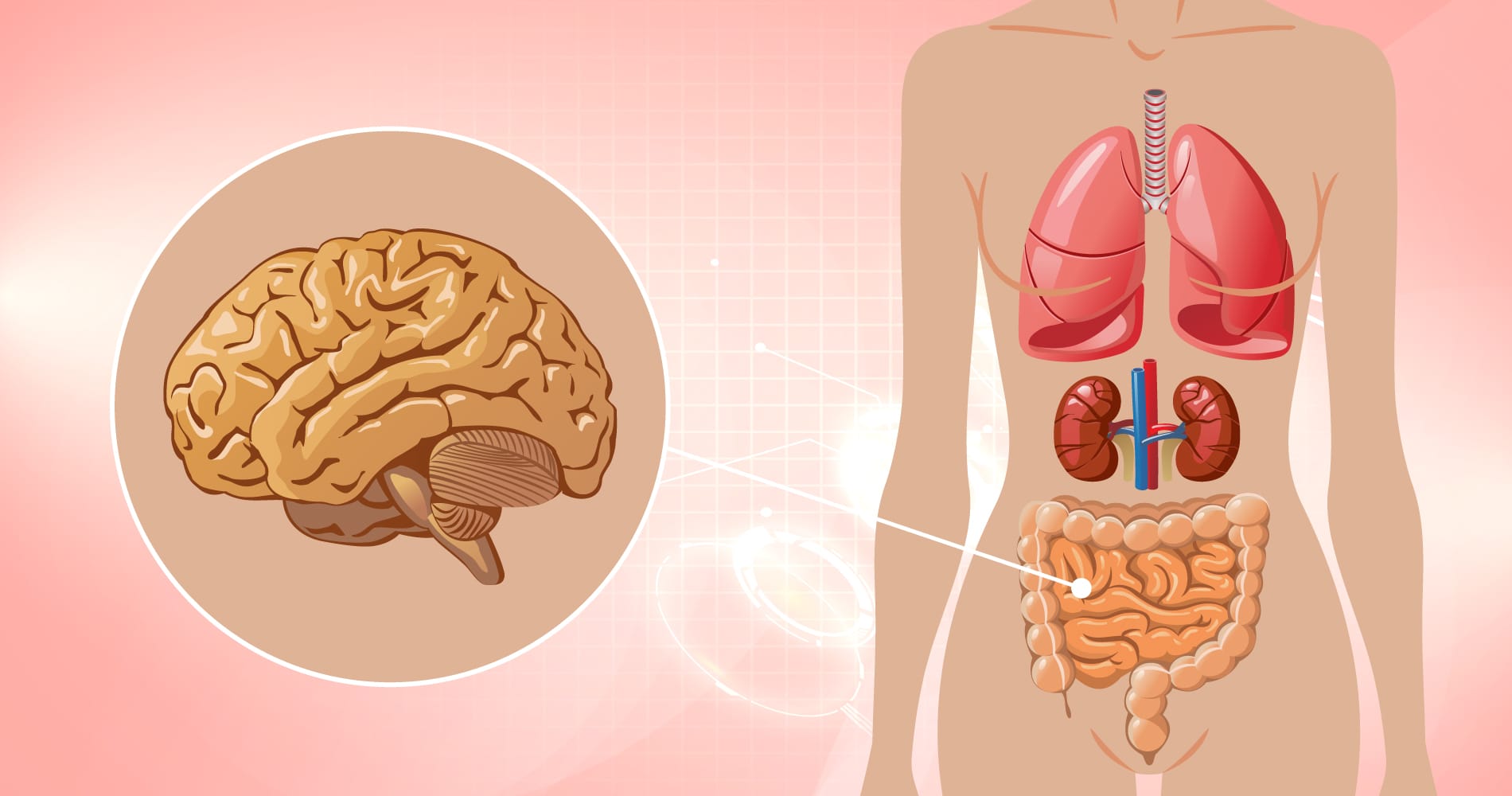
Yes. This is called the gut-brain axis. It may sound a bit strange, but what is the connection between the brain and the intestine? Actually, there is continuous communication between our digestive system and brain. Many factors related to the nervous system, hormones, immune signals, and gut microbiome play a role in this.
For this reason, when we are under stress, its effect can be felt on the stomach. Feeling upset in the stomach before any important work or change in bowel habits during excessive stasis can be an everyday example of this. On the other hand, digestive problems can also affect a person’s mood and comfort, but caution is necessary here too. This does not mean that the gut is the cause of every mental problem or that changing diet is the cure for every digestive problem.
Gut-Skin Connection: There Is a Connection, but Not a Magic Solution
Nowadays there is also talk of the gut-skin axis. This means that there may be a possible biological connection between the gut and the skin. Our skin is the largest organ in the body, and it is influenced by the immune system, hormones, nutrition, and many other biological processes.
Research is done on the relationship between the gut microbiome and skin health. Some studies indicate possible connections, but it would not be right to link every skin problem with a bad gut. For example, having acne. This does not mean that the person’s gut is bad; hence, one should be careful of the misconception that gut health is the only solution to skin health.
Signs of bad gut health?
Now the most important question is—how to know when to pay attention to gut health?
Some digestive symptoms may occur:
- frequent gas formation
- puffing patty again and again
- constipation
- diarrhea after diarrhea
- stomach discomfort
Frequent digestive discomfort after eating certain foods But looking at one or two symptoms, it cannot be decided that gut health is bad.
For example, bloating can be caused by many things; similarly, constipation can be caused by low fiber intake, lack of water, physical inactivity, or many other factors.
What things can affect gut health?
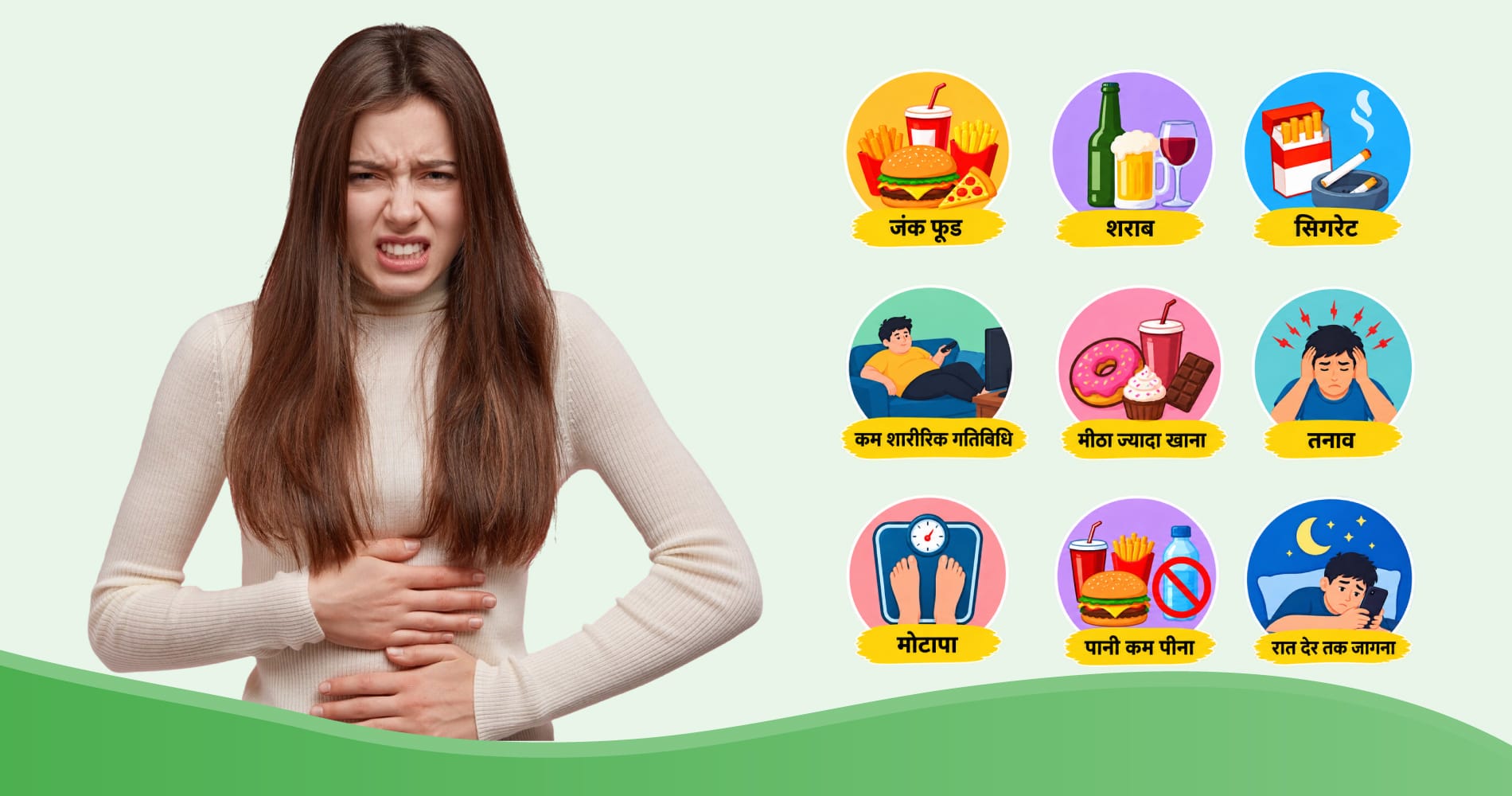
Our gut is a dynamic system; that means it can change with time, and there can be many factors behind it.
Food and drink:
What we eat is very important for gut health. Fiber-rich foods, fruits, vegetables, whole grains, legumes, nuts, and seeds can add variety to the diet. Highly processed foods and a diet that lacks fiber and dietary variety may not be ideal for the gut microbiome. Consistency is more important than perfection.
Fiber:
Fiber comes up again and again when it comes to gut health. It is a carbohydrate obtained from plants that our body does not digest completely.
Some are found in foods like fruits, vegetables, beans, whole grains, nuts, and seeds. If a person’s diet is rich in fiber, introducing too much fiber suddenly can cause bloating or discomfort, so it may be better to make dietary changes slowly. It is also important to take adequate fluids.
What is the role of water?
Water is often overlooked in discussions of gut health. The body needs adequate fluids, and water helps keep stool soft, but there is no simple formula for the more water, the healthier the gut. Your fluid requirements can depend on things like your age, activity, weather, diet, and health, so drinking enough fluids throughout the day is a normal healthy habit.
How is exercise related to the gut?
We mostly look at exercise to lose weight, keep the body fit, or strengthen the muscles. But do you know that regular exercise also affects the gut, i.e., the five tantras? The gut is not only responsible for digesting food, but it is also an important part of our overall health.
Therefore, when we keep the body active, its effect can also be seen on the work process of the digestive system or intestines. Through exercise, blood circulation in the body increases; hence, people doing light running, cycling, or other physical activities can have bowel movements, i.e., consistency of stool excretion.
Research shows that regular physical activity can affect the diversity or composition of the gut microbiome, but the effect is different for each person. The best way to keep your gut healthy is to focus on one thing while maintaining a balanced lifestyle.
How can stress affect the gut?
You must have experienced that whenever we have an exam, interview, or big presentation, suddenly our stomach starts churning?
This is not just your illusion. Due to the communication between the brain and the digestive system, the effect of stress and emotions can be felt on digestion. Prolonged stress increases digestive symptoms in some people. Therefore, while talking about gut health, it is not right to focus only on healthy food, good sleep, physical activity, and stress management; all these are part of complete health.
Is it necessary to take probiotics?
Probiotics are live microorganisms that can provide health benefits when given in appropriate quantities. Probiotics are considered one of the most popular topics in gut health these days, but the most important thing is that not every probiotic is necessary for every person. Some probiotic strains may be beneficial for a specific health condition, but this does not mean that any probiotic product available in the market will necessarily or equally work for all people.
What are prebiotics?
If we understand prebiotics in simple language, these are substances that the body does not digest completely and that can act as a food source for some beneficial microorganisms. Such dietary components are found in many plant foods, so for gut health, thinking like eating only good bacteria is not enough. The environment provided to the microorganisms present in your gut is also important. This is the reason why a diverse and plant-rich diet holds an important place in the discussion of gut health.
Is gut detox needed?
Terms like “gut detox” and “colon cleanse” are very popular on the internet, but a little caution is necessary here. Our body already has systems like the liver, kidney, and digestive system involved in waste removal processes. Not every person needs to cleanse their gut with any special detox drink, juice cleanse, or supplement. Some detox products can cause reverse digestive problems, so there is no magic for gut health. Instead of looking for detox, it is better to focus on basic habits—balanced diet, adequate fiber, fluids, physical activity, sleep, and overall healthy lifestyle.
What should we eat for gut health?
No magic food can cure gut health; the better way is to bring variety in the diet. You can include different types of foods in your diet—fruits, vegetables, beans, whole grains, nuts, seeds, etc. It is important to remember that a person’s medical condition, food intolerance, allergy, or dietary requirements may be different, so the same diet plan may not be right for every person.
The biggest misconceptions about gut health:
With the increasing trend of gut health, many myths are failing. The biggest misconceptions about gut health: With the increasing trend of gut health, many myths are also spreading rapidly.
Myth 1: Gas means bad gut.
May not necessarily be part of the digestive process. The problem becomes significant when it is very persistent or bothersome.
Myth 2: Everyone should take probiotic supplements
It is not necessary. The benefit of probiotics may depend on the specific strains and specific situations.
Myth 3: If your gut is bad, then detoxify.
This is not a scientific approach. It is important to understand first.
Myths 4: The root of every disease is a bad gut.
This claim is too broad. Gut health is an important part of overall health, but it is not right to link every disease to the gut.
Myth 5: Expensive gut health products are the best
It’s not even necessary. Several basic healthy habits—such as a diverse diet, adequate fiber, physical activity, and good sleep—may be important for gut health.
The easiest way to have a healthy gut?
- Eat a varied diet
- Include fiber-rich foods regularly
- Drink adequate fluids
- Stay physically active
- Get enough sleep
- Manage ongoing stress
- Avoid unnecessary antibiotics
- Pay attention to persistent digestive symptoms
- Seek medical advice when warning signs appear
Remember: gut health is not about doing everything perfectly. It is about building healthy habits consistently.
When should one consult a doctor?
Awareness about gut health is a good thing, but it is not right to treat every digestive symptom at home. If you have persistent or severe stomach pain, blood in the stool, unexplained weight gain, prolonged diarrhea or constipation, persistent vomiting, difficulty swallowing, or sudden and persistent changes in bowel habits, it is important to consult a healthcare professional, especially if any symptoms are recurring and are affecting your daily life. Do not rely solely on gut health tips found on the internet. Proper care of gut health starts with awareness, but it is equally important to seek medical advice if needed.
After all, why is gut health considered so important?
Gut health is becoming so important because currently science is helping us understand that different systems of the body are not separate from each other; everything we say affects digestion, our diet can affect the environment of gut microorganisms, there is a constant interaction between the gut and the immune system, there is communication between the brain and the digestive system, and overall lifestyle also plays a role in digestive health. Therefore, limiting gut health to just “not being constipated” would be too narrow a view. Gut health means taking care of your digestive system and its associated ecosystem.
Conclusion:
A healthy gut is not a trend, a long-term habit. Gut health may have become a trending health topic today, but its basis is not a new concept. Our gastrointestinal system has always been very important for our body; the only difference is that now research is helping us understand the complex processes taking place inside it and the role of the gut microbiome better than before. A healthy gut does not mean perfect digestion.
Sometimes there can be gas, sometimes there can be bloating, and sometimes the bowel routine of the body can change. There is no machine that will do exactly the same thing every day. The real goal is to understand your body, eat a balanced and diverse diet, get enough movement, get good sleep, and not ignore persistent troubling symptoms.
Disclaimer:
This article is for the purpose of general health awareness. This is not a diagnosis or treatment of any disease. Consult an appropriate healthcare professional if you have persistent, severe, or worrying digestive symptoms.
FAQs
1. What is gut health?
Gut health refers to the condition and functioning of your digestive system, including the stomach, intestines, and the microorganisms living in the gut. It plays an important role in digestion, nutrient absorption, and overall health.
2. Why is gut health important for overall health?
A healthy gut helps the body digest food, absorb nutrients, and maintain a balanced gut microbiome. Gut health is also connected with immune function and other aspects of overall health.
3. What are the signs of poor gut health?
Common signs may include frequent bloating, gas, constipation, diarrhea, abdominal discomfort, or changes in bowel habits. Persistent symptoms should be evaluated by a healthcare professional.
4. What is the gut microbiome?
The gut microbiome is the community of microorganisms, including bacteria, fungi, and other microbes, that live mainly in the digestive tract. A diverse and balanced microbiome is generally considered beneficial for gut health.
5. How does diet affect gut health?
Diet can influence the composition and activity of gut microorganisms. Eating a varied diet containing fiber-rich foods such as vegetables, fruits, whole grains, legumes, and nuts can support a healthy gut environment.
6. Does gut health affect the immune system?
Yes. A large part of the body’s immune system is associated with the gastrointestinal tract, and interactions between gut microorganisms and immune cells help regulate immune responses.
7. Can poor gut health affect the skin?
There is growing research on the gut-skin connection, suggesting communication between the gut, immune system, and skin. However, gut health is only one of many factors that can influence skin health.
8. How can I improve my gut health naturally?
Eating a diverse, fiber-rich diet, staying physically active, getting adequate sleep, drinking enough fluids, and avoiding unnecessary antibiotic use can help support healthy gut function and the gut microbiome.
9. Are probiotics necessary for everyone?
Not necessarily. Probiotics are live microorganisms that may provide health benefits in certain situations, but their effects can vary by strain and individual. A balanced diet should generally be the foundation of gut health.
10. When should I see a doctor for digestive problems?
Consult a healthcare professional if digestive symptoms are persistent, severe, or worsening, or if you experience warning signs such as unexplained weight loss, blood in the stool, persistent vomiting, or significant abdominal pain.
Read More
Complete Hair Care Guide: 10 Essential Tips for Healthy Hair Care

Riya Asati is an assistant professor and JRF-qualified researcher with 3+ years of experience in research-based content writing. Her expertise includes healthcare, medical, wellness, and educational content. She focuses on presenting health information in a clear, accurate, evidence-informed, and easy-to-understand manner. Through her writing, she aims to help readers understand important health topics and make informed decisions about their well-being.

4 thoughts on “What is Gut Health? From stomach to overall health, know the whole truth about Gut Health”