
Abstract
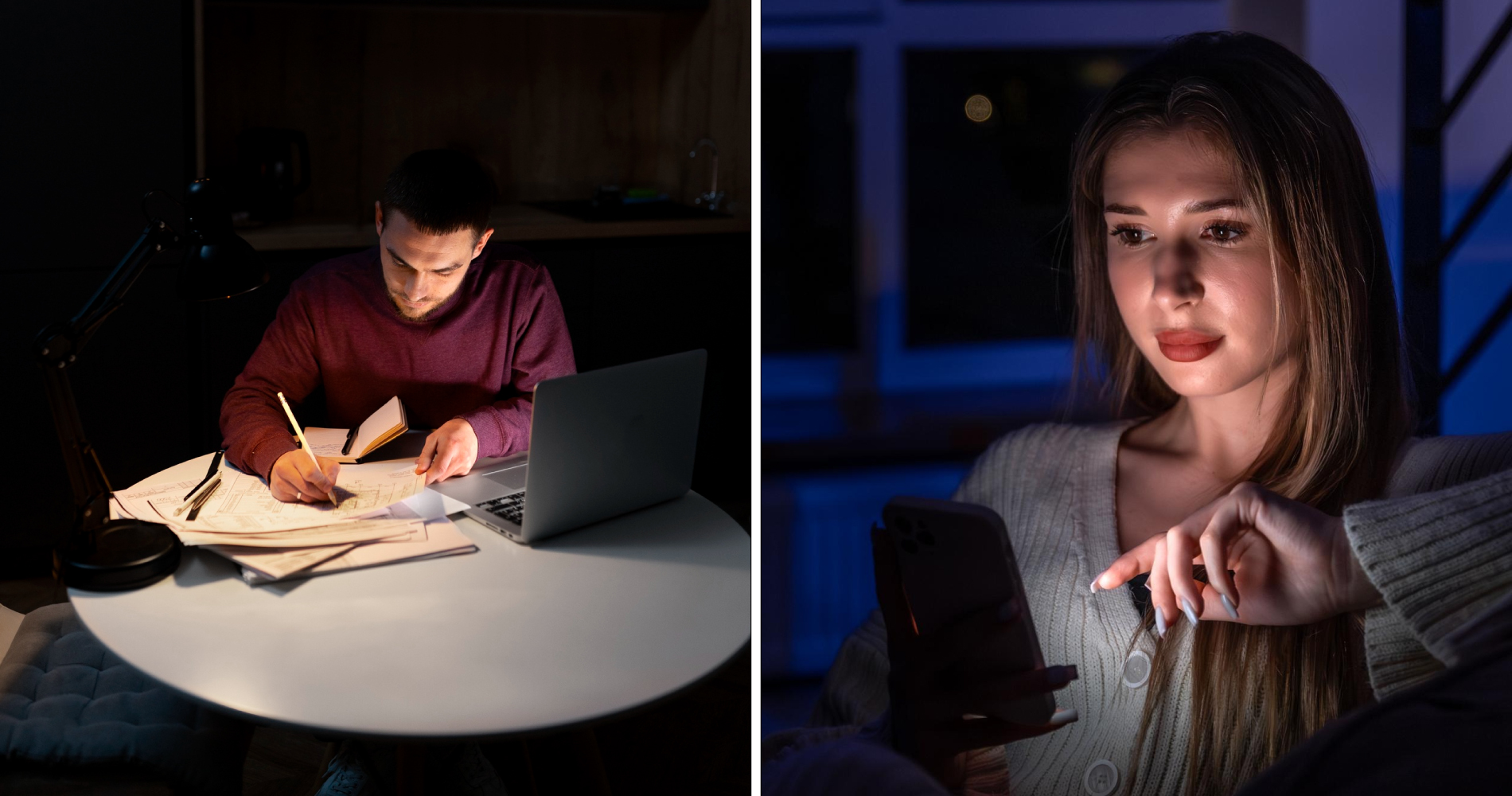
Your 3 AM scrolling session might be showing up on your face. One more reel turns into twenty minutes, and suddenly your alarm is just a few hours away. The next morning? Puffy eyes, darker under-eyes and skin that looks less refreshed than usual. Sound familiar?
Between college deadlines, work stress, binge-watching and endless doom-scrolling, sleep often takes a backseat. And when your skin starts looking tired, reaching for another serum or eye cream feels like the obvious fix. But what if your sleep schedule deserves some attention, too? Research suggests that insufficient sleep may affect skin hydration, barrier function and facial appearance. However, one late night won’t automatically cause permanent wrinkles, and not every breakout or dark circle is caused by poor sleep. So, can pulling all-nighters really affect your skin? Let’s explore what science says, separate skincare myths from facts, and discover how better sleep habits may support healthier-looking skin.
The Gen Z sleep problem: Doom-scrolling, deadlines and 2 AM bedtimes
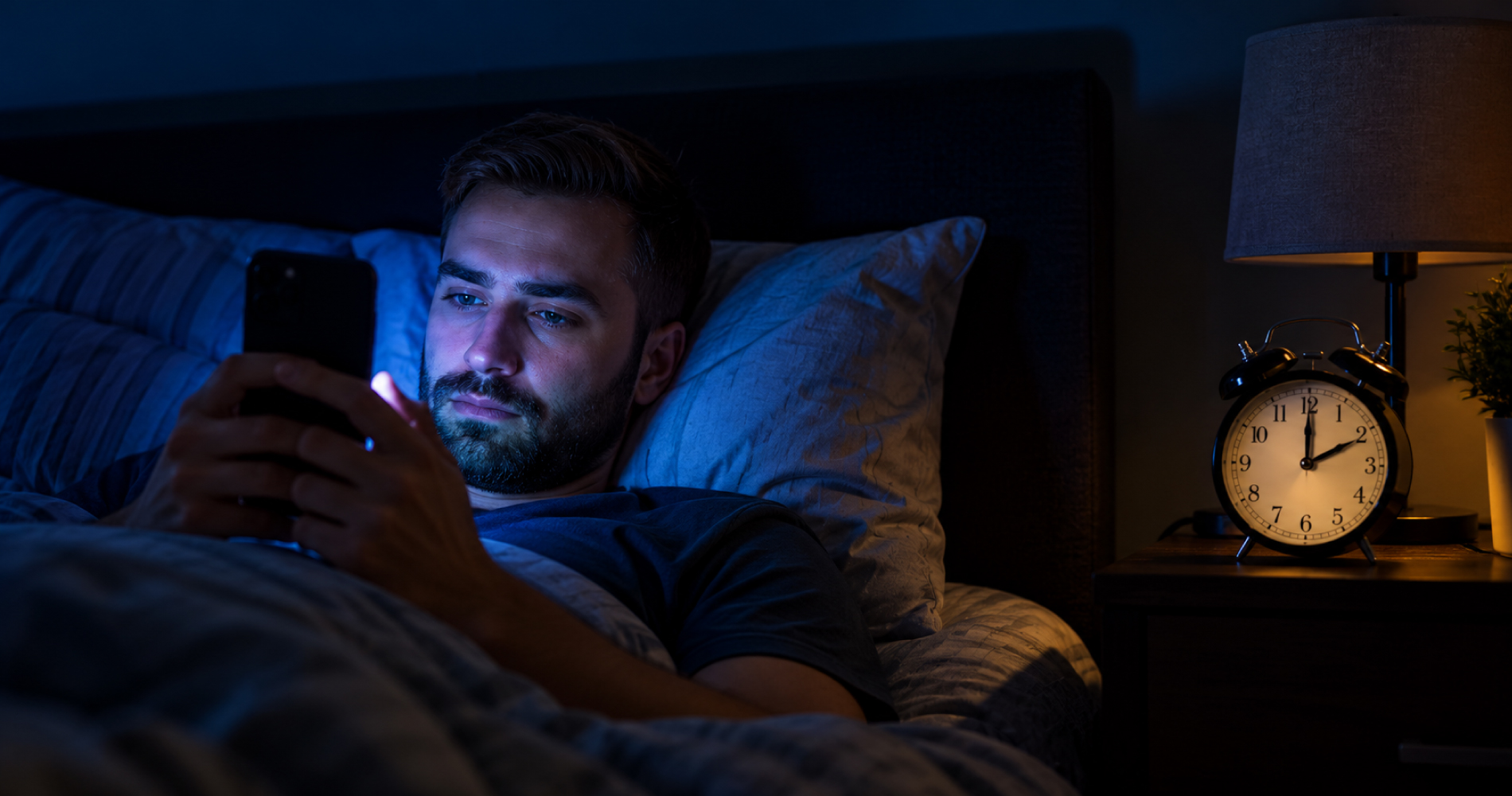
For many young adults, getting enough sleep sounds easy until real life gets involved. You might have an assignment to finish, a presentation to prepare, a shift at work or a long list of responsibilities waiting for you the next morning. Once those tasks are done, the temptation to spend some time relaxing online can be difficult to resist.
A quick message turns into an hour-long conversation. A show that was supposed to end at midnight somehow reaches its next episode before you realise how late it has become. Sometimes, this behaviour is called revenge bedtime procrastination: delaying sleep to reclaim personal time after a busy day. The term is popular in discussions about modern sleep habits, although it is not a formal medical diagnosis.
Whatever the reason, repeatedly delaying bedtime can reduce the amount of sleep you get, especially when your morning schedule cannot change.
Can late-night screen time affect sleep?
Screen use can contribute to delayed bedtimes in several ways. First, scrolling through social media is designed to keep your attention engaged. New videos, messages and notifications encourage you to continue interacting instead of winding down. Second, the content itself can be stimulating. An exciting game, an emotionally charged conversation or a stressful news story may make it harder to relax.
Third, light exposure in the evening can influence your circadian rhythm, the internal system that helps regulate sleep and wakefulness. The effect depends on factors such as the intensity and timing of light exposure, as well as individual differences. This does not mean your phone automatically damages your skin. The more relevant concern is whether using it at night repeatedly reduces your sleep duration or disrupts your usual sleep pattern. If you are regularly sleeping for only four or five hours because you cannot put your phone down, the consequences may extend beyond feeling sleepy during the day.
How much sleep do you actually need?
According to the Centers for Disease Control and Prevention (CDC), adults aged 18–60 should generally get at least seven hours of sleep per night. Teenagers aged 13–17 generally need eight to ten hours. These are general recommendations, and individual sleep needs can vary. Sleep quality and consistency also matter because getting enough sleep is not about following a perfect bedtime simply because it sounds healthy. It is about giving your body sufficient opportunity to rest and maintain its normal functions. An occasional late night is different from a routine in which you consistently sacrifice sleep to meet deadlines, scroll through your feed or catch up on entertainment.
And while your energy levels might be the first thing you notice, your skin may also respond to repeated sleep restriction. Your phone is not necessarily the problem, and going to bed after midnight is not automatically harmful. Repeatedly getting insufficient sleep is the more important concern.
The morning-after effect: What one bad night can do to your face
The morning after an all-nighter can feel like a reality check. Your eyes look tired, your face seems less refreshed, and your usual skincare products don’t appear to deliver the same results. Although these changes can have several explanations, researchers have investigated whether sleep restriction can influence measurable characteristics of human skin.
Why might your face look tired?
The appearance of your face depends on more than the condition of your skin alone. Under-eye shadows, eye redness, facial expression, puffiness and changes in hydration can all contribute to how rested or tired someone looks. Sleep restriction may influence some of these characteristics, but other factors can play a role, too. Allergies, genetics, fluid retention, illness and environmental conditions may affect the appearance of your face. This is why looking tired does not automatically mean your skin has been damaged.
What is the difference between tired-looking skin and damaged skin?
The distinction is important. Tired-looking skin is a general description of appearance. It might refer to dullness, puffiness, dryness or a less refreshed complexion. Skin damage refers to changes or injury involving skin structures and functions. For example, excessive ultraviolet exposure can contribute to premature skin ageing, while irritation from harsh products can disrupt the skin barrier.
A tired appearance after a short night does not prove that permanent damage has occurred. If you notice that your complexion looks different after sleeping poorly, there is no need to panic or immediately purchase a new product. Return to your usual routine, hydrate normally, protect your skin from the sun and give yourself an opportunity to rest. If the change persists or comes with other symptoms, consider whether another cause might be involved.
Inside the skin: Why sleep matters beyond your appearance
To understand the connection between sleep and skin, it helps to look beneath the surface. Your skin is an active organ that protects your body from environmental irritants, helps regulate temperature, limits water loss and participates in immune defence. Maintaining these functions depends on several interacting biological processes.
Sleep supports the body’s normal recovery and regulation, and researchers are investigating how insufficient sleep may influence processes that help maintain skin health.
Your skin follows a daily rhythm
Your body operates according to a circadian rhythm: an internal timing system that follows an approximately 24-hour cycle. This system influences sleep and wakefulness, hormone release, body temperature and other physiological functions. The skin also exhibits daily variations in processes such as temperature, blood flow and barrier permeability.
Research reviews have explored how circadian rhythms interact with skin-barrier function, inflammation and the body’s response to environmental stressors. Your skin does not suddenly stop functioning normally because you fall asleep after midnight. The more relevant questions concern sleep duration, quality, consistency and how well your schedule aligns with your body’s needs.
Understanding the skin barrier
Imagine your skin barrier as a protective wall. The outermost layer of the skin contains cells and lipids that help retain moisture and limit the entry of external irritants. When the barrier functions well, it helps maintain hydration and protects the skin from environmental challenges. Researchers often assess one aspect of this function using a measurement called transepidermal water loss, or TEWL.
TEWL describes the amount of water that passes through the skin and evaporates into the surrounding environment. Increased TEWL can indicate that more water is escaping through the skin barrier, although readings are also affected by environmental conditions and other factors. If your skin already tends to feel dry or sensitive, maintaining a gentle skincare routine and getting sufficient sleep are reasonable parts of an overall skin-health approach.
However, sleep deprivation is not the only explanation for dryness. Harsh cleansers, excessive exfoliation, cold weather, low humidity, certain medications and underlying skin conditions can also affect the skin barrier.
Sleep, stress and inflammation
Sleep and the body’s stress responses are closely connected. Insufficient sleep can affect the regulation of several physiological processes, including stress responses and inflammatory signalling. These processes are relevant to skin health because inflammation plays a role in conditions such as acne, eczema and psoriasis.
However, it is important not to overstate this connection. Evidence that sleep affects stress or inflammation does not automatically prove that sleep deprivation causes a particular skin condition in every individual. The relationship involves several factors, including genetics, hormones, environmental triggers and existing health conditions. Sleep is part of a broader system that supports your body’s normal functions. Its relevance to skin health extends beyond
Can Poor Sleep Make Acne Worse?
If you’ve ever noticed a breakout during an exam week, a stressful work project or several nights of poor sleep, you might have wondered whether the two are connected.
Research suggests that sleep disturbances and acne may be associated, but the relationship is complicated. Poor sleep is not the sole cause of acne, and not everyone who sleeps badly will develop breakouts.
Understanding how acne develops
Acne vulgaris is a common skin condition involving several interacting processes. These include increased sebum production, blocked hair follicles, changes involving Cutibacterium acnes and inflammation. Hormones, genetics, certain medications and other factors can influence acne development.
Sleep may be one additional factor within this complex picture. For example, inadequate sleep can contribute to stress and changes in daily habits. Stress may influence inflammatory and hormonal pathways that researchers have investigated in relation to acne. However, these possible connections do not establish that sleep deprivation directly causes every breakout.
The stress–acne connection
Consider a typical exam week. You stay awake to finish assignments, worry about your results and sleep less than usual. You might also change your eating habits, skip your usual skincare routine or spend more time touching your face. If a breakout appears, it can be difficult to determine which factors contributed to it. The term bidirectional is useful here. Poor sleep may contribute to difficulties associated with acne, while acne-related discomfort or concerns about appearance may also interfere with sleep.
Does sleeping late automatically cause pimples?
No, because sleeping at 2 AM does not automatically cause acne, particularly if you still obtain adequate, good-quality sleep and maintain a schedule that works for your body. Likewise, sleeping early does not guarantee clear skin. If your acne becomes worse during periods of insufficient sleep, it may be worth examining your overall routine rather than blaming one factor.
Consider whether your stress levels, skincare products, menstrual cycle, medications or other habits have changed. A simple diary can help you identify patterns, although it cannot prove that sleep is responsible. If breakouts are persistent, painful or leaving scars, consult a dermatologist. Evidence-based acne treatments may be more appropriate than repeatedly adding products or trying to correct your sleep schedule alone.
Better sleep may support your overall health and could help address some factors associated with acne, but it is not a guaranteed acne treatment.
Dark circles, fine lines and dullness: Separating facts from skincare myths
Few things make a late night feel more obvious than looking in the mirror the next morning and noticing your under-eyes.
Dark circles, puffiness and dull-looking skin are commonly associated with insufficient sleep. However, these concerns can have different causes, and the science is more nuanced than many beauty claims suggest.
Can lack of sleep cause dark circles?
Poor sleep may make you look tired, and dark circles can become more noticeable when you are exhausted. But dark circles are not a reliable indicator of how much sleep you get.
Several factors may contribute to their appearance.
- Genetics: Some people naturally have more prominent pigmentation or under-eye hollows.
- Skin thickness: The delicate skin beneath the eyes can make underlying blood vessels more visible.
- Pigmentation: Increased melanin can contribute to brown or darker areas around the eyes.
- Allergies: Allergic symptoms and frequent eye rubbing can contribute to under-eye darkness or swelling.
- Facial anatomy: The shape of the eye area can create shadows that resemble dark circles.
- Fluid retention: Swelling may change how light and shadows fall around the eyes.
Sleep is one possible influence, but it is not the only explanation. If your dark circles remain visible even when you are well-rested, genetics, pigmentation or facial anatomy may be more relevant than your bedtime.
This is also why an eye cream cannot necessarily solve every under-eye concern. The right approach depends on the underlying cause.
Why do your eyes look puffy after a late night?
Puffiness can be influenced by fluid retention, allergies, sleeping position, diet and individual anatomy. Sleep disruption may coincide with a tired appearance, but it is difficult to attribute every instance of under-eye swelling to sleep alone.
A cool compress may provide temporary comfort when your eyes look puffy. Avoid rubbing the area aggressively or placing ice directly on delicate skin. Persistent, painful or one-sided swelling, particularly when accompanied by redness or vision changes, should be medically assessed rather than automatically blamed on a late bedtime.
Can poor sleep make your skin look dull?
The term dull skin is widely used in skincare, but it is not a single medical diagnosis. People generally use it to describe skin that appears less luminous, less even or less refreshed than usual.
Nevertheless, lighting, dehydration, illness, environmental conditions and normal daily variation can also influence how your complexion looks. If your skin appears less refreshed after an all-nighter, that does not necessarily mean you have developed permanent skin damage.
Can lack of sleep cause premature ageing?
This is an important question, but it requires a distinction between short-term appearance and long-term ageing. Skin ageing is influenced by genetics, ultraviolet exposure, smoking, environmental factors and other aspects of health and lifestyle.
Fine lines can also appear more noticeable when skin is dehydrated. This does not mean that a single sleepless night has created permanent wrinkles. Your face may look tired after insufficient sleep, but a tired appearance is not proof of permanent ageing or damage.
The stress–sleep–skin cycle: When your mind Is awake too
Sometimes, the problem isn’t that you want to stay awake. It’s that your body feels exhausted while your brain refuses to switch off.
You lie in bed thinking about tomorrow’s workload, an unfinished assignment, a difficult conversation or something that happened weeks ago. The more you worry about not sleeping, the more difficult it can feel to relax. This is where the relationship between stress, sleep and skin becomes particularly relevant.
How stress and sleep influence each other
Stress can make it harder to fall asleep or stay asleep. Insufficient sleep can, in turn, affect emotional regulation and stress responses. For some people, this creates a cycle in which stress disrupts sleep, poor sleep makes daily challenges feel more difficult, and the resulting tension interferes with bedtime again.
Skin concerns can become part of this cycle. Someone dealing with acne, eczema or psoriasis may experience itching, discomfort or anxiety about their appearance. These symptoms can affect sleep. Poor sleep may then coincide with greater difficulty managing stress and daily routines.
This does not mean stress is the sole cause of a skin condition. It means that sleep and skin symptoms can influence each other, making the overall picture more complicated than a single trigger.
Your skin is not a measure of your discipline
Social media often presents flawless skin as the outcome of having the perfect products, diet, routine and lifestyle. This can make ordinary breakouts, pigmentation or under-eye shadows feel like personal failures. But your skin is not a performance review. Your complexion can change with hormones, genetics, weather, illness, stress and numerous other influences. Poor sleep may be one factor, but it is not a moral failing or proof that you have been neglecting yourself.
Focus on realistic changes you can maintain rather than trying to optimise every part of your life for a particular appearance. If anxiety or persistent sleep difficulties are affecting your daily life, consider speaking with a healthcare professional. You do not need to wait until the problem appears on your skin before taking it seriously.
Can your skincare routine make up for lost sleep?
Let’s be honest: buying a new skincare product can feel much easier than changing a habit you’ve had for years. A moisturiser takes seconds to apply. An eye cream seems convenient. A sheet mask can feel relaxing after a long day.
But can these products compensate for insufficient sleep? Not completely, because skincare products can support specific skin needs, but they cannot replace the broader physiological functions supported by adequate sleep.
What your skincare routine can realistically do
A simple routine can help maintain skin health while you work on improving your sleep habits.
- Cleanser: Use a gentle cleanser suited to your skin type. Avoid aggressive scrubbing in an attempt to remove dullness or tired-looking skin.
- Moisturiser: Moisturisers can help reduce water loss and support the skin barrier. Ingredients such as glycerin and ceramides may be useful, depending on the formulation and your skin’s needs.
- Sunscreen: Use broad-spectrum sunscreen during the day. Sun protection helps reduce UV-related skin damage and is important regardless of how well you slept.
- Targeted treatments: If you use products for acne, pigmentation or another concern, follow appropriate instructions and introduce potentially irritating ingredients carefully.
There is no need to overhaul your entire routine after one poor night.
Can eye creams erase the effects of an all-nighter?
That depends on what is causing your under-eye concerns. Some products may temporarily improve hydration or the appearance of fine lines. Certain ingredients may help specific types of pigmentation over time, depending on the formulation and individual response.
However, topical products cannot correct every cause of dark circles, particularly shadows related to facial anatomy or inherited characteristics. Be cautious of products promising to eliminate every trace of a late night overnight.
What about overnight masks and trending treatments?
An overnight moisturising product may help support hydration, but it does not replace sleep itself. Similarly, using multiple exfoliating acids, retinoids or other active ingredients is not a sensible way to compensate for a tired-looking complexion. Overuse can irritate the skin and worsen dryness or sensitivity.
The goal is to maintain a routine that addresses your actual skin needs rather than chasing an overnight transformation. Your skincare routine can support your skin. Your sleep routine supports your health. They work best as complementary habits, not substitutes for one another.
The realistic sleep reset: Small habits that support your skin
Telling someone to simply sleep earlier is not always helpful. Students have deadlines, professionals work late, and some people experience persistent sleep difficulties. A better approach is to focus on manageable changes that improve your chances of getting enough restorative sleep.
Start by protecting enough time for sleep
For adults aged 18–60, the CDC recommends at least seven hours of sleep per night. Teenagers generally need eight to ten hours. If you regularly sleep for four or five hours, begin by identifying where that time is going.
You may not be able to change everything at once, but recognising a recurring pattern is a useful first step. Remember that seven hours is a general minimum recommendation for adults, not a guarantee that everyone will feel rested after exactly that amount.
Give doomscrolling a cut-off time
You do not have to abandon social media to protect your sleep. Instead, experiment with a realistic stopping point. If you usually scroll until 2 AM, try putting your phone away 15–30 minutes earlier for a few nights and see whether the change feels manageable. You can also charge your phone away from your bed, use app limits, switch off unnecessary notifications or choose a less stimulating activity before bedtime. The purpose is not to make your evenings perfectly productive. It is to make room for sleep.
Keep your sleep schedule reasonably consistent
Going to bed and waking up at roughly similar times can help support your circadian rhythm. A schedule that changes dramatically between weekdays and weekends may make it harder to maintain a comfortable routine. You do not need to follow an exact minute-by-minute timetable. Start with a schedule that fits your commitments and allows sufficient time for sleep. If your current sleep pattern is significantly delayed, shifting it gradually may be more manageable than expecting your body to adapt overnight.
Create a wind-down routine that doesn’t feel like homework
A bedtime routine does not need ten steps, expensive products or a perfectly curated bedroom. Try something simple:
- Dim the lights as bedtime approaches.
- Take a warm shower if it helps you relax.
- Read a few pages of a book.
- Listen to calm audio or gentle music.
- Write down tomorrow’s tasks to reduce the urge to mentally rehearse them.
- Keep your skincare routine short and comfortable.
Choose activities that genuinely help you unwind. If your routine feels like another obligation, it may be difficult to maintain.
Pay attention to caffeine
Coffee, tea, energy drinks and other caffeinated products can interfere with sleep, particularly when consumed later in the day. Caffeine sensitivity varies, so pay attention to how your intake affects your ability to fall asleep and stay asleep. If you are regularly exhausted and relying on stimulants to get through the day, consider whether your sleep schedule or sleep quality needs attention.
Get daylight and movement during the day
Daytime light exposure and regular physical activity can support healthy sleep patterns. Try spending time outdoors during the day and incorporating movement that fits your lifestyle. A walk between classes or a short break outside may be more realistic than committing to a demanding workout routine. If you exercise close to bedtime, notice whether it helps you relax or leaves you feeling too energised to sleep.
Keep skincare simple on exhausted mornings
After a poor night’s sleep, it can be tempting to scrub your face, use extra exfoliants or apply several products to make your skin look more awake. Resist the urge to overcorrect.
A gentle cleanse, moisturiser when needed and sunscreen are sensible basics. If your skin feels irritated, avoid introducing several new active ingredients at once. There is no need to punish your skin because you stayed up late.
Know when to seek professional help
If you regularly struggle to fall asleep, wake frequently, feel excessively sleepy during the day or remain tired despite allowing enough time for sleep, speak with a healthcare professional. Persistent sleep difficulties can have several causes, and a professional can help assess them. Treatments such as cognitive behavioural therapy for insomnia may be appropriate for people with chronic insomnia. The goal is not simply to improve your complexion. Adequate sleep matters for your overall health, mood, concentration and daily functioning.
How quickly can your skin recover when you start sleeping better?
Suppose you decide to stop scrolling late into the night and begin getting more consistent sleep. How long will it take before your skin looks better? The honest answer is that there is no universal timeline.
Some temporary signs of tiredness may become less noticeable after restorative sleep. However, changes in hydration, acne, pigmentation and skin-barrier function depend on their underlying causes and may follow different timelines.
What might improve relatively quickly?
If your tired appearance is partly related to sleep loss, a period of adequate sleep may help you look more refreshed. However, this is not guaranteed. Under-eye pigmentation, facial anatomy, allergies and other factors may remain unchanged. Similarly, puffiness can have causes unrelated to sleep, so it may not disappear simply because you go to bed earlier.
What about skin hydration and barrier function?
The controlled sleep-restriction studies discussed earlier suggest that inadequate sleep can affect skin hydration and TEWL. They do not establish a precise recovery schedule for everyone who returns to a regular sleep pattern. It would therefore be misleading to promise that your skin barrier will recover in three nights or that your complexion will glow after one week. Give your body consistent opportunities for sleep and continue taking care of your skin, but avoid judging progress against a strict cosmetic deadline.
Will better sleep clear your acne?
Not necessarily because if insufficient sleep contributes to stress or other factors associated with acne, improving sleep may be helpful as part of a broader approach. However, acne may persist even when sleep improves because hormones, genetics, follicular blockage and inflammation remain relevant.
Persistent acne often requires targeted treatment. Better sleep is a supportive habit, not a replacement for appropriate medical care.
Think in terms of patterns, not perfection
A single night of good sleep will not undo every effect of a prolonged period of insufficient sleep. Similarly, one late night does not erase the benefits of a generally healthy routine. Instead of expecting a dramatic transformation, look at the bigger picture.
Are you getting enough sleep more consistently? Do you feel more rested? Are your daily habits becoming easier to manage? Those changes matter even if your skin does not transform into a flawless, filtered version of itself.
Sleep myths you should stop believing
When a topic becomes popular on social media, evidence-based advice often gets mixed with exaggerated claims. Here are some common sleep-and-skin myths worth questioning.
Myth 1: Sleeping after midnight automatically damages your skin
Fact: The clock time alone does not determine whether your skin will be damaged. Sleep duration, quality, regularity and circadian alignment all matter.
A person who consistently sleeps late but obtains adequate, good-quality sleep is not automatically experiencing the same effects as someone who repeatedly sleeps for only four hours.
Myth 2: One all-nighter causes permanent wrinkles
Fact: Short-term sleep restriction can affect certain skin measurements and facial appearance, but that does not mean one sleepless night permanently ages your skin.
Long-term ageing is influenced by numerous factors, including genetics, UV exposure, smoking and other lifestyle and environmental influences.
Myth 3: Dark circles mean you aren’t sleeping enough
Fact: Poor sleep may contribute to a tired appearance, but dark circles can also be caused by pigmentation, genetics, facial anatomy, allergies and other factors.
Dark circles alone cannot tell you how much sleep someone gets.
Myth 4: Eight hours of sleep will clear your acne
Fact: Adequate sleep supports general health and may be relevant to acne management, but it is not a guaranteed acne treatment.
Acne is a multifactorial condition. Persistent or severe breakouts may require evidence-based treatments recommended by a healthcare professional.
Myth 5: Expensive skincare can cancel out sleep deprivation
Fact: Skincare products can help with specific concerns, including dryness, acne and sun protection. They cannot replace the broader functions supported by adequate sleep.
You do not need a luxury skincare collection to benefit from a more consistent sleep routine.
Myth 6: You need a perfect nighttime routine to have healthy skin
Fact: Healthy skin does not require a complicated bedtime ritual. A manageable routine, appropriate skincare, adequate sleep and sun protection are more useful starting points than trying to follow every trend.
Your routine should fit your life, not become another source of stress.
Conclusion: Before buying another serum, check your sleep schedule
Repeated sleep deprivation can affect skin hydration, barrier function and facial appearance. Research also suggests links between sleep disturbances, acne and skin ageing. However, one late night won’t automatically cause permanent damage, and sleep isn’t the only factor influencing your skin. For Gen Z, better sleep doesn’t mean giving up social media or following a strict routine. Small changes, like putting your phone away earlier and making enough time for rest, can make a difference.
So, before adding another product to your cart, ask yourself whether your body is getting the rest it needs. Your next skincare upgrade might not come in a bottle. It might begin with a better night’s sleep.
Disclaimer
This article is intended for general educational purposes and is not a substitute for professional medical advice, diagnosis or treatment. Research on sleep and skin health is still developing, and individual responses to sleep deprivation vary. Skin concerns such as persistent acne, unexplained swelling, irritation or changes in pigmentation may have multiple causes and should not automatically be attributed to poor sleep. Consult a qualified dermatologist or healthcare professional for persistent or concerning symptoms. If you experience ongoing difficulty sleeping or excessive daytime sleepiness, seek advice from a healthcare professional.
FAQs
- Can pulling an all-nighter affect your skin?
Yes, sleep deprivation may affect skin hydration, barrier function and facial appearance. A small 2022 study found measurable changes after two nights of three-hour sleep periods. However, the extent of any visible effects varies between individuals, and one all-nighter does not automatically cause permanent skin damage.
- Does lack of sleep cause acne?
Poor sleep may contribute to factors associated with acne, including stress and inflammatory processes. Research suggests a relationship between acne and sleep disturbances, but acne also involves hormones, genetics, follicular blockage and other factors. Sleep deprivation is not the sole cause.
- Can lack of sleep cause dark circles?
Insufficient sleep may make you look tired, and dark circles can appear more noticeable. However, pigmentation, genetics, allergies, skin thickness and facial anatomy can also contribute. Improving sleep may help some people but will not necessarily eliminate dark circles.
- How many hours of sleep do you need for healthy skin?
Adults aged 18–60 are generally advised to get at least seven hours of sleep each night, while teenagers aged 13–17 generally need eight to ten hours. These are general health recommendations, not a guaranteed formula for achieving a particular skin appearance.
- Can skincare products reverse the effects of poor sleep?
Skincare products can support hydration, sun protection and the management of specific skin concerns, but they cannot replace adequate sleep. A consistent sleep schedule and a suitable skincare routine work best as complementary parts of an overall approach to skin health.

Content Writer with 3+ years of experience turning ideas into words people want to read, share, and remember. I create research-backed social media and lifestyle content that blends storytelling, creativity, and audience insights to make every piece feel fresh, relatable, and engaging.
One thought on “Pulling All-Nighters? Your Skin Might Be Paying the Price”